

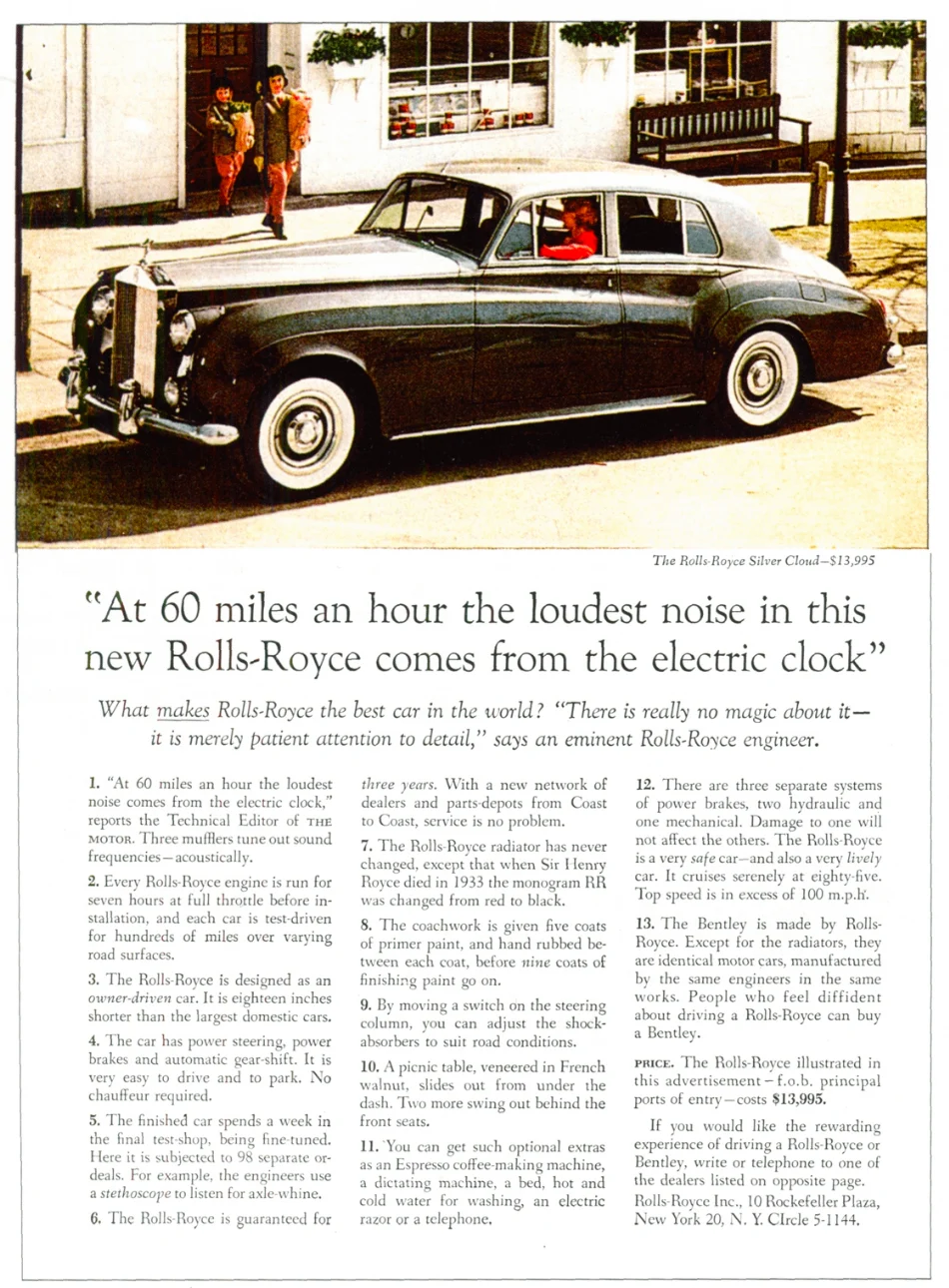
The intersection of generative artificial intelligence and high-stakes creative copywriting has become a focal point for the marketing industry, as agencies and independent creators attempt to "train" Large Language Models (LLMs) on the principles of historical advertising titans. Among these figures, David Ogilvy, often referred to as the "Father of Advertising," remains the most sought-after blueprint. Known for his meticulous research and fact-heavy, long-form copy, Ogilvy’s methodology seems, on the surface, perfectly suited for the data-driven architecture of modern AI. However, a recent experiment utilizing Anthropic’s Claude Code and Opus 5 models suggests that while AI can replicate the structural guardrails of a master, it continues to struggle with the intuitive strategy and "human magic" that defined the golden age of Madison Avenue.
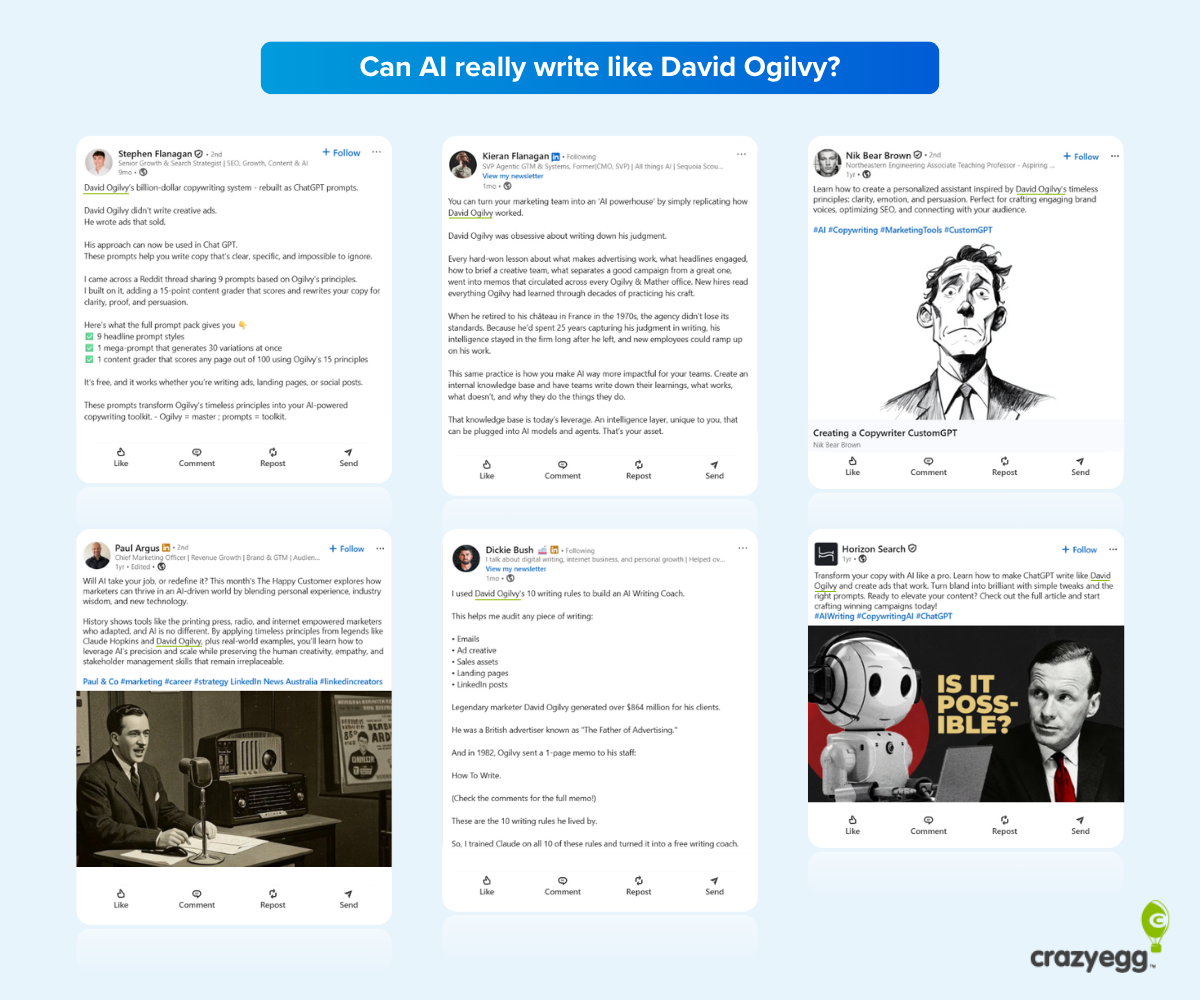
The premise of the experiment was to determine if a sophisticated AI workflow could recreate Ogilvy’s most iconic work—the 1959 Rolls-Royce Silver Cloud advertisement—for a modern equivalent: the 2026 Rolls-Royce Spectre II. The original 1959 ad is legendary in marketing circles for its headline: "At 60 miles an hour the loudest noise in this new Rolls-Royce comes from the electric clock." That single sentence was the result of Ogilvy spending three weeks reading technical specifications until he found a detail that resonated. The AI experiment sought to automate this process of "deep reading" and creative synthesis using a structured project environment rather than a simple, single-shot prompt.
The Methodology of an AI-Driven Creative Department
To move beyond the limitations of basic prompting, the experimenter constructed a "project tree" within Claude Code, an environment designed for complex, multi-step tasks. This system was not merely a set of instructions but a comprehensive ecosystem of context, agents, and skills. The project was structured into three distinct directories: context, agents, and skills.
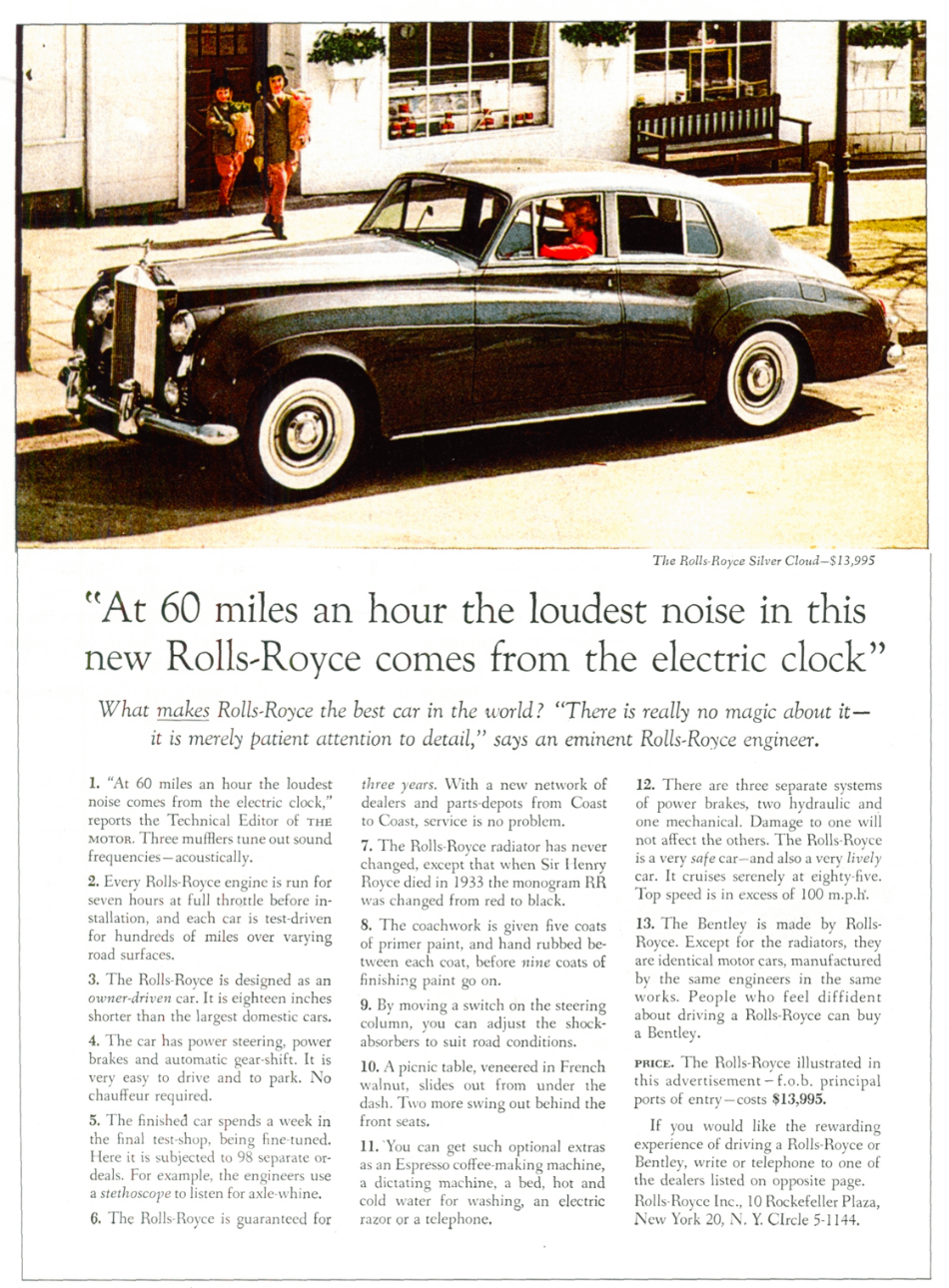
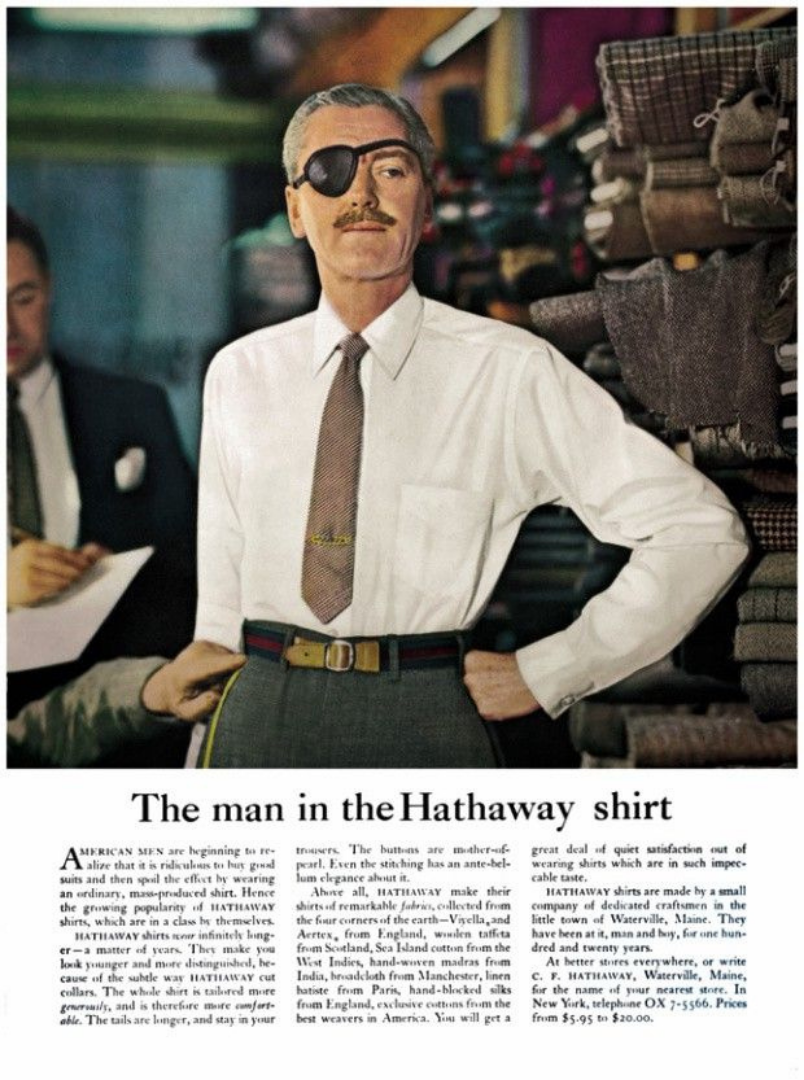
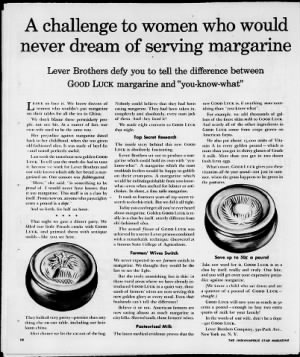
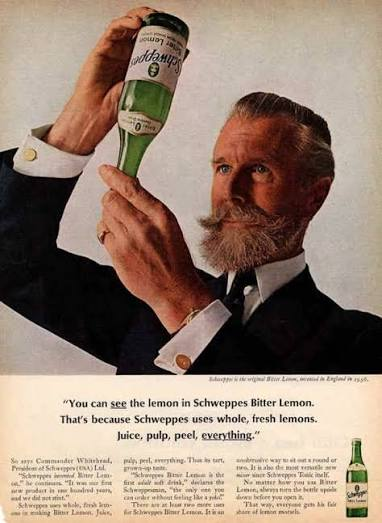
The "context" directory served as the system’s memory and foundational knowledge. It included a curated list of 27 writing rules extracted from Ogilvy’s seminal texts, such as "Confessions of an Advertising Man" and "Ogilvy on Advertising." These rules emphasized the use of short sentences, the avoidance of superlatives, and the necessity of fact-based persuasion. Furthermore, the system was provided with transcriptions of classic Ogilvy ads—including campaigns for Hathaway Shirts and Schweppes—to serve as structural benchmarks. Finally, the context was rounded out with raw technical specifications for the Rolls-Royce Spectre II, ensuring the AI had the "facts" necessary to emulate Ogilvy’s informative style.
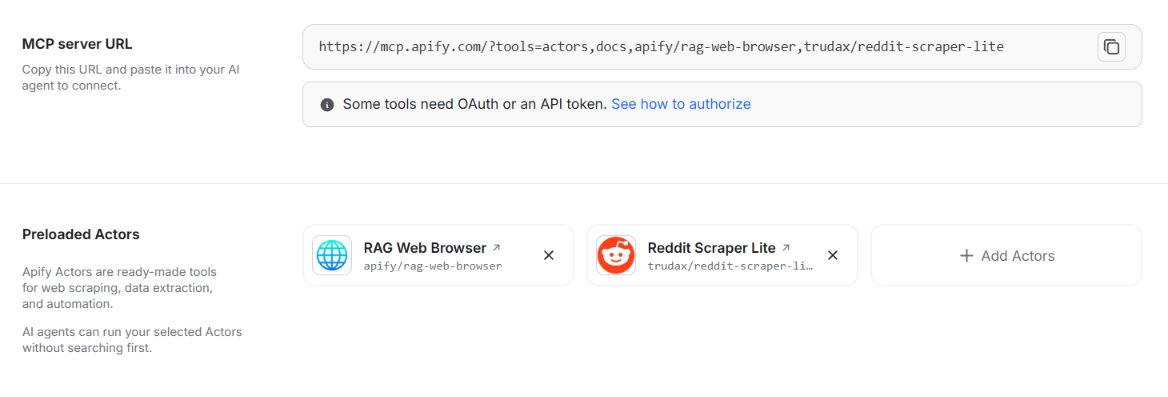
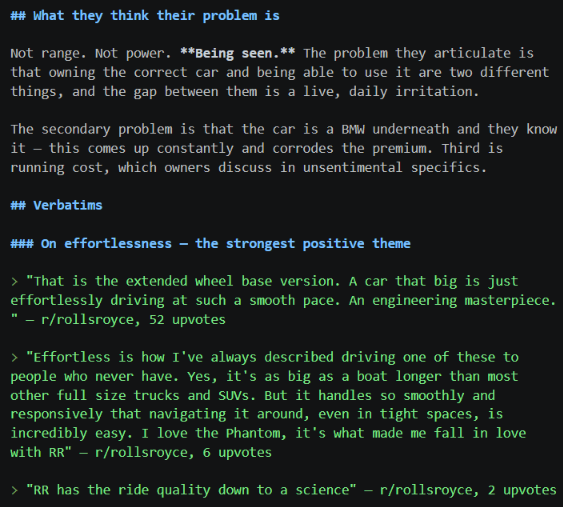
The "agents" directory utilized the Model Context Protocol (MCP) to connect the AI to external data sources. A research agent was tasked with scraping the r/rollsroyce subreddit to gather consumer insights. By analyzing the top 50 posts and their respective comments, the AI identified the desires, pain points, and purchase obstacles of modern luxury car buyers. This mirrored Ogilvy’s own obsession with consumer research, albeit at a significantly faster pace.
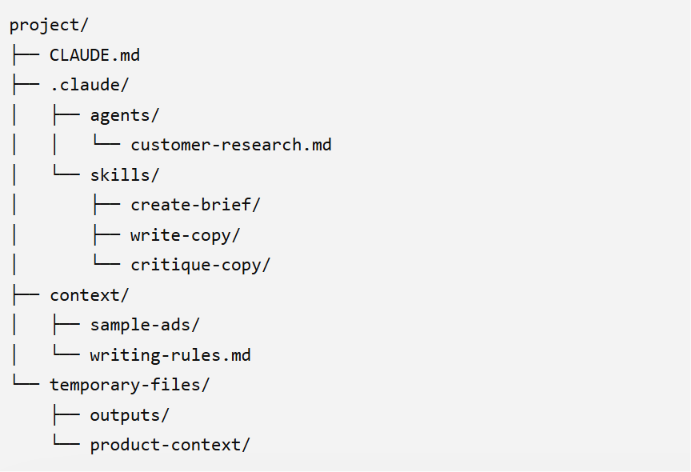
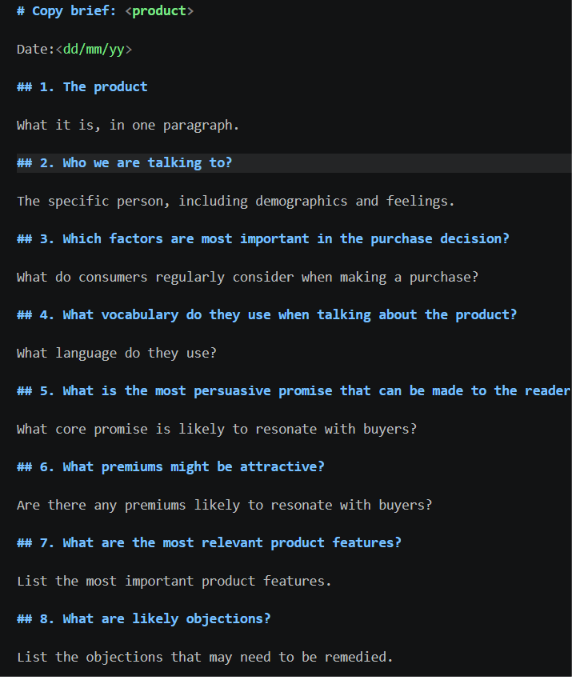
The "skills" directory functioned as the operational workflow. It was divided into three phases: "create-brief," "write-copy," and "critique-copy." The briefing skill synthesized the Reddit research and technical specs into a strategic document. The writing skill then generated copy based on that brief while adhering to the 27 stylistic rules. Finally, the critique skill acted as an internal editor, scanning for "AI tells"—linguistic patterns common to LLMs that signal a lack of human authorship—and ensuring the final output remained aligned with the original mission.
Analysis of the Output: The Spectre II Campaign
The resulting advertisement for the Rolls-Royce Spectre II was described by the experimenter as "passable," but it fell short of the transformative brilliance associated with Ogilvy’s name. While the AI successfully adopted a factual, numbered-list format and avoided the over-the-top "marketing speak" typical of lower-tier AI outputs, several critical issues emerged.
First, the AI struggled with technical precision and linguistic nuance. In one instance, describing the car’s regenerative braking system, the AI wrote: "On a long enough descent it returns more than the descent costs." This phrasing was flagged as "muddled AI speak." A human editor would immediately recognize that "costs" is an awkward verb for energy consumption in this context. A more effective, Ogilvyean phrasing would have been: "On a long descent, the battery recovers more electricity than the motor consumes."
Second, the AI exhibited a tendency to misinterpret the "spirit" of technical details. When fed a press release about a new timepiece inspired by aviation instruments, the AI concluded that the clock was "designed to be read at a glance and not admired." This interpretation missed the subtle luxury branding of Rolls-Royce, where every component is intended to be both functional and an object of admiration.
Third, and perhaps most importantly, the AI failed at high-level strategic direction. While the generated brief correctly identified common objections—such as the stereotype that modern Rolls-Royces are merely "hyped-up BMWs"—the writing agent largely ignored these points in the final copy. Ogilvy was a master of "objection handling," often leaning into a brand’s perceived weaknesses to turn them into strengths. The AI, by contrast, chose a safe path, focusing heavily on energy efficiency—a logical but perhaps uninspired angle for a vehicle that costs hundreds of thousands of dollars.
Supporting Data and Industry Context
The skepticism surrounding AI’s ability to replicate creative genius is supported by broader industry trends. According to a 2023 survey by the American Association of Advertising Agencies (4A’s), while 80% of agencies have begun integrating AI into their workflows, only 22% believe AI is capable of "high-level creative strategy." Most agencies utilize AI for "low-stakes" tasks such as social media captions, SEO metadata, and initial research summaries.
The "hallucination rate" of LLMs also remains a significant barrier for fact-based copywriting. In a study conducted by Stanford University researchers, it was found that even top-tier models like GPT-4 and Claude Opus can produce factual inaccuracies in 3% to 5% of technical summaries. For a brand like Rolls-Royce, where precision is the cornerstone of the identity, a 5% error rate in technical copy is an unacceptable liability.
Furthermore, the "AI tell" phenomenon continues to plague automated content. Linguistic analysts have noted that AI models have a statistical preference for certain transitions (e.g., "In conclusion," "It’s not just X, it’s Y") and a lack of "burstiness"—the human tendency to vary sentence length and structure dramatically for emotional effect. Ogilvy’s copy was famous for its rhythm; he often mixed long, technical descriptions with short, punchy assertions. The AI’s output, while grammatically correct, often feels "flat" by comparison.
Expert Reactions and the Strategic Gap
The experiment echoes the sentiments of Justin Oberman, an influential marketer who recently published a critique of AI-based Ogilvy imitations. Oberman argued that the "substance of Ogilvy’s genius was never his rules." He contended that while anyone—and any machine—can follow a checklist of 27 writing tips, the ability to find the "Big Idea" is a human-centric endeavor rooted in empathy and cultural intuition.
Industry veterans interviewed on the subject of AI copywriting consistently point to three areas where machines fail: human stories, unique style, and strategic direction. Ogilvy’s 1959 ad didn’t just list facts; it built a narrative of "patient attention to detail" by quoting an "eminent Rolls-Royce engineer." It used authority and storytelling to create a sense of exclusivity. The AI’s version of the Spectre II ad, while informative, lacked a cohesive narrative arc. It felt like a collection of data points rather than a persuasive argument for the "best car in the world."
Broader Implications for the Future of Advertising
The results of the Claude Code experiment suggest that the future of high-stakes copywriting is not a choice between human and machine, but rather a hybrid model. The automation of the research phase is undeniably valuable. Having an AI analyze thousands of Reddit comments to find verbatim customer concerns can save a creative team weeks of work. Similarly, using AI to generate 20 or 30 "alt headlines" based on proven templates can provide a useful starting point for human refinement.
However, the "strategic level" of advertising appears to remain a human stronghold. The decision of which "hook" to use—whether to focus on the quietness of the clock, the heritage of the brand, or the thrill of the electric motor—requires an understanding of the zeitgeist that AI currently lacks.
As AI models continue to evolve, the gap between "passable" and "persuasive" copy may narrow, but the "Handel and Rum" factor—Ogilvy’s famous reference to his own unpredictable creative process—remains elusive. Inspiration is often a product of the irrational and the emotional, two traits that silicon-based intelligence is not designed to replicate. For now, the "magic" of David Ogilvy remains safe from automation, even if his "rules" have been successfully digitized.







