

The digital landscape has evolved from a simple repository of information into a complex ecosystem where the structural foundation of a website—its format—serves as the primary driver of business success. Unlike visual design, which addresses aesthetics, or layout, which focuses on the spatial arrangement of elements, a website format dictates the functional sequence and presence of specific content sections tailored to achieve distinct business objectives. As digital saturation increases, selecting the appropriate format has become a strategic imperative for organizations seeking to optimize user experience (UX) and maximize conversion rates.
Defining the Architecture: Format vs. Design
In professional web development, a fundamental distinction is made between a website’s format, layout, and design. A website format is the overarching structural blueprint; it determines which sections are necessary—such as a hero section, testimonials, or product grids—and the specific order in which they appear to guide the user journey.
In contrast, a layout refers to the visual organization, such as a "grid layout" or "F-pattern," while design encompasses the branding, typography, and color palettes that evoke emotional responses. A template serves as a pre-packaged implementation of these elements. Industry analysis suggests that businesses often fail by choosing templates based on visual appeal rather than structural format. For instance, an e-commerce business utilizing a portfolio format may suffer from high friction in the checkout process, regardless of how "modern" the site appears.
The Evolution of Web Structures: A Brief Chronology
The history of website formatting reflects the broader evolution of internet technology and consumer behavior. In the early 1990s, the "Brochure" format dominated, as businesses simply sought a digital presence. By the early 2000s, the rise of the "Online Store" format, pioneered by giants like Amazon, introduced the necessity of complex navigation and search functionality.
The mid-2010s saw the emergence of the "Online Service" (SaaS) format, characterized by long-form landing pages designed to explain complex software-as-a-service products. Today, the proliferation of mobile-first browsing has forced these formats to become more streamlined and modular. According to data from Statista, as of 2024, over 58% of global web traffic is mobile, necessitating formats that prioritize vertical scrolling and immediate calls-to-action (CTAs).
Analysis of the Seven Core Website Formats
To navigate the current digital economy, businesses generally align with one of seven primary formats, each engineered for a specific conversion goal.
1. The Brochure Site
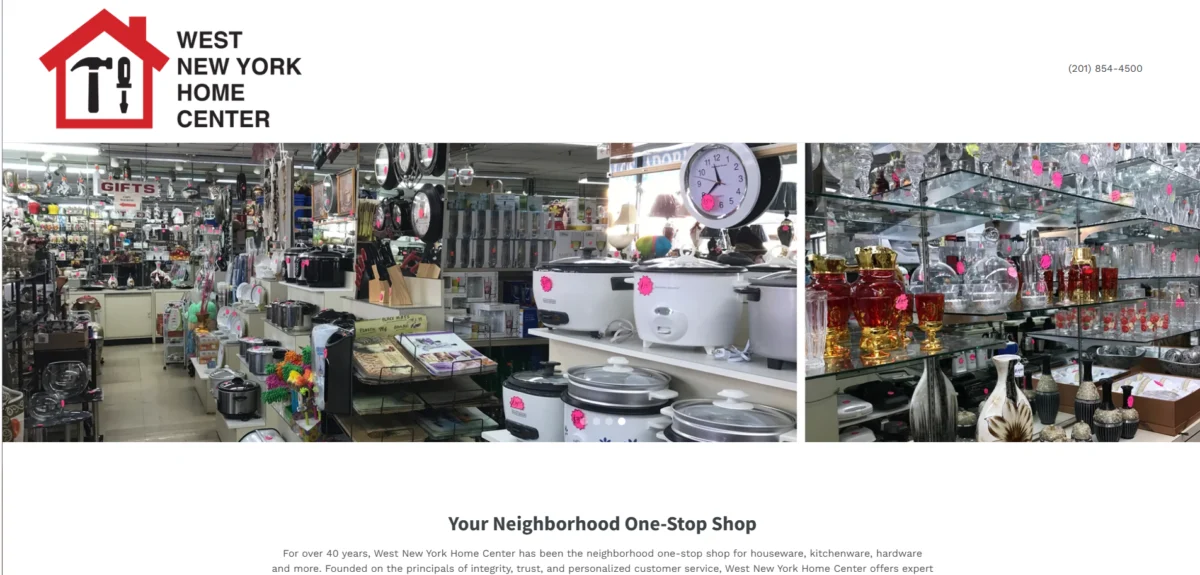
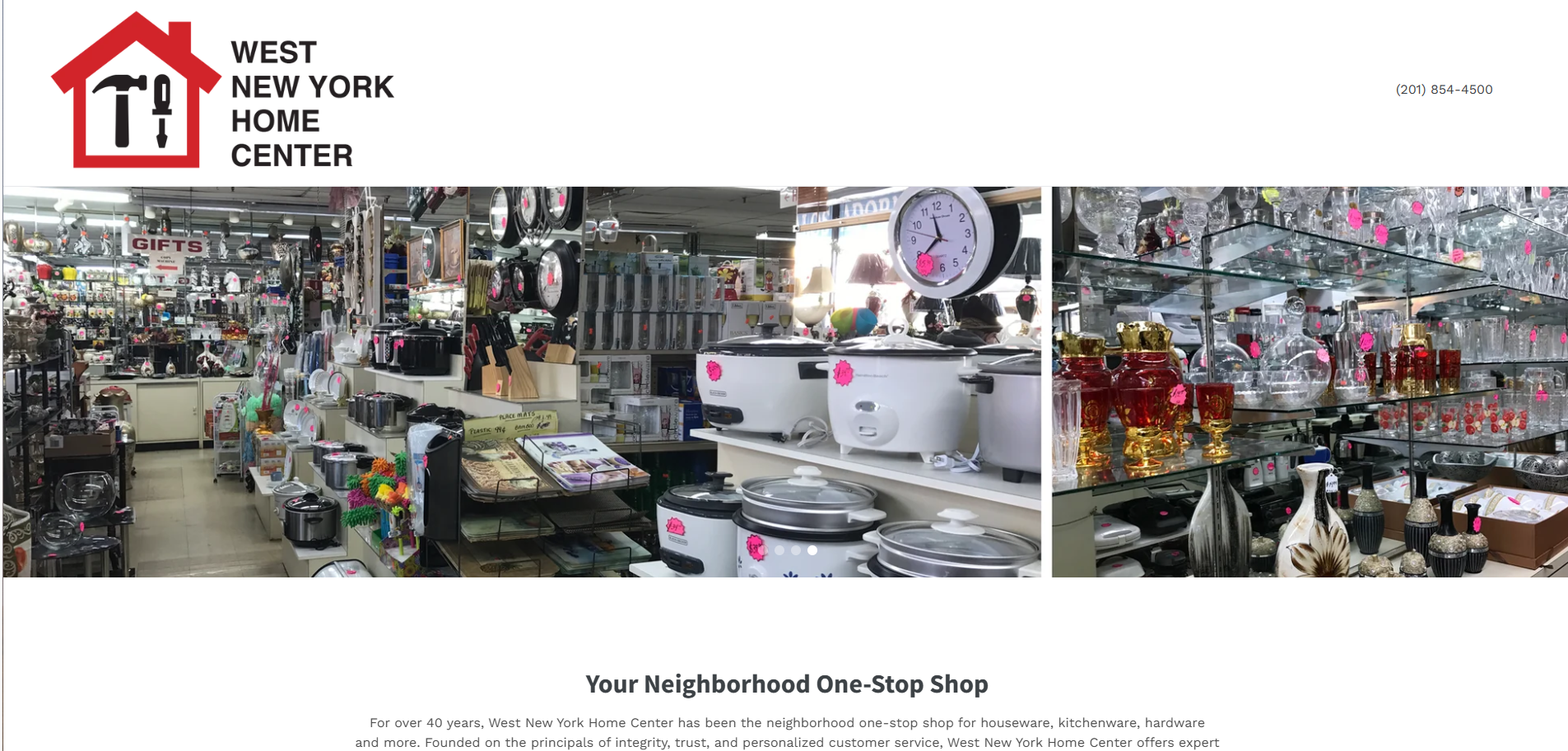
Primarily utilized by brick-and-mortar establishments such as local hardware stores, restaurants, or boutique shops, the brochure site acts as a digital storefront. Its primary objective is to drive physical foot traffic.
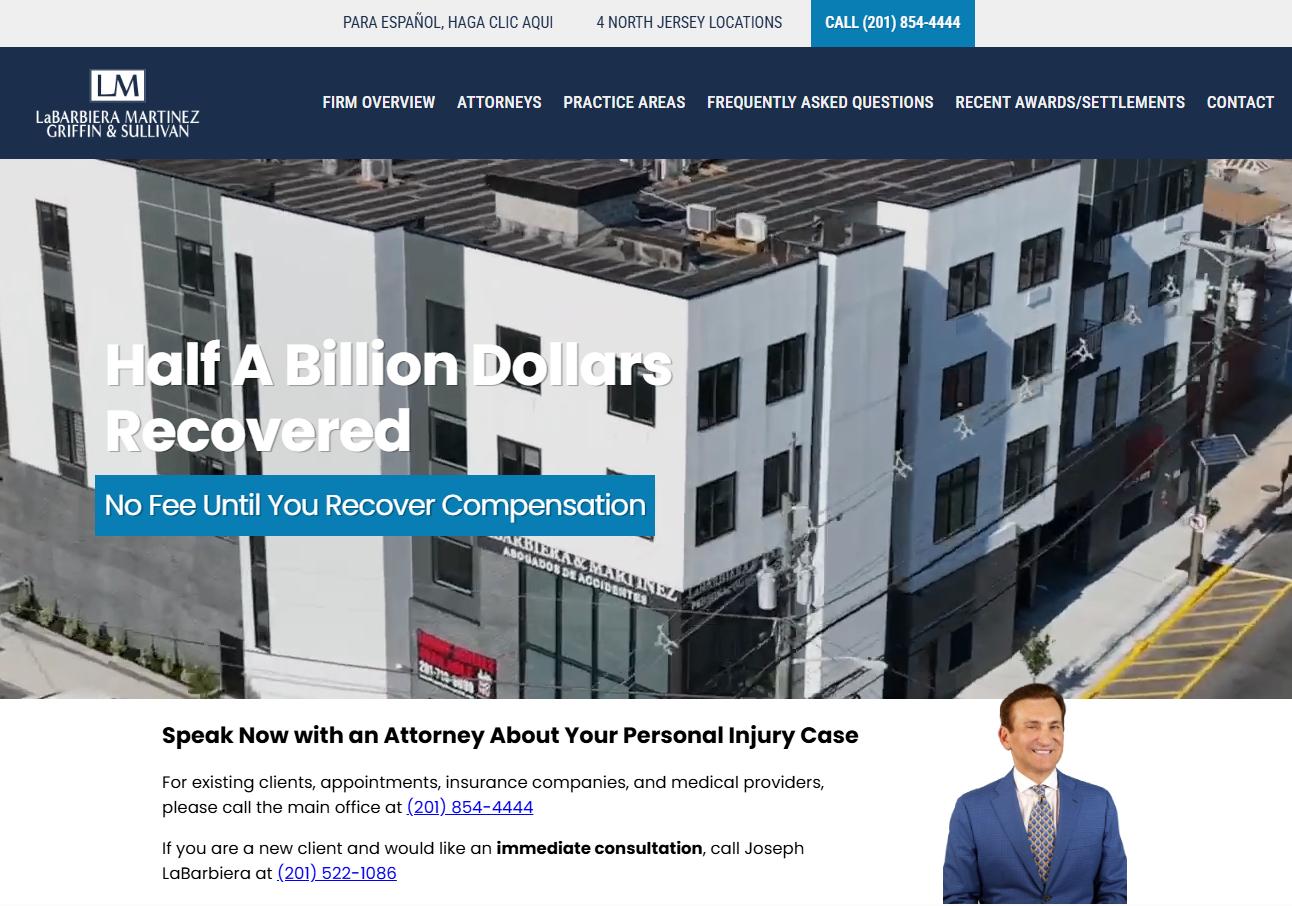
- Key Sections: Business overview, high-quality imagery of the physical location, operating hours, and an embedded map.
- Strategic Function: It eliminates "information friction" for local searchers, ensuring that contact details and location are accessible within seconds.
2. The Local Service Site
This format is the standard for tradespeople, medical clinics, and law firms. Unlike the brochure site, the goal is a direct digital or telephonic inquiry.
- Key Sections: Trust signals (licenses, certifications), service area maps, client testimonials, and a prominent "Request a Quote" or "Call Now" button in the hero section.
- Data Insight: Research indicates that including localized trust signals can increase conversion rates for service businesses by up to 20%.
3. The Online Store (E-commerce)
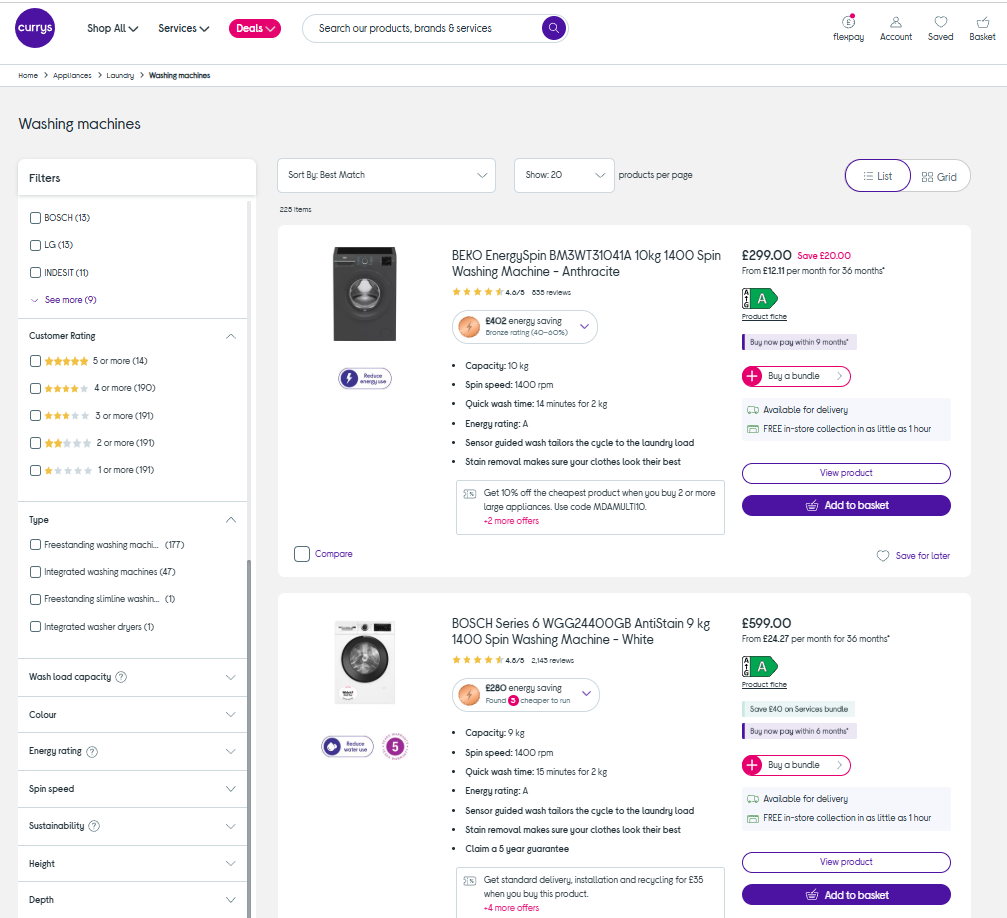
The online store format is designed for high-volume transactions and product discovery. It is structured to minimize the steps between discovery and purchase.
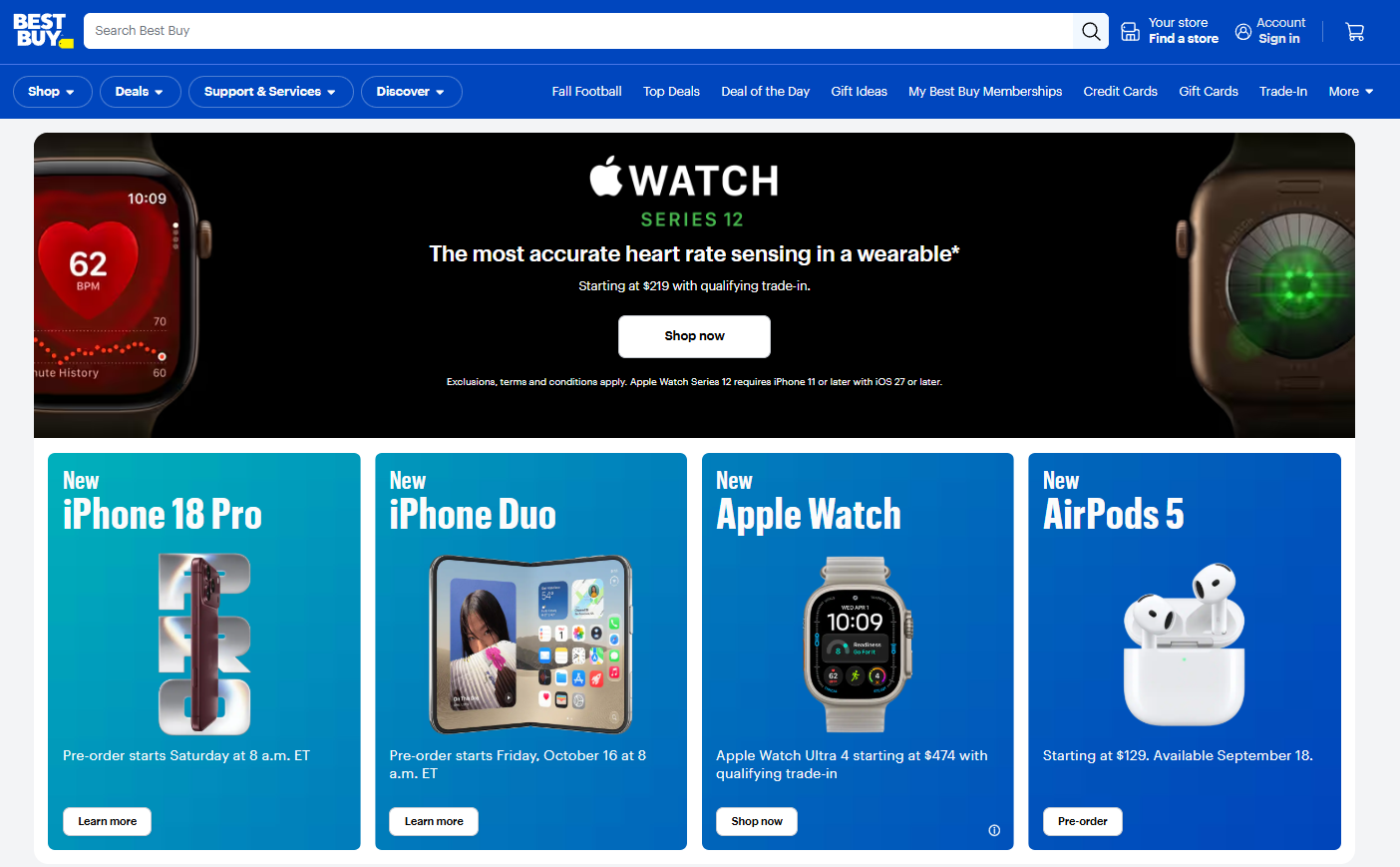
- Key Sections: Category navigation, search bars with autocomplete, product grids, and a frictionless checkout flow.
- Structural Requirement: Above-the-fold content must include "product entry points" to cater to users with high purchase intent.
4. The Online Service (SaaS/Subscription)
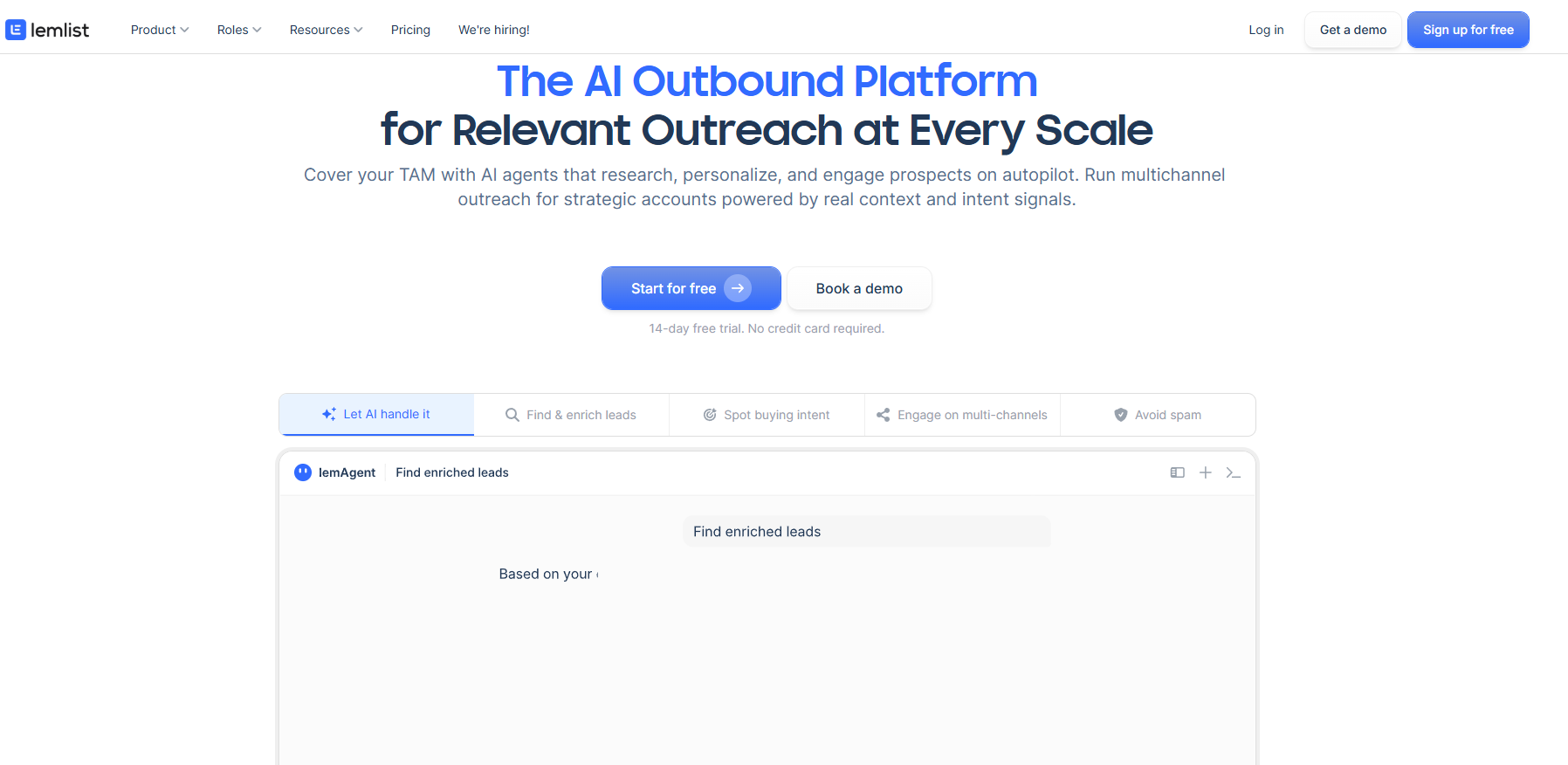
SaaS companies utilize this format to explain value propositions and drive trial signups. Because the product is intangible, the format relies heavily on education and social proof.
- Key Sections: Problem-solution hero statement, "How it Works" modules, tiered pricing tables, and "As Seen On" logo bars.
- Chronology of Use: This format has moved toward "Product-Led Growth" (PLG) structures, where the primary CTA is often a "Free Start" rather than a sales demo.
5. The Consultative Site
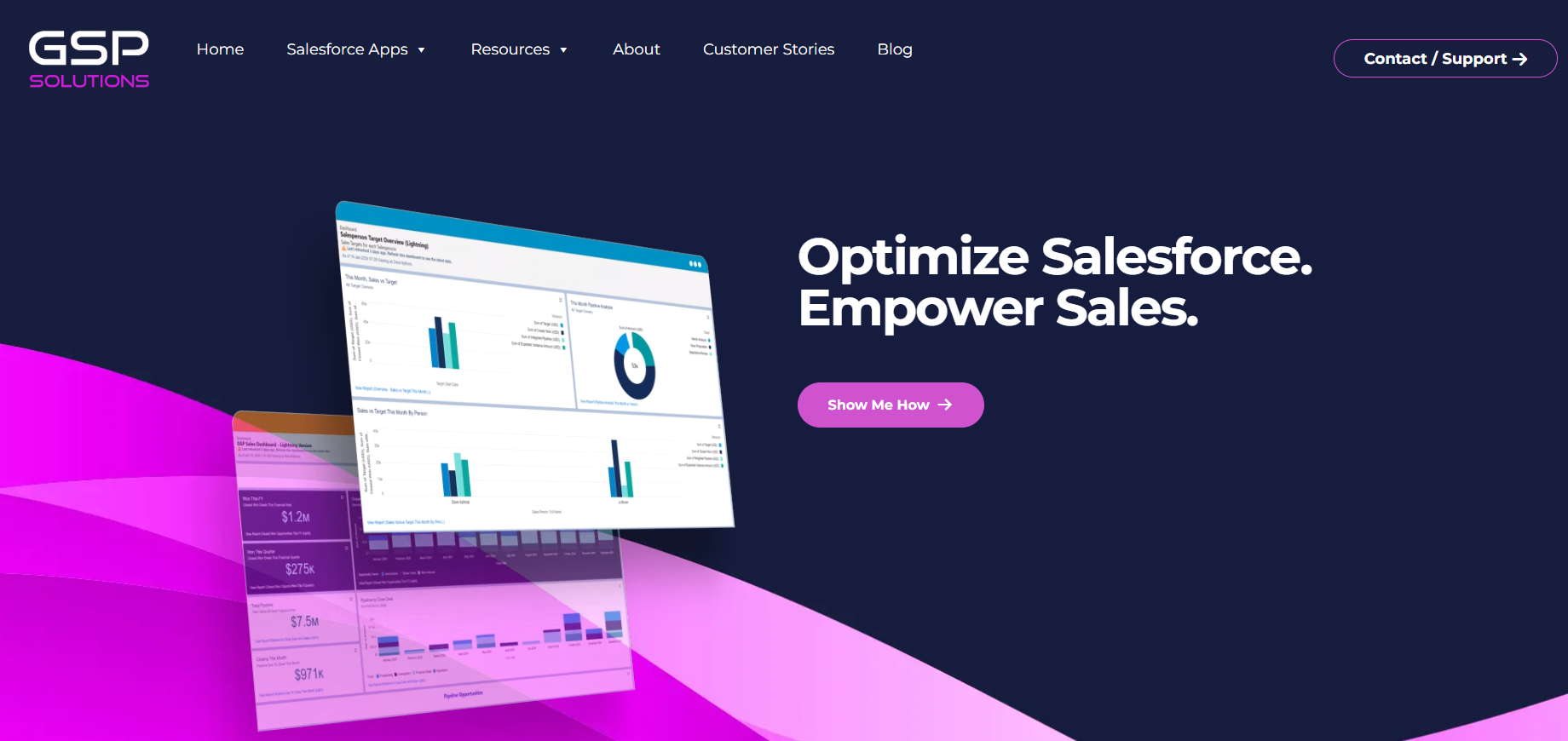
B2B enterprises and specialized consultancies use this format for long-cycle sales. The goal is not an immediate sale but the establishment of authority and the capture of lead data.
- Key Sections: Case studies, white papers, "Our Process" explanations, and lead magnets (e.g., downloadable guides).
- Strategic Context: These sites often act as a "silent salesperson," nurturing a lead for months before a direct conversation occurs.
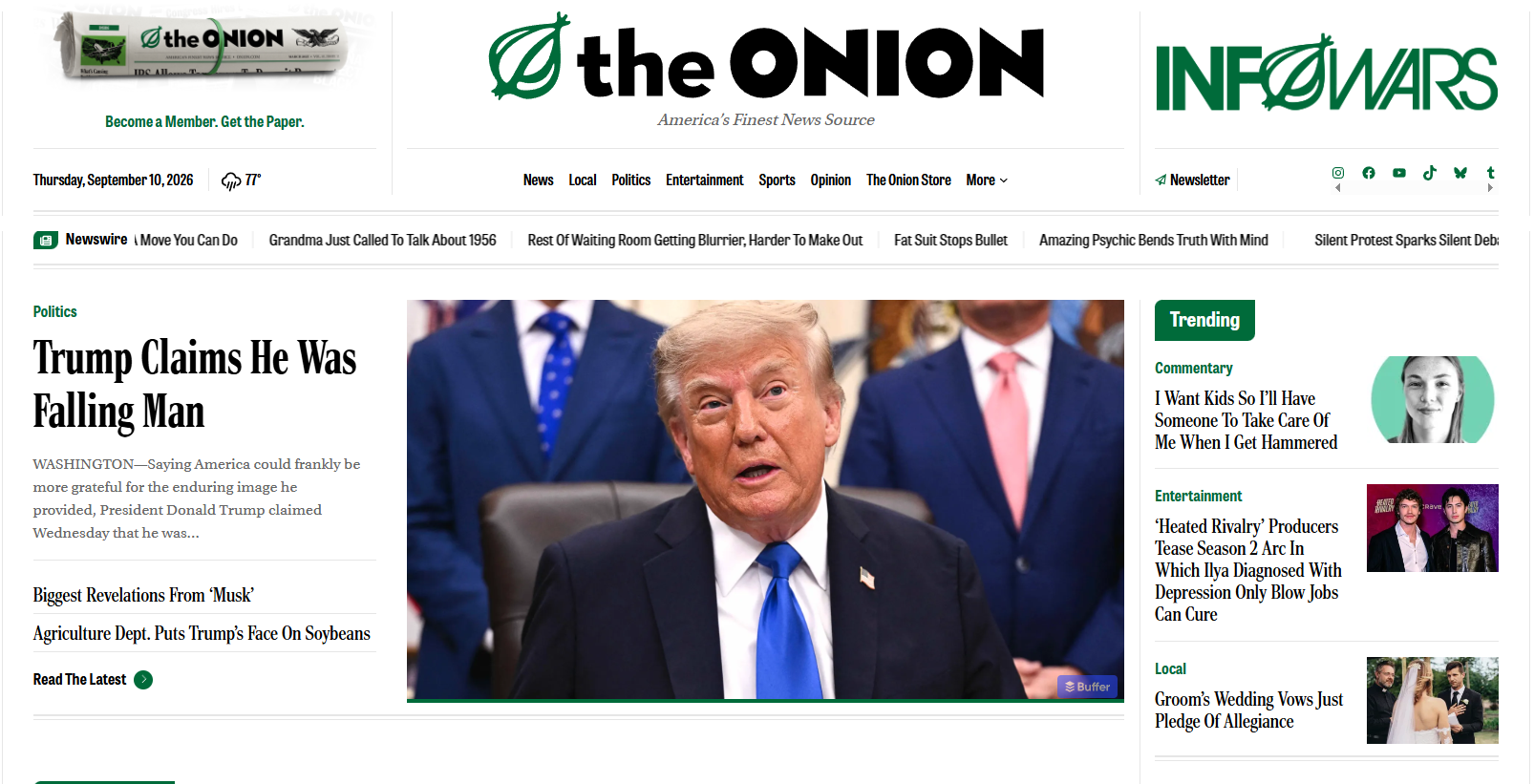
6. The Publication Site
News outlets, blogs, and media platforms prioritize the "Attention Economy." The format is designed to maximize time-on-site and page views per session.
- Key Sections: Trending content widgets, category-based navigation, search functionality, and newsletter opt-ins.
- Revenue Alignment: For sites relying on ad revenue, the format includes strategic "ad breaks" and "recommended reading" sections to prevent user churn.
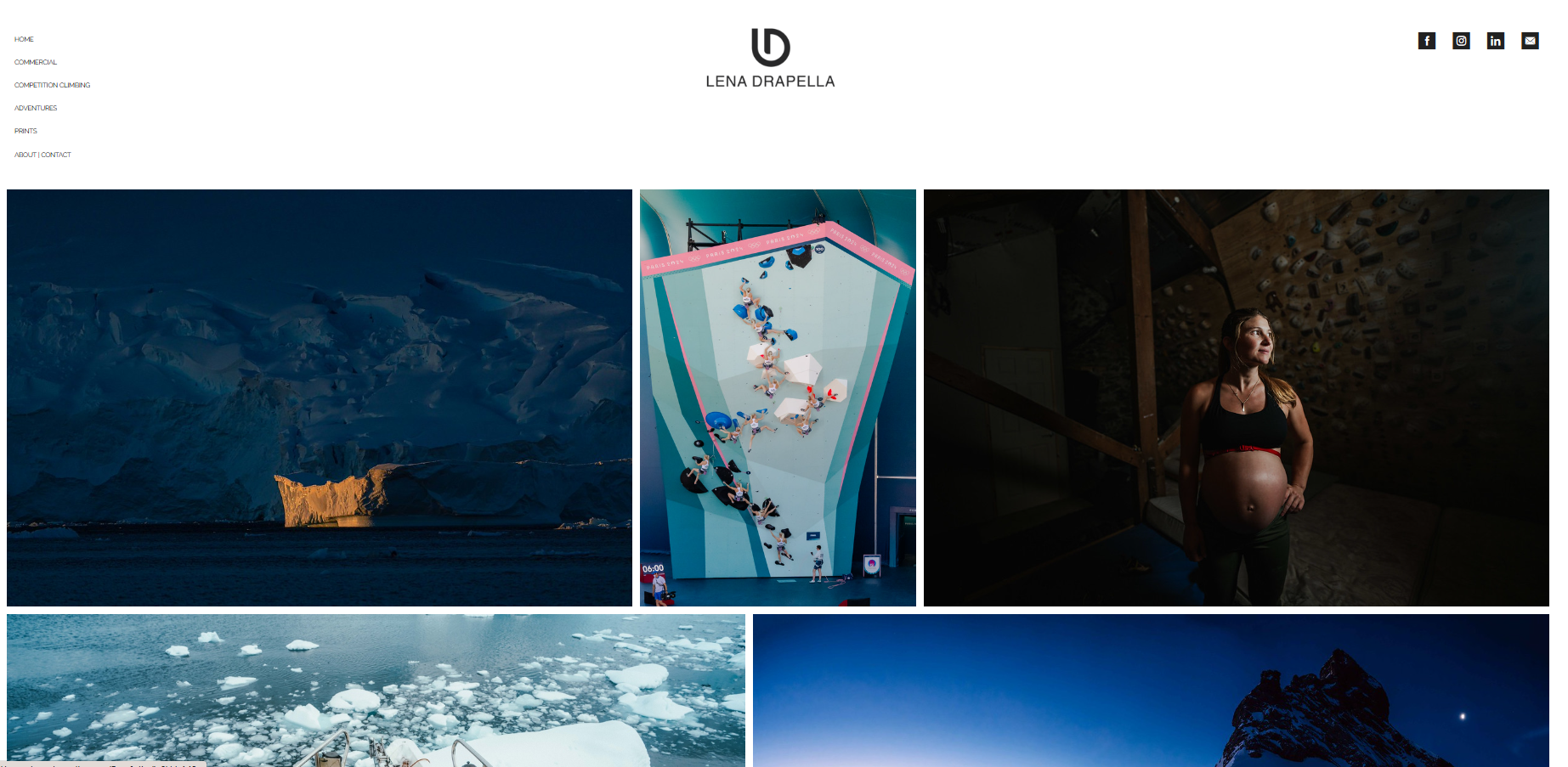
7. The Portfolio Site
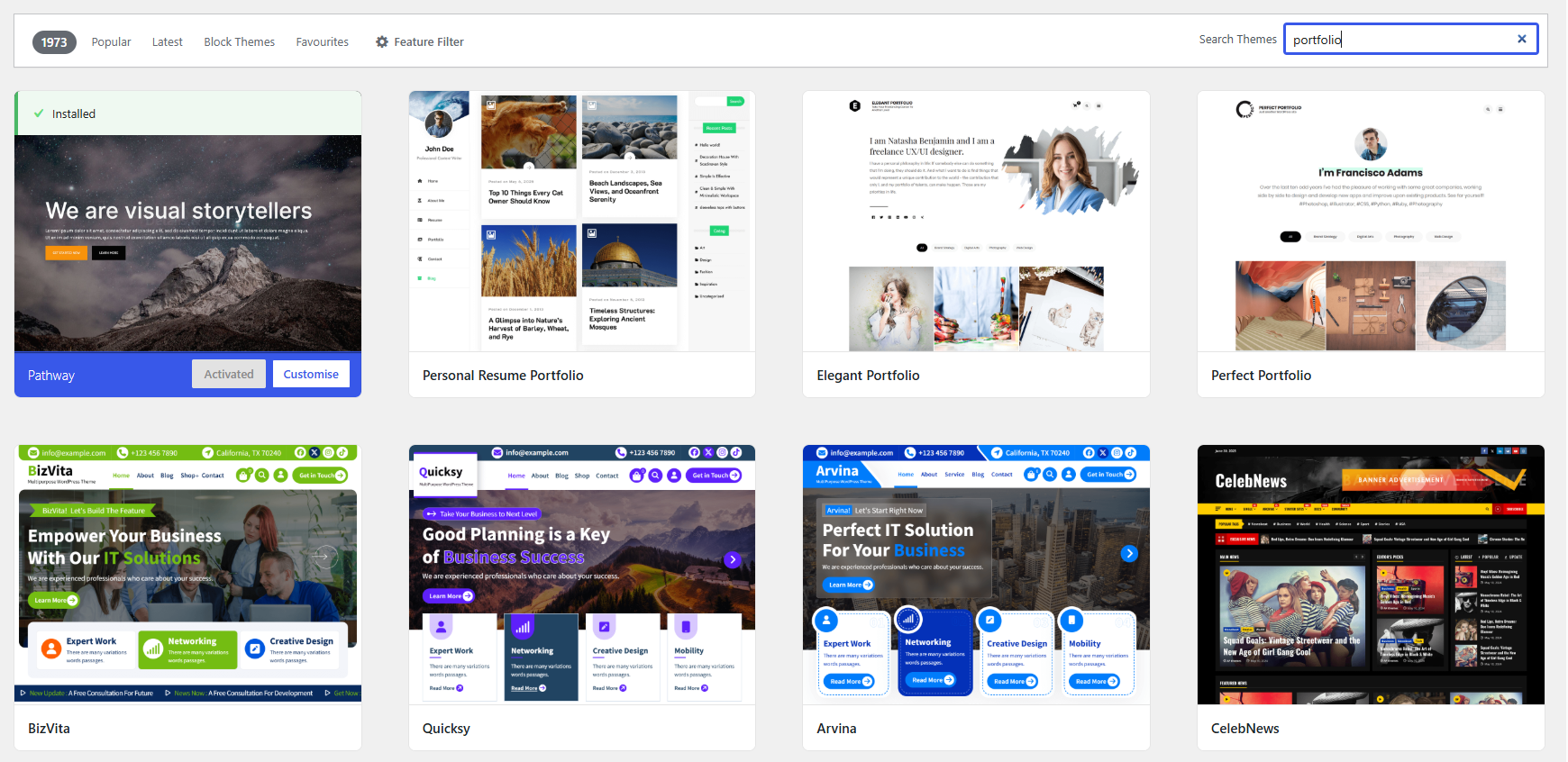
Creatives, photographers, and studios use this format to showcase visual or intellectual output.
- Key Sections: High-resolution galleries, project descriptions, and minimalist contact forms.
- Design Philosophy: The format is often "stripped back" to ensure that the work remains the focal point, removing distracting sidebars or complex footers.
Supporting Data: The Impact of Format on Conversion
The efficacy of these formats is not merely theoretical; it is reflected in quantitative performance metrics. According to industry benchmarks:
- E-commerce: Sites that utilize a "Grid Layout" format for product listings see a 14% higher engagement rate compared to list views in retail sectors.
- SaaS: Placing a "Social Proof" section (testimonials) immediately following the "Features" section can increase signup rates by 12.5%.
- Local Services: Sites that include a "Service Area" map see a lower bounce rate from mobile users, as it confirms relevance within the first five seconds of the session.
Experts in User Experience (UX) suggest that the "F-Pattern"—where users scan the top and left sides of a page—is the psychological driver behind why most successful formats place logos and primary navigation at the top and key value propositions in the upper-left quadrant.
Methodologies for Performance Analysis
Selecting a format is the first step; validating its performance requires a data-driven approach. Conversion rates serve as a "lagging indicator," showing what happened in the past. To understand why a format is or isn’t working, organizations are increasingly turning to user behavior analytics.
- Heatmapping: Tools like Crazy Egg allow businesses to see where users click and how far they scroll. If a "Consultative" site finds that users are clicking on images that aren’t links, it indicates a mismatch between the format’s visual cues and the user’s intent.
- Session Recordings: By watching real-time interactions, designers can identify "rage clicks" or areas where the format creates friction, such as a checkout form that is too long or a navigation menu that obscures content.
- A/B Testing: Professional newsrooms and e-commerce sites frequently test format variations—such as moving the "Reviews" section above or below the "Product Specs"—to find the optimal sequence for their specific audience.
Broader Implications for the Digital Future
As artificial intelligence (AI) begins to play a larger role in web development, the concept of a "static" website format may soon be replaced by "dynamic formatting." In this future state, a website could potentially rearrange its sections in real-time based on the visitor’s past behavior or referral source. For example, a visitor arriving from a "how-to" search might see a "Publication" format, while a visitor arriving from a "buy now" ad might see an "Online Store" format for the exact same URL.
However, the fundamental psychological principles of the seven core formats remain unchanged. Users crave clarity, ease of navigation, and a logical flow of information. Whether a business is a local law firm or a global software provider, the alignment of website format with the primary business goal remains the most critical factor in digital ROI.
In conclusion, the transition from a generic online presence to a strategically formatted digital asset is a hallmark of professional maturity in the modern market. By understanding the structural nuances of the seven main website formats, businesses can move beyond "pretty design" and build digital infrastructures that actively contribute to their bottom line. Consistent auditing through behavioral analytics ensures that as consumer habits change, the website format evolves to meet them, maintaining a competitive edge in an increasingly crowded digital landscape.







