rifanmuazin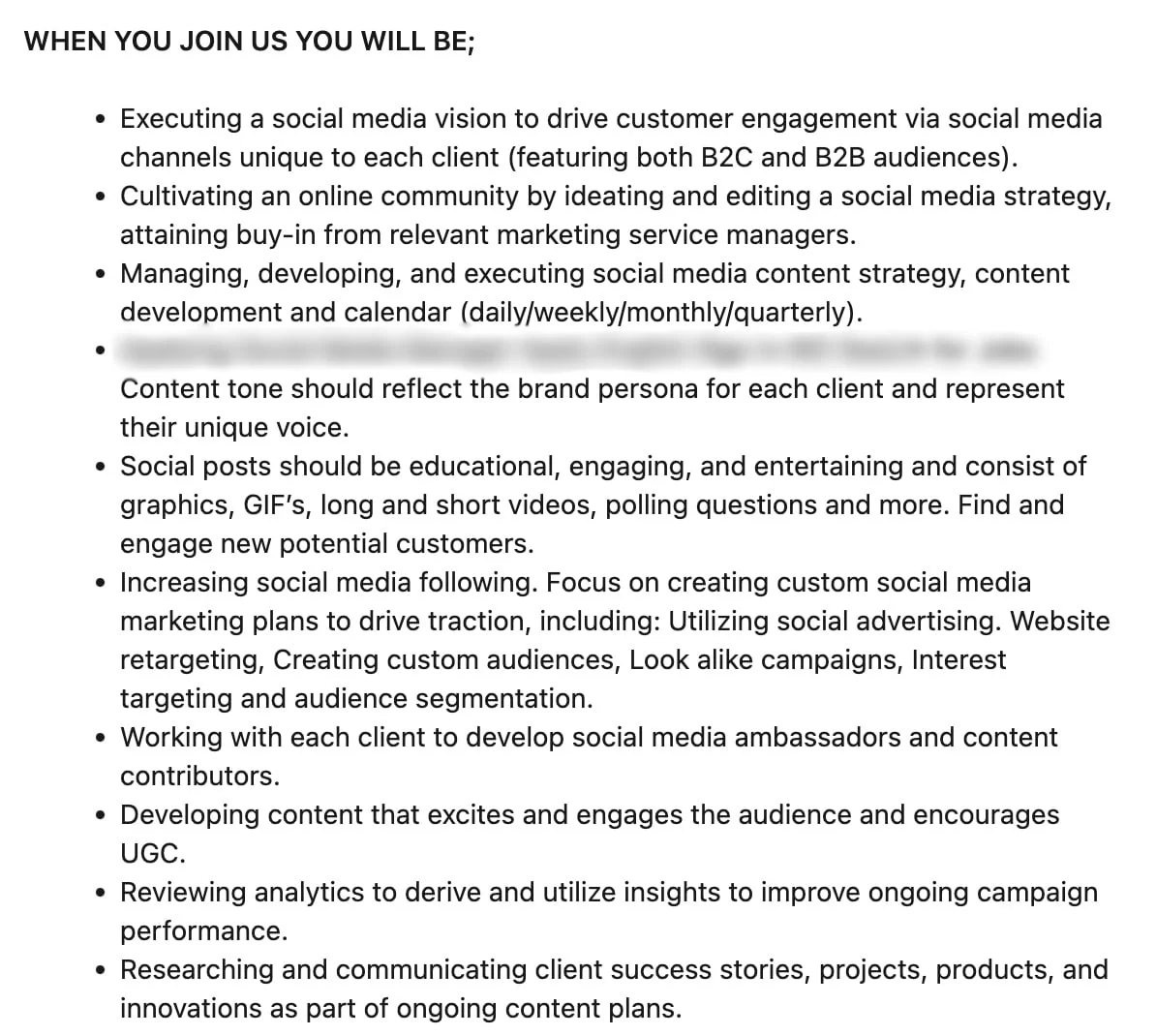
In today’s hyper-connected world, a brand’s social media presence is often its primary interface with customers, a critical touchpoint for market intelligence, and a potent engine for driving sales and loyalty. The proliferation of platforms, the sophistication of algorithms, and the ever-changing landscape of content formats mean that an uncoordinated approach is no longer sustainable. Businesses must now cultivate agile, knowledgeable, and well-equipped social media teams to navigate this dynamic environment effectively. These teams are responsible for the entire lifecycle of a brand’s social media presence, encompassing meticulous planning, innovative content creation, timely publishing, proactive community engagement, and insightful performance analysis.
The Strategic Imperative for Dedicated Social Media Teams
The shift towards specialized social media teams reflects a broader recognition of social media’s profound impact on key business objectives. Beyond simply posting updates, these teams are integral to brand building, managing public perception, offering real-time customer support, and even generating direct revenue. A fragmented approach, where social media tasks are tacked onto other roles, often leads to inconsistent messaging, missed opportunities for engagement, and a reactive rather than proactive strategy.

A dedicated social media team ensures brand consistency across all platforms, facilitates rapid response to market trends or crises, and provides valuable insights into consumer behavior and competitive landscapes. For instance, a retail company focusing on social commerce would deploy a diverse team: content creators producing engaging lifestyle videos, paid ads specialists running targeted campaigns across platforms like Facebook and Instagram, and community managers handling customer inquiries and fostering loyalty. This integrated approach connects social media activities directly to measurable business goals, from enhancing brand awareness to boosting conversion rates.
Key Roles in a High-Performing Social Media Team
Building a robust social media team involves identifying and integrating a blend of generalists and specialists. While smaller organizations might see individuals wearing multiple hats, larger enterprises typically benefit from distinct roles, some of which may be outsourced depending on specific needs and budget constraints.
1. Social Media Manager: The Strategic Orchestrator

The Social Media Manager (SMM) is the linchpin of any social media operation, a true generalist with a deep understanding of platform nuances, content strategy, and execution. This role transcends daily posting, involving the development and oversight of the overarching social media marketing strategy. SMMs ensure that all social activities align with broader marketing and business objectives, often collaborating closely with other marketing functions. Their responsibilities typically include:
- Developing, managing, and executing comprehensive social media content strategies and calendars.
- Analyzing performance data to optimize campaigns and inform future strategy.
- Managing social media budgets and allocating resources effectively.
- Staying abreast of industry trends, platform changes, and emerging technologies.
- Leading and mentoring junior team members.
Skills: Strategic planning, content strategy, analytics interpretation, crisis management, communication, team leadership, budget management, platform expertise. As Eileen Kwok, Hootsuite’s Social & Influencer Marketing Strategist, notes, "curiosity, tenacity, and creativity" are crucial, enabling SMMs to adapt and innovate in a constantly evolving landscape.
Tools: Social media management platforms (e.g., Hootsuite), analytics tools, project management software.
Reports to: Marketing Director or Chief Marketing Officer (CMO).
Average Salary: Industry data from Zippia places the average salary around $70,287, though this can vary significantly based on experience, location, and company size.
2. Content Creator: The Engine of Engagement
The Content Creator is responsible for bringing the brand’s voice to life through compelling visuals and narratives. This role involves producing a diverse range of content, from engaging graphics and persuasive captions to high-quality photos and dynamic video content. They are the engine behind the content pipeline, ensuring a steady stream of relevant and captivating material.
- Developing creative content ideas aligned with brand voice and audience interests.
- Producing various content formats (images, videos, GIFs, stories) for different platforms.
- Collaborating with the SMM to ensure content aligns with strategic goals.
- Keeping a pulse on viral trends and adapting them to the brand’s narrative.
Skills: Creative writing, graphic design, video editing, photography, storytelling, trend awareness, platform-specific content optimization.
Tools: Adobe Creative Suite (Photoshop, Premiere Pro), Canva, video editing software (e.g., CapCut, DaVinci Resolve).
Reports to: Social Media Manager.
Average Salary: Zippia reports an average of $61,988, reflecting the growing demand for skilled digital storytellers.
3. Community Manager: The Voice and Listener of the Brand
The Community Manager acts as the brand’s direct representative on social media, fostering authentic interactions and building a loyal audience. This role goes beyond merely responding to comments; it involves actively engaging with the audience, nurturing communities (e.g., Facebook Groups, Discord servers), and transforming casual followers into brand advocates.
- Monitoring social media channels for mentions, comments, and messages.
- Responding to inquiries and feedback in a timely and on-brand manner.
- Identifying and engaging with key influencers and brand loyalists.
- Implementing strategies to grow and nurture online communities.
- Escalating customer service issues to relevant departments.
Skills: Exceptional communication, empathy, conflict resolution, brand voice adherence, crisis communication, social listening, relationship building.
Tools: Social listening tools, unified social inboxes, CRM systems.
Reports to: Social Media Manager.
Average Salary: Payscale indicates an average of $64,929, highlighting the value placed on direct customer engagement and brand reputation management.

4. Paid Social Media Specialist: The ROI Driver
A Paid Social Media Specialist is critical for brands looking to scale their reach and drive measurable results through advertising. This highly analytical role focuses on designing, executing, and optimizing paid social campaigns across various platforms. They are adept at navigating complex ad dashboards, managing budgets, and performing rigorous A/B testing to maximize return on investment.
- Developing and executing paid social media strategies aligned with conversion goals.
- Managing ad budgets, bidding strategies, and audience targeting.
- Analyzing campaign performance and optimizing for key metrics (e.g., CPA, ROAS).
- Staying updated on ad platform policy changes and new features.
- Conducting competitive analysis of paid social strategies.
Skills: Data analysis, conversion rate optimization (CRO), A/B testing, platform advertising expertise (Facebook Ads Manager, Google Ads, LinkedIn Campaign Manager), budget management, copywriting for ads.
Tools: Native ad platforms, analytics tools (Google Analytics), attribution modeling software.
Reports to: Social Media Manager, Marketing Director, or CMO.
Average Salary: Zippia lists the average for an Advertising Specialist at $50,237, though specialists solely focused on paid social with strong performance track records can command higher salaries.
5. Social Data Analyst: The Insight Generator

The Social Data Analyst translates raw social media performance data into actionable business intelligence. This role moves beyond surface-level metrics, digging deep into trends, sentiment, and user behavior to uncover "why" campaigns succeed or fail. They provide the empirical foundation for strategic decision-making, ensuring social media efforts are data-driven and impactful.
- Tracking and reporting on key social media metrics and KPIs.
- Developing custom dashboards and performance reports for stakeholders.
- Conducting sentiment analysis and audience segmentation.
- Identifying trends and providing recommendations for strategy optimization.
- Benchmarking performance against competitors and industry standards.
Skills: Statistical analysis, data visualization, reporting, critical thinking, market research, proficiency in analytics platforms.
Tools: Social media analytics tools (e.g., Hootsuite Analytics), Google Analytics, Excel, data visualization software (e.g., Tableau, Power BI).
Reports to: Social Media Manager.
Average Salary: Payscale reports an average of $60,114 for a Social Media Analyst, reflecting the growing need for data-driven insights in marketing.
6. Graphic Designer: The Visual Architect
While content creators often handle basic visual production, a dedicated Graphic Designer elevates a brand’s visual identity on social media. This role is crucial for maintaining brand consistency, creating high-impact campaign graphics, infographics, and other visual assets that resonate with the target audience. They ensure that every visual touchpoint aligns with the brand’s aesthetic guidelines.

- Designing high-quality visuals for social media campaigns, ads, and organic content.
- Ensuring brand consistency across all visual assets.
- Developing brand style guides for social media.
- Collaborating with content creators and paid specialists on visual concepts.
- Creating motion graphics and short animations for dynamic content.
Skills: Graphic design principles, typography, color theory, branding, visual storytelling, proficiency in design software.
Tools: Adobe Creative Suite (Illustrator, InDesign, Photoshop), Figma, Sketch.
Reports to: Social Media Manager or Paid Ads Specialist (depending on primary focus).
Average Salary: Payscale indicates an average of $54,033 for a Graphic Designer, with specialized social media designers potentially earning more.
7. Influencer Marketer: The Network Weaver
An Influencer Marketer specializes in forging strategic partnerships with creators to amplify brand messaging and reach new audiences. As the creator economy continues to boom, this role has become indispensable for brands seeking authentic endorsement and expanded reach. They manage the entire lifecycle of influencer campaigns, from identification and outreach to contract negotiation and performance tracking.
- Identifying and vetting relevant influencers and creators.
- Developing and executing influencer marketing campaigns.
- Negotiating contracts and managing relationships with influencers.
- Tracking campaign performance and ROI.
- Ensuring compliance with disclosure regulations.
Skills: Relationship building, negotiation, campaign management, data analysis, trend spotting in the creator economy, legal understanding of endorsements.
Tools: Influencer discovery platforms, CRM for managing relationships, analytics tools.
Reports to: Social Media Manager, Marketing Director, or CMO.
Average Salary: Glassdoor suggests an average of $120,000 for an Influencer Marketing Manager, reflecting the strategic importance and specialized nature of this role, particularly at larger organizations.

Building a High-Performing Team: A Strategic Framework
Building a successful social media team is a structured process, not an accidental outcome. It requires careful planning, a clear understanding of objectives, and a commitment to nurturing talent.
1. Review Your Budget and Current Setup: The Foundational Audit
Before any hiring decisions, conduct a thorough audit of your existing social media efforts and available resources. Evaluate who currently manages social media tasks, whether it’s an incidental part of another role or a primary responsibility. Assess the performance of existing social channels and identify any platforms that are underutilized or overemphasized given your target audience. Crucially, scrutinize your budget. Social media staffing is an investment, and understanding your financial constraints will dictate the scale and specialization of your team. This audit helps pinpoint critical gaps and establish a realistic starting point for team expansion.

2. Define Your Social Media Goals: The Strategic Compass
Your social media goals must be inextricably linked to your overarching business objectives. Are you aiming for increased brand awareness, customer loyalty, direct sales, or thought leadership? Each goal necessitates a different skillset and team structure. For instance, a primary goal of community building might prioritize a Community Manager, while a focus on driving conversions would highlight the need for a Paid Social Media Specialist. As Eileen Kwok advises, "Set your expectations and get really clear on what you are looking for… get clear on the goals you want to achieve and work backwards." This clarity prevents the common pitfall of seeking a "one-size-fits-all unicorn" and instead focuses on building a team designed for specific outcomes. Common goals include:
- Increased brand awareness and reach.
- Improved brand reputation and sentiment.
- Higher web traffic and lead generation.
- Increased sales and conversions.
- Enhanced customer experience and support.
3. Determine Your Team Structure and Size: The Organizational Blueprint
With goals defined, decide on the optimal structure and size for your team. This involves considering the balance between generalists and specialists. A small business might start with one or two generalists handling content creation and engagement, while a growing enterprise will progressively add specialized roles like influencer marketers or data analysts. Consider organizational models: centralized teams maintain tight brand control, decentralized models offer local relevance, and hybrid approaches combine the best of both. The key is to design a structure that supports your objectives without overextending resources, ensuring scalability as your social media ambitions grow.

4. Map Skills to Roles: The Competency Framework
Translate your strategic goals into specific competencies and then map these to appropriate roles. This step involves creating detailed job descriptions that outline not just responsibilities but also the core skills required for success. For example, if "increased brand awareness" is a goal, the core skills needed might include "strategic content creation" and "platform trend analysis," which points to a Social Media Manager and Content Creator. Similarly, "improved customer experience" demands "empathetic communication" and "crisis management," underscoring the importance of a Community Manager. This meticulous mapping ensures that every hire directly contributes to your strategic aims.
| Social Goal | Skills Required | Relevant Roles |
|---|---|---|
| Increased brand awareness | Strategy, content creation, trend analysis | Social Media Manager, Content Creator |
| Improved brand reputation | Customer service, communication, crisis management | Community Manager |
| Higher web traffic | Analytics, paid social, SEO principles | Paid Social Media Specialist, Social Data Analyst |
| Increased sales | Strategy, paid social, conversion optimization | Social Media Manager, Paid Social Media Specialist |
| Improved customer experience | Customer service, communication, empathy | Community Manager |
5. Hire and Onboard Your Team: Attracting and Integrating Talent
The final step is to attract, select, and integrate the right talent. Craft compelling job descriptions that accurately reflect the skills and responsibilities identified in the previous steps. During the hiring process, prioritize candidates who demonstrate:

- Relevant Experience: As Trish Riswick, former Social Lead at Hootsuite, suggests, reviewing a candidate’s past work and how they influenced previous companies offers a practical "portfolio" of their capabilities.
- A Strong Portfolio: Showcase their creative and strategic output.
- Analytical Acumen: The ability to interpret data and adjust strategy.
- Cultural Fit: Alignment with your company’s values and work environment.
- Proactive Problem-Solving: A test project can reveal their thinking and execution under pressure.
Once hired, a robust onboarding process is crucial for success. Provide new team members with essential resources, including:
- A comprehensive social media strategy document.
- Brand guidelines and tone of voice.
- Access to all necessary tools and platforms.
- Established content calendars and approval workflows.
- Key performance indicators (KPIs) and reporting templates.
This structured onboarding ensures new hires quickly become productive contributors, fostering a collaborative environment where processes can be continually refined and improved.
Challenges and Future Outlook
Despite the clear benefits, social media teams face ongoing challenges. The volatile nature of platforms, constant algorithm changes, and the ever-present risk of online crises demand agility and resilience. Talent retention can also be an issue, given the high demand for skilled professionals and the potential for burnout in a fast-paced environment. Demonstrating clear ROI, particularly for organic efforts, remains a consistent challenge for many organizations.

Looking ahead, emerging technologies like artificial intelligence are poised to transform social media management, from AI-powered content creation tools to advanced predictive analytics. Live commerce and the continued evolution of short-form video will redefine engagement strategies. The future of social media teams will likely see even greater specialization, a stronger emphasis on data science, and a deeper integration with broader business intelligence functions.
Conclusion
In an era where digital presence dictates market relevance, a well-structured and strategically aligned social media team is not merely an asset but an indispensable core function for any forward-thinking organization. By meticulously defining roles, investing in specialized skills, and implementing a thoughtful hiring and onboarding process, brands can cultivate a dynamic team capable of transforming social media into a powerful engine for sustained growth and profound customer connection. The investment in these teams today is an investment in the brand’s future visibility, resilience, and profitability.