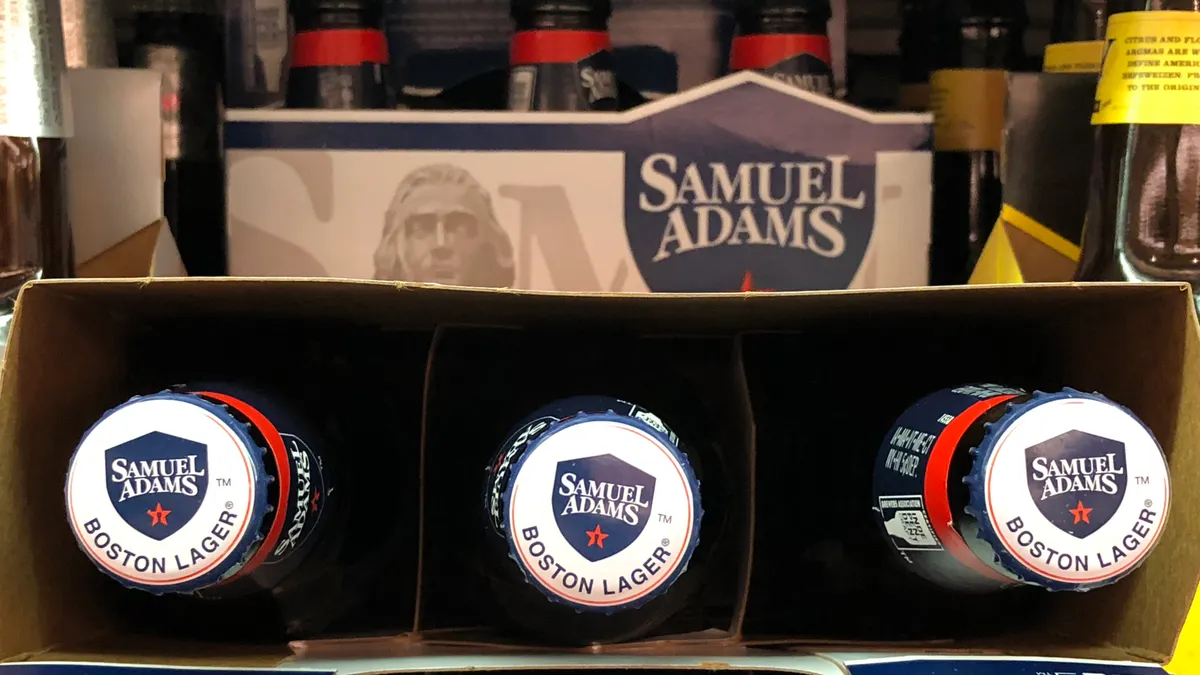
The Boston Beer Company has appointed Allison Stransky as its new Chief Marketing Officer (CMO), a significant move that underscores the iconic brewer’s strategic pivot towards leveraging advanced data analytics and artificial intelligence to invigorate its brand portfolio. Stransky, who officially assumes her new role on October 12, 2026, joins the company from Samsung Electronics America, where she honed her expertise in applying big data and AI to consumer-facing applications. This appointment marks a departure from traditional marketing leadership, signaling Boston Beer’s commitment to a more technologically sophisticated approach to engaging consumers in an increasingly dynamic beverage market.
Stransky’s extensive career, spanning over two decades, is characterized by a unique blend of experience across both the technology sector and the fast-moving consumer goods (CPG) landscape. Prior to her tenure at Samsung, she held influential positions at global powerhouses such as Google, L’Oréal, Unilever, and Johnson & Johnson. Her leadership at Samsung Electronics America was particularly notable for her focus on driving innovation through data and AI, including the establishment of strategic AI partnerships. Boston Beer’s leadership highlighted this specific expertise in their announcement, emphasizing Stransky’s "unique blend of consumer brand-building expertise and data-driven digital marketing capabilities" as instrumental in modernizing the company’s marketing strategies.
This strategic hire comes at a critical juncture for The Boston Beer Company, which has been navigating a challenging market environment. The unprecedented boom in hard seltzers, a category where Truly Hard Seltzer emerged as a dominant player, has cooled considerably. This slowdown has impacted the company’s overall performance, with net revenue experiencing a 3.3% decline in the second quarter of 2026, reaching $568.3 million. The company reported softer demand across several key brands, including Samuel Adams, Truly Hard Seltzer, Twisted Tea, Hard Mountain Dew, and Dogfish Head. This decline in net revenue was accompanied by a 4.5% decrease in shipments for the quarter ending June 27, 2026, indicating a less robust start to the crucial summer selling season.
The appointment of Stransky is expected to inject fresh perspective and cutting-edge strategies into Boston Beer’s marketing efforts. Her mandate will encompass overseeing crucial functions such as brand management, digital and social media engagement, experiential marketing initiatives, and the rapidly evolving landscape of connected commerce. She will report directly to Jim Koch, the esteemed Founder, President, and CEO of The Boston Beer Company, and Chief Operating Officer Phil Hodges. This reporting structure highlights the strategic importance placed on the CMO role in driving future growth and innovation.
A New Chapter for Marketing Leadership at Boston Beer
The CMO position at Boston Beer became vacant in March 2026 when Lesya Lysyj departed after nearly seven years at the helm of marketing for the Samuel Adams and Truly Hard Seltzer brands. Lysyj’s tenure was notably longer than the industry average for CMOs, suggesting a period of stability and consistent leadership. During the search for a permanent successor, Phil Hodges, the Chief Operating Officer, served as the interim chief marketer, guiding the department through the transition period. The extended search process, spanning several months, underscores the company’s deliberate approach to finding the right leader to steer its marketing future.
Stransky’s arrival signals a deliberate shift in the company’s marketing philosophy. Her background in technology and data analytics suggests a focus on more personalized consumer experiences, data-informed campaign optimization, and the integration of emerging technologies into marketing strategies. This aligns with broader industry trends, where brands are increasingly expected to understand and cater to individual consumer preferences through sophisticated data utilization.
Data and AI: The New Frontier for Beverage Marketing
In the competitive beverage industry, understanding consumer behavior at a granular level is paramount. Stransky’s experience at Samsung, a leader in consumer electronics and a pioneer in leveraging big data and AI, is particularly relevant. Her work in identifying and implementing AI-driven solutions likely provided her with deep insights into how to personalize customer journeys, optimize advertising spend, and predict market trends. This expertise is crucial for Boston Beer as it seeks to reinvigorate its brand performance and capture market share in a crowded marketplace.
The company’s press release explicitly cited Stransky’s ability to "turn insight into action" as a key attribute. This implies a focus on moving beyond traditional market research to a more dynamic, data-driven approach that informs real-time marketing adjustments and strategic decision-making. Her experience in forging AI partnerships suggests a proactive approach to adopting and integrating new technologies, which can provide a significant competitive advantage.
Navigating a Shifting Market Landscape
The Boston Beer Company’s performance in recent quarters reflects the broader challenges facing the adult beverage industry. The hard seltzer craze, which propelled brands like Truly to immense popularity, has plateaued. This has forced many companies, including Boston Beer, to re-evaluate their product portfolios and marketing strategies. While Truly remains a significant brand, its explosive growth has moderated, and the company is now focused on sustaining its market position and exploring new growth avenues.

Despite the headwinds, there are signs of resilience and emerging opportunities. Certain offerings, such as the ready-to-drink (RTD) vodka beverage Sun Cruiser, have shown promising growth, indicating consumer appetite for innovation within the RTD space. Boston Beer is actively investing in promoting its brands, as evidenced by a 16.4% increase in advertising, promotional, and selling expenses, which reached $26.2 million in the second quarter of 2026. This increased investment suggests a commitment to revitalizing its brand presence and driving consumer engagement through more targeted and localized marketing initiatives.
Stransky’s strategic direction will be crucial in optimizing these investments. Her data-centric approach is expected to enhance the effectiveness of these marketing campaigns, ensuring that promotional spending is allocated to initiatives that deliver the highest return on investment and resonate most effectively with target consumer segments.
Broader Industry Trends and Implications
The appointment of a CMO with a strong technology and data background is not unique to Boston Beer. The broader beverage industry is witnessing a similar trend. For instance, Athletic Brewing Company, a prominent player in the non-alcoholic beer segment, recently appointed Dan Kleinman as its new CMO, replacing Andrew Katz, who had served in the role for nearly five years. This signals a widespread recognition within the industry of the evolving demands on marketing leadership.
The implications of Stransky’s appointment for Boston Beer are far-reaching. Her expertise in AI and big data could lead to:
- Enhanced Personalization: Developing more tailored marketing messages and product recommendations based on individual consumer data.
- Optimized Media Spend: Utilizing data analytics to refine advertising placements and media channel allocation for maximum impact.
- Predictive Analytics: Forecasting consumer trends and demand more accurately to inform product development and inventory management.
- Deeper Consumer Insights: Gaining a more profound understanding of consumer preferences, purchase drivers, and brand perception.
- Innovation in Experiential Marketing: Leveraging technology to create more engaging and immersive brand experiences, both online and offline.
- Strengthened Connected Commerce: Optimizing the online purchasing journey and integrating digital touchpoints with physical retail experiences.
Jim Koch, in his capacity as Founder and CEO, has consistently emphasized the importance of innovation and adaptability for Boston Beer. Stransky’s background aligns perfectly with this vision. Her ability to bridge the gap between creative brand storytelling and data-driven execution will be critical in navigating the complexities of the modern consumer market.

Phil Hodges, in a statement released by the company, expressed his confidence in Stransky’s capabilities: "Allison has built her career at the intersection of creativity, technology, and business growth. She brings new ideas, a consumer-first mindset, and a proven ability to turn insight into action, all of which will be invaluable as we continue to invest in our brands and position the company for long-term success." This statement reinforces the company’s belief that Stransky possesses the unique combination of skills required to drive the next phase of growth for Boston Beer.
As The Boston Beer Company looks to the future, its strategic decision to appoint Allison Stransky as CMO signifies a clear commitment to embracing technological advancements and data-driven strategies. Her leadership is poised to reshape how the company connects with consumers, strengthens its iconic brands, and navigates the ever-evolving landscape of the global beverage market, aiming to secure a robust and sustainable future.