
For creators who have leveraged Ko-fi for its straightforward approach to collecting tips, selling digital downloads, and offering memberships, the platform has served as an accessible entry point into monetizing their audience. Its low-pressure environment has been a significant draw, allowing artists, writers, podcasters, and other creatives to begin generating income without the complexities of a full-fledged online store. However, as these creative practices mature and audiences grow, many creators find themselves seeking more robust features and greater control. This evolution necessitates an exploration of alternatives that can accommodate expanding business models and more sophisticated monetization strategies.
The digital landscape for creators is constantly shifting, with new tools and platforms emerging to meet diverse needs. While Ko-fi remains a valuable option for its simplicity, the growing demand for specialized e-commerce functionalities, enhanced community-building tools, and greater customization options has led to the development of a rich ecosystem of alternatives. This article provides an in-depth review of leading platforms that offer creators expanded capabilities, catering to various business models, content release schedules, and long-term growth aspirations. Each platform has been evaluated based on its unique strengths, pricing structures, and suitability for different types of creative entrepreneurs.
A Comparative Overview of Creator Monetization Platforms
To provide a clear understanding of the options available, a comparative analysis of key platforms is essential. The following table offers a snapshot of their primary focus, pricing, fees, and standout features, enabling creators to quickly assess potential fits for their individual needs.
| Platform | Best For | Starting Price | Platform Fee | Standout Feature |
|---|---|---|---|---|
| Patreon | Membership content, community building | Free | 10% | Integrated community tools |
| Buy Me a Coffee | Simple donations, one-time tips | Free | 5% | Streamlined tipping and memberships |
| Fourthwall | Merchandise and digital product sales | Free | 5% (digital) | Integrated merchandise fulfillment |
| Gumroad | Digital product sales, quick setup | Free | 10% + $0.50 | Efficient checkout and delivery |
| Payhip | Scalable digital storefronts | Free | 5% (Free plan) | Flexible pricing as you scale |
| Substack | Writing and email newsletters | Free | 10% | Built-in email delivery |
| Memberful | Memberships integrated with your own site | Custom | 4.9% | Seamless website integration |
| Podia | All-in-one platform for courses and stores | $33/month | 5% (lower plan) | Combines email, courses, and sales |
| Liberapay | Recurring donations, zero platform fees | Free | None | No platform fees for donations |
Fourthwall: Empowering Creators with Integrated Merchandise Solutions
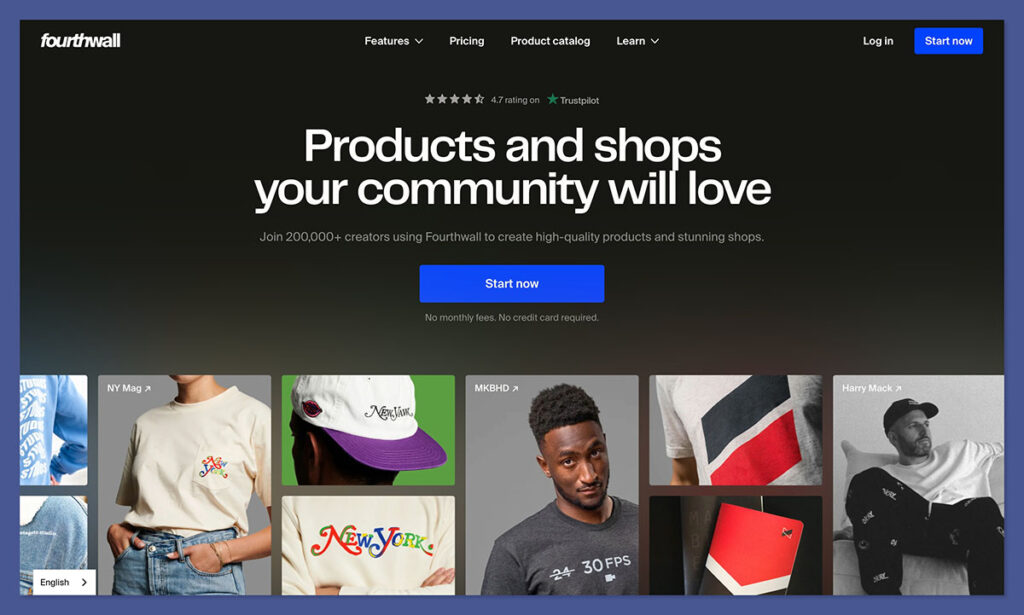
For creators whose business models heavily involve physical products, Fourthwall emerges as a particularly compelling alternative to Ko-fi. It is meticulously designed to bridge the gap between digital content creation and tangible merchandise sales, offering a holistic solution for creators on platforms like YouTube and TikTok.
Pricing and Fees: Fourthwall operates on a freemium model, allowing creators to start without upfront costs. A platform fee of 5% is applied to digital and membership sales, while merchandise fulfillment is handled with competitive rates.
Key Features: The platform’s core strength lies in its integrated merchandise fulfillment capabilities. Creators can easily upload designs and choose between managing their own shipping for complete control over packaging and branding, or leveraging Fourthwall’s on-demand production and fulfillment services. This dual approach caters to a wide spectrum of operational preferences. During testing, the process of setting up a storefront and integrating merchandise was remarkably intuitive. Fourthwall effectively blends e-commerce functionalities with creator-centric monetization tools, allowing for both direct sales and ongoing supporter engagement without forcing a choice between a simple “tip jar” and a complex retail setup.

Analysis of Impact: The ability to seamlessly integrate merchandise sales with digital offerings and membership programs provides creators with a significant advantage in diversifying their revenue streams. This consolidation reduces the need to manage multiple platforms, streamlining operations and enhancing the overall creator-to-fan experience. The platform’s focus on social media integration further amplifies its appeal for creators who have built their audience on these dynamic channels.
Fourthwall is suitable for:
- Artists and designers looking to sell physical prints, apparel, or other merchandise.
- Content creators on platforms like YouTube and TikTok seeking to monetize their brand with branded products.
- Creators who want a unified platform for selling both digital and physical goods.
Fourthwall isn’t suitable for:
- Creators solely focused on pure digital downloads with no interest in physical products.
- Individuals seeking a platform with a strong emphasis on community forums or built-in social networking features.
Patreon: The Gold Standard for Membership Content and Community Building
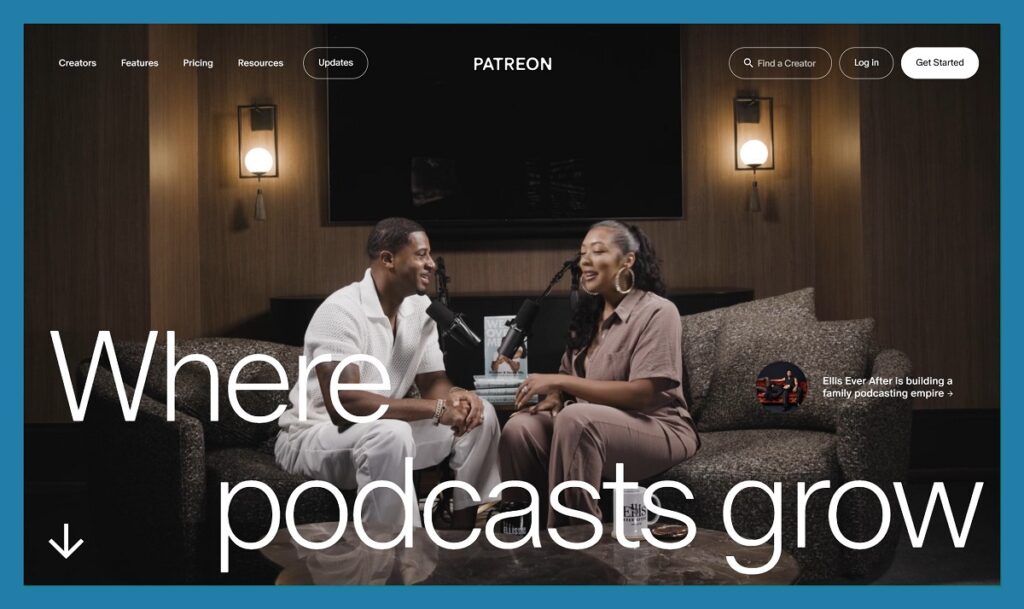
Patreon has long been synonymous with creator monetization, establishing itself as the dominant platform for recurring membership revenue and robust community engagement. Its comprehensive suite of tools empowers creators to cultivate dedicated fan bases and build sustainable income streams.
Pricing and Fees: Patreon offers a free signup option, with a standard platform fee of 10% on all earnings. This fee structure supports the platform’s extensive feature set and ongoing development.
Key Features: Patreon excels in providing creators with the tools to deliver exclusive content and foster a sense of belonging among their supporters. Key features include the ability to create multiple membership tiers with varying benefits, publish gated content accessible only to subscribers, and offer perks such as early access, behind-the-scenes content, and direct engagement through private messaging. The platform also boasts native video hosting, making it ideal for podcasters, educators, and visual artists. The familiarity and trust associated with the Patreon brand contribute to a reduced friction for fans looking to subscribe.
Historical Context: Since its inception in 2013, Patreon has been instrumental in shaping the creator economy, enabling countless individuals to turn their passions into viable careers. Its success has spurred innovation and competition, but it continues to lead in the membership space.
Analysis of Impact: Patreon’s success is largely attributed to its focus on building recurring revenue, which provides creators with financial stability and predictability. The platform’s emphasis on community fosters deeper connections between creators and their audiences, leading to higher retention rates and increased fan loyalty. While recent policy changes regarding Apple/iOS subscriptions have introduced some complexities, Patreon remains a cornerstone for creators prioritizing ongoing engagement and predictable income.
Patreon is suitable for:
- Podcasters offering bonus episodes or exclusive Q&A sessions.
- Artists and musicians providing early access to new work or behind-the-scenes content.
- Writers and educators offering serialized content or members-only courses.
- Creators prioritizing deep fan engagement and community building.
Patreon isn’t suitable for:
- Creators primarily interested in one-off sales of digital or physical products.
- Individuals seeking complete control over their website’s branding and design.
Buy Me a Coffee: Simplicity and Accessibility for One-Off Support
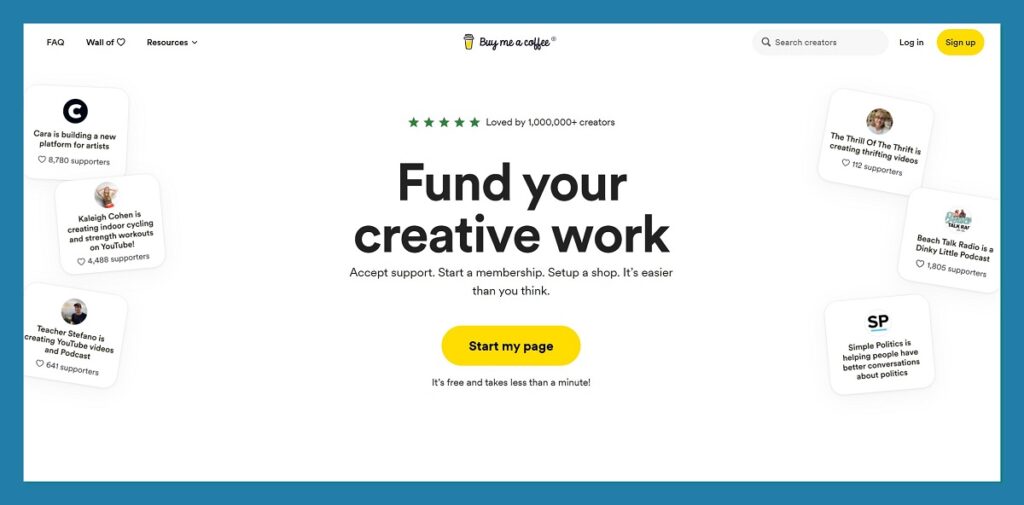
For creators who value ease of use and a low-pressure approach to monetization, Buy Me a Coffee offers a streamlined alternative to Ko-fi. It excels at facilitating simple donations, one-time tips, and lightweight membership offerings without the overhead of a full e-commerce setup.
Pricing and Fees: Buy Me a Coffee is free to use, with a transaction fee of 5% applied per sale. This straightforward fee structure makes it an attractive option for those starting out or prioritizing minimal overhead.
Key Features: The platform is designed for speed and accessibility, featuring a clean, minimalist interface that is highly mobile-optimized. Creators can quickly set up a personalized page, link their Stripe or PayPal accounts, and begin accepting support. Beyond simple donations, Buy Me a Coffee also supports the sale of digital products and the creation of simple recurring memberships, all within a lightweight storefront. The lack of complex branding requirements and the intuitive user experience contribute to a rapid onboarding process, often allowing creators to start accepting support within minutes.
Analysis of Impact: The platform’s emphasis on simplicity democratizes monetization for a broader range of creators. It empowers individuals who may not have extensive technical skills or the desire to manage a complex online store. The casual nature of “buying a coffee” resonates with audiences who wish to offer tokens of appreciation without committing to recurring subscriptions.
Buy Me a Coffee is suitable for:
- Bloggers, artists, and musicians seeking simple ways to receive tips and donations.
- Creators who want to offer a few digital products or basic membership perks.
- Individuals prioritizing a quick and easy setup for monetization.
Buy Me a Coffee isn’t suitable for:
- Creators needing advanced e-commerce features or extensive product catalog management.
- Businesses focused on selling physical merchandise or complex digital courses.
Gumroad: The Go-To Platform for Rapid Digital Product Sales
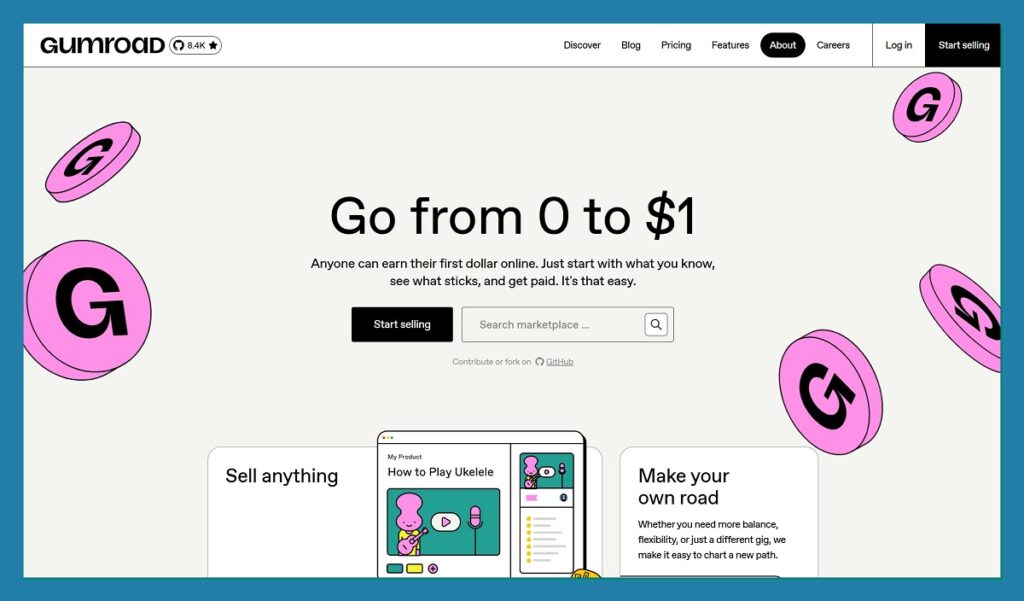
Gumroad has established itself as a leading platform for creators looking to sell digital products efficiently. Its streamlined process and focus on a frictionless checkout experience make it ideal for artists, developers, writers, and musicians selling ebooks, software, music, templates, and more.
Pricing and Fees: Gumroad offers a free-to-use model, with a platform fee of 10% plus a $0.50 transaction fee for each sale. This fee structure supports the platform’s robust sales and delivery infrastructure.
Key Features: The primary advantage of Gumroad lies in its speed and simplicity for launching new products. Creators can upload files, create product pages, and generate checkout links within minutes. The platform also allows for the embedding of Gumroad links into existing websites, email newsletters, and social media profiles, facilitating broad content distribution. While customization options are limited, Gumroad’s strength is its reliability and efficiency in handling digital transactions. The built-in marketplace can also provide discoverability, though this may incur additional fees.
Analysis of Impact: Gumroad has played a pivotal role in enabling individual creators to bypass traditional distribution channels and sell directly to their audience. Its ease of use has lowered the barrier to entry for digital entrepreneurship, fostering a vibrant ecosystem of independent creators. The platform’s consistent performance and straightforward model have made it a trusted solution for millions of digital product sales annually.
Gumroad is suitable for:
- Creators selling digital downloads such as ebooks, music, software, or design assets.
- Individuals who need to quickly launch and sell products without extensive setup.
- Developers and designers offering templates, presets, or code snippets.
Gumroad isn’t suitable for:
- Creators primarily focused on physical merchandise or subscription-based memberships.
- Businesses requiring extensive website customization or complex inventory management.
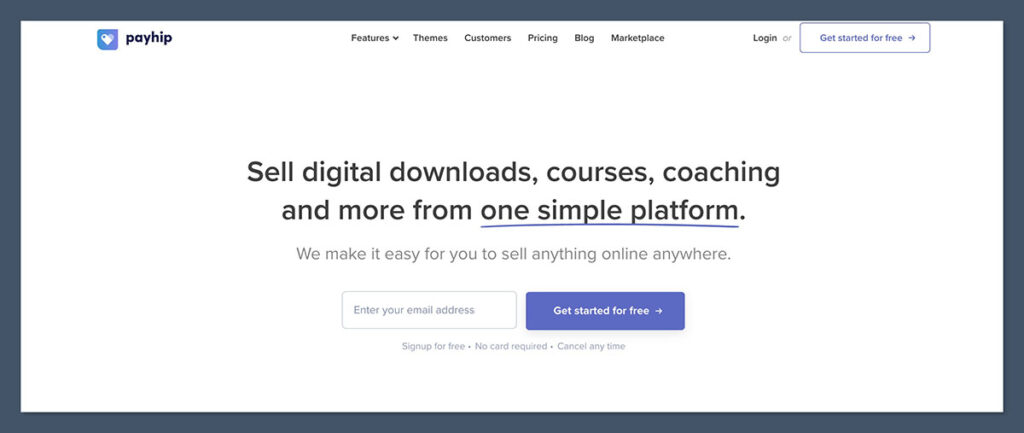
Payhip: Building Scalable Creator Storefronts with Flexibility
Payhip offers creators a robust and professional platform for building their own online storefronts, supporting a diverse range of products including digital downloads, physical goods, coaching services, and memberships. Its appeal lies in its flexibility, particularly regarding pricing models, which allows creators to scale their businesses without being locked into restrictive fee structures.
Pricing and Fees: Payhip provides a free plan with a 5% transaction fee per sale. For creators seeking to reduce per-sale costs, tiered monthly plans are available: the Plus plan at $29/month with a 2% fee, and the Pro plan at $99/month with no platform fees.
Key Features: Payhip distinguishes itself with a user-friendly backend dashboard that includes detailed sales analytics, automated EU VAT calculation (a crucial feature for international sales), and a drag-and-drop page editor for customizing storefront appearance. The platform supports a wide array of product types and offers features like coupon codes, product bundles, and upsells. Its scalability model, allowing a choice between percentage-based fees and flat monthly rates, caters to businesses at various stages of growth.
Analysis of Impact: Payhip empowers creators to build branded online stores that reflect their unique identity. By offering flexible pricing and comprehensive e-commerce tools, it enables creators to transition from simple product sales to more sophisticated business operations. This control over branding and pricing is essential for long-term growth and establishing a distinct market presence.
Payhip is suitable for:
- Creators selling multiple types of products, including digital, physical, and services.
- Businesses planning to scale and seeking flexible pricing options.
- Individuals who want a professional, branded storefront without the complexity of a full e-commerce platform.
Payhip isn’t suitable for:
- Creators solely focused on simple tip collection without product sales.
- Individuals who require advanced community management tools or social networking features.
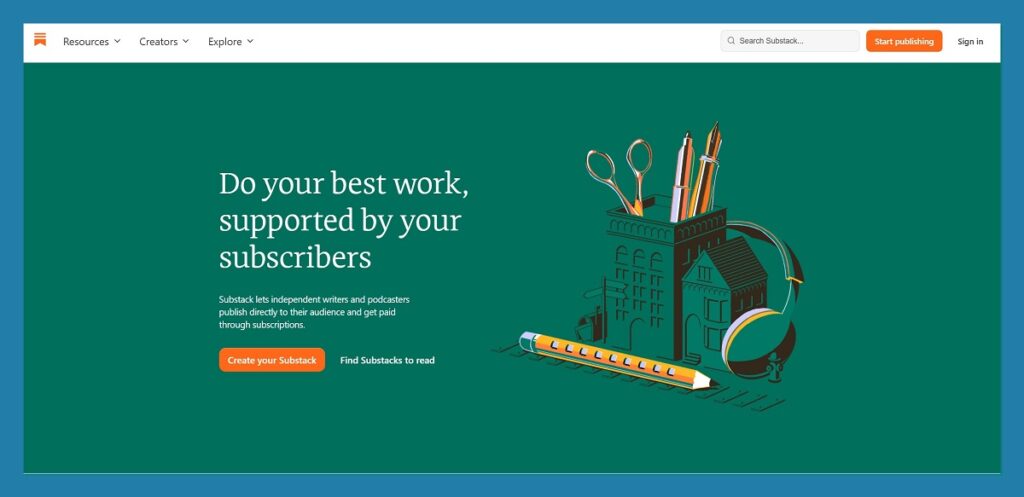
Substack: The Premier Platform for Writers and Email Newsletters
Substack has rapidly become the industry standard for writers and journalists looking to monetize their content through paid newsletters. It provides a seamless experience for publishing articles, managing subscribers, and generating recurring revenue directly from an engaged readership.
Pricing and Fees: Substack is free to use for publishing, taking a 10% commission on paid subscriptions. This model allows writers to begin building their audience without upfront investment.
Key Features: The platform is purpose-built for written content. Upon signing up, creators are guided through setting up their newsletter, defining free and paid subscription tiers, and publishing posts that are automatically delivered to subscribers’ inboxes and available on a web-based archive. Substack integrates blogging and email marketing functionalities, eliminating the need for separate tools and complex integrations. While design and branding customization options are intentionally limited to maintain a consistent user experience, the platform’s ease of use and built-in recommendation network are significant advantages for discoverability.
Analysis of Impact: Substack has democratized access to paid publishing, empowering independent writers to bypass traditional media gatekeepers and build direct relationships with their readers. The platform’s success has highlighted the viability of subscription-based content models and has encouraged a resurgence in long-form journalism and niche publications.
Substack is suitable for:
- Writers, journalists, and essayists looking to publish paid newsletters.
- Creators of serialized fiction or in-depth analysis.
- Individuals building an audience around written content and seeking a simple monetization strategy.
Substack isn’t suitable for:
- Creators whose primary focus is selling physical products or online courses.
- Artists or musicians who want to offer visual or audio-based exclusive content.
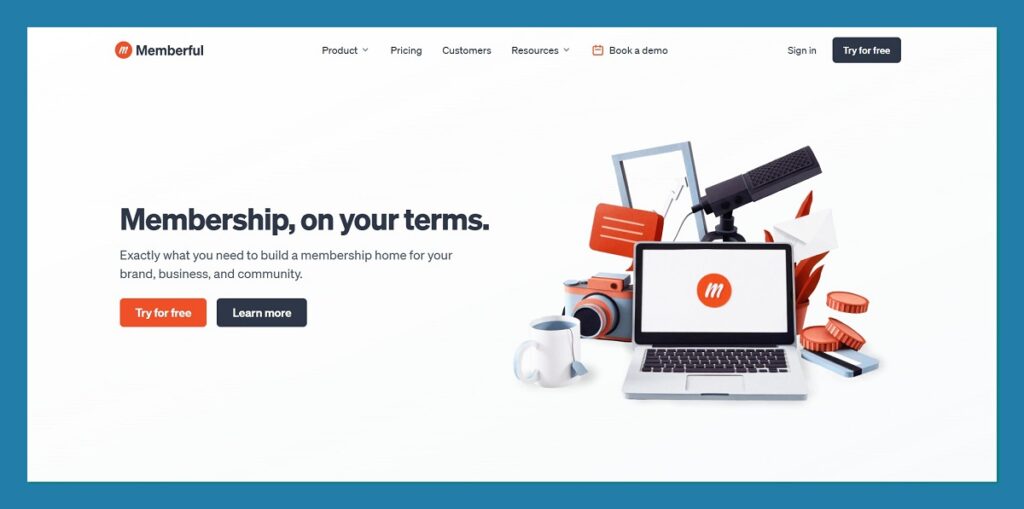
Memberful: Seamless Memberships on Your Own Digital Real Estate
For creators who prioritize maintaining full control over their brand and website, Memberful offers a powerful solution for integrating membership features directly into their existing online presence. It allows creators to offer gated content, exclusive downloads, and members-only newsletters without redirecting users to a third-party platform.
Pricing and Fees: Memberful’s pricing is custom, based on the features and volume of transactions. A platform fee of 4.9% is applied per transaction.
Key Features: Memberful acts as a backend integration, working harmoniously with existing websites, particularly those built on WordPress. This approach ensures that creators retain complete ownership of their brand’s aesthetic and user experience. During testing, the integration process with a WordPress site was efficient, enabling creators to customize checkout flows, restrict access to specific pages or content, and leverage integrations for automated email marketing. This level of control is invaluable for creators building a long-term brand identity and seeking deeper ownership of their audience data.
Analysis of Impact: Memberful empowers creators to build a proprietary membership ecosystem, fostering a stronger sense of brand loyalty and customer relationship management. By keeping the user experience entirely within the creator’s domain, it minimizes the perceived distance between the creator and their most dedicated supporters. This control is crucial for businesses aiming for sustained growth and a distinct market position.
Memberful is suitable for:
- Creators who already have a strong website and want to add membership functionalities.
- Businesses that require complete control over branding and user experience.
- Publishers and educators offering exclusive content or courses on their own domain.
Memberful isn’t suitable for:
- Creators seeking a standalone platform with built-in social features or a marketplace.
- Individuals who prefer a quick setup without needing to integrate with an existing website.
Podia: The All-in-One Solution for Digital Products and Courses
Podia positions itself as a comprehensive platform for creators looking to sell a wide array of digital offerings, including online courses, coaching services, digital downloads, and memberships. It aims to consolidate various creator monetization tools into a single, user-friendly dashboard, reducing the complexity of managing multiple services.
Pricing and Fees: Podia’s Mover plan starts at $33 per month, with a 5% transaction fee. The Shaker plan, priced at $75 per month, offers 0% transaction fees.
Key Features: Podia’s strength lies in its all-in-one approach. Creators can build a storefront, design and host online courses, offer one-on-one coaching sessions, sell digital products, and manage email marketing campaigns, all from a single interface. The platform is designed for ease of use, with a polished interface and a low learning curve. It supports various sales strategies, including free products, coupon codes, bundles, upsells, and affiliate programs, making it a robust choice for business-focused creators.
Analysis of Impact: Podia streamlines the operational workflow for creators with diverse product offerings. By integrating course creation, sales, and marketing tools, it allows creators to focus more on content development and audience engagement rather than juggling multiple software solutions. This comprehensive approach is particularly beneficial for educators and coaches looking to scale their digital businesses.
Podia is suitable for:
- Educators and coaches offering online courses and one-on-one sessions.
- Creators selling a variety of digital products, such as ebooks, templates, and presets.
- Businesses seeking an integrated platform for sales, marketing, and content delivery.
Podia isn’t suitable for:
- Creators primarily focused on selling physical merchandise.
- Individuals looking for a platform solely dedicated to simple tip collection.
Liberapay: Championing Zero-Fee Donations for Dedicated Audiences
Liberapay stands out as a non-profit, open-source platform dedicated to providing creators with a way to receive recurring donations without any platform fees. Its core mission is to facilitate direct support from audiences to creators, operating on a principle of minimal financial overhead.
Pricing and Fees: Liberapay is free to use, with no platform fees. Creators are only responsible for the standard payment processing costs associated with their chosen payment gateway.
Key Features: The platform is intentionally minimalist, eschewing storefronts, product listings, and membership tiers. Its singular focus is on enabling recurring donations through weekly, monthly, or yearly contributions. Liberapay is particularly favored by developers, open-knowledge projects, and creators working in public interest sectors who value ethical and low-cost support models. The emphasis is on transparency and direct support, free from the marketing and upselling elements often found on commercial platforms.
Analysis of Impact: Liberapay represents a principled approach to creator funding, prioritizing the creator’s earnings by eliminating intermediary fees. This model resonates with audiences who are deeply committed to supporting specific projects or creators and wish for their contributions to directly benefit the recipient. Its open-source nature further appeals to those who value transparency and community-driven development.
Liberapay is suitable for:
- Open-source software developers and public interest projects.
- Creators with highly engaged audiences who prefer direct, fee-free support.
- Individuals seeking an ethical and transparent donation platform.
Liberapay isn’t suitable for:
- Creators looking to sell digital or physical products, courses, or offer memberships.
- Businesses requiring advanced e-commerce features or branding customization.
Final Considerations: Navigating the Creator Monetization Landscape in 2026
Ko-fi continues to be a viable option for creators seeking a simple, low-commitment entry into monetization. However, for those whose ambitions extend beyond basic tipping and who are prepared to treat their creative endeavors as a business, the alternatives presented offer substantial opportunities for scaling, customization, and revenue diversification.
The choice of platform hinges on a creator’s specific needs, their audience’s support preferences, and their long-term business objectives. Whether the goal is to cultivate a paid newsletter, launch a comprehensive e-commerce storefront, establish exclusive membership tiers, or offer digital courses, a suitable platform exists within the reviewed options.
A Strategic Approach to Platform Selection:
- Understand Your Core Offering: Identify what you are primarily selling – be it content, products, services, or community access.
- Analyze Audience Behavior: Consider how your audience prefers to engage and offer support. Are they looking for ongoing value, one-time purchases, or simple appreciation?
- Align with Business Goals: Determine if your objective is to build a standalone brand, integrate with an existing platform, or scale rapidly.
Many successful creators employ a multi-platform strategy, leveraging the strengths of different tools to build a resilient income stream. For instance, a creator might use Patreon for exclusive content, Payhip for selling digital products like ebooks, and perhaps a dedicated website for coaching services. This approach mitigates the risk of over-reliance on a single platform and caters to diverse audience needs.

Ultimately, the most effective platform is one that facilitates growth without imposing unnecessary constraints. By carefully evaluating the trade-offs in cost, customization, and feature set, creators can select a tool that aligns with their unique journey and empowers them to build a sustainable and thriving creative business.