
 rifanmuazin
The digital experimentation landscape is currently undergoing a significant shift as automation and artificial intelligence begin to address long-standing vulnerabilities in web optimization workflows. At the heart of this evolution is the challenge of redirect testing—a fundamental yet high-risk component of Conversion Rate Optimization (CRO). While redirect tests, also known as split URL tests, are essential for comparing the performance of entirely different page versions, they have historically been plagued by technical fragility. This fragility is primarily rooted in the manual creation of regular expressions (regex), which are used to govern how traffic is diverted from an original URL to a variant.

In a move to mitigate these risks, industry experts are increasingly turning to low-code automation platforms like n8n and Large Language Models (LLMs) to create robust, self-validating systems. This transition represents a departure from traditional manual coding practices, aiming to eliminate human error and ensure data integrity in complex testing environments.
The Technical Challenge of Client-Side Redirects
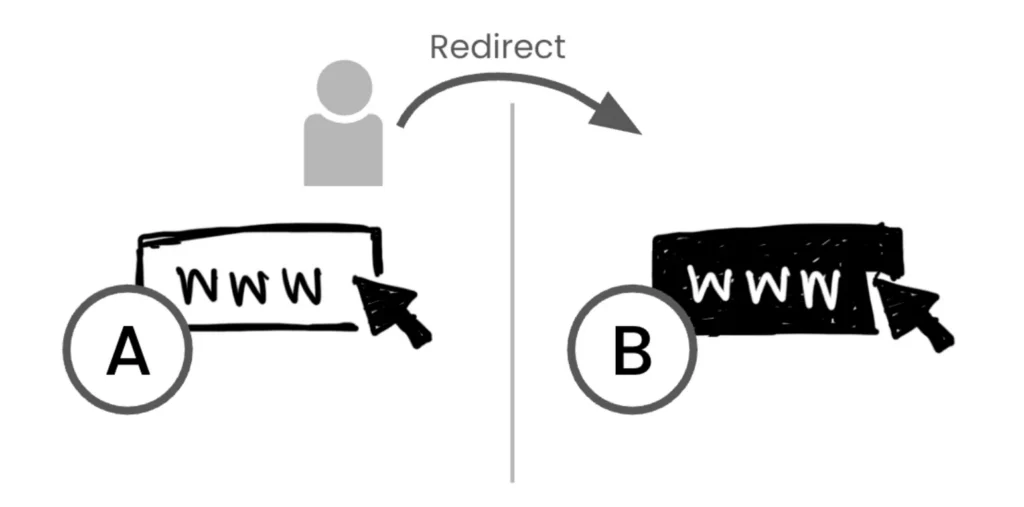
Redirect tests operate by identifying a user’s request for a specific URL and rerouting them to an alternative version. In the experimentation industry, these are categorized into two types: server-side and client-side. Server-side redirects are generally considered more stable because the rerouting occurs before the page begins to load on the user’s browser. However, client-side redirects—which occur via JavaScript after the initial page request has reached the browser—are more common in the CRO industry due to their ease of deployment without deep backend integration.

The primary mechanism for these redirects is the regular expression. A regex is a sequence of characters that specifies a search pattern, used by testing tools to match specific URLs or URL parameters. Despite their power, regular expressions are notoriously “brittle.” A single misplaced character, a missing escape slash, or an overlooked edge case can lead to catastrophic failures, such as redirect loops, broken links, or the unintended redirection of an entire website’s traffic. These defects not only compromise the validity of the data being collected but can also severely impact the user experience and a brand’s SEO standing.
A New Methodology: The n8n Automation Framework
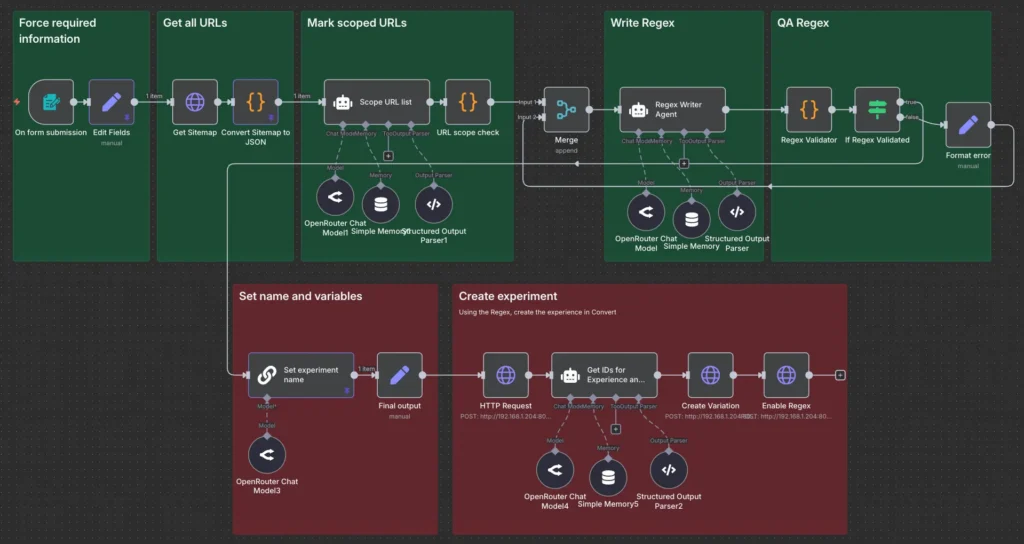
To solve the inherent risks of manual regex creation, a new workflow utilizing the automation tool n8n has been developed. This system integrates AI agents with traditional scripting to handle the build and quality assurance (QA) phases of redirect testing. The methodology follows a strict six-step process designed to ensure that every regex is tested against a site’s entire URL structure before it is ever deployed.
Step 1: Structured Information Collection
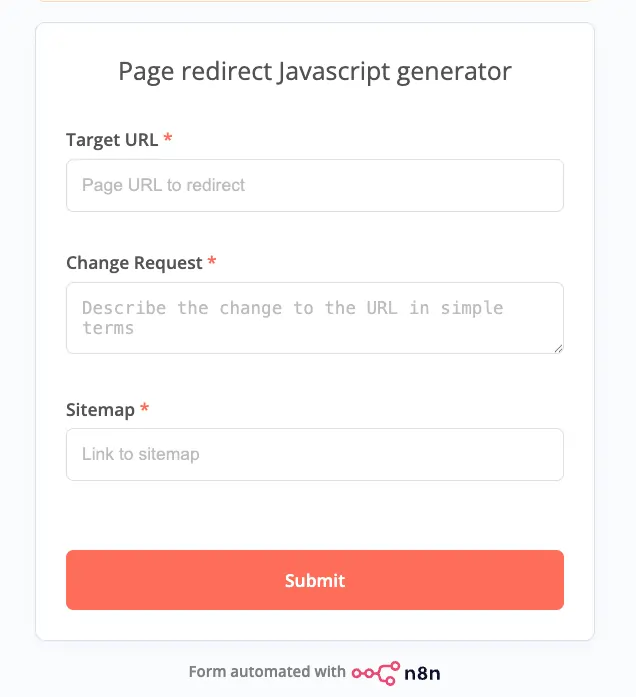
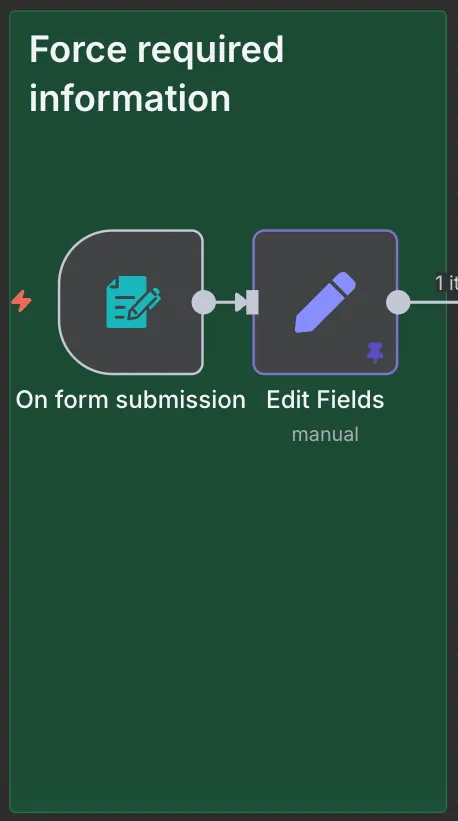
The process begins with the standardization of input data. Rather than relying on informal communication or fragmented project management notes, the workflow utilizes a structured form to capture three critical variables: the target URL, the specific change request (e.g., changing a product ID or a slug), and the site’s XML sitemap. By enforcing this structure at the entry point, the system ensures that the AI agents have a clear and unambiguous set of instructions, reducing the likelihood of “hallucinations” or logical errors in subsequent steps.
Step 2: Comprehensive URL Fetching
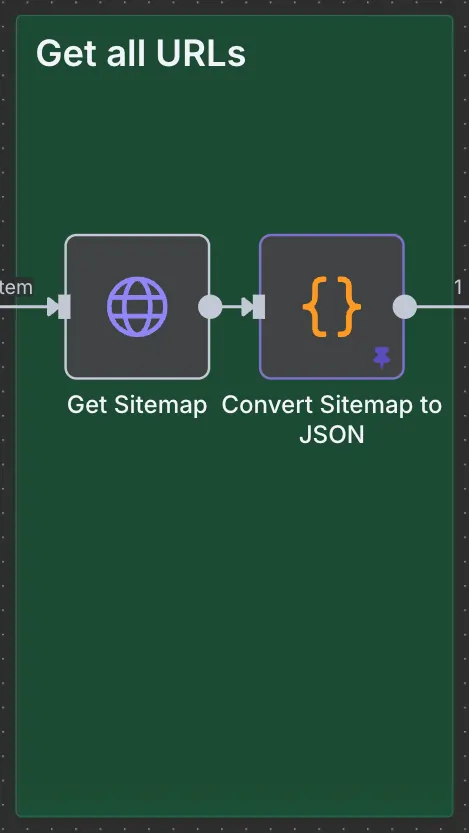
Once the information is collected, the workflow automatically fetches every URL from the provided sitemap. This step is crucial for the QA phase. By compiling a complete list of a website’s live URLs, the system creates a “testing ground” where the generated regex can be validated against both intended targets and unintended matches.

Step 3: AI-Driven Scope Determination
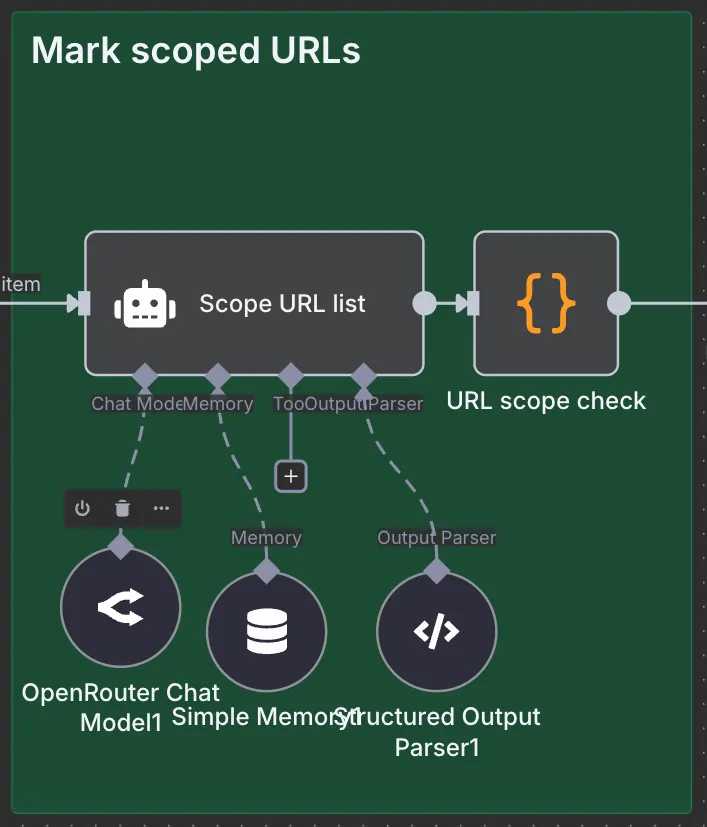
In the third stage, an AI agent analyzes the change request against the full list of URLs. The objective is to determine exactly which pages should be “in scope” for the redirect. For instance, if a tester wants to redirect a specific category page, the AI must decide if sub-pages or paginated versions should also be included. This stage utilizes “few-shot” prompting—a technique where the AI is given a few examples of correct logic to follow—enabling it to make nuanced decisions that would be time-consuming for a human to perform across thousands of URLs.
Step 4: Intelligent Regex Generation
The fourth step involves a specialized AI agent tasked with writing the actual regular expression. This agent is programmed with specific constraints, such as the exclusion of “lookbehind” assertions (which can be problematic in certain browser environments) and the preservation of query parameters (like UTM tags used for marketing attribution). The prompt structure includes various scenarios, such as removing query parameters or swapping numeric IDs, providing the AI with a library of patterns to emulate.
Step 5: The Automated Quality Assurance Loop
This is the most critical phase of the workflow. Instead of a human spot-checking the regex, a script runs the generated code against every single URL fetched in Step 2. The script checks for two primary failure states:
- False Negatives: Does the regex fail to match a URL that was supposed to be in scope?
- False Positives: Does the regex accidentally match a URL that was supposed to be excluded?
If the script identifies any errors, it does not stop. Instead, it formats the failure data and sends it back to the AI agent in Step 4. The agent then analyzes why the previous version failed and generates a revised regex. This loop continues automatically until the regex passes 100% of the QA checks.
Step 6: Deployment and API Integration
Once validated, the workflow communicates with the testing platform (such as Convert.com or other A/B testing tools) via API. It automatically creates the experiment, sets the variation parameters, and enables the regex. This final step ensures that the transition from development to live testing is seamless and free from manual copy-paste errors.
Context and Background: The Evolution of Web Experimentation
The need for such automated systems is highlighted by the increasing complexity of modern web architectures. In the early days of A/B testing, most websites were static, and simple URL matches were sufficient. Today, single-page applications (SPAs), dynamic query parameters, and complex routing logic have made manual URL targeting a significant bottleneck.
According to industry data, technical errors in experiment setup are one of the leading causes of “dark data” in digital marketing—data that is collected but is inaccurate or unusable. By automating the regex generation and validation process, organizations can significantly reduce the “Sample Ratio Mismatch” (SRM) issues that often arise when redirect logic fails to distribute traffic correctly between original and variant pages.
Broader Implications for the CRO Industry
The integration of AI into the CRO workflow signifies a broader trend: the transition of the “Experimentation Specialist” role from a technical executor to a strategic orchestrator. As tools like n8n and AI agents take over the heavy lifting of coding and QA, practitioners are freed to focus on hypothesis generation and data analysis.
Furthermore, this automated approach democratizes high-quality testing. Smaller teams that may not have dedicated developers or regex experts can now deploy complex redirect tests with the same level of technical confidence as enterprise-level organizations. The use of small, efficient LLMs also keeps the operational cost of these workflows remarkably low, often costing only fractions of a cent per execution in API tokens.
Analysis of Implications
While this automation significantly enhances safety, it does not entirely replace the need for human oversight. Experts suggest that while the “loop” handles technical validation, a human-in-the-loop check is still advisable for the initial “scoping” phase to ensure the AI’s logic aligns with the business objectives of the test.
The move toward automated QA in redirect testing also reflects a growing demand for “defensive engineering” in marketing technology. As privacy regulations like GDPR and CCPA, along with browser changes like ITP (Intelligent Tracking Prevention), make client-side data collection more difficult, ensuring the absolute integrity of the initial redirect becomes paramount. Any failure in the redirect logic can lead to a loss of tracking cookies or broken session data, rendering the entire experiment moot.
Conclusion
The development of AI-automated n8n workflows for redirect testing marks a pivotal moment in the professionalization of the CRO industry. By treating A/B test setup with the same rigor as software engineering—utilizing automated testing, version control logic, and error-correction loops—companies can protect their data integrity and user experience. As these tools become more accessible, the expectation for “zero-defect” experiment setups will likely become the new industry standard, moving the field away from the “move fast and break things” mentality toward a more sustainable, evidence-based approach to web optimization.








