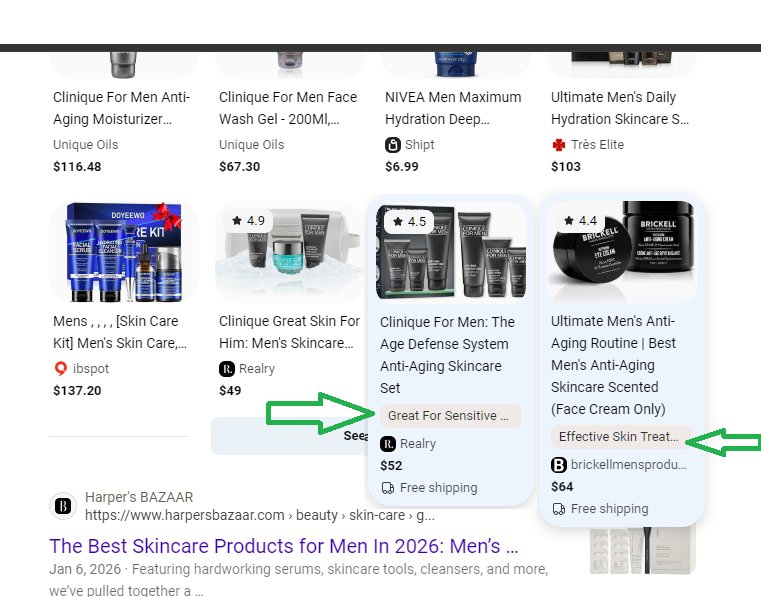
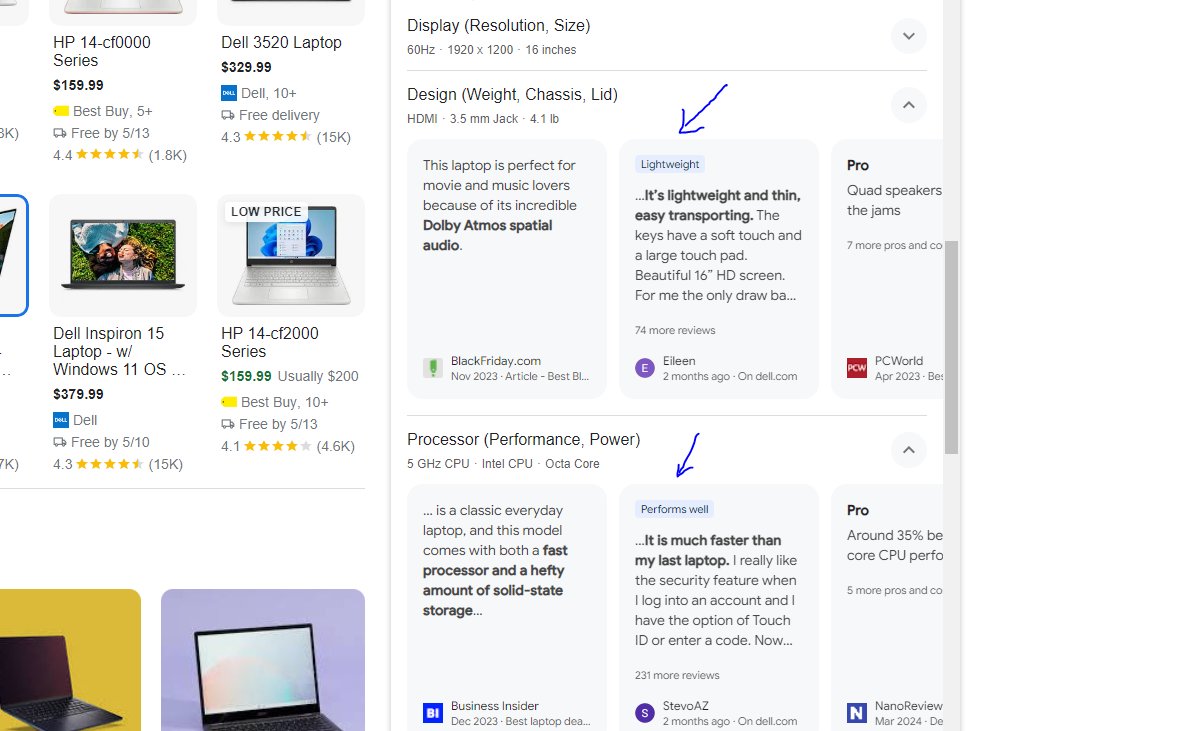
Microsoft’s Bing search engine is currently undergoing a significant experimental phase, introducing "product feature labels" directly onto product listings within its search results. This initiative, recently observed by keen-eyed search analysts, aims to provide users with immediate, concise insights into product attributes, potentially revolutionizing how consumers discover and evaluate goods online. Labels such as "great for…," "effective," "performs well," and "lightweight" are being displayed, offering an at-a-glance summary of a product’s key selling points without requiring users to click through to individual merchant websites.
The feature was brought to wider attention by Khushal Bherwani, who documented his findings on the social media platform X (formerly Twitter). Bherwani noted that these "key feature labels" appear as an overlay when a user hovers their cursor over a product grid item in Bing’s search results, offering an interactive and dynamic way to present additional information. This subtle yet impactful change suggests Bing’s continued commitment to refining its e-commerce search capabilities, a fiercely competitive arena dominated by rich visual elements and rapid information delivery. While the exact rollout status and novelty of this test remain subject to Microsoft’s official announcements, its presence in live search results indicates an active development phase that could have broad implications for both users and online retailers. The original observation noted by the Search Engine Roundtable indicated that this might not be 100% new, implying a potential iterative testing process or a gradual rollout that is now becoming more visible.
The Evolution of E-commerce in Search
The integration of product features directly into search engine results pages (SERPs) represents a natural progression in the ongoing evolution of e-commerce within the search landscape. For years, search engines have moved beyond simply indexing web pages to becoming comprehensive shopping discovery platforms. Early iterations involved basic product listing ads (PLAs) and dedicated shopping tabs. However, as consumer expectations for convenience and detailed information grew, search engines began to incorporate richer snippets, image carousels, and comparison tools.
This shift is driven by several factors. Firstly, the exponential growth of online shopping has made search engines indispensable tools for product discovery. According to Statista, global e-commerce sales are projected to reach over $8.1 trillion by 2027, highlighting the immense economic importance of optimizing the online shopping journey. Consumers increasingly initiate their product research on search engines, expecting to find not just product links, but substantive information that aids their purchasing decisions quickly. Secondly, the rise of mobile shopping has amplified the need for concise, digestible information. On smaller screens, users have less patience for navigating multiple pages to find key product attributes. Feature labels directly on the SERP address this need by providing instant value.
Bing, while a smaller player compared to Google in overall search market share, has consistently invested in enhancing its shopping experience to attract and retain users. This includes improvements to its Shopping tab, visual search capabilities, and integration with Microsoft’s broader ecosystem. The introduction of product feature labels can be seen as a strategic move to differentiate Bing’s shopping experience, offering a unique value proposition to users who prioritize efficient product evaluation. It aligns with the broader trend of "zero-click search," where users find answers directly on the SERP without needing to visit an external website, though in this case, the goal is to inform the click rather than replace it entirely. This move also reflects an industry-wide push to provide more immediate value to users, reducing friction in the online shopping journey.
Dissecting the Feature: How it Works and Its Potential
As observed by Khushal Bherwani’s screenshots, the product feature labels appear as an overlay when a user’s mouse hovers over a product image or listing within a grid format. This interactive element is crucial. Instead of cluttering the SERP with static text for every product, the hover-activated labels provide information on demand, maintaining a clean interface while offering depth for interested users. The labels themselves, such as "great for outdoor use," "high efficiency," or "ultra-durable," suggest that Bing is leveraging sophisticated data processing to distill complex product descriptions into easily digestible, benefit-oriented phrases.
The specific examples provided – "great for…," "effective," "performs well," "lightweight" – hint at the types of attributes Bing is prioritizing. These are often factors that significantly influence a purchase decision, helping consumers quickly filter products based on their specific needs or preferences. For instance, a user searching for "laptops" might be immediately drawn to one labeled "lightweight" if portability is a primary concern, or "performs well" if raw power is the priority. This capability moves beyond simple keyword matching to a more semantic understanding of product utility and user intent, echoing advancements in artificial intelligence and machine learning.
The underlying technology likely involves advanced natural language processing (NLP) and machine learning (ML) algorithms. Bing would need to analyze vast amounts of product data, including descriptions, specifications, and potentially even user reviews, to accurately identify and summarize key features. This data would then be categorized and presented in a standardized, user-friendly format. The dynamic nature of the labels, appearing on hover, also suggests a thoughtful approach to user interface (UI) and user experience (UX) design, balancing information density with visual clarity. Such a system requires continuous learning and refinement to ensure accuracy and relevance across a vast and ever-changing product catalog.

Inferred Statements and Industry Reactions
While Microsoft has not issued an official statement specifically on this test, similar past initiatives suggest a consistent focus on user-centric improvements. A hypothetical statement from a Bing spokesperson might emphasize their ongoing efforts to "innovate the search experience, making product discovery more intuitive and efficient for our users. These feature labels leverage advanced AI to provide quick, actionable insights, helping consumers make more informed purchasing decisions directly within search results, while also offering enhanced visibility for our valued retail partners." This type of statement typically frames such features as beneficial for both consumers and businesses within the Bing ecosystem.
From the perspective of search engine optimization (SEO) and search engine marketing (SEM) professionals, this development is likely to be met with both excitement and a need for adaptation. Industry experts would infer that this places an even greater premium on comprehensive and well-structured product data. John Smith, a hypothetical SEO consultant specializing in e-commerce, might comment, "Bing’s new feature labels underscore the critical importance of robust product feeds and detailed product descriptions. Merchants need to ensure their product information is not just accurate but also rich in descriptive attributes that search engines can easily parse and present. This isn’t just about keywords anymore; it’s about semantic understanding of product value." This highlights a growing trend where the quality and structure of data provided by merchants directly influence their visibility and presentation in search results.
E-commerce merchants, particularly those with a strong focus on specific product attributes, would view this as a potential boon. For a small business selling artisanal coffee makers, a label like "easy to clean" or "hand-crafted quality" could be a significant differentiator against mass-produced alternatives. However, it also presents a challenge: how to optimize product listings to ensure Bing’s algorithms correctly identify and highlight the most relevant features. This could lead to a renewed focus on schema markup, structured data, and the quality of product content management, as retailers strive to provide machine-readable attributes that align with search engine capabilities.
Implications for Users: A More Streamlined Shopping Journey
For the end-user, the implications of Bing’s product feature labels are largely positive. The primary benefit is a more streamlined and efficient shopping journey. Instead of clicking on multiple listings, opening new tabs, and sifting through product pages to find specific details, users can now quickly scan and evaluate products directly on the SERP. This efficiency is particularly valuable in today’s fast-paced digital environment where consumers often make rapid decisions.
Consider a user searching for a "waterproof smartwatch." With these labels, they might immediately see options tagged "long battery life," "GPS enabled," or "heart rate monitor." This allows for rapid comparison and filtering, helping them narrow down choices without extensive navigation. This reduces decision fatigue and accelerates the path to purchase. Furthermore, by highlighting key features upfront, Bing helps users discover products that might perfectly match their unarticulated needs, even if they didn’t explicitly include those features in their initial search query. It enhances the serendipitous discovery of ideal products, improving overall user satisfaction. Data from various e-commerce studies consistently shows that ease of information access and clarity of product attributes are key drivers of online purchases.
The interactive nature of the hover overlay also means that the SERP remains uncluttered for those who prefer a simpler view, while still offering detailed information for those who seek it. This balance between minimalism and richness is a hallmark of good UI/UX design and is crucial for maintaining a positive user experience across different user preferences and devices. This adaptive display ensures that the user interface remains intuitive, catering to different levels of information desire without overwhelming the user.
Implications for Retailers and the SEO Landscape
For online retailers and e-commerce businesses, the introduction of product feature labels by Bing presents both significant opportunities and new challenges. The competitive landscape for online visibility is constantly evolving, and features like these necessitate strategic adaptation.

Opportunities:
- Enhanced Visibility and Differentiation: Products with compelling or unique features can now stand out more prominently on the SERP. A label like "eco-friendly materials" or "award-winning design" could attract niche audiences or highlight a brand’s unique selling proposition (USP), driving more targeted traffic.
- Increased Click-Through Rates (CTR): By providing relevant feature information upfront, products are more likely to attract clicks from users whose needs align with those features. This could lead to higher quality traffic to merchant websites, as users are already pre-qualified by the displayed attributes, reducing bounce rates.
- Improved Conversion Rates: When users arrive at a product page having already confirmed a key feature of interest, they are likely to be more engaged and closer to making a purchase, potentially leading to higher conversion rates. This pre-qualification process streamlines the sales funnel.
- Data-Driven Product Optimization: Retailers can gain insights into which features Bing’s algorithms prioritize and which resonate most with users, informing future product development and marketing strategies. This feedback loop can be invaluable for product managers and marketers.
Challenges:
- Data Optimization Imperative: Retailers must ensure their product data feeds (e.g., using schema.org markup, detailed product descriptions, and robust product attributes) are meticulously optimized. Bing’s ability to extract accurate and valuable feature labels depends heavily on the quality and richness of the data provided by merchants. Inaccurate or incomplete data could result in missed opportunities or even misrepresentation.
- Competitive Pressure: The ability to prominently display key features could intensify competition. Products without clear differentiators or those with poorly optimized data might be overlooked in favor of those that showcase their strengths effectively. This could necessitate a review of product lines and marketing messaging.
- Algorithm Understanding: Understanding how Bing’s algorithms identify and assign these labels will be crucial. This might require experimentation and continuous monitoring of SERP appearance to ensure desired features are being highlighted. SEO professionals will need to stay abreast of Bing’s documentation and best practices.
- Potential for Misinterpretation: There’s a risk that Bing’s AI might misinterpret product data, leading to inaccurate or less compelling feature labels. Merchants will need mechanisms to review and potentially influence how their products are characterized, possibly through feedback channels or by refining their structured data.
The broader SEO landscape will also be impacted. The focus will continue to shift from purely keyword-centric optimization to a more holistic approach that prioritizes semantic understanding and comprehensive product attribute data. SEO professionals will need to work more closely with product management and data teams to ensure that product information is structured and presented in a way that maximizes visibility for these new types of rich results. This could also spur innovation in competitive intelligence, as brands analyze what features their competitors are highlighting on Bing to inform their own strategies.
Competitive Landscape and Future Outlook
Bing’s foray into product feature labels places it squarely in competition with other major players, particularly Google, which has its own sophisticated shopping features, including rich snippets, product carousels, and detailed comparison tools. While Google has long offered extensive product information on its SERPs, Bing’s specific approach of hover-activated, concise feature labels could offer a distinct user experience. This move by Bing reflects a universal truth in search: the battle for transactional queries is increasingly fought on the SERP itself, with engines striving to provide as much valuable information as possible to keep users engaged.

Looking ahead, it’s plausible that these labels will become more dynamic and personalized. Future iterations could see labels tailored to individual user search history, location, or stated preferences. For instance, a user who frequently searches for "sustainable products" might see labels like "ethically sourced" or "recycled content" more prominently. Furthermore, the integration with Bing’s AI chatbot, Copilot, could lead to conversational product discovery, where users ask for products with specific features and are presented with options directly incorporating these labels, blurring the lines between traditional search and AI assistance.
The success of this test will likely depend on user adoption and the ability of Bing’s algorithms to consistently provide accurate and valuable feature insights. If successful, it could become a standard feature, prompting other search engines to adopt similar approaches. Ultimately, this development signifies a continued evolution towards a more intelligent, user-friendly, and information-rich search experience for e-commerce, benefiting consumers and challenging retailers to optimize their digital presence even further. The digital shelf is becoming increasingly sophisticated, and standing out requires not just presence, but compelling, easily digestible information at every touchpoint. This ongoing innovation underscores the dynamic nature of search engines and their pivotal role in the global e-commerce ecosystem.