The digital search ecosystem experienced a flurry of significant developments on September 29, 2026, headlined by Google’s formal appeal against a pivotal Digital Markets Act (DMA) mandate and continued advancements in its AI-powered search initiatives. Senior Google executive Nick Fox voiced strong disapproval of the DMA changes, characterizing them as detrimental to searchers, while new features and persistent bugs underscored the dynamic and often complex nature of modern search operations. These events signal a period of intense regulatory scrutiny, rapid technological innovation, and ongoing operational challenges for the tech giant, with wide-ranging implications for users, businesses, and the broader online economy.
The Digital Markets Act (DMA) Showdown: Google’s Appeal and Industry Fallout
At the forefront of the day’s news was Google’s official appeal against a specific mandate under the European Union’s Digital Markets Act (DMA), which requires the company to share search history data with competitors. This move marks a significant escalation in the ongoing tension between tech behemoths and regulatory bodies striving to foster fairer digital competition. The DMA, which came into full effect earlier this year, designates certain large online platforms as "gatekeepers" and imposes a stringent set of obligations designed to prevent anti-competitive practices and enhance consumer choice. Google Search, with an estimated global market share consistently above 90% (e.g., StatCounter data typically shows Google’s search engine market share hovering between 91-93% worldwide as of late 2025/early 2026), is undeniably one such gatekeeper.
Google’s Vice President of Search, Nick Fox, articulated the company’s profound concerns regarding these mandates in a recent interview, stating unequivocally that the DMA changes make him "sad" and are "terrible for searchers." Fox elaborated that the requirement to share search history, intended to facilitate competitive services, could inadvertently compromise user privacy and degrade the quality and relevance of search results. Google’s stance emphasizes the proprietary nature of its algorithms and the intricate data infrastructure built over decades, arguing that forced data sharing could lead to a less personalized, less efficient, and potentially less secure search experience for end-users. From Google’s perspective, this mandate risks fragmenting the user experience and introducing complexities that outweigh the purported benefits of increased competition. The company’s legal appeal will likely challenge the technical feasibility, privacy implications, and the proportionality of such a mandate, setting the stage for a protracted legal battle that could redefine regulatory precedents for digital services.
Reactions from various stakeholders are sharply divided. European Union regulators, including officials from the European Commission, are expected to vigorously defend the DMA’s provisions. Their consistent narrative asserts that these measures are essential to break down monopolistic barriers, allow smaller competitors to innovate, and ultimately offer consumers more choice and better services. A spokesperson for the EU Commission, speaking off the record, might reiterate the DMA’s core objective: "To ensure a level playing field and prevent gatekeepers from abusing their dominant position. Data access is crucial for new entrants to compete effectively." Conversely, several smaller search engines and digital advertising platforms are likely to welcome the DMA’s enforcement, viewing it as a long-overdue mechanism to gain a foothold in a market historically dominated by Google. They would argue that access to anonymized or aggregated search history data, managed under strict privacy protocols, is vital for developing competitive AI models and personalized search experiences without having to start from scratch. Industry analysts suggest that the appeal, while potentially delaying implementation, underscores the deep-seated disagreements over the extent of regulatory intervention in highly complex and data-driven digital markets.
Evolving AI in Search: Citations, Monitoring, and User Experience
Beyond the regulatory skirmishes, Google continued its aggressive push into artificial intelligence, rolling out updates to its AI-powered search features. A notable development involves Google testing the placement of citation cards at the bottom of AI Overview responses on desktop, a shift from their previous position on the right side of the screen. This seemingly minor interface adjustment carries significant implications for how users interact with AI-generated content and its underlying sources.
Since the initial rollout of its Search Generative Experience (SGE), now often referred to as AI Overviews, Google has been grappling with the challenge of seamlessly integrating AI-generated summaries while maintaining transparency about source attribution. The previous right-side placement of citations was often criticized for being less intuitive or easily overlooked, potentially leading users to accept AI answers without scrutinizing their factual basis. Moving citations to the bottom of the AI Overview response is likely a strategic decision aimed at improving user comprehension and trust. By placing sources directly beneath the generated text, Google aims to make it clearer where the information originates, encouraging users to delve deeper if needed. This change could also impact SEO strategies, potentially increasing the click-through rate to cited sources if they are more prominently displayed in context. For content creators, this adjustment underscores the continued importance of high-quality, authoritative content that is worthy of citation by Google’s AI models.
Furthermore, Google announced the global rollout of "monitoring capabilities in AI Mode" within Google Search for everyone. While the term "AI Mode" is relatively new in Google’s public lexicon, it broadly refers to the ongoing integration and refinement of AI functionalities across the search platform, including AI Overviews, conversational search, and other generative AI features. These "monitoring capabilities" likely encompass a suite of tools for tracking user interactions, collecting feedback on AI-generated responses (e.g., thumbs up/down, "was this helpful?" prompts), and identifying potential inaccuracies or "hallucinations." This continuous monitoring is critical for Google to rapidly iterate and improve its AI models, ensuring accuracy, relevance, and safety. From a data privacy perspective, Google emphasizes that such monitoring is conducted with user consent and anonymized data to refine the AI without compromising individual privacy. However, the broader implications involve a constant feedback loop between user behavior and AI model evolution, meaning the search experience is perpetually being shaped by collective interaction data. This commitment to ongoing refinement through extensive monitoring highlights the nascent stage of AI in mainstream search and Google’s proactive approach to addressing its inherent challenges.
Local Search Enhancements and Critical Glitches
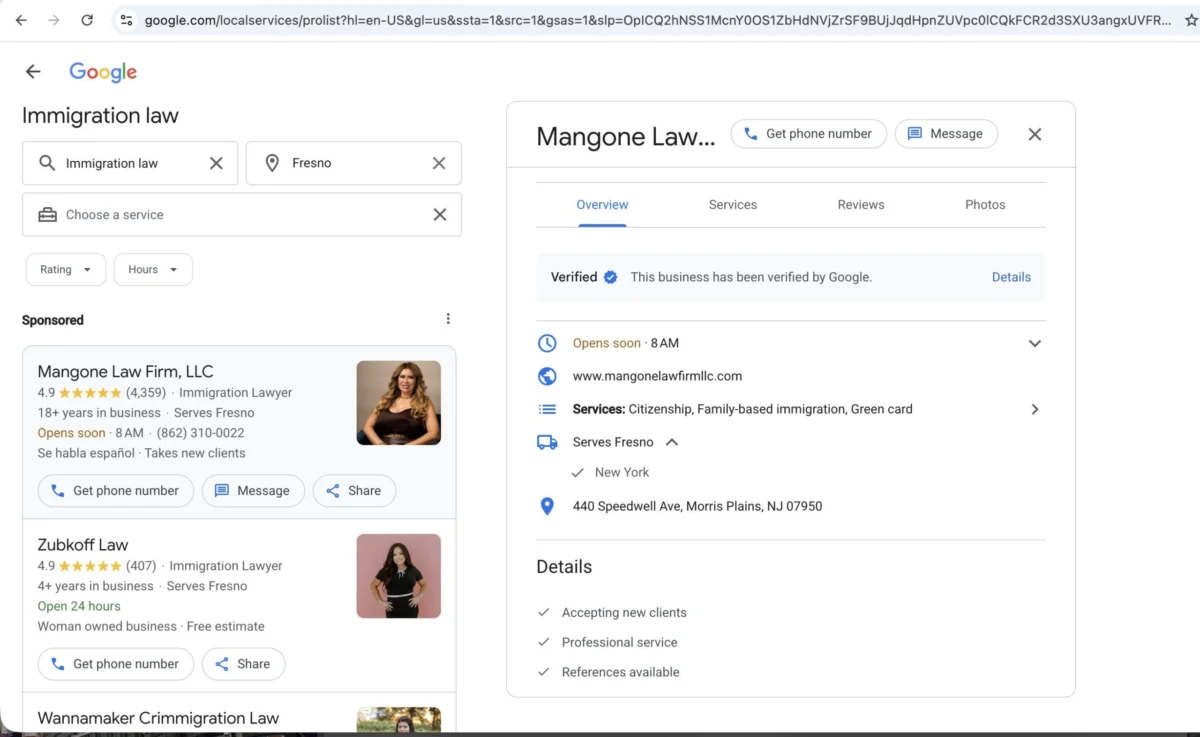
Google’s commitment to enhancing local search experiences was also evident, particularly for mobile users. The company is testing a new layout showing two rows of action buttons within local panels on mobile search results. Currently, local panels (which display business information like address, phone number, hours, and reviews) typically feature a single row of prominent action buttons, such as "Directions," "Call," and "Website." Expanding this to two rows could significantly enhance the discoverability of additional functionalities, such as "Save," "Share," "Book an Appointment," "Order Online," or "View Menu," depending on the business category.
This design enhancement reflects the growing importance of local search, with studies consistently showing that a significant percentage of "near me" searches convert into in-store visits or purchases. By providing more immediate and visible calls to action, Google aims to streamline the user journey from search query to business engagement, especially for mobile users who are often on the go and looking for quick information or services. For local businesses, this could translate into higher engagement rates, improved lead generation, and ultimately, increased revenue. SEO professionals specializing in local search will need to pay close attention to optimizing Google Business Profile (GBP) listings to ensure all relevant action buttons are active and accurately configured.
However, the day also brought to light a significant operational glitch impacting Google Maps: a bug that places some business map pins in the middle of the ocean. This critical error, while seemingly isolated, can have devastating consequences for affected businesses. Imagine a restaurant, retail store, or service provider whose physical location is erroneously displayed miles offshore; potential customers would be unable to find them, leading to lost business, immense frustration, and reputational damage. The accuracy of Google Maps is paramount, as it serves as the primary navigation tool for billions worldwide and a crucial discovery platform for local commerce.
While Google has not yet issued a formal public statement on this specific bug, the standard operating procedure for such critical errors involves immediate internal investigation and prioritization for a fix. Affected businesses would typically report the issue through their Google Business Profile interface or directly to Google Maps support. The root cause could range from database corruption to indexing errors or faulty geo-coding algorithms. Inferred immediate responses from Google would include an apology, an assurance of a swift resolution, and advice for businesses to double-check their GBP addresses and report any discrepancies. This incident underscores the immense complexity of maintaining global-scale mapping services and the severe impact even minor errors can have on real-world economic activity.
Adding to the challenges for local businesses, Google Business Profiles (GBP) introduced a new policy regarding the misuse of support channels. While the specifics of what constitutes "misuse" were not fully detailed, this policy likely aims to address issues such as spamming support with irrelevant inquiries, repeatedly submitting duplicate tickets, using abusive language, or attempting to circumvent existing GBP policies through the support system. GBP support has historically been a point of contention for businesses, with many reporting long wait times and inconsistent resolutions. This new policy suggests Google is attempting to streamline its support operations and ensure resources are allocated to genuine, policy-compliant issues.
The implications for businesses are twofold: on one hand, it could lead to more efficient support for legitimate issues by reducing clutter. On the other hand, it places a greater onus on businesses to understand and adhere strictly to GBP guidelines when seeking assistance, potentially leading to warnings or even temporary bans from support channels for those deemed in violation. Clear communication from Google regarding the exact parameters of "misuse" will be crucial to prevent unintended penalties and ensure businesses can effectively manage their online presence.
Industry-Wide Repercussions and Future Outlook
The events of September 29, 2026, paint a vivid picture of the multifaceted pressures and dynamic evolution within the digital search landscape. Google’s appeal against the DMA mandate highlights the ongoing struggle between regulatory efforts to curb gatekeeper power and the tech giants’ defense of their operational models and user experience philosophies. This legal battle is not merely about data sharing; it’s about the fundamental principles governing digital competition and innovation in the EU and potentially serving as a blueprint for regulations globally. The outcome will set a significant precedent for how dominant platforms can operate and how much control they retain over their ecosystems.
Concurrently, the continuous refinement of AI Overviews, marked by changes in citation display and the implementation of global monitoring capabilities, underscores the rapid, iterative development cycle of generative AI in search. Google is clearly committed to making AI a central component of its search experience, but this journey is fraught with challenges related to accuracy, transparency, and user trust. The subtle interface changes and robust feedback mechanisms reflect an ongoing effort to balance the novelty of AI with the established need for reliable, source-backed information.
Finally, the juxtaposition of local search enhancements with critical operational bugs and stricter support policies reveals the immense scale and complexity of managing Google’s vast array of services. While innovations like enhanced local action buttons aim to empower businesses and users, the "ocean bug" in Maps serves as a stark reminder of the fragility of even highly sophisticated systems and the significant real-world impact when they falter. The new GBP support policy, though intended to improve efficiency, also signals a tightening of governance in an increasingly vital domain for small and medium-sized enterprises.
Collectively, these developments indicate a future where the search industry will be defined by a delicate balance between aggressive technological advancement, increasing regulatory oversight, and the imperative to maintain operational stability and user trust. For SEO professionals, digital marketers, and businesses, staying abreast of these rapid changes, adapting strategies, and understanding the evolving legal and technical landscape will be more critical than ever to thrive in the ever-shifting digital economy. The events of this single day encapsulate the profound shifts underway, promising a future of both immense opportunity and significant challenges across the global search ecosystem.