

In an era where digital content is generated at an unprecedented scale, the integrity of information has become a paramount concern for creators and consumers alike. As generative artificial intelligence (AI) lowers the barrier to entry for content production, the prevalence of misinformation has surged, placing a heavy burden on writers to validate their claims. To address this challenge, experimentation consultant Iqbal Ali has developed a sophisticated automation system using the n8n workflow platform. This system is designed to streamline the arduous process of verifying facts, transforming what was once a manual, time-consuming chore into an automated, multi-stage verification pipeline.

The necessity for such a system stems from the inherent limitations of human research and the speed of modern information cycles. Many writers attempt to maintain a “second brain”—a digital repository of facts and research—but often find themselves unprepared when a specific insight is needed during the drafting phase. Ali’s approach acknowledges this reality, focusing on a post-drafting process that extracts, verifies, and documents claims with minimal human intervention.
The Landscape of Digital Misinformation and the Need for Rigorous Validation
The rise of social media platforms like LinkedIn and X (formerly Twitter), combined with the proliferation of AI-generated articles, has created a fertile ground for “hallucinations”—instances where AI models present false information as fact. According to research from the Stanford Internet Observatory, the speed at which misinformation spreads often outpaces the ability of human fact-checkers to debunk it. This creates a credibility gap for professional writers and researchers who must ensure that every statistic and assertion in their work is backed by a primary source.

The manual fact-checking process typically involves several repetitive steps: identifying a claim, searching for a source, verifying the numbers or dates, and documenting the link for future reference. For a single long-form article containing 20 or 30 claims, this process can take several hours. By utilizing n8n, an extendable automation tool, Ali has demonstrated that these steps can be modularized and executed through a series of interconnected “mini-APIs.”
A Chronology of the Automated Fact-Checking Process
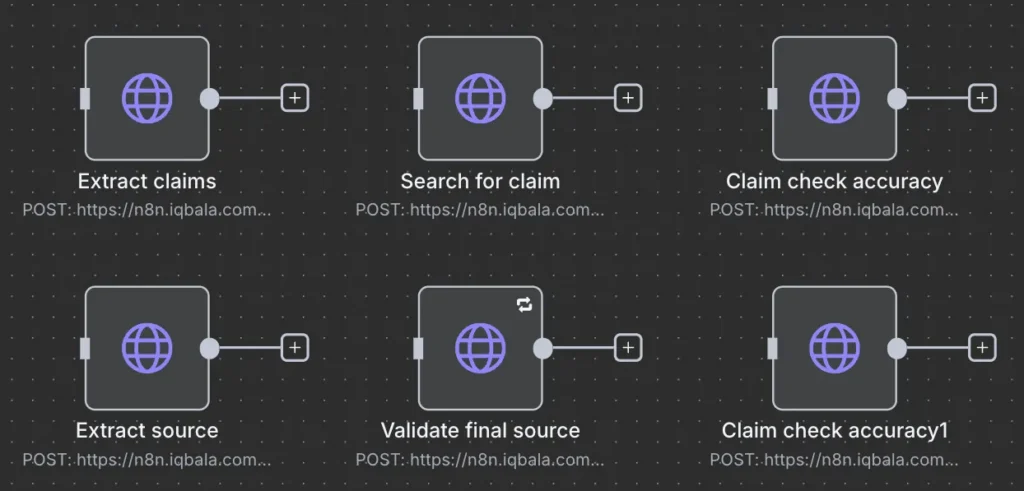
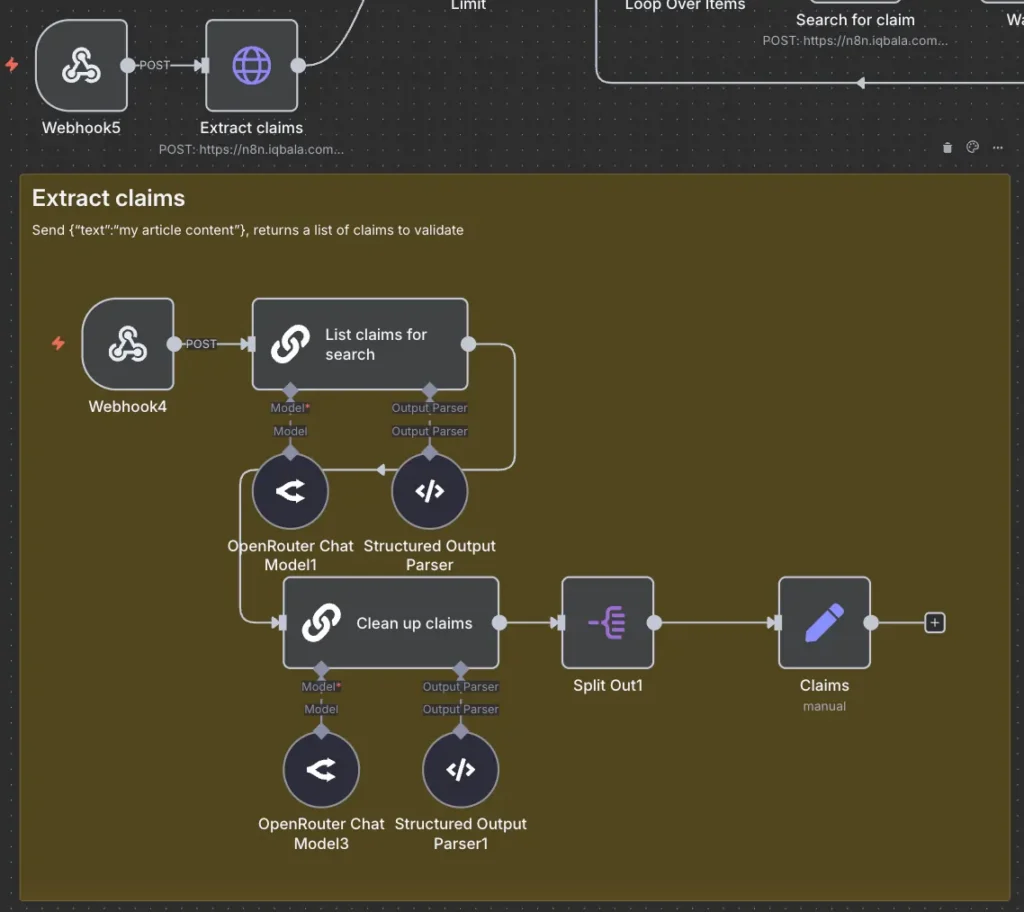
The workflow developed by Ali is not a single, monolithic script but a collection of specialized sub-workflows that communicate via webhooks. This architecture allows for greater flexibility and the ability to improve individual components without disrupting the entire system.

Phase 1: Claim Extraction and Self-Reflection
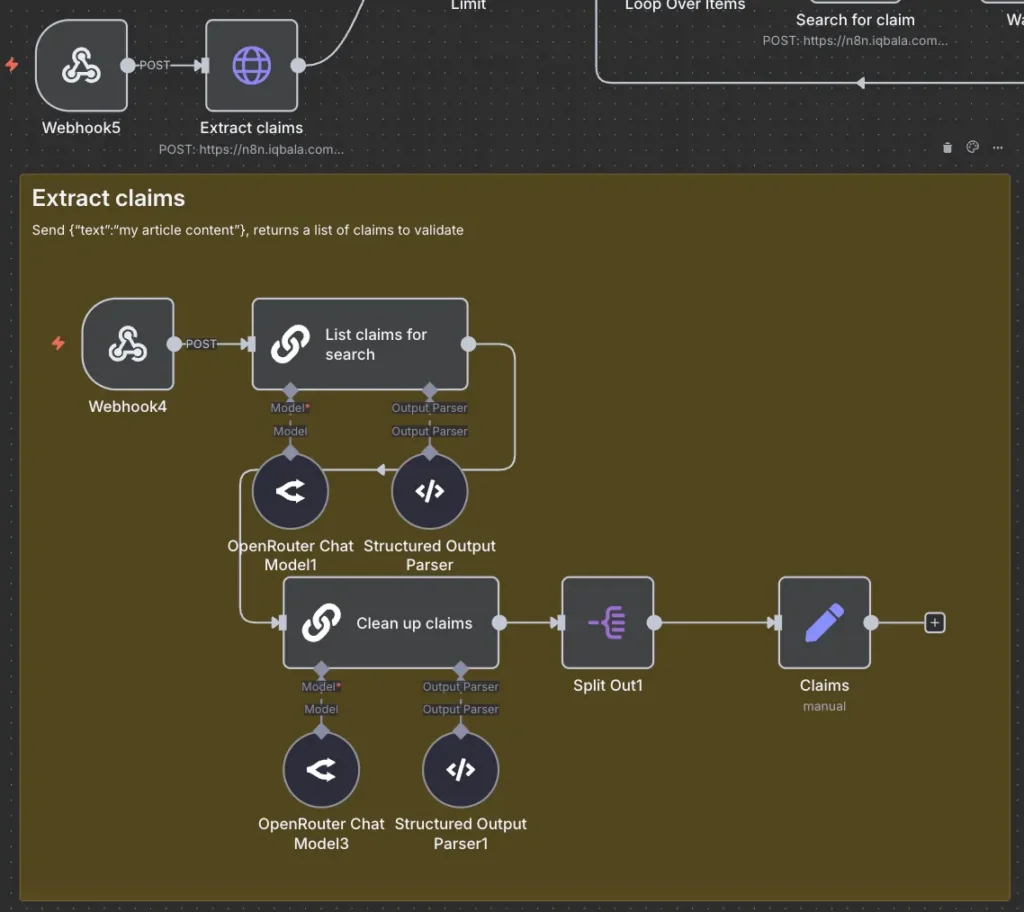
The process begins when a rough draft of an article is submitted to the workflow. The system utilizes an AI node—specifically models like Google’s Gemma 4 or Meta’s Llama 3.2—to parse the text and extract a list of concise, verifiable claims. To ensure accuracy at this early stage, Ali employs a technique known as “self-reflection.” After the initial extraction, a second AI node reviews the list to verify that the claims accurately reflect the original text. This dual-layered approach has been shown in various AI research papers to significantly reduce “drift” and improve the relevance of output.
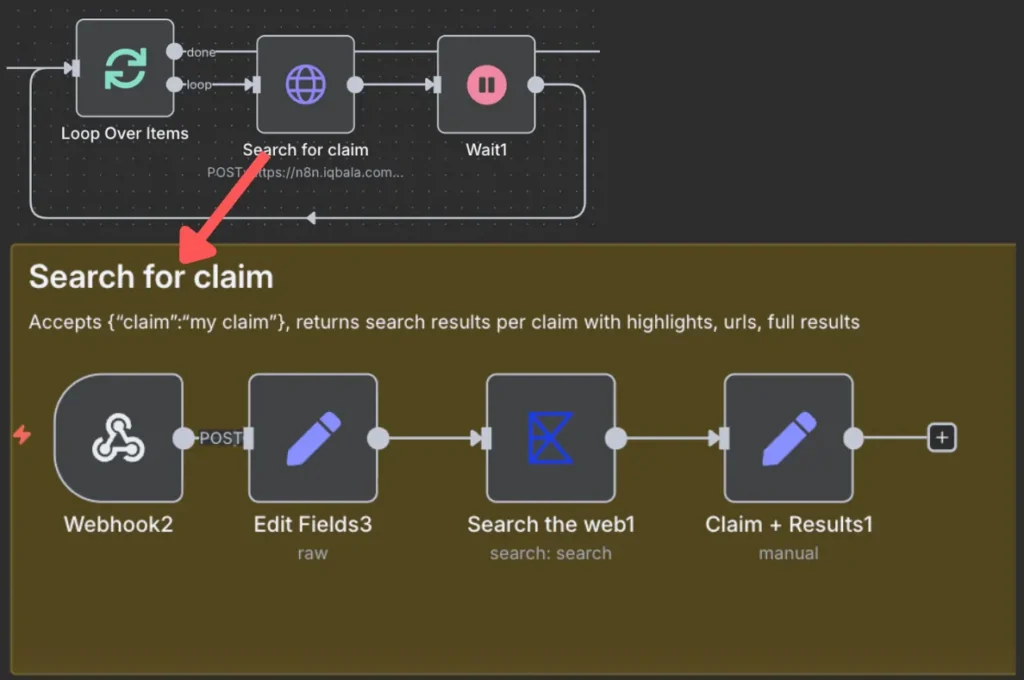
Phase 2: Targeted Web Searching
Once a list of claims is established, the workflow initiates a search phase using Exa (formerly Metaphor), an AI-native search engine designed for high-quality data retrieval. Unlike traditional search engines that return a list of links, Exa can provide “highlights”—specific snippets of text from web pages that are most relevant to the query.
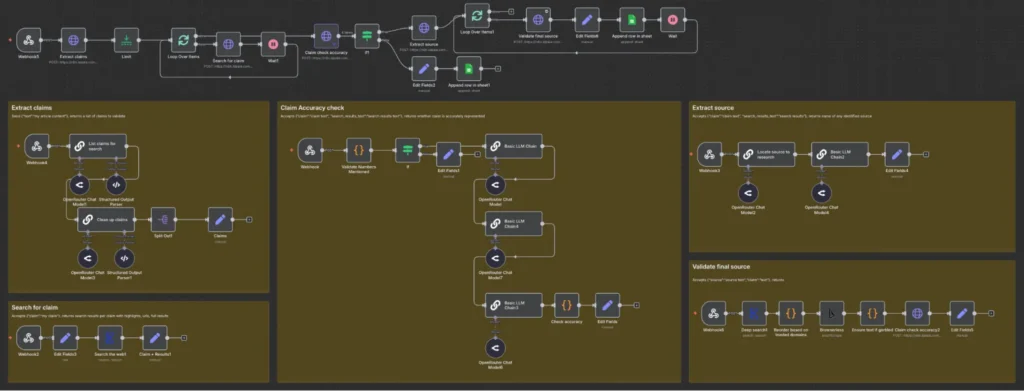
Because free-tier API access often includes rate limits, the workflow includes a batching logic. It splits the list of claims into groups (e.g., ten at a time), conducts concurrent searches, and incorporates a one-second delay between batches to avoid service interruption.
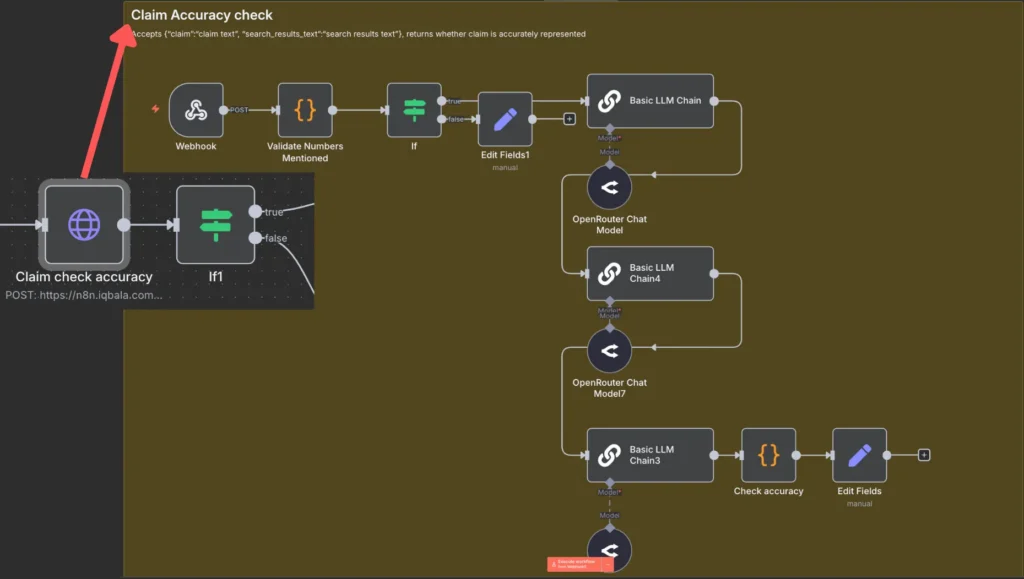
Phase 3: The “Best-of-Three” Accuracy Check
The most critical stage of the workflow is the validation of the claim against the search results. Ali utilizes a “best-out-of-three” logic to ensure deterministic results from a non-deterministic AI. The system compares the claim to the search highlights three separate times. If the AI validates the claim at least twice, it proceeds to the next stage. If it fails, the claim is flagged as “Validated: FALSE” in the final report, signaling the writer to conduct deeper manual research or remove the claim entirely.
Phase 4: Primary Source Identification
For claims that pass the initial accuracy check, the system seeks to identify a definitive source. A specialized sub-workflow takes the search text and attempts to isolate the specific URL and publication date. A secondary AI call rewrites the source information to be concise, ensuring the final documentation is clean and professional.
Phase 5: Deep Dive Validation Against Trusted Domains
To combat the risk of “circular reporting”—where AI models cite other AI-generated content—the workflow includes a final deep-dive stage. The system uses Browserless, a headless browser service, to navigate to the actual web pages of the identified sources.
During this stage, the system reorders search results based on a list of “trusted domains.” While Ali’s current model uses a hardcoded list of reputable sites (such as academic journals, government databases, and major news outlets), the system is designed to be customizable. After extracting the full page content—including the difficult-to-parse text from PDFs—the workflow runs one final accuracy check to ensure the claim is explicitly supported by the primary source.
Technical Infrastructure and Supporting Data
The effectiveness of this workflow relies on the integration of several high-performance tools:
- n8n: Acts as the “glue” that connects various services.
- Exa API: Provides the search capabilities optimized for LLM (Large Language Model) usage.
- Browserless: Handles the scraping of web content and PDF parsing.
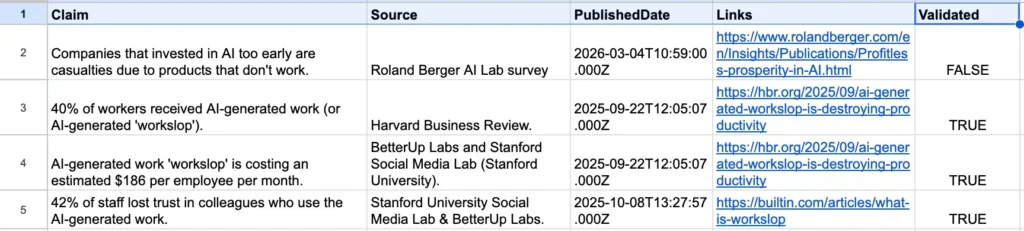
- Google Sheets: Serves as the final repository, providing a five-column output: Claim, Source, Published Date, Links, and Validation Status.
Supporting data suggests that AI-assisted fact-checking is becoming a necessity rather than a luxury. A 2023 study by the Reuters Institute for the Study of Journalism found that 74% of newsroom leaders believe that AI will be essential for improving the efficiency of news production, but only if “human-in-the-loop” systems are maintained. Ali’s workflow adheres to this principle; it does not replace the human writer but rather acts as a sophisticated research assistant that filters out the noise and highlights potential inaccuracies.
Industry Implications and the Future of Automated Research
The implications of Ali’s n8n workflow extend beyond individual content creators. For marketing agencies, corporate communications departments, and newsrooms, this technology represents a shift toward “Fact-Checking as a Service” (FCaaS). By modularizing the verification process into mini-APIs, organizations can integrate these checks into their existing content management systems (CMS).
Furthermore, the use of small, efficient models like Gemma 4 and Llama 3.2 indicates a move toward decentralized, cost-effective AI. Rather than relying on massive, expensive models for every task, developers are finding that specialized, smaller models can perform verification tasks with high precision when structured within a robust workflow.
However, challenges remain. The reliance on third-party APIs like Browserless and Exa introduces potential points of failure and costs that may be prohibitive for casual users. Ali notes that his workflow is a “work in progress,” and he encourages users to adapt the code to their specific needs, particularly regarding the list of trusted domains.
Conclusion: The New Standard for Content Integrity
As the digital landscape continues to evolve, the “write first, verify later” approach is becoming increasingly untenable. The “Automating Fact-Checking Using an n8n Workflow” project offers a blueprint for how technology can be harnessed to uphold the standards of truth and accuracy in journalism and business writing. By combining the creative power of human writers with the systematic rigor of automated AI verification, creators can produce content that is not only engaging but also demonstrably factual.
The move toward more deterministic, code-based checks within AI workflows marks a significant step in the maturation of automation tools. As these systems become more accessible, the expectation for verified content will likely become the industry standard, making tools like n8n indispensable in the modern writer’s toolkit.







