rifanmuazin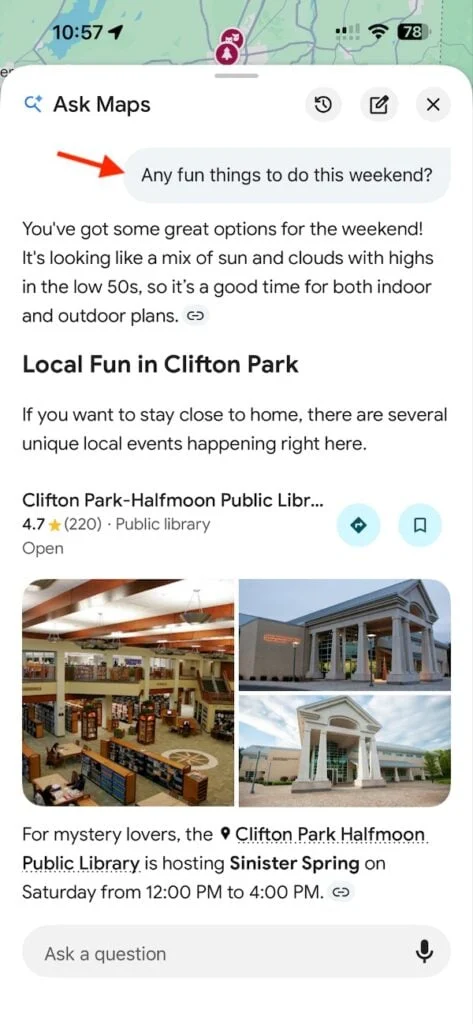
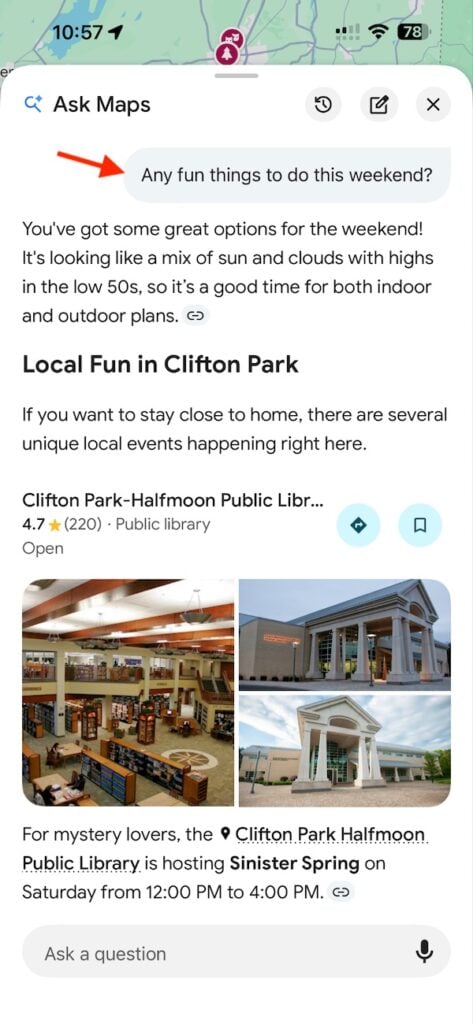
The recent integration of artificial intelligence into Google Maps, specifically through its "Ask Maps" feature, marks a pivotal moment for local businesses striving to capture consumer attention in an increasingly digital landscape. This innovative tool allows users to pose natural language queries, such as "Any fun things to do this weekend?" and receive instant, relevant recommendations for local activities, workshops, markets, and more. This capability holds immense potential to bridge the gap between consumers with low purchase intent and businesses that may not be actively sought out, thereby democratizing visibility for Main Street establishments against larger, more established brands.
Understanding the "Ask Maps" Phenomenon
At its core, "Ask Maps" leverages advanced AI to interpret conversational queries and surface pertinent local information. Unlike traditional keyword searches, where a user might specifically look for "hardware store near me," "Ask Maps" can decipher broader intentions. For instance, a query like "Where can I find a good book to read?" might prompt Maps to suggest local bookstores, libraries, or even cafes known for their literary ambiance. The system then analyzes a vast array of data, prioritizing information that aligns with the user’s inferred needs and location.
The implications of this shift are profound. Historically, discoverability for small businesses often relied on direct searches, word-of-mouth, or targeted advertising. "Ask Maps" introduces a new discovery pathway, catering to users who are exploring options rather than seeking specific products or services. This is particularly beneficial for businesses offering unique experiences or niche products that consumers might not know to search for directly.
The Technical Underpinnings: How "Ask Maps" Works
Google Maps’ AI engine for "Ask Maps" draws upon a multifaceted data ecosystem. The primary source of information for local businesses is their Google Business Profile (GBP). This platform, a cornerstone of local SEO for years, serves as the digital storefront for businesses on Google Search and Maps. The effectiveness of "Ask Maps" is directly correlated with the completeness and accuracy of a business’s GBP listing.
To thrive within this new AI-driven ecosystem, businesses must meticulously optimize their Google Business Profiles. This includes:
- Comprehensive Business Information: Details such as accurate operating hours (including holiday schedules), precise location pin, contact information, website URL, and service areas are fundamental.
- Rich Descriptions: Going beyond basic categories, businesses should craft detailed descriptions that highlight their unique selling propositions, specialties, and target audience.
- High-Quality Imagery and Videos: Visual content is crucial for engaging users. Uploading current photos of the storefront, interior, products, services, and staff can significantly enhance appeal.
- Attributes and Services: Utilizing specific attributes (e.g., "women-led," "outdoor seating," "wheelchair accessible") and detailing the full range of services offered allows the AI to match businesses with more granular user needs.
- Reviews and Ratings: Positive customer reviews act as social proof and provide valuable insights for the AI. Encouraging satisfied customers to leave reviews and responding promptly to all feedback (both positive and negative) is essential.
- Google Posts: The "Updates" feature within GBP, often referred to as Google Posts, is a powerful tool for sharing timely information. Businesses can announce sales, special events, new product launches, or limited-time offers. These posts are frequently surfaced by the AI in response to relevant queries, creating immediate opportunities for engagement.
Leveraging On-Site Content for AI Discovery

While Google Business Profile is paramount, the AI’s ability to serve recommendations extends to information found on a business’s own website. This necessitates a strategic approach to website content creation and optimization.
- Detailed Product and Service Pages: For businesses selling products, providing exhaustive details is critical. This includes pricing, material specifications, dimensions, color options, warranty information, availability status, and clear usage instructions. For service-based businesses, detailing the scope of services, benefits, and pricing structures is equally important.
- Use Case Scenarios and Problem-Solving Content: Consumers often turn to search engines with problems they need to solve. Content that demonstrates how a business’s products or services can address common needs or challenges will be highly valued by the AI. This could manifest as blog posts, FAQs, or guides.
- Testimonials and Case Studies: Customer testimonials and detailed case studies offer authentic validation of a business’s offerings. These can be integrated into website content and are likely to be considered by the AI when assessing a business’s credibility and relevance.
- Event Calendars and Announcements: Similar to Google Posts, a well-maintained event calendar on a business’s website can inform the AI about upcoming activities, workshops, or promotions. This is especially relevant for businesses that rely on event-driven traffic.
- Schema Markup: Implementing structured data (schema markup) on a website helps search engines, including Google’s AI, understand the content more effectively. This can be used to denote product information, business details, event schedules, and more, making it easier for the AI to extract relevant data.
The Strategic Importance of Market Events
The "Ask Maps" feature’s ability to highlight "fun things to do" underscores the value of events in driving consumer engagement and discovery. Unique events, such as seasonal promotions, workshops, pop-up markets, or live demonstrations, can attract individuals who might not have otherwise considered visiting a particular business.
Beyond Google Business Profile updates, businesses can amplify event visibility through:
- Local Event Listings: Submitting event details to local community calendars, online event aggregators, and relevant industry publications can broaden reach.
- Social Media Promotion: Leveraging platforms like Facebook Events, Instagram Stories, and other social channels to announce and promote upcoming events.
- Partnerships: Collaborating with other local businesses or community organizations for joint events can expand the audience and cross-promote offerings.
- Email Marketing: Informing existing customer bases about upcoming events through newsletters and targeted email campaigns.
A Timeline of AI Integration in Local Search
Google’s journey toward AI-powered local discovery has been gradual. The introduction of the Knowledge Graph in 2012 began to provide more direct answers to queries. The evolution of Google Assistant and its conversational capabilities in subsequent years laid the groundwork for natural language understanding. Google Business Profile, launched as "Google Places for Business" in 2010 and later rebranded, has continuously evolved, integrating features like photos, reviews, and posts, all of which feed into Google’s understanding of local businesses.
The current "Ask Maps" feature represents a significant leap, moving beyond structured data interpretation to a more nuanced understanding of user intent expressed through conversational language. This iterative development suggests a future where AI will play an even more integral role in connecting consumers with local businesses.
Expert Reactions and Analysis
Industry analysts and local business advocates have largely welcomed the "Ask Maps" feature. Sarah Chen, a digital marketing consultant specializing in small businesses, notes, "This is a game-changer for businesses that have historically struggled with online visibility. The AI’s ability to understand intent beyond direct keywords means that even a small boutique or a niche service provider can be discovered by someone looking for a unique experience, not just a product. The key is to ensure your foundational information on Google Business Profile is impeccable."
Mark Johnson, owner of a popular independent bookstore, expressed optimism: "We’ve always relied on word-of-mouth and our local presence. Now, if someone asks ‘where to find a cozy reading spot,’ and we’ve detailed our comfortable seating and cafe offerings on our profile and website, we have a much better chance of being recommended. It levels the playing field somewhat."
However, concerns remain regarding the potential for algorithmic bias and the importance of data accuracy. "While the potential is immense, businesses must be vigilant," warns digital strategist Emily Carter. "Ensuring your data is consistently updated and accurate across all platforms is more critical than ever. Inaccurate hours or outdated service lists could lead to missed opportunities and customer frustration."
Broader Implications for the Local Economy
The "Ask Maps" feature is more than just a technological advancement; it represents a strategic shift that could significantly bolster local economies. By making it easier for consumers to discover and engage with local businesses, Google Maps is indirectly supporting:
- Increased Foot Traffic: Direct recommendations for activities and shopping can translate into more people visiting physical stores and establishments.
- Support for Small and Medium-Sized Businesses (SMBs): SMBs often operate on tighter marketing budgets than large corporations. "Ask Maps" offers a cost-effective way to enhance visibility without substantial ad spend, provided they optimize their online presence.
- Community Revitalization: Thriving local businesses contribute to vibrant communities. Increased discoverability can lead to sustained growth and job creation at the local level.
- Consumer Choice and Diversity: By highlighting a wider array of local options, consumers benefit from greater choice and the opportunity to support businesses that reflect their community’s unique character.
The Path Forward for Businesses
To capitalize on the "Ask Maps" opportunity, businesses should adopt a proactive and data-driven approach:
- Audit and Optimize Google Business Profile: Conduct a thorough review of all information, ensuring accuracy, completeness, and the use of relevant categories and attributes. Regularly update hours, add new photos, and utilize the "Updates" feature for promotions and events.
- Enhance Website Content: Invest in detailed product descriptions, service explanations, and content that addresses customer needs and pain points. Implement schema markup where appropriate.
- Encourage and Manage Reviews: Actively solicit customer reviews and respond professionally to all feedback.
- Leverage Event Marketing: Plan and promote unique events that can attract new customers and create engaging experiences.
- Monitor Performance: Track how "Ask Maps" is impacting website traffic, customer inquiries, and in-store visits. Google Analytics and GBP insights can provide valuable data.
- Stay Informed: The AI landscape is constantly evolving. Businesses should stay abreast of updates and best practices from Google and industry experts.
In conclusion, Google Maps’ "Ask Maps" feature is a powerful new tool that democratizes visibility for local businesses. By understanding its mechanics and strategically optimizing their online presence, businesses can unlock significant opportunities to attract new customers, drive engagement, and thrive in an increasingly AI-influenced marketplace. The emphasis on comprehensive, accurate, and engaging information, whether on their Google Business Profile or their own websites, will be the key differentiator for success in this new era of local discovery.