rifanmuazin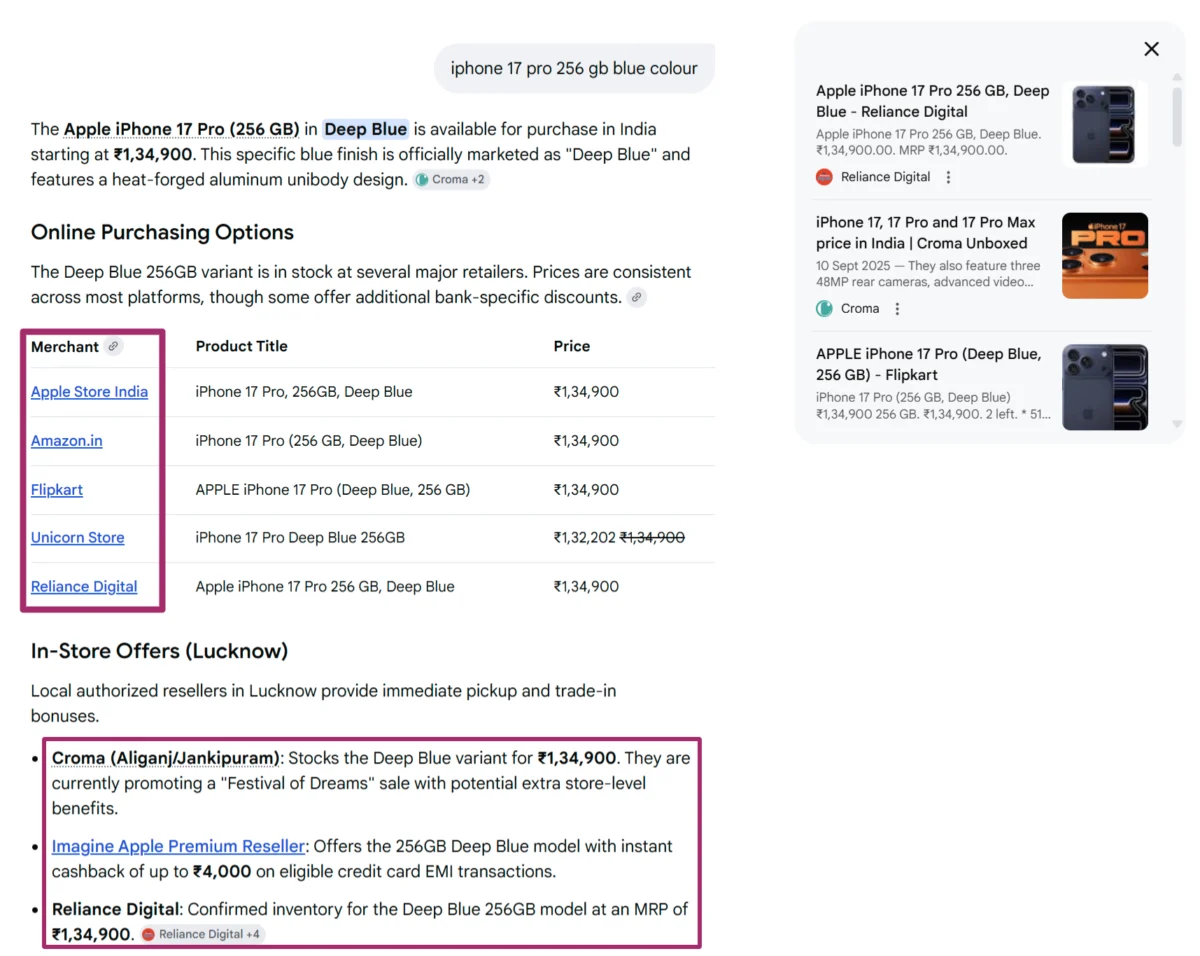
The landscape of digital visibility is undergoing a profound transformation, driven by the emergence of AI search. Users are increasingly receiving direct, synthesized answers to their queries, often obviating the need to click through to individual websites. This fundamental shift from a click-driven "blue link" economy to an influence-driven "answer economy" positions AI citations as the new arbiters of online prominence. These citations, which attribute information to original sources within AI-generated responses, are redefining how content earns credibility and how brands secure visibility in the digital realm. Over the past year, the focus has moved decisively from merely ranking web pages to strategically selecting authoritative sources, compelling businesses and content creators to adapt their traditional SEO strategies for AI-driven visibility.
The Paradigm Shift in Search: From Links to Answers
The evolution of search has accelerated dramatically with the widespread integration of Large Language Models (LLMs) and generative AI. Historically, search engines functioned as sophisticated indexing systems, presenting users with a list of ranked web pages deemed most relevant to their query. Success in this "blue link era" was primarily measured by higher rankings, which directly correlated with increased organic traffic. However, the advent of AI-powered search, exemplified by features like Google’s AI Overviews (formerly Search Generative Experience or SGE), ChatGPT’s advanced browsing capabilities, and Perplexity AI’s citation-heavy approach, marks a significant departure. These systems aim to provide comprehensive, immediate answers, drawing upon vast datasets and real-time web content.
This rapid technological advancement began to gain mainstream traction in the early 2020s, with major search providers investing heavily in AI integration. By late 2023 and early 2024, experimental features were rolling out more widely, fundamentally altering user interaction with search. The core motivation behind this shift is enhanced user experience: reducing friction by delivering precise answers without requiring multiple clicks or extensive browsing. For content creators and businesses, this means the battle for visibility is no longer just about appearing high on a results page; it’s about becoming an integral part of the AI’s synthesized answer itself.
Understanding AI Citations: The New Mark of Credibility
At their core, AI citations are the references that AI tools and search engines include to support the information they generate. Much like academic citations, they serve to validate claims, demonstrate the provenance of data, and offer users a pathway to explore the original context. When a tool like ChatGPT or Google’s AI Overview responds to a query, it often embeds links or mentions specific pages and sources that corroborate its statements. These references are critical signals of credibility, helping users ascertain the trustworthiness of the AI’s answer and providing a crucial avenue for deeper engagement with the source material.
In essence, if content is cited by an AI, it transitions from being merely a link in a search results list to an acknowledged component of the AI’s direct answer. This represents a significant upgrade in visibility and perceived authority. The distinction from traditional SEO is stark:
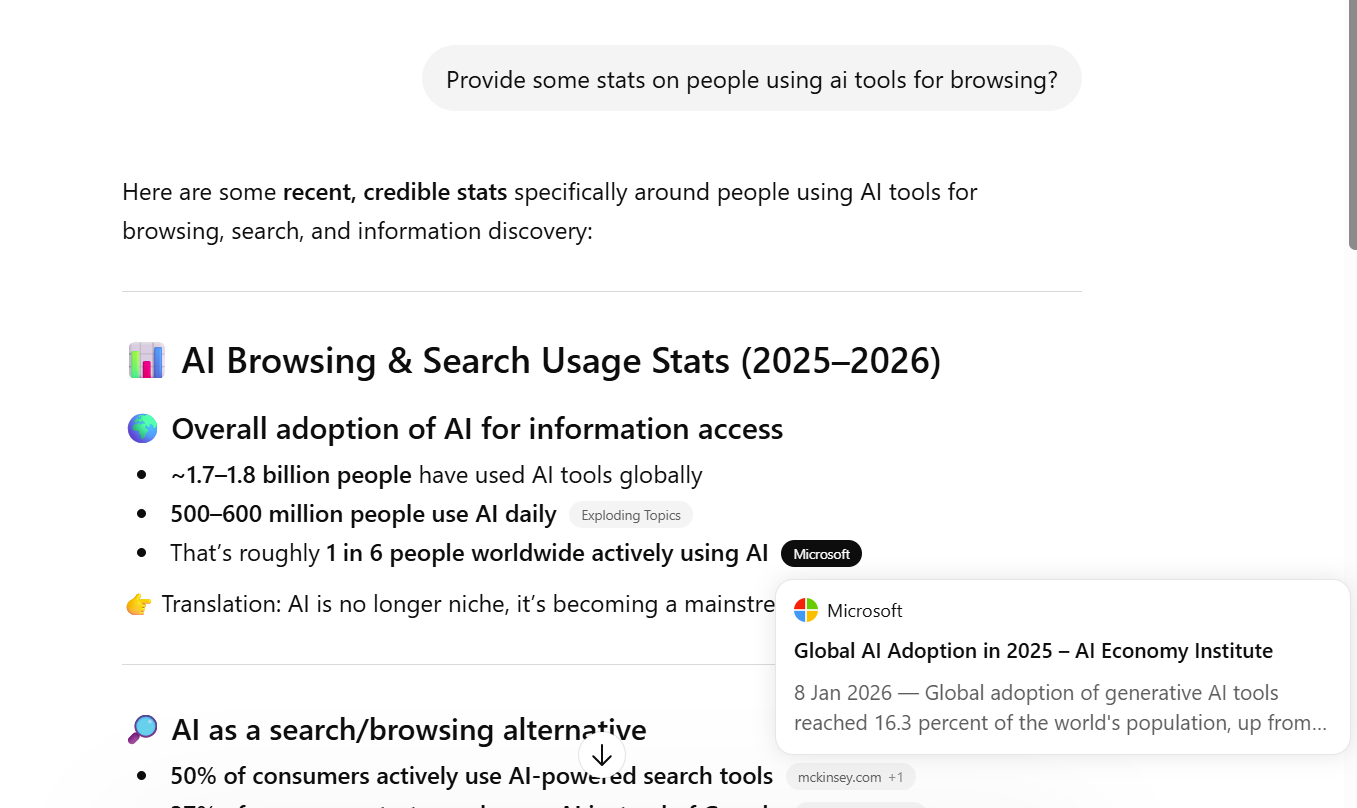
- Visibility: Shifts from blue links on a Search Engine Results Page (SERP) to direct inclusion within AI-generated answers.
- Traffic Generation: Evolves from being primarily click-driven to being influence-driven, where brand recognition and trust are built even before a click occurs.
- Authority Signals: While backlinks remain important, AI increasingly prioritizes credibility, accuracy, and depth of content.
- User Action: Moves from visiting a website to consume information to consuming instant answers directly, with the option to click through for more.
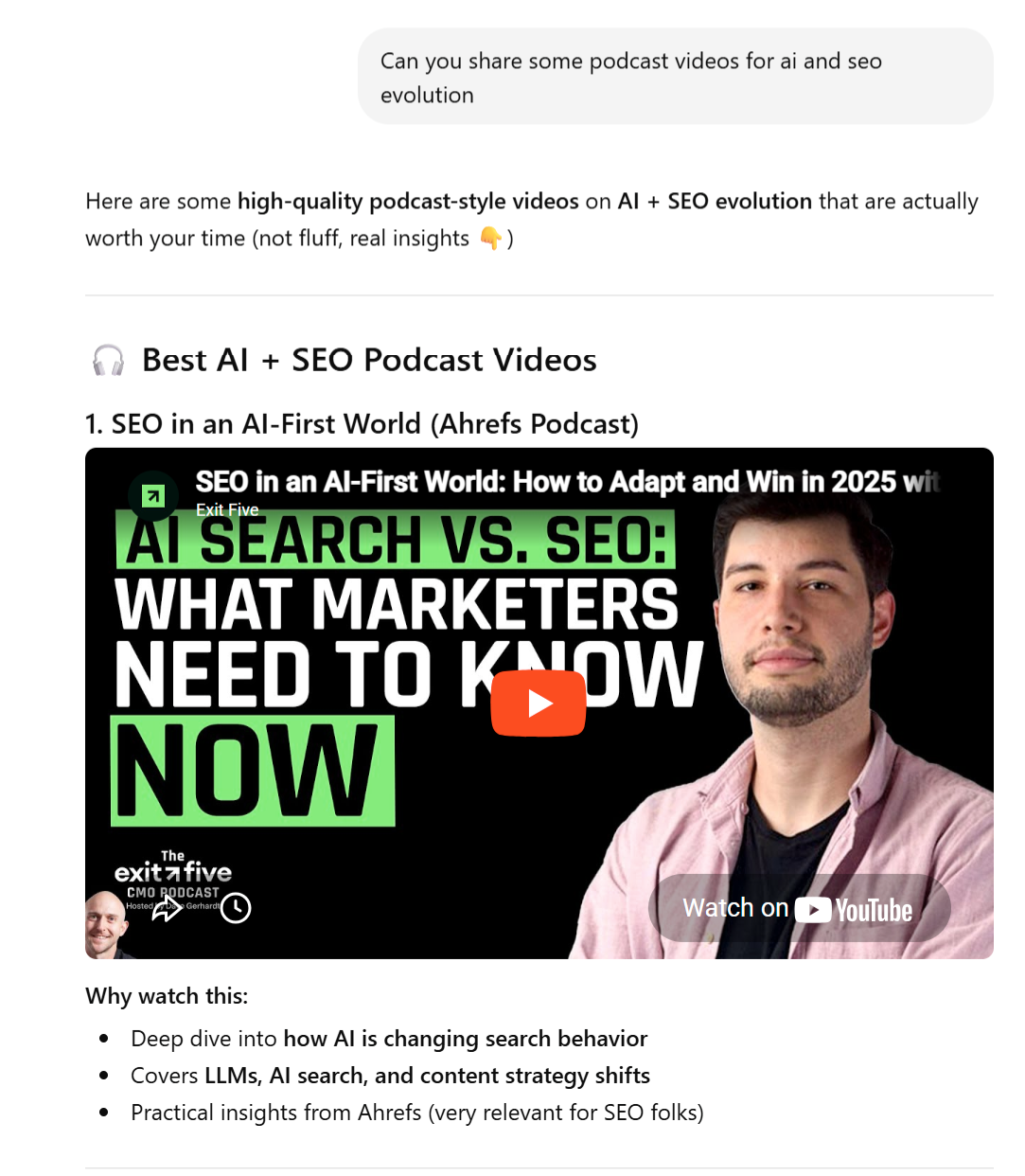
This evolution was a central theme in discussions at industry events, such as Alex Moss’s talk at BrightonSEO in 2025, which highlighted the ongoing evolution of search intent and discoverability in this new AI era.
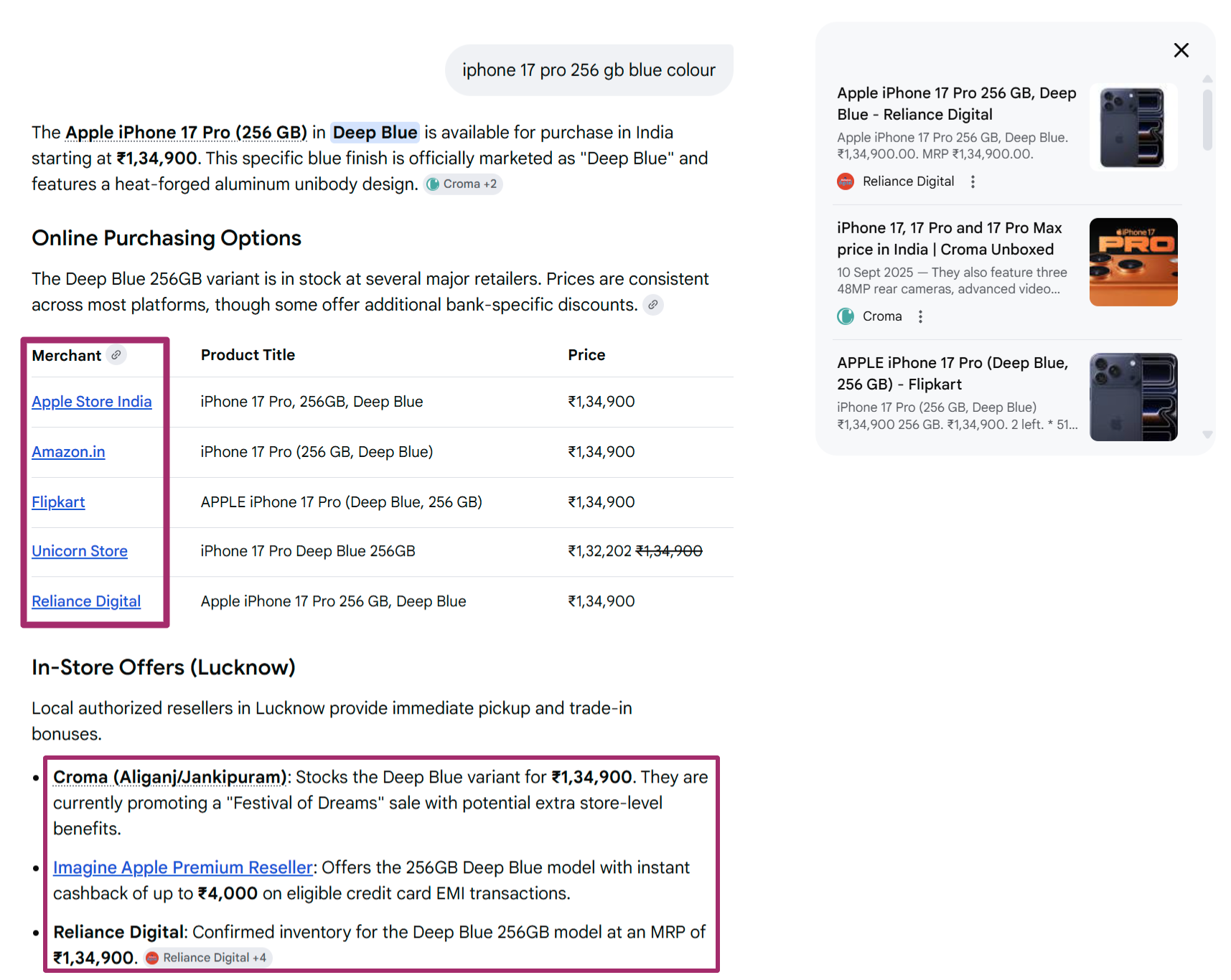
AI models derive their answers from a diverse information ecosystem, not just top-ranking web pages. Recent analyses provide compelling insights: a study on Google’s AI Overviews found that approximately 38% of cited sources do not originate from the top 10 search results. This suggests that AI models delve deeper into the web, valuing quality, clarity, and direct answers over traditional ranking signals alone. Another key finding, highlighted by CXL, indicates that AI models often prioritize clear, concise answers presented early within content, frequently citing information from the top sections of a page. This implies that structuring content for immediate answer extraction is paramount.
Not all AI citations are uniform; they vary based on the query’s intent:
- Informational Citations: The most common type, referring to blog posts, guides, and educational content that explain concepts or answer "how-to" questions.
- Product Citations: Appear for commercial queries (e.g., "best SEO tools"), citing product pages, listicles, and review content to support recommendations. These can include both online and offline options.
- Multimedia Citations: AI systems also cite non-textual content like videos, images, and infographics, particularly when visual explanations are superior to text alone, such as for tutorials or demonstrations.
Economic and Strategic Implications for Brands
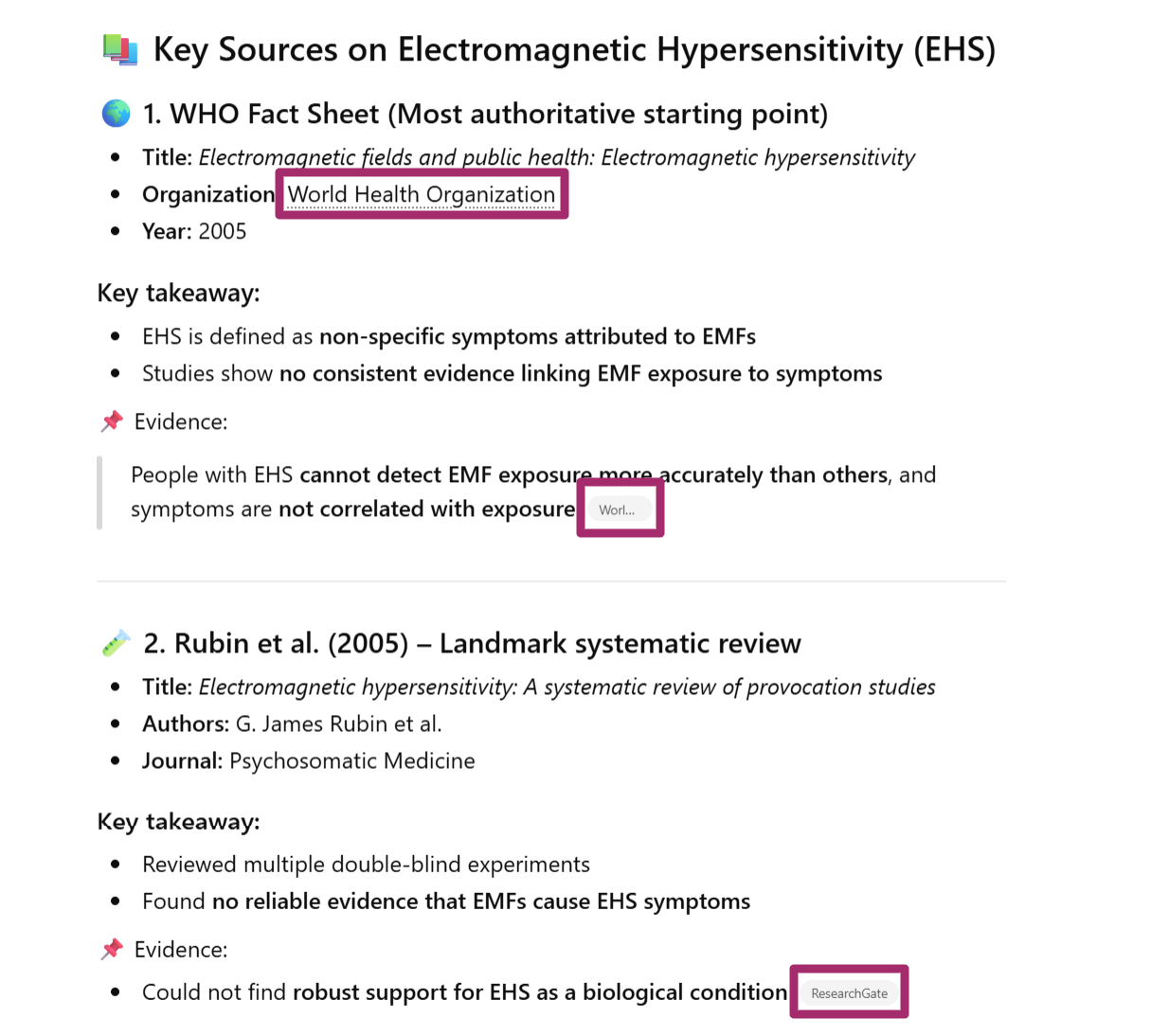
The impact of AI citations extends far beyond mere visibility; they fundamentally reshape brand perception and influence buyer decisions. When a brand’s content is cited in an AI-generated answer, a portion of that AI’s inherent trust is transferred to the brand. This elevates the brand beyond being just another search result, positioning it as an authoritative source validated by the AI itself. This implicit endorsement significantly enhances a brand’s credibility and authority in the eyes of the user.
Crucially, this shift means that buyer decisions are increasingly being initiated and even finalized earlier in the journey. Users may form opinions, shortlist products, or make purchase decisions directly from AI responses, often without ever visiting a brand’s website. If a brand is not cited, it risks being excluded from this crucial early consideration set, potentially losing out on opportunities before traditional marketing funnels even begin.
Furthermore, being cited by AI serves as a powerful signal of genuine relevance and usefulness. It tells both users and algorithms that the content is not merely optimized for keywords but delivers substantive value in context. Over time, consistent citation builds a compounding effect: the more a brand is cited, the more it becomes associated with specific topics, fostering familiarity, authority, and trust that transcends individual search queries. This makes AI citations a critical component of long-term brand equity.
How AI Systems Select Sources: A Breakdown of the RAG Process
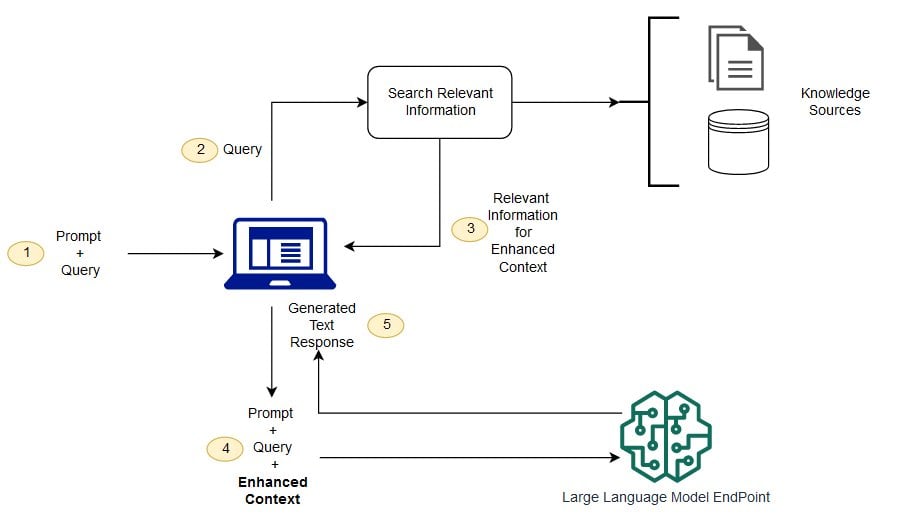
To understand how to earn AI citations, it’s essential to grasp the underlying mechanism by which AI systems select sources. Most AI-powered search systems leverage a retrieval-and-synthesis process, often powered by Retrieval-Augmented Generation (RAG). This approach ensures that AI models don’t just generate answers based on their internal training data but actively find, evaluate, and assemble information from external, reliable sources.
The RAG process typically unfolds in several stages:
- Query Understanding: The AI first interprets the user’s intent—whether it’s informational, navigational, or commercial—to determine the type of sources required.
- Retrieval of Sources: The system then pulls potential sources from various repositories, including public web pages (indexed by search engines), internal knowledge bases, and structured databases. This is the initial gateway for content to enter the AI’s consideration.
- Source Evaluation: Not all retrieved sources are treated equally. AI models evaluate them based on critical factors such as:
- Relevance: How closely the content matches the query.
- Credibility: The authority and trustworthiness of the source, often inferred from external signals and domain reputation.
- Accuracy: The factual correctness of the information.
- Freshness: The recency of the content, particularly for time-sensitive topics.
- Clarity and Structure: How well the information is organized and presented for easy extraction.
These signals collectively underscore the central role of Experience, Expertise, Authoritativeness, and Trustworthiness (E-E-A-T). AI systems are actively seeking reliable sources behind the answers.
- Answer Synthesis: The AI combines insights from multiple evaluated sources to formulate a single, cohesive answer, which may or may not directly cite every piece of content used.
- Citation Selection: Finally, the model decides which sources to explicitly cite, attribute, or reference, directly influencing a brand’s visibility.
It’s important to note that citation behavior can vary across different AI systems:
- ChatGPT: Often leans on third-party sources and consensus, such as directories and aggregator sites, preferring external validation over exclusive brand-owned content.
- Perplexity AI: Emphasizes a retrieval-first approach, drawing from a wide range of web sources and typically surfacing multiple citations to ensure transparency.
- Gemini: Tends to prioritize brand-owned and structured content, favoring pages that are clearly organized and easily interpretable.
Despite these variations, the key signals for earning citations remain consistent: E-E-A-T, factual accuracy, clarity, conciseness, comprehensive coverage, and user-friendliness. AI citations are not random; they result from a structured evaluation where trust and relevance are paramount.
Strategies for Earning AI Citations
To succeed in this evolving landscape, content creators must adopt strategies specifically designed to earn AI citations:
-
Create Citation-Friendly Content: Move beyond basic optimization to produce content that offers original thinking, clear explanations, and verifiable value. This includes:
- Original Research: Publishing studies, surveys, or data analyses that provide new insights.
- Case Studies: Real-world examples demonstrating practical applications or outcomes.
- Thought Leadership: Opinion-led content with unique perspectives that add depth.
- News Content: Timely and accurate coverage of recent developments, filling gaps where training data might be less current.
-
Build Topical Authority (Content Clusters): AI models evaluate content not in isolation but within the broader context of a brand’s expertise. By publishing multiple, interconnected pieces on a specific subject, addressing various facets, a brand signals depth, expertise, and reliability. This directly reinforces E-E-A-T.
- In Practice: Develop pillar pages covering broad topics, supported by numerous cluster content pieces that delve into sub-topics. Ensure strong internal linking within these clusters.
-
Strengthen Entity Signals (Brand, Authorship, Schema): AI systems evaluate the credibility of the entity behind the content. Clear entity signals help models understand the brand, its authors, and their authority within a topic.
- In Practice: Maintain a consistent brand identity across all platforms, feature clear author bios with credentials, and implement structured data (Schema Markup) for articles, organizations, and authors to provide explicit signals to AI.
-
Earn External Validation Signals: AI models cross-reference information across the web to validate trustworthiness. Credibility is thus built not just on a brand’s website but through consistent, high-quality mentions across reputable third-party platforms.
- In Practice: Pursue strategic link building from authoritative sites, engage in digital PR to secure mentions in industry publications, cultivate a strong social media presence, and actively manage online reviews and reputation. This transforms traditional link building into a broader strategy of "web-wide validation."
-
Keep Content Fresh and Updated: AI models prioritize current information, especially for rapidly evolving topics. Regular updates signal that content remains relevant and reliable.
- In Practice: Implement a content audit schedule, refresh statistics, update examples, and revise outdated information. Clearly indicate the last update date on content.
-
Structure Content for Answer Extraction: AI models are designed to extract answers efficiently. Content must be structured to facilitate this process, as users increasingly prefer direct answers (a poll by IWAI found 67% of users prefer AI tools for answers).
- In Practice: Use clear, hierarchical headings (H1, H2, H3), employ concise paragraphs, integrate FAQs, use bullet points and numbered lists, and provide direct answers to potential questions early in the content.
A critical tool for guiding AI models to the most important content on a website is llms.txt, a feature available in Yoast SEO. Similar to robots.txt, llms.txt creates a structured, LLM-friendly markdown file that highlights key pages, enabling AI models to better understand and prioritize a site’s most valuable content when generating answers.
Tracking AI Brand Presence: The New Analytics Frontier
In this AI-driven ecosystem, traditional analytics tools, which primarily track website traffic and rankings, fall short. They cannot provide insights into whether a brand is being mentioned in AI answers, how it’s perceived, or which sources AI systems trust when referencing it. This creates a critical blind spot, particularly as AI answers increasingly influence user decisions before any direct website interaction.
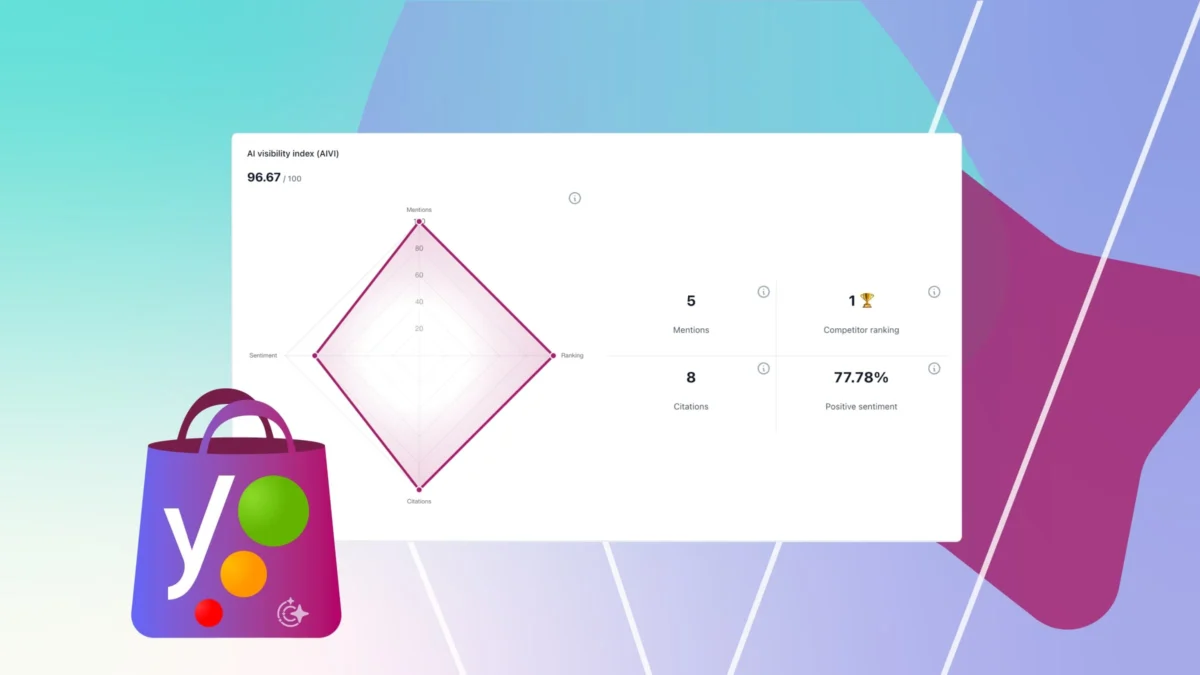
Tools like Yoast AI Brand Insights (expected October 1, 2025) are designed to bridge this gap, offering comprehensive tracking and understanding of AI visibility, citations, and brand mentions across platforms like ChatGPT, Gemini, and Perplexity. Such tools enable:
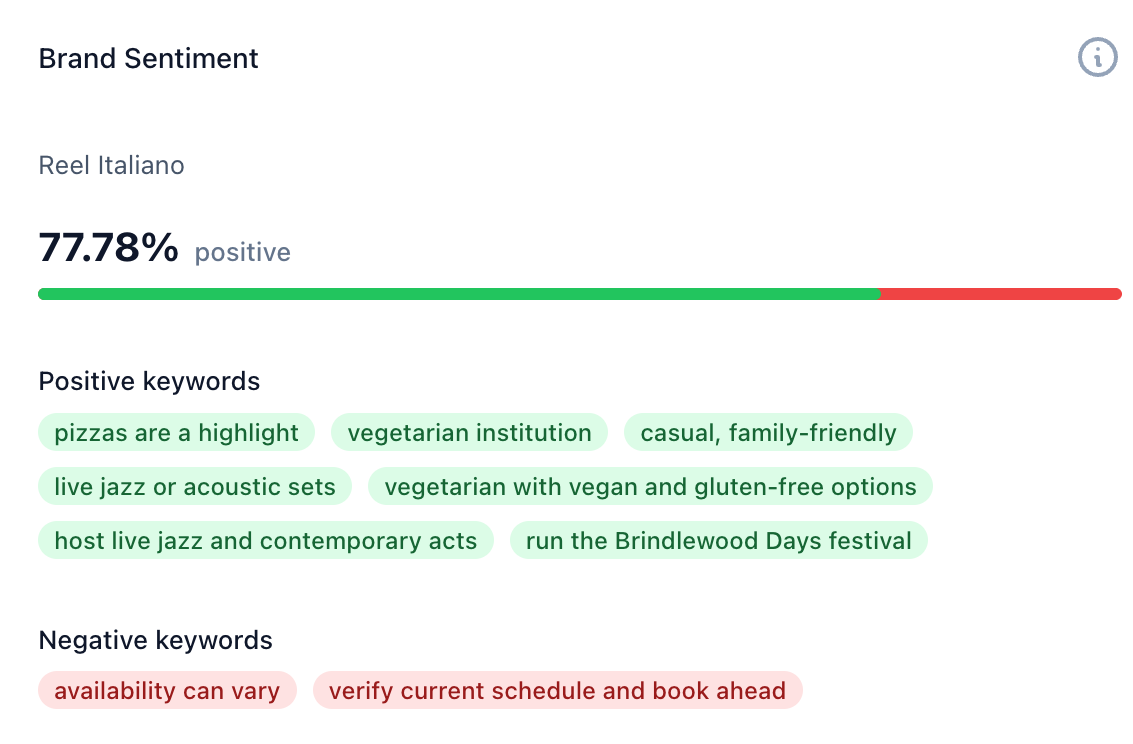
- Sentiment Tracking: Analysis of keywords associated with a brand to determine the overall positive or negative sentiment in AI-generated answers.
- Citation Analysis (Brand Mentions): Identification of when and where a brand is cited, alongside an understanding of co-referenced sources to spot gaps and opportunities.
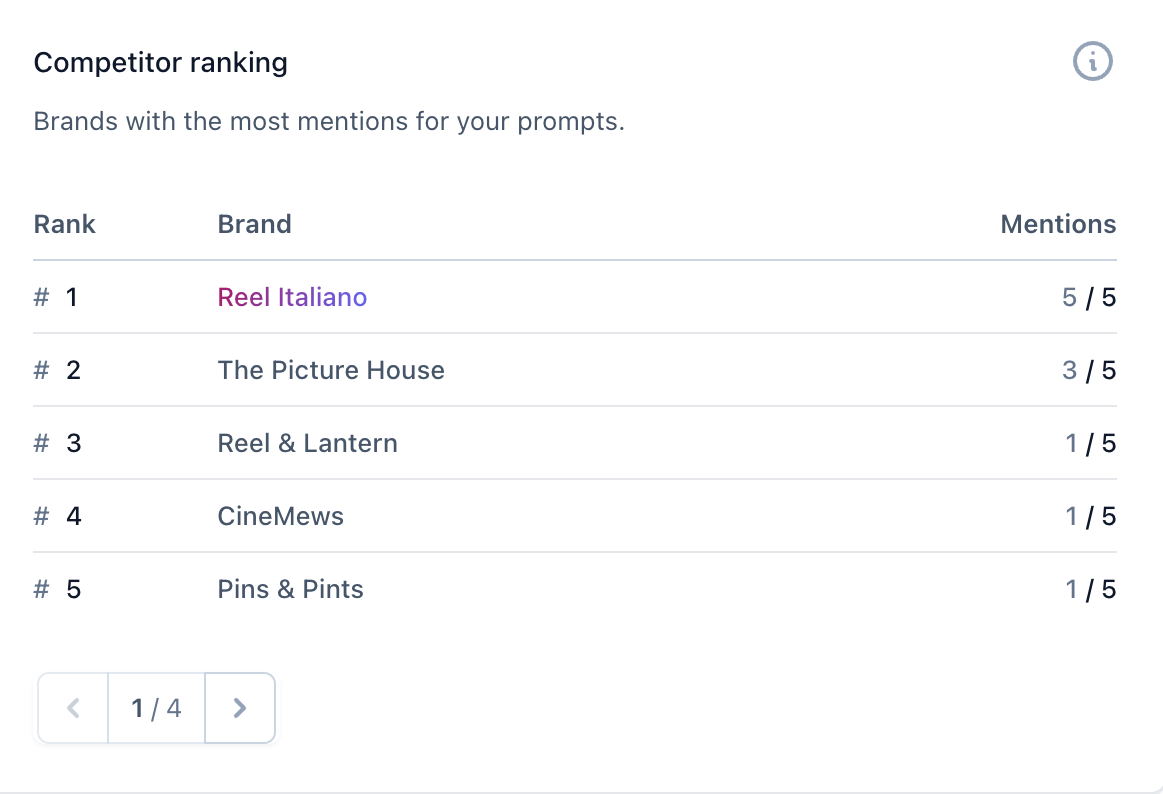
- Competitor Benchmarking: Comparison of a brand’s AI citations, mentions, and sentiment against competitors to understand relative visibility.
- Question Monitoring: Tracking specific brand-related or industry questions to see if the brand appears in the answers, providing direct insight into visibility.
- AI Visibility Index: A composite score combining various AI signals (citations, mentions, sentiment, rankings) to provide a holistic measure of brand performance across AI systems over time.
These insights empower businesses to move beyond guesswork, allowing for informed action to strengthen their AI presence, address gaps, and ensure their brand is effectively positioned within the answers their audience consumes.
AI Citations: The Currency of the AI-Driven Web
AI citations represent a fundamental shift in how users discover and trust information online. They are not merely supplementary to traditional search rankings; they actively redefine them by determining which sources become part of the AI’s direct answer. In many scenarios, users no longer need to click through to a website to gain information; if content is cited, it achieves visibility. If not, it risks becoming digitally invisible.
This transformation necessitates a recalibration of SEO strategies. The focus expands beyond driving traffic to encompassing trust, relevance, and inclusion within the answer layer. As explored in discussions like "Rethinking SEO in the Age of AI," the central question for digital marketers is evolving. It’s no longer just, "Can Google find my website?" but rather, "Does the AI have a compelling reason to remember and cite my brand?" Adapting to this new reality is not merely an option but an imperative for sustained digital success.