rifanmuazin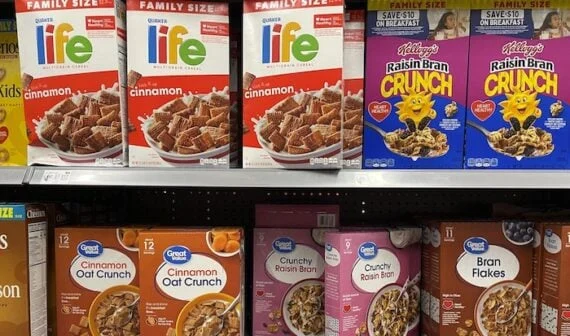
For decades, consumer brands have waged a relentless campaign to capture attention, cultivate unwavering loyalty, and secure coveted physical and digital shelf space. From the bustling aisles of grocery stores and the intimate settings of craft fairs to the dynamic landscape of search engine results, the fundamental objective has remained constant: to influence purchasing decisions. As we look ahead to 2026, artificial intelligence (AI) is poised to become the next significant iteration in this ongoing battle for consumer mindshare, fundamentally reshaping how brands connect with their audiences and compete for market dominance.
The Rise of AI in Consumer Discovery and Evaluation
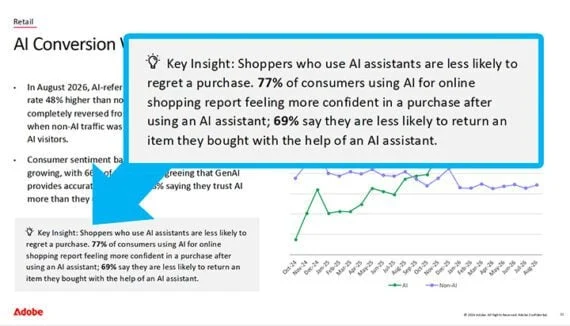
The integration of AI into the shopping journey is rapidly evolving from a nascent trend into a meaningful force in how consumers discover and evaluate products. Recent data underscores this accelerating adoption. A fact sheet released this month by CapitalOne Research, perhaps reflecting an optimistic outlook, indicated that “almost 60% of consumers have used AI to shop.” This sentiment is echoed by NielsenIQ, which reported in early May that a substantial 42% of American consumers had utilized at least one AI tool for shopping within the past month. These figures suggest a significant shift in consumer behavior, with AI assistants and recommendation engines becoming increasingly integral to the path to purchase.
As AI becomes more embedded in these critical shopping moments, consumer packaged goods (CPG) companies face a new imperative: to ensure their brands are not just visible, but actively recommended within the AI-driven conversations that are shaping consumer choices. Anthony Ferry, CEO of Wayvia, a prominent commerce technology company, articulated this evolving challenge, stating that while the core role of brands—to advertise and promote their products—remains unchanged, it now encompasses a crucial new dimension: “educating LLMs [Large Language Models] to recommend the brand’s products over competitors’.” This signifies a strategic pivot, where the focus extends beyond direct consumer engagement to influencing the intelligent agents that are increasingly mediating those interactions.
The Digital Store Shelf: A New Arena for Competition
The concept of the “store shelf” has long served as a potent and intuitive analogy for how CPG companies have strategized their marketing efforts for generations. In a physical retail environment, brand managers understand that their products will be positioned alongside those of their competitors. Success on this physical shelf has historically hinged on several critical factors:
- Visibility and Placement: Ensuring the product is easily seen by shoppers, ideally at eye level or in high-traffic areas.
- Packaging and Design: Creating an attractive and informative package that stands out and communicates key benefits.
- Pricing and Promotions: Offering competitive pricing and participating in retailer-driven promotional activities to incentivize purchase.
- Brand Recognition and Trust: Leveraging established brand equity and consumer familiarity to encourage selection.
However, the challenge of “winning the shelf” has never been confined solely to the end consumer. Brands have long engaged in a complex dance of influencing an entire ecosystem of intermediaries, including retailers, category managers, merchandisers, wholesalers, and distributors. Each of these stakeholders plays a vital role in determining whether a product ultimately reaches the shopper’s hands. The physical shelf, therefore, represented the culmination of these upstream efforts.
Long before a shopper even set foot in a store, brands invested heavily in building anticipation and preference through a diverse array of marketing channels. Television advertisements, magazine spreads, event sponsorships, direct mail coupons, and extensive public relations efforts were all employed to create familiarity and foster a desire for their products. The objective was to cultivate a pre-existing inclination towards a particular brand, making the final decision at the point of sale a relatively straightforward choice.
The advent of the internet dramatically expanded the arena where brands contend for consumer attention. The digital landscape introduced a multitude of new touchpoints, requiring marketing and promotional strategies to adapt and address social media platforms, complex search engine algorithms, online marketplaces, and every other conceivable digital interaction point across the “entire digital shelf.” Success in this new environment hinges on a brand’s agility in identifying these emergent channels and developing effective strategies to market to and through them.
This fundamental principle, according to Anthony Ferry, applies directly to the burgeoning world of AI-powered shopping. Shoppers are increasingly leveraging AI systems to perform a variety of tasks that were once solely within their purview: comparing products, summarizing customer reviews, clarifying product differences, and generating personalized recommendations. In this new paradigm, brand marketers must proactively engage in “educating and influencing” these intelligent systems. Consequently, the discourse surrounding AI-powered shopping can be viewed as another form of “shelf space”—a critical digital frontier where brands must vie for visibility and ensure their products are considered.
Stacking the Digital Shelf: Navigating a Fragmented Marketing Landscape
At first glance, this evolution might seem reassuring to brands; the underlying objective of securing preference and driving sales remains consistent, albeit in a different venue. However, the path to success in this new AI-driven landscape is fraught with significant challenges, particularly concerning the allocation and effectiveness of marketing spend.
Ferry highlighted the profound impact on marketing budgets. He recalled an era when television, radio, and print media commanded the lion’s share of consumer brands’ advertising expenditures. “Then the internet came out,” he explained, “It’s like, ‘I’ve got an online channel now, I’ve got to allocate some of my ad budget pie.’” This represented a substantial shift, demanding new strategies and investment in digital platforms.
Yet, the internet itself has become increasingly fragmented. The digital ecosystem now encompasses search engines, social media networks, numerous online marketplaces, and, most recently, generative AI tools. “Now there are 30 channels,” Ferry stated, underscoring the exponential growth in marketing avenues. Each new channel presents a critical strategic decision: to invest resources, or to strategically forgo it in favor of more promising opportunities.

Despite this complexity, marketers at large CPG companies will undoubtedly continue to seek out the most effective channels of the moment. Their overarching aim remains to “stack the shelf” in their favor, employing the digital equivalent of superior physical placement, prominent featured displays, strategic retailer promotions, and a myriad of other levers designed to enhance visibility and ultimately drive sales. The key differentiator now is the need to understand and influence the AI systems that are increasingly mediating these decisions.
The Strategic Imperative for Brands in the Age of AI
The emergence of AI as a significant factor in consumer decision-making presents both a formidable challenge and a unique opportunity for brands. To effectively navigate this evolving landscape, companies must adopt a multi-faceted approach.
1. Understanding AI Consumption Patterns: Brands need to invest in research and analytics to understand how consumers are interacting with AI shopping tools. This includes identifying which AI platforms are gaining traction, the types of queries consumers are posing, and the criteria they use for product recommendations. This data will be crucial for tailoring marketing messages and ensuring product information is optimized for AI comprehension.
2. Data Optimization and Semantic Enrichment: For AI systems to recommend a product, they need to understand it thoroughly. This requires CPG companies to ensure their product data is accurate, comprehensive, and semantically rich. This means going beyond basic specifications to include detailed descriptions of benefits, use cases, ingredients, ethical sourcing information, and customer testimonials, all phrased in a way that LLMs can easily process and interpret.
3. Influencing AI Recommendation Algorithms: Just as brands optimize for search engine algorithms, they will need to develop strategies to influence AI recommendation engines. This could involve providing structured data, participating in AI training initiatives (where available), and potentially even engaging in partnerships with AI developers to ensure their products are fairly represented and prioritized.
4. Content Strategy for AI Engagement: The content produced by brands will need to cater not only to human consumers but also to AI. This means creating content that is clear, concise, factual, and addresses potential consumer questions that an AI might be programmed to answer. This could include detailed FAQs, explainer videos, and comparison guides that are easily digestible by AI.
5. Ethical Considerations and Transparency: As AI plays a more significant role in purchasing decisions, ethical considerations become paramount. Brands must be transparent about how their products are presented to AI and how AI influences recommendations. Maintaining consumer trust will be crucial, and any perception of manipulation or bias in AI-driven marketing could have severe repercussions.
6. Adapting Marketing Budgets: The fragmentation of the digital landscape, now further complicated by AI, necessitates a dynamic approach to marketing budget allocation. Brands will need to continuously evaluate the ROI of different channels, including those that focus on AI influence, and be prepared to shift investments as new opportunities and challenges emerge.
Broader Implications for the CPG Industry
The integration of AI into the marketing and sales funnel carries significant implications for the broader consumer packaged goods industry. It signals a potential shift in power dynamics, where the ability to influence AI algorithms could become as important as traditional brand-building activities.
Companies that proactively embrace this change and invest in understanding and engaging with AI-powered shopping tools are likely to gain a competitive advantage. They will be better positioned to maintain and grow market share, even as consumer behavior continues to evolve. Conversely, brands that are slow to adapt may find themselves marginalized, their products overlooked by the increasingly sophisticated AI systems that guide consumer choices.
The long-term impact could also extend to product development and innovation. As brands gain deeper insights into how AI processes information and what consumers are asking AI about, they may be able to tailor their product offerings and marketing messages more precisely to meet emerging demands. This could lead to a more responsive and consumer-centric product development cycle.
Ultimately, the battle for the consumer’s wallet is entering a new and complex phase. The traditional “shelf” has expanded exponentially, and the AI-powered shopping assistant is emerging as a powerful new gatekeeper. Brands that can successfully navigate this evolving digital ecosystem, by strategically influencing the intelligence that shapes purchase decisions, will be the ones to thrive in the years to come. The ability to “stack the digital shelf” in their favor, by ensuring their products are understood, recommended, and ultimately chosen by AI, will be the defining characteristic of successful marketing in 2026 and beyond.