
 rifanmuazin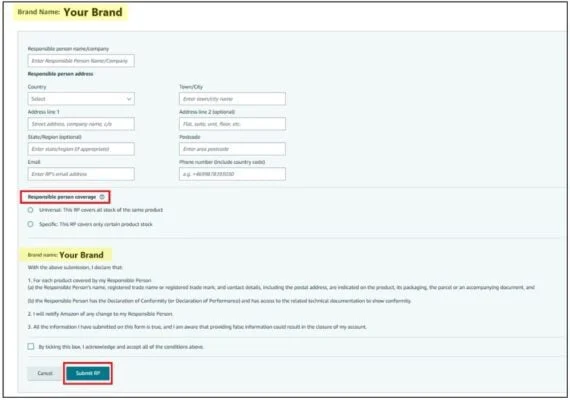
The European Union’s revised General Product Safety Regulation (GPSR), which became effective in December 2024, is fundamentally reshaping how businesses, particularly those operating in digital commerce and global supply chains, engage with the European market. This comprehensive legislation transcends sector-specific rules, establishing a broad safety framework that now encompasses a wide array of consumer goods, including those not previously subject to such stringent oversight. Its impact is particularly pronounced for merchants based outside the EU, who must now navigate new operational and compliance requirements to continue serving EU consumers.
The GPSR, first introduced in 2001, has undergone a significant overhaul to address the complexities of modern trade, including the proliferation of internet-connected devices and the borderless nature of e-commerce. The updated regulation applies to all merchants selling into the EU, irrespective of their geographical location, meaning businesses in the United States and elsewhere must meticulously adhere to its stipulations. Unlike previous regulations that focused on specific product categories like toys or electronics, the GPSR acts as a foundational safety net, covering products and safety obligations that may not be fully addressed by existing, more specialized rules. This broad scope means categories such as home goods, sports equipment, accessories, kitchen items, and a vast array of lifestyle products are now under its purview.
The Crucial Role of the “Responsible Person”
Perhaps the most significant and immediate operational hurdle for non-EU sellers under the revised GPSR is the mandatory designation of an “Responsible Person” (RP) based within the European Union. This individual or entity, sometimes referred to as a Responsible Economic Operator, serves as the primary point of contact for product safety compliance within the EU. The regulation mandates that non-EU manufacturers and merchants must ensure that an entity located within the EU is formally accountable for their product safety adherence. This can be an importer, an authorized representative, a fulfillment provider, a distributor, or another appointed company that agrees to undertake this responsibility.
The requirement for the RP’s contact details to be clearly displayed on the product itself, its packaging, or accompanying documentation is a critical component. This ensures that EU consumers and national market surveillance authorities can easily identify and contact the designated responsible party in case of any safety concerns or incidents. For foreign merchants accustomed to a more streamlined approach to shipping from their domestic warehouses, this new requirement introduces a substantial operational adjustment. It necessitates establishing a physical presence or partnering with an EU-based entity to fulfill this crucial compliance role, adding a layer of complexity and potential cost to their market access strategy. This shift moves beyond mere logistical considerations to a fundamental requirement for legal and safety accountability within the EU.
Enhanced Transparency: E-commerce Listing Requirements
The GPSR extends its safety mandates directly to the digital storefronts of merchants. A pivotal change is the requirement for safety-related information to be prominently displayed on e-commerce listings before a purchase is made, not solely on physical product packaging. This means that critical safety data must be readily accessible to consumers at the point of sale, enhancing informed purchasing decisions and empowering consumers with knowledge about the products they are considering.
The specific information required on product listings can vary depending on the product category, but generally includes details such as the manufacturer’s name, the contact information of the EU-based Responsible Person, batch numbers or other unique identifiers for traceability, information regarding the product’s intended use, essential safety warnings, and proper care instructions. This requirement is universally applied across all e-commerce platforms serving EU customers, including major marketplaces like Amazon, Etsy, and eBay, as well as independent merchant websites.
To illustrate, a product page on a German Amazon site (Amazon.de) might now feature a dedicated “Product Safety” section. This section could clearly list:

- E.U. Responsible Person: Acme E.U. Compliance GmbH, Berlin, Germany, [email protected]
- Manufacturer: Acme Home Goods LLC, Austin, Texas
- Product ID: ACG-2047
- Warning: Keep away from children under 3 years.
This level of transparency aims to shift the burden of safety information provision upstream, ensuring it is integrated into the consumer’s decision-making process from the outset. Marketplaces are actively implementing features to facilitate this, with platforms like Amazon providing dedicated dashboards for sellers to input and manage their Responsible Person information for eligible products, as depicted in their seller central interfaces.
Marketplaces as Frontline Enforcers
The enforcement of the GPSR is being significantly amplified through the role of e-commerce marketplaces. These platforms are now legally obligated to ensure that the products listed and sold through their channels comply with the GPSR. Failure to do so can result in substantial fines or other sanctions imposed by EU authorities. Consequently, marketplaces are acting as crucial frontline compliance gatekeepers. They are proactively verifying listings, scrutinizing product information, and routinely requesting missing or incomplete data from sellers.
In practice, this means that merchants who have not appointed an EU-based Responsible Person or who fail to provide the necessary safety documentation and listing information may face swift action, including the delisting of their products. This enforcement mechanism often precedes direct intervention from regulatory bodies, creating an immediate commercial consequence for non-compliance. This proactive enforcement by marketplaces incentivizes sellers to prioritize GPSR adherence to maintain their market access and avoid disruptions to their sales operations.
Strengthening Traceability Across the Supply Chain
Beyond immediate safety information, the GPSR places a greater emphasis on product traceability. The regulation mandates that products must carry identifying information that enables both authorities and sellers to trace items throughout the entire supply chain. This is crucial for the rapid identification and recall of products in the event of safety issues. Manufacturers are now required to maintain comprehensive technical files and related safety documentation for a period of up to 10 years.
For businesses managing a diverse inventory with dozens or even hundreds of Stock Keeping Units (SKUs), the task of maintaining structured, accurate, and readily accessible compliance records can become a substantial operational undertaking. This requires robust internal systems for data management and a clear understanding of the documentation requirements for each product. The extended record-keeping period underscores the EU’s commitment to long-term product safety accountability and its ability to investigate and address potential hazards long after a product has entered the market.
Navigating the New Regulatory Landscape: Key Steps for Merchants
Merchants looking to sell into Europe in the post-GPSR era need to adopt a strategic approach to ensure compliance. Three key steps are paramount:
- Scope Determination: The first crucial step is to accurately determine whether their products fall within the broad scope of the GPSR. While the regulation is extensive, it primarily targets non-food consumer goods. A thorough review of product categories and intended uses is essential.
- Responsible Person Appointment and Information Dissemination: The second critical action is to formally appoint an EU-based Responsible Person. Once appointed, merchants must meticulously update their product labels, packaging, and all relevant e-commerce listings with the required contact information of this designated individual or entity. This includes ensuring that this information is visible to consumers before purchase, as per the listing requirements.
- Documentation and Record Keeping: The third essential step involves the comprehensive assembly and ongoing maintenance of technical documentation. This includes conducting thorough risk assessments, maintaining detailed compliance records, and ensuring that all traceability information is meticulously organized and stored for the mandated 10-year period. This proactive approach to documentation is vital for demonstrating due diligence and responding effectively to any regulatory inquiries.
The GPSR as a Cost of Doing Business
In essence, compliance with the GPSR is no longer an optional add-on but a fundamental cost of doing business within the European market. Similar to the requirements for Value Added Tax (VAT) registration or navigating customs administration, the GPSR represents a necessary operational and financial consideration. Businesses are strongly advised to integrate GPSR compliance planning into their market entry strategy well in advance, rather than treating it as an afterthought. This proactive stance will mitigate risks, prevent market access disruptions, and foster a sustainable and compliant presence in the EU. The EU’s commitment to consumer safety through this enhanced regulatory framework signals a new era for global e-commerce, demanding greater responsibility and transparency from all market participants.









