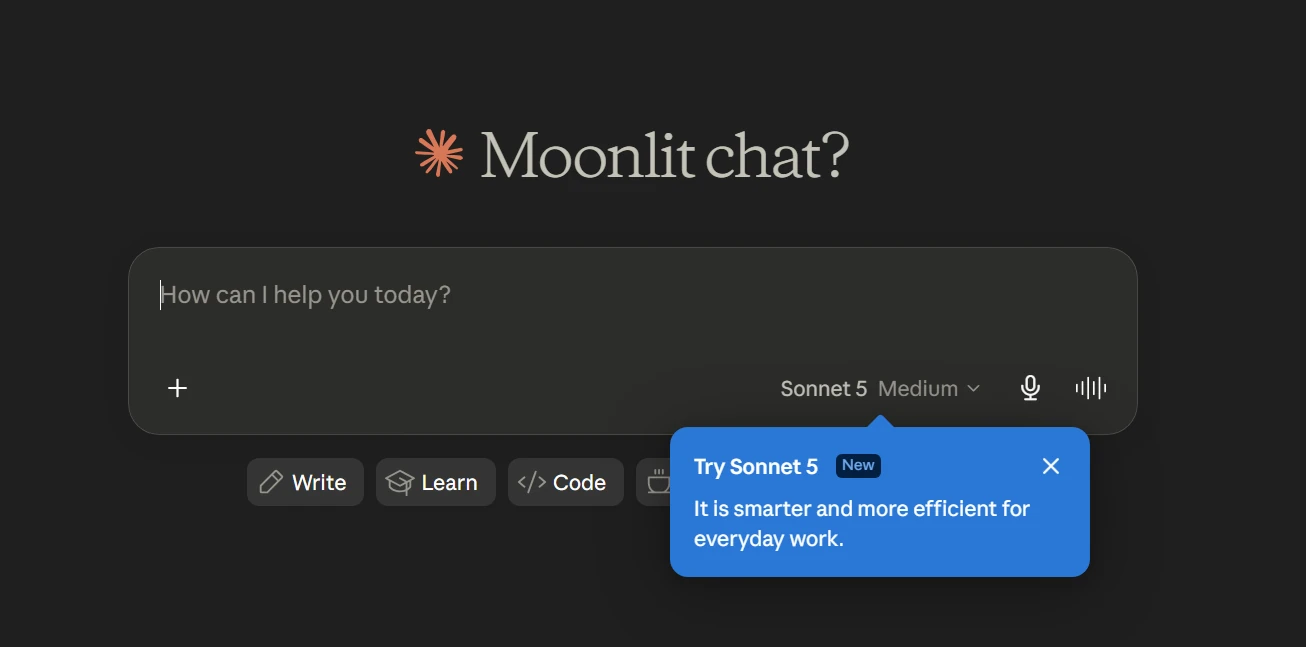
Anthropic, a leader in the field of safety-focused artificial intelligence, has officially announced the release of Claude Sonnet 5, the latest iteration of its widely utilized mid-tier large language model. Launched on June 30, 2026, this update represents a significant technological leap, positioning Sonnet 5 as the most advanced model currently available in the Claude lineup, surpassing the older versions of both the lightweight Haiku and the heavyweight Opus in terms of architectural currency. By making Sonnet 5 the default model for all users—including those on the free tier—Anthropic is signaling a strategic shift toward democratizing high-level "agentic" capabilities that were previously reserved for premium enterprise subscriptions.
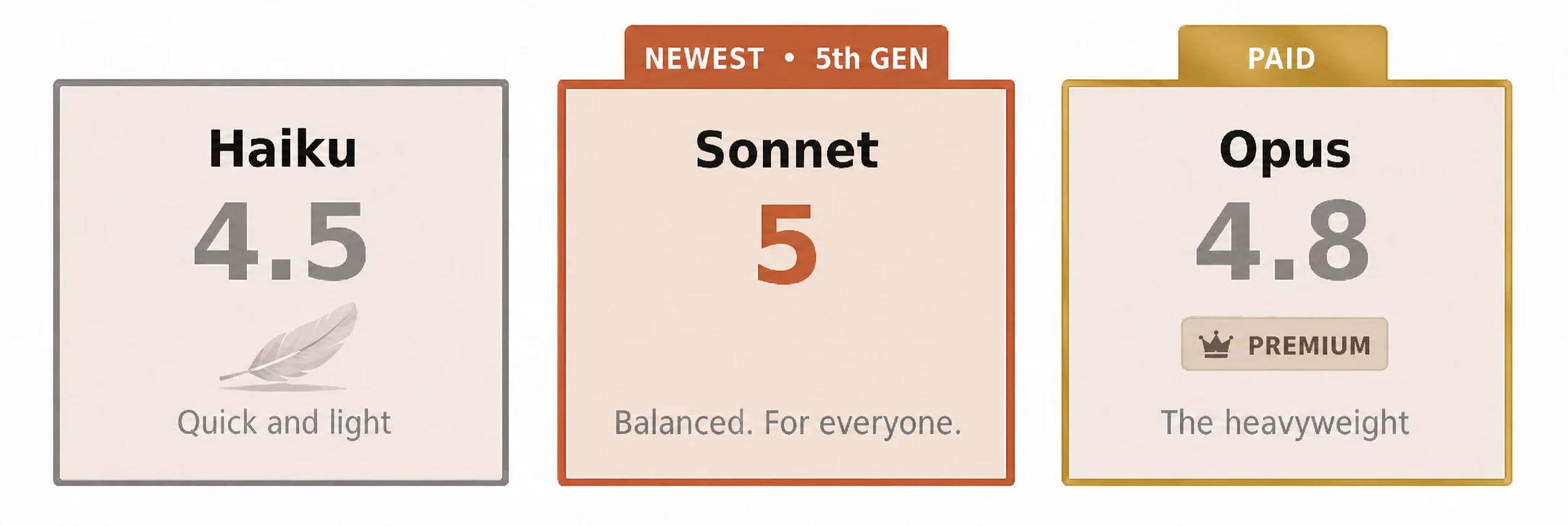
The introduction of Claude Sonnet 5 marks a pivotal moment in the evolution of the Claude ecosystem. Historically, the Claude family has been categorized into three distinct segments: Haiku for speed and efficiency, Sonnet for balanced professional tasks, and Opus for complex, high-reasoning challenges. However, with the release of version 5, Sonnet has undergone a comprehensive rebuild that grants it capabilities traditionally associated with "heavyweight" models. While Haiku remains at version 4.5 and Opus at 4.8, Sonnet 5 utilizes a refined architecture optimized for autonomous task execution, making it the current flagship of Anthropic’s technological progress.

The Strategic Hierarchy of the Claude Ecosystem
To understand the impact of Sonnet 5, one must examine its placement within the current Anthropic hierarchy. The company has maintained a tiered approach to cater to different segments of the market, but the version numbers now reveal a temporary inversion of power.
| Model | Version | Primary Use Case | Access Level |
|---|---|---|---|
| Haiku | 4.5 | High-speed, low-cost interactions; basic queries | Free and Paid |
| Sonnet | 5.0 | Everyday professional workflows; autonomous agents | Free (Default) |
| Opus | 4.8 | Deep research; complex multi-step reasoning | Paid Subscription Only |
This hierarchy suggests that for the majority of users, the "middle child" has become the most capable tool in their daily arsenal. By providing a version 5 model for free, Anthropic is directly challenging competitors in the generative AI space, offering superior reasoning and task completion without the immediate necessity of a $20 monthly subscription.
The Shift to Agentic AI: From Chatbot to Operator
The most significant advancement in Claude Sonnet 5 is its "agentic" focus. Unlike previous iterations that primarily functioned as sophisticated conversationalists, Sonnet 5 is designed to act as an agent. In the context of artificial intelligence, an agent is a model capable of planning, utilizing external tools, and executing multi-step workflows to achieve a specific objective.
Sonnet 5 does not merely provide answers; it formulates a strategy. When presented with a complex prompt, the model can now access a web browser to verify facts, interact with user-provided files, and utilize a terminal to run and debug code. Perhaps most importantly, the model exhibits a high degree of self-correction. Earlier models often required human intervention when they encountered an error during a long-form task. Sonnet 5, however, is programmed to check its own work, identify failures in its logic or code, and re-attempt the task until a successful outcome is achieved.
Performance Benchmarks and Real-World Testing
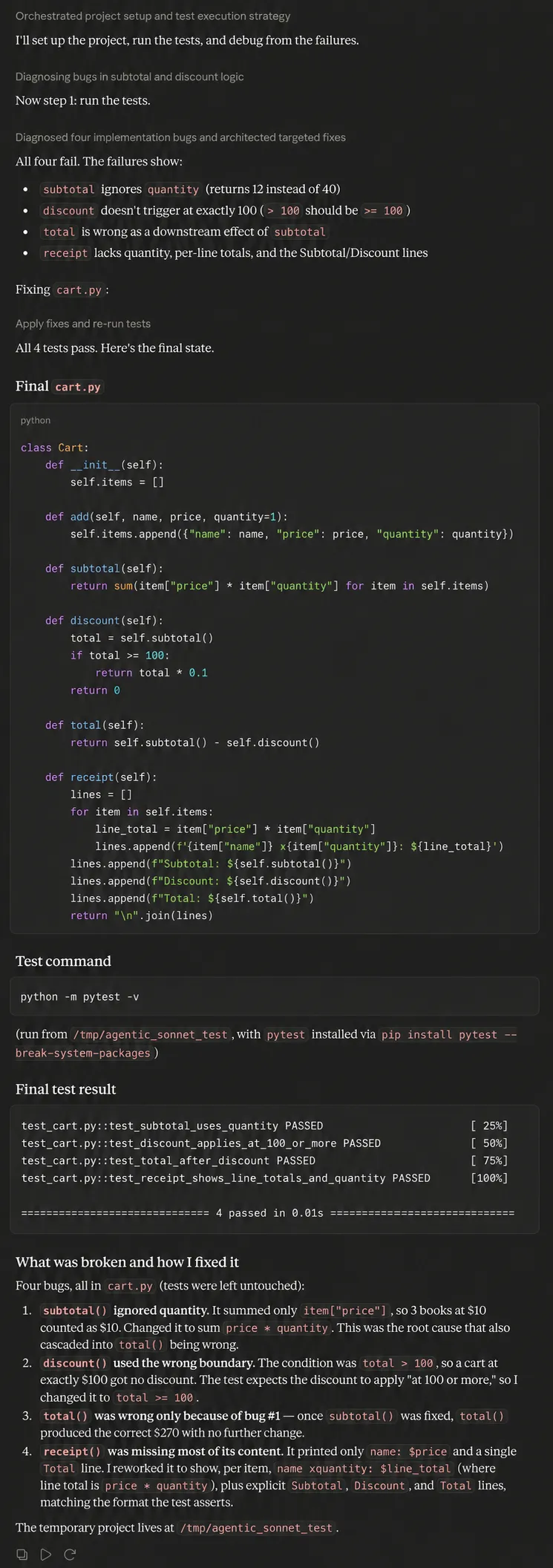
In rigorous internal testing, Claude Sonnet 5 demonstrated a disciplined approach to problem-solving that distinguishes it from its predecessors. One primary test involved a "Closed-Loop Debugging" scenario. The model was tasked with creating a Python-based shopping cart system, identifying intentional bugs within the code, and ensuring all unit tests passed without modifying the test parameters themselves.
The results highlighted a sophisticated level of restraint and logic. Sonnet 5 initiated the process by running the existing tests to confirm failures—a step many LLMs skip in favor of immediate code generation. After diagnosing three distinct bugs, it implemented fixes and reran the tests to verify the solution. This iterative process, which Anthropic calls "disciplined debugging," ensures that the model provides functional solutions rather than just "plausible-looking" code.
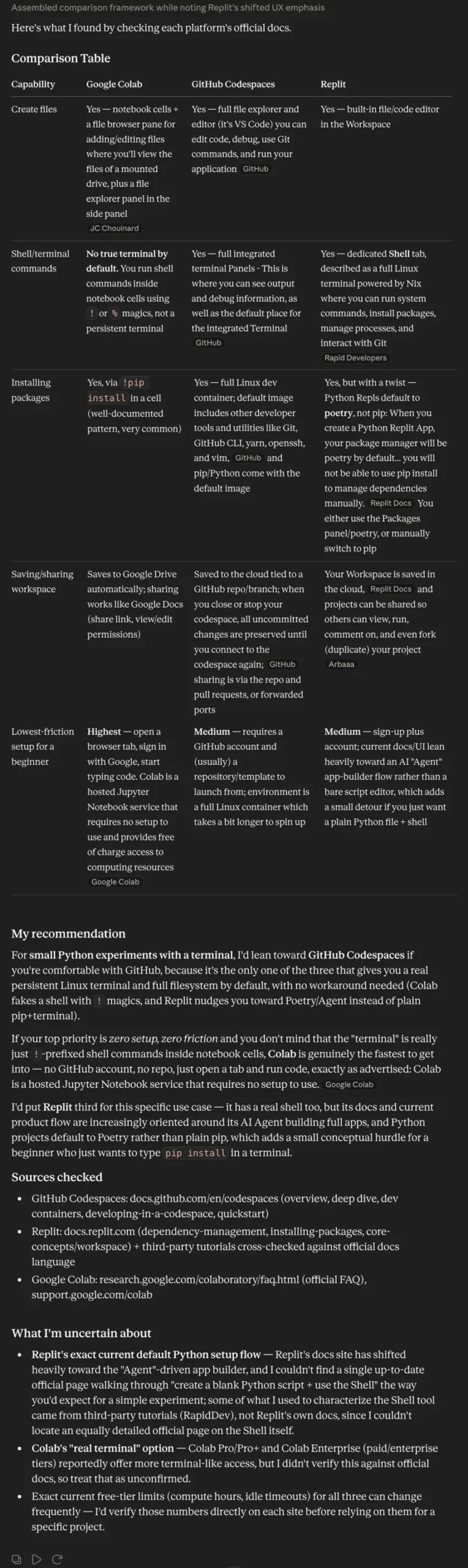
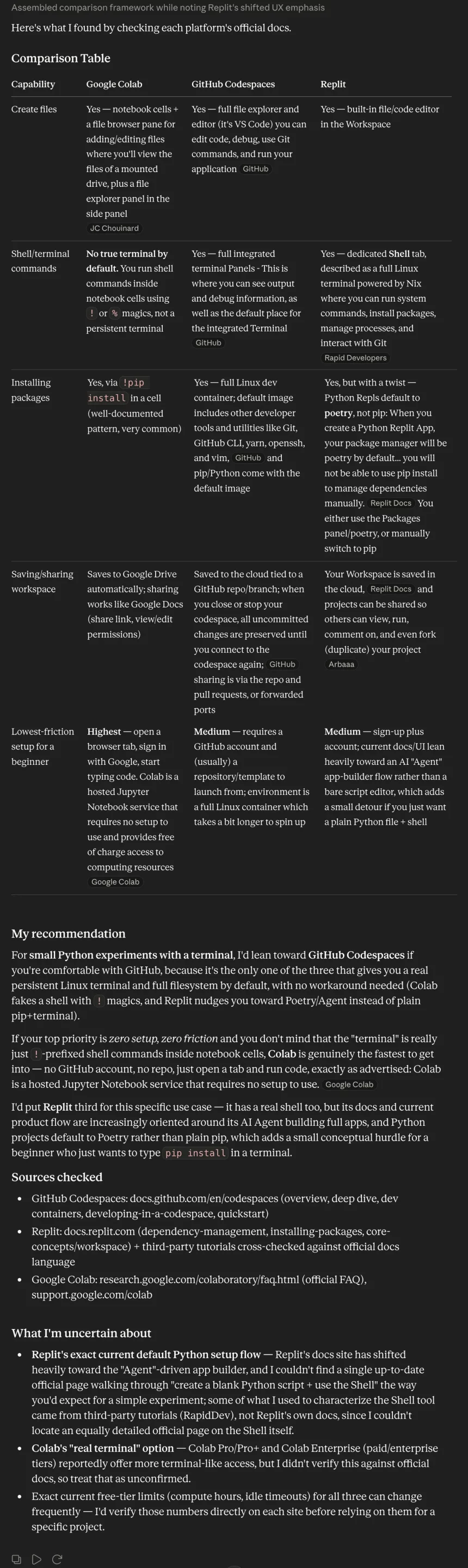
In a second test focused on "Tool Use and Cross-Reference Validation," Sonnet 5 was asked to compare various online development environments like Replit, GitHub Codespaces, and Google Colab. Rather than relying on its internal training data—which may be outdated—the model utilized its browsing capabilities to access current official documentation. It then synthesized this information into a comparative table, providing a recommendation while transparently flagging areas where subjective judgment was applied. This level of transparency is a cornerstone of Anthropic’s commitment to "Constitutional AI," which aims to make AI behavior more predictable and honest.
Economic Implications and API Pricing Structure
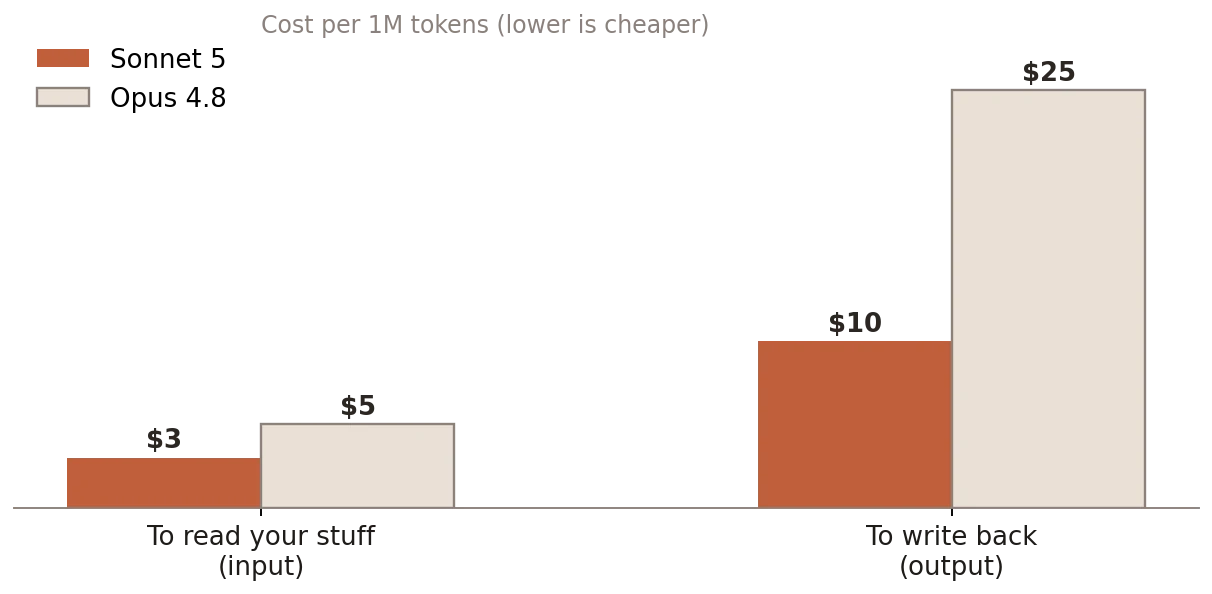
For developers and enterprises, the release of Sonnet 5 brings substantial economic advantages. The model is significantly cheaper to run than the Opus 4.8 variant, despite its advanced feature set. To encourage adoption, Anthropic has introduced a promotional pricing window that lasts through August 31, 2026.
Under this promotional structure, the cost to read input tokens is set at $2 per 1 million tokens, while writing output tokens costs $10 per 1 million tokens. Starting September 1, 2026, the input price will adjust to a standard rate of $3 per 1 million tokens, while the output price remains stable. This pricing strategy makes Sonnet 5 an attractive option for high-volume applications, such as automated customer support, large-scale data synthesis, and autonomous coding assistants.
Furthermore, the model’s efficiency is notable. Pro users have reported that agentic tasks using Sonnet 5 consume only a fraction of their usage limits compared to Opus. This efficiency allows for longer, denser conversations and more complex project developments without the constant threat of hitting "usage ceilings."
Safety, Reliability, and Hallucination Mitigation
Safety remains a central pillar of Anthropic’s development philosophy. Sonnet 5 includes upgraded safety protocols designed to make the model more resistant to "jailbreaking" and malicious prompts. It is significantly better at identifying and refusing "dodgy" requests that might violate ethical guidelines or safety standards.
Crucially, the model has shown a marked decrease in "hallucinations"—the phenomenon where an AI confidently states false information. By integrating a "check-before-output" mechanism, Sonnet 5 verifies its claims against its internal logic or external sources when browsing is enabled. While this makes the model more conservative in its assertions, it vastly increases its reliability for professional and academic use.

Broader Impact and Industry Implications
The release of Claude Sonnet 5 is expected to trigger a response from other major players in the AI industry, including OpenAI and Google. By providing version 5 capabilities for free, Anthropic is raising the baseline for what users expect from a "standard" AI experience.
Industry analysts suggest that this move is designed to capture market share among the growing demographic of "AI-native" developers who require agentic workflows but are sensitive to the high costs of flagship models. The ability of Sonnet 5 to "finish the job" without constant hand-holding represents a shift in the ROI (Return on Investment) for companies integrating AI into their operations.
Moreover, the focus on agentic behavior suggests that the industry is moving away from simple "chat" interfaces and toward "action" interfaces. In the coming months, it is likely that we will see Sonnet 5 integrated into more complex autonomous systems, ranging from automated financial auditing to real-time research assistants that can manage their own data collection and verification pipelines.
Conclusion
Claude Sonnet 5 is not merely an incremental update; it is a repositioning of what a "middle-tier" model can achieve. By combining the speed and cost-effectiveness of the Sonnet line with the reasoning and agentic capabilities of a next-generation architecture, Anthropic has created a tool that is both accessible to the public and powerful enough for the enterprise.
As the AI landscape continues to evolve, the distinction between "fast" models and "smart" models is blurring. Sonnet 5 proves that a model can be both, provided it is built with a focus on planning, tool integration, and self-correction. For the average user, the "default" Claude experience has just become significantly more capable, marking a new chapter in the democratization of advanced artificial intelligence.
Frequently Asked Questions
Q: How does Claude Sonnet 5 differ from Claude Opus 4.8?
A: While Opus 4.8 remains the choice for the most extreme reasoning challenges and deep research, Sonnet 5 is more up-to-date architecturally. It is faster, cheaper, and more optimized for "agentic" tasks where the AI must use tools and self-correct to complete a project.
: Is there a limit to how much I can use Sonnet 5 for free?
A: Yes, free users are subject to daily usage limits. However, because Sonnet 5 is more efficient than previous high-end models, users can generally complete more tasks within those limits than they could with older versions.
Q: Can Sonnet 5 access the live internet?
A: Yes, Sonnet 5 has the capability to use a web browser to verify information and search for current data, provided the interface or API implementation allows for tool use.
Q: What happens to my data when I use Sonnet 5?
A: Anthropic maintains strict data privacy standards. For Pro and Enterprise users, data is generally not used to train their models, though users should always review the specific terms of service for their account type to ensure compliance with their own privacy requirements.


 Ali Ikhwan
 Dwi Wanna