On August 2, 2026, the artificial intelligence industry reached a significant regulatory milestone as Anthropic, the developer of the Claude family of large language models, officially began marking all AI-generated content with traceable watermarks and digital signatures. This move, which applies to every piece of text, code, and file generated by Claude models globally, represents a direct response to the European Union AI Act’s stringent transparency mandates. By implementing these measures, Anthropic has positioned itself as an early adopter of the EU’s Code of Practice, aiming to distinguish machine-generated content from human-authored work in an increasingly saturated digital landscape.
The implementation follows the activation of Article 50 of the EU AI Act, which requires providers of AI systems to ensure that outputs are marked in a machine-readable format and detectable as artificially generated. While the legislation originated in Europe, Anthropic has opted for a global rollout, ensuring that the marking effect follows its models across all jurisdictions, including the United States and Asia. This universal approach reflects a growing industry trend toward standardized provenance, intended to mitigate the risks of misinformation, academic dishonesty, and the unauthorized use of synthetic media.
The Regulatory Landscape: The EU AI Act and Article 50
The shift toward universal watermarking is rooted in the European Union AI Act, the world’s first comprehensive horizontal legal framework for artificial intelligence. Under this act, Anthropic is classified as both a model provider and a system provider. This dual classification carries significant responsibilities, particularly regarding the transparency of "General Purpose AI" (GPAI) models.
Article 50 of the Act specifically addresses the "Transparency obligations for providers and users of certain AI systems." It mandates that any AI system that generates or manipulates image, audio, or video content—often referred to as deepfakes—must be labeled. Furthermore, providers of AI systems that generate text which is published with the purpose of informing the public on matters of public interest must also ensure that the output is marked.
Anthropic’s commitment to the EU’s Code of Practice on Transparency of AI-Generated Content serves as a blueprint for other developers. While models launched prior to the August 2 deadline are currently in a transition period, Anthropic has confirmed that all models offered through its platforms—including Claude.ai, Claude Code, Cowork, Tag, and the Claude API—will eventually undergo this transformation to ensure total compliance.
Technical Mechanisms: How Claude Marks Content
The watermarking process employed by Anthropic varies significantly depending on the medium of the data. The goal is to embed a signal that is invisible to the casual observer but easily detectable by specialized software or verification tools.
Text-Based Watermarking through Steganography
For text generation, Anthropic utilizes a sophisticated form of linguistic steganography. Unlike traditional watermarks that might appear as a visible footer, these marks are hidden within the statistical distribution of word choices. When Claude generates an essay or a response, it selects from a pool of synonymous phrases or structural variations. For example, instead of consistently choosing "The compiler rejected the patch," the model might alternate between "The patch was rejected by the compiler" or "The compiler wouldn’t accept the patch."
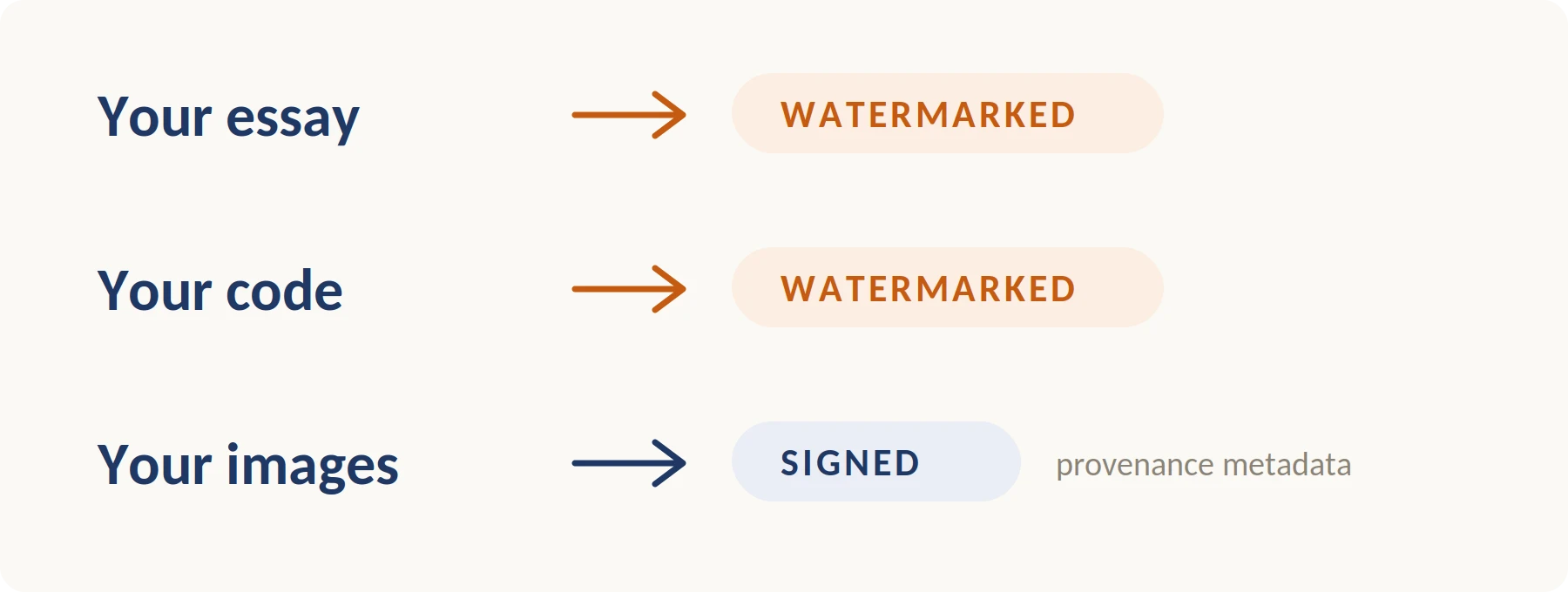
These choices are not random; they follow a hidden pattern that produces a specific mathematical "seed." To a human reader, the text remains coherent and stylistically consistent. However, a detection algorithm can analyze the frequency and sequence of these word choices to determine, with a high degree of statistical certainty, that the text originated from a Claude model. This method is analogous to "least-significant-bit" encoding used in digital images, where pixel values are nudged so slightly that the human eye cannot perceive the change, yet the data is preserved.
Code and Programmatic Logic
In the realm of software development, Claude Code and the Claude API apply similar logic to variable naming and comment structures. Since compilers and interpreters are indifferent to whether a developer uses i, idx, or index as an iterator, the AI can use these choices to embed its signature. This also extends to the phrasing of code comments and the ordering of non-functional logic blocks. While short snippets of code may not have enough "entropy" to hold a reliable watermark, longer files and complex scripts can carry a robust signature that identifies them as AI-assisted or AI-generated.
Images and Files: The C2PA Standard
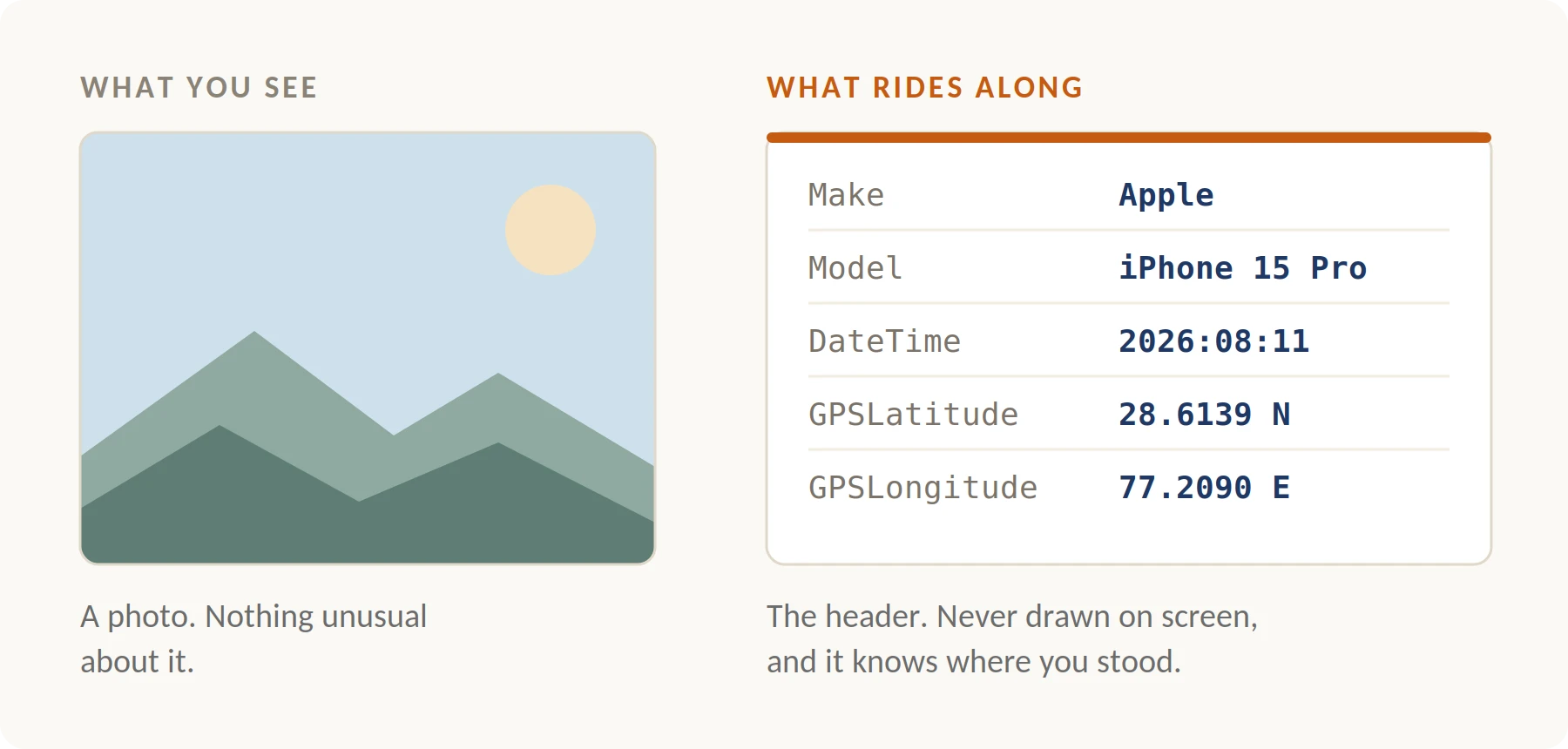
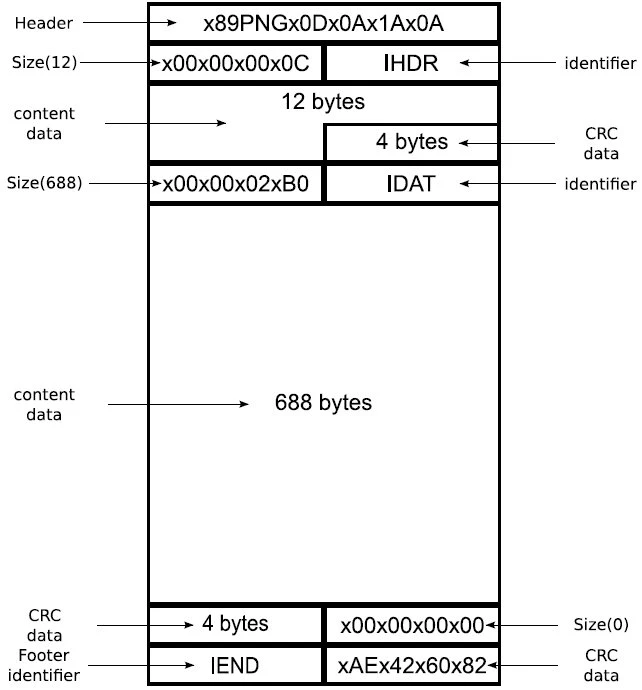
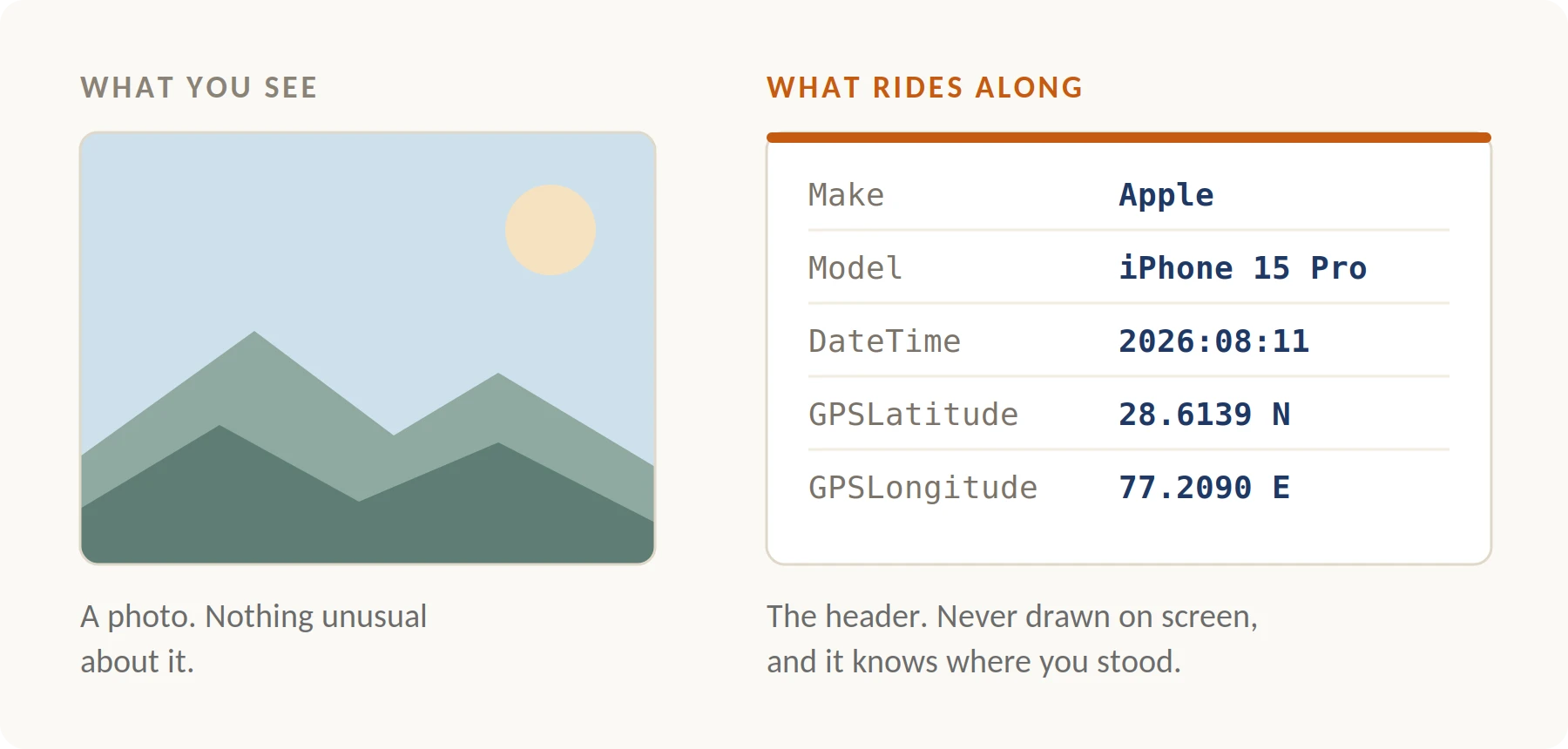
For images and complex file types, Anthropic has adopted the C2PA (Coalition for Content Provenance and Authenticity) standard. This is an open, industry-wide technical standard that allows for the embedding of metadata—known as a "manifest"—directly into the file’s header.
A C2PA manifest contains information about the tool used to create the content, the timestamp of creation, and, most importantly, a cryptographic signature. This signature is calculated based on the pixel data of the image. If even a single pixel is altered, the signature will no longer match the content, immediately alerting any verification tool that the file has been tampered with. This creates a "chain of custody" for digital assets, allowing users to verify that an image was indeed generated by Claude and has not been modified to convey a different message.
Industry Chronology and the Evolution of Provenance
The implementation of these features is the culmination of several years of industry-led and government-backed initiatives:
- July 2023: Anthropic, along with Google, Microsoft, and OpenAI, signed voluntary commitments at the White House to develop robust mechanisms, such as watermarking, to identify AI-generated content.
- May 2024: The European Union officially adopted the AI Act, setting a clear timeline for transparency requirements.
- Early 2025: Major tech companies began integrating C2PA standards into hardware, such as cameras and smartphones, to distinguish between "real" and "synthetic" captures.
- August 2, 2026: The deadline for Article 50 of the EU AI Act goes into effect, prompting Anthropic’s global rollout of watermarking.
Stakeholder Reactions and Market Impact
The reaction to Anthropic’s move has been mixed, reflecting the complex balance between transparency and user utility. Regulatory bodies, including the European Commission, have praised the move as a proactive step toward a safer digital ecosystem. "The ability to trace the origin of content is a fundamental pillar of digital trust," noted a spokesperson for the EU’s AI Office.
However, some segments of the developer community have expressed concerns regarding privacy and the potential for "AI-generated" labels to be used as a basis for discrimination in academic or professional settings. There is also the practical reality that these watermarks are not invincible.
Industry analysts point out that while the watermarks are a significant step, they are currently a "soft" defense. Text watermarks can be stripped through heavy paraphrasing or by using another AI to rewrite the content. Code watermarks can be removed by a simple "find and replace" pass on variable names. For images, a common workaround is taking a screenshot of the generated image, which creates a new file without the original C2PA header.
Broader Implications and Analysis
The move by Anthropic signals the end of the "wild west" era of AI generation, where synthetic content could easily masquerade as human work. As other providers like OpenAI and Google follow suit to comply with international laws, we are likely to see the emergence of a "two-tier" internet: verified content with clear provenance and unverified content that will be treated with increasing skepticism.
For businesses, this implementation necessitates a change in how AI is integrated into workflows. Companies using Claude for marketing or public-facing communications must now be aware that their content carries a digital "ID card." While this promotes honesty, it also requires a strategy for how to handle the disclosure of AI assistance to clients and customers.
Furthermore, the effectiveness of these watermarks depends heavily on the ubiquity of detection tools. For the system to work, social media platforms, search engines, and email clients must integrate verification protocols that can read C2PA manifests and steganographic patterns. Without widespread adoption of "the reader," the "writer’s" mark remains a silent signal.
Conclusion: A New Standard for Digital Integrity
Anthropic’s decision to mark all Claude-generated content is more than a compliance check; it is a fundamental shift in the philosophy of AI development. By prioritizing transparency over "invisible" assistance, the company is betting that long-term trust is more valuable than the short-term convenience of anonymous generation.
As the transition period for older models closes and the global community adapts to these new standards, the focus will likely shift to the robustness of these marks. The "cat and mouse" game between AI developers and those seeking to bypass watermarks is only just beginning. For now, however, the message is clear: if it was created by Claude, it will carry the mark of its maker, ensuring that in the age of artificial intelligence, the truth remains traceable.