

The digital marketing landscape is witnessing a transformative shift with the official integration of Omnisend, a leading e-commerce email and SMS marketing automation platform, with Claude, Anthropic’s advanced AI assistant. This strategic collaboration is set to redefine how marketers leverage data, analyze campaign performance, and execute tasks, moving beyond manual data extraction to a seamlessly integrated, AI-driven workflow. The new connector empowers users to tap into their Omnisend data directly through Claude, enabling sophisticated analysis, targeted segmentation, and efficient content generation, all within a conversational interface.
The Paradigm Shift: From Manual to Automated Insights

Historically, email marketers often found themselves embroiled in a tedious cycle of data extraction and manual analysis. A typical workflow involved navigating various campaign reports, meticulously copying performance metrics into a separate document or AI tool, and then painstakingly explaining the context to generate insights. This fragmented process was not only time-consuming but also prone to human error and lacked the immediate, holistic context necessary for rapid decision-making.
The Omnisend + Claude integration directly addresses these inefficiencies. By establishing a direct connection, Claude gains approved access to a wealth of Omnisend data, including detailed information on email and SMS campaigns, automation workflows, contact lists, sign-up forms, audience segments, historical revenue, and various performance metrics. This immediate data availability eliminates the need for manual data transfer, allowing marketers to pose complex queries and receive contextually rich answers without ever leaving the Claude environment. The underlying technology, Omnisend’s MCP server, ensures secure and efficient data exchange, a crucial component for enterprise-level applications.
Deep Dive into Capabilities: Data Access and Actionable Insights
The integration offers a comprehensive suite of functionalities designed to enhance every facet of email marketing operations. Claude can now understand and process a broad spectrum of Omnisend data points, providing granular insights into:
- Campaign Performance: Analyze open rates, click-through rates, conversion rates, and revenue attribution across individual campaigns or defined periods.
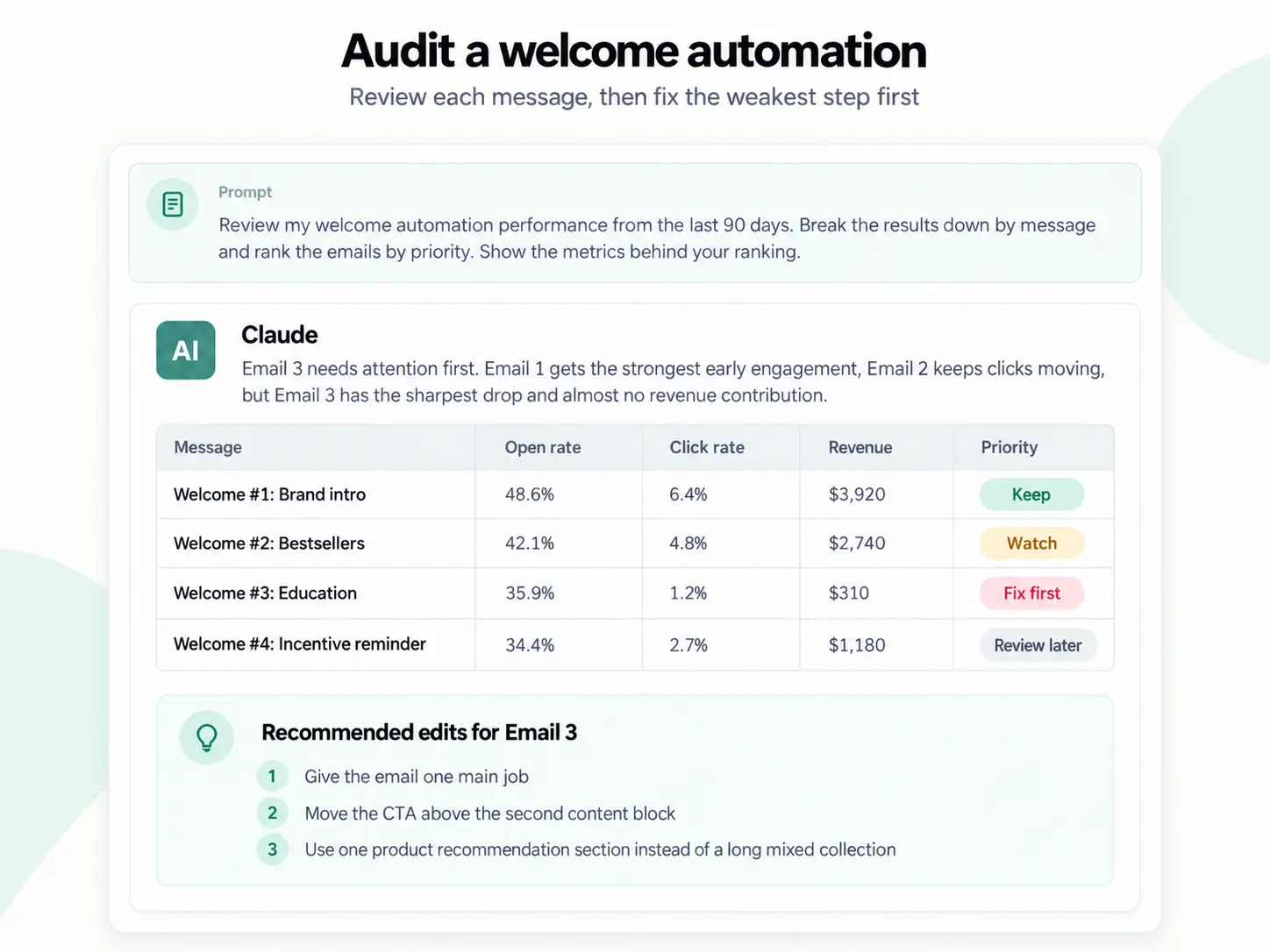
- Automation Effectiveness: Evaluate the performance of welcome series, abandoned cart reminders, post-purchase automations, and other automated workflows at a message-by-message level.
- Contact & Segment Dynamics: Understand audience behavior, identify high-value segments, pinpoint inactive subscribers, and analyze demographic or behavioral trends.
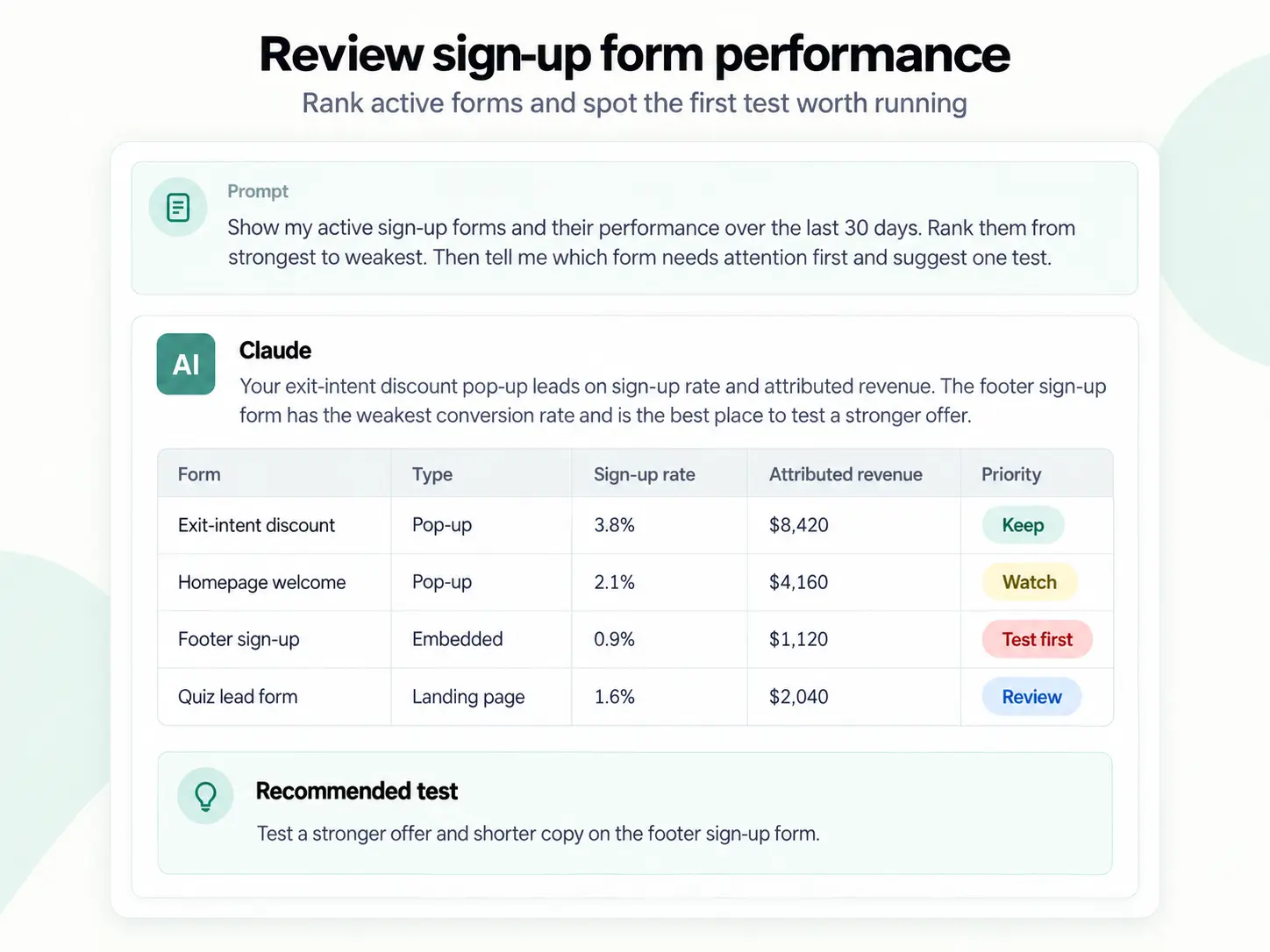
- Form Efficacy: Review the performance of pop-up, embedded, and landing page sign-up forms, including submission rates and attributed revenue.
- Revenue & ROI: Track historical revenue, conduct period-over-period comparisons, and attribute sales directly to specific marketing efforts.
This immediate access transforms data analysis from a retrospective task into a proactive strategic tool. Instead of merely reporting what happened, marketers can now ask Claude to explain why something happened, identify patterns, and suggest actionable improvements based on real-time data. For instance, a user might begin by asking, "Which email campaigns generated the most revenue last month?" then follow up with, "What do the top three have in common?" and finally, "Based on those results, which campaign idea should I test next week?" Claude maintains the conversational context, building on previous responses to deliver increasingly sophisticated insights.
Empowering Marketers: Supported Tasks and Strategic Applications
Beyond analytical capabilities, the Claude integration also supports a range of operational tasks, fundamentally changing the daily workflow of marketing teams. With appropriate write permissions, Claude can assist in:
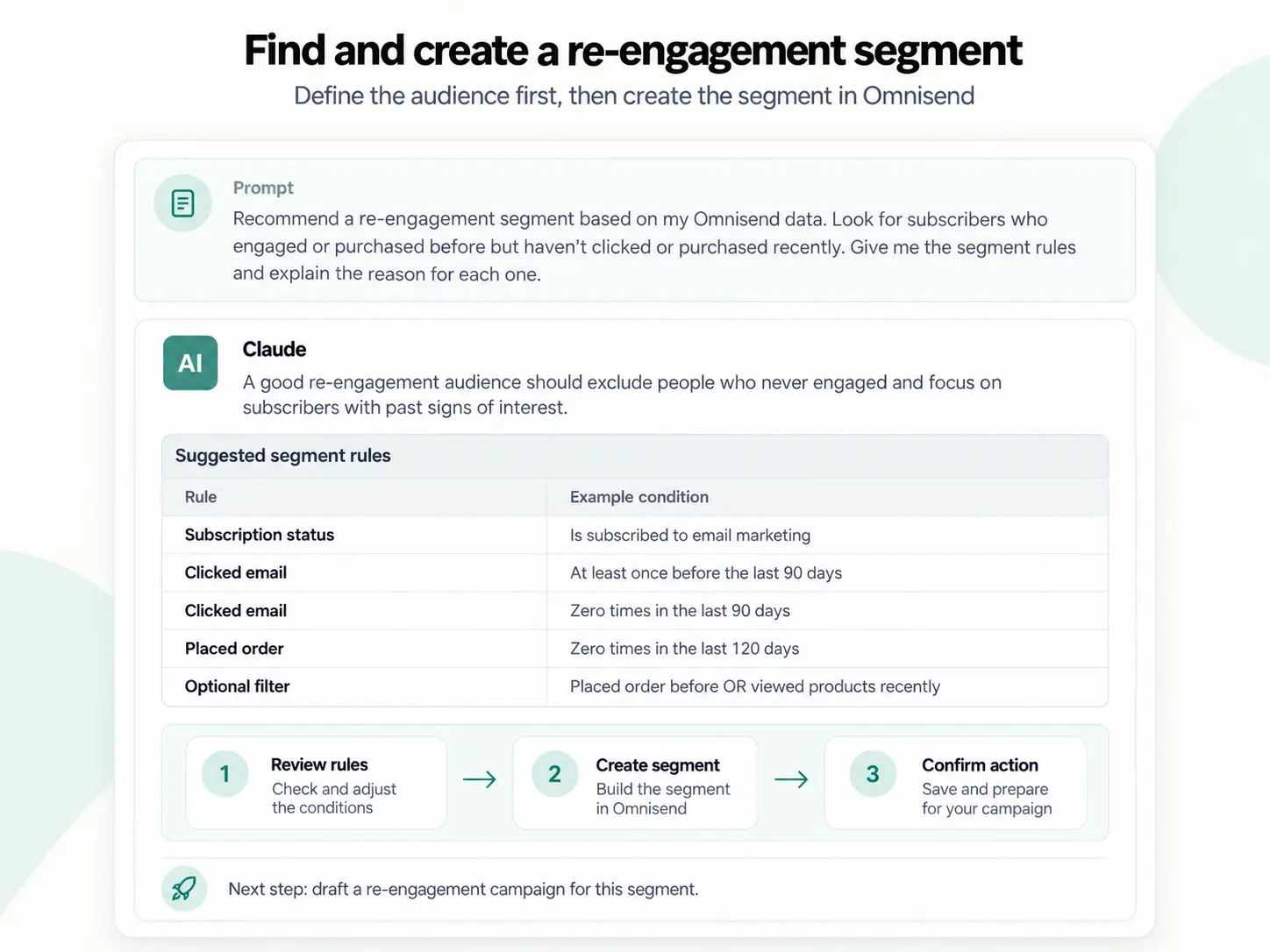
- Creating Segments: Define and generate new audience segments based on complex criteria (e.g., "subscribers who engaged or purchased before but haven’t clicked or purchased in the last 90 days").
- Drafting Email Campaigns: Generate initial drafts of email campaigns, including subject line directions, copy angles, and suggested content blocks, all informed by past performance data.
- Creating Pop-up Sign-up Forms: Develop new lead capture forms tailored to specific marketing objectives.
It is crucial to note that while Claude can draft campaigns, Omnisend’s documentation explicitly states that the final review and sending of campaigns must occur within the Omnisend platform. This "human in the loop" approach ensures that critical elements like audience targeting, brand voice, legal compliance, and offer accuracy are thoroughly vetted before deployment, emphasizing responsible AI implementation.
The integration unlocks eight key use cases that streamline common marketing activities:
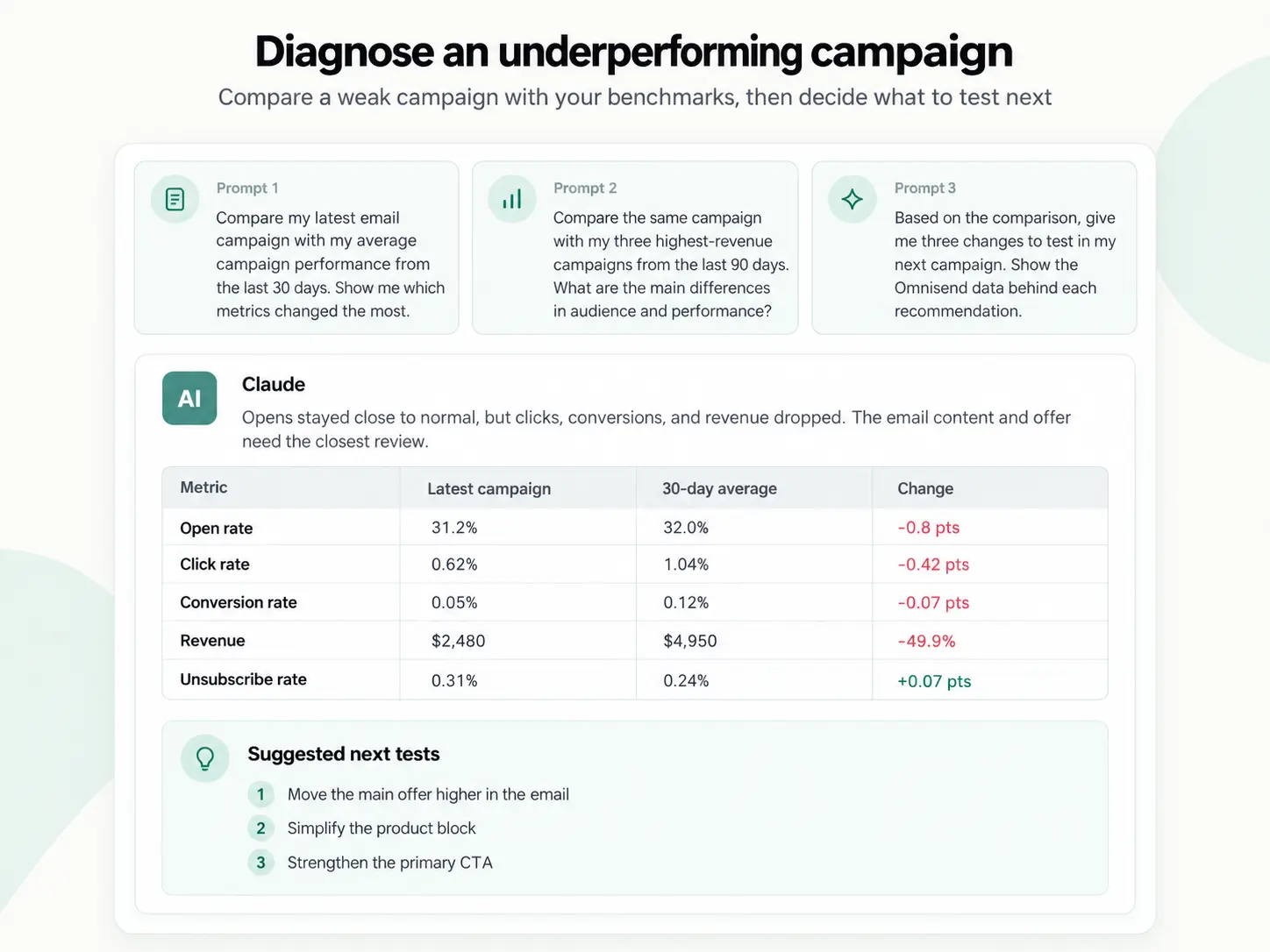
- Diagnosing Underperforming Campaigns: By comparing a recent campaign against average performance or top-performing campaigns, Claude can quickly pinpoint metrics that significantly changed and suggest data-backed tests for improvement. This iterative approach allows for continuous optimization, potentially boosting campaign ROI by an estimated 10-15% through rapid testing.
- Finding and Creating Re-engagement Segments: Claude can intelligently define and create segments of inactive subscribers, providing the rules and rationale for each criterion. This helps marketers reactivate dormant leads, reducing list decay and potentially recovering lost revenue by up to 5% from previously disengaged contacts.
- Auditing Welcome Automation Message by Message: Marketers can gain granular insights into their welcome series, identifying underperforming emails within the flow. Claude can compare these against stronger messages in the same automation and provide an improvement brief, leading to more effective onboarding and higher initial customer lifetime value.
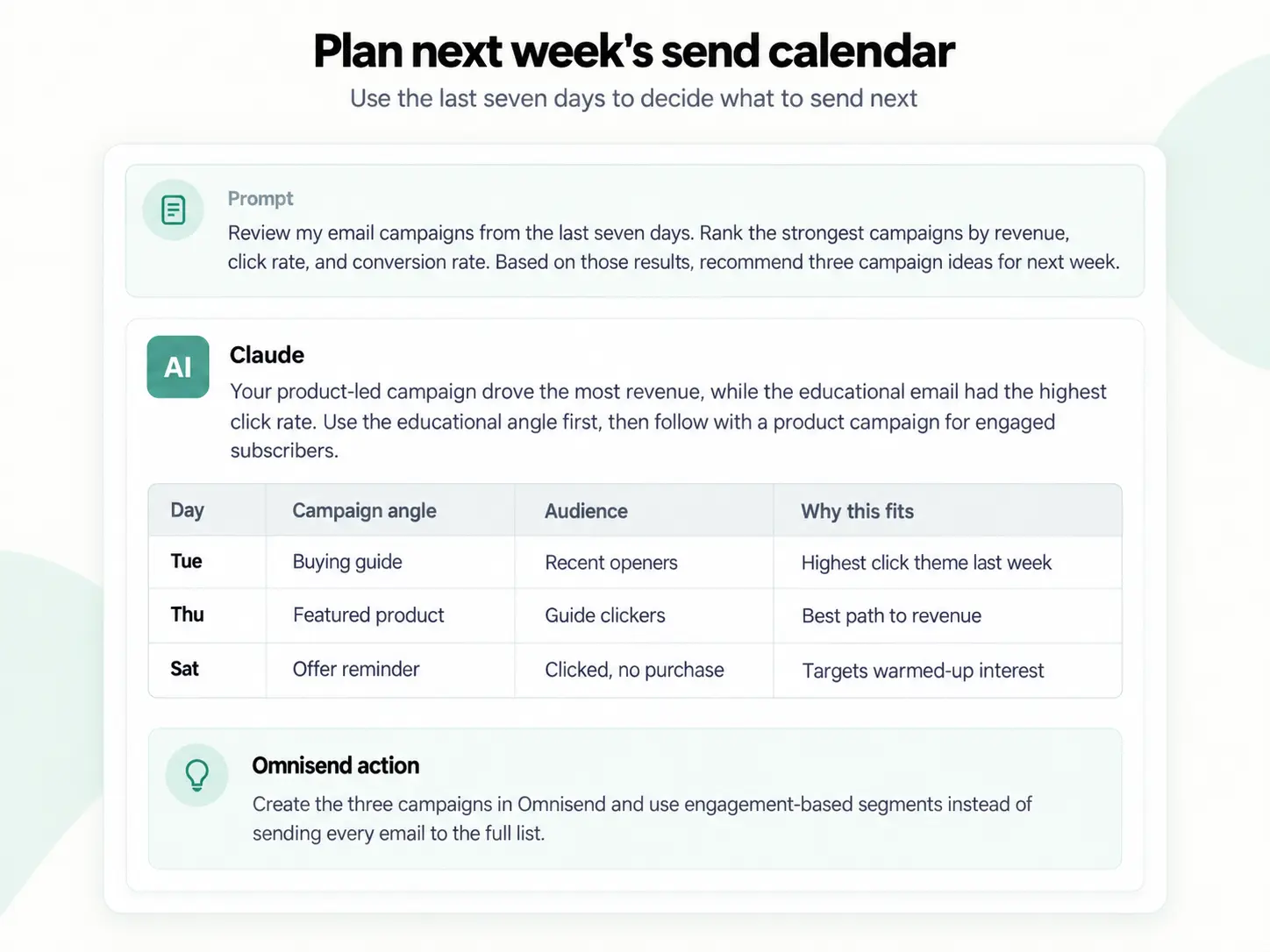
- Planning Next Week’s Send Calendar from Recent Results: By analyzing past campaign patterns, Claude can recommend three campaign ideas for the upcoming week, complete with audience, angle, offer, and suggested send days. This data-driven planning can lead to a 5-8% increase in campaign effectiveness by aligning content with proven engagement trends.
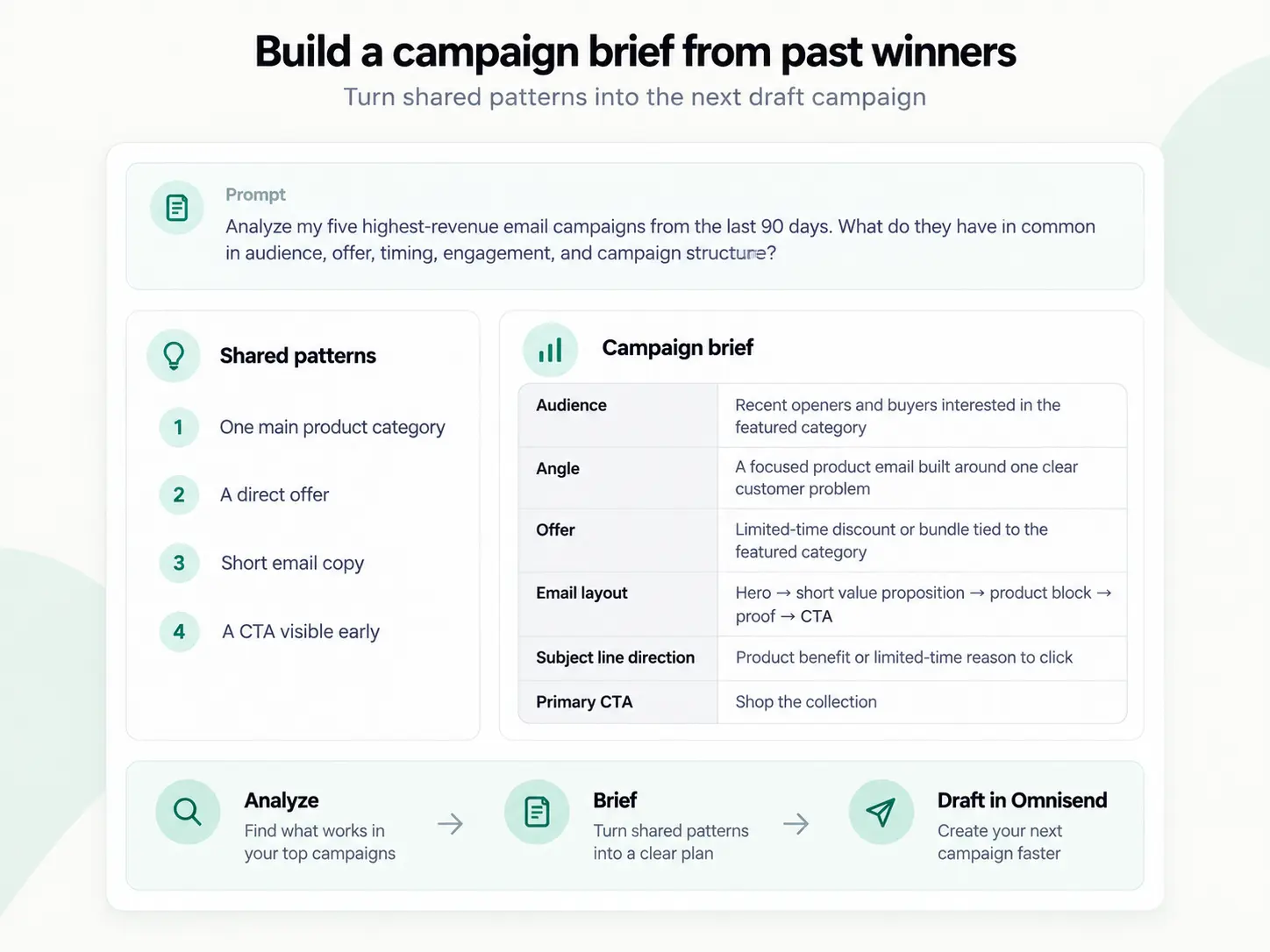
- Building a Campaign Brief from Past Winners: Claude can analyze top-performing campaigns to identify common success factors (audience, offer, timing, structure) and then use these insights to generate a brief for a new campaign. This leverages historical success, reducing guesswork and accelerating content creation.
- Reviewing Sign-up Form Performance: Marketers can ask Claude to rank active sign-up forms by performance and suggest tests for weaker forms, helping to optimize lead generation efforts and potentially increase subscriber acquisition rates by 10-20%.
- Checking Deliverability and List Health: Claude can review performance data for warning signs like rising bounce rates or unsubscribe trends, pinpointing specific campaigns or segments causing issues. While not a spam complaint tracker, it serves as an early warning system for list health, helping maintain sender reputation.
- Creating a Monthly Executive Recap: Claude can condense a month’s worth of email and SMS performance into a concise executive report, detailing attributed revenue, top performers, key changes, risks, and priorities for the next month. This saves hours of manual reporting, providing clear, data-backed summaries for stakeholders.
Seamless Integration and Technical Underpinnings
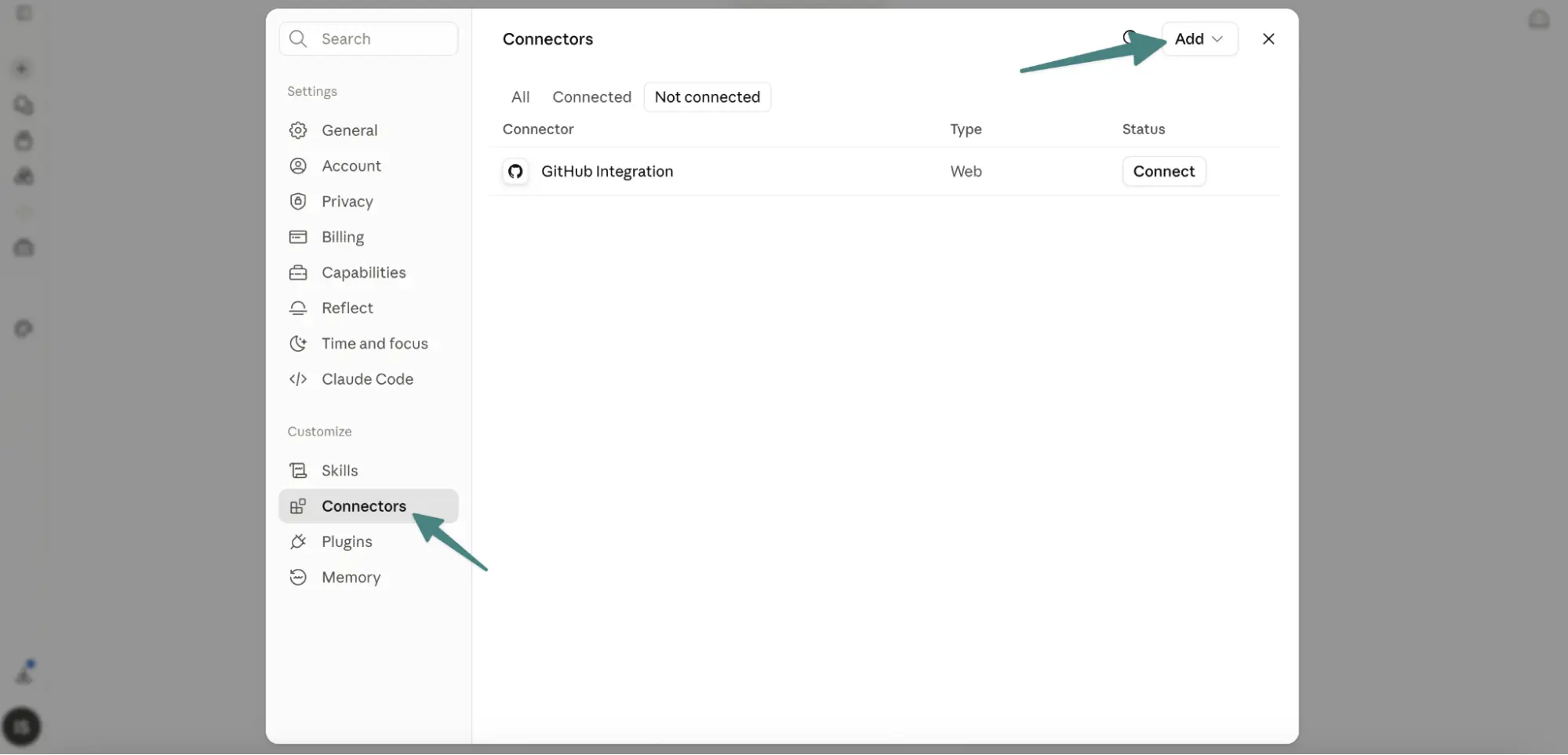
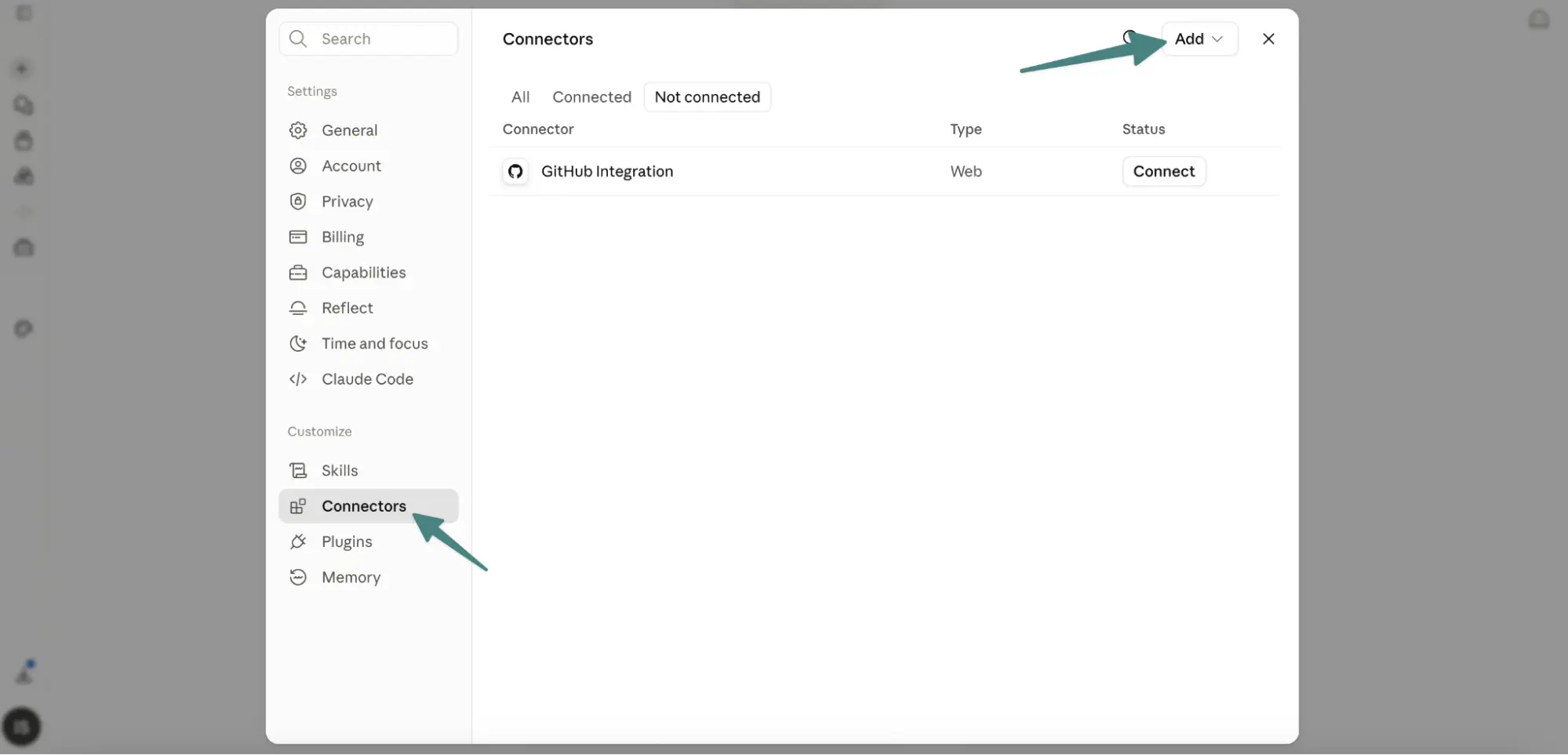
Connecting Omnisend to Claude is designed to be straightforward. Users require active accounts for both platforms and the necessary permissions within Omnisend. The process involves navigating to Claude’s ‘Connectors’ directory, selecting Omnisend, and authorizing the desired Omnisend store. For more complex analytical tasks or creative generation, Omnisend recommends utilizing Claude Sonnet 5 or Claude Opus 5, especially with "High effort" or "extended thinking" settings, to leverage their advanced reasoning capabilities.
The integration’s robustness is rooted in Omnisend’s MCP (Marketing Cloud Platform) server technology. MCP for email marketing provides the underlying infrastructure for this sophisticated data exchange, ensuring security, scalability, and accurate processing of requests. This architecture allows Claude to interpret natural language queries, translate them into API calls to Omnisend, retrieve the relevant data, and then synthesize it into coherent, actionable responses. Troubleshooting steps are also well-documented, typically addressing common issues such as incorrect store authorization, missing user roles, or using a less capable AI model for complex queries.
Navigating Permissions and Responsible AI Use
A critical aspect of the integration is the management of permissions. Users grant Claude specific access levels during authorization: read-only access for data retrieval and analysis, or write permissions for tasks like segment and draft campaign creation. Omnisend strongly advises users to grant only the permissions necessary for their intended tasks and to always review proposed actions before approving any changes to their account. This emphasizes a responsible AI approach, where human oversight remains paramount, especially concerning data modification and customer communication. Companies with specific policies regarding customer data and AI services are encouraged to adhere to their internal guidelines.
Competitive Landscape: Claude vs. ChatGPT
The integration marks Omnisend’s continued commitment to AI-driven marketing, as it also offers a direct integration with ChatGPT. Both Claude and ChatGPT provide similar core functionalities, including campaign and automation analysis, revenue comparisons, audience research, segmentation, and supported account actions. The choice between the two often comes down to a marketing team’s existing AI ecosystem and preferred workspace. Neither integration requires a custom MCP URL, making setup equally accessible. This dual-integration strategy positions Omnisend at the forefront of AI-powered marketing, offering flexibility and choice to its diverse user base.
Limitations and Future Outlook
While powerful, the current Claude integration operates on a request-driven model. This means Claude does not continuously monitor an Omnisend account proactively alerting users to events like an unsubscribe spike, a failed campaign, or a segment reaching a certain size. For such ongoing, event-triggered behaviors, marketers should continue to rely on Omnisend’s native automation features. Claude’s access is also governed by the permissions granted and the capabilities of Omnisend’s MCP API, which are subject to expansion and updates. Users are encouraged to consult the latest API documentation for the most current list of supported operations.
Despite these current limitations, the integration represents a significant leap forward in empowering marketers. It frees up valuable time spent on manual data analysis, allowing teams to focus on higher-level strategic thinking and creative execution. The ability to rapidly test hypotheses, segment audiences with precision, and generate campaign ideas rooted in historical success translates into a more agile, responsive, and ultimately more effective marketing strategy.
Strategic Implications for Digital Marketing
The Omnisend + Claude integration is more than just a new feature; it signifies a strategic pivot in digital marketing towards hyper-efficiency and data-driven personalization at scale. This level of integration promises several profound implications:
- Increased Productivity: Marketers can significantly reduce the time spent on data aggregation and initial analysis, reallocating resources to creative development, strategic planning, and customer engagement. Early adopters could see a 20-30% reduction in time spent on routine reporting and analysis.
- Enhanced Decision-Making: With immediate access to contextualized data and AI-generated insights, decision-making becomes faster and more informed. This leads to more responsive campaigns and automations, capable of adapting quickly to market changes or customer behavior.
- Deeper Personalization: The ability to rapidly identify and segment niche audiences based on complex behavioral patterns, combined with AI-assisted content generation, allows for unprecedented levels of personalization in email and SMS communications. This can drive higher engagement, conversion rates, and customer loyalty.
- Democratization of Advanced Analytics: Even smaller marketing teams or individual entrepreneurs can now access sophisticated analytical capabilities that were once the exclusive domain of large enterprises with dedicated data science teams.
- Competitive Advantage: Businesses leveraging such integrations will gain a significant edge in optimizing their marketing spend, improving campaign ROI, and fostering stronger customer relationships. Those who fail to adapt risk falling behind in an increasingly AI-driven marketplace.
- Focus on Strategy over Tactics: By automating tactical data crunching, marketers can elevate their role from executors to strategists, focusing on overarching goals, brand building, and long-term customer value.
In conclusion, the Omnisend + Claude integration marks a pivotal moment for e-commerce marketers. By connecting advanced AI capabilities directly to rich marketing data, it unlocks a new era of efficiency, insight, and automated action. Marketers are encouraged to explore this powerful tool, starting with specific questions about their campaigns, automations, audiences, forms, or revenue results, and letting Claude provide the data-backed clarity needed to drive their next successful marketing initiative.








