rifanmuazin
The digital marketing landscape is undergoing a significant transformation, with businesses increasingly seeking more sophisticated and integrated platforms to manage their customer communications. As 2026 approaches, a clear shift is observable, with a growing number of marketers, particularly those in the burgeoning ecommerce sector, exploring alternatives to traditional email service providers like Campaign Monitor. This exodus is primarily driven by Campaign Monitor’s perceived limitations, including escalating costs as contact lists expand, insufficient ecommerce automation capabilities, and a notable absence of advanced Artificial Intelligence (AI) tools—features that have become indispensable for modern marketing strategies.
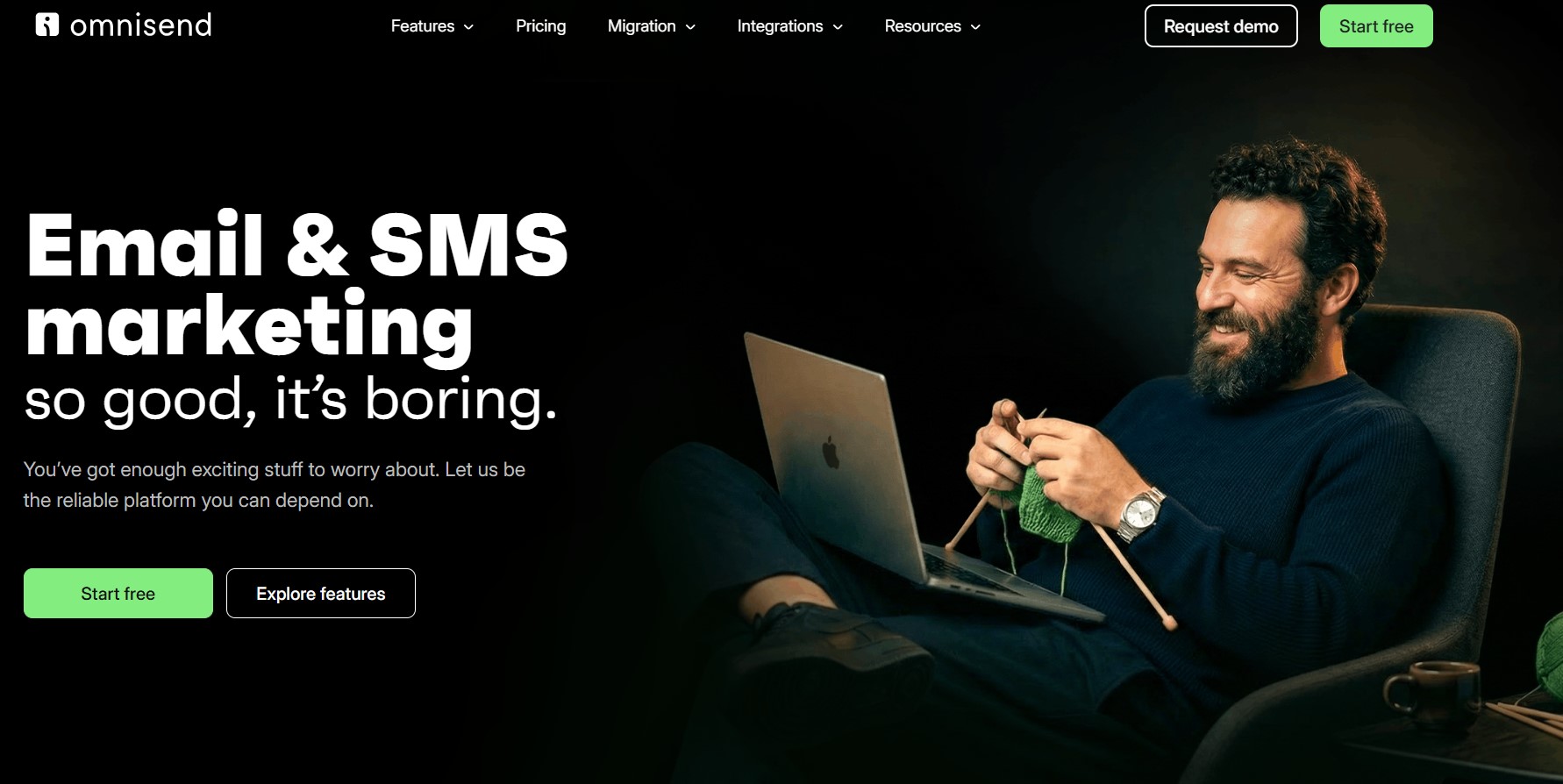
This comprehensive analysis identifies Omnisend, Klaviyo, and ActiveCampaign as the leading Campaign Monitor alternatives for 2026, each offering unique strengths tailored to diverse business needs, ranging from direct-to-consumer ecommerce to complex B2B automation. These platforms, along with a dozen other strong contenders, are actively addressing the gaps left by older systems, providing robust multichannel messaging, behavior-driven automation, and deep ecommerce integrations that seamlessly connect with online stores.
The Evolving Email Marketing Landscape and Campaign Monitor’s Position

For years, email marketing has been a cornerstone of digital strategy, but its evolution has been relentless. What began as simple newsletter distribution has transformed into a complex ecosystem of personalized communication, automation, and data-driven insights. In this rapidly advancing environment, platforms that once sufficed for basic email sends are now struggling to keep pace with the demands of a hyper-connected, data-rich marketplace.
Campaign Monitor, while historically reliable for straightforward email campaigns and agency use, has found itself increasingly challenged. Its core offering, while solid for design-focused email creation, often proves inadequate for businesses requiring dynamic, behavior-triggered sequences, particularly within the ecommerce sector. The platform’s limitations in 2026 are primarily characterized by:
- Rising Costs with Scale: A common complaint among growing businesses is that Campaign Monitor’s pricing structure becomes prohibitively expensive as contact lists expand. This often forces businesses to reconsider their budget allocation, seeking platforms that offer more predictable or value-driven pricing models.
- Limited Ecommerce Automation: Modern online stores thrive on automated workflows such as abandoned cart reminders, post-purchase follow-ups, and win-back campaigns. Campaign Monitor’s automation suite has historically lacked the depth and native integration required to execute these complex, sales-driving sequences efficiently, pushing ecommerce businesses towards more specialized solutions.
- Absence of AI Capabilities: The integration of AI into marketing platforms is no longer a luxury but a necessity. From AI-powered content generation and subject line optimization to predictive analytics and intelligent segmentation, AI enhances efficiency and personalization at scale. Campaign Monitor’s lack of significant AI tools leaves a critical void, making it less competitive against platforms that leverage machine learning to boost campaign performance.
These limitations collectively drive marketers to seek alternatives that can offer greater functionality, better scalability, and more advanced tools at a comparable or more favorable price point.
Key Factors Driving the Shift Towards Advanced Alternatives
The decision to switch from a well-established platform like Campaign Monitor is not taken lightly. It typically stems from strategic business needs that current solutions cannot meet. The critical features that marketers prioritize when evaluating alternatives include:
- AI Tools: The ability to leverage AI for content creation, predictive analytics, optimal send times, and dynamic segmentation is paramount for achieving hyper-personalization and maximizing engagement.
- Multichannel Support: A unified platform that can manage email, SMS, web push notifications, and even social media or chat interactions from a single dashboard is essential for delivering a cohesive customer experience across various touchpoints.
- Automation Depth: Beyond basic drip campaigns, marketers need sophisticated automation workflows that respond to real-time customer behavior, integrate conditional logic, and allow for intricate segmentation.
- Ecommerce Compatibility: For online retailers, seamless integration with platforms like Shopify, WooCommerce, and BigCommerce, along with features specifically designed to drive online sales (e.g., product recommendations, abandoned browse flows), is non-negotiable.
- Pricing Transparency and Scalability: Businesses need clear pricing structures that scale predictably with growth, without hidden fees or disproportionate jumps in cost as contact lists expand. Evaluating costs for 1,000, 10,000, and 50,000 contacts, rather than just entry-level pricing, provides a more accurate picture.
- Deliverability Rates: Ensuring emails reach the inbox and not the spam folder is fundamental. Platforms with a proven track record of high deliverability are highly valued.
Methodology and Evaluation Framework
To provide an objective assessment, twelve leading Campaign Monitor alternatives were subjected to rigorous, firsthand testing over a 30-day period. This involved signing up for free trials, building email campaigns, configuring automation workflows, and evaluating deliverability claims. Each platform was assessed against six key criteria: pricing, automation depth, AI features, deliverability, multichannel support, and ecommerce compatibility. This practical approach ensures that all recommendations are grounded in real-world experience, offering actionable insights for businesses contemplating a switch.
Top Contenders for 2026: A Deep Dive
Based on this extensive evaluation, several platforms have distinguished themselves as superior alternatives, offering capabilities that align with the demands of 2026’s digital marketing landscape.
1. Omnisend – Best for Ecommerce
With a G2 rating of 4.6/5, Omnisend stands out as the premier Campaign Monitor alternative specifically engineered for ecommerce businesses. Its design philosophy centers around driving sales and recovering lost revenue for online stores. Used by over 150,000 brands across major platforms like Shopify, WooCommerce, BigCommerce, Wix, and Magento, Omnisend integrates email, SMS, and web push notifications into a single, intuitive platform. During testing, an abandoned cart workflow, including SMS and push follow-ups, was operational in under 10 minutes, showcasing its efficiency.
- Key Features: Comprehensive email, SMS, and push notification campaigns; pre-built ecommerce automation workflows (e.g., abandoned cart, welcome series); robust segmentation based on shopping behavior; customizable forms and landing pages.
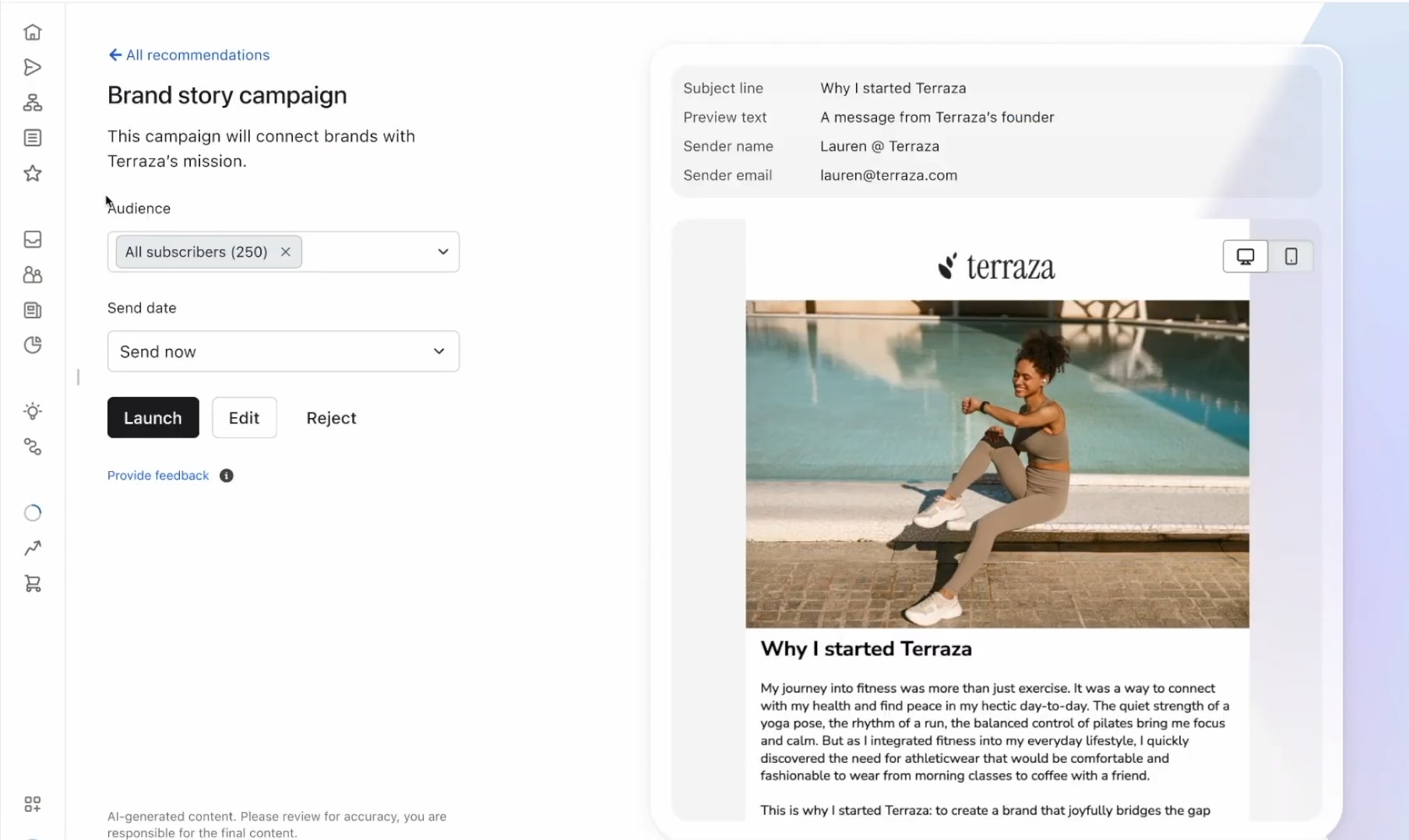
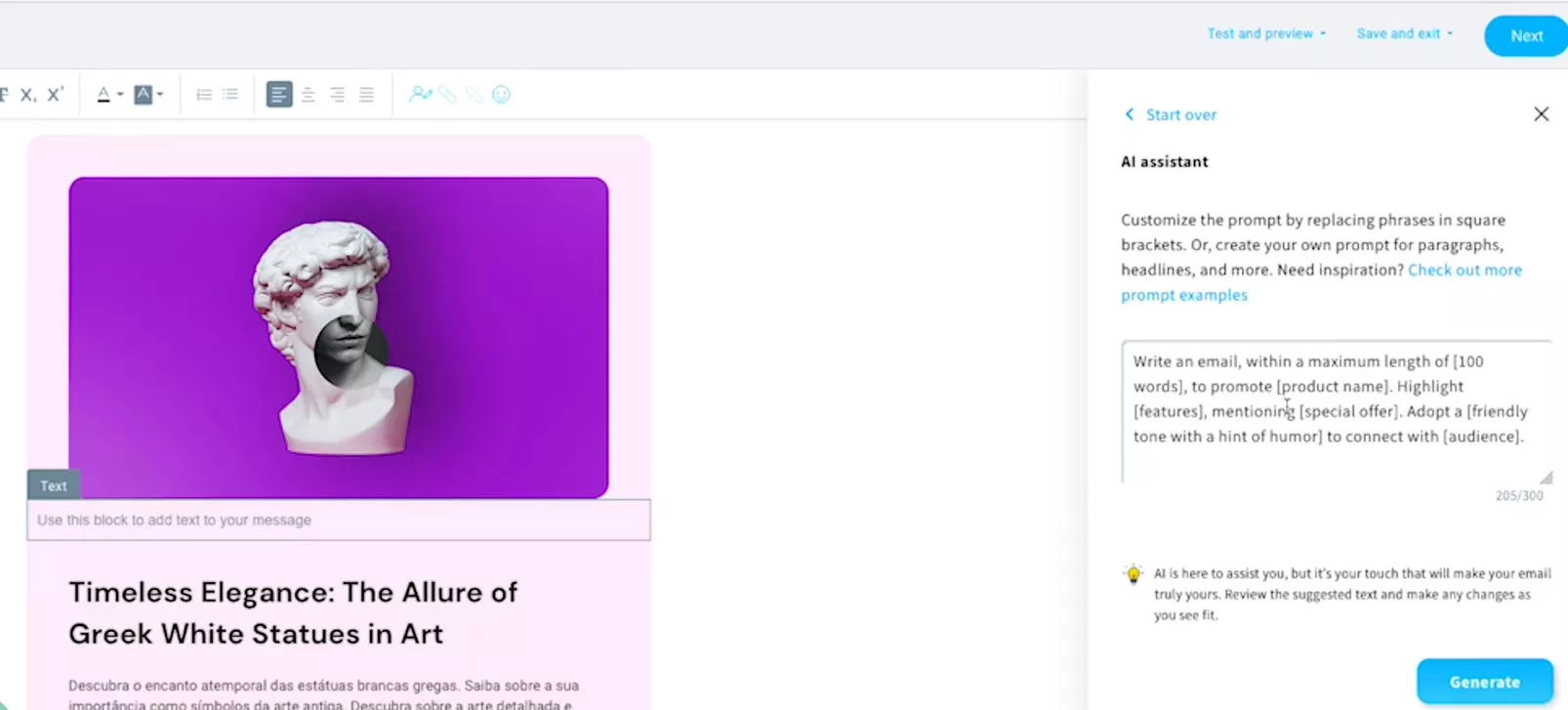
- AI Features: Omnisend AI offers a Subject Line Generator, Email Writer, Preheader Generator, and notably, an AI Segment Builder that simplifies advanced audience targeting.
- Pricing (as of April 2026): Free ($0, 250 contacts, 500 emails/month); Standard (from $16/month, 500+ contacts, 12x contact count emails); Pro (from $59/month, 2,500+ contacts, unlimited emails); Custom quote (150,000+ contacts).
- Pros: Purpose-built for ecommerce; robust multichannel automation; strong free plan; intuitive interface; 24/7 customer support.
- Cons: Advanced features might require a brief learning curve for complete optimization.
- Industry Insight: An Omnisend spokesperson might highlight their platform’s singular focus on ecommerce, stating, "Our mission is to empower online businesses with tools that directly translate to sales, ensuring every touchpoint is optimized for conversion and customer lifetime value."
2. Klaviyo – Best for Shopify Stores
Also boasting a G2 rating of 4.6/5, Klaviyo is a powerful alternative for Shopify merchants focused on leveraging customer data for revenue generation. Functioning more as a B2C CRM, Klaviyo powers every campaign and segment with real purchase history and browsing behavior pulled directly from the store. It unifies email and SMS with comprehensive reporting that links messaging performance directly to sales. A multi-step abandoned cart sequence was set up in approximately 20 minutes during testing.
- Key Features: Deep ecommerce integrations (especially Shopify); predictive analytics; advanced segmentation; robust automation flows; A/B testing; unified email and SMS.
- AI Features: K:AI suite includes send-time optimization, a Customer Agent for 24/7 shopper support, and predictive replenishment triggers.
- Pricing (as of April 2026): Free ($0, 250 contacts, 500 emails/month); Email (from $20/month, 251–500 contacts, 5,000 emails); Email + SMS (from $55/month, 251–500 contacts, 5,000 emails + SMS credits).
- Pros: Excellent for data-driven lifecycle marketing; powerful segmentation; strong Shopify integration.
- Cons: Can be expensive as lists grow; steep learning curve for advanced workflows.
- Industry Insight: Industry analysts often laud Klaviyo’s ability to transform raw customer data into actionable insights, noting its predictive AI as a game-changer for retention and personalized marketing at scale.
3. ActiveCampaign – Best for Automation
With a G2 rating of 4.4/5, ActiveCampaign is ideal for businesses needing automation that genuinely responds to customer behavior. It excels where basic email tools fall short, offering conditional logic, lead scoring, and behavioral triggers. Combining email, SMS, and WhatsApp, it also features a built-in CRM, keeping marketing and sales data connected. A multi-step behavioral workflow with conditional splits took around 20 minutes to configure during evaluation.
- Key Features: Advanced marketing automation; integrated CRM; sales automation; multichannel messaging (email, SMS, WhatsApp); lead scoring; site tracking.
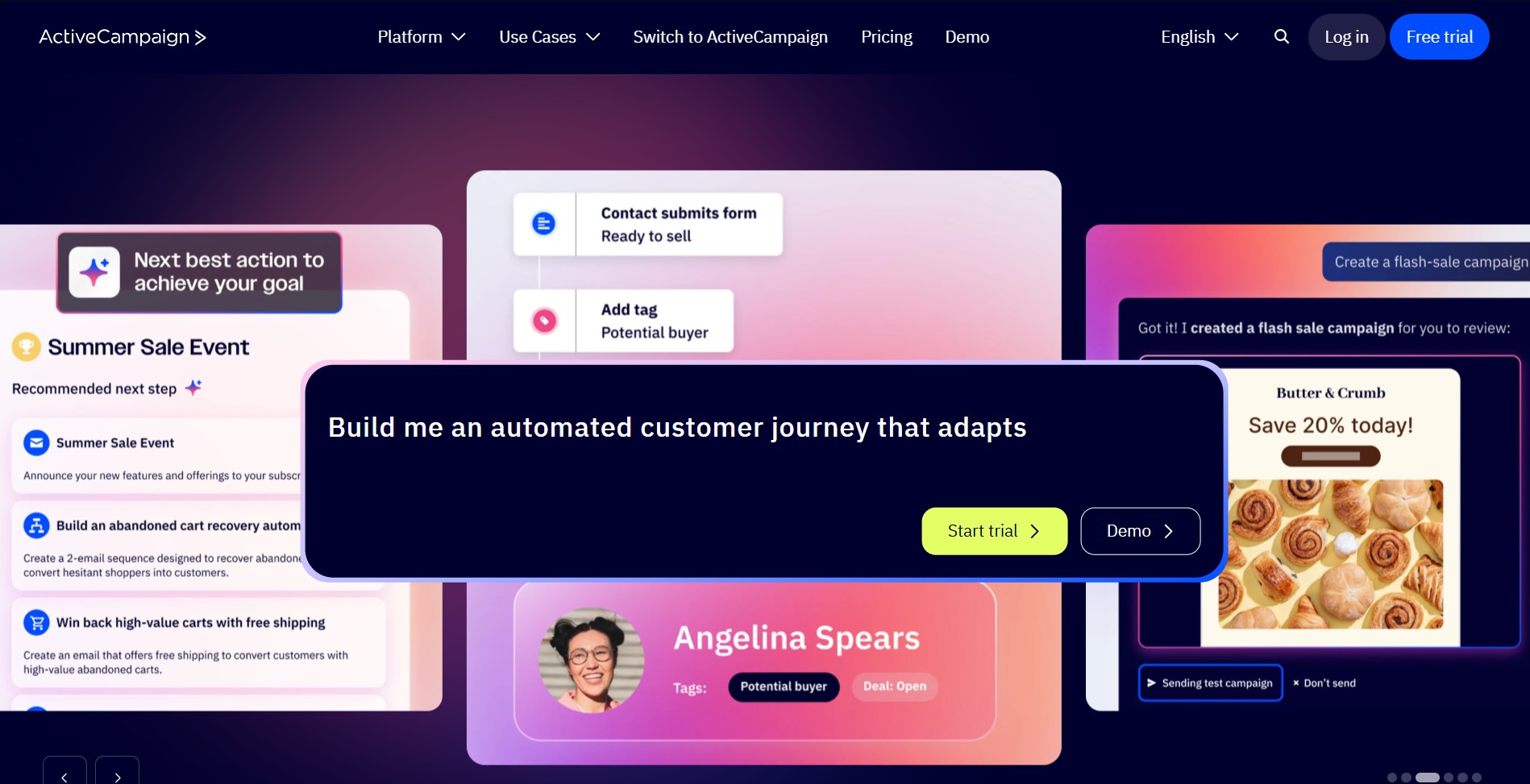
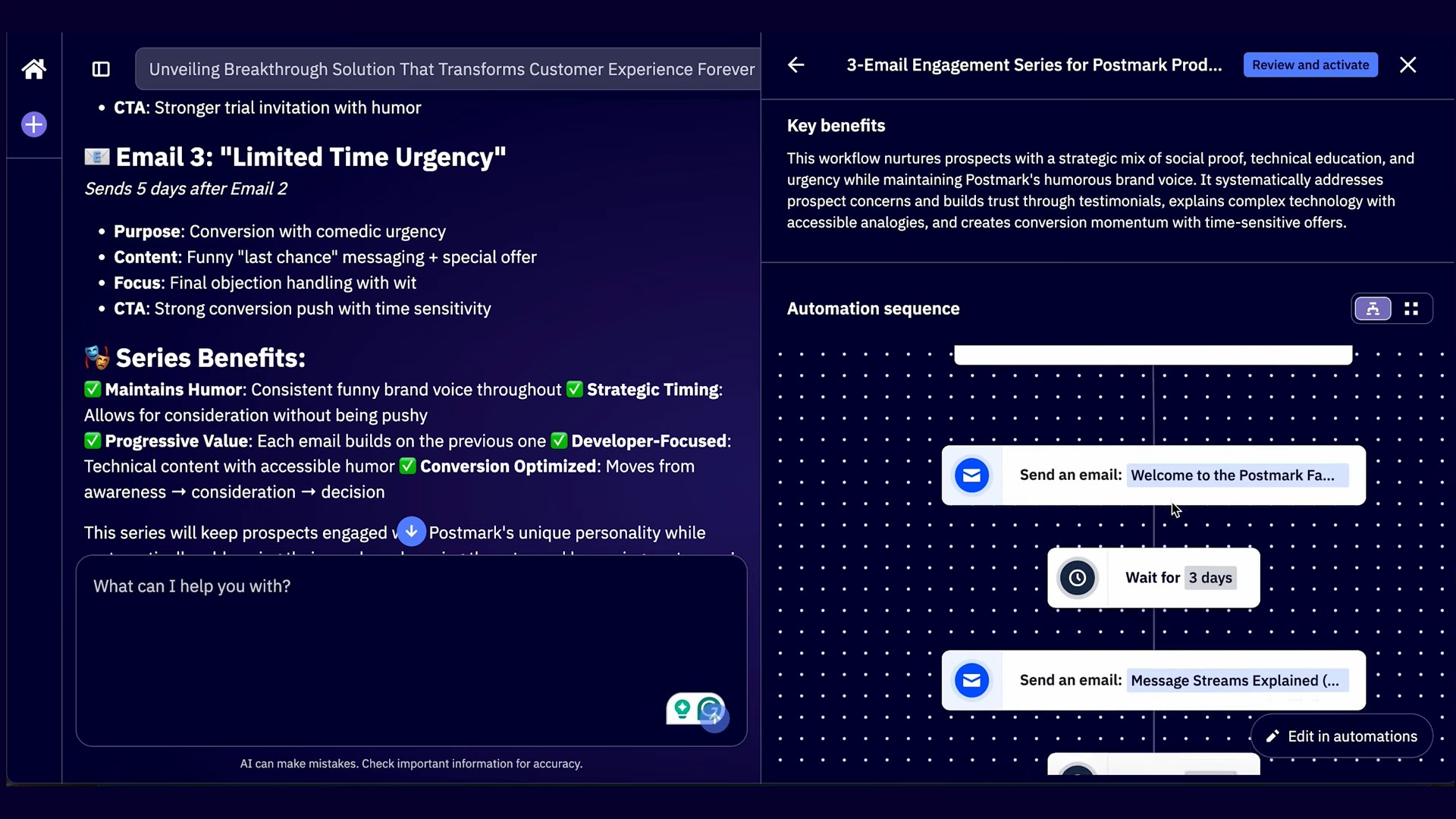
- AI Features: Active Intelligence powers campaign creation, send-time optimization, predictive sending, and content personalization.
- Deliverability: Achieved 94.2% inbox placement in independent testing.
- Pricing (as of April 2026, billed yearly): Starter (from $15/month, 1,000 contacts, 10x contact limit emails); Plus (from $49/month, 1,000 contacts, 10x contact limit emails); Pro (from $79/month, 1,000 contacts, 12x contact limit emails); Enterprise (from $145/month, 1,000 contacts, 15x contact limit emails).
- Pros: Highly flexible automation; integrated CRM for sales and marketing alignment; broad integration ecosystem.
- Cons: Can be overwhelming due to feature depth; pricing can increase significantly with advanced features.
- Industry Insight: ActiveCampaign users frequently praise the platform’s unparalleled flexibility, allowing for highly complex and personalized customer journeys that traditional ESPs simply cannot replicate, making it a favorite for B2B and complex B2C models.
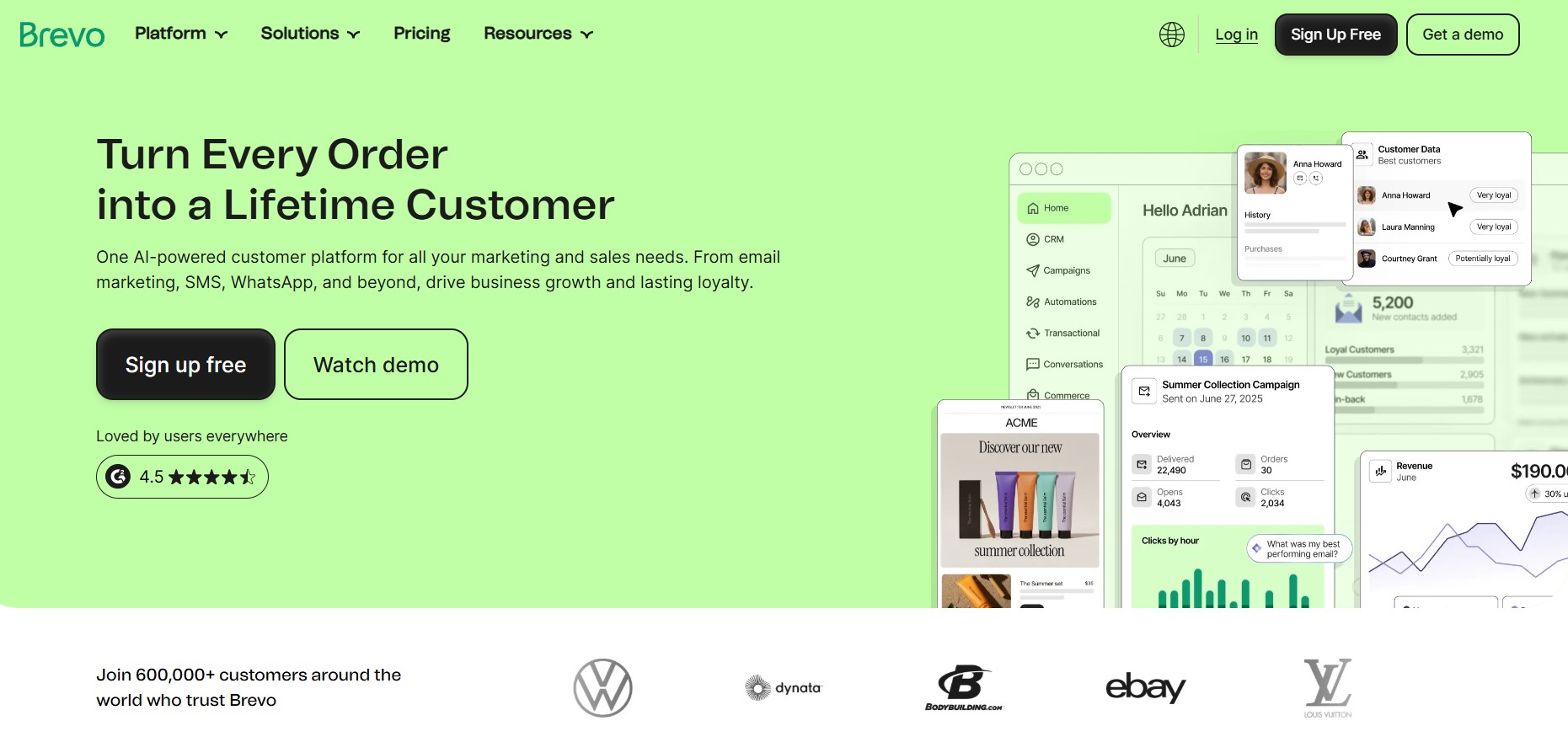
4. Brevo (formerly Sendinblue) – Best for Multichannel Value
Brevo holds a G2 rating of 4.5/5 and is a top Campaign Monitor alternative for businesses seeking email, SMS, WhatsApp, and CRM functionalities without separate payments for each. Its comprehensive channel coverage at its price point makes it attractive for teams looking to consolidate their marketing stack. Uniquely, Brevo charges based on email volume rather than contact count, offering predictable costs as lists grow. A multichannel automation, including an SMS follow-up for unopened emails, was set up in less than five minutes during testing.
- Key Features: Email, SMS, WhatsApp, Chat, CRM, landing pages, signup forms; transactional email; robust automation builder.
- AI Features: Aura agent assists with content generation for various channels, tone adjustment, and language translation.
- Deliverability: Scored an impressive 99% inbox placement.
- Pricing (as of April 2026): Free ($0, 300 emails/day); Starter (from $9/month, 5,000 emails/month); Standard (from $18/month, 5,000 emails/month); Professional (from $499/month, 150,000+ emails/month); Enterprise (Custom).
- Pros: Excellent multichannel value; volume-based pricing model; high deliverability; integrated CRM.
- Cons: Setup can be confusing for new users; some advanced features are tiered.
- Industry Insight: Brevo’s model of pricing by email volume, rather than contacts, is seen by many analysts as a disruptive force, offering predictable costs as businesses scale their reach and expand into new communication channels.
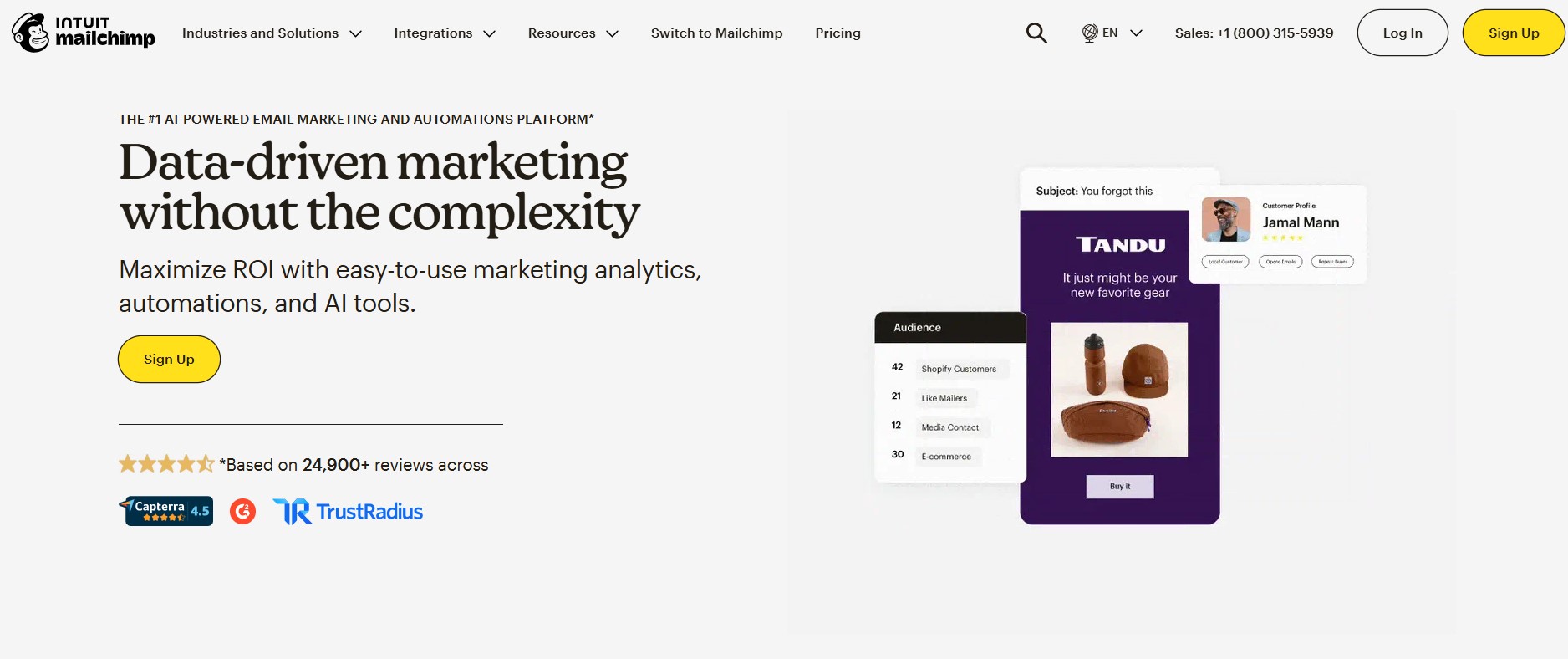
5. Mailchimp – Best for Beginners
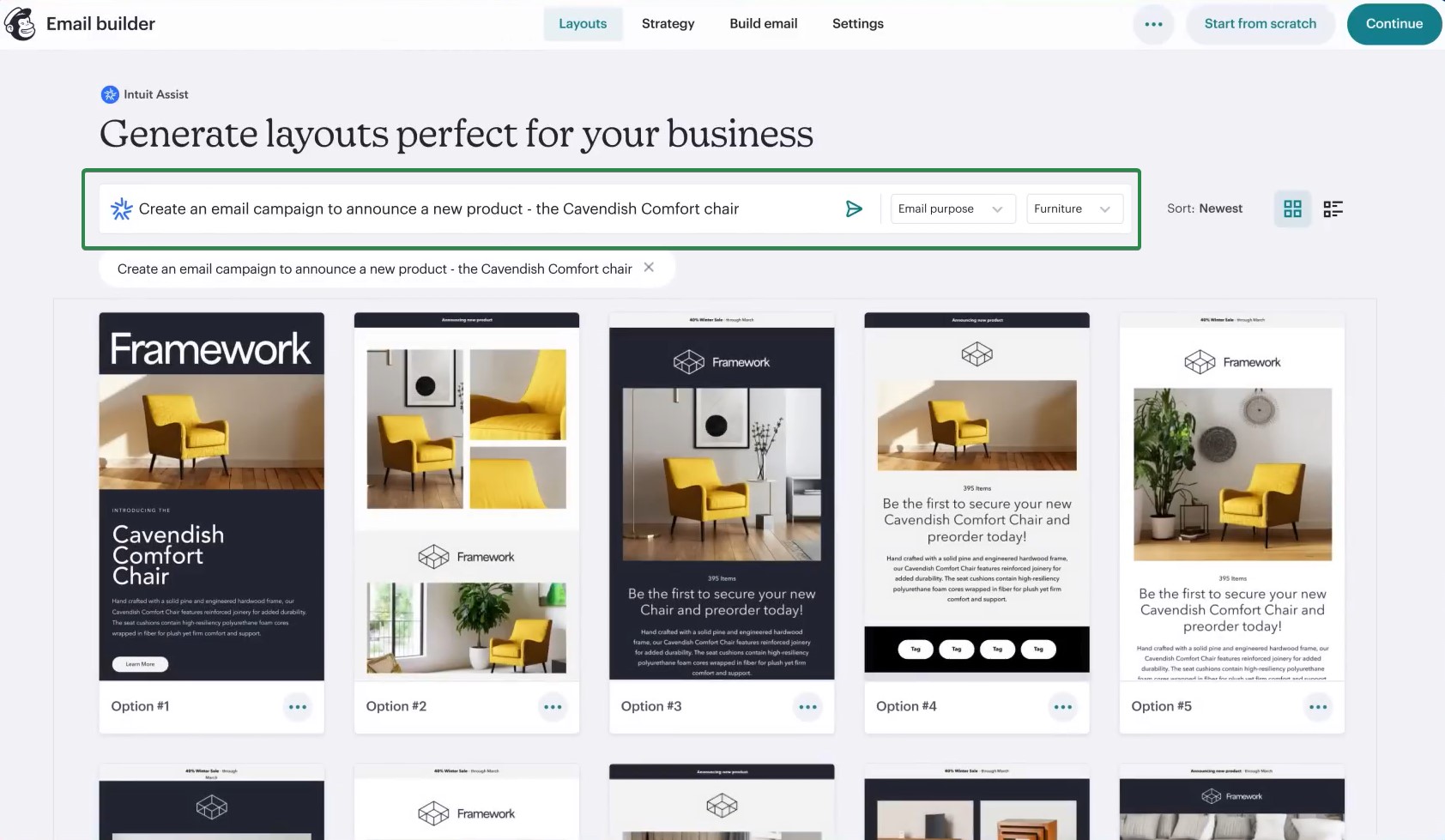
With a G2 rating of 4.4/5, Mailchimp remains a widely recognized alternative for businesses new to email marketing. Its clean interface, extensive documentation, and seamless integration with a vast array of tools make it accessible. Serving over 13 million users, it covers email, SMS, social media ads, and landing pages. An email campaign was ready in under 10 minutes during testing.
- Key Features: User-friendly interface; email campaigns; landing pages; forms; social media ad creation; basic automation.
- AI Features: Intuit Assist generates on-brand email copy, subject lines, CTAs, and powers predictive segmentation.
- Deliverability: Achieved 99% inbox placement.
- Pricing (as of April 2026): Free ($0, 250 contacts, 500 emails/month or 250/day); Essentials (from $13/month, 500 contacts, 10X contacts emails); Standard (from $20/month, 500 contacts, 12X contacts emails); Premium (from $350/month, 10,000 contacts, 15X contacts emails).
- Pros: Very user-friendly; strong brand recognition; extensive integrations; good for beginners.
- Cons: Can become expensive as lists grow; automation depth is limited compared to specialized platforms; custom branding can be time-consuming.
- Industry Insight: While historically a go-to for small businesses and beginners, Mailchimp’s recent enhancements, including the integration of Intuit Assist, signal its commitment to staying relevant in a rapidly advancing market by adding more sophisticated features.
Specialized Alternatives for Diverse Needs
Beyond the top five, several other platforms cater to specific niches, offering compelling features for various business models:
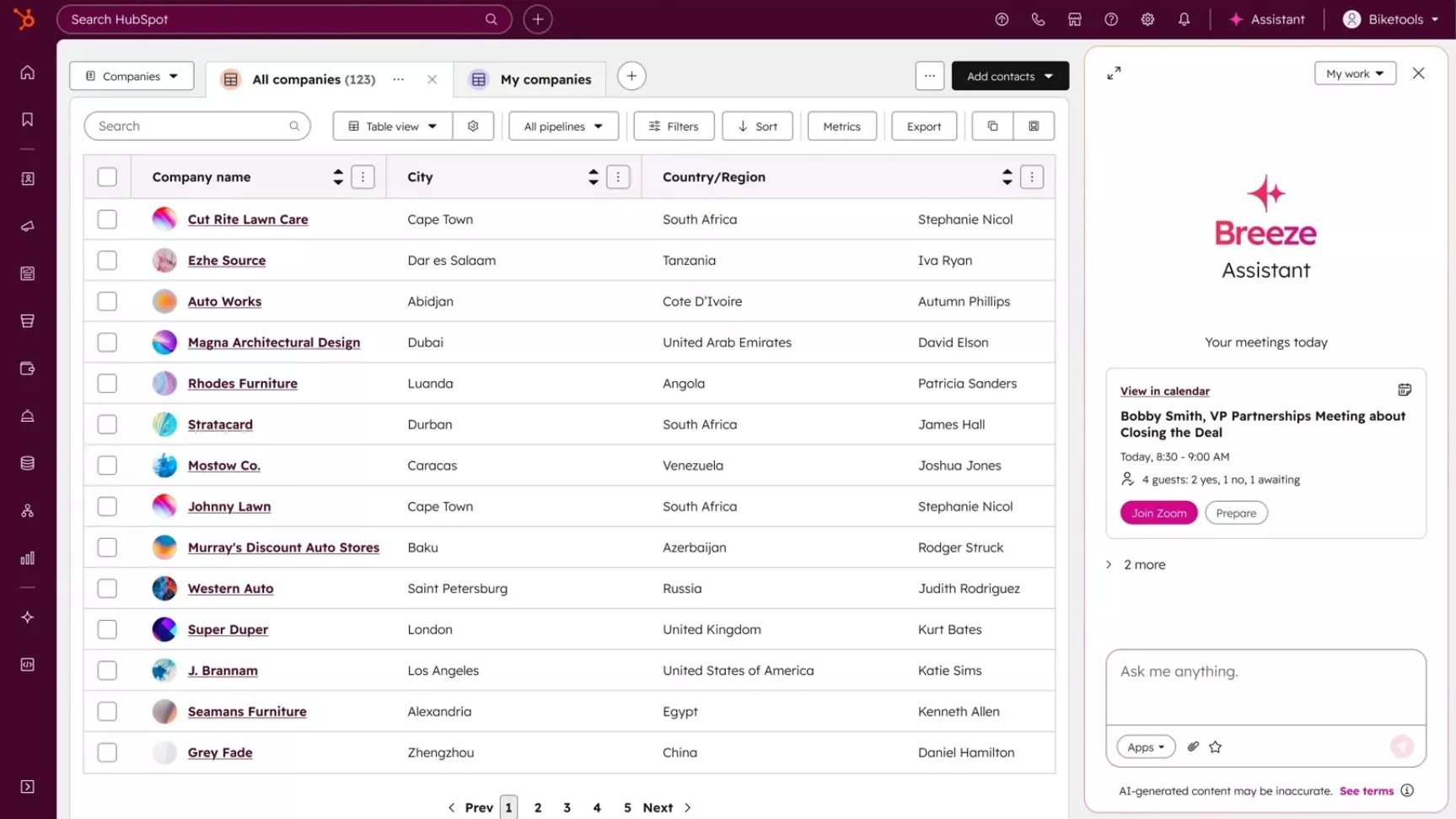
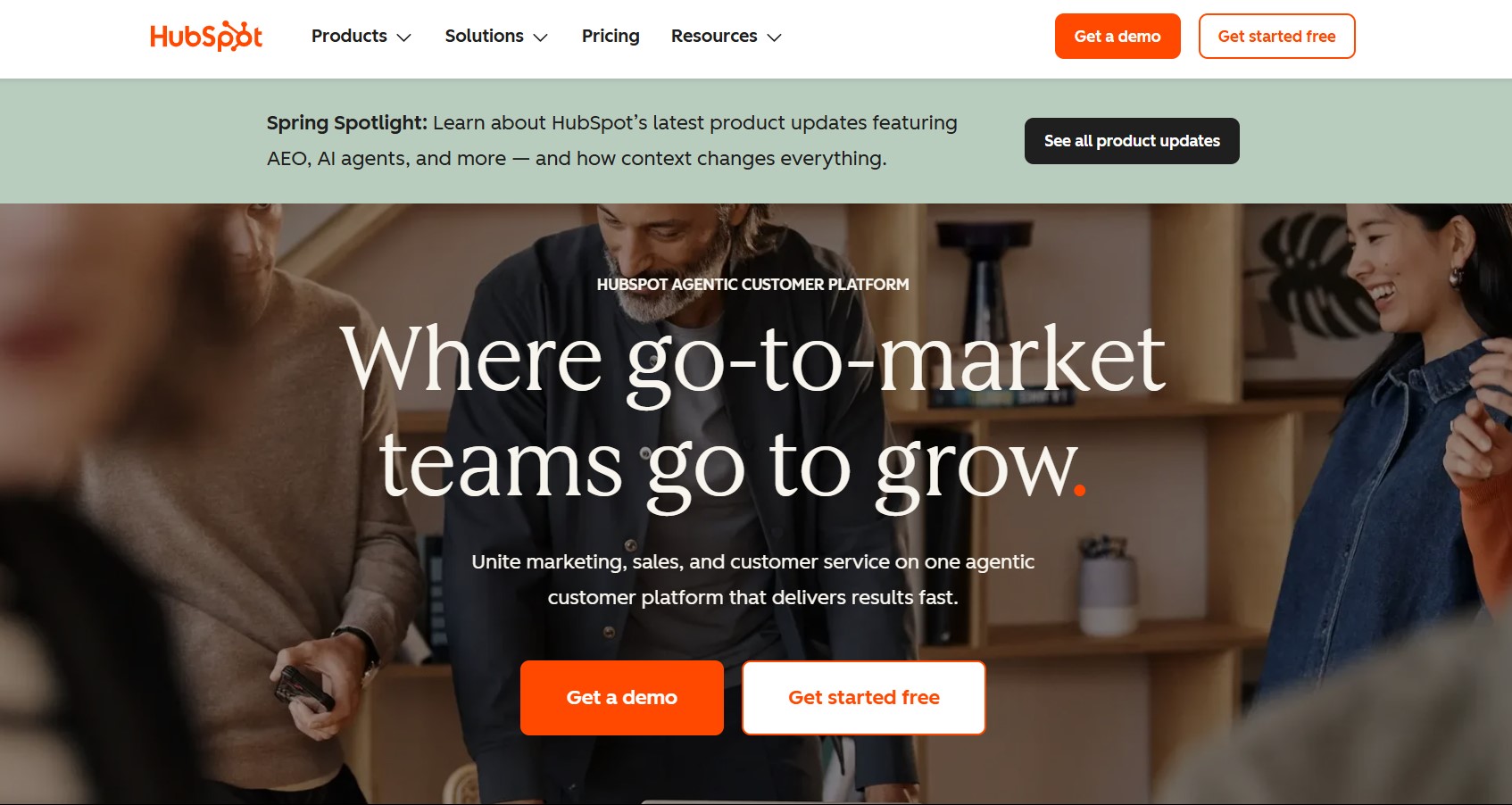
- HubSpot (G2: 4.4/5) – Best for CRM-led marketing: Ideal for teams that integrate marketing and sales through a single CRM. HubSpot offers email, SMS, live chat, social media, and ads within one ecosystem. Breeze AI handles content generation, send-time optimization, and predictive lead scoring.
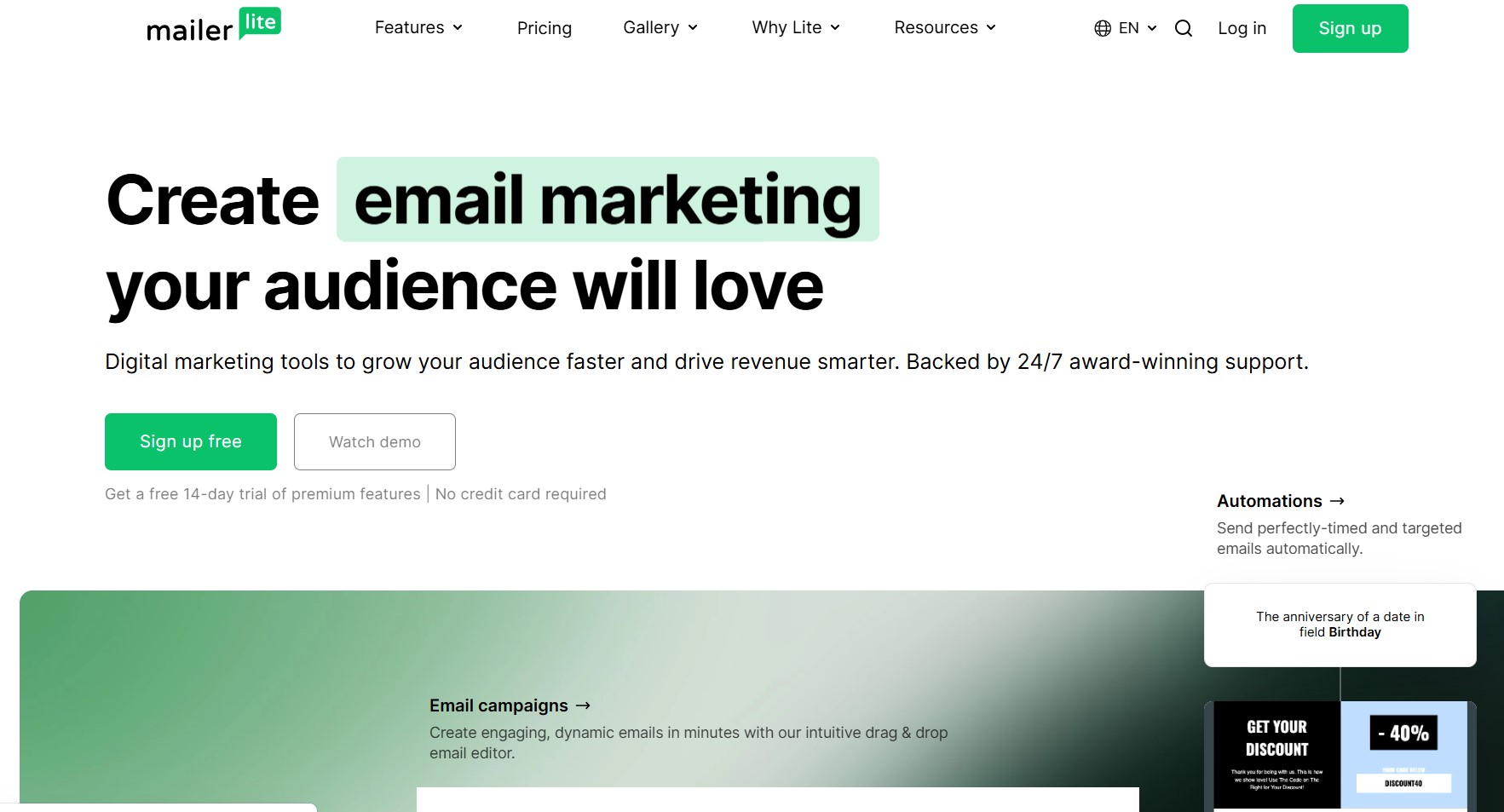
- MailerLite (G2: 4.6/5) – Best for budget-conscious teams: A strong option for small businesses and creators needing professional email marketing without a high price. It includes email, automation, landing pages, and a website builder, with an AI assistant for subject lines and copy variations.
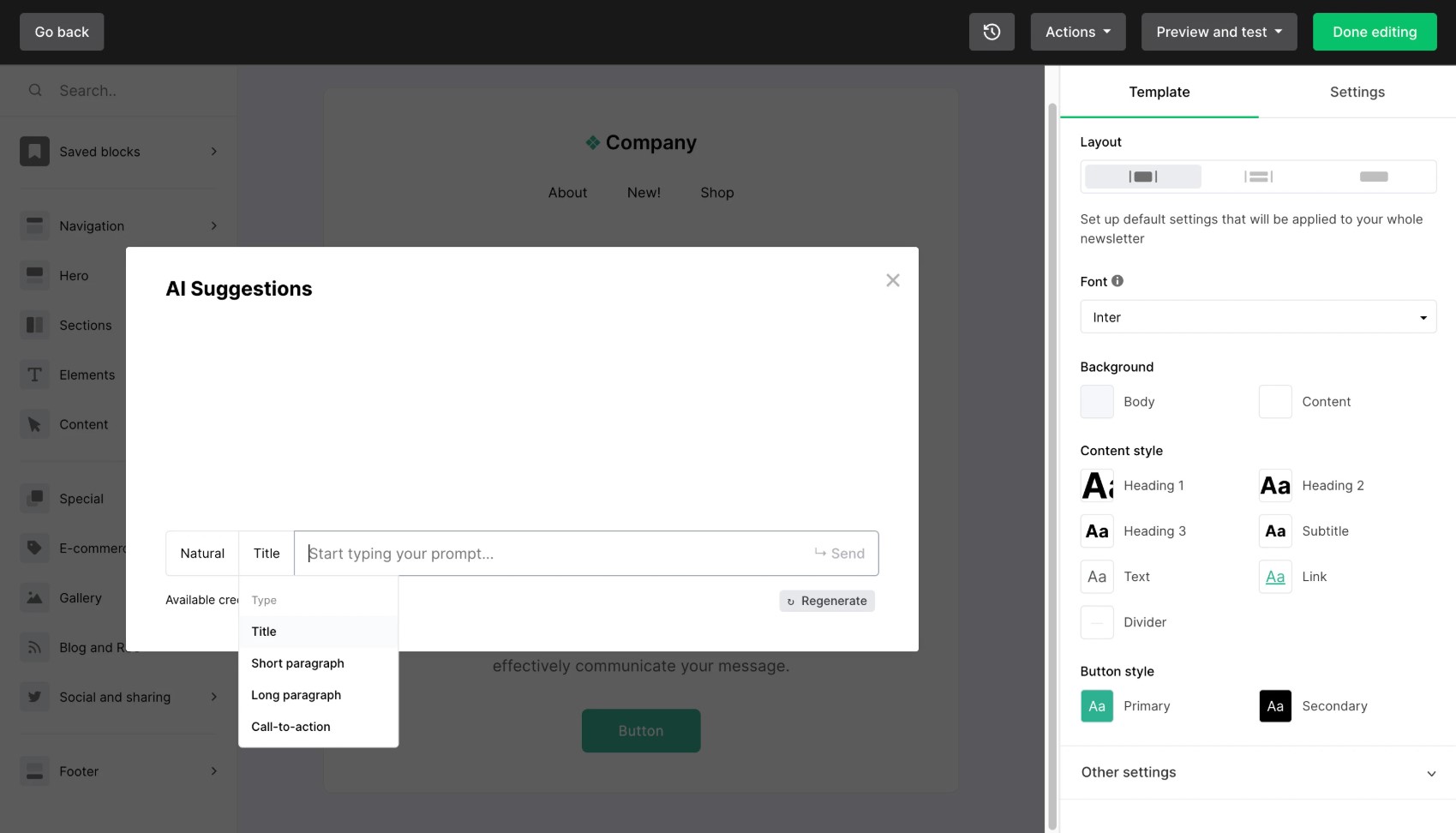
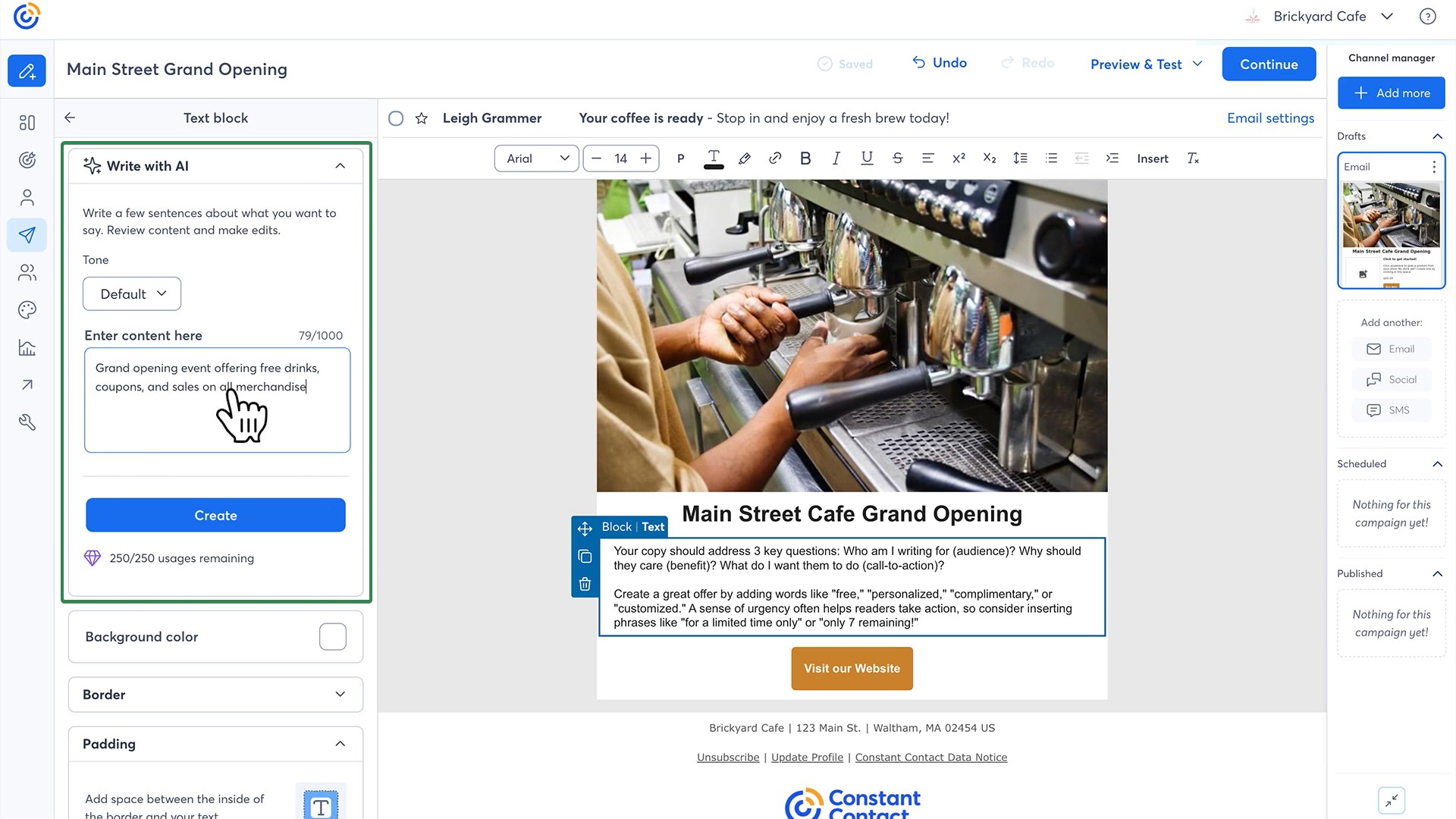
- Constant Contact (G2: 4.2/5) – Best for events: Unique for its built-in event management tools, making it practical for organizations hosting webinars or workshops. It covers email, SMS, social media scheduling, and ad management, with an AI Campaign Builder for content drafting.
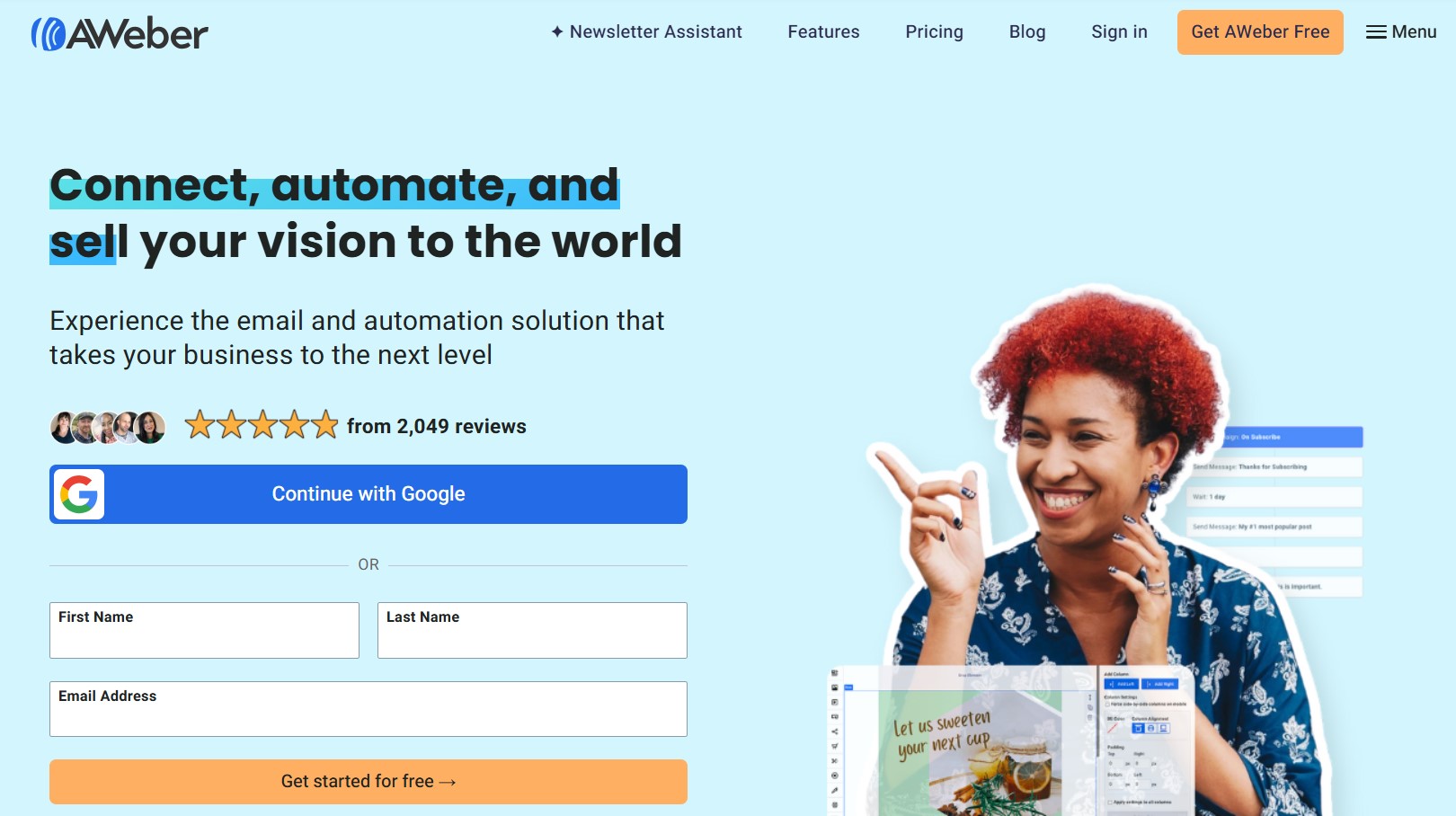
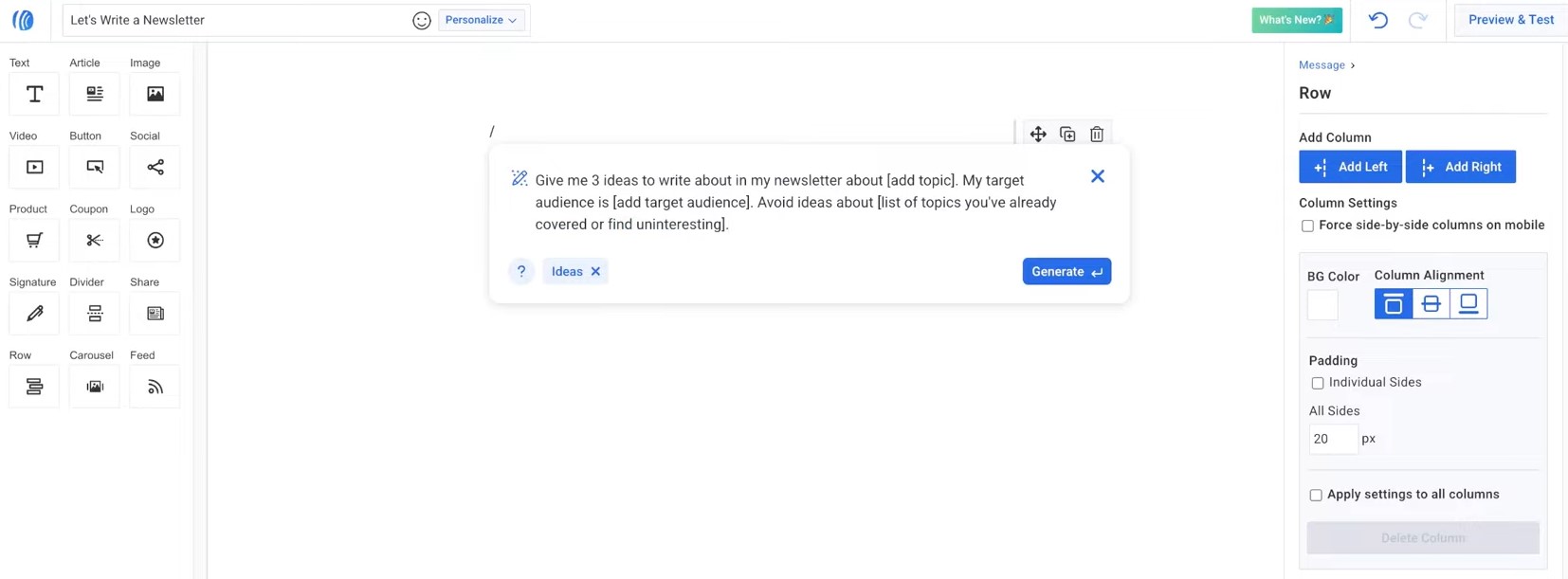
- AWeber (G2: 4.2/5) – Best for small businesses: A long-standing, reliable alternative focusing on simplicity and solid deliverability. It includes email, web push notifications, landing pages, and basic automation, with an AI Writing Assistant.
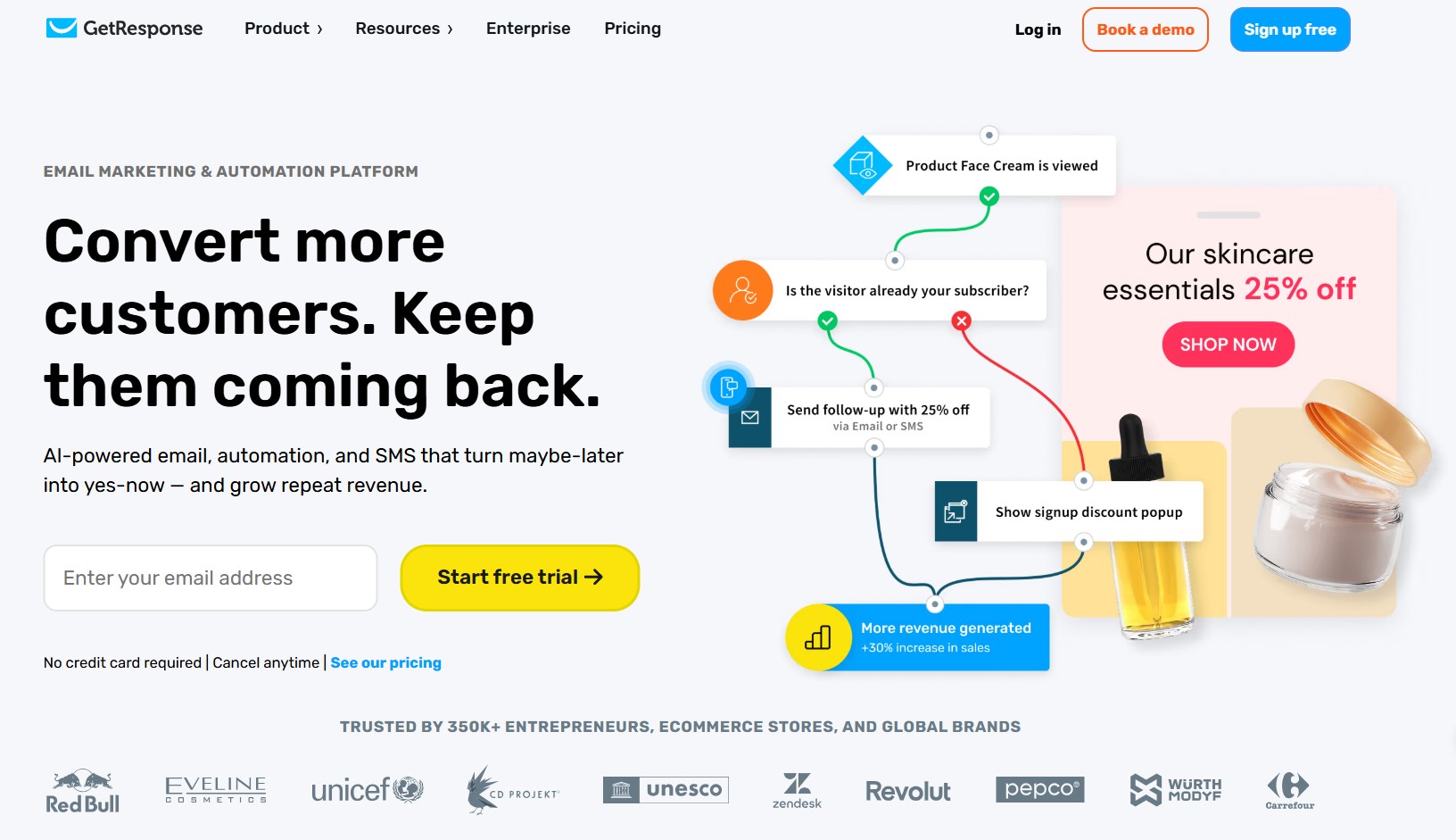
- GetResponse (G2: 4.3/5) – Best for all-in-one funnels: Distinguishes itself with built-in webinar hosting, alongside email, SMS, conversion funnels, and a website builder. AI-powered email generation and subject line suggestions are included.
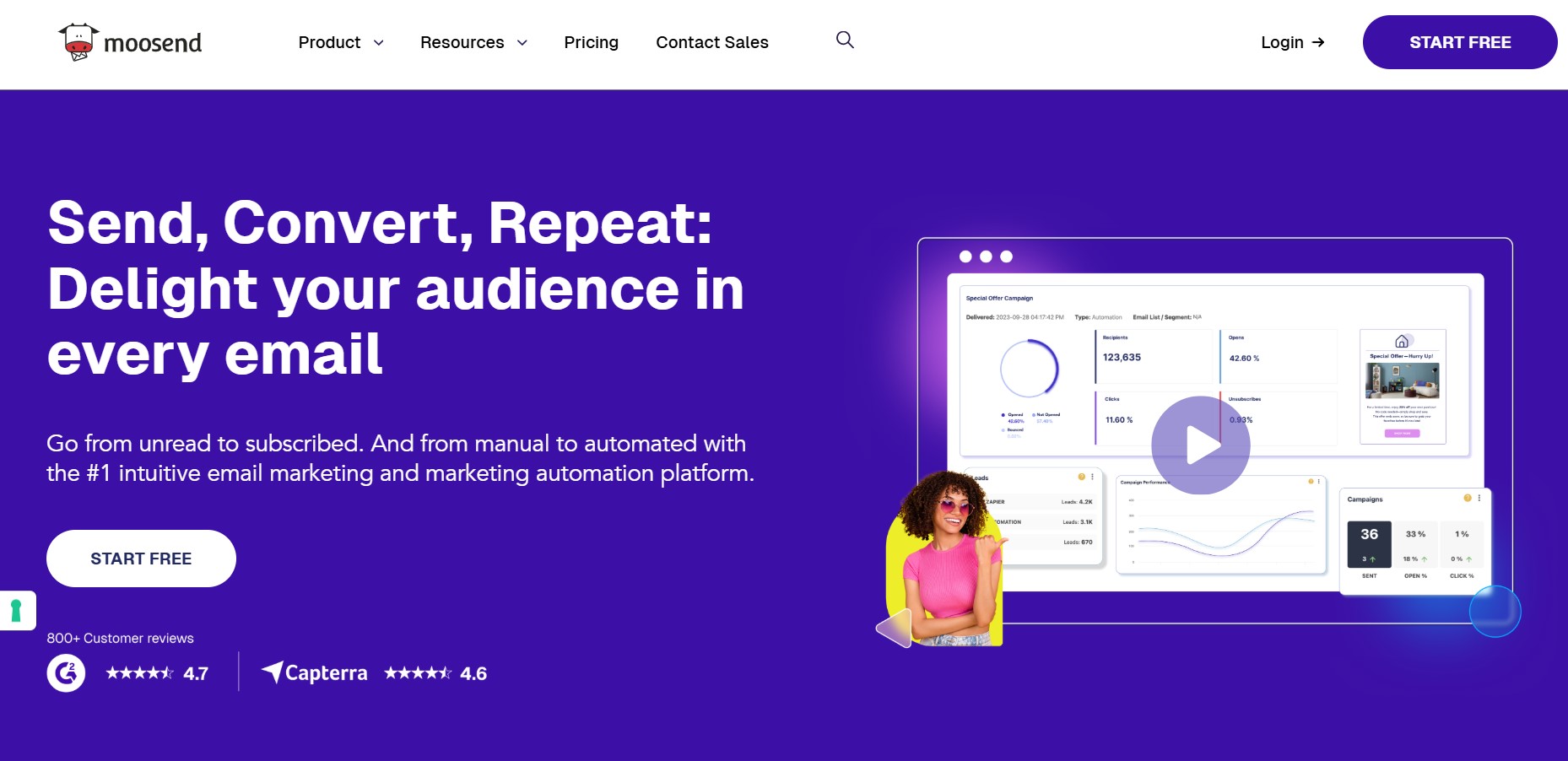
- Moosend (G2: 4.7/5) – Best for budget automation: Offers advanced automation features on every plan, starting at $9/month, making it a cost-effective choice for small businesses. Its AI Writer generates email copy and subject lines, and an AI product recommendation engine personalizes suggestions.
- Kit (G2: 4.4/5) – Best for content creators: Designed specifically for bloggers and creators to build and monetize an audience through email. It supports email, visual automation, landing pages, and digital product sales, including a basic AI subject line generator.
Strategic Considerations for Platform Selection
Choosing the right Campaign Monitor alternative is a strategic decision that can significantly impact campaign outcomes, resource allocation, and overall business growth. Businesses should consider several factors beyond just the feature list:
- Alignment with Business Objectives: The platform must directly support core business goals, whether it’s lead generation, customer retention, increasing average order value, or building community. A clear understanding of these objectives will guide the selection process.
- Scalability and Future-Proofing: The chosen platform should not only meet current needs but also accommodate future growth and adapt to evolving marketing trends. This includes the ability to handle larger contact lists, expand into new channels, and integrate emerging technologies like advanced AI.
- Integration Ecosystem: Seamless integration with existing business tools—such as CRM systems, ecommerce platforms, analytics dashboards, and customer support software—is crucial for a unified data flow and efficient operations.
- Support and Community: Responsive customer support and an active user community can be invaluable resources for troubleshooting, learning best practices, and maximizing platform utility.
- Total Cost of Ownership: Beyond the listed monthly price, consider potential additional costs for advanced features, exceeding contact limits, or transactional emails. A comprehensive cost-benefit analysis, including the time saved through automation and the revenue generated, is essential.
Migration Best Practices
Migrating from Campaign Monitor to a new platform is often more straightforward than anticipated. A structured approach ensures a smooth transition without losing valuable contacts or campaign history:
- Export Contacts: Download your subscriber lists from Campaign Monitor as CSV files, ensuring all custom fields are included.
- Clean Your List: Before importing, clean your list by removing inactive subscribers, bounced emails, and duplicates. This improves deliverability on the new platform.
- Import to New Platform: Import the cleaned CSV files into your chosen alternative, carefully mapping custom fields to ensure data integrity.
- Recreate Key Automations: Set up your essential automation workflows (e.g., welcome series, abandoned cart) on the new platform.
- Test and Launch: Conduct thorough testing of emails and automations before a full launch.
- Update Signup Forms: Replace existing Campaign Monitor signup forms on your website with those from your new platform.
For platforms like Omnisend, Klaviyo, and Mailchimp, the migration process is typically well-supported with clear guides and, in some cases, dedicated migration tools or support teams. Omnisend specifically offers migration assistance for ecommerce businesses.
The Future Outlook of Email Marketing Tools
The trajectory of email marketing platforms points towards deeper AI integration, hyper-personalization at scale, and a continued emphasis on a unified customer experience. Expect further advancements in:
- Generative AI: More sophisticated AI for drafting entire email campaigns, personalizing images, and creating dynamic content blocks.
- Predictive Customer Journeys: AI systems that can predict customer behavior and automatically adapt marketing funnels to optimize for conversion and retention.
- Voice and Conversational AI: Integration with voice assistants and conversational AI for more interactive and personalized customer engagement.
- Enhanced Data Privacy Controls: As regulations evolve, platforms will offer more robust tools for managing data consent and ensuring compliance.
Conclusion
The landscape of email marketing platforms in 2026 is dynamic and competitive, driven by the increasing need for advanced automation, multichannel capabilities, and AI-powered personalization, particularly in the thriving ecommerce sector. While Campaign Monitor retains its niche for basic email sends, its limitations in these critical areas are prompting a widespread search for more robust alternatives.
There is no single "best" alternative, as the ideal choice is deeply dependent on individual business needs, budget constraints, and the specific channels a company intends to utilize. However, for ecommerce businesses seeking a comprehensive and powerful solution, Omnisend stands out. Its purpose-built features for online stores, including multichannel campaigns and a robust free plan with advanced automation, offer exceptional value.
Ultimately, businesses must conduct a thorough evaluation, considering not just the entry price but the overall value, scalability, and strategic alignment of a platform with their long-term growth objectives. Investing time in this decision will ensure that the chosen email service provider becomes a true growth partner in the evolving digital marketplace.
FAQs
Is Campaign Monitor still worth using in 2026?
It depends on your needs. Campaign Monitor works well for agencies and design-focused teams that primarily send straightforward email campaigns. However, if your business requires deep ecommerce automation, advanced AI tools, multichannel marketing capabilities, or a robust free plan, most Campaign Monitor alternatives on this list offer more functionality and better value.
What is the best free Campaign Monitor alternative?
MailerLite offers a decent free plan for general email marketing, providing up to 12,000 emails per month for 500 subscribers. For ecommerce businesses specifically, Omnisend’s free plan is highly competitive, including email, SMS, web push notifications, and pre-built automation workflows, features often reserved for paid tiers on other platforms.
Can I migrate my Campaign Monitor subscribers to a new platform?
Yes. You can export your subscriber list as a CSV file from Campaign Monitor’s settings and then import it into your new platform. Most Campaign Monitor alternatives, including Omnisend, Klaviyo, and Mailchimp, support CSV imports with custom field mapping to ensure all your data is transferred accurately.
Which Campaign Monitor alternative is best for Shopify?
Omnisend and Klaviyo are both purpose-built for Shopify stores, offering extensive integrations and features tailored for online retailers. Omnisend often provides a stronger value proposition, delivering similar ecommerce-specific features at a significantly lower price point, coupled with 24/7 support across all plans.
Does Omnisend have a free plan?
Yes. Omnisend’s free plan is robust, offering access to email, SMS, web push notifications, pre-built automation workflows, popups, signup forms, and 24/7 customer support, with no feature restrictions based on the plan level.
What email marketing platform has the best deliverability?
Based on independent testing, Brevo, Mailchimp, GetResponse, and Campaign Monitor itself all demonstrated excellent deliverability with 99% inbox placement rates. MailerLite achieved 95.2%, and ActiveCampaign scored 94.2%.
Campaign Monitor vs. Klaviyo: Which is better for ecommerce?
In a direct comparison for ecommerce, Klaviyo generally surpasses Campaign Monitor. Klaviyo’s strength lies in its predictive analytics, deep Shopify integration, and advanced AI features, making it a far more powerful choice for online stores that rely on data-driven, personalized email marketing to maximize sales and customer retention.