
 rifanmuazin
In the dynamic landscape of digital commerce, the success of an email marketing campaign hinges not just on compelling content, but crucially, on its ability to prompt specific action from the recipient. The call to action (CTA) serves as the linchpin in this process, transforming passive readers into active participants, whether they are making a purchase, signing up for a service, or exploring further content. This guide delves into the strategic importance of well-crafted email CTAs, outlining best practices for their design, language, and placement to maximize engagement, boost click-through rates, and ultimately, drive revenue for businesses.
The Pivotal Role of Email CTAs in the Digital Conversion Funnel
Email marketing remains a cornerstone of digital strategy for countless businesses, particularly in e-commerce, offering a direct line of communication with a curated audience. However, the sheer volume of emails received daily means that messages must be exceptionally clear and persuasive to cut through the noise. This is where the CTA becomes indispensable. It functions as the explicit instruction, guiding the reader toward the next desired step in their interaction with a brand. Without a clear directive, even the most beautifully designed email or the most engaging copy can leave subscribers confused or unsure, often resulting in them simply closing the message and moving on.

For e-commerce entities, the stakes are particularly high. Every promotional announcement, abandoned cart reminder, product update, or post-purchase follow-up relies heavily on a strategically placed and optimized CTA to redirect traffic back to the online store. The absence of a strong CTA can lead to significant drops in crucial metrics, including click-through rates (CTR) and conversion rates. Industry benchmarks frequently illustrate that emails featuring a distinct, well-designed CTA consistently outperform those lacking one, with optimized campaigns often achieving CTRs ranging from 2% to 5% or even higher for highly targeted segments. This measurable impact underscores the CTA’s direct influence on an organization’s bottom line and overall growth strategy. It simplifies the user journey, ensuring a smooth flow from information consumption to actionable engagement, thereby capitalizing on the reader’s immediate interest.
Crafting High-Impact Email CTAs: A Guide to Persuasive Language
Developing effective email CTAs is less about magic and more about adhering to proven psychological and marketing principles. While the quality of the preceding content is paramount, certain rules consistently enhance CTA performance, allowing them to complement email copy and efficiently drive traffic and conversions.
1. Embrace Clarity and Directness:
The primary objective of a CTA is to eliminate ambiguity. While unique or clever phrasing might seem appealing, it often risks confusing the reader, unless it perfectly aligns with a highly distinctive brand voice and audience. Confusion is a conversion killer. Opt for short, clear, and universally understood phrases that leave no room for misinterpretation. The brain should process the instruction automatically, without conscious effort. Generic commands like "Click here" provide no context, offering little incentive. Instead, explicitly state the desired action and the immediate destination. Examples include:

- Shop Now
- Learn More
- Get Your Discount
- Download the Guide
- Sign Up
- Explore Collection
This directness ensures that recipients understand precisely what awaits them, fostering confidence in their decision to click.
2. Spotlight Value and Benefits:
People are inherently driven by self-interest. A CTA that articulates the benefit or value a reader will receive upon clicking is far more compelling than one that simply demands a task. Benefit-driven CTAs frame the action around the subscriber’s needs, desires, or potential gains, making the choice to engage significantly more appealing. This approach taps into emotional triggers, connecting the product or service with a positive outcome for the customer. Consider the difference:
- Instead of "Buy Products," use "Unlock Your Savings."
- Instead of "View Our Catalog," use "Discover Your Perfect Style."
- Instead of "Subscribe," use "Get Exclusive Insights."
- Instead of "Shop Sale," use "Claim Your Deals."
By focusing on "what’s in it for them," these CTAs naturally increase the likelihood of conversion, creating an emotional connection that transcends a mere transaction.
3. Inject Urgency and Scarcity:
The fear of missing out (FOMO) and the perception of scarcity are powerful psychological motivators. Introducing urgency into CTAs encourages immediate action, preventing procrastination that often leads to missed opportunities. When customers know that an offer is time-limited or a product is in short supply, the incentive to act quickly dramatically increases. Phrases that convey a sense of immediacy can be highly effective:

- Shop Before It’s Gone
- Limited Stock – Act Now!
- Offer Ends Tonight
- Don’t Miss Out
- Secure Your Spot
- Last Chance to Save
These phrases communicate that hesitation could result in a lost benefit, effectively driving faster conversions by preempting delay.
4. Prioritize Brevity and Visual Appeal:
CTAs should be concise. Long, convoluted sentences are unsuitable for button text, which needs to be processed at a glance. The ideal length for a button CTA is typically 2-4 words. While text-based hyperlinks within a detailed email might warrant slightly more descriptive phrasing (up to 20 words if absolutely necessary), the guiding principle for buttons is instant comprehension. The visual presentation—font size, color, and surrounding white space—must also ensure that the message is visually appealing and scannable, allowing the audience to instantly grasp the instruction.
5. Align CTA with the Email’s Overarching Goal:
Consistency is key. The CTA must seamlessly integrate with the natural flow and primary objective of the email. A welcome email, for instance, might aim to introduce the brand story, making "Explore Our Story" or "Meet Our Founders" a fitting CTA. Conversely, a promotional email built around a limited-time discount should feature an action-oriented CTA like "Claim Your 20% Off" or "Shop the Sale." A mismatch—such as following a message about brand values with a blunt "Buy Now"—can appear pushy, disrupt the user experience, and erode trust. The CTA should always be the logical next step, reinforcing the message that precedes it.
Strategic Placement: Maximizing CTA Visibility and Impact
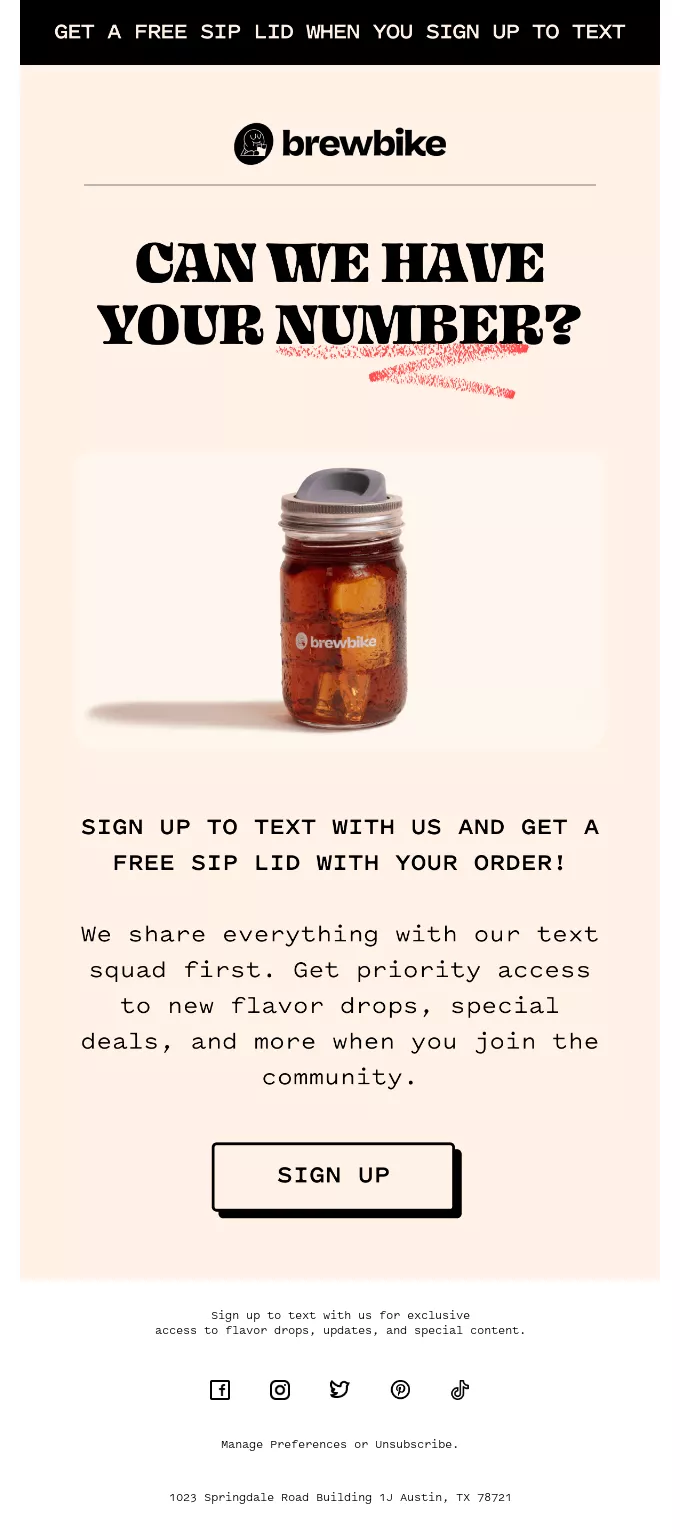
Beyond compelling copy, the physical placement of a CTA within an email is critical for its effectiveness. Strategic positioning ensures maximum visibility and alignment with the reader’s journey through the content.
1. Above the Fold: The Immediate Hook
Placing a CTA "above the fold" means it’s visible without the user needing to scroll down. This is arguably the most valuable real estate in an email, especially given that many recipients only glance at messages for a few seconds. This prime position immediately draws attention to the main offer or goal, making it exceptionally effective for urgent promotions, critical announcements, or primary calls to action that require immediate visibility. For mobile users, where screen real estate is even more limited, an above-the-fold CTA becomes paramount.
2. Mid-Content Integration: Guiding the Narrative
For longer emails, such as newsletters, educational content, or detailed product showcases, placing a CTA within the middle of the content can be highly effective. This allows the email to build context, explain value, or share a compelling story before prompting action. Mid-content CTAs work well when the reader needs more information to make an informed decision. Interestingly, some businesses have found success with text-based hyperlink CTAs embedded within the narrative. A notable case study from CA Design, a premium Irish furniture retailer, revealed that text-based hyperlinks in the middle of content sometimes achieved click-through rates exceeding 5%, significantly higher than the 1.5% observed for button-centric campaigns. This suggests that for certain content types, such as detailed newsletters or educational pieces, an organic, embedded link can foster greater engagement, though conversion tracking remains crucial to assess ultimate sales impact. As Harry Kelly, Ecommerce Manager at CA Design, noted, "We noticed that text links get clicked a lot more than buttons, but those clicks don’t always translate to sales – so we’re always fine-tuning our approach."
3. End-of-Email Placement: The Conclusive Call
A CTA at the very end of an email serves as a logical conclusion, ideal for comprehensive campaigns where the reader needs to consume all information before deciding. Once they have finished reading a story, reviewed product specifications, or absorbed all the details, this final button provides a clear, actionable next step. It acts as a powerful final reminder, targeting those subscribers who have fully engaged with the entire message.
Multiple CTAs vs. Single CTA: A Balanced Approach
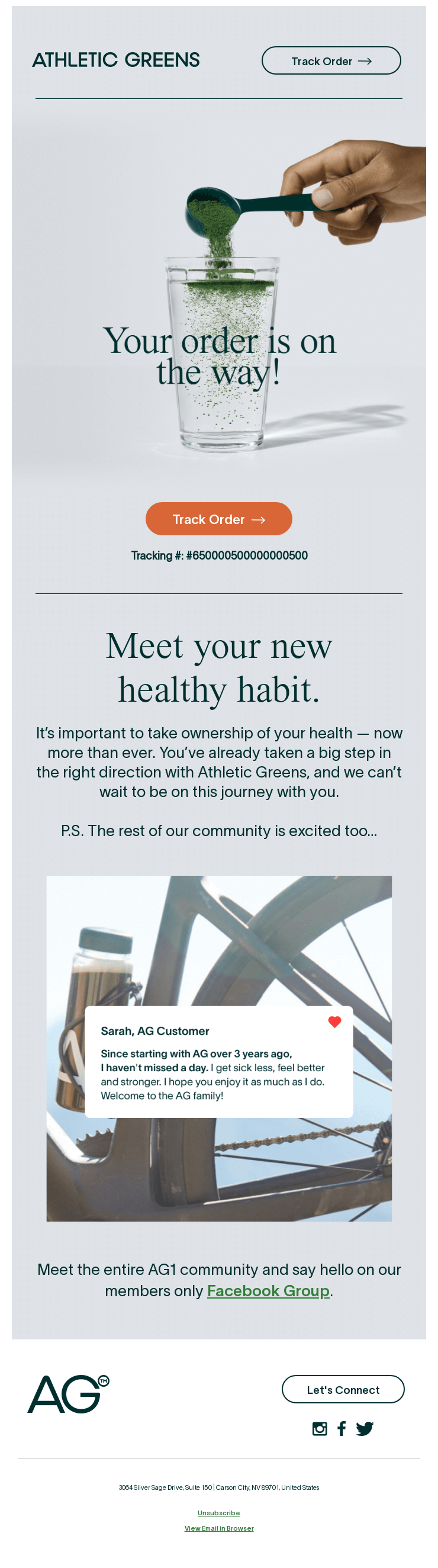
The debate between single versus multiple CTAs per email is ongoing. While some marketers advocate for a single CTA to maintain focus and prevent decision paralysis, others prefer multiple CTAs for varied content. The optimal approach often depends on the email’s purpose. Longer newsletters with diverse product categories or content sections can benefit from multiple, distinct CTAs, each linking to relevant pages, ensuring clarity and preventing confusion. Conversely, a single, dominant CTA is superior when the email has one specific goal, maintaining hyper-focus on a singular product or offer. Regardless of the quantity, each CTA must be visually distinct and easily understood. Utilizing intuitive email builders with drag-and-drop functionality, like Omnisend, allows marketers to experiment with different layouts and CTA styles to find the perfect balance.
Common Pitfalls: Avoiding Detractors to CTA Effectiveness
Even meticulously planned campaigns can falter due to common CTA errors that undermine their potential.
1. Using Vague or Generic CTA Copy:
Buttons with generic phrases like "Click here" or "Submit" provide no directional value and fail to inform the subscriber about the destination or benefit. This lack of clarity can significantly reduce click-through rates and create hesitation. It also represents a missed opportunity to build emotional connection or reinforce value. Always opt for specific, action-oriented verbs that clearly convey the purpose and value proposition. This not only enhances user experience but also improves accessibility, as screen readers can better interpret the link’s purpose.
2. Overloading with Too Many CTAs:
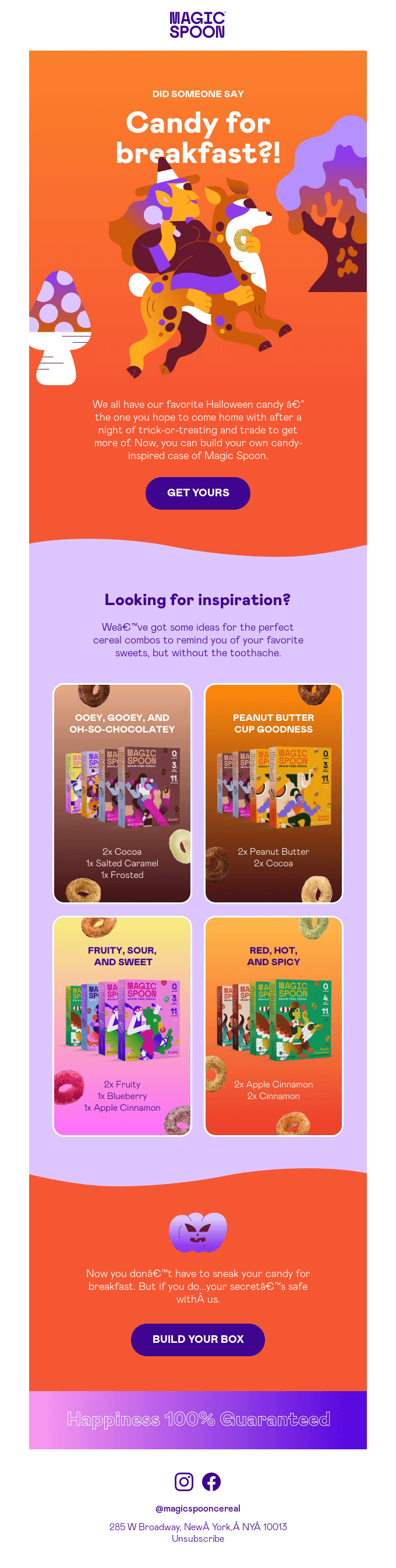
While it’s acceptable to include multiple product links in a large newsletter, bombarding subscribers with too many distinct calls to action can lead to "decision paralysis." When faced with an overwhelming number of choices, recipients often become overwhelmed and simply close the email without taking any action. The primary offer should always remain the clear focal point, guiding the audience’s attention and simplifying their decision-making process.
3. Poor Design or Low Contrast:
A CTA must visually stand out from the rest of the email content. If it blends in with the background, uses a similar font, or lacks sufficient contrast, it becomes difficult to locate and click. This poor user experience forces subscribers to actively search for the action button, which is detrimental to engagement. Employ contrasting colors, a prominent font, bold formatting, and adequate white space to ensure the CTA is immediately noticeable and accessible. Adhering to web accessibility guidelines (e.g., WCAG contrast ratios) is also a best practice.
4. Misalignment Between CTA and Email Content:
The CTA must be in perfect harmony with the email’s content and overall design. An email discussing brand values or a vision statement should not abruptly conclude with a "Buy Now" button. Such a mismatch appears pushy, incongruous, and can undermine the positive sentiment cultivated earlier in the message. The entire email should flow organically, with the CTA serving as a logical and non-disruptive progression of the narrative, reinforcing the message rather than contradicting it.
The Broader Impact and Future of CTA Optimization

The continuous optimization of email CTAs is not a one-time task but an ongoing process vital for sustained e-commerce growth. Effective CTAs do more than just drive immediate sales; they contribute to building stronger customer relationships, fostering brand loyalty, and enhancing the overall customer lifetime value (CLTV). By consistently refining CTA strategies through A/B testing—experimenting with different copy, colors, sizes, and placements—businesses can gain invaluable insights into their audience’s preferences and behavioral triggers.
The future of CTA optimization will likely see even greater integration of artificial intelligence (AI) and machine learning. These technologies can analyze vast datasets of user behavior to predict optimal CTA phrasing, timing, and personalization for individual segments or even single users. This allows for hyper-targeted CTAs that resonate more deeply, driving even higher engagement and conversion rates. As digital marketing evolves, the fundamental principle of a clear, compelling call to action will remain central to translating engagement into tangible business results, ensuring that every email sent serves its ultimate purpose.
Ready to Refine Your Email CTAs?
A meticulously crafted call to action is undoubtedly a cornerstone for driving revenue and maximizing the effectiveness of your email marketing campaigns. With a wealth of examples and best practices at your disposal, the next step is implementation. Platforms like Omnisend offer robust features designed to facilitate the creation of high-converting emails without requiring a steep learning curve. The intuitive drag-and-drop interface allows marketers to focus on strategic content and CTA design, rather than technical overhead. Omnisend’s track record, with customers reportedly earning an average of $79 back for every $1 spent, underscores the value of an optimized email marketing approach. Furthermore, access to award-winning 24/7 customer support, irrespective of account size or plan tier, ensures that businesses have the resources needed to continuously improve their campaigns. Start building better campaigns today with a free plan that provides full access to essential e-commerce-focused features.

Email CTA FAQs
What is a CTA in email marketing?
A call to action (CTA) in email marketing is a specific instruction designed to tell your subscribers what desired action to take next. Typically presented as a button or a hyperlink, its purpose is to guide readers toward a specific objective, such as visiting a product page, completing a purchase, signing up for a newsletter, or downloading a resource, thereby converting passive readers into engaged customers.
What constitutes an effective email CTA?
An effective email CTA is characterized by clear, action-oriented language that highlights the value or benefit for the reader. It should be concise, visually prominent with high contrast against the email background, and perfectly aligned with the overall goal and content of the email campaign to ensure a seamless user experience.
How many CTAs should an email have?
While longer newsletters or product catalogs might naturally incorporate multiple links to different sections or products, it is generally recommended to have one primary call to action that stands out. Focusing on a single main objective prevents decision paralysis and clearly guides your subscribers toward the most important action you want them to take.
Should email CTAs be buttons or links?
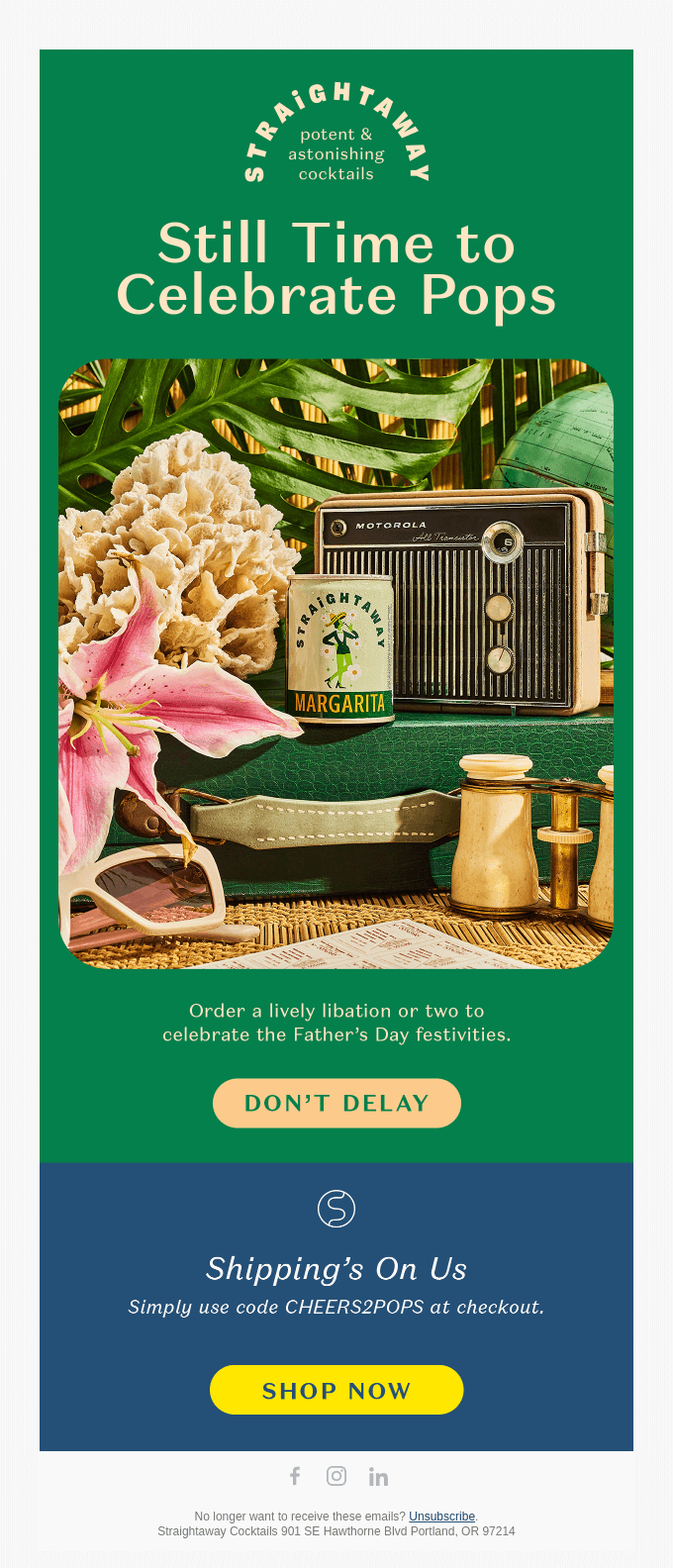
Buttons are often the preferred choice for CTAs due to their visual prominence and clickability, especially on mobile devices. However, as evidenced by case studies like CA Design’s experience, text-based hyperlinks embedded within the content can sometimes achieve higher click-through rates, particularly in informational or narrative-driven emails. The best approach is to experiment with both formats and analyze your audience’s response to determine which variation performs best for different types of email content and campaign goals.









