

In the increasingly competitive landscape of digital communication, the strategic integration of social proof within email marketing campaigns has emerged as a critical driver for increasing engagement, sign-ups, and ultimately, sales. This approach, rooted deeply in human psychology, provides compelling evidence that others have already embraced and benefited from a product, service, or content, thereby influencing prospective customers to follow suit. Applied across the entire email marketing lifecycle—from initial subscription forms to welcome sequences and ongoing promotional messages—social proof acts as a powerful, third-party endorsement that significantly boosts credibility and conversion rates.
The Psychological Underpinnings of Social Proof
The efficacy of social proof is not merely a marketing trend but a manifestation of fundamental human psychological principles. Pioneered by psychologist Robert Cialdini in his seminal work "Influence: The Psychology of Persuasion," social proof posits that people are more likely to adopt a belief or engage in an action if they see others doing it. This phenomenon is closely related to the "fear of missing out" (FOMO), where individuals feel apprehension about being excluded from experiences that others are enjoying. Beyond FOMO, social proof taps into our innate desire for social validation and conformity, especially in situations of uncertainty.
When confronted with a decision—whether to subscribe to a newsletter, purchase a product, or engage with a brand—individuals naturally seek guidance from their peers. In the digital realm, where direct personal recommendations may be scarce, consumers turn to aggregated evidence from strangers: online reviews, social media comments, testimonials, and numerical indicators of popularity. This collective affirmation mitigates perceived risks, builds trust, and provides a shortcut to decision-making, effectively allowing the collective wisdom of others to do the convincing work that a brand might otherwise struggle to achieve through self-promotion alone. Instead of asserting a product’s value, brands demonstrate it through the authentic experiences of their existing customer base, fostering a sense of community and reliability that resonates deeply with potential buyers.
A Chronological Application Across the Customer Journey
The strategic deployment of social proof is most effective when integrated thoughtfully at various touchpoints throughout the customer’s email journey. This systematic approach ensures that trust is built incrementally, reinforcing the brand’s value proposition at each stage.
1. Pre-Subscription Phase: Optimizing Signup Forms and Landing Pages
Before a potential subscriber even receives an email, social proof can be instrumental in securing their initial commitment. Placing a compelling testimonial or a clear statistic directly adjacent to a signup form addresses the unspoken question in every visitor’s mind: "Is this worth my inbox space and attention?" A concise, impactful quote from a satisfied subscriber, ideally accompanied by their name, title, and a professional photo, can significantly enhance conversion rates. For instance, a testimonial stating, "This newsletter transformed my marketing strategy, leading to a 20% increase in leads within months," from "Jane Doe, CEO of InnovateTech Solutions," holds far more weight than a generic call to action. For nascent businesses lacking extensive reviews, quantitative social proof, such as "Join 500 fellow entrepreneurs" or "Trusted by 1,000 creators," can still convey momentum and establish a nascent community.
2. Onboarding Phase: Reinforcing Trust in Welcome Emails
The welcome email is the critical first impression after subscription, serving to confirm enrollment, set expectations, and encourage continued engagement. This is an opportune moment to further solidify the new subscriber’s decision and prevent them from relegating future emails to the promotions tab. Integrating a fresh piece of social proof—distinct from what was displayed on the signup form—within the welcome email can be highly effective. A well-placed customer review or testimonial can validate their choice, deepen their connection with the brand, and motivate them to explore content or offers. This initial reinforcement builds foundational trust, signaling that they have joined a valued community.
3. Engagement & Nurturing Phase: Pairing Sales Pitches with Proof in Promotional Emails
For promotional emails, social proof transitions from trust-building to direct conversion driving. Every sales pitch, whether for a course, product, or service, becomes exponentially more persuasive when accompanied by authentic evidence of its efficacy. For example, an email promoting a financial literacy course could detail its curriculum and benefits, then include a testimonial like, "I cleared my student loans eight months after completing this course—it truly changed my financial future." The specificity of such a testimonial resonates more powerfully than vague claims of product superiority.
Furthermore, brands can leverage case study emails, dedicating an entire message to a customer’s success story. These narratives detail a problem, how the product provided a solution, and the measurable positive outcomes. This not only provides compelling proof but also offers a valuable content format for marketers struggling with content generation, allowing customers’ experiences to craft the narrative.
4. Retention & Advocacy Phase: Driving Referrals and Recovering Abandoned Carts
Social proof extends its utility to fostering advocacy and recovering lost sales.
- Referrals: The original form of social proof, recommendations from friends, can be amplified by incorporating trust badges and awards into emails. By including a short section asking subscribers to forward valuable content to friends or colleagues, and backing this request with badges of industry recognition, brands can encourage sharing. Subscribers are more inclined to share content when it reflects positively on their own judgment, and award badges lend an air of authority and credibility to the shared material.
- Abandoned Carts: For customers who have added items to their cart but not completed a purchase, an abandoned cart email series can be crucial. These emails should be concise but impactful, and integrating social proof can provide the final nudge. A brief, positive social media shout-out, a screenshot of a glowing review, or a relatable user-generated photo can address lingering doubts, inject a dose of humor, and remind the potential buyer of the product’s desirability and the positive experiences of others. This lowers the pressure while reinforcing the value of the item they almost purchased.
Diverse Forms of Social Proof: A Comprehensive Overview
The types of social proof available to marketers are varied, each offering unique strengths and applications:
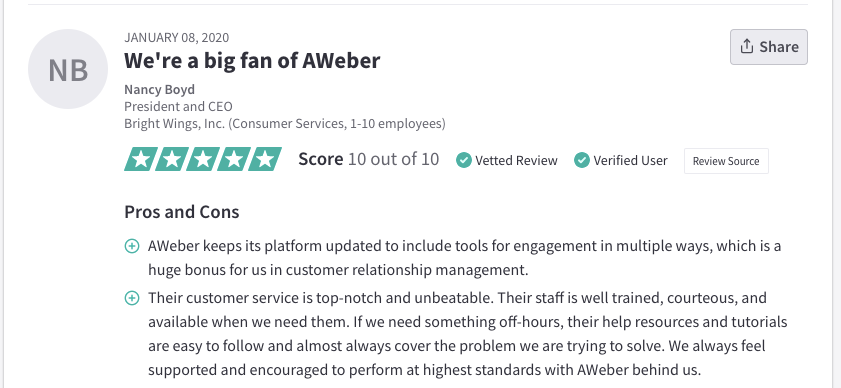
- Customer Reviews: These are direct feedback from users, often found on third-party platforms like Trustpilot, Google Reviews, Yelp, Amazon, or industry-specific sites. Their authenticity is high due to independent hosting, making them highly credible. Aggregating and showcasing these reviews, especially those with high star ratings, provides immediate social validation.
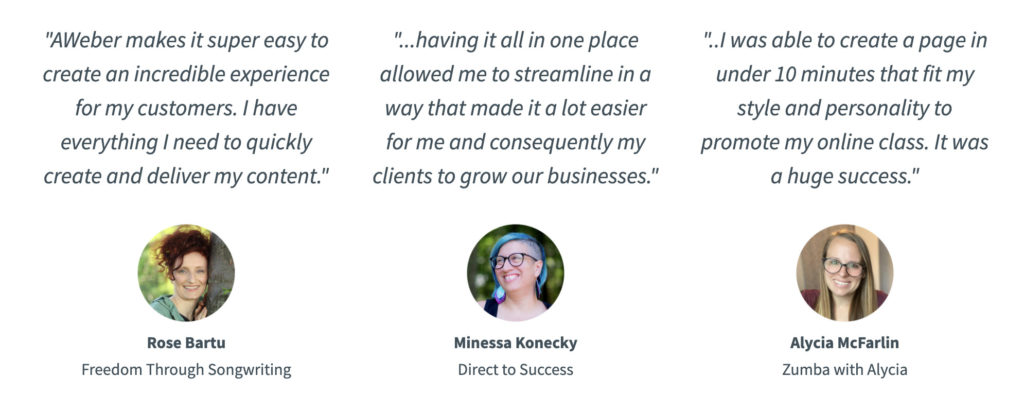
- Testimonials: Unlike unprompted reviews, testimonials are quotes actively solicited from satisfied customers. They are most effective when specific, detailing the benefits and outcomes, and accompanied by the customer’s name, photo, and relevant affiliation (e.g., "Founder of a 6-figure Etsy shop"). These can be curated to highlight particular aspects of a product or service.
- Case Studies: These are in-depth narratives illustrating a customer’s journey, from an initial problem to the successful resolution achieved through the brand’s offering. Case studies provide rich, detailed proof, particularly valuable for complex products or B2B services, demonstrating tangible ROI and specific impact.
- Customer Data/Metrics: Quantitative proof, such as "Join 25,000 subscribers," "4.8/5 stars from 2,000 reviews," or "Trusted by 300,000 creators," leverages the power of numbers. Large numbers signify popularity and broad acceptance, triggering the psychological principle that if many people use it, it must be good.
- Social Media Feedback: Screenshots of positive posts, comments, mentions, or direct messages from real users on platforms like X (formerly Twitter), Instagram, or Facebook offer raw, authentic, and often relatable proof. This form of proof highlights active community engagement and real-time positive sentiment.
- Expert and Influencer Endorsements: Recommendations from recognized authorities or influencers within an industry carry significant weight. Their credibility transfers to the endorsed product or service, influencing their followers who trust their judgment.
- Award and Trust Badges: Industry awards, certifications, security badges (e.g., SSL certificates), and inclusion in "best of" lists convey legitimacy, professionalism, and reduce perceived risk. These visual cues build immediate trust and assure customers of quality and security.
- User-Generated Content (UGC): Photos, videos, or creative content produced and shared by customers showcasing their experience with a product. UGC is highly authentic and relatable, often outperforming branded content in terms of engagement and trust. It humanizes the brand and creates a sense of community.
For new businesses without an extensive history of reviews, starting with customer data (e.g., "Join 500 happy subscribers") or actively soliciting brief, one-line testimonials from early, satisfied customers can kickstart the process. The key is to obtain even one credible voice to initiate the cycle of trust.
Industry Perspectives and Facilitating Tools
Leading email marketing platforms recognize the immense value of social proof and are increasingly integrating features to help users leverage it effectively. Platforms like AWeber, for instance, offer AI-powered signup form builders and email templates that include dedicated testimonial blocks. This democratizes access to sophisticated marketing techniques, allowing businesses of all sizes to easily incorporate social proof without extensive design or coding expertise. The trend reflects a broader industry shift towards more authentic, customer-centric marketing, where the voice of the user is amplified and prioritized over purely brand-driven messaging. This evolution is vital for cutting through digital noise and fostering genuine connections with audiences.
Broader Impact and Ethical Considerations
The implications of effectively integrating social proof extend beyond immediate conversions. For new businesses, it provides a vital shortcut to establishing credibility in a crowded market, allowing them to compete more effectively against established players. It transforms marketing from a monologue into a dialogue, where the experiences of real people validate the brand’s promises.
However, the power of social proof comes with significant ethical responsibilities. Authenticity is paramount. Fabricated reviews or misleading statistics can severely damage a brand’s reputation and erode customer trust, the very asset social proof aims to build. Transparency about how testimonials are collected and ensuring they accurately represent customer experiences are crucial for long-term success.
Looking ahead, the evolution of social proof will likely intertwine with advancements in AI and personalization. AI could potentially help identify the most relevant social proof for individual segments of an audience, or even generate dynamic content based on real-time user sentiment. Interactive email formats might allow subscribers to explore reviews or case studies directly within the email, enhancing engagement further.
In conclusion, social proof is not merely an optional add-on but a fundamental pillar of modern email marketing strategy. By understanding its psychological roots and systematically deploying various forms of evidence across the customer journey, businesses can significantly enhance their email effectiveness, driving higher clicks, sign-ups, and sales, and ultimately building stronger, more trusted relationships with their audience. The choice for marketers is clear: proactively integrate compelling social proof into every email interaction, or risk leaving prospects to seek validation elsewhere, beyond the brand’s control.








