rifanmuazin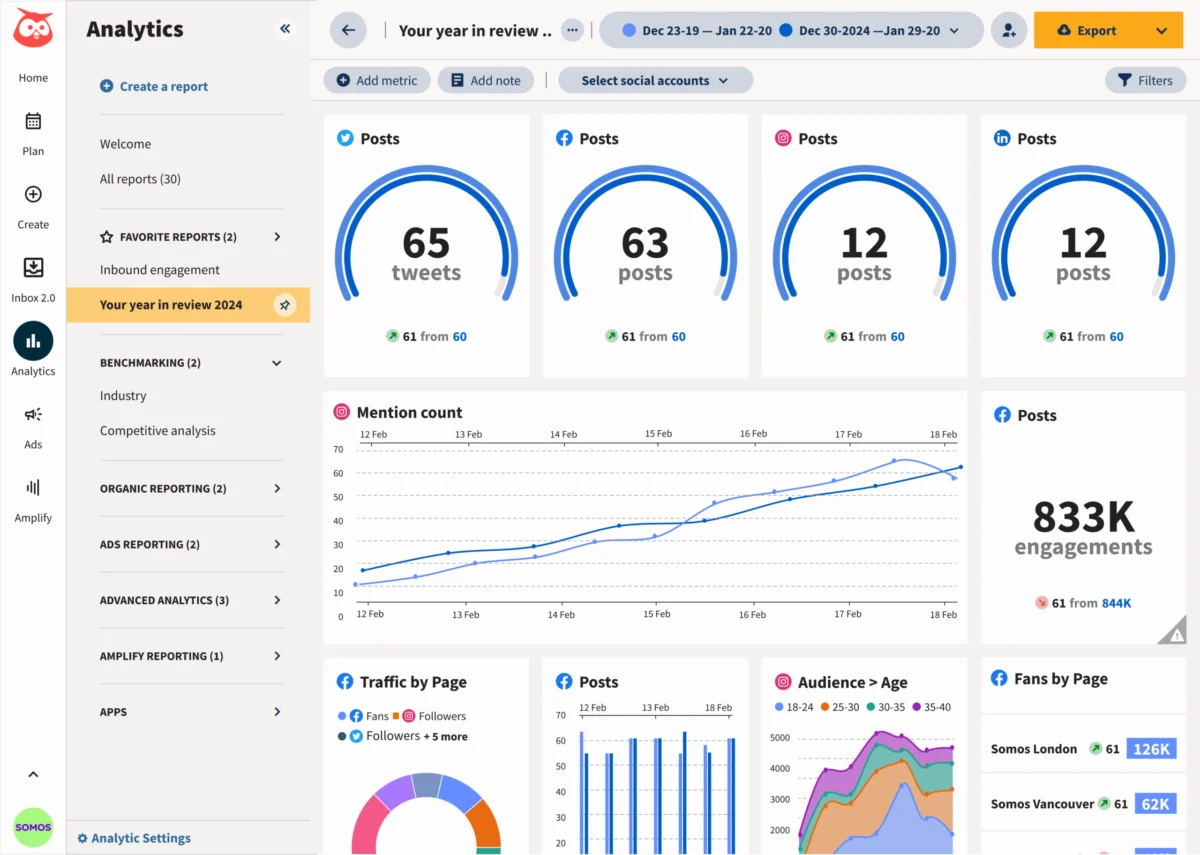
In an increasingly digitized global marketplace, the strategic articulation of social media goals has become an indispensable component of any robust business strategy. These goals, representing the desired outcomes of a brand’s digital presence, provide essential direction to marketing efforts and serve as the benchmark for measuring efficacy and return on investment. The distinction between broad goals, specific objectives, and actionable tactics is fundamental: goals delineate overarching aspirations, objectives set precise, quantifiable targets within those goals, and tactics define the concrete steps taken to achieve them. When these elements are meticulously aligned, an organization gains unparalleled clarity on what constitutes success and the precise pathway to attain it.
The Evolving Landscape of Digital Marketing and the Imperative of Goal Setting
![How to set social media goals in 2026 [10 examples]](https://blog.hootsuite.com/wp-content/uploads/2026/05/How-to-set-social-media-goals-in-2026-.png)
The trajectory of social media from a nascent, experimental platform to a sophisticated, integral marketing channel has fundamentally reshaped corporate communication and commerce. Early forays into social media marketing often lacked structured objectives, treating platforms as supplementary rather than central to business growth. However, with the exponential growth of user bases, the diversification of platforms, and the increasing sophistication of analytical tools, a more rigorous approach has become not merely beneficial but critical. Industry analysts widely agree that without clearly defined social media goals, marketing efforts risk becoming directionless, resulting in wasted resources and an inability to demonstrate tangible business value. For enterprise-level teams, this clarity is particularly vital, forming the bedrock for scalable social strategies, justifying budget allocations, fostering alignment across diverse departments, and facilitating transparent performance reporting to executive leadership. Beyond mere activity generation, well-defined goals ensure that social media initiatives contribute directly to core business objectives, influencing everything from brand perception to revenue generation.
The Strategic Pillars: Why Defined Goals Drive Business Outcomes
The significance of setting clear social media goals extends far beyond simple performance tracking. These strategic anchors provide focus, enable precise measurement, and ensure that every social media activity is purpose-driven. According to recent industry surveys, businesses that establish specific, measurable social media goals are demonstrably more likely to report higher returns on their digital marketing investments compared to those operating without such frameworks. This enhanced accountability and strategic direction translate into several key benefits:
![How to set social media goals in 2026 [10 examples]](https://blog.hootsuite.com/wp-content/uploads/2026/05/How-to-set-social-media-goals-in-2026--556x556.png)
- Optimized Resource Allocation: Clear goals help prioritize efforts, ensuring that marketing spend and team bandwidth are directed towards initiatives with the highest potential impact.
- Enhanced Cross-Functional Alignment: Defined objectives facilitate better communication and collaboration between marketing, sales, product development, and customer service teams, ensuring a unified brand message and integrated customer experience.
- Improved Decision-Making: With concrete metrics tied to goals, organizations can make data-driven decisions, adjusting strategies and tactics based on real-time performance insights.
- Stronger Budget Justification: Demonstrating the direct link between social media activities and business outcomes strengthens the case for continued investment and potential budget increases.
- Competitive Advantage: Companies with well-articulated social media strategies can adapt more quickly to market shifts and competitor actions, maintaining a proactive stance in the digital sphere.
While ancillary benefits such as growing follower counts are often observed, these should be viewed as outcomes of a well-executed strategy rather than the primary motivators for goal setting.
A Structured Approach: Implementing the SMART Framework for Measurable Success
The process of establishing effective social media goals, though nuanced, follows a structured methodology that marketing professionals can apply across various career contexts. This five-step approach, widely endorsed by marketing strategists, ensures that goals are not only ambitious but also attainable and impactful.
![How to set social media goals in 2026 [10 examples]](https://cdn.airops.com/rails/active_storage/blobs/proxy/eyJfcmFpbHMiOnsiZGF0YSI6MTY5MDIwMzQ1LCJwdXIiOiJibG9iX2lkIn19--98b840e78726f21e34503c5d7e358310922582c4/NEW%20Analytics.png)
-
Alignment with Overarching Business Objectives:
The foundational step involves a deep introspection into the organization’s broader business challenges and strategic priorities for the upcoming period. This requires asking fundamental questions: What critical problems does the business aim to resolve? What strategic advantages could the business most benefit from in the coming year? For instance, if a company is grappling with low brand recognition in a new geographical market, social media goals should be specifically tailored to build awareness within that region. Similarly, if the primary business objective is to increase online sales, social media efforts must funnel users towards conversion pathways. By ensuring direct alignment, social media initiatives transcend mere digital presence to become powerful drivers of core business success. -
The SMART Goal Paradigm:
Once general business objectives are identified, the next crucial step is to refine these into attainable social media goals using the widely recognized SMART framework. This acronym ensures that each goal is:- Specific: Clearly defined, avoiding vague language. For example, instead of "increase engagement," a specific goal would be "increase Instagram comments."
- Measurable: Quantifiable, allowing for tracking of progress. "Increase Instagram comments by 20%."
- Achievable: Realistic and attainable within the given resources and timeframe. A 20% increase might be achievable, while a 200% increase might not.
- Relevant: Directly aligned with the broader business objectives. Increased Instagram comments should contribute to overall brand health or customer insights.
- Time-bound: Associated with a specific deadline. "Increase Instagram comments by 20% by the end of Q3."
SMART goals provide a rigorous litmus test, transforming abstract ambitions into concrete, actionable targets. Examples include "Grow LinkedIn followers by 15% in the next six months to enhance professional network reach" or "Increase click-through rates from Facebook ads to product pages by 10% in Q4 to boost e-commerce sales."
-
Identifying Key Performance Indicators (KPIs) and Metrics:
With SMART goals established, the focus shifts to identifying the precise metrics and Key Performance Indicators (KPIs) that will gauge progress. The selection of KPIs is intrinsically linked to the specific goal. For instance, a goal centered on driving website traffic from social platforms would prioritize metrics like referral traffic, unique visitors from social channels, and conversion rates originating from social links. Conversely, a brand awareness goal would necessitate tracking metrics such as post reach, impressions, follower growth rate, and social share of voice. Common metrics span various categories:![How to set social media goals in 2026 [10 examples]](https://cdn.airops.com/rails/active_storage/blobs/proxy/eyJfcmFpbHMiOnsiZGF0YSI6MjgyNDgyMjcxLCJwdXIiOiJibG9iX2lkIn19--af72520ce7dbcb7eff051e22ee55eff080794825/image.png)
- Awareness: Reach, impressions, follower count, brand mentions.
- Engagement: Likes, comments, shares, saves, engagement rate, average time spent viewing content.
- Conversion: Click-through rate (CTR), lead form submissions, website conversions (e.g., purchases, sign-ups), bounce rate.
- Customer Service: Response time, resolution rate, customer satisfaction (CSAT) score.
A comprehensive understanding of available social media metrics, often accessible through native platform analytics or integrated social media management dashboards, is essential for informed KPI selection.
-
Developing Actionable Tactics:
Once the destination (goals) and the navigational tools (KPIs) are clear, the next step involves charting the specific actions—tactics—that will facilitate reaching those goals. This brainstorming phase should generate a diverse range of activities tailored to each platform and target audience. Tactics might include:- Content Strategy: Developing a content calendar, creating diverse content formats (video, infographics, polls), implementing specific hashtag campaigns.
- Paid Social Advertising: Running targeted ad campaigns to boost reach or drive conversions.
- Influencer Marketing: Collaborating with relevant influencers to expand brand reach and credibility.
- Community Management: Proactive engagement with comments, messages, and user-generated content.
- Live Sessions: Hosting Q&A sessions, product demonstrations, or industry discussions.
- Partnerships: Cross-promotion with complementary brands or organizations.
- Optimizing Posting Schedules: Analyzing audience activity patterns to maximize visibility.
The selection of tactics should be dynamic and iterative, adapting as performance data becomes available.
-
Continuous Execution, Measurement, and Optimization:
The final stage is the cyclical process of execution, ongoing measurement, and strategic optimization. Once tactics are deployed, consistent monitoring of the chosen KPIs is paramount. A recommended cadence includes weekly check-ins on key metrics for early issue detection, monthly reviews of tactic performance to assess effectiveness, and quarterly evaluations to determine if the overarching goals themselves remain relevant or require adjustment. If a goal is not being met, the initial response should be to pivot tactics—perhaps by changing content formats, adjusting posting frequency, or re-targeting ads—before considering a revision of the goal itself. When reporting to stakeholders, it is crucial to connect performance metrics back to the initial business objectives, often utilizing frameworks like Objectives and Key Results (OKRs). This demonstrates how social media performance directly impacts revenue, lead generation, or brand health, thereby securing continued organizational buy-in and investment. This iterative process of evaluation and optimization is the cornerstone of a successful, adaptable social media strategy.
Ten Core Objectives: A Comprehensive Overview of Social Media Goals
![How to set social media goals in 2026 [10 examples]](https://cdn.airops.com/rails/active_storage/blobs/proxy/eyJfcmFpbHMiOnsiZGF0YSI6MTY5MDIwMjM0LCJwdXIiOiJibG9iX2lkIn19--62d450864d15db762fe475ec21a017da162f2caf/Hootsuite%20dashboard.png)
The specific objectives of social media marketing must invariably reflect an organization’s unique business needs and adapt to the prevailing social media trends. However, several universal goals frequently underpin successful campaigns, often contributing to multiple strategic outcomes simultaneously. Below are ten of the most common social media goals, alongside their primary KPIs and the rationale behind their implementation:
-
Enhancing Brand Awareness:
This goal centers on increasing the overall recognition and familiarity of a brand among its target audience. It is particularly crucial for new market entrants or brands seeking to differentiate themselves in crowded sectors. Achieving heightened brand awareness ensures that the brand remains top-of-mind when consumers are making purchasing decisions.- Primary KPIs: Post reach, impressions, follower growth rate, social share of voice, brand mentions (tagged and untagged).
- Measurement: Social media analytics dashboards, social listening tools, and platform-native insights.
-
Cultivating Brand Reputation and Trust:
Social media platforms serve as critical venues for building and maintaining consumer trust. This goal involves actively managing public perception, responding to feedback, and projecting a consistent, positive brand image. Effective reputation management requires proactive engagement and swift issue resolution.![How to set social media goals in 2026 [10 examples]](https://cdn.airops.com/rails/active_storage/blobs/proxy/eyJfcmFpbHMiOnsiZGF0YSI6MjgyNDgyNDQ1LCJwdXIiOiJibG9iX2lkIn19--bc1a00dede5d281d99a24b973e204dec22b387d4/image.png)
- Primary KPIs: Sentiment score (positive, negative, neutral mentions), brand mentions, share of voice in relevant conversations, crisis response time.
- Measurement: Advanced social listening tools that track sentiment over time, identify trending topics, and monitor competitor activity.
-
Driving Targeted Website Traffic:
Leveraging social media to direct users to a company’s website for further engagement is a common and impactful goal. This often involves guiding users deeper into the sales or information funnel, where more detailed content or transaction capabilities reside.- Primary KPIs: Referral traffic from social channels, unique visitors from social, bounce rate from social referrals, conversion rates for social-driven traffic, email sign-ups originating from social.
- Measurement: Google Analytics, UTM parameters for precise source tracking, and platform-specific traffic reports.
-
Fostering Community Engagement:
Engagement encompasses any meaningful interaction between a brand and its audience on social media, including likes, comments, shares, and direct messages. While some forms of engagement can be considered "vanity metrics," genuine, high-quality interactions indicate content relevance and audience connection.- Primary KPIs: Engagement rate (ERR), average comments per post, number of shares, direct messages received, user-generated content (UGC) volume.
- Measurement: Social media analytics, engagement rate calculators, and manual tracking of UGC.
-
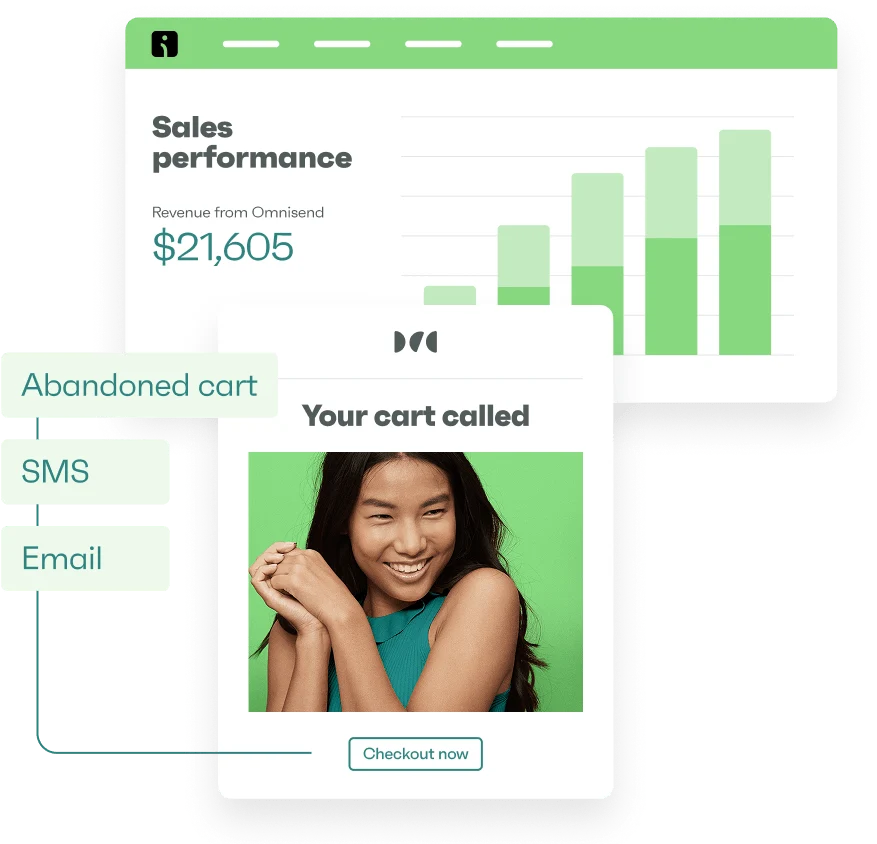
Boosting Direct Conversions and Sales:
This goal focuses on transforming social media activity directly into measurable sales or other desired conversions (e.g., app downloads, demo requests). The burgeoning social commerce landscape, projected to surpass $100 billion by 2026, underscores the direct sales potential of integrated shopping tools on platforms like Instagram, Facebook, TikTok, and Pinterest.![How to set social media goals in 2026 [10 examples]](https://blog.hootsuite.com/wp-content/uploads/2024/06/Hootsuite-Analytics-Brand-Awareness-620x503.png)
- Primary KPIs: Conversion rate, click-through rate (CTR) on product links, return on ad spend (ROAS), average order value (AOV) from social.
- Measurement: E-commerce platform analytics, platform ad managers, and Google Analytics.
-
Generating Qualified Leads:
For businesses seeking to fill their sales funnel with potential customers, social media offers potent lead generation capabilities. This involves capturing user information (e.g., names, email addresses, contact details) that facilitates subsequent follow-up.- Primary KPIs: Lead form submissions, gated content downloads, webinar registrations, newsletter sign-ups from social.
- Measurement: Customer Relationship Management (CRM) systems, platform-native lead generation forms, and marketing automation tools.
-
Establishing Thought Leadership:
Positioning an organization and its key personnel as authoritative voices within their industry is a long-term strategic goal. This involves sharing valuable insights, contributing to industry discourse, and fostering a reputation for expertise. The 2025 Edelman-LinkedIn B2B Thought Leadership Impact Report highlighted that 71% of decision-makers trust thought leadership over traditional marketing materials.- Primary KPIs: Share of voice in industry conversations, earned media mentions citing brand experts, executive post engagement, content shares and citations.
- Measurement: Social listening tools, media monitoring platforms, and analytics tracking content distribution and impact. Employee advocacy programs, where team members share company insights, significantly amplify this reach.
-
Promoting Events or Product Launches:
Social media is an invaluable tool for building anticipation and driving participation for new product introductions, webinars, conferences, or other key events. Strategic campaigns can generate significant momentum pre-launch, during the event, and for post-event follow-up.![How to set social media goals in 2026 [10 examples]](https://blog.hootsuite.com/wp-content/uploads/2024/08/Listening-Inpost-CTA.png)
- Primary KPIs: Event registrations, unique hashtag mentions, engagement on promotional posts, website traffic to event pages, ticket sales.
- Measurement: Event platform analytics, social monitoring tools, and dedicated campaign tracking.
-
Optimizing Customer Service Channels:
Beyond attracting new customers, social media platforms have evolved into essential channels for customer support and service. Goals in this area focus on improving response times, resolving issues efficiently, and enhancing overall customer satisfaction.- Primary KPIs: Average response time, resolution rate, customer satisfaction (CSAT) score, number of service requests handled via social.
- Measurement: Integrated social media inboxes, customer survey tools, and internal customer service metrics. AI-powered chatbots on platforms like X, Facebook Messenger, and WhatsApp are increasingly vital for instant responses.
-
Attracting Top Talent for Open Positions:
Social media has become a powerful recruitment tool, enabling companies to showcase their employer brand and connect with potential candidates. This involves targeting specific user interactions: the submission of resumes or applications. Quality of applicants often outweighs sheer quantity.- Primary KPIs: Leads per platform (applicants), source of hire, applicant quality ratings, engagement with career-related content, employee advocacy shares of job postings.
- Measurement: Applicant Tracking Systems (ATS), UTM parameters for tracking referral sources, and platform analytics on job post performance. LinkedIn remains a dominant platform for professional recruitment, but platforms like Instagram and TikTok are gaining traction for showcasing company culture.
Platform-Specific Strategies: Tailoring Goals to Channel Strengths
![How to set social media goals in 2026 [10 examples]](https://blog.hootsuite.com/wp-content/uploads/2024/06/Hootsuite-Listening-Quick-Search-620x288.png)
Recognizing that each social media platform possesses unique characteristics and user demographics is crucial for effective goal setting. A one-size-fits-all approach is rarely optimal; instead, goals should be tailored to leverage the inherent strengths of each channel.
- LinkedIn: Primarily a professional networking platform, ideal for B2B lead generation, thought leadership, employee advocacy, and talent acquisition.
- Instagram: A visually-driven platform, excellent for brand awareness, community engagement, product promotion (especially with shopping features), and lifestyle branding.
- TikTok: Dominant in short-form video, perfect for viral brand awareness campaigns, reaching younger demographics, and boosting direct sales through TikTok Shop.
- X (formerly Twitter): Real-time news and conversation, suited for reputation management, customer service, thought leadership, and driving timely traffic.
- Facebook: Versatile for broad brand awareness, community building, targeted advertising, and direct conversions through Facebook Shops.
- YouTube: Long-form video content, highly effective for in-depth product demonstrations, tutorials, educational content, and building strong brand loyalty.
- Pinterest: A visual discovery engine, powerful for driving website traffic, inspiring purchases, and showcasing product catalogs, particularly for e-commerce brands.
The Importance of Robust Measurement and Reporting
Setting goals marks only the initial phase; the subsequent, equally critical step involves establishing a robust measurement system for tracking progress and transparently reporting results. This necessitates a clear measurement cadence, with weekly check-ins for immediate issue identification, monthly reviews for tactical performance assessment, and quarterly evaluations to determine the ongoing relevance of strategic goals.
![How to set social media goals in 2026 [10 examples]](https://blog.hootsuite.com/wp-content/uploads/2024/06/Hootsuite-Listening-Quick-Search-Key-Metrics-620x435.png)
Building streamlined dashboards that directly correspond to each goal is paramount. Instead of inundating stakeholders with every conceivable metric, focus on the two to three most vital KPIs for each objective. This minimalist approach ensures clarity and facilitates more effective communication of results. Integrated social media analytics platforms offer the capability to consolidate performance data from multiple networks—such as Instagram, Facebook, TikTok, LinkedIn, and X—into a single, unified dashboard. Such tools enable the creation of custom reports, the export of data for presentations, and benchmarking against competitors, all without the inefficiencies of switching between disparate platforms.
In conclusion, irrespective of an organization’s broader marketing objectives, the application of SMART principles to social media goal setting is a fundamental driver of success. This systematic approach ensures that social media initiatives are not merely reactive but are instead strategically integrated components that contribute meaningfully to business growth, foster competitive advantage, and facilitate continuous adaptation within the dynamic digital ecosystem. The insights gleaned from a well-executed, goal-oriented social media strategy provide invaluable lessons, even when initial objectives are not fully met, paving the way for informed optimization and sustained improvement.