

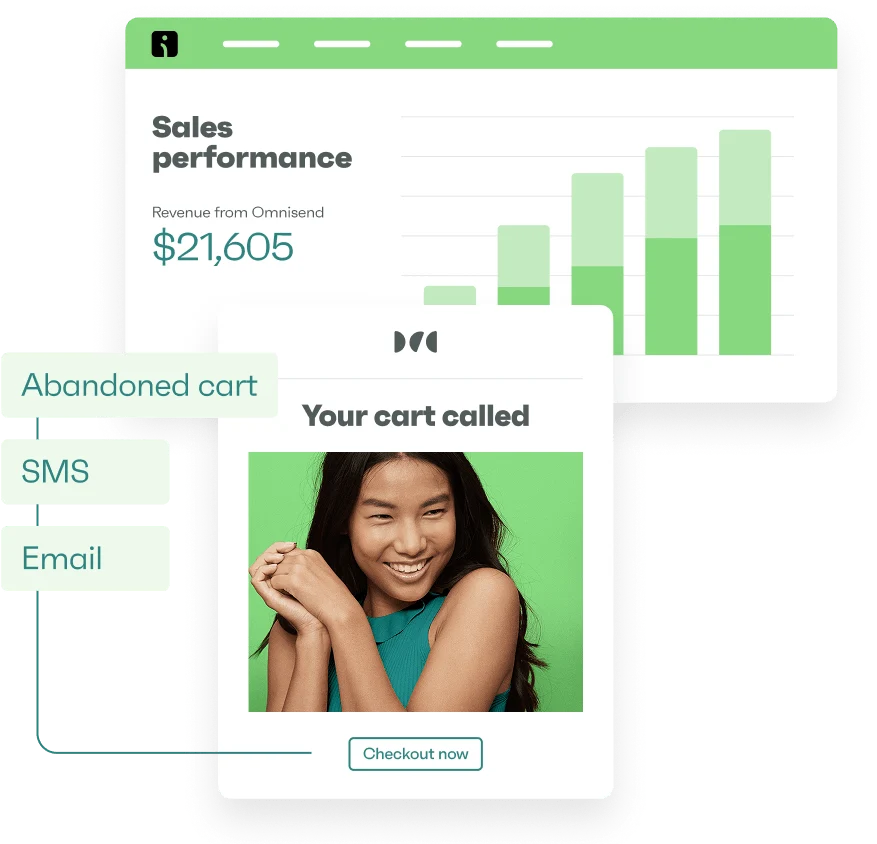
The United Kingdom has emerged as a formidable force in the global text marketing landscape, showcasing performance metrics that significantly outstrip international averages. While many e-commerce brands traditionally relegate text messaging to a secondary marketing channel, compelling data now underscores its pivotal role in driving conversions and revenue growth within the UK market. This comprehensive analysis delves into the remarkable efficacy of SMS marketing in the UK, the stringent regulatory environment governing it, and the strategic imperatives for businesses seeking to capitalize on this high-performing channel.
The Unparalleled Efficacy of SMS Marketing in the UK
The UK’s text marketing market is not merely performing well; it is setting a new benchmark for efficiency and conversion. With SMS click-to-conversion rates reaching an impressive 5.1%, the UK market dramatically overshadows the global average of just 0.97%. This stark difference highlights a unique engagement dynamic among UK consumers that e-commerce brands cannot afford to ignore. Furthermore, the global SMS volume experienced a substantial 40% growth in 2025, signaling text messaging’s enduring relevance and continued expansion as a core communication tool.
Several key factors converge to create this exceptionally fertile ground for SMS marketing in the UK:
- High Mobile Penetration and Digital Literacy: The UK boasts one of the highest smartphone penetration rates globally, with a vast majority of the population owning and actively using mobile devices. This widespread digital fluency means consumers are accustomed to receiving and interacting with digital communications, including text messages.
- Immediacy and Directness: SMS offers unparalleled immediacy. Unlike emails, which can get lost in cluttered inboxes, text messages are typically read within minutes of receipt, often within seconds. This direct line of communication ensures messages cut through the noise, leading to higher open and engagement rates.
- Consumer Preference for Conciseness: UK consumers often appreciate clear, concise communication. The character limit inherent in SMS naturally encourages brands to distil their messages to their core essence, delivering value quickly and efficiently without unnecessary embellishment.
- Reduced Channel Clutter: While email inboxes and social media feeds can be overwhelming, the SMS channel, when used responsibly, often feels less saturated. This relative lack of clutter contributes to higher message visibility and greater impact for well-executed campaigns.
- Trust and Reliability: Despite the rise of numerous messaging apps, SMS remains a universal, reliable communication method. Its perceived trustworthiness, especially for transactional or urgent information, extends to marketing messages when consent is properly obtained.
This synergistic environment creates a significant opportunity for businesses. Recent industry reporting indicates that marketing agencies actively integrating SMS into their strategies generate a staggering 202% more revenue compared to those who overlook the channel. This underscores the imperative for brands to invest in and optimize their SMS marketing efforts, albeit with a crucial prerequisite: a thorough understanding and adherence to the UK’s robust regulatory framework.
Navigating the UK’s Stringent Regulatory Landscape
While the revenue potential of UK SMS marketing is undeniable, capturing it effectively and ethically demands meticulous adherence to a strict regulatory environment. Text marketing in the UK operates under two overarching, overlapping legal frameworks: the Privacy and Electronic Communications Regulations (PECR) and the UK General Data Protection Regulation (UK GDPR). Both frameworks apply simultaneously, necessitating a dual approach to compliance that prioritizes consumer consent and data protection.
PECR: The Primary Legislative Framework for Electronic Communications
The Privacy and Electronic Communications Regulations (PECR) serves as the cornerstone of direct marketing law in the UK, specifically addressing the use of electronic communication channels, including text messages. At its core, PECR mandates that brands obtain explicit prior consent before dispatching any promotional text messages to individuals.
The definition of "valid explicit consent" under PECR is precise and stringent. It dictates that consent must be:
- Freely Given: Individuals must have a genuine choice, without coercion or undue influence.
- Specific: Consent must relate to a clearly defined purpose, i.e., receiving marketing texts from your brand.
- Informed: Individuals must be fully aware of what they are consenting to, including the types of messages they will receive and the frequency.
- Unambiguous: There should be no doubt about the individual’s intention to consent. This explicitly rules out pre-ticked checkboxes at checkout, as they do not constitute an active, intentional choice.
PECR unequivocally prohibits several practices:
- Purchasing Contact Lists: Acquiring phone numbers from third-party vendors is a direct violation, as consent cannot be transferred or assumed.
- Harvesting Phone Numbers: Scraping phone numbers from websites or other public sources without explicit consent is illegal.
- Assuming Consent: Consent can never be implied; it must always be an active, affirmative action by the individual.
The "soft opt-in" provides a narrow exception to the explicit consent rule. This exception allows businesses to send marketing texts to their existing customers about similar products or services that they have previously purchased. However, this is only permissible if, at the time of the original data collection (i.e., when the customer first provided their phone number), they were given a clear and straightforward opportunity to opt out of receiving such marketing. This exception does not apply to new contacts or general website visitors who have not made a purchase.
UK GDPR and its Interplay with SMS Marketing
The UK GDPR, which mirrors the EU’s GDPR but operates as a separate legal entity post-Brexit, works in tandem with PECR. Any consent gathered under PECR must also satisfy the rigorous data protection standards set forth by the UK GDPR. This means that while PECR dictates when you can send a message, UK GDPR governs how you handle the personal data (like phone numbers) involved.
Key principles from UK GDPR that are crucial for SMS marketing compliance include:
- Data Minimisation: Brands should only collect the specific data necessary to run their campaigns effectively. For SMS marketing, this is typically limited to phone numbers and the corresponding consent records. Collecting excessive or irrelevant data is non-compliant.
- Right to Withdraw Consent/Opt-out: Subscribers retain the absolute right to withdraw their consent at any time. Consequently, every marketing text message sent must include a clear, easy-to-understand opt-out instruction. The common "Reply STOP to unsubscribe" is a widely accepted and compliant mechanism.
- Accountability and Record-Keeping: UK GDPR places a significant emphasis on accountability. Brands are legally obligated to maintain accurate and verifiable records of consent. This includes documenting the precise date and time of consent, the method of capture (e.g., website form, keyword opt-in), and the exact wording of the consent statement presented to the user at the point of signup. These records serve as crucial evidence in the event of a regulatory inquiry.
ICO Enforcement: Consequences of Non-Compliance
The Information Commissioner’s Office (ICO) is the independent supervisory authority responsible for upholding information rights in the public interest in the UK. The ICO actively monitors the market and enforces both PECR and UK GDPR. Compliance is not merely a theoretical exercise; non-compliance can result in substantial financial penalties. Businesses found in violation of SMS marketing regulations can face fines of up to £500,000.
Common violations that frequently trigger ICO investigations and penalties include:
- Sending Marketing Texts Without Valid Consent: This is the most prevalent and serious violation, often resulting from purchasing lists, assuming consent, or using pre-ticked boxes.
- Failure to Provide a Clear Opt-out Mechanism: Omitting or obscuring the unsubscribe option makes it difficult for consumers to withdraw consent, infringing on their data rights.
- Sending Messages Outside Permitted Hours: While not explicitly a PECR fine, persistent nuisance texts outside the recommended hours can lead to consumer complaints that trigger broader investigations into consent practices.
- Insufficient Record-Keeping: Inability to produce verifiable proof of consent when requested by the ICO can lead to fines, as it demonstrates a failure in accountability.
- Misleading or Ambiguous Consent Language: Forms that do not clearly state the purpose of data collection or the nature of messages to be sent are non-compliant.
The ICO typically initiates investigations based on consumer complaints. A single, poorly executed campaign that generates a high volume of spam reports or complaints can swiftly escalate into an official regulatory audit, potentially leading to severe financial repercussions and reputational damage.
Building a Compliant and Engaged UK SMS Marketing List
Developing a robust and compliant subscriber list in the UK hinges on transparency and ethical practices. The following legally compliant methods are proven strategies for building an engaged audience:
-
Website Popup Opt-ins: Popups are highly effective for capturing attention, but the language used must be unequivocally clear and explicit. The form must explicitly state what the subscriber is agreeing to, for instance: "Sign up to receive SMS marketing messages from [Brand] for exclusive offers and updates." Crucially, pre-ticked boxes are non-compliant in the UK; subscribers must actively check the box themselves to demonstrate intentional action. While not a strict legal requirement, employing a double opt-in method (sending a confirmation text after initial signup) adds an extra layer of verifiable consent and best practice. Vape Superstore, for example, significantly boosted its signup rate from 18% to 32% by optimizing its SMS opt-in forms in a fully compliant manner.
-
Checkout Opt-in: The checkout flow presents an ideal, low-friction opportunity to acquire new subscribers. By placing an unticked checkbox at checkout, accompanied by clear consent text (e.g., "Yes, I would like to receive marketing text messages from [Brand]"), businesses can capture customer interest at a high-intent moment. It is vital to be precise with phrasing; a generic statement like "I agree to receive marketing emails" does not grant permission for SMS marketing. PECR mandates separate and distinct consent for SMS and email.
-
Keyword Opt-in (Text-to-Subscribe): This strategy involves promoting a specific keyword that interested individuals can text to a designated shortcode or Virtual Mobile Number (VMN). The act of sending this message serves as explicit consent to subscribe. The automated reply confirming subscription must include clear details regarding message frequency and straightforward opt-out instructions. This method is particularly effective for physical retail stores, offline events, or embedded within product packaging.
-
Loyalty Program Opt-in: Phone numbers can be collected during loyalty program registrations, provided that SMS consent remains entirely optional. It is critical not to bundle SMS consent with the terms and conditions of the loyalty program itself. If signing up for marketing texts is a mandatory prerequisite to join the rewards tier, the consent obtained is invalid, as it is not "freely given."
-
The Soft Opt-in for Existing Customers: As previously mentioned, the soft opt-in is a narrow exception applicable exclusively to individuals who have made a prior purchase from your brand. It permits messaging these existing customers about similar products or services without requiring fresh explicit text consent. However, this exception is only valid if, at the point of initial data collection, the customer was given a clear opportunity to opt out of such communications. This exception under no circumstances extends to new contacts or general website visitors who have not previously engaged in a transactional relationship.
UK SMS Marketing Best Practices for Maximizing Impact
Beyond regulatory compliance, adopting strategic best practices is essential for running a successful and high-converting UK SMS marketing program.
-
Timing and Frequency: The timing of your messages is as crucial as their content. Sending messages at inconvenient hours can lead to unsubscribes and negative brand perception. The ICO provides clear guidance: avoid sending promotional messages before 8 AM or after 9 PM. Optimal performance for promotional SMS campaigns in the UK is typically observed during lunch hours (12 PM to 2 PM) and early evenings (5 PM to 7 PM). Furthermore, maintaining a reasonable sending frequency is vital. Over-messaging can quickly lead to subscriber fatigue and opt-outs. A general guideline is 2-4 messages per week, though this can vary based on industry and customer segment.
-
Sender ID and Message Formatting: Always utilize an alphanumeric Sender ID that clearly displays your brand name (e.g., "YOURBRAND") instead of a random string of numbers. This immediately identifies the sender, fostering trust and recognition. Messages should be concise and to the point; UK consumers typically respond better to clear, direct copy than lengthy promotional paragraphs. Essential formatting elements for trust and compliance include:
- Brand Name: Clearly state your brand name at the beginning of the message if not already evident from the Sender ID.
- Call to Action (CTA): Include a clear, singular call to action (e.g., "Shop Now," "Learn More") with a trackable link.
- Opt-out Instruction: Mandatorily include "Reply STOP to unsubscribe" or a similar clear opt-out mechanism.
-
Personalization and Segmentation: Generic broadcast messages are increasingly ineffective in the UK’s high-performing market. UK text campaigns achieve their stellar conversion rates when content is directly relevant to the recipient’s specific behavior, preferences, or purchase history. Personalization extends beyond merely using a customer’s first name; it involves tailoring offers and content based on deep insights. Segmenting your audience before sending is paramount. Effective segmentation strategies include:
- Purchase History: Targeting customers based on past purchases (e.g., recommending accessories for a recently bought item).
- Browsing Behavior: Sending reminders or offers for products viewed but not purchased.
- Engagement Levels: Differentiating between highly active subscribers and those who need re-engagement.
- Demographics/Location: Tailoring offers based on age, gender, or geographical location where relevant.
- Loyalty Status: Sending exclusive deals to VIP customers.
BMO Media, a lifecycle agency, notably generated an additional $1.5 million in revenue through advanced customer segmentation, underscoring its significant impact on the bottom line.
UK SMS Marketing Benchmarks and Strategic Insights
Evaluating performance against generic global averages can provide a misleading picture, given the UK market’s unique characteristics. Brands operating in the UK must measure their campaigns against regional data to accurately gauge success.
| Metric | UK Benchmark | Global Average |
|---|---|---|
| Click-to-conversion rate | 5.1% | 0.97% |
| SMS click rate | Above global average (doubled YoY) | Varies |
| Automated SMS revenue per send | ~$0.74 | ~$0.74 |
| Campaign SMS revenue per send | ~$0.15 | ~$0.15 |
| Healthy opt-out rate | Below 0.3% | Below 0.3% |
Note: These benchmarks are subject to variation based on industry, audience quality, and specific message types.
Key Insight: The profound difference in click-to-conversion rates, with UK consumers converting at over five times the global average, means businesses cannot settle for average results. UK text messaging programs must be held to a significantly higher revenue-per-send standard than suggested by traditional global metrics. This demands a strategic focus on optimization and leveraging the channel’s full potential.
SMS Marketing Strategy: Campaigns vs. Automations
Understanding the fundamental distinction between broadcast campaigns and triggered automations is crucial for unlocking the highest performance in UK SMS marketing. This difference often reveals the largest performance gap.
-
Campaigns: These are scheduled broadcast messages sent to a specific segment of your subscriber list. They are typically used for flash sales, seasonal promotions, new product launches, or urgent announcements. While essential for achieving broad reach and brand awareness, campaigns generally yield a lower revenue-per-send (approximately $0.15).
-
Automations: In contrast, automations are highly targeted text messages dispatched automatically in response to specific user actions or behaviors. Because they are contextually relevant and react directly to individual user intent, SMS marketing automations generate a significantly higher return, typically earning around $0.74 per send. In the UK market, where the average click-to-conversion rate is an exceptional 5.1%, the impact of behavior-triggered texts is exponentially amplified, outperforming standard global benchmarks.
To effectively capture this high-intent traffic in the UK, businesses should build a robust core automation stack:
- Welcome Series: Automated texts sent to new subscribers, introducing the brand and offering an initial incentive.
- Abandoned Cart Reminders: Timely follow-ups to users who have added items to their cart but not completed the purchase.
- Browse Abandonment: Messages sent to users who viewed products but did not add them to their cart, perhaps offering similar items or a discount.
- Post-Purchase Follow-ups: Automated texts for order confirmations, shipping updates, or requests for product reviews.
- Win-back Campaigns: Messages designed to re-engage inactive subscribers or customers who haven’t purchased in a while.
The impact of such a setup can be transformative. For instance, Rachel Riley, a UK luxury children’s brand, achieved a remarkable 77.33% year-over-year revenue increase during BFCM by strategically utilizing lifecycle automation and SMS features.
Launching Your UK SMS Marketing Program with Robust Platforms
The UK market unequivocally rewards strategic investment in text messaging more than almost any other region. With an astounding 5.1% click-to-conversion rate and data indicating brands generate 202% more revenue by leveraging SMS, the financial upside is undeniable for businesses willing to engage responsibly.
To effectively harness this revenue potential, businesses require a robust technological infrastructure that seamlessly aligns with their operational needs and regulatory obligations. Platforms like Omnisend are specifically designed to address these requirements, handling strict UK compliance protocols, ensuring reliable carrier delivery, and facilitating advanced e-commerce automations within a single, integrated platform. The emphasis on user-friendliness ensures that businesses can focus on growth strategies rather than grappling with complex technical challenges. Furthermore, access to award-winning 24/7 customer support, irrespective of account tier, provides a crucial safety net for navigating the nuances of SMS marketing.
Conclusion
The UK presents a unique and highly lucrative environment for SMS marketing, characterized by exceptional consumer engagement and conversion rates. However, this opportunity is inextricably linked to a strict regulatory framework enforced by PECR and UK GDPR. Businesses that proactively understand and adhere to these regulations, while simultaneously implementing best practices in list building, personalization, and automation, are best positioned to unlock significant revenue growth and build lasting customer relationships. Embracing SMS marketing in the UK is no longer an option but a strategic imperative for e-commerce brands seeking to maintain a competitive edge and drive substantial commercial success.
UK SMS Marketing FAQs
What is SMS marketing in the UK?
SMS marketing in the UK involves brands sending promotional text messages directly to consumers’ mobile phones. E-commerce merchants utilize this channel for various purposes, including announcing flash sales, launching new products, dispatching automated alerts (such as abandoned cart reminders), and facilitating other direct communications aimed at driving revenue growth and customer engagement.
Is SMS marketing legal in the UK?
Yes, SMS marketing is entirely legal in the UK, provided that businesses rigorously comply with all relevant regional privacy regulations. This includes adhering to specific legal criteria, which strictly prohibit practices such as purchasing contact lists from third parties or sending unsolicited text messages to consumers who have not explicitly provided their consent to receive them.
What are the specific rules for SMS marketing in the UK?
SMS marketing in the UK is governed by two key frameworks: the Privacy and Electronic Communications Regulations (PECR) and the UK GDPR. The primary rules mandate obtaining prior, explicit consent from subscribers. Additionally, messages must clearly identify the sending brand via an alphanumeric sender ID and include a straightforward opt-out mechanism, such as the widely accepted "Reply STOP to unsubscribe" instruction.
How do I build a compliant SMS marketing list in the UK?
You can build a legal and engaged subscriber list in the UK through several transparent and ethical methods: using website popups with clear and specific consent phrasing, leveraging text-to-subscribe keywords at offline events, or incorporating unticked opt-in boxes within your checkout process. A "soft opt-in" exception also allows you to message existing customers about similar products if they were given an opt-out opportunity when their number was first collected.
What is considered a good SMS click rate in the UK?
Given that UK click-to-conversion rates are significantly higher than global benchmarks, a strong SMS click-to-conversion rate in the UK should aim for 5% or higher. Furthermore, a healthy opt-out rate for your campaigns should consistently remain below 0.3%, indicating high relevance and proper consent management.








