rifanmuazin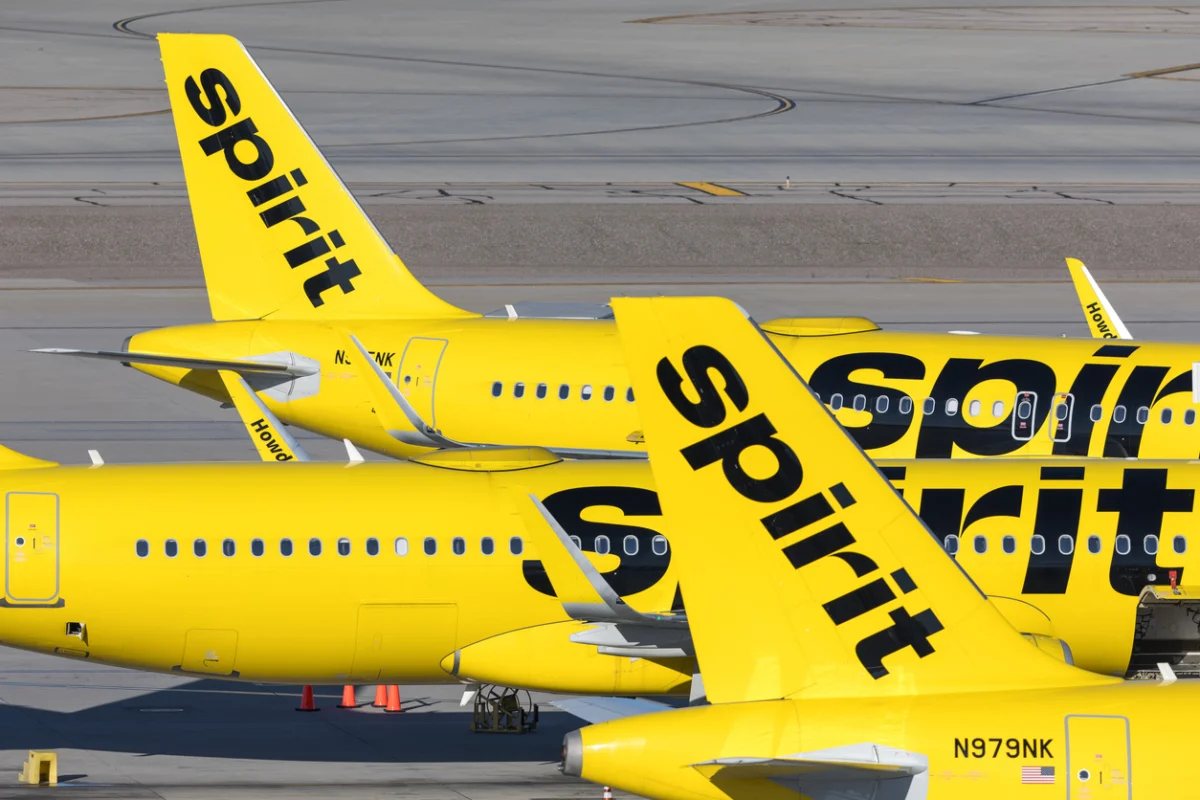
The landscape of American commercial aviation underwent a seismic shift this weekend as Spirit Airlines, the nation’s largest ultra-low-cost carrier, abruptly ceased all operations and grounded its entire fleet. The decision followed a final, unsuccessful attempt to secure a federal government bailout, leaving tens of thousands of passengers stranded and signaling a potential end to the era of ultra-cheap, unbundled air travel in the United States. In the immediate aftermath of the collapse, major legacy carriers and remaining budget competitors have moved aggressively to fill the void, offering "rescue fares" to displaced travelers while simultaneously competing for the loyalty of a suddenly orphaned customer base.
The shutdown occurred late Saturday evening after weeks of high-stakes negotiations between Spirit executives and federal regulators. Spirit had sought a liquidity injection to manage a crushing debt load and persistent operational losses that had plagued the company since the Department of Justice successfully blocked its proposed merger with JetBlue Airways earlier in the year. Without the federal lifeline, the airline’s board of directors determined that continued operations were no longer financially viable, leading to the immediate cancellation of hundreds of scheduled flights and the shuttering of check-in counters across 72 airports.
The Rapid Descent: A Chronology of the Spirit Airlines Collapse
The downfall of Spirit Airlines was not an overnight occurrence, but rather the culmination of several years of financial turbulence and regulatory hurdles. To understand the gravity of Saturday’s shutdown, one must look at the timeline of events that led to this unprecedented cessation of service by a major domestic carrier.
In early 2022, Spirit became the center of a bidding war between Frontier Airlines and JetBlue. While Frontier offered a more traditional merger of similar business models, JetBlue eventually won the bid with a significantly higher cash offer. However, the Department of Justice filed an antitrust lawsuit to block the deal, arguing that the removal of Spirit’s low-cost seats would lead to higher fares for all consumers. In January 2024, a federal judge ruled in favor of the DOJ, effectively killing the merger and leaving Spirit to face its financial obligations alone.
By mid-2024, Spirit was grappling with over $1.1 billion in debt maturing in 2025 and 2026. Compounding these issues were ongoing engine problems with its Pratt & Whitney GTF engines, which forced the airline to ground dozens of its Airbus A320neo aircraft. Throughout the last month, Spirit engaged in frantic negotiations with the U.S. Department of Transportation and the Treasury, arguing that its collapse would create a "service desert" in many secondary markets. When the federal government officially declined to intervene on Friday, citing the lack of a sustainable long-term business plan, the airline’s fate was sealed.
On Saturday morning, the airline issued a brief internal memo to staff, followed by a public announcement that all flights would be suspended effective immediately. The move left passengers mid-journey, often in cities far from home, with little recourse other than to seek refunds that the airline admitted could take weeks or months to process through bankruptcy proceedings.
Competitor Responses: The Strategy of "Rescue Fares"
As Spirit’s yellow-liveried planes were towed to hangars, the rest of the industry moved into a state of opportunistic crisis management. Major airlines including American, United, and Delta quickly announced "rescue fares"—deeply discounted, price-capped tickets specifically for those holding confirmed Spirit reservations.
American Airlines, which shares service with Spirit at 70 of its 72 airports, was among the most proactive. The carrier implemented a system of rescue fares on 67 overlapping routes. In an official statement, American Airlines noted that it is currently "reviewing opportunities to add additional capacity—including utilizing larger aircraft and adding flights on critical routes—to support as many affected passengers as possible." This move serves a dual purpose: it mitigates the immediate humanitarian crisis of stranded travelers while allowing American to capture market share in regions where Spirit once dominated, such as Fort Lauderdale and Orlando.
United Airlines took a more structured approach to pricing, announcing that its rescue fares for Spirit customers would be capped at $199 for most domestic routes, with a ceiling of $299 for longer-haul flights. This transparent pricing model was designed to project a sense of stability and corporate responsibility during a period of consumer panic.
However, not all "rescue" efforts were viewed as equally altruistic. Frontier Airlines, Spirit’s primary rival in the ultra-low-cost segment, launched a promotional campaign offering "up to 50% off base fares" for Spirit refugees. Analysts were quick to point out significant caveats in the fine print: the discounts were largely restricted to mid-week travel and required a 21-day advance purchase. For a traveler currently stranded at an airport gate, such an offer provided virtually no relief. Industry observers noted that Frontier’s approach appeared more like a standard marketing push than a crisis response, potentially risking a backlash from frustrated consumers.
Impact on the Aviation Workforce
Beyond the immediate impact on travelers, the collapse of Spirit Airlines has sent shockwaves through the labor market. Approximately 17,000 employees, including pilots, flight attendants, mechanics, and ground crew, found themselves suddenly unemployed. Unlike a merger, where staff are typically integrated into the new entity, a total cessation of operations leaves workers in a precarious position.
Delta Air Lines has taken a unique lead in addressing the labor crisis. In addition to offering standby assistance for Spirit crew members trying to return to their home bases, Delta established a dedicated job application portal specifically for former Spirit employees. This portal prioritizes their applications, as Delta and other legacy carriers continue to face a long-term shortage of qualified pilots and technical staff. This strategic recruitment effort allows Delta to bypass some of the traditional "onboarding" delays by hiring experienced personnel who are already FAA-certified and ready for retraining on different aircraft types.
Broader Economic and Industry Implications
The exit of Spirit Airlines from the market raises significant questions about the future of the American aviation industry. Spirit was the pioneer of the "unbundled" fare model in the U.S., where passengers pay a very low base fare and then pay extra for everything from carry-on bags to bottled water. While often criticized by consumers, this model forced legacy carriers to introduce "Basic Economy" tiers to compete, effectively lowering the floor for airfares across the board.
Economic analysts suggest that the loss of Spirit will likely lead to an increase in average ticket prices, particularly on routes where Spirit was the only low-cost alternative. The "Spirit Effect"—a phenomenon where the entry of a low-cost carrier into a market forces all other airlines to lower their prices—is expected to reverse.
Furthermore, the failure of the Spirit-JetBlue merger and the subsequent collapse of Spirit may serve as a cautionary tale for future industry consolidation. The Department of Justice’s victory in blocking the merger was intended to protect competition, but the resulting bankruptcy of the smaller player has effectively reduced competition anyway, leaving the "Big Four" (American, Delta, United, and Southwest) with even greater market dominance.
Ancillary Market Surprises: GameStop and eBay
In a weekend already defined by corporate volatility, the retail sector saw its own share of headlines. GameStop, the video game retailer that became the face of the "meme stock" phenomenon, issued a surprise offer to acquire eBay. The move is seen as a radical pivot for GameStop as it seeks to transform from a brick-and-mortar retailer into a dominant force in the "circular economy" and the secondary collectibles market.
While the offer is in its early stages and faces significant skepticism from Wall Street, it reflects a broader trend of traditional companies attempting to reinvent themselves through aggressive acquisitions. If successful, the deal would integrate GameStop’s physical footprint with eBay’s massive global e-commerce platform, potentially creating a powerhouse for the trade of electronics, games, and high-value collectibles.
Public Health and Crisis Communication in the Cruise Industry
Simultaneously, the travel industry is monitoring a developing public health situation at sea. A major cruise line, which has not yet been named in formal litigation but has issued a thorough public statement, is managing what appears to be a hantavirus outbreak on one of its flagship vessels. Hantaviruses are typically transmitted by rodents and can cause severe respiratory issues in humans.
The cruise line’s response has been cited by communications experts as a model of crisis management. By issuing a transparent, detailed statement early in the investigation, the company has attempted to get ahead of the narrative, detailing the specific sanitation protocols being implemented and the medical support being provided to affected passengers. Unlike the chaotic scene at airports following the Spirit shutdown, the cruise line’s structured communication aims to preserve brand trust by emphasizing passenger safety over immediate profit.
Looking Ahead
The events of this weekend underscore the inherent volatility of the modern travel and retail sectors. As Spirit Airlines begins the long process of liquidation and its competitors scramble to absorb its passenger volume, the industry will be watching closely to see how the Department of Transportation responds to the sudden loss of a major player. For the 17,000 employees and millions of annual passengers of Spirit Airlines, the road ahead is one of uncertainty, marked by the end of an era for budget travel and the beginning of a more consolidated, and likely more expensive, era of American aviation.