rifanmuazin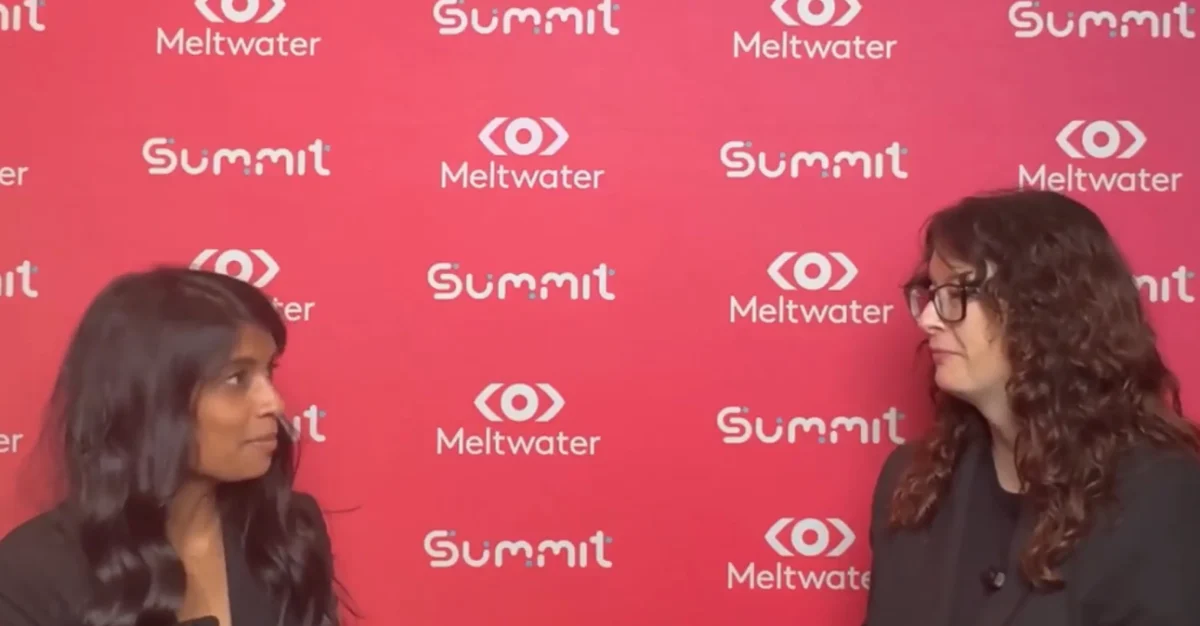
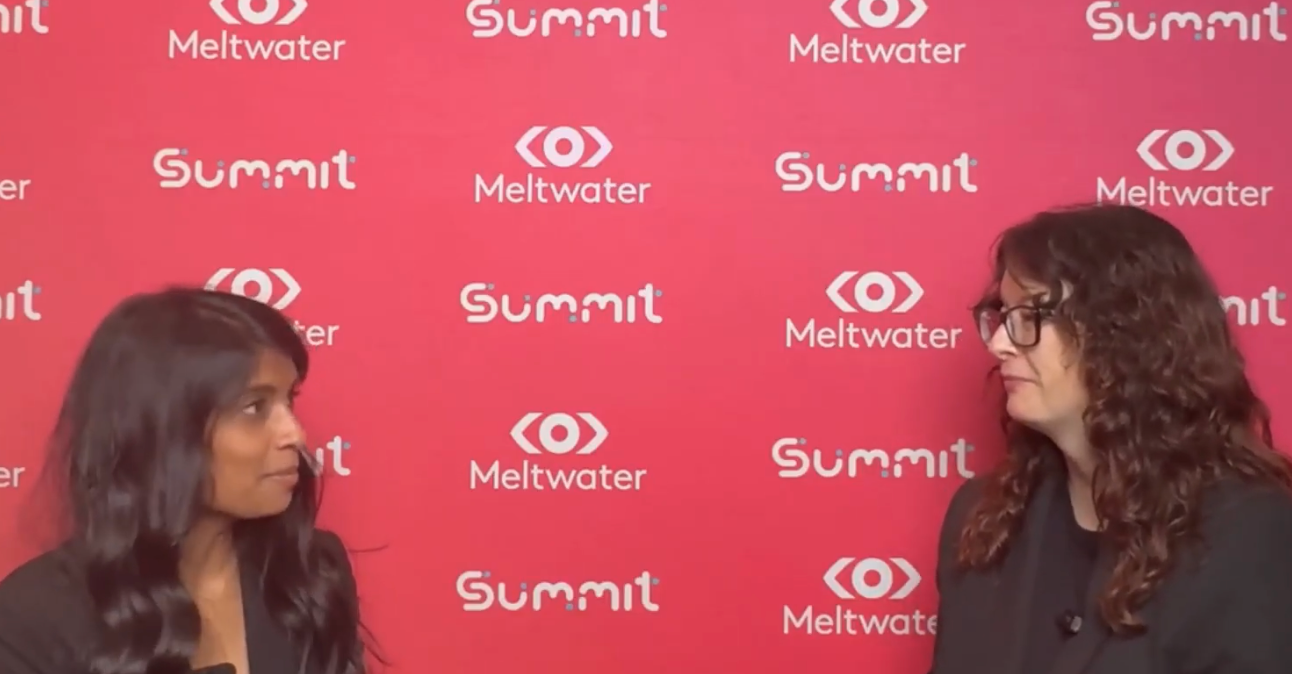
The travel media landscape is undergoing a fundamental shift from polished, high-production campaigns toward raw, conversational storytelling driven by local perspectives. At the 2026 Meltwater Summit, an annual gathering of the world’s leading public relations and marketing professionals, Deepa Lakshmin, the Director of Social Media at Lonely Planet, detailed how the iconic travel brand is navigating this transition. In a featured interview with Nicole Schuman, Managing Editor of PRNEWS, Lakshmin unveiled the strategic architecture behind Lonely Planet’s newly launched creator program, a global initiative that eschews traditional agency models in favor of a deeply integrated, in-house approach.
Launched in March 2026, the program represents a significant investment in social-first video content, utilizing a hand-picked roster of 20 to 30 creators stationed across nearly every continent. The initiative is not merely a response to current trends but a calculated move to bridge the gap between Lonely Planet’s 50-year legacy of guidebook authority and the modern traveler’s reliance on social media for discovery. According to Lakshmin, the success of the program stems from an unconventional "working backwards" planning process that prioritized long-term brand equity over short-term viral metrics.
The Genesis of a Social-First Strategy
The inception of the Lonely Planet creator program dates back over a year before its official launch. Recognizing that social media has become a primary source of travel inspiration for Gen Z and Millennial audiences, Lakshmin’s team sought to create a sustainable framework for authentic storytelling. The planning process began with a creative exercise often associated with high-growth tech firms: the "fake press release."
On the first week of development, the social media team drafted a hypothetical announcement detailing the program’s ultimate success. This "blue sky" document included ambitious goals and ideal outcomes, some of which were initially deemed unrealistic given budget constraints. However, by articulating the final vision first, the team was able to reverse-engineer the necessary steps, identifying the logistical, financial, and creative milestones required to make the vision a reality. This document eventually evolved into the actual press release distributed to the public in early 2026, serving as a roadmap for the program’s first year.
Lakshmin emphasized that this "pilot" year is designed with a long-term trajectory in mind. Rather than focusing on one-off "campaigns"—a term she suggests brands should move away from—Lonely Planet is focused on building a "brand halo." This concept refers to the lasting positive perception and trust a brand earns by consistently facilitating human connection and sharing lived experiences.
Operational Scale and Global Reach
The logistics of the Lonely Planet creator program are extensive, reflecting the brand’s global footprint. The program currently employs 20 to 30 creators who produce between four and six social-first videos annually. These creators are not treated as external vendors but as collaborative partners under multi-year contracts.
The geographical diversity of the cohort is a cornerstone of the strategy. Lonely Planet currently has creators on every continent except Antarctica, providing the brand with "boots on the ground" insights that a centralized team in New York could not achieve alone. These creators pitch original ideas based on local trends and hidden gems, which are then refined through a collaborative process to ensure they align with the Lonely Planet voice.
This high volume of content—potentially upwards of 180 original videos per year—is managed by a "small and scrappy" in-house team consisting of Lakshmin and two full-time social media specialists. By keeping the program in-house, Lonely Planet maintains the agility required to pivot in response to shifting platform algorithms and emerging travel trends. Lakshmin noted that this internal management allows for a more honest and iterative process, where the brand and the creators "learn and optimize" together in real-time.
From Journalism to Social Leadership
Deepa Lakshmin’s approach to social media is rooted in her background as a journalist. Having started her career in entertainment journalism before transitioning to social media roles in newsrooms and tech, she brings a narrative-driven lens to the travel industry. Her history with Lonely Planet is also deeply personal; prior to her executive role, she served as a freelance contributor, authoring chapters for the brand’s New York City guidebooks.
During the interview, Lakshmin drew a parallel between exploring a city and navigating social media. Just as she advises first-time visitors to New York to "walk everywhere" to understand the city’s layout and local culture, she advises PR professionals to "get in the weeds" of social platforms. She argues that a brand cannot effectively collaborate with creators unless the internal team understands the native tools, the nuances of the comments section, and the visceral experience of the scroll. This "platform fluency" is what allows Lonely Planet to maintain a peer-to-peer relationship with its creators, fostering mutual respect and more effective storytelling.
Industry Context: The Evolution of the Travel Creator
The launch of this program arrives at a pivotal moment for the influencer marketing industry. In the mid-2020s, the distinction between "influencers" and "creators" has become more pronounced. While influencers were often associated with aspirational, highly curated aesthetics, creators are increasingly valued for their utility, expertise, and ability to foster community.
In the travel sector—an industry where creators were among the "original gangsters" of social media—the demand for authenticity is higher than ever. Travelers are moving away from "tourist traps" and seeking recommendations that feel personal and vetted. By leveraging creators who live in the destinations they cover, Lonely Planet is attempting to digitize the "local friend" experience that its guidebooks have provided for half a century.
Data from the travel industry suggests that nearly 75% of travelers now use social media to plan their itineraries, with short-form video being the preferred format for discovering new destinations. Lonely Planet’s decision to prioritize "social-first" video is a direct response to these consumption patterns.
Strategic Implications for PR and Brand Management
Lakshmin’s insights at the Meltwater Summit offer a blueprint for other heritage brands attempting to modernize their communications. Several key takeaways emerged for PR and social media teams:
- Abandon the "Campaign" Mindset: Sustainable growth comes from ongoing conversations and long-term partnerships rather than isolated marketing bursts.
- In-House Over Agency: For brands that require high agility and deep platform integration, managing creator relationships internally can lead to more authentic results and faster decision-making.
- Collaborative Storytelling: Brands should act as amplifiers for creator voices rather than strict directors. This requires a shift from "controlling the message" to "facilitating the story."
- Platform Immersion: Leadership must be active users of the platforms they are targeting. Understanding the "language" of a platform is a prerequisite for successful collaboration.
Broader Impact and Future Outlook
The success of Lonely Planet’s creator program suggests that the future of travel media lies in a hybrid model: combining the rigorous editorial standards of a legacy publisher with the relatability and speed of social media creators. As the program enters its second half of 2026, the industry will be watching to see how this high-volume, in-house model affects long-term engagement and brand loyalty.
For Lonely Planet, the "product" remains the world itself. By empowering a diverse group of creators to share their corners of the globe, the brand is ensuring that it remains relevant in a digital-first era. As Lakshmin noted, the goal is to create something that lasts—a program that doesn’t just capture attention for a moment but builds a "brand halo" that guides travelers for years to come.
The 2026 Meltwater Summit continues to highlight such innovations, underscoring a broader industry trend where data-driven strategy and human-centric storytelling intersect. In an era of rapid technological change, Lonely Planet’s "backward planning" and "forward-thinking" creator initiative serve as a compelling case study in brand evolution.

 Laily UPN