rifanmuazin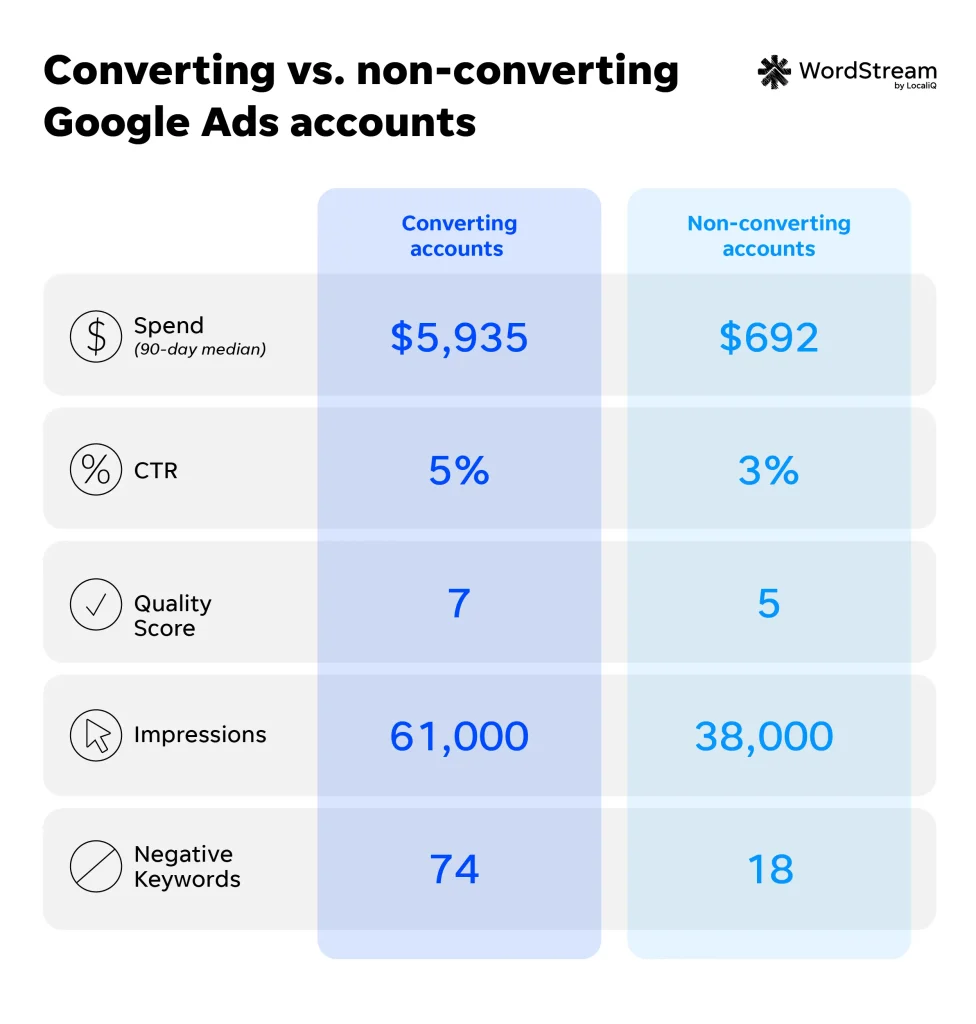
In the ever-evolving landscape of digital advertising, controlling advertising spend while maintaining campaign effectiveness is paramount for businesses of all sizes. WordStream, a prominent player in the digital marketing analytics space, has recently released its comprehensive benchmarks for Google Ads and Meta Ads, drawing on a decade of accumulated data. This extensive research, focusing on the crucial metric of Cost Per Click (CPC), provides advertisers with not only average industry costs but also actionable strategies to optimize their campaigns and drive down expenses without compromising performance.

The core of effective digital advertising lies in understanding and managing the cost of acquiring a customer or generating a lead. CPC, the price paid for each click on an advertisement, is a foundational element of this equation. However, simply knowing the average CPC across industries or platforms is insufficient. Factors such as industry competition, target audience demographics, campaign objectives, and the intricate setup of ad campaigns can lead to significant variations in costs. WordStream’s latest report aims to move beyond mere benchmarks, offering practical, platform-specific advice grounded in extensive research.
Understanding the Landscape: Google Ads and Meta Ads Benchmarks
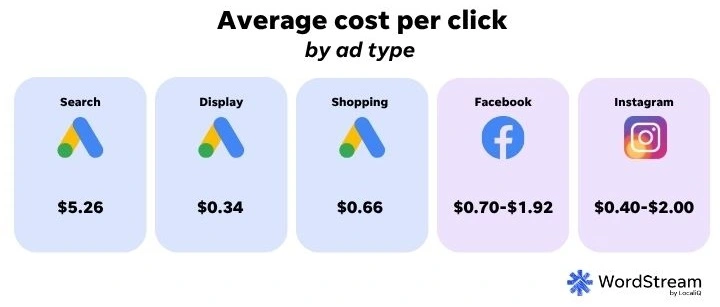
WordStream’s analysis highlights key cost per click averages for both Google Search and Meta (formerly Facebook) Ads, providing a crucial reference point for advertisers.
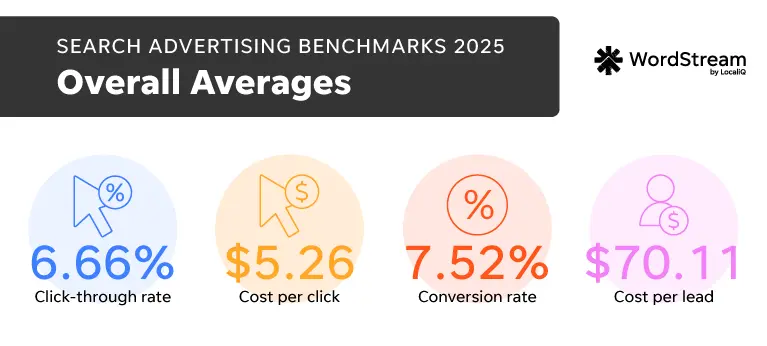
For Google Search ads, historical data spanning the last ten years reveals an average CPC that has fluctuated between $2.32 and $5.26. This range underscores the dynamic nature of the Google Ads auction system, influenced by keyword competitiveness, advertiser demand, and the overall economic climate. The most recent benchmarks indicate a continued trend, with overall average CPCs remaining a significant consideration for advertisers aiming for cost-efficiency.
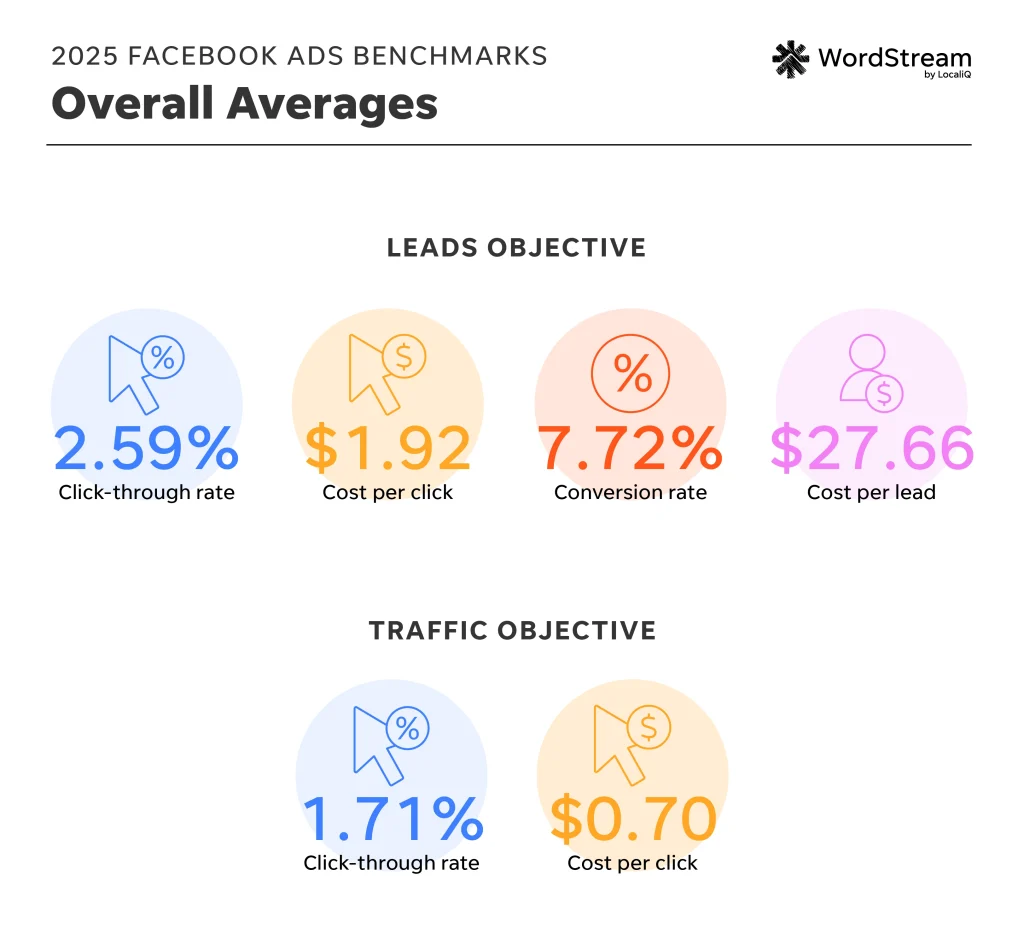
Meta Ads, on the other hand, present a different cost structure often influenced by campaign objectives. For instance, campaigns optimized for lead generation on Facebook typically see an average CPC of $1.92. In contrast, traffic-focused campaigns tend to have a lower average CPC of $0.70. These figures illustrate the strategic advantage of aligning campaign objectives with desired outcomes, as different objectives command different pricing structures within the Meta Ads ecosystem.
Optimizing Google Ads for Lower Cost Per Click
Google Search remains a cornerstone of digital advertising, offering unparalleled reach to users actively seeking products and services. However, the associated costs can be a barrier for many. WordStream outlines several key strategies to mitigate these expenses:
Strategic Keyword Selection: Beyond Price Tag
The foundation of any successful Google Search campaign is robust keyword research. However, the temptation to solely focus on the cheapest keywords can be a strategic misstep. WordStream emphasizes the importance of considering keyword volume and intent alongside cost. A seemingly expensive keyword might, in fact, yield a higher conversion rate and a better return on investment (ROI). If a high-converting keyword carries a higher CPC, advertisers might strategically reduce spending on less impactful keywords to allocate more budget to this high-performer. Furthermore, keywords with higher search volumes, even if pricier, can lead to more clicks, potentially increasing Click-Through Rate (CTR) and improving the crucial Quality Score. A balanced approach, incorporating both low-cost, high-volume keywords and high-reward, potentially higher-cost keywords, is essential for achieving the lowest possible CPC without sacrificing conversion quality or quantity.
Enhancing Quality Score: The Power of Relevance
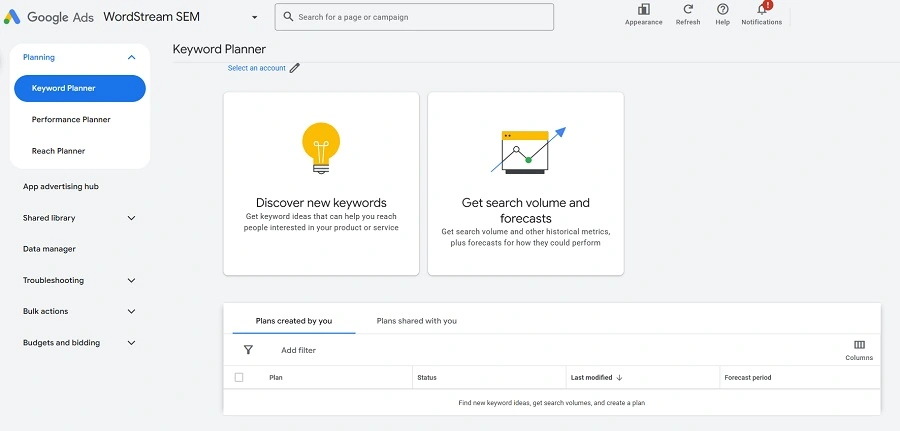
Google’s Quality Score is a critical factor in determining ad rank and, consequently, CPC. A higher Quality Score means advertisers can achieve better ad positions at a lower cost. This score is influenced by several factors, including the expected CTR, ad relevance, and landing page experience. Advertisers are advised to regularly refresh their ad copy, incorporating newly discovered relevant keywords. Utilizing Google’s built-in suggestions for ad strength can also provide valuable insights for improvement. Similarly, landing pages must be optimized to align with ad copy and keywords, ensuring a seamless and relevant user experience. A well-designed landing page that meets user intent directly contributes to a higher Quality Score, leading to more cost-effective clicks.
Exploring the Search Partner Network
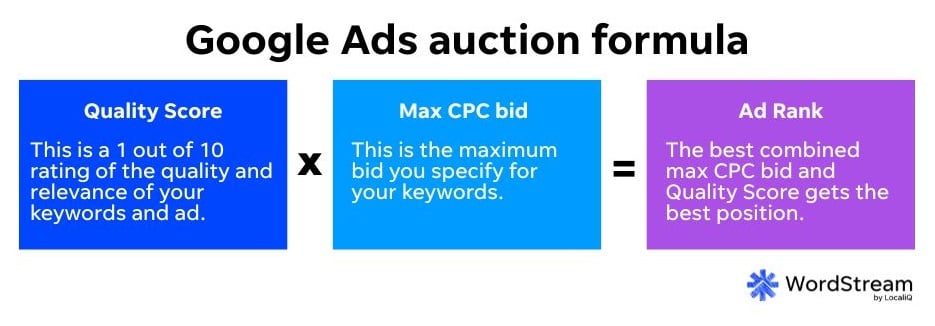
The Google Search Partner Network, which extends ad visibility to partner websites with search functionalities, can offer a more cost-effective avenue for reaching potential customers. Historically, clicks from these partners have trended lower due to potentially less competition. By opting into this network and closely monitoring performance against Google’s own Search Engine Results Pages (SERPs), advertisers can identify opportunities for cheaper clicks without compromising reach.
Leveraging the Google Display Network (GDN)
While Google Search ads target users with active search intent, the Google Display Network (GDN) offers a broader reach through visual ads on a vast network of websites and apps. GDN CPCs are typically significantly lower, often averaging around $0.34, compared to the $5.26 average for search ads. This makes GDN campaigns an excellent strategy for lowering overall account costs. Furthermore, creative assets developed for GDN campaigns can often be repurposed across other media networks, extending their value and contributing to a comprehensive, full-funnel advertising approach.
Utilizing Automated Campaign Types
Beyond standard search and display campaigns, Google offers automated solutions like Performance Max and Demand Gen. These campaign types intelligently distribute ads across various networks, including Search, Display, Gmail, and YouTube. By consolidating placements, they can often yield lower CPCs, with reported averages as low as $0.67 for some automated campaigns. This efficiency stems from Google’s algorithms optimizing for broader reach and engagement across multiple touchpoints.
The Strategic Use of Exclusions
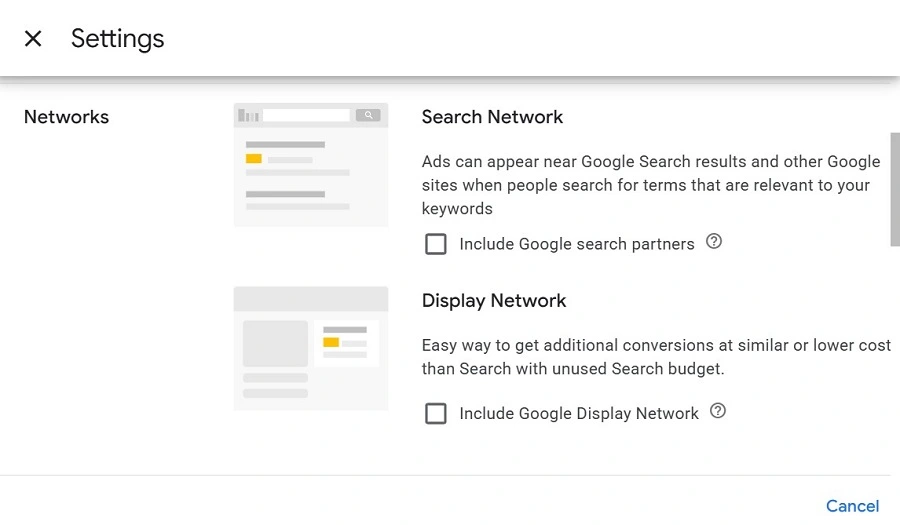
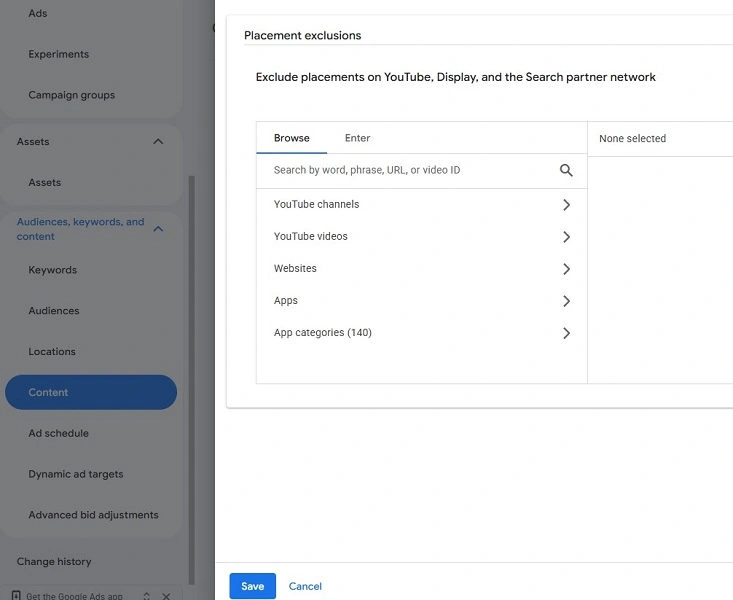
To avoid wasted ad spend on irrelevant clicks, employing robust exclusion lists is crucial. This includes standard exclusions like geographical locations, but also extends to more nuanced options depending on campaign type. For instance, excluding specific placements on the Display Network or certain app categories can prevent ads from appearing in contexts that are unlikely to yield valuable results. Negative keyword lists are particularly vital for search campaigns, preventing ads from showing for irrelevant search queries.
Embracing Smart Bidding Strategies
Google’s Smart Bidding strategies automate bid adjustments based on campaign performance and user behavior. By allowing Google’s algorithms to dynamically manage bids, advertisers can optimize for specific goals, such as maximizing conversions or target CPA. While manual bidding offers granular control, Smart Bidding can be highly effective in fluctuating market conditions, ensuring that bids are adjusted in real-time to achieve the most cost-efficient outcomes across various campaign budgets.

A/B Testing Targeting Options
Similar to keyword selection, testing different audience segments within campaigns can reveal significant differences in CPC. While a highly targeted audience might have a higher CPC, it may also deliver superior conversion rates. A balanced approach, testing various audience profiles and comparing their cost-effectiveness, is key to identifying the optimal targeting strategy for maximizing ROI.
Harnessing Google Shopping Ads
For e-commerce businesses, Google Shopping ads present a compelling opportunity for lower CPCs, averaging around $0.66. By creating a Google Merchant Center account and a detailed product feed, businesses can showcase their products directly in search results. Accurate product attributes and a clear alignment with user search intent are vital for the success of these visually driven ads.
Exploring Google Local Services Ads (LSAs)
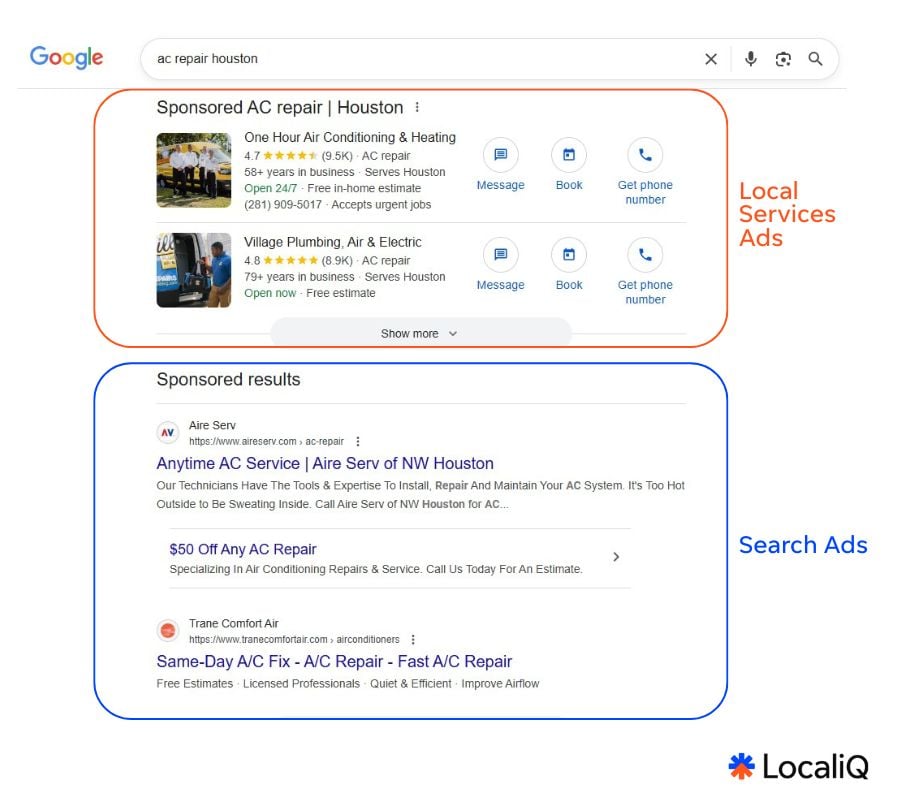
For service-based businesses, Google Local Services Ads offer a unique cost-saving model. Instead of paying per click, advertisers are charged per qualified lead. This eliminates the risk of paying for non-converting clicks. With an average cost per lead reported around $60, significantly lower than the average cost per lead for traditional search ads ($70.11), LSAs provide a highly efficient lead generation channel for eligible industries.
Building Comprehensive Negative Keyword Lists
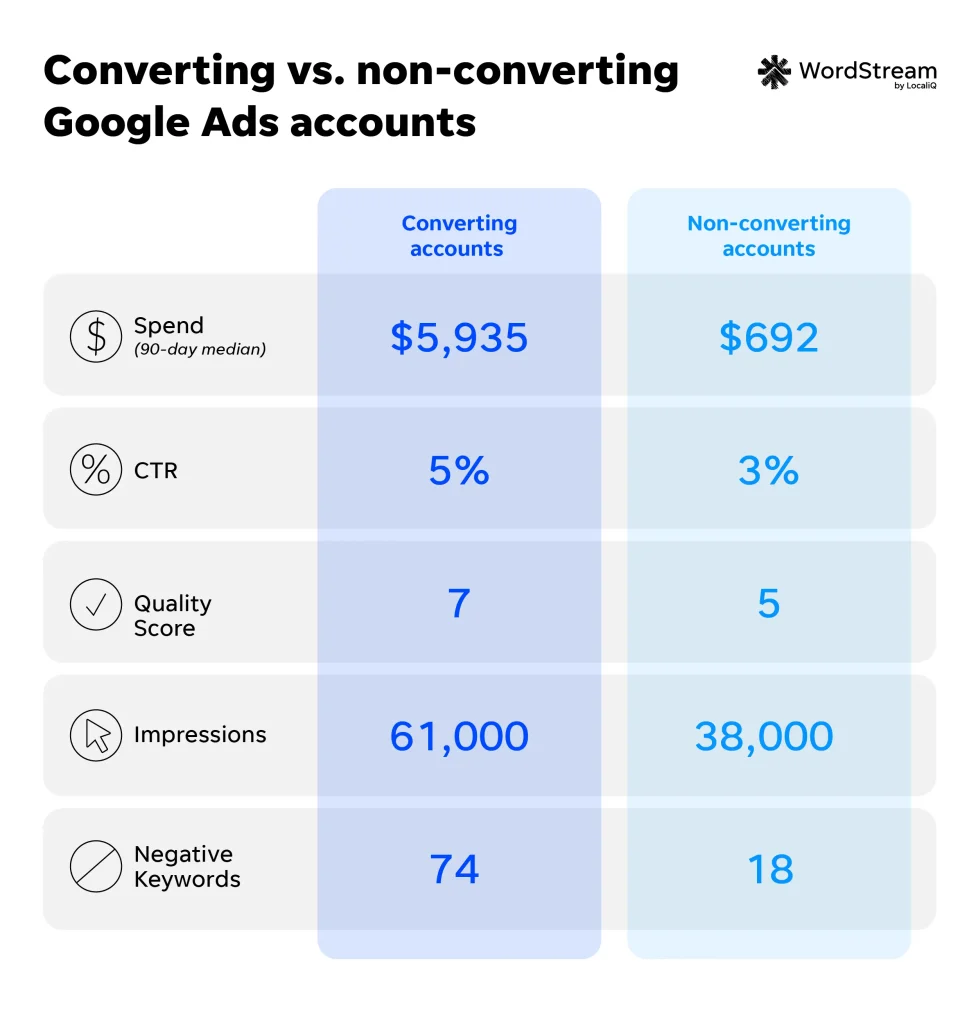
The importance of negative keyword lists cannot be overstated. WordStream’s data from over 15,000 accounts highlights their critical role in optimizing CPC. By excluding irrelevant terms, especially competitor brand names that may not align with an SMB’s offerings, advertisers can avoid paying for clicks that are unlikely to convert. This ensures a level playing field and prevents budget erosion by competing with larger, potentially higher-bidding entities for irrelevant search queries.
Optimizing Meta Ads for Lower Cost Per Click
Meta Ads, encompassing platforms like Facebook, Instagram, Messenger, and WhatsApp, require a different strategic approach due to their nature as interruptive, rather than intent-driven, advertising channels.
The Impact of A/B Testing Ad Copy and Creatives
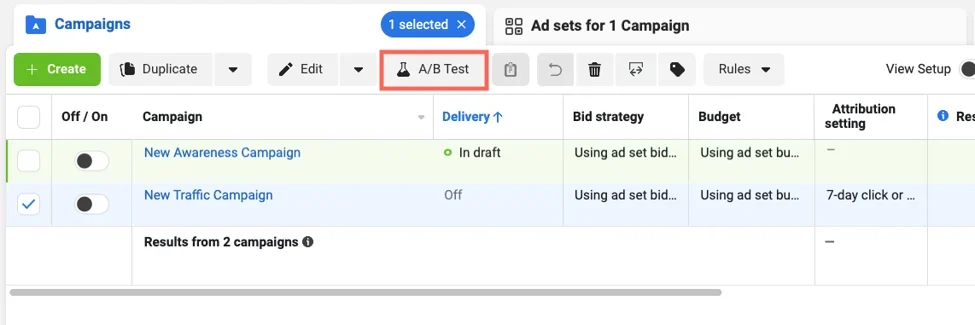
On Meta platforms, even minor variations in ad copy, imagery, or calls to action (CTAs) can lead to vastly different CPCs. Facebook’s algorithms evaluate ad performance, and ads that are perceived as less engaging or relevant will incur higher costs. Therefore, rigorous A/B testing of all ad elements is crucial. Swapping images, experimenting with different text, and refining CTAs can significantly improve an ad’s ranking and reduce its CPC.
Strategic Campaign Objective Selection
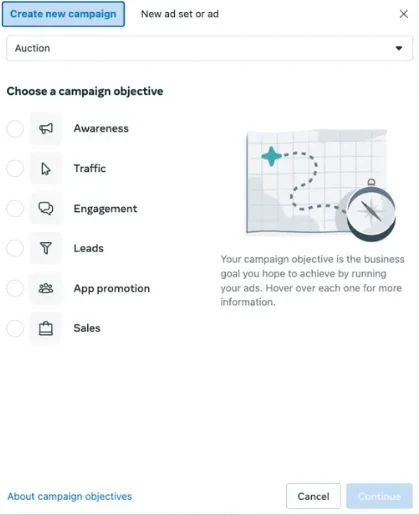
The chosen campaign objective on Meta Ads dictates how ads are served and optimized. Objectives like "Conversions" might prioritize showing ads to users most likely to convert, even if those impressions come at a higher CPC. Advertisers must carefully select objectives that align with their primary business goals. For instance, a traffic campaign might be more cost-effective if the immediate goal is to drive website visits, while a lead generation campaign is more appropriate for direct lead acquisition. Split-testing different objectives can help identify the most cost-efficient approach.
Utilizing Ad Scheduling for Precision
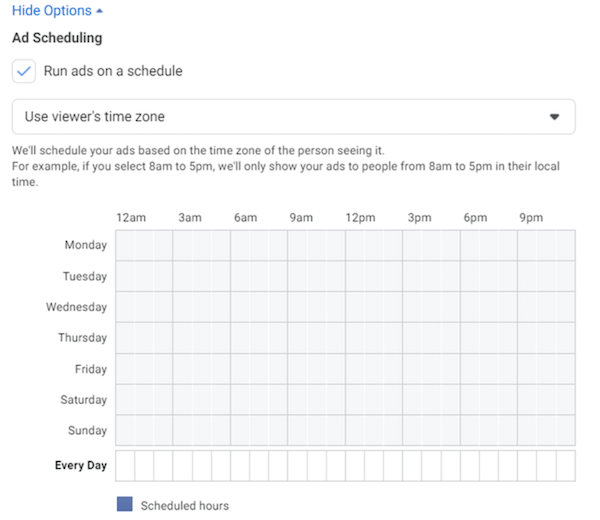
Ad scheduling, available for campaigns with lifetime budgets, allows advertisers to control when their ads are displayed. By analyzing performance data and identifying times when their target audience is most receptive, advertisers can optimize ad delivery. For example, a breakfast bar advertiser would likely see better results and lower CPCs by scheduling ads during morning hours rather than late at night. This prevents wasted ad spend on irrelevant or poorly timed impressions.
Customizing Ad Placements
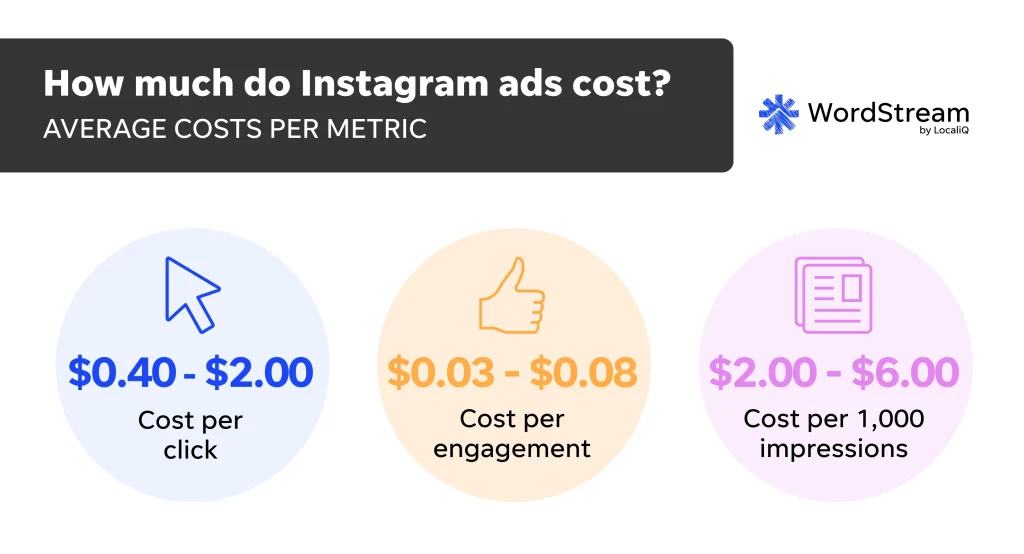
Meta Ads offer a wide array of placements across its network, including Facebook, Instagram Stories, Reels, Feeds, and Messenger. While Instagram ads, for instance, can have a CPC ranging from $0.40 to $2.00, advertisers can further refine their strategy by selecting specific placements within these platforms. An advertiser running a video ad might choose to focus on placements where video content is most prevalent, such as Reels, rather than less suitable formats like static feed ads. This granular control ensures that ad spend is directed towards the most impactful placements.
Selective Audience Targeting
Given the vast user base of Meta platforms, precise audience targeting is essential for cost-efficiency. Casting too wide a net can lead to irrelevant impressions and inflated CPCs. Advertisers are encouraged to dial down their targeting by age, location, interests, and behaviors to reach the most relevant audience segments. This focused approach increases the likelihood of engagement and conversion, thereby reducing the cost per click.
Fostering Engagement for Algorithmic Favor
Ad content that drives engagement—likes, comments, shares—is favored by Meta’s algorithms. Higher engagement signals that an ad is relevant and interesting to users, leading to better ad rankings and potentially lower CPCs. Creating compelling content, such as interactive videos or posts that encourage comments, can significantly boost ad performance and contribute to cost savings.
The Broader Implications for Digital Advertising
The insights provided by WordStream’s extensive research underscore a fundamental truth in digital advertising: cost-effectiveness is not merely about finding the cheapest clicks, but about acquiring valuable clicks that contribute to business objectives. The strategies outlined for both Google Ads and Meta Ads emphasize a data-driven, iterative approach. Advertisers must continuously analyze their campaign performance, test new approaches, and adapt to the ever-changing algorithms and market dynamics of these powerful advertising platforms.
The implication for businesses is clear: a proactive and informed approach to managing ad spend is no longer optional, but a critical component of sustainable growth. By leveraging benchmarks, understanding platform-specific nuances, and implementing the recommended optimization strategies, advertisers can navigate the complexities of digital advertising with greater confidence, ensuring that every dollar spent delivers maximum impact. The ongoing pursuit of lower CPCs, coupled with a steadfast commitment to campaign quality and relevance, will remain a key differentiator for success in the competitive digital marketplace.