rifanmuazin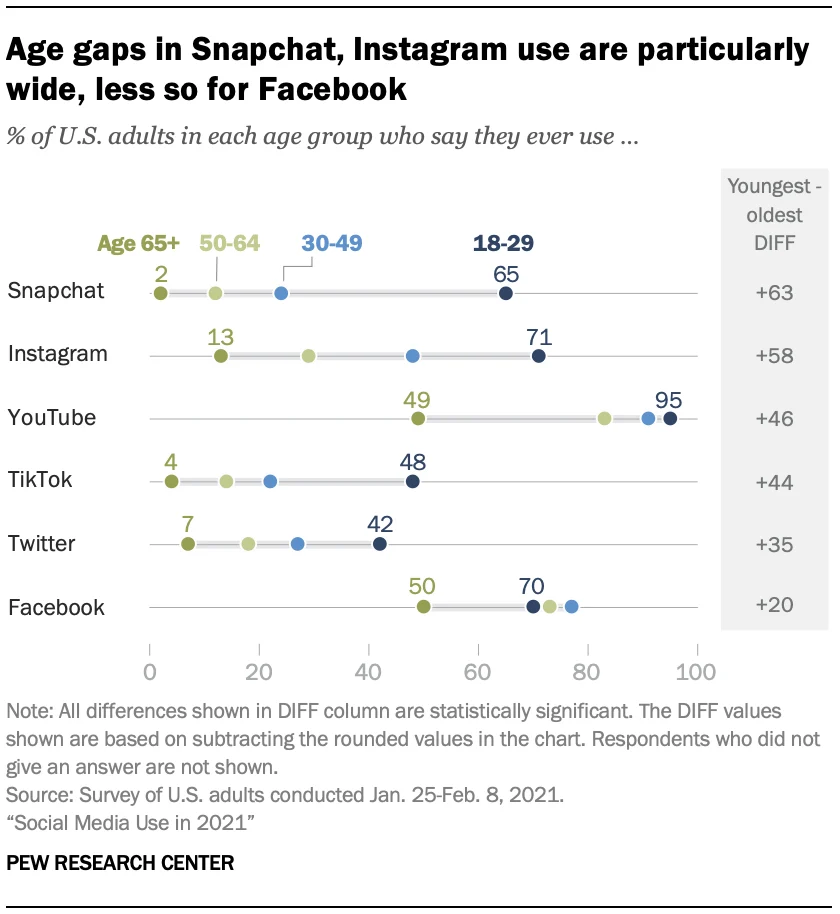
The imperative of identifying and connecting with a specific audience, or "target," is a cornerstone of modern marketing. This strategic focus encompasses a spectrum of approaches, including behavioral, psychographic, demographic, and geographic segmentation. However, as the digital landscape evolves and generational cohorts mature, understanding how to effectively communicate with individuals from different age groups becomes paramount. This series aims to dissect digital marketing strategies tailored for distinct generations, beginning with Generation Z (born approximately 1995-2010), followed by Millennials (1980-1994), Generation X (1960-1979), and Baby Boomers (1940-1959). The objective is to equip marketers with the insights needed to ensure their messages reach the right people on the right platforms with the appropriate tone and content.
This initial installment focuses on the youngest demographic group actively entering the consumer and workforce markets: Generation Z. Often characterized by a blend of digital nativity, a unique worldview shaped by significant global events, and a distinct consumption pattern, Gen Z presents both challenges and opportunities for marketers.
The Gen Z Identity: Forged in the Digital Crucible
Generation Z, often referred to as "digital natives," represents the first cohort to grow up with ubiquitous access to the internet, smartphones, and social media. This constant connectivity has profoundly shaped their development, influencing their perceptions, communication styles, and expectations from brands. Unlike previous generations, Gen Z’s formative years have been marked by a confluence of significant global events. They are the first post-9/11 generation, experiencing the aftermath of terrorist attacks and the subsequent global shifts in security and international relations. Many witnessed their parents navigate the economic fallout of the Great Recession, instilling a sense of pragmatism and financial caution. More recently, as they transition into adolescence, higher education, and the early stages of their careers, they have confronted the unprecedented challenges and disruptions of the COVID-19 pandemic.
These experiences have cultivated a generation characterized by realism, open-mindedness, and a pragmatic approach to life. Their digital fluency is unparalleled; they are mobile-first consumers who have grown up with information at their fingertips. This has translated into a discerning approach to purchasing decisions. Gen Z consumers are highly ethical buyers, increasingly prioritizing brands that align with their values concerning social responsibility, sustainability, and inclusivity. They are adept at identifying inauthentic or overly aggressive advertising, possessing a notoriously short attention span for content that fails to immediately engage or resonate. This skepticism towards traditional marketing, coupled with their exposure to a vast array of online content, necessitates innovative and authentic approaches to capture their interest. Furthermore, a notable characteristic of Gen Z is their high valuation of uniqueness and individuality, influencing their preferences in product design, personal expression, and brand engagement.

Gen Z Consumption Patterns: Data-Driven Insights
Research by McKinsey & Company, a leading global management consulting firm, offers critical insights into the consumption habits of Generation Z. Their findings underscore several key characteristics that marketers must consider:
- Value-Driven Purchasing: Gen Z is more likely than previous generations to research a brand’s ethical and environmental practices before making a purchase. A significant percentage report that they would switch brands if another brand offered a similar product at a comparable price but had better social or environmental credentials. For instance, studies have indicated that over 70% of Gen Z consumers are willing to pay more for sustainable products.
- Digital Discovery and Influence: While online research is crucial, the influence of peers and social media creators remains potent. They are adept at navigating e-commerce platforms and discovering new products through social channels, influencer recommendations, and user-generated content. This highlights the importance of authentic endorsements and community building.
- Experiences Over Possessions: While material goods remain important, Gen Z often places a higher premium on experiences. This translates to a willingness to invest in travel, events, and personalized services that offer unique memories and opportunities for social sharing.
- Brand Loyalty and Authenticity: While initially skeptical, Gen Z can become fiercely loyal to brands that demonstrate authenticity, transparency, and a genuine connection to their values. Brands that engage in performative activism or fail to deliver on their promises risk alienating this demographic.
Navigating the Digital Landscape: Marketing to Generation Z
Understanding the foundational characteristics of Gen Z is only the first step; translating this knowledge into effective digital marketing strategies requires a nuanced approach. The digital ecosystem is their native environment, and marketers must meet them where they are, employing platforms and messaging that resonate with their unique sensibilities.
Key Platforms for Reaching Gen Z
The digital real estate occupied by Gen Z is dynamic and diverse. While certain platforms have established dominance, the specific sub-demographics within Gen Z may exhibit varying preferences. However, several platforms consistently emerge as critical touchpoints:
- TikTok: This short-form video platform has become a cultural phenomenon, driven by viral trends, creative content, and a highly engaged user base. Gen Z’s affinity for authentic, entertaining, and often humorous content makes TikTok an indispensable channel for brand awareness and engagement. Marketers can leverage challenges, influencer collaborations, and user-generated content campaigns to tap into this ecosystem.
- YouTube: As the world’s largest video-sharing platform, YouTube remains a powerhouse for Gen Z. They utilize it for entertainment, education, product reviews, and following their favorite creators. Long-form content, tutorials, and authentic vlogs can effectively capture their attention.
- Instagram: While its popularity may have seen shifts, Instagram remains a significant platform for Gen Z, particularly for visual storytelling, brand discovery, and connecting with influencers. Features like Stories and Reels offer opportunities for more dynamic and engaging content.
- Snapchat: Known for its ephemeral messaging and filters, Snapchat continues to be popular among younger segments of Gen Z. Its emphasis on privacy and real-time communication makes it a platform for more informal and spontaneous brand interactions.
- Twitch: This live-streaming platform, primarily focused on video games, has expanded its reach to encompass a broader range of content and creators. Gen Z users often engage with streamers for entertainment and community. Brands can explore sponsorships, in-stream advertising, and partnerships with popular streamers.
The image provided, illustrating age demographics across various social media platforms, visually confirms the prevalence of these platforms among younger audiences. It underscores the need for a multi-platform strategy that adapts content and engagement tactics to the specific nuances of each channel.
Messaging That Resonates with Gen Z
Crafting effective messaging for Generation Z requires a departure from traditional, overtly promotional advertising. Their skepticism towards blatant sales pitches, coupled with their appreciation for authenticity and value, dictates a more sophisticated approach:

- Authenticity and Transparency: Gen Z can quickly detect insincerity. Brands must communicate with honesty and transparency, acknowledging their values and being upfront about their practices. This includes admitting mistakes and demonstrating a commitment to continuous improvement.
- Purpose-Driven Content: Gen Z is passionate about social and environmental issues. Messaging that highlights a brand’s commitment to causes they care about – such as sustainability, diversity, mental health awareness, or social justice – is likely to resonate deeply. This is not about performative activism, but genuine integration of purpose into brand identity and operations.
- User-Generated Content and Community: Empowering Gen Z to create and share content related to a brand fosters a sense of ownership and authenticity. Encouraging reviews, testimonials, and participation in brand challenges builds trust and community.
- Humor and Relatability: While often characterized by a dark or self-deprecating sense of humor, Gen Z also appreciates relatable content that acknowledges their experiences and challenges. Memes, trending sounds, and lighthearted engagement can be effective if executed authentically.
- Concise and Visually Engaging Formats: Given their short attention spans and preference for mobile consumption, messaging must be concise, impactful, and visually appealing. Short-form videos, eye-catching graphics, and easily digestible information are paramount.
- Interactive Experiences: Gen Z thrives on engagement. Quizzes, polls, Q&A sessions, and interactive campaigns that allow for active participation can significantly boost engagement and brand recall.
The Broader Implications for Marketers
The insights into Generation Z’s mindset, consumption habits, and digital engagement offer critical lessons for marketers across all sectors. The era of one-size-fits-all marketing is rapidly fading. Success in reaching and converting this influential demographic hinges on a commitment to:
- Deep Audience Understanding: Moving beyond broad generational labels to understand the nuances within Gen Z, including their diverse interests, cultural backgrounds, and individual motivations.
- Platform Agnosticism, Strategy-Centricity: While understanding platform demographics is crucial, the strategy should drive platform selection, not the other way around. Marketers must be agile and willing to explore emerging platforms as Gen Z’s digital habits evolve.
- Ethical and Purposeful Branding: Integrating social responsibility and genuine values into the core of a brand’s identity and marketing efforts is no longer optional; it is a prerequisite for gaining the trust and loyalty of Gen Z.
- Authenticity as a Currency: In a digital world saturated with content, genuine connection and transparent communication are the most valuable assets a brand can possess.
Ultimately, marketing to Generation Z is not merely about adapting existing tactics; it is about fundamentally rethinking how brands connect with consumers. It demands a shift towards building genuine relationships, fostering community, and demonstrating a clear understanding of and commitment to the values that matter most to this digitally native, purpose-driven generation. As Gen Z continues to mature and gain purchasing power, mastering these strategies will be essential for long-term market success.
For those seeking to refine their digital marketing approach to effectively reach and convert the Gen Z audience, expert guidance can be invaluable. Engaging with experienced digital marketing professionals can provide tailored strategies and innovative solutions to navigate this complex and rapidly evolving landscape.