rifanmuazin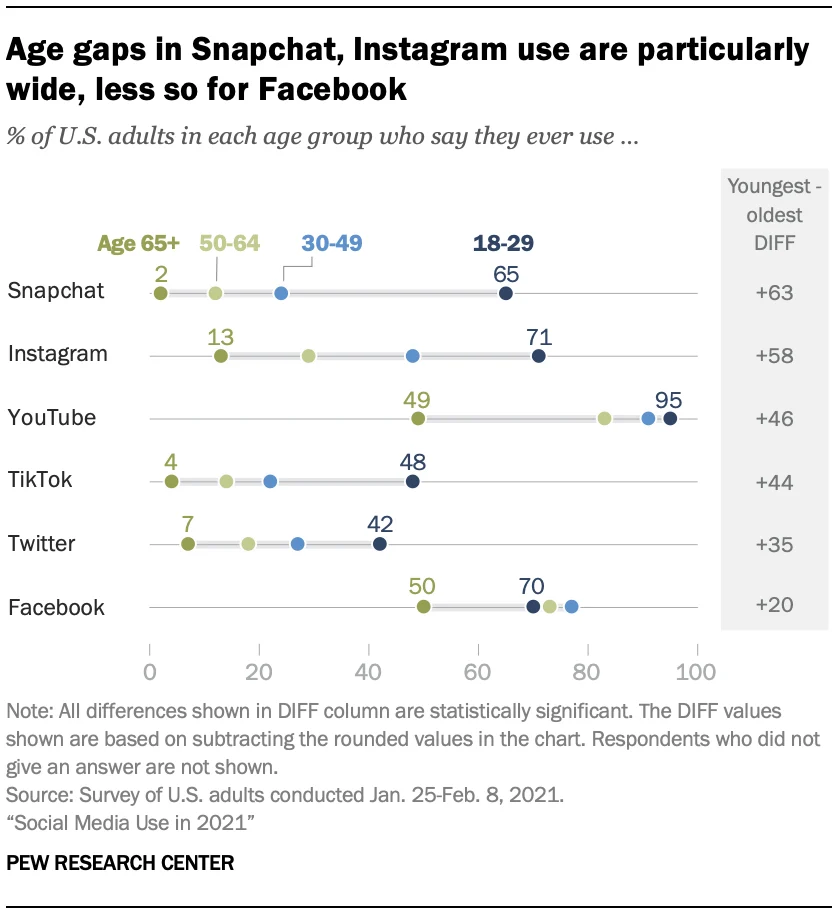
The term "target" is undeniably a cornerstone of effective marketing strategy. Understanding precisely who a brand is attempting to reach is paramount to crafting resonant campaigns. While traditional segmentation methods like behavioral, psychographic, demographic, and geographic targeting remain vital, a deeper dive into generational nuances is increasingly crucial for successful digital outreach. This article initiates a series dedicated to exploring digital marketing strategies tailored to distinct generational cohorts: Gen Z (born 1995-2010), Millennials (1980-1994), Gen X (1960-1979), and Baby Boomers (1940-1959). By dissecting the unique characteristics and media consumption habits of each group, marketers can ensure their messages are not only seen but also effectively received. We commence this exploration with the youngest and arguably most digitally native demographic: Generation Z.
Generation Z, a cohort that has grown up immersed in a hyper-connected world, often finds itself characterized by a blend of perceived cynicism and innovative pragmatism. As this generation begins to significantly enter the workforce and wield substantial consumer power, understanding their mindset and preferences is no longer optional for businesses aiming for long-term relevance. This generation, having witnessed the post-9/11 era, the global financial crisis of 2008, and now the pervasive impact of the COVID-19 pandemic, possesses a unique perspective shaped by unprecedented global events and constant technological evolution.
The Gen Z Mindset: Digital Natives and Pragmatic Realists
Generation Z are the quintessential digital natives. Unlike previous generations who adopted technology as it emerged, Gen Z has known no other reality than one saturated with smartphones, personal computers, and ubiquitous internet access. This constant exposure has cultivated a distinct set of cognitive and behavioral patterns. They are the first generation to come of age entirely within the digital sphere, influencing their communication styles, information consumption, and purchasing decisions.
Their formative experiences, including observing the economic anxieties of their parents during the Great Recession and navigating the societal shifts brought about by global crises, have instilled in them a profound sense of realism. This pragmatism often translates into a discerning approach to information and a heightened awareness of authenticity. They are not easily swayed by superficial marketing tactics and possess a keen ability to detect inauthenticity.
Furthermore, Gen Z is characterized by a remarkable openness of mind and a pragmatic outlook. Their digital fluency means they are adept at processing vast amounts of information quickly, leading to a shorter attention span for content that fails to immediately engage. This necessitates marketing approaches that are concise, visually compelling, and deliver value upfront. Obnoxious or overly aggressive advertising is likely to be met with swift dismissal.
Their ethical compass is also a significant driver of their consumer behavior. Gen Z actively seeks out brands that align with their values, demonstrating a strong preference for companies committed to social responsibility, environmental sustainability, and ethical practices. They are highly informed consumers who research products and brands, often scrutinizing their origins, production methods, and corporate ethos. This ethical consumerism is a powerful force shaping market trends and demanding greater transparency from businesses.
A key characteristic of Gen Z is their high valuation of uniqueness. In a world where trends can emerge and disappear within weeks, they strive to express their individuality. This manifests in their fashion choices, their online personas, and their engagement with brands. They are drawn to products and experiences that allow them to stand out and define themselves, rather than conforming to mainstream trends. This desire for self-expression presents an opportunity for brands to offer personalized products and experiences that resonate with their individual identities.

Gen Z Consumption Habits: A Data-Driven Perspective
Research consistently highlights the distinctive consumption patterns of Generation Z. A comprehensive study by McKinsey & Company, titled "True Gen: Generation Z and Its Implications for Companies," shed light on several key aspects of their purchasing behavior. While the specific data points from the original source were not fully provided, the general findings indicate a trend towards conscious consumerism.
McKinsey’s analysis, and similar studies, suggest that Gen Z is a generation that prioritizes value and authenticity. They are less likely to engage in impulse buying and more inclined to conduct thorough research before making a purchase. This includes seeking out reviews, comparing prices, and understanding the ethical implications of their choices. Their financial literacy, often a result of observing past economic downturns, contributes to their pragmatic approach to spending.
The study also likely pointed to the significant influence of social media and peer recommendations on their purchasing decisions. Unlike older generations who might rely on traditional advertising or expert opinions, Gen Z often turns to influencers, friends, and online communities for product validation. This underscores the importance of authentic engagement and user-generated content in marketing strategies targeting this demographic.
Furthermore, their consumption is not solely driven by material possessions. Gen Z often values experiences over goods, seeking out opportunities for travel, personal development, and social connection. This preference for experiences can be leveraged by brands offering unique events, immersive digital content, or services that enhance their lifestyle.
Marketing to Gen Z: Strategies for Digital Engagement
Translating the understanding of Gen Z’s mindset and consumption habits into effective digital marketing strategies requires a nuanced approach. Marketers must adapt their tactics to meet this generation where they are and speak their language.
Platforms to Reach Gen Z
The digital landscape for Gen Z is diverse and constantly evolving. While some platforms have been dominant for years, new ones emerge and gain traction rapidly.
- TikTok: This short-form video platform has become a cultural phenomenon and a primary channel for Gen Z entertainment and information discovery. Its algorithm-driven feed delivers highly personalized content, making it an ideal space for brands to showcase creativity, humor, and authenticity. Viral challenges, educational snippets, and behind-the-scenes glimpses of brand operations can all find success on TikTok.
- Instagram: While perhaps perceived as more established, Instagram remains a crucial platform for Gen Z, particularly for its visual storytelling capabilities. Stories, Reels, and feed posts allow for a range of content formats, from aspirational imagery to relatable everyday moments. Collaborations with micro-influencers and user-generated content campaigns are particularly effective here.
- YouTube: As the second-largest search engine, YouTube is indispensable for Gen Z seeking in-depth information, tutorials, entertainment, and product reviews. Longer-form content, such as vlogs, documentaries, and educational series, can build brand loyalty and establish authority. Live streaming events and interactive Q&A sessions also resonate well.
- Snapchat: Known for its ephemeral content and focus on personal connections, Snapchat continues to be popular among younger Gen Z members. Filters, lenses, and short, engaging video snaps offer a more informal and playful way for brands to connect.
- Discord: This voice, video, and text communication platform has become a hub for online communities. Brands can leverage Discord to build direct relationships with their audience, foster community engagement, and gather valuable feedback. Creating dedicated servers for specific interests or product lines can cultivate a sense of belonging.
- Twitch: For brands targeting gamers or those interested in live-streaming content, Twitch is an essential platform. Partnering with streamers, sponsoring events, and creating interactive content during live broadcasts can effectively reach this audience.
The image provided, illustrating age gaps across different social media platforms, serves as a visual testament to the importance of platform selection. It likely demonstrates that while older generations might favor platforms like Facebook, Gen Z’s engagement is concentrated on newer, more dynamic platforms like TikTok, Instagram, and YouTube. Understanding these demographic distributions is crucial for allocating marketing resources effectively.
Messaging That Speaks to Gen Z
Crafting messages that resonate with Gen Z requires an understanding of their values, communication styles, and skepticism towards traditional advertising.

- Authenticity and Transparency: Gen Z values genuine connections. Brands that are transparent about their products, processes, and values will earn their trust. This means avoiding overly polished or staged content and embracing a more raw, relatable approach. Behind-the-scenes glimpses, employee spotlights, and honest discussions about challenges can foster authenticity.
- Social Impact and Values Alignment: As ethically conscious consumers, Gen Z is drawn to brands that demonstrate a commitment to social and environmental causes. Messaging that highlights a brand’s positive impact, whether through sustainable practices, charitable contributions, or advocacy for important issues, will resonate deeply.
- Humor and Relatability: While often perceived as serious, Gen Z also appreciates humor and content that reflects their everyday experiences. Brands that can inject wit, memes, and relatable scenarios into their messaging are more likely to capture their attention and create positive brand associations.
- User-Generated Content and Community: Empowering Gen Z to create and share their own content is a powerful marketing tool. Encouraging them to post reviews, showcase products in use, or participate in brand challenges fosters a sense of community and provides authentic social proof.
- Conciseness and Visual Appeal: Given their shorter attention spans, messages must be delivered quickly and effectively. Short-form videos, eye-catching graphics, and clear, concise text are essential. Brands should prioritize visually engaging content that tells a story or conveys information efficiently.
- Inclusivity and Diversity: Gen Z is a highly diverse generation that values inclusivity. Marketing campaigns that reflect a wide range of backgrounds, identities, and experiences will resonate more strongly and demonstrate a commitment to representation.
The original content hinted at further details within lists, which would typically elaborate on specific examples of successful messaging and content formats. For instance, successful campaigns often feature creators from within the Gen Z demographic, utilize trending audio and visual effects, and engage directly with comments and messages, fostering a two-way dialogue. Brands that experiment with interactive polls, Q&A sessions, and live events on platforms like Instagram and YouTube also tend to see higher engagement.
Broader Implications and Future Outlook
The shift in consumer power towards Generation Z signifies a fundamental change in the marketing landscape. Brands that fail to adapt their strategies to meet the expectations and preferences of this digitally native, ethically driven, and uniquely expressive generation risk becoming irrelevant.
The emphasis on authenticity and transparency is not merely a trend; it is a fundamental expectation. Companies will need to invest in building genuine relationships with their consumers, prioritizing ethical sourcing, sustainable practices, and clear communication. The rise of the "conscious consumer" means that a brand’s social and environmental impact will increasingly influence purchasing decisions, alongside price and quality.
Furthermore, the dynamic nature of digital platforms requires continuous learning and adaptation. Marketers must remain agile, staying abreast of emerging trends, new platform features, and evolving consumer behaviors. The ability to experiment, analyze data, and pivot strategies quickly will be crucial for success.
Ultimately, marketing to Generation Z is about building authentic connections and demonstrating shared values. It requires a deep understanding of their world, their concerns, and their aspirations. By embracing the principles of transparency, community, and impactful storytelling, brands can not only reach this influential demographic but also cultivate lasting loyalty and drive meaningful business growth in the years to come. The insights gleaned from understanding Gen Z will undoubtedly inform and shape marketing strategies for all subsequent generations, underscoring the enduring importance of generational analysis in the ever-evolving world of digital commerce.
For businesses seeking to refine their approach and develop tailored digital marketing solutions to effectively engage and convert their Gen Z audience, consulting with experienced digital marketing professionals is a recommended step. Such collaborations can provide the strategic guidance and tactical execution necessary to navigate this complex and rewarding market segment.