rifanmuazin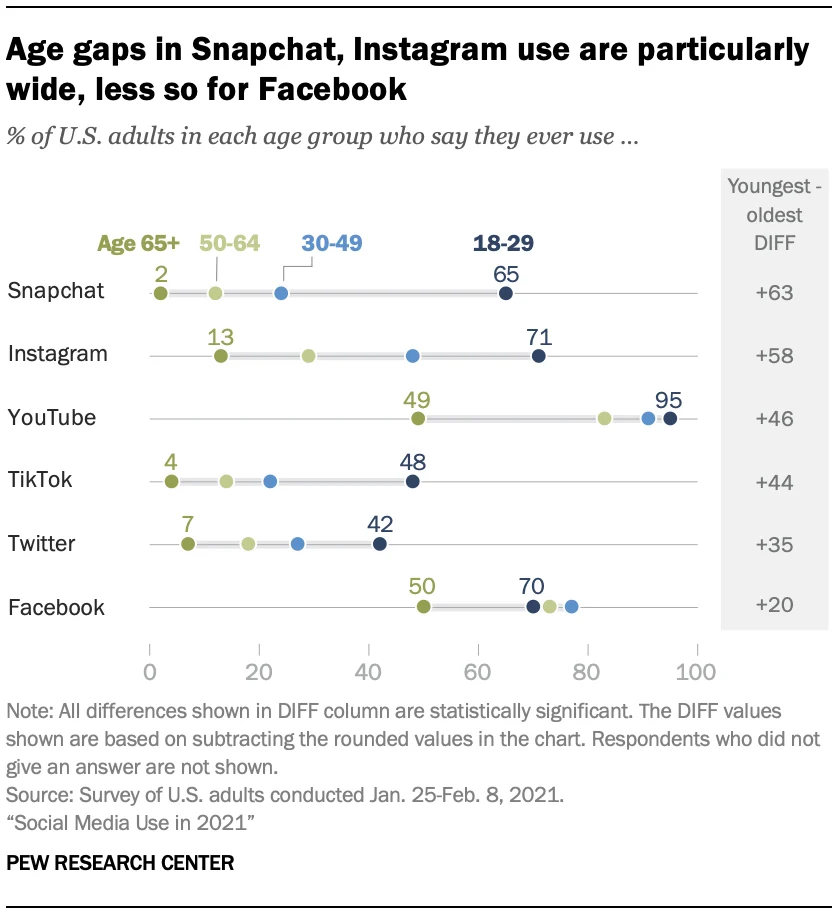
The concept of "target" is a cornerstone of effective marketing, representing the fundamental question of audience identification. Marketers employ various segmentation strategies, including behavioral, psychographic, demographic, and geographic approaches, to pinpoint their ideal customer. However, as the digital realm rapidly evolves, understanding generational nuances has become increasingly critical for successful outreach. This series delves into the intricacies of digital marketing for distinct generations – Gen Z (born 1995-2010), Millennials (1980-1994), Gen X (1960-1979), and Baby Boomers (1940-1959) – providing insights into reaching these cohorts with the right message on the right platforms. We begin with the youngest and most digitally native demographic: Generation Z.
Often characterized by their immediate immersion in digital technologies and a unique worldview shaped by significant global events, Gen Z has emerged as a focal point for marketers. This generation, now entering the workforce and consumer markets in full force, presents a distinct set of values, consumption habits, and communication preferences that necessitate a tailored marketing approach. While older generations may sometimes view Gen Z through a lens of perceived generational differences, understanding their formative experiences is key to effective engagement.
The Gen Z Mindset: Forged in a Digital and Turbulent World
Generation Z stands as the first truly digital generation. Unlike previous cohorts who witnessed the advent of technology, Gen Z has grown up with smartphones, constant internet access, and a world interconnected by the web. Their formative years have been marked by significant global events, including the post-9/11 era, the lingering effects of the Great Recession on their families, and more recently, the profound disruptions of the COVID-19 pandemic as they transitioned into higher education and professional careers.
These experiences have cultivated a generation characterized by a pragmatic, realistic, and open-minded outlook. They are digital natives, mobile-first in their approach to information and communication, and increasingly conscientious consumers who prioritize ethical considerations in their purchasing decisions. Their engagement with online content is often characterized by a shorter attention span, making them less tolerant of intrusive or inauthentic advertising. Furthermore, Gen Z places a high value on individuality and uniqueness, seeking brands that reflect and celebrate these qualities.

This inherent skepticism towards traditional marketing stems from their lifelong exposure to advertising across a multitude of digital platforms. To capture their attention, brands must move beyond conventional advertising tactics and strive for authenticity, creativity, and relevance. The ability to stand out in a crowded digital space is paramount.
Gen Z Consumption Habits: Data-Driven Insights
A comprehensive study by McKinsey & Company, titled "True Gen: Generation Z and its implications for companies," offers critical insights into the consumption patterns of this demographic. The research highlights three key aspects of Gen Z purchasing behavior:
- Value-Driven Purchases: Gen Z is not solely driven by price. They are willing to pay a premium for products and services that align with their values, such as sustainability, ethical sourcing, and social responsibility. This generation has witnessed the environmental and social consequences of unchecked consumerism and is actively seeking brands that demonstrate a commitment to positive change.
- Digital Discovery and Social Influence: While they are adept at online research, Gen Z’s purchasing decisions are heavily influenced by social media trends, peer recommendations, and influencer endorsements. Platforms like TikTok, Instagram, and YouTube serve as primary channels for product discovery and validation. They often rely on user-generated content and authentic reviews to inform their choices.
- Experience Over Ownership: Similar to Millennials, Gen Z often prioritizes experiences over the accumulation of material possessions. This translates into a greater willingness to spend on travel, entertainment, and events. Brands that can offer unique and shareable experiences are likely to resonate more strongly with this cohort.
Marketing to Gen Z: Strategies for Digital Engagement
Understanding the mindset and consumption habits of Gen Z is the first step; the next is translating this knowledge into actionable digital marketing strategies. The key lies in meeting them where they are and speaking their language.
Platforms to Reach Gen Z
Gen Z’s digital footprint is extensive and diverse, with specific platforms dominating their online interactions. Effective marketing requires a strategic presence on these channels:
- TikTok: This short-form video platform has become a cultural phenomenon, driven by its algorithmically curated content and emphasis on creativity and trends. Brands can leverage TikTok through engaging video content, challenges, influencer collaborations, and by tapping into popular sounds and memes. The platform’s emphasis on authenticity and humor makes it an ideal space for brands to showcase their personality.
- Instagram: While its popularity among younger Gen Z users may be waning in favor of TikTok, Instagram remains a significant platform for visual storytelling and community building. Brands can utilize Instagram Reels, Stories, and feed posts to share compelling visuals, behind-the-scenes glimpses, and interactive content. Shoppable posts and direct messaging also facilitate seamless commerce.
- YouTube: As the world’s second-largest search engine, YouTube is indispensable for Gen Z seeking entertainment, information, and tutorials. Longer-form content, including vlogs, product reviews, and educational videos, can establish brand authority and foster deeper connections. Collaborations with YouTube creators who have a strong Gen Z following can significantly amplify reach.
- Snapchat: Known for its ephemeral messaging and augmented reality filters, Snapchat offers a more intimate and playful way to connect with younger Gen Z users. Brands can utilize branded lenses, filters, and short video ads to create interactive and engaging experiences.
- Twitch: For brands targeting gamers or those interested in live streaming culture, Twitch is a critical platform. Engaging with the community through live streams, sponsoring streamers, and integrating brand messaging into the gaming ecosystem can be highly effective.
- Discord: This communication platform has become a hub for online communities, including those centered around gaming, fandoms, and shared interests. Brands can establish their own Discord servers to foster direct engagement, gather feedback, and build a loyal community.
The choice of platform should be dictated by the specific campaign objectives and the target audience segment within Gen Z. A multi-platform approach, tailored to the unique strengths of each channel, is often the most effective strategy.

Messaging That Speaks to Gen Z
Crafting compelling messages for Gen Z requires an understanding of their communication preferences and values:
- Authenticity and Transparency: Gen Z can quickly detect inauthenticity. Marketing messages should be genuine, honest, and free from hyperbole. Brands that are transparent about their practices, values, and even their shortcomings tend to build greater trust.
- Purpose-Driven Content: Gen Z is deeply concerned about social and environmental issues. Messaging that highlights a brand’s commitment to causes like sustainability, diversity, inclusion, and ethical production will resonate strongly. They want to support brands that are making a positive impact on the world.
- Humor and Relatability: While not all Gen Z content needs to be humorous, a well-placed, witty, and relatable message can be highly effective. Memes, inside jokes, and content that reflects their everyday experiences can foster a sense of connection.
- User-Generated Content (UGC): Gen Z trusts the opinions of their peers more than traditional advertising. Encouraging and showcasing user-generated content, such as customer reviews, photos, and videos, can be a powerful endorsement.
- Short, Engaging, and Visually Appealing: Given their shorter attention spans, marketing content needs to be concise, impactful, and visually stimulating. Short-form videos, infographics, and striking imagery are crucial for capturing their attention in a crowded digital landscape.
- Interactive and Participatory: Gen Z is not just a passive audience; they want to participate. Contests, polls, Q&A sessions, and opportunities for them to contribute to brand narratives can foster deeper engagement and a sense of ownership.
- Values Alignment over Direct Selling: Instead of overtly pushing products, brands should focus on communicating their values and demonstrating how their offerings align with Gen Z’s aspirations and concerns. This indirect approach often leads to greater receptiveness.
Broader Implications and Future Considerations
The marketing landscape is in constant flux, and understanding generational shifts is an ongoing process. As Gen Z continues to mature and exert greater influence on the economy, their preferences and behaviors will undoubtedly evolve. Brands that remain agile, adaptable, and committed to authentic engagement will be best positioned to build lasting relationships with this influential demographic.
The insights into Gen Z’s digital fluency, their value-driven consumption, and their preference for authentic and purpose-led marketing have far-reaching implications beyond just this cohort. Many of these trends are indicative of broader shifts in consumer behavior influenced by digital transformation and a growing awareness of global challenges. Marketers who can effectively connect with Gen Z are likely to develop strategies that are relevant to a wider audience, including younger Millennials and even future generations.
The journey of marketing to Gen Z is not a static one. It requires continuous learning, experimentation, and a genuine effort to understand their world. By embracing authenticity, leveraging the right platforms, and crafting messages that resonate with their values, brands can forge meaningful connections and achieve sustainable success in the digital age.
For those seeking to refine their digital marketing strategies to effectively reach and convert their Gen Z audience, consulting with experienced professionals can provide invaluable guidance. The complexities of digital engagement demand tailored solutions, and a collaborative approach can unlock new opportunities for growth and connection.