Schema markup, a form of structured data, has evolved from a tool for generating visually appealing rich snippets in search results to a foundational element for Answer Engine Optimization (AEO). In an era increasingly dominated by generative AI in search, schema markup is becoming indispensable for helping AI crawlers understand, interpret, and confidently cite website content. By embedding additional context directly into a site’s HTML, schema allows SEO professionals to map entities and reduce ambiguity, significantly increasing the likelihood that web content will be accurately leveraged in AI-generated answers.
The landscape of online search is undergoing a profound transformation. Traditional SEO, historically focused on keywords, backlinks, and improving rankings for ten blue links, is broadening its scope to encompass AEO. This shift is driven by the proliferation of AI-powered search experiences, such as Google’s AI Overviews, conversational AI assistants, and generative interfaces. These systems aim to provide direct, comprehensive answers to user queries, often synthesizing information from multiple sources rather than simply listing web pages. For content to be effectively utilized by these answer engines, it must be presented in a way that is easily machine-readable and semantically clear. This is precisely where schema markup proves its strategic value.

Understanding Structured Data and Schema Markup
While often used interchangeably, "structured data" and "schema markup" have distinct meanings. Structured data refers to any data organized in a specific, predefined format, making it easier for machines to process. This includes everything from database tables to spreadsheets. Schema markup, specifically, is a vocabulary of tags (or microdata) that can be added to HTML to create structured data on the web. Defined by Schema.org, a collaborative initiative by major search engines, these types and properties allow webmasters to describe content in a standardized way that search engines universally understand. This shared vocabulary enables AI crawlers to parse complex information, identify relationships between entities, and extract precise facts without being overwhelmed by a website’s front-end design or user interface.
The Evolution: AEO Schema vs. Traditional SEO Schema

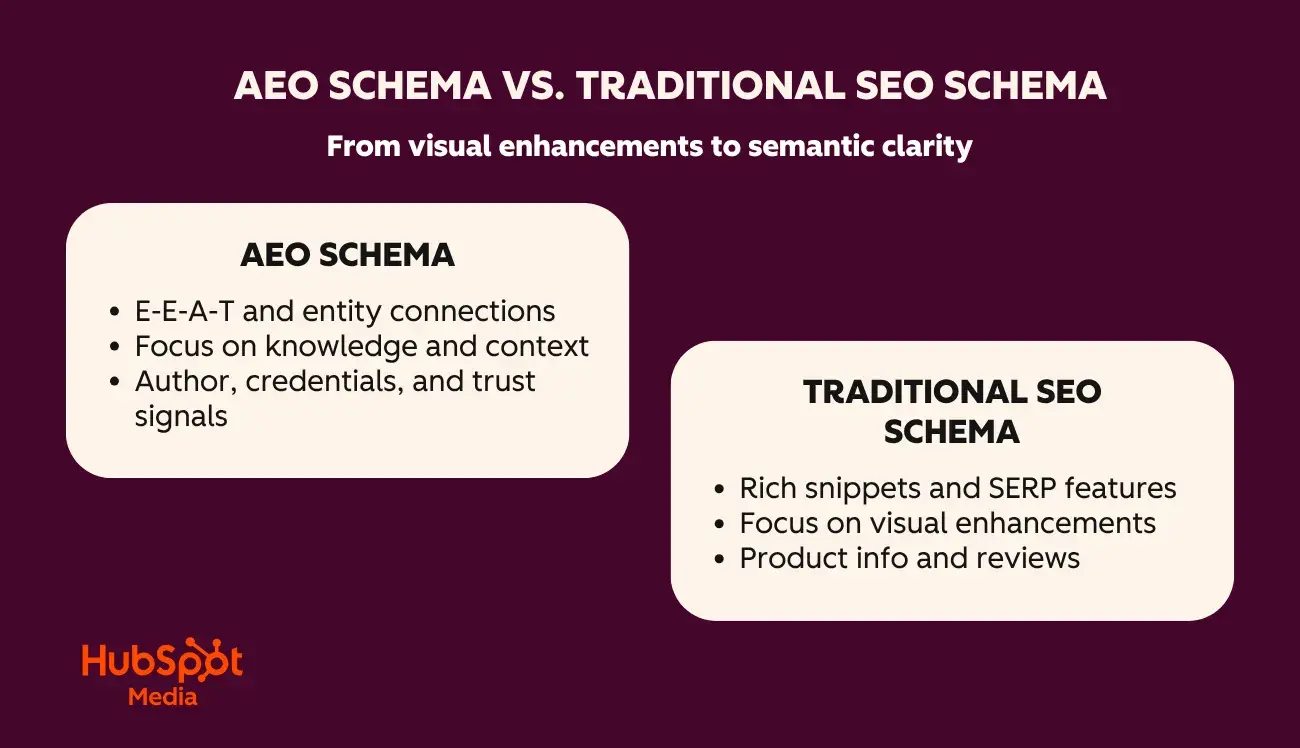
The application of schema markup has expanded significantly alongside the evolution of search algorithms and user expectations. Initially, traditional SEO schema was primarily deployed to enhance Search Engine Results Pages (SERPs) with rich results – visual augmentations like product ratings, review snippets, or event details. These enhancements aimed to make listings more attractive and informative, thereby improving click-through rates.
However, the role of schema broadened dramatically with Google’s increasing emphasis on E-E-A-T (Experience, Expertise, Authoritativeness, and Trustworthiness). This concept, initially outlined in Google’s Search Quality Rater Guidelines, became a critical factor in algorithmic content assessment. Publishers began leveraging schema to describe authors, linking their credentials, professional affiliations, and social media profiles to verifiable entities. This practice helped machine-readably convey expertise and trustworthiness signals, fostering greater confidence in the content’s credibility.
As SEO professionals transition into AEO roles, schema markup becomes even more central. The focus shifts from merely enhancing SERP visuals to building a robust, interconnected knowledge base. Entities, attributes, and their relationships are paramount, transforming websites from collections of isolated pages into structured knowledge hubs. This semantic clarity is vital for AI systems, enabling them to understand and contextualize content far more effectively. The current role of schema is less about superficial SERP improvements and more about fundamental semantic understanding, directly feeding the sophisticated algorithms of generative AI.
The Imperative of Schema for AI Visibility
Empirical evidence underscores the critical role of schema markup in achieving AI visibility. Recent industry testing has revealed a strong correlation between well-implemented schema and the appearance of web content in AI Overviews. Pages with meticulously structured data are not only more likely to feature in these AI-generated summaries but also tend to rank higher in traditional organic search results. Conversely, pages with poorly implemented or absent schema are often overlooked by AI Overviews. This data highlights that the mere presence of schema is insufficient; its accurate and comprehensive implementation is the key differentiator.
While some benefits of schema, such as rich snippets, can manifest within hours, the advantages of using schema for entity mapping and reinforcing E-E-A-T are more subtle and long-term. These foundational improvements contribute to a website’s overall authority and trustworthiness in the eyes of AI, building a sustainable competitive advantage. Without instant feedback mechanisms like rich results, tracking the impact of these deeper schema implementations can be challenging. However, advanced SEO platforms and emerging AEO tools are designed to bridge this gap, offering technical recommendations, monitoring performance trends, and identifying opportunities to strengthen content for both traditional search engines and advanced answer engines. As AI-driven discovery continues to evolve, dedicated platforms are emerging to help teams analyze content performance across the entire AI search journey, from traditional rankings to visibility within answer engines, copilots, and other generative interfaces.
Critical Schema Types for AEO
Several schema types are particularly important for AEO, each contributing to an AI system’s comprehensive understanding of a website’s content and underlying entities.
-
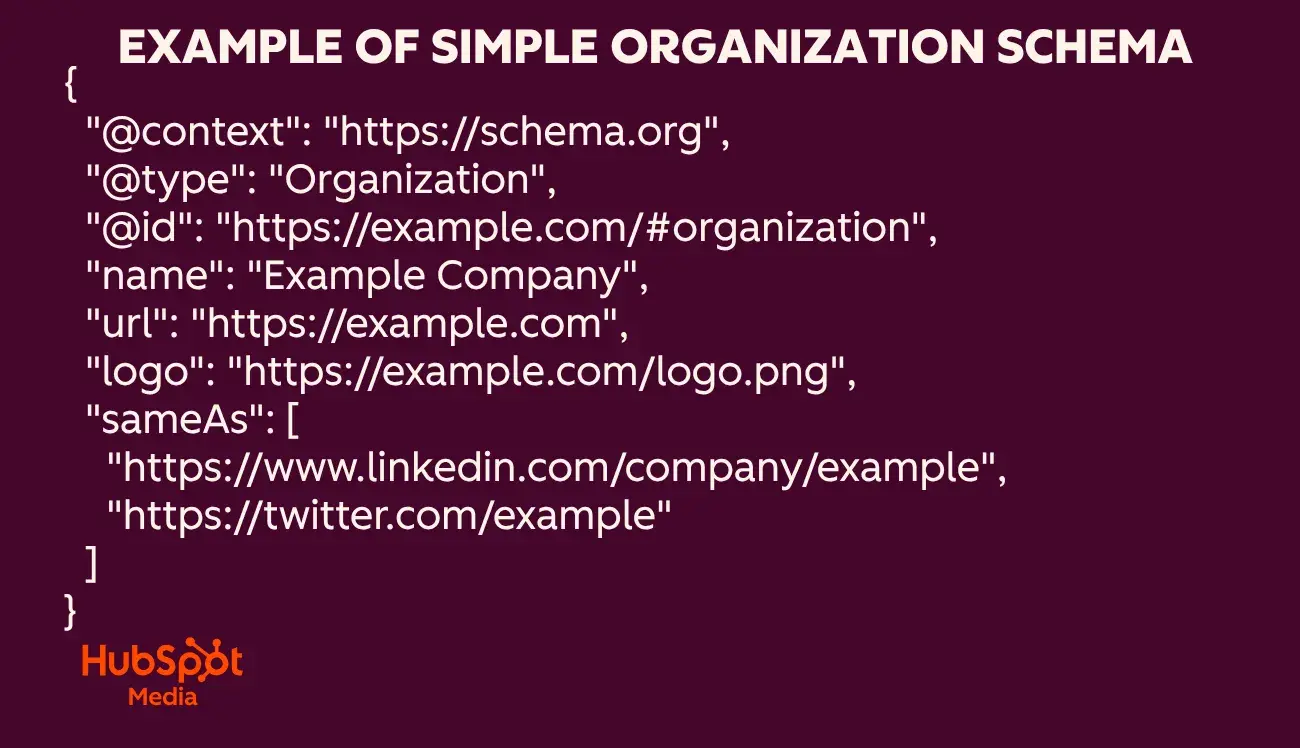
Organization Schema: This structured data describes a business or brand as a distinct entity. For most websites, it serves as the foundational anchor to which other schema types—such as Article, Person, Product, and Service—are linked. Organization schema is fundamental for E-E-A-T, enabling crawlers to unequivocally identify the source of content, thereby strengthening authority, ownership, and attribution signals. This clarity is crucial for answer engines when determining which brands to trust and cite. It defines key organizational attributes like the company’s name, URL, logo, contact information, and social media profiles. For AEO, consistent association of content with the same entity across all digital touchpoints is paramount. Minimum valid requirements include
@type,name,url, andlogo. Additional valuable properties includefoundingDate,email,address, andsameAslinks to authoritative external profiles.
-
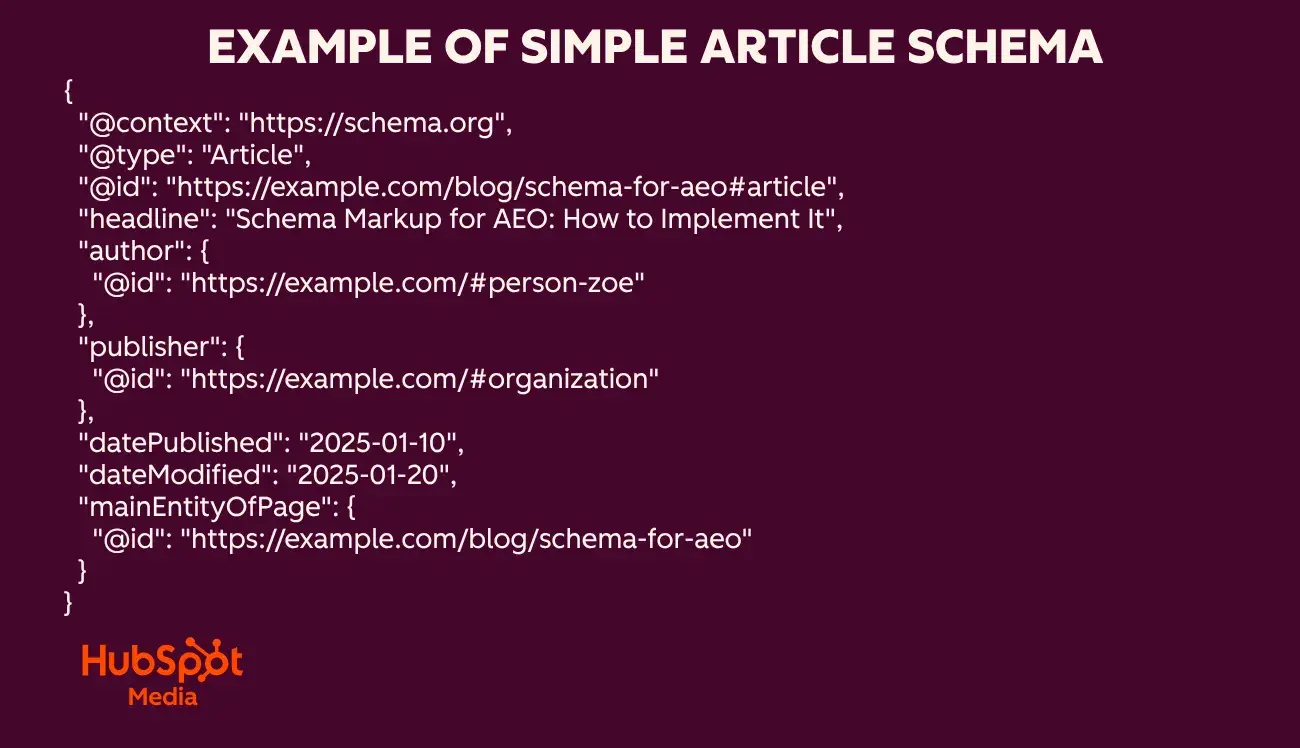
Person Schema: Used to describe an individual as an entity, Person schema is typically deployed for authors, founders, subject-matter experts, and spokespeople. It is often directly linked to Organization and Article schema to clarify authorship and expertise. For answer engines, Person schema helps resolve questions of responsibility and credibility: who is behind the information, and can they be trusted on the topic? This schema can include an individual’s name, job title, affiliated organization, and
sameAslinks to social profiles or other author pages, significantly boosting E-E-A-T signals. The ability to link an individual to a verified organization and showcase their expertise can be a powerful factor in securing knowledge panels and increasing the perceived authority of content. -
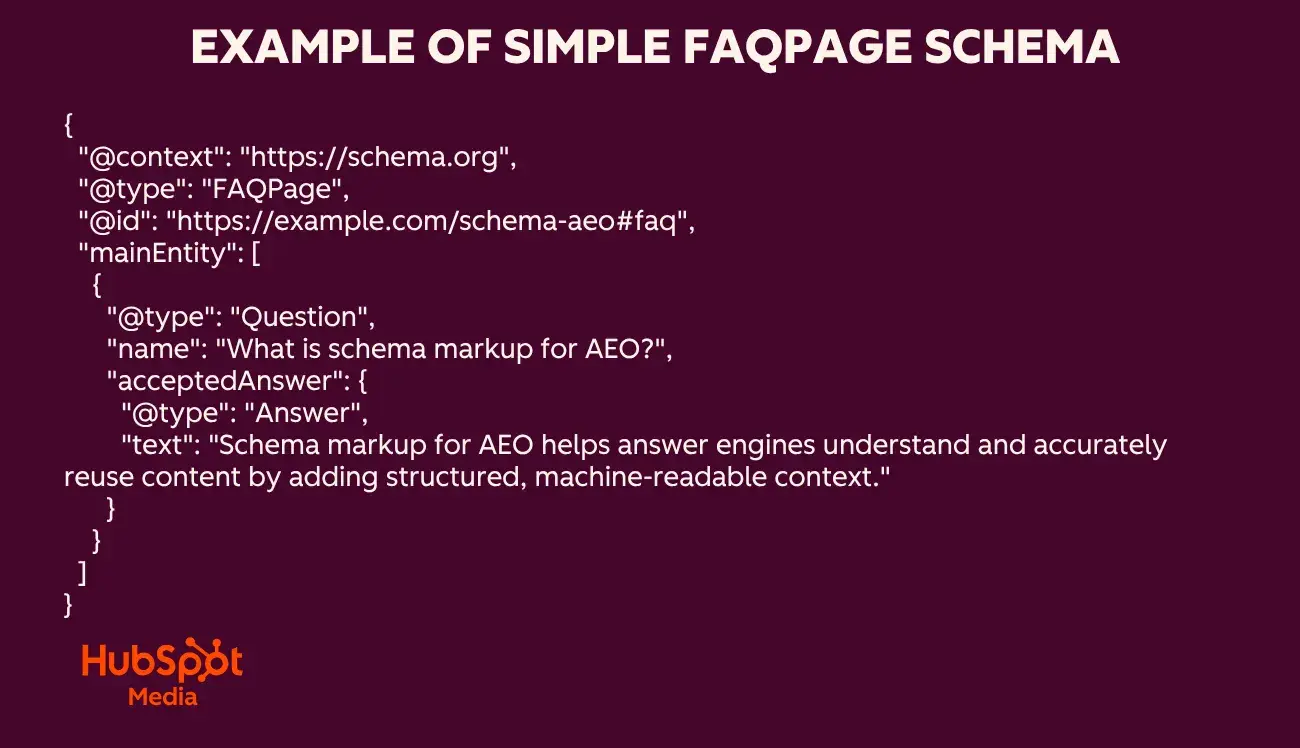
Article Schema: This schema describes a piece of written content as a standalone entity, commonly applied to blog posts, guides, news articles, and editorial content. It typically links to both Person and Organization schema to clearly define authorship and ownership. Article schema helps AI systems understand the scope and intent of a page, marking up critical components such as the article’s title, publication date, modification date, associated image, and a concise description. This reduces the risk of content being misattributed or overlooked due to ambiguous ownership or context. Minimum requirements include
@type,headline,image,datePublished,dateModified, andauthor(linking to a Person or Organization). -
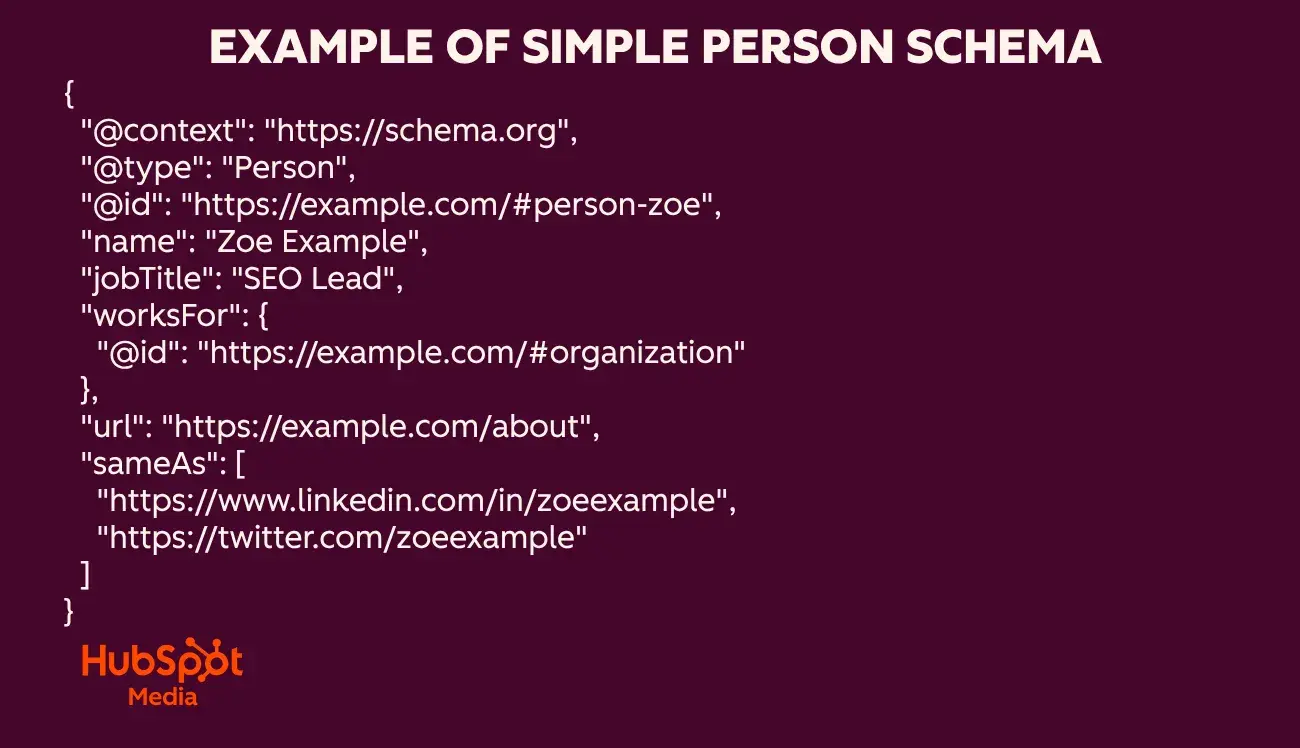
FAQPage Schema: This schema marks up a list of questions and answers fully visible on a page. While Google has recently limited the display of FAQ rich results primarily to authoritative government and health websites, FAQPage schema still holds value for AEO. It explicitly defines questions and their corresponding answers, making it exceptionally easy for AI crawlers to extract precise information. This structured presentation can significantly aid answer engines in directly addressing user queries, even if it doesn’t always result in a rich snippet.
-
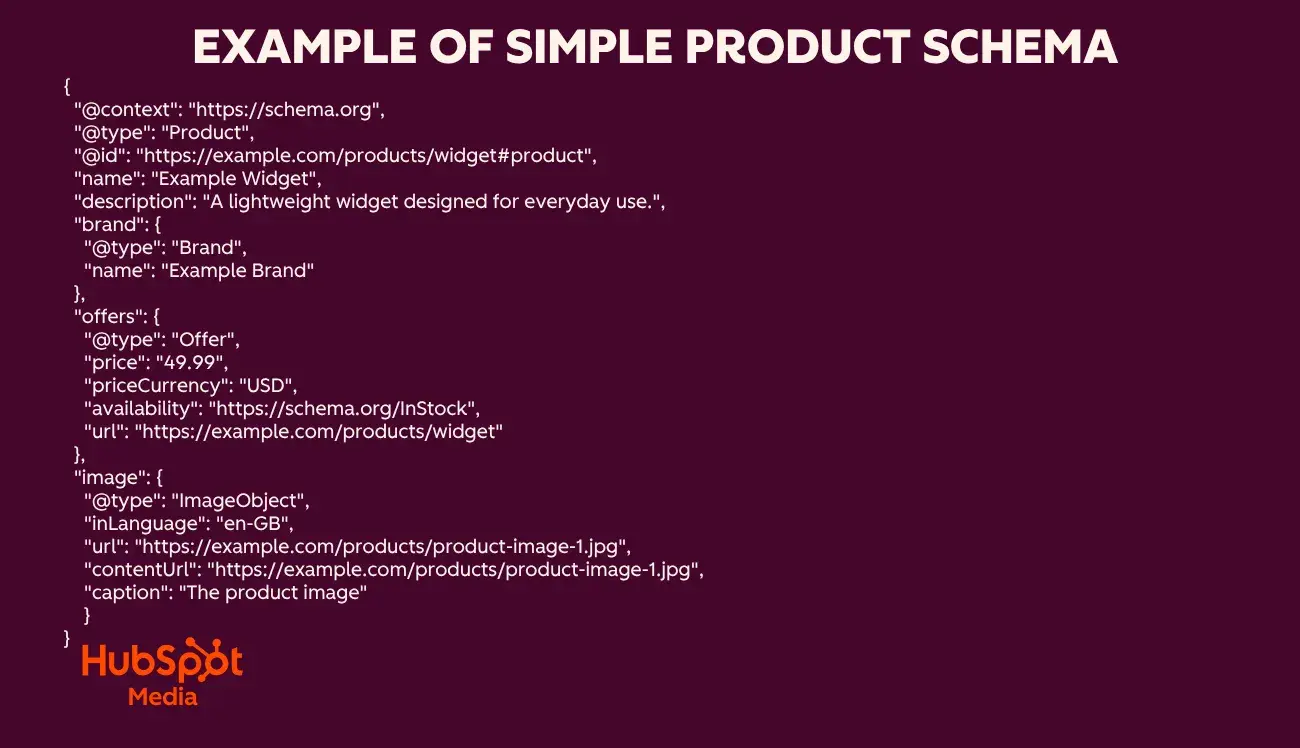
Product Schema: Product schema describes a product as an entity, detailing what it is, its intended audience, and how it can be purchased. This includes crucial information like the product’s name, image, description, brand, offers (price, currency, availability), and aggregate ratings. For AEO, Product schema provides AI systems with highly structured, factual data that is easy to parse. Summarizing and controlling the facts about a product through schema gives businesses the best chance of their offerings being accurately represented in AI search results, often resulting in immediate visibility enhancements like five-star ratings in organic listings.
-
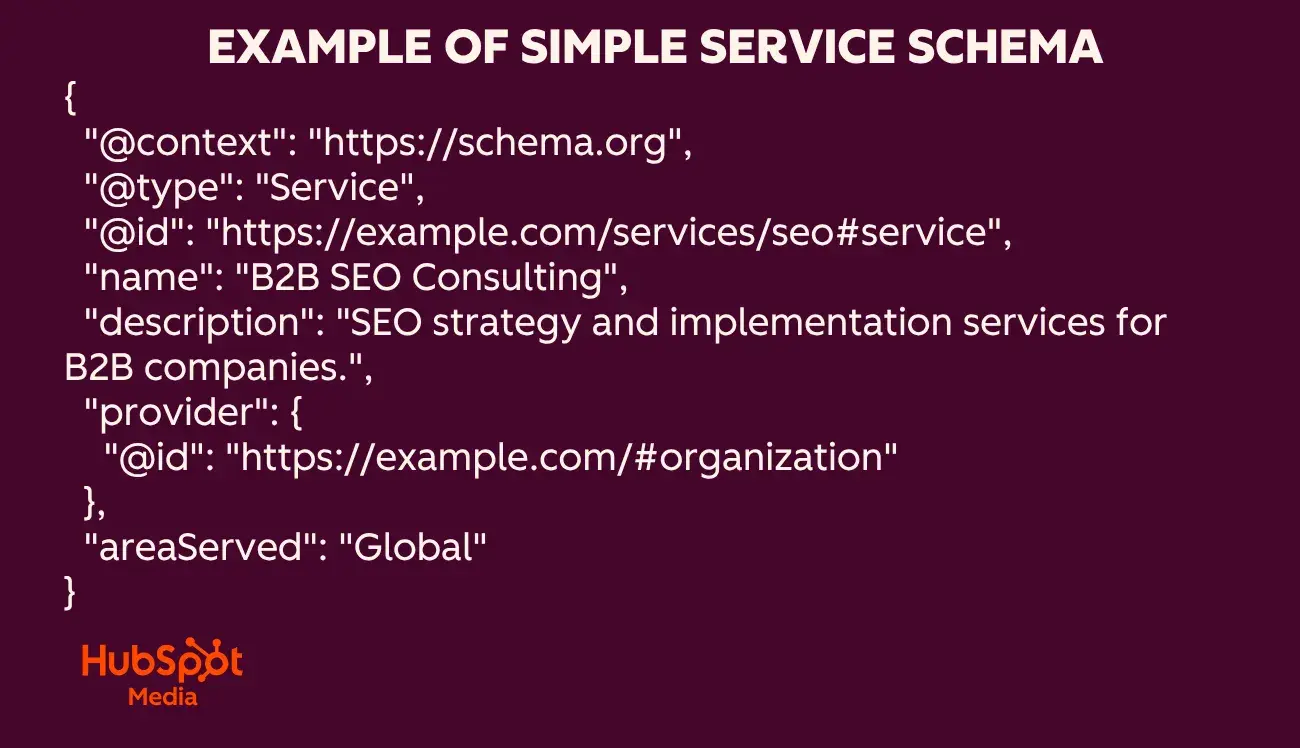
Service Schema: Similar to Product schema, Service schema describes a service offering as an entity. It details what is provided, who provides it (linking to Organization), and its intended recipients. Information includes the service’s name, description, area served, and provider. By adding structured service information, businesses improve clarity for AEO crawlers, potentially supporting enhanced search results and clearer classification of their service offerings by AI systems.
-
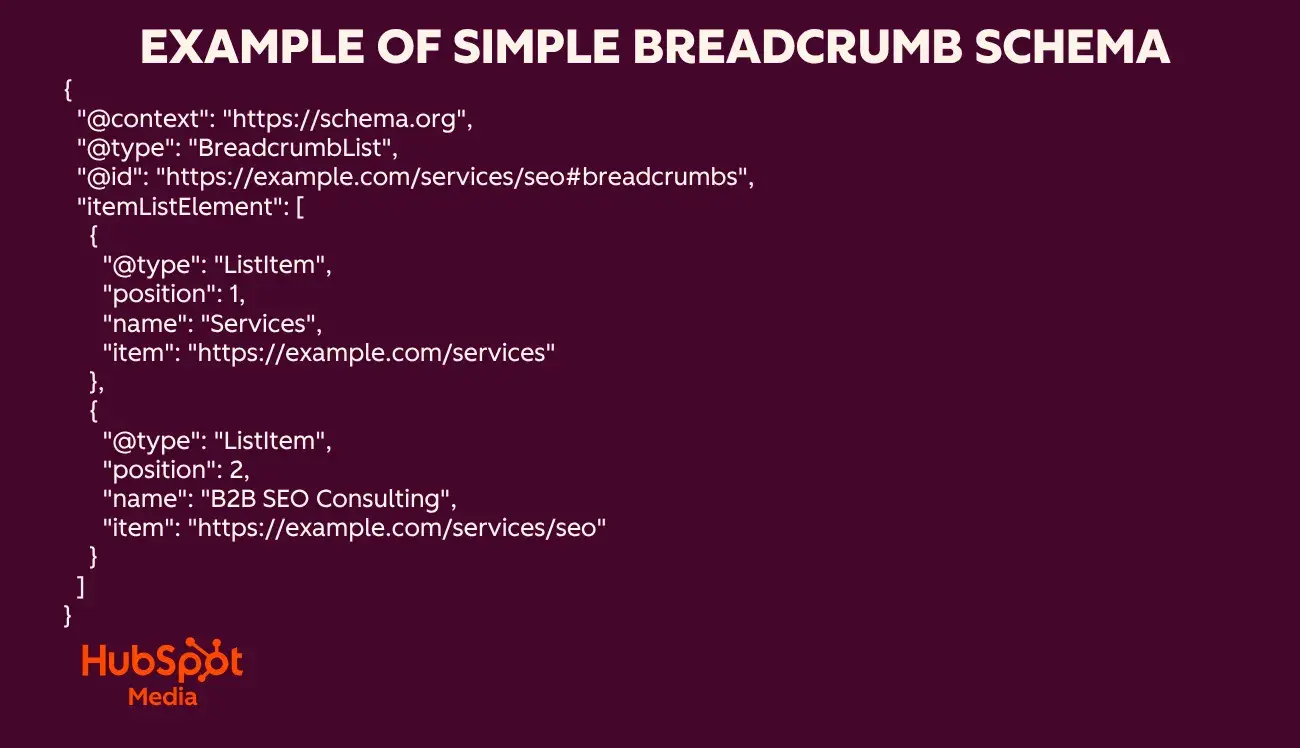
BreadcrumbList Schema: BreadcrumbList schema describes a page’s position within a site’s hierarchical structure. It lists the navigational path from the homepage to the current page. While often a "quiet contributor," breadcrumbs consistently reinforce site structure for both search engines and AEO. This clarity in navigation helps AI systems understand how content fits into a broader topical framework, especially on large or complex websites.
Crafting Your Entity Graph for AEO
An entity graph is a connected map of a website’s information, linking related entities such as the business, its services, articles, people, and locations. This interconnected structure allows search engines and AI systems to clearly discern how all elements relate to one another. Without an entity graph, schema exists as isolated blocks, requiring search engines to perform additional work to piece together relationships. While separate schema blocks can still be effective, an entity graph, using the @graph property in JSON-LD, aggregates these blocks into a single, cohesive structure, simplifying processing for AI.
The @id property is fundamental for linking schema entities together. It provides a unique, persistent identifier for each entity, allowing developers to reference existing data without duplication. For instance, if an individual is both an employee of an organization and an author of articles on its website, the @id property enables the schema to mark that person as both without repeating their full details. This mechanism keeps schema tidy, organized, and prevents inconsistencies.
AEO Schema Best Practices
To maximize the impact of schema for AEO, several best practices should be adhered to:
sameAsProperty: ThesameAsproperty is invaluable for linking an on-site entity to authoritative external references like social media profiles, Wikipedia entries, or other relevant web pages. It serves as a corroboration mechanism, signaling to crawlers that two profiles describe the same entity, thereby significantly bolstering E-E-A-T signals.- Entity Anchoring with Organization: In almost all cases, the Organization entity should act as the central anchor for the entire schema implementation. All other entities—Person, Article, Product, Service—should reference this central Organization entity, establishing clear ownership and affiliation.
- JSON-LD Organization Pattern: A stable and reusable JSON-LD Organization pattern should be implemented once and then referenced consistently across the entire website. This pattern typically includes a fixed
@id, core business details, andsameAslinks to authoritative profiles. This consistency forms the bedrock of an effective entity graph, making it easier to scale schema implementation without introducing inconsistencies that could undermine AEO performance.
Structuring Content for AI Readiness
Beyond technical schema implementation, the way content is structured on a page is crucial for AEO. SEO specialists and content marketers must ensure that intent, ownership, and meaning are explicitly clear.
- Define a Single Primary Intent: Every page should serve one clear purpose—answering a question, explaining a concept, or describing a product/service. This intent must be immediately obvious from the title, headings, and opening content. Answer engines favor content with a narrow, well-defined scope, as it reduces ambiguity for AI extraction. Pages attempting to satisfy multiple intents often underperform in AEO and traditional SEO.
- Anchor the Page to a Primary Entity: Each page should clearly map to a primary schema entity (e.g., Article, Service, Product, Person). Explicitly anchoring pages to a single entity reduces ambiguity and improves consistency when content is summarized or cited by AI.
- Use Clear, Descriptive Headings: Headings (H2, H3) should mirror how users naturally ask questions or seek information. Answer engines frequently rely on headings to understand content structure and extract relevant sections. Headings are not merely stylistic; they are vital for contextualizing content for AI crawlers.
- Place Concise, Factual Answers at the Top: Key answers should appear early in each section, followed by supporting explanations or details. Answer engines prioritize content that provides direct answers without requiring extensive interpretation. Content hidden within elements like accordions or tabs must still be readily accessible in the HTML for AI crawlers.
- Reinforce Ownership and Authorship Signals: Pages must clearly indicate the author and publisher, both visually on the page and through schema markup. Attribution and trust are central to AEO; unclear authorship diminishes AI systems’ confidence in reusing content, even if it is accurate.
- Maintain Clean Internal Linking and Hierarchy: Pages should be logically connected through internal links and breadcrumb navigation that reflect topical relationships. This helps answer engines understand how content fits into a broader knowledge framework, and websites with a rich network of interlinked content on a subject tend to perform better in both SEO and AEO.
Implementing Schema: A Practical Approach
While manual JSON-LD injection into HTML is possible, automated schema injection is significantly more efficient and less prone to inaccuracies. Many content management systems (CMS) and marketing platforms now offer integrated solutions that simplify schema implementation. These tools allow website administrators to apply schema at the template or module level, streamlining the process and reducing reliance on developers for every page update. Platforms that combine AI writing tools with schema implementation can further simplify the creation of schema-ready content, aligning content structure, entity relationships, and AEO-friendly formatting from the outset. Regular validation using tools like Google’s Rich Results Test and Schema.org Validator is crucial to ensure schema is correctly implemented and meets Google’s requirements for specific rich results.
Common Schema Pitfalls That Block AEO
Even with the best intentions, several common pitfalls can undermine AEO schema performance:
- Valid-but-Meaningless Markup: Schema can be syntactically valid but semantically useless if it lacks sufficient detail or meaningful relationships. For example, a product schema that only includes a product name but omits pricing, availability, or brand information, while technically valid, provides no usable data for an AI system. The Rich Results Test is superior to a generic schema validator in this regard, as it highlights fields Google specifically requires for richer understanding.
- Missing
@idandsameAs: Without consistent@idvalues, entities cannot be reliably identified across pages, fragmenting the entity graph. Similarly, missingsameAslinks prevent entities from being connected to authoritative external sources, weakening E-E-A-T signals. - Orphaned Person or Article Entities: This occurs when Person or Article schema exists without being properly linked to an Organization entity. Such orphaned entities lack the crucial context of who published or owns the content, often resulting from a page-by-page schema approach without a centralized entity strategy.
- Misaligned or Incorrectly Formatted Dates: Inconsistent or incorrect publication and modification dates in Article schema are a frequent issue. Dates should consistently use the ISO 8601 format (e.g.,
YYYY-MM-DDorYYYY-MM-DDThh:mm:ssZ) and accurately reflect the on-page dates to avoid confusing AI systems about content freshness.
Conclusion
Implementing AEO schema with clear entities, consistent relationships, and accurate data is no longer optional but a strategic imperative. It empowers answer engines to understand a business, its content, and its trustworthiness, thereby strengthening traditional SEO performance. The most effective approach involves integrating schema implementation into the content creation workflow, rather than treating it as a one-off technical task. Leveraging advanced content management systems and AEO tools can facilitate the creation of schema-ready content at scale, mitigating common errors and future-proofing a digital presence for AI-driven search. As AEO matures, the ability to measure content’s selection and reuse by AI systems, alongside traditional rankings, will become a key indicator of digital success.