rifanmuazin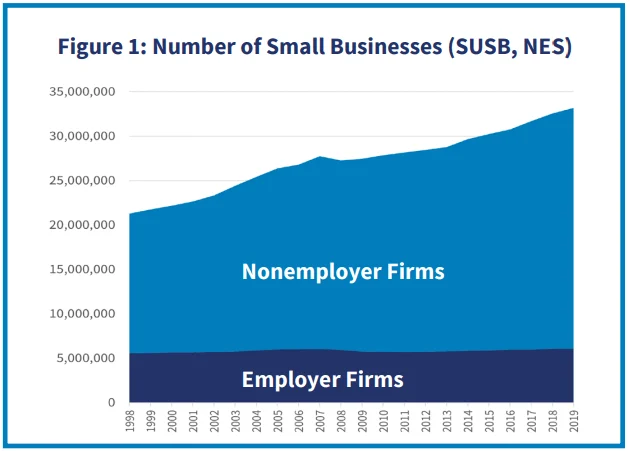
The global economic landscape is undergoing a profound transformation, driven by rapid technological advancements, evolving consumer behaviors, and an increasing demand for specialized services. In this dynamic environment, the entrepreneurial spirit continues to thrive, with countless individuals and aspiring business owners seeking viable ventures for the coming years. While social media platforms often feature a myriad of "best new business ideas," a comprehensive, fact-based guide detailing setup costs, key requirements, and realistic earnings potential remains crucial for informed decision-making. This extensive overview aims to provide a robust framework, exploring 40 top small business ideas poised for success in 2026, suitable for diverse backgrounds and skill sets.
Key Trends Shaping the Small Business Sector in 2026:
Analysis of current market trajectories and emerging technologies highlights several critical trends that will define successful small businesses:
- Digital and Service-Based Dominance: Businesses offering services, particularly in the digital realm, are leading the charge due to their low upfront costs and high scalability. This includes everything from specialized AI services to traditional local offerings adapted for modern efficiency.
- AI Integration and Specialization: Artificial intelligence is not merely a tool but a catalyst, creating entirely new service categories like AI consulting, prompt engineering, and AI-enhanced content creation. These areas represent some of the fastest-growing segments.
- Consistent Demand for Core Services: Fundamental service-based businesses, such as cleaning, lawn care, and bookkeeping, maintain predictable demand, offering accessible entry points for new entrepreneurs and a steady stream of initial clients.
- High-Margin Expertise: Consulting and highly specialized services continue to command the highest profit margins, often ranging from 70% to 85%, reflecting the value placed on expert knowledge and tailored solutions.
This guide delves into these categories, offering insights into each idea’s potential and the underlying market forces driving its relevance.
The Evolving Ecosystem of Entrepreneurship
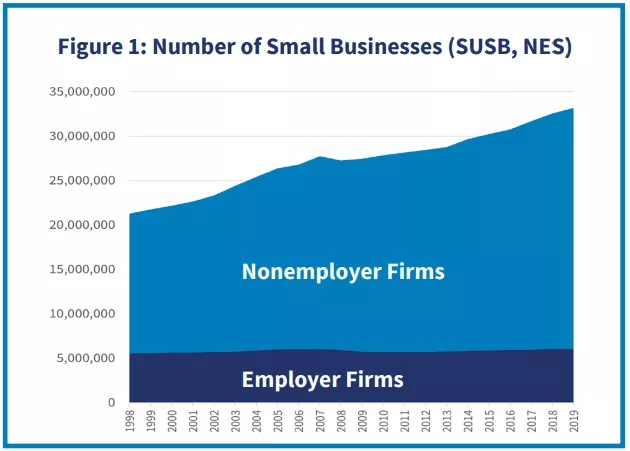
The entrepreneurial journey in 2026 is markedly different from previous decades. The rise of remote work, the gig economy, and accessible digital tools has lowered barriers to entry for many. According to the U.S. Small Business Administration (SBA), small businesses—defined as entities with fewer than 500 employees—constitute 99.9% of all businesses in the country, totaling over 33.2 million. This immense sector is not merely a collection of micro-enterprises; over 6 million (18.3%) are employer firms, contributing significantly to job creation and local economies. The remaining "non-employer firms" also play a vital role, paying taxes and providing essential goods and services, underscoring the broad impact of individual entrepreneurial endeavors.
The genesis of every successful business is an idea that identifies a market gap and proposes a resonant solution. Choosing the right idea involves a confluence of personal interest, demonstrable expertise, and market viability. As we explore the best small business ideas for 2026, the emphasis remains on identifying opportunities that solve genuine problems, offer unique value, are profitable, scalable, align with the entrepreneur’s passion, and are realistic within current market conditions.
Online and Digital Business Ideas: The Frontier of Modern Entrepreneurship
The digital realm continues to be a fertile ground for new businesses, offering unparalleled reach and often minimal overheads. The increasing reliance on technology for both personal and professional tasks fuels a constant demand for digital skills and services.
-
Freelance Writing and Copywriting: Despite the advent of sophisticated AI writing tools, the need for high-quality, human-curated content remains paramount. Companies across sectors seek skilled writers for blogs, email campaigns, ad copy, and website content, often preferring freelance talent over in-house hires to manage costs and access specialized expertise. The global content marketing market, valued at over $400 billion, underscores this persistent demand, with businesses increasingly seeking a blend of AI efficiency and human creativity.
-
Virtual Assistant Services: The remote work revolution has dramatically increased the demand for virtual assistants. Entrepreneurs and businesses alike require support with administrative tasks, inbox management, scheduling, data entry, research, and customer service. Platforms facilitating remote work have seen significant growth, with the virtual assistant market projected to expand considerably, reflecting a widespread need for flexible, outsourced support.
-
Social Media Management: Social media platforms are central to modern marketing. Small businesses and solopreneurs often lack the time or expertise to effectively manage their online presence. Skilled social media managers are in high demand to develop strategies, create engaging content, manage campaigns, and analyze performance metrics across various platforms. The global social media management market is expanding rapidly, driven by the imperative for brands to connect with their audiences digitally.
-
Website Development: A professional website is indispensable for almost any modern entity. Expertise in platforms like WordPress, Webflow, or Shopify, or even custom coding, allows individuals to offer website development services for businesses and personal brands. The ongoing digital transformation of small businesses ensures a steady stream of clients seeking new sites or updates to existing ones.
-
App Development: The accessibility of online learning and no-code/low-code tools has democratized app development. Entrepreneurs can now bridge the gap between user needs and corporate trends by developing niche applications. The mobile app market continues its robust growth, offering significant opportunities for those who can identify and solve specific user problems.
-
SEO/AEO and Digital Marketing Consulting: In the competitive online space, an effective Search Engine Optimization (SEO) and Algorithm Engine Optimization (AEO) strategy is vital. Many smaller companies cannot afford an in-house team, creating opportunities for consultants to improve search rankings, optimize paid ad campaigns, and refine overall digital marketing strategies. The digital marketing sector consistently innovates, demanding continuous adaptation and expert guidance.
-
Graphic Design: Visual assets are crucial for brand identity and marketing. Graphic designers are sought after by startups, influencers, and established businesses for logos, brand guides, social media graphics, packaging, and marketing collateral. The shift towards visual content across all platforms reinforces the value of strong design.
-
Online Course Creation: The democratization of education has made online course creation a powerful avenue for sharing expertise. Platforms like Teachable, Kajabi, and Udemy allow individuals to monetize their knowledge, offering practical skills and real-world experience to a global audience. The e-learning market is experiencing exponential growth, driven by a desire for accessible, specialized learning.
-
Digital Products: Digital products have emerged as a highly profitable sector, offering significant passive income potential. Popular items include templates (e.g., Notion dashboards, Canva templates), presets, e-books, and spreadsheets, often sold on platforms like Etsy and Gumroad. This trend reflects a demand for ready-to-use, customizable digital assets that save users time and effort.
-
Bookkeeping: Individuals with financial acumen can establish thriving businesses by assisting small enterprises with managing financial records, categorizing transactions, reconciling accounts, and preparing reports. With increasingly complex tax regulations and the need for accurate financial oversight, outsourced bookkeeping services are consistently in demand.
-
Podcast Editing: The podcasting industry continues its rapid expansion beyond major corporations, with solopreneurs and small-to-medium-sized businesses increasingly using podcasts to expand their reach. Editors who can refine scripts, level audio, add intros/outros, and deliver polished files are highly valued.
-
Freelance Video Editing: The explosion of short-form video content on platforms like TikTok and Instagram, alongside long-form content on YouTube, has created a massive demand for skilled video editors. Content creators, influencers, brands, and businesses consistently require professional editing services to captivate their audiences.
-
AI Consulting and Workflow Automation: As AI becomes integral to business operations, many companies seek guidance on implementation. Specialists who can identify areas for AI-driven improvement and create automated workflows using tools like Zapier, Make, or n8n are at the forefront of this technological shift. The market for business process automation and AI integration is expanding rapidly, with businesses striving for greater efficiency.
-
AI Prompt Engineering: The effectiveness of AI tools (e.g., ChatGPT, Claude, Midjourney) hinges on the quality of the prompts used. Experts in prompt engineering, who can craft precise and effective instructions for AI, can offer their services or even sell curated prompt libraries, addressing a burgeoning need in the AI-driven economy.
-
AI Content and Creative Services: While AI can generate content, human oversight is crucial for quality, nuance, and brand voice. Businesses are seeking services that leverage AI for rapid content generation (copy, social media, ad creatives, visuals) but ensure human polishing and strategic alignment. This hybrid approach optimizes efficiency without sacrificing quality.
-
No-Code App and Website Building: For businesses and individuals looking to avoid heavy tech investments, no-code/low-code platforms (e.g., Bubble, Webflow, Lovable) offer a solution for building functional web pages, apps, and Minimum Viable Products (MVPs). This allows for rapid prototyping and deployment, catering to a market segment focused on agility and cost-effectiveness.
Local and Service-Based Business Ideas: The Backbone of Community Economies
Beyond the digital realm, traditional service businesses, often operating locally, remain vital. These ventures often benefit from consistent demand, community trust, and the tangible nature of their offerings.
-
Cleaning Services: Cleaning is a perennial need for both residential and commercial clients. Entrepreneurs can establish local cleaning services, offering anything from routine maintenance to deep cleaning. The post-pandemic emphasis on hygiene has further solidified demand in this sector, which benefits from recurring contracts.
-
Lawn Care and Landscaping: Seasonal yet consistent, lawn care services—including mowing, edging, leaf removal, and basic landscaping—are excellent opportunities for both residential and commercial clients. These businesses often thrive on local reputation and recurring contracts, especially in suburban and rural areas.
-
Handyman Services: Despite the abundance of online tutorials, many individuals and businesses prefer to hire reliable specialists for home repair and maintenance. Services like furniture assembly, painting, minor plumbing, and general installations fill a crucial gap, particularly for those lacking time or specialized tools.
-
Pet Sitting and Dog Walking: The humanization of pets has led to a significant demand for pet care services. Busy pet owners require reliable individuals to care for their animals, whether for daily walks or extended pet sitting. Platforms like Rover have streamlined client acquisition, making this a lucrative and often passion-driven venture.
-
Personal Training: The global wellness movement continues to drive demand for personal training. Whether in-person or through hybrid online models, fitness coaching allows passionate individuals to help clients achieve health goals. The focus on personalized wellness plans and preventative health ensures sustained interest.
-
Tutoring and Coaching: Distinct from online course creation, personalized tutoring offers direct, real-time support for skill development in academics, music, languages, or professional domains. This business model fosters direct connections and allows for highly customized learning experiences, meeting diverse educational needs.
-
Photography: In an increasingly visual world, professional photography remains highly sought after for portraits, events, real estate listings, product showcases, and commercial campaigns. The ability to capture high-quality, authentic imagery is a valuable skill that commands premium rates.
-
Event Planning: With the return of large gatherings, event planning has seen a resurgence. From weddings and birthday parties to corporate conferences and unique social events, there is a consistent need for specialists who can manage logistics, coordinate vendors, and add a personal touch to create memorable experiences.
-
Catering and Meal Prep: Culinary skills can be monetized through catering for events or providing weekly meal prep services for households. The growing demand for convenience, healthy eating, and gourmet experiences ensures a steady market for skilled chefs and home bakers.
-
Translation Services: While AI translation tools have advanced, precise, culturally nuanced translation remains a critical skill for legal documents, websites, marketing materials, and specialized content. Globalization continues to fuel demand for human translators who can ensure accuracy and context.
-
Interior Decorating: Individuals with an eye for style and design can offer interior decorating services, advising homeowners and businesses on furniture, color schemes, and decor. This field often does not require official licensing, relying instead on portfolio and client satisfaction to build a reputation.
Retail and E-commerce Business Ideas: The Digital Marketplace
The e-commerce sector continues its robust expansion, providing numerous opportunities for entrepreneurs to sell physical products with varying levels of inventory management.
-
Dropshipping: This model allows entrepreneurs to sell products online without holding any inventory. A third-party supplier handles storage, packaging, and shipping directly to the customer. While competitive, dropshipping remains attractive due to its low startup costs and ability to test various product niches. The global dropshipping market is projected to reach significant valuations, highlighting its continued viability.
-
Print-on-Demand (POD): Similar to dropshipping, POD enables designers to create custom graphics for merchandise (t-shirts, mugs, phone cases) without managing production or shipping. A third-party provider prints and ships items only when an order is placed, offering a creative outlet with minimal risk.
-
Beauty and Skincare Products: The beauty industry is massive, with a growing segment focused on "clean beauty," organic ingredients, sustainability, and minimalistic formulations. Launching a brand that caters to these health-conscious and ethically minded consumers offers significant potential.
-
Subscription Boxes: The appeal of curated surprises delivered regularly makes subscription boxes a popular choice. Entrepreneurs can create niche boxes ranging from beauty products and hobby kits to gourmet foods and books, tapping into recurring revenue models and personalized consumer experiences.
-
Furniture Restoration and Resale: In line with sustainability trends, restoring and reselling secondhand furniture is a profitable venture. This involves acquiring vintage or used pieces, refurbishing them, and selling them through online marketplaces or local showrooms, appealing to eco-conscious consumers and those seeking unique items.
-
Plants and Garden Products: The growing interest in houseplants, gardening, and biophilic design has created a booming market. Entrepreneurs can sell rare plants, gardening supplies, seeds, or even offer consultation services, catering to both seasoned gardeners and urban dwellers looking to green their spaces.
-
Food Products: Beyond catering, selling packaged food products allows home cooks and hobbyists to reach a wider audience. Artisan jams, hot sauces, baked goods, spice blends, and specialty snacks can be sold at local markets, online, or through small retail partnerships, tapping into demand for unique, high-quality edibles.
-
Clothing and Accessories: Amidst concerns about fast fashion, there is a growing market for sustainable, ethically produced, and original clothing and accessories. Launching a fashion brand focused on unique designs, quality materials, or niche styles can attract a loyal customer base.
Consulting and Specialized Business Ideas: Leveraging Expertise
These businesses thrive on specialized knowledge and experience, offering high-value services to other businesses and individuals.
-
Business Consulting: Experienced professionals can advise small-to-medium-sized businesses on strategy, operations, marketing, or growth. The demand for external expertise is consistent, especially for startups and growing companies seeking to navigate complex challenges.
-
IT Consulting and Support: For technical specialists looking to transition from corporate roles, offering third-party IT services is a strong option. This includes setting up, managing, and troubleshooting networks, software, and cybersecurity for small businesses that lack in-house IT departments.
-
Accounting and Tax Consulting: While bookkeeping focuses on day-to-day financial records, accounting and tax consulting delve into more complex financial strategies, compliance, and tax preparation. These services are essential for business owners and independent contractors, ensuring financial health and regulatory adherence.
-
Recruitment and Headhunting: Small businesses often don’t have dedicated HR teams but require assistance in finding qualified candidates. HR specialists and generalists can offer outsourced recruitment services, identifying and vetting talent on behalf of other companies.
-
Legal Document Preparation: Professionals with a legal background can assist small businesses and entrepreneurs in drafting essential legal documents like contracts, LLC formation papers, and lease agreements. This service provides crucial support without necessarily offering full legal advice, making legal processes more accessible.
How to Choose a Good Small Business Idea in 2026
Selecting the right business idea is the foundational step toward entrepreneurial success. With millions of small businesses in the USA alone, the landscape is competitive yet full of opportunity for those who approach it strategically.
-
Solves a Problem: A truly viable business idea addresses a specific pain point or need that consumers face. This requires thorough market research to identify common frustrations, unmet demands, or inefficiencies. Entrepreneurs can start by observing their own daily lives, talking to friends, or analyzing consumer feedback to pinpoint problems. For instance, the rise of meal prep services directly addresses the inconvenience of busy schedules and the desire for healthy eating.
-
Unique Value Proposition (UVP): In a crowded market, simply solving a problem is not enough; the solution must be distinctive. A strong UVP clearly articulates what makes a business’s offering superior or different from competitors. This could be through innovative technology, exceptional customer service, a unique business model, or a specialized niche. For example, an AI consulting firm might differentiate itself by focusing exclusively on a particular industry or by offering a proprietary AI integration framework.
-
Profitable: Financial viability is paramount. Before launching, entrepreneurs must conduct robust market research to ascertain if there is sufficient demand and willingness to pay for their products or services. This includes analyzing potential revenue streams, pricing strategies, and cost structures to ensure a healthy profit margin after operational expenses. Understanding the target market’s purchasing power and competitive pricing is crucial for long-term sustainability.
-
Scalable: A good business idea possesses the potential for growth and expansion over time. Scalability might involve expanding product lines, reaching new customer segments, or replicating successful models in new geographic locations. Assessing whether the product or service can be delivered efficiently to a larger audience, and if the offering can evolve with changing consumer needs, is key to assessing scalability. Cloud-based digital services, for example, often offer inherent scalability due to their global reach and low marginal costs.
-
Passion and Expertise: Entrepreneurship is a demanding journey, requiring significant time and dedication. Choosing a business idea that aligns with one’s passions ensures sustained motivation and resilience in the face of challenges. Furthermore, having expertise in the chosen field provides a competitive edge, enabling the entrepreneur to deliver high-quality products or services and confidently navigate industry nuances. Continuous learning and skill development are vital in this regard.
-
Realistic: Setting realistic goals and expectations is crucial for long-term success. A comprehensive business plan should include a thorough risk assessment, outlining potential obstacles and mitigation strategies. Embracing lean startup principles—iterating quickly and adapting based on market feedback—can help manage expectations and pivot when necessary, preventing frustration from unrealistic targets.
-
Timely: Market trends and consumer preferences are constantly shifting. A successful business idea is often one that is timely, addressing current needs and leveraging emerging opportunities. This involves staying abreast of technological advancements, socio-economic changes, and cultural shifts. For instance, the surge in demand for sustainable products reflects a timely response to growing environmental consciousness.
Starting Your Small Business: Beyond the Idea
Embarking on a small business venture offers myriad benefits, from pursuing one’s passions to contributing to the local economy. The journey from idea to execution requires diligent planning and the right tools. Once an idea is chosen, the focus shifts to business registration, securing initial funding, and establishing operational frameworks.
In today’s interconnected world, effective customer relationship management and sales maximization are critical. Platforms like Omnisend offer sophisticated email and SMS marketing features that empower small businesses to build stronger customer relationships, automate communications, and drive sales. Leveraging such tools can significantly accelerate growth, improve customer loyalty, and help achieve entrepreneurial goals faster.
The landscape of small business opportunities for 2026 is rich and diverse, offering pathways for innovators, service providers, and niche marketeers alike. By carefully considering market trends, personal strengths, and strategic planning, aspiring entrepreneurs can transform their ideas into thriving ventures that contribute to both personal fulfillment and broader economic prosperity.
Frequently Asked Questions
What are the best small businesses to start in 2026?
The best small businesses to start in 2026 depend heavily on an individual’s skills, passions, and local market conditions. High-growth areas include AI services (consulting, prompt engineering, content creation), digital product creation (templates, e-books), online coaching, and specialized digital marketing. Service-based businesses like cleaning, lawn care, and virtual assistance also offer consistent demand. The key is to align your expertise with a genuine market need.
What are easy small business ideas for beginners?
For beginners, easy small business ideas often involve leveraging existing skills or low-overhead services. These include dog walking, pet sitting, social media management for local businesses, selling unwanted items online (e-commerce resale), personal tutoring, or offering handyman services. Many of these can start as side hustles and scale up with experience and client acquisition.
What are the types of small businesses?
Small businesses can generally be categorized by their structure and operational model. While the SBA defines them by employee count (under 500), functionally they often fall into:
- Sole Proprietorships/Freelance Services: Individual consultants, writers, designers, or local service providers.
- E-commerce Businesses: Online stores selling physical or digital products (e.g., dropshipping, print-on-demand, handcrafted goods).
- Brick-and-Mortar Businesses: Physical retail stores, restaurants, or service centers that operate from a physical location.
- Franchises: Independently owned and operated businesses that are part of a larger corporate brand.
- Tech Startups: Businesses focused on developing innovative technology or software solutions, often with high growth potential.
Each type presents unique challenges and opportunities regarding startup costs, scalability, and market reach.