

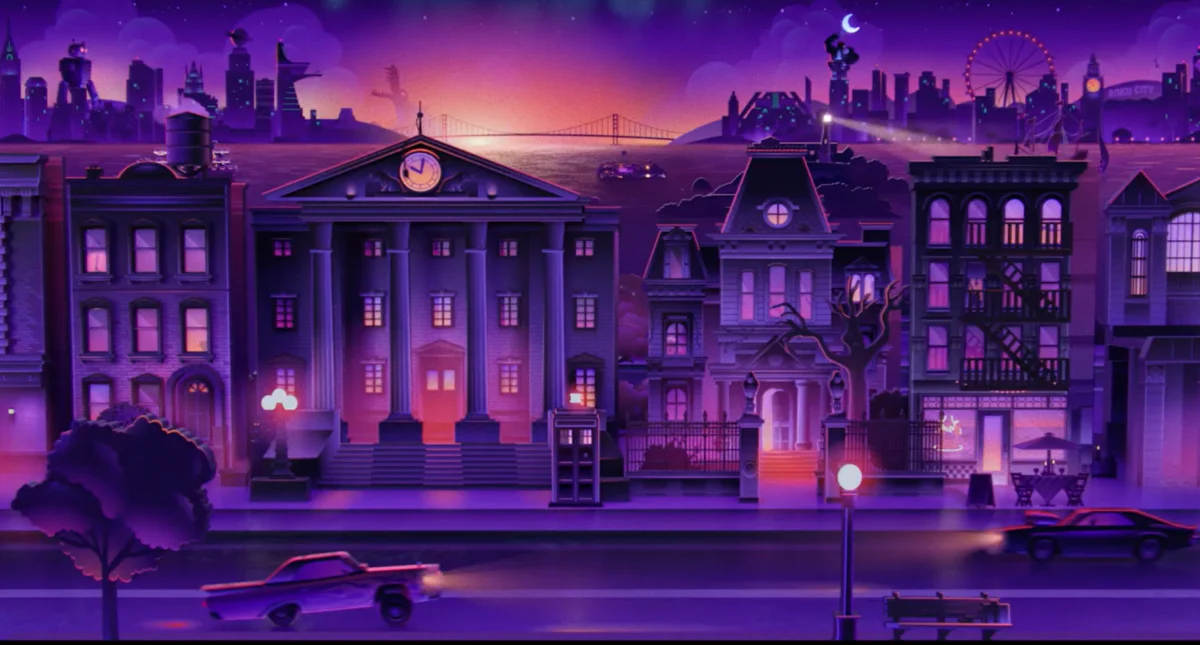
What began in 2017 as a functional digital backdrop designed to prevent pixel burn-in on television screens has evolved into one of the most potent brand assets in the global streaming landscape. Roku City, the stylized, purple-hued cityscape that scrolls across millions of televisions when they sit idle, has transcended its original utility to become a cultural phenomenon and a sophisticated communications vehicle. As the streaming industry grapples with viewer fatigue and fragmented audiences, Roku has managed to cultivate a shared digital environment that fosters deep brand affinity and high engagement.
The service, which currently reaches more than 100 million households worldwide, has transformed this scrolling screensaver into the centerpiece of its first major brand campaign in five years. This shift reflects a broader strategy in the technology and media sectors: the monetization and brand-building potential of "idle time." While competitors often use screensavers to display static advertisements or generic nature photography, Roku has leaned into a narrative-driven, aesthetically distinct world that invites viewers to participate rather than just observe.
The Organic Evolution of a Digital Landmark
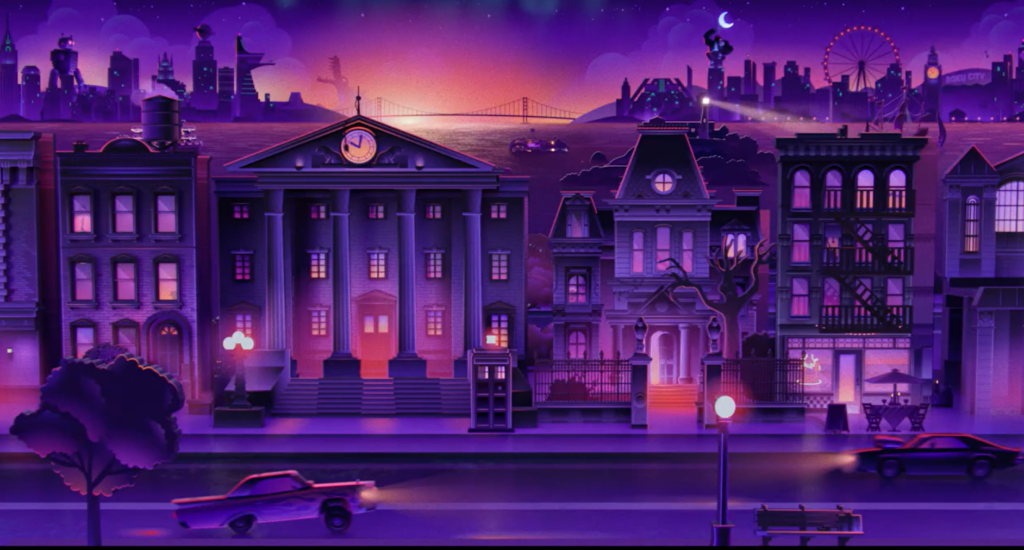
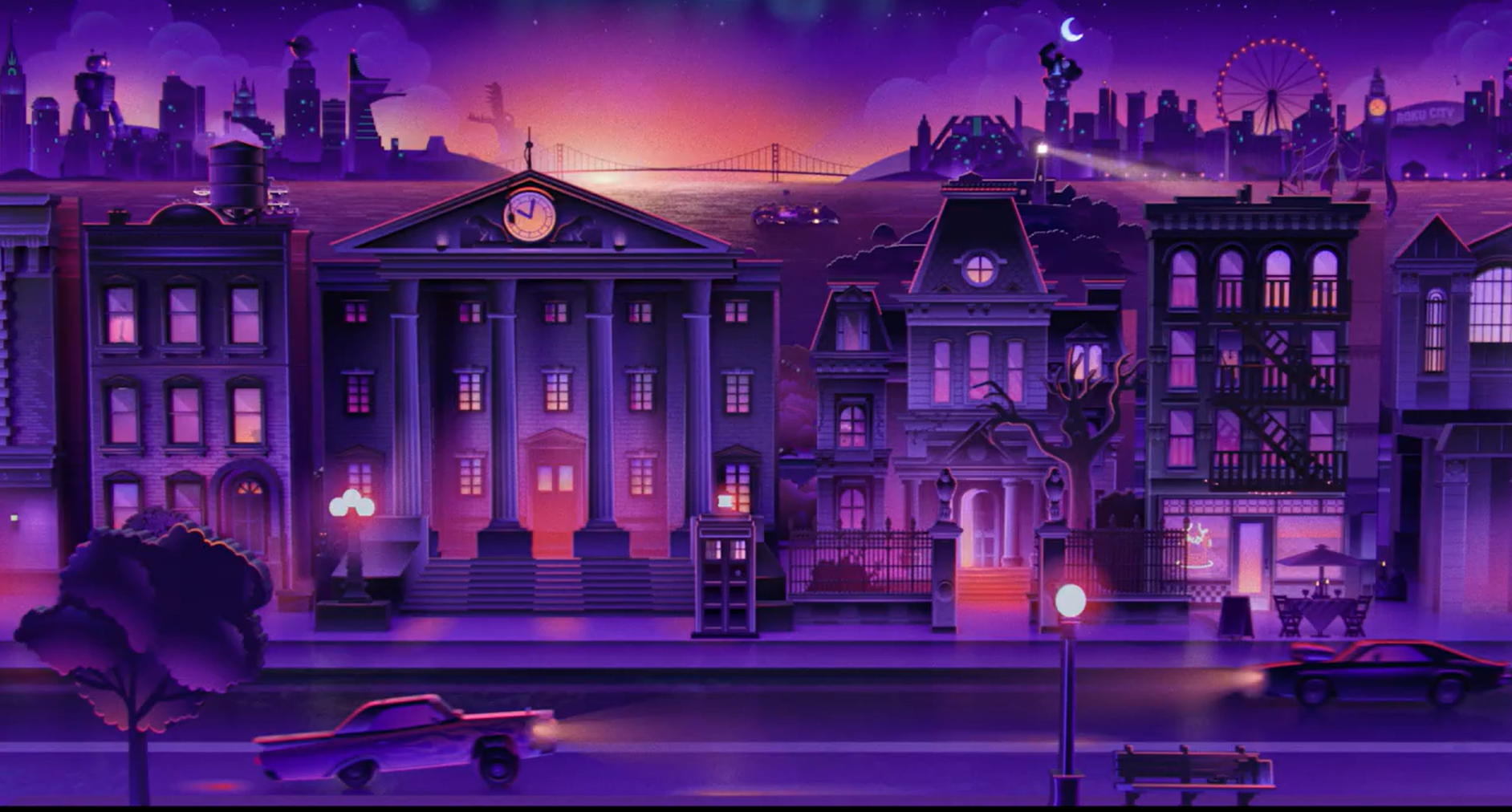
The trajectory of Roku City from a simple software feature to a marketing powerhouse was not the result of a sudden executive mandate but rather a slow, organic process of observation and iteration. When the cityscape was first introduced, it featured subtle references to classic cinema and television—silhouettes of King Kong, the Emerald City from The Wizard of Oz, and the diner from Seinfeld.
As viewers began to notice these "Easter eggs," a grassroots community formed on social media platforms. Fans began cataloging every reference, creating fan art, and sharing memes. According to internal data provided by Roku, the term "Roku City" is mentioned on X (formerly Twitter) approximately every 11 minutes. This level of organic engagement is rare for a utility feature, signaling to the company that they had stumbled upon a unique form of intellectual property.
Damon Van Deusen, Vice President of Brand at Roku, characterizes the development of the cityscape as a "cat-and-mouse game" between the platform and its users. As the audience’s appetite for new content grew, Roku’s creative teams began inserting more frequent and increasingly obscure references. This created a feedback loop where the brand responded directly to the curiosity of its user base. Van Deusen notes that the company’s role shifted from being a traditional gatekeeper of brand standards to a "shepherd" of a living cultural asset.
Strategic Restraint and the Brand Bible
One of the most significant challenges in managing a successful brand asset is the temptation to over-commercialize. As Roku City’s popularity surged, the potential for high-revenue advertising placements became obvious. In 2023, the company cautiously opened the gates to paid sponsorships, most notably a partnership with McDonald’s that saw a building in the cityscape converted into a restaurant to celebrate the birthday of the character Grimace.
Despite the success of such ventures, Roku’s leadership has emphasized the importance of restraint. The primary fear is that the cityscape could devolve into a digital version of Times Square—a cluttered, overwhelming environment that loses the "quiet intrigue" that made it popular in the first place. To prevent this, Roku developed a 26-page "brand bible." This internal document serves as a constitutional framework for the digital environment, outlining strict rules for aesthetic consistency, the density of advertisements, and the nature of the "Easter eggs."
The brand bible ensures that the cityscape remains a "platform with personality." The document dictates that any commercial integration must feel integrated into the world rather than superimposed upon it. By prioritizing the user experience over short-term advertising gains, Roku aims to preserve the scarcity and "winks and nods" that keep viewers returning to the screen.
The Technical Infrastructure of Engagement
Behind the whimsical art style lies a highly organized internal process. Roku has streamlined its creative workflow to allow for rapid responses to the cultural zeitgeist. Multiple teams across the organization can pitch ideas for new additions to Roku City, ranging from nods to major sporting events like the Super Bowl to reactions to trending film releases.
The company has implemented what Van Deusen calls an "Easter egg process," which allows the creative and technical teams to "flip" or update the cityscape within an hour or less. This agility allows Roku to remain relevant in real-time, transforming a static screensaver into a dynamic newsfeed of popular culture.
Interestingly, Roku has made a strategic decision to avoid hyper-personalization within the cityscape. While modern streaming algorithms are designed to provide unique experiences for every user based on their income, location, or viewing habits, Roku City remains identical for all 100 million households. This decision is rooted in the desire to maintain a "shared experience." In an era of "filter bubbles" and personalized feeds, the company believes there is significant value in a communal digital space where every viewer is looking at the same skyline and hunting for the same secrets.
Chronology of Roku City’s Development
To understand the current scale of Roku City, it is necessary to look at the milestones that defined its growth:
- 2017: Roku City is launched as a default screensaver. The initial design is minimalist, focusing on a purple and pink "vaporwave" aesthetic.
- 2018-2020: Organic growth on social media begins. Reddit communities and X threads emerge dedicated to decoding the silhouettes in the background.
- 2021: Roku recognizes the screensaver as a primary brand differentiator and begins increasing the frequency of updates.
- 2022: The company explores the potential for "World Building," expanding the cityscape to include more diverse environments and deeper layers of parallax scrolling.
- 2023: The first major commercial sponsorship occurs with McDonald’s. The "Grimace" integration proves that the audience is willing to accept advertisements if they are executed with the "Roku City" aesthetic.
- June 2026: Fox Corporation announces its intent to acquire Roku Inc. for $22 billion. The acquisition highlights the value of Roku’s platform and its unique engagement tools.
- July 2026: Roku launches the "See You in Roku" brand campaign, fully integrating the cityscape into its marketing identity.
The "See You in Roku" Campaign and the Fox Acquisition
The latest marketing push, titled "See You in Roku," represents the maturation of the cityscape as a retention tool. The campaign consists of several 30-second spots that take the viewer "inside" the buildings of Roku City. In these ads, viewers encounter characters that evoke familiar tropes—such as mobsters or medical professionals—who highlight specific features of the Roku interface, such as the simplicity of the remote or the depth of the content library.
Van Deusen describes this as a retention-focused effort. Because the ads appear primarily on Roku’s own platforms, they are designed to build affinity with existing users rather than just acquiring new ones. By reminding viewers of the "benefits of the Roku experience" through the lens of their favorite screensaver, the company reinforces its position in a crowded market.
The broader business context for these developments is the blockbuster announcement in June 2026 that Fox Corporation plans to acquire Roku for $22 billion. This deal, one of the largest in the history of the streaming industry, underscores the value of Roku’s hardware-software ecosystem. Industry analysts suggest that Fox was particularly attracted to Roku’s high engagement metrics and its ability to maintain a loyal user base in a "post-cable" world.
Despite the change in ownership, Roku’s leadership has signaled that the strategy regarding Roku City will remain unchanged. Van Deusen noted that the deal would not alter the streamer’s focus on its popular screensaver, stating that the company is "full steam ahead" on leveraging the asset.
Analysis of Implications: The Future of Brand Ecosystems
The success of Roku City offers several lessons for the broader media and communications industry. First, it demonstrates that even the most utilitarian aspects of a product—like a screensaver—can become powerful branding tools if they are treated with creative respect. Second, it highlights the shift from "interruption-based" advertising to "immersion-based" branding.

By creating a world that users enjoy inhabiting, Roku has bypassed the traditional resistance viewers have toward advertisements. When a brand like McDonald’s or a film studio enters Roku City, they are not interrupting the viewer’s experience; they are contributing to the lore of a world the viewer already likes.
However, as Van Deusen warned, the greatest threat to this success is "doing too much." The delicate balance of "winks and nods" can easily be upset by didactic or overly aggressive storytelling. "I’ve always said that Roku City is ours to ruin," Van Deusen remarked, acknowledging that the magic of the cityscape lies in its mystery and the sense of discovery it provides to the user.
As Roku integrates into the Fox Corporation portfolio, the industry will be watching to see if the "shared experience" of Roku City can be maintained or if the pressures of a $22 billion acquisition will force the cityscape into a more traditional—and perhaps less magical—advertising model. For now, the purple skyline remains a testament to the power of organic community building and the strategic value of a well-managed brand asset.









