In an era defined by unprecedented digital access and a deluge of content, the challenge for musicians extends far beyond creating compelling music; it lies in ensuring that their artistry is discovered, remembered, and cultivated into a lasting connection with fans. The contemporary music landscape presents a paradox: while platforms like Spotify, YouTube, and TikTok offer global reach and instantaneous virality, they simultaneously create a highly competitive environment where individual artists often struggle to rise above the noise and establish a distinct identity. This phenomenon, where a song or a trend gains immense traction but the artist behind it remains largely anonymous, has become a persistent "nightmare" for many creators. As the music industry continues its rapid evolution, embracing robust digital strategies, particularly Search Engine Optimization (SEO), is no longer optional but a fundamental requirement for building a sustainable career.
The Evolving Landscape of Music Discovery
Music discovery has undergone a profound transformation over the past few decades. From the curated playlists of radio stations and the visual dominance of MTV in the 20th century, the early 2000s ushered in the era of digital downloads, followed swiftly by the advent of streaming services in the late 2000s and 2010s. Today, discovery is fragmented across an array of platforms, from algorithmic recommendations on streaming giants to viral trends on social media and increasingly, through AI-powered search tools.
This evolution has democratized music creation and distribution, allowing independent artists to bypass traditional gatekeepers. However, it has also led to an immense saturation of content. A staggering statistic from brand consultant Ava Rose Lynch, highlighted approximately a year ago, reveals that over 100,000 songs are uploaded to Spotify every single day. This sheer volume underscores the difficulty artists face in cutting through the algorithmic clutter to reach and retain listeners. While a song might briefly capture attention on TikTok, the fleeting nature of social media trends means that without a cohesive strategy, that momentary interest may never translate into genuine fan engagement or career progression.
Beyond the Algorithm: What is SEO for Musicians?
Search Engine Optimization (SEO) is the strategic process of enhancing a website’s visibility in search engine results, making it easier for people to find content through platforms like Google, Bing, and even emerging AI-powered search interfaces. For musicians, this translates into a multifaceted approach designed to ensure that when potential fans, promoters, venue owners, journalists, or even AI systems search for music-related terms, accurate and comprehensive information about the artist is readily discoverable.
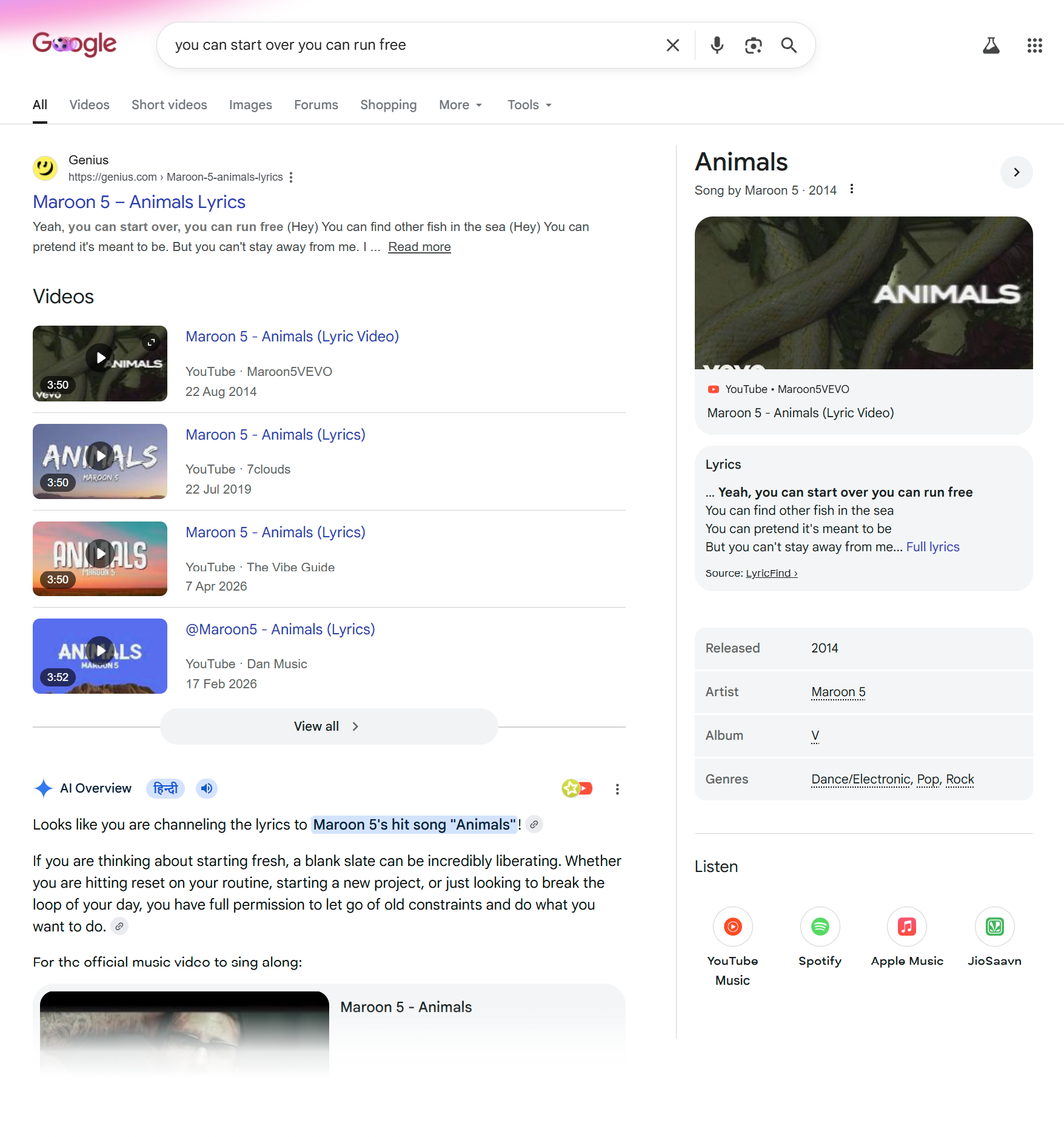
Unlike the often-passive discovery on streaming platforms or the ephemeral nature of social media trends, search engines cater to active intent. When someone hears a catchy melody, they often take the initiative to search for the artist’s name, lyrics, latest release, tour dates, or similar artists. SEO serves as the bridge, guiding this curiosity into deeper engagement. It complements streaming services and social media by creating a robust, owned online presence that acts as a central hub for an artist’s entire digital footprint. This holistic approach ensures that an artist’s music, story, and business offerings are visible across all touchpoints of a fan’s journey.
Why SEO is More Critical Than Ever
The hyper-competitive nature of streaming platforms makes independent artist visibility a constant battle. While these platforms are crucial for initial exposure, they rarely provide the depth of information or direct interaction needed to convert a casual listener into a loyal fan. This is where SEO steps in, offering a vital advantage:
- Combating Streaming Saturation: With hundreds of thousands of songs vying for attention daily, artists need more than just good music; they need discoverability. An optimized online presence ensures that when a listener’s interest is piqued on a streaming platform, they can easily find more information about the artist, their discography, and their story, leading to deeper engagement.
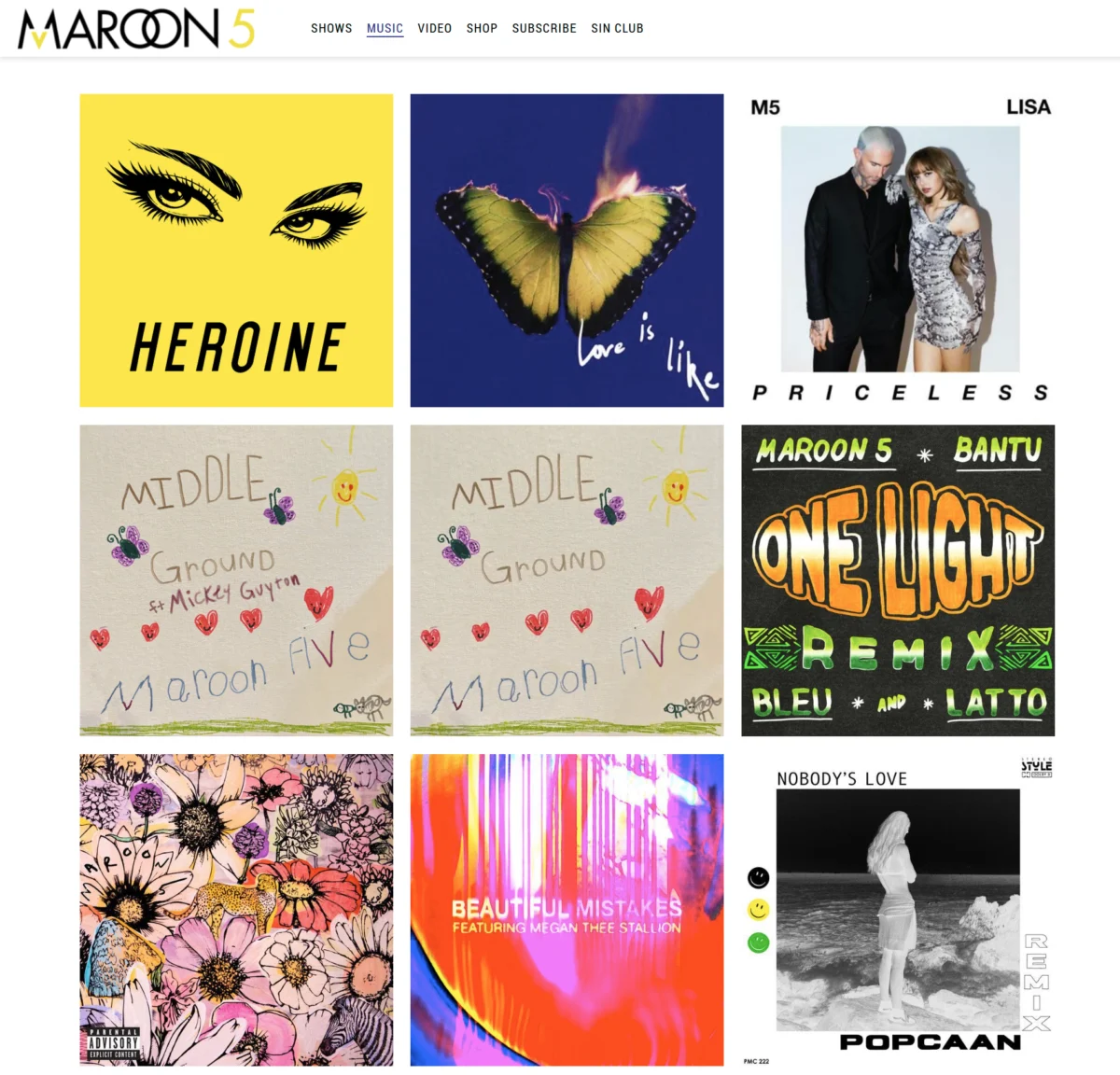
- Guiding Discovery to Destination: A viral moment on TikTok or a playlist placement on Spotify is a starting point, not an endpoint. Interested listeners will invariably seek more – tour dates, merchandise, background stories, or connections to other platforms. A well-optimized personal website, acting as an artist’s digital headquarters, provides a singular destination for all these inquiries, preventing potential fans from getting lost in a sea of unrelated search results. For instance, a site like Maroon 5’s, which aggregates music, videos, tour dates, and merchandise, exemplifies how an artist’s platform can centralize fan engagement, making it easier to convert initial interest into lasting support.
- Creating Lasting Visibility: Unlike social media posts that have a notoriously short shelf life, content optimized for search engines can continue to generate visibility and attract new audiences months or even years after publication. An artist’s bio, a dedicated song page with lyrics, or an announcement for a past concert can perpetually rank for relevant search queries, providing long-term, passive marketing. This enduring visibility is particularly valuable for independent musicians who often manage their own marketing efforts.
- Preparing for the AI Era: The rise of AI-powered search and recommendation engines fundamentally changes how information is consumed. As users increasingly ask AI assistants for music recommendations or artist biographies, the quality and structure of an artist’s online information become paramount. A strong SEO foundation, including clear content, structured data, and authoritative mentions, signals to AI systems that an artist is a credible and relevant source, ensuring they are accurately represented in AI-generated responses. The Yoast Perspective Report indicates that 65% of SEO professionals view optimizing for Large Language Models (LLMs) as either the same as or an extension of traditional SEO, reinforcing the importance of current best practices.
Building Your Digital Headquarters: Core SEO Strategies for Artists
For musicians aiming to grow their audience and increase streams, a targeted SEO strategy focuses on discoverability and engagement.
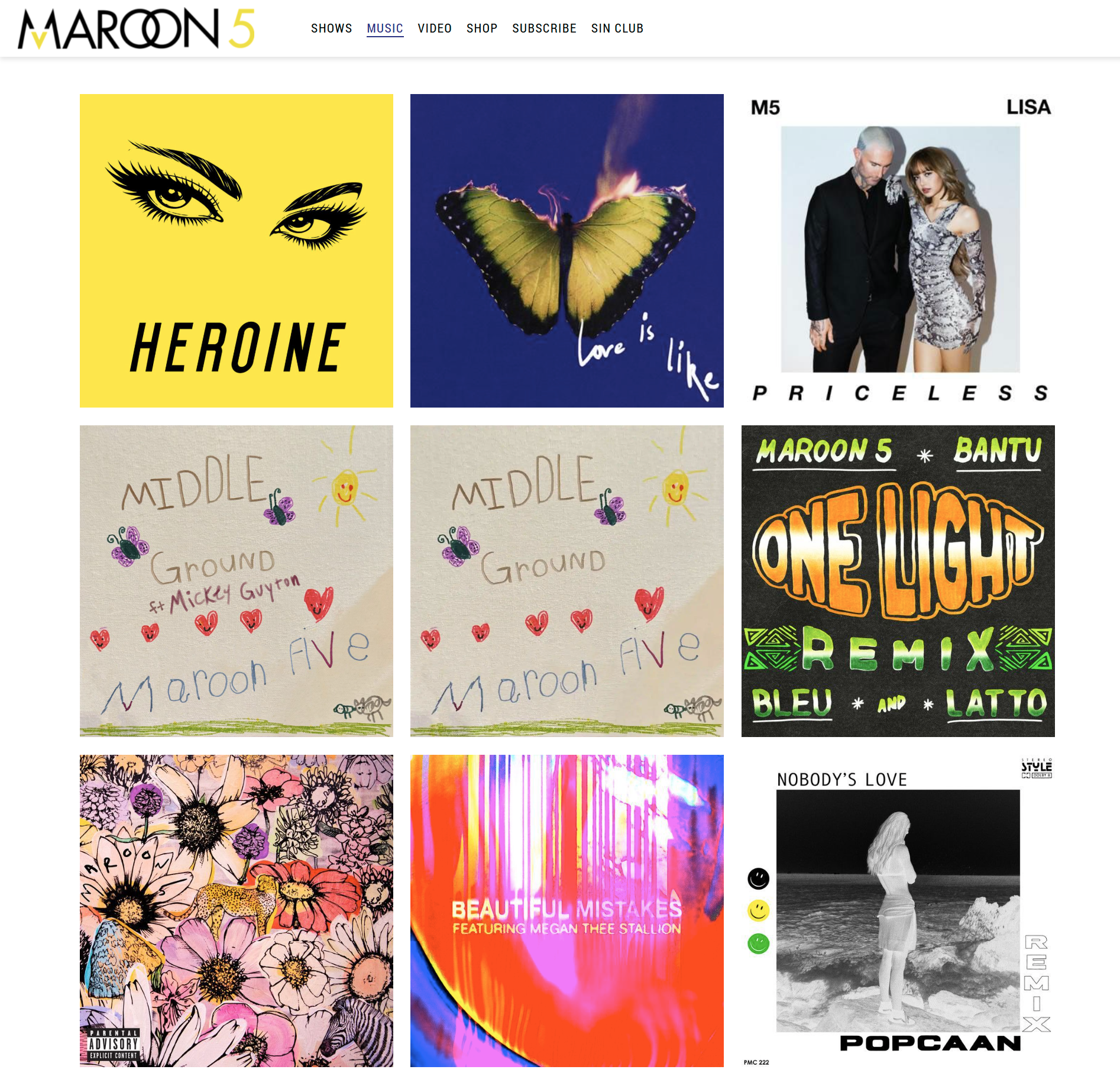
- The Indispensable Artist Website: Your website is your owned digital real estate, a central hub that consolidates all aspects of your artistic persona. It should include a comprehensive artist biography, discography, embedded music players, video gallery, press kit, contact information, and links to all social media and streaming profiles. When someone searches for your artist name, your website should be the authoritative source of information, providing a curated narrative that you control. This ownership is crucial for long-term branding and fan connection.
- Maximizing Each Release: Dedicated Pages: Every single, EP, or album deserves its own dedicated page on your website. These pages go beyond mere streaming links, offering rich context: album art, release date, tracklist, lyrics, the inspiration behind the music, recording process anecdotes, collaborators, and links to purchase or stream. Such detailed content provides valuable keywords for search engines, helping fans find your music when they search for specific song titles, lyrics, or album names.
- Content as Connection: Repurposing Music into Stories: Every song has a narrative. By starting a blog on your website, you can transform these narratives into searchable content. Blog posts can feature song breakdowns, behind-the-scenes stories from the studio, tour diaries, explanations of lyrical meanings, or discussions of musical influences. This content not only deepens fan engagement but also creates numerous entry points for search engines to discover and categorize your music, connecting it with relevant search queries.
- Visuals and Visibility: Optimizing Music Videos: Music videos, lyric videos, live performances, and studio sessions are powerful discovery tools. However, simply uploading them isn’t enough. Each video needs a descriptive title, comprehensive description (including keywords, links, and relevant tags), and a clear thumbnail. Embedding these videos on dedicated release pages on your website, accompanied by lyrics and contextual information, provides search engines with more data. Tools that add video schema (structured data) further enhance how videos appear in search results, improving visibility.
- Credibility Through Coverage: Earning Mentions: Mentions from reputable music blogs, industry publications, podcasts, and news outlets act as powerful endorsements. Interviews, album reviews, artist features, and podcast appearances signal to search engines and AI systems that your music is noteworthy and discussed by credible sources. These external links and mentions build your E-E-A-T (Experience, Expertise, Authoritativeness, and Trustworthiness) which is a crucial ranking factor, making it easier for people and AI to find and trust information about you.
From Streams to Stages: SEO for Booking Gigs
For musicians focused on live performances, SEO shifts towards helping event planners, venue managers, and clients find them for bookings.
- Local Search Dominance for Live Performances: Event organizers typically search for services in specific geographic locations (e.g., "wedding bands in Birmingham," "corporate entertainment New York"). Optimizing your website for local SEO means explicitly mentioning your service areas, cities, and regions where you perform. Integrating local SEO features, such as those offered by Yoast SEO Premium, can add critical business details and structured data to enhance local visibility.
- Targeted Event Pages: Instead of a generic "Bookings" page, create dedicated pages for different types of events you perform, such as "Wedding Band," "Corporate Events," "Festival Performances," or "Private Parties." Each page should detail what clients can expect, your repertoire for that event type, testimonials, and a clear call to action for inquiries. This targets specific client searches and provides relevant information directly.
- Showcasing Experience and Trust: Potential clients need reassurance. Your website should feature high-quality photos and videos from past performances, testimonials from satisfied clients, and a list of notable venues, festivals, or brands you’ve worked with. These elements build trust and demonstrate your experience, strengthening your online authority for both human visitors and search algorithms.
- Streamlining the Booking Process: Once a client is interested, the booking process must be frictionless. Ensure every booking-related page features an easily accessible contact form, email address, or inquiry button. Providing answers to common questions about availability, pricing, and performance packages can significantly expedite the decision-making process.
Merchandise & Monetization: SEO for Direct-to-Fan Sales
Beyond music and gigs, merchandise offers a direct revenue stream and strengthens fan connection.

- Organizing Your Online Store: Treat your online store as an extension of your artistic brand. Create dedicated pages for product categories like "T-Shirts," "Vinyl & CDs," "Posters," or "Digital Downloads." Each product page requires clear descriptions, high-quality images, pricing, and sizing/format information to inform both shoppers and search engines.
- Connecting Merch to Music: Seamlessly integrate merchandise with your music. Link relevant products (e.g., a limited-edition vinyl of a new album) directly from corresponding release pages, music videos, or blog posts. This cross-promotion enhances the shopping experience and clarifies the relationship between your music and products for search engines.
- Enhancing Product Discoverability: Use descriptive product names and unique product descriptions that anticipate how fans might search for your items. Tools like Yoast WooCommerce SEO can optimize product pages by improving structured data and metadata, making your merchandise more discoverable in search results.
Simplifying the Journey: The Role of SEO Tools
Navigating the complexities of SEO can be daunting for musicians who would rather focus on their craft. This is where SEO tools become invaluable. They demystify the process, offering guidance on content optimization, site structure, metadata, schema markup, and local SEO. As music producer and marketing strategist Jesse Cannon advises, utilizing tools like Yoast can significantly simplify SEO, ensuring artists don’t lose potential fans due to poor online visibility. Yoast, for instance, provides actionable insights, making it easier to implement best practices and ensuring that an artist’s website is well-understood by search engines and AI systems alike.
Artist Voices: Real-World SEO Success Stories
The practical application of SEO principles is best illustrated by musicians and industry professionals who have integrated these strategies into their daily operations:

- John Bowman, Host of On Air with Johnny B: As the creator and host of a music-focused podcast, John Bowman emphasizes treating a website as a "creative home base." He highlights the importance of building pages that detail an artist’s identity, work, and connection points, extending beyond mere release promotion to include influences, creative processes, and personal stories. John notes that Yoast SEO transformed an abstract concept into a manageable task, providing clear guidance for optimizing his content for discovery.
- Anthony Pell, Guitar Educator, Author, and Content Creator: Anthony Pell, who teaches guitar through his website, advocates against sole reliance on ephemeral social media platforms. He stresses that an owned website is a permanent home for music, products, courses, and brand, a growing library of resources. Yoast SEO aids Anthony in optimizing his educational content, metadata, and page structure for both search engines and students.
- Ben Stringer, Music Educator and Founder of SAM Music Service: As a musician and founder of an online music school, Ben Stringer leverages his website for business growth and inquiries. He advises fellow musicians to "use the tools available and don’t guess it yourself," underscoring that SEO doesn’t have to be complicated with the right guidance. Ben finds Yoast’s task list particularly helpful for confidence in his SEO efforts, allowing him to focus on his core business.
- Brent Robitaille, Musician, Educator, and Author: Brent, who combines music, education, and publishing, underscores the importance of an active interest in improving online presence. He recommends continuous learning, following trusted SEO resources, and regularly reviewing analytics tools like Google Analytics and Search Console. For Brent, Yoast SEO simplifies the organization and optimization of his extensive content library, ensuring structure and search engine comprehension.
- Chetan Shekar, DJ, Producer, and Founder of Piano Groove: Chetan Shekar created DarkLightDJ.com to centralize his music for fans, offering quick access to mixes across devices. He recommends installing the Yoast plugin and following its recommendations, particularly regarding image alt text and descriptions, which he notes are crucial for organic traffic. Chetan values Yoast for handling the technical SEO aspects, allowing him more time for music creation.
The Lasting Note: SEO’s Long-Term Impact on a Musician’s Career
The collective experiences of these diverse music professionals point to a singular conclusion: an artist’s website is their most valuable long-term asset. It serves as the foundation for building a robust, resilient, and sustainable music career. Whether the objective is to expand a streaming audience, secure more live performances, teach music, or cultivate a personal brand, a well-optimized website empowers artists to connect with their audience, articulate their offerings, and guide fans toward deeper engagement.
SEO is not about chasing ephemeral algorithms; it is about creating an accessible, authoritative, and engaging digital presence that ensures great music is found. In a world where digital noise can easily drown out individual voices, strategic SEO provides musicians with the essential instrument to cut through, fostering lasting connections and building careers that resonate far beyond a fleeting viral moment.