In an increasingly digitized world, where customer interactions often begin and flourish online, social media customer engagement has evolved from a supplementary marketing tactic to a fundamental pillar of enterprise strategy. The stakes are particularly high for large organizations: scattered direct messages, missed comments, and inconsistent responses across diverse teams and regions can severely erode brand trust and customer loyalty. Unifying these interactions is no longer optional but a strategic imperative for maintaining a competitive edge and fostering enduring customer relationships. This comprehensive approach to social media engagement ensures that every digital touchpoint reinforces brand values, resolves issues efficiently, and builds a sense of community.
Defining Social Media Customer Engagement in the Modern Enterprise Landscape
Social media customer engagement encompasses every reply, comment, message, and direct interaction a brand conducts with its audience across various social platforms. Unlike traditional one-way advertising, it represents a dynamic, two-way dialogue that offers customers a direct line to a brand and, conversely, provides brands with a unique opportunity to showcase their identity and responsiveness. For enterprise-level organizations, this engagement is often the initial authentic conversation a customer has, setting the tone for the entire relationship. Studies consistently show that consumers prioritize speed and friendliness in brand responses; a swift, helpful reply can foster a sense of being "seen" and valued, while an ignored query often leads to disengagement and churn. For instance, research from Sprout Social indicates that 80% of consumers expect brands to respond to social media comments within 24 hours, and 42% expect a response within an hour. Strong, consistent engagement helps large companies maintain a personal connection with their vast customer base, cultivating trust and encouraging repeat interactions long after the initial touchpoint. It also significantly bolsters a brand’s overall social media presence, signalling availability and attentiveness to a wider audience.

It is crucial to differentiate social media customer engagement from broader customer awareness and conventional customer service, though all three frequently occur on social platforms. Customer awareness focuses on brand visibility and recognition, often achieved through promoted posts or brand stories designed to reach new audiences. Customer service, while vital, is primarily problem-solving-oriented, aiming to resolve specific questions or issues, such as troubleshooting an order or addressing a complaint. Engagement, however, transcends these categories; its core objective is to build and nurture an ongoing relationship over time. This includes replies, comments, likes, shares, and sustained conversation threads, but more importantly, it emphasizes the quality and depth of these interactions. Enterprise teams leverage social engagement not merely to close a ticket or answer a question, but to cultivate deep trust and emotional connection. Furthermore, strong engagement actively contributes to content visibility, as most social media algorithms favor accounts that respond quickly and consistently, boosting their organic reach.
The Strategic Imperative: Driving Customer Retention and Brand Equity
The intrinsic value of social media customer engagement lies in its capacity to drive customer retention and enhance brand equity. When customers receive prompt, helpful, and empathetic responses, they feel valued and heard, significantly increasing their likelihood of remaining loyal to the brand. Conversely, feeling ignored or dismissed on social channels is a primary driver for customers to seek alternatives. For large enterprises, this emotional connection forged through consistent engagement is a powerful contributor to brand equity. It instills confidence in customers, making them more receptive and trusting when the brand launches new products or initiatives, as they already have faith in the people behind the brand.
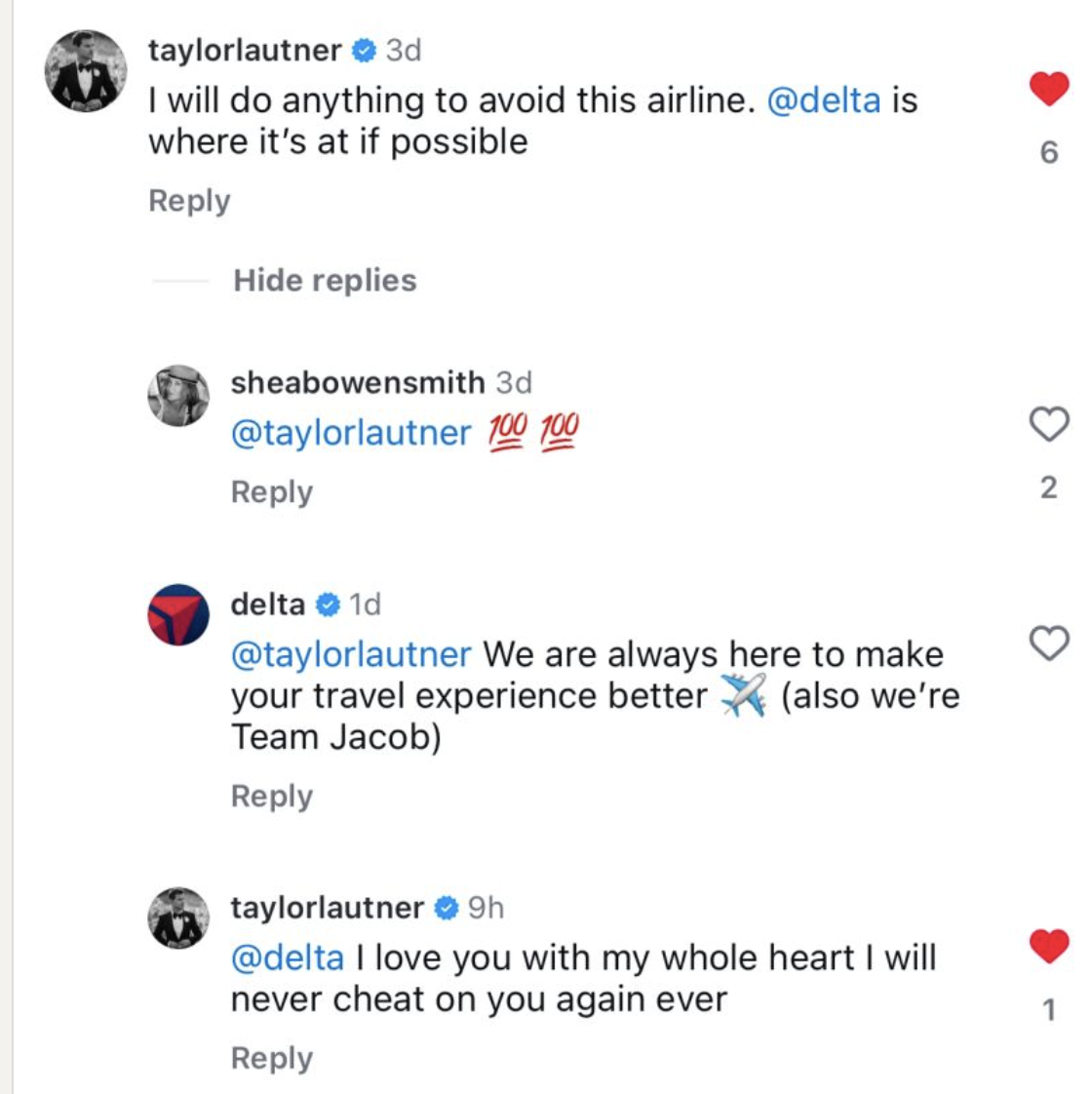
These positive interactions also profoundly influence purchasing decisions. A Hootsuite report revealed that consumers are more inclined to buy from brands that respond quickly and treat them well on social media. This direct link between quality service and sustained loyalty underscores why customer retention often originates from a single, well-executed social media reply. Such interactions serve as tangible "social proof" that a brand is attentive, genuinely cares about its customers, and is consistently present when support or interaction is needed. A notable example is a playful yet effective exchange between Delta Airlines and actor Taylor Lautner on Twitter, where Delta’s pop-culture-referencing reply turned a complaint into a positive brand interaction, widely shared and praised. This illustrates how even large corporations can leverage wit and responsiveness to reinforce customer affinity.

Social Media’s Central Role in Customer Interaction
Social media platforms play an unparalleled role in customer engagement because they are the unique channels where brands and customers can converse publicly, in real-time, and at an immense scale. Unlike private email or phone support, social media allows individuals to interact with brands in a manner akin to how they engage with friends and peers. For enterprise brands, this dynamic elevates the stakes considerably: every reply is visible, every conversation has the potential to be amplified, and each interaction collectively shapes public perception.
Social media facilitates customer engagement through several critical avenues. It offers instant communication, allowing for immediate responses to queries and feedback, which is vital for customer satisfaction. It fosters community building, enabling brands to create spaces where customers can connect with each other and the brand, share experiences, and receive support. Social platforms also provide a direct feedback loop, offering invaluable insights into customer sentiment, product preferences, and emerging issues in real-time. Lastly, they enable personalized interactions, allowing brands to tailor responses and content to individual customer needs and preferences, deepening the sense of personal connection. Because social media sits at the nexus of marketing, customer service, and community management, it frequently serves as the first and most frequent touchpoint a customer has with an enterprise brand.
Scaling Engagement: The Enterprise Playbook for Cohesion and Efficiency
Enterprises achieve scalable social media engagement by meticulously crafting a clear customer engagement strategy, underpinned by robust systems that empower teams to respond rapidly, maintain consistency, and operate from a unified information base. At its core, a scalable system revolves around five strategic moves: centralizing conversations within a single inbox, standardizing workflows and brand tone, establishing clear tags and routing rules, intelligently deploying automation to augment human replies, and seamlessly connecting engagement data with comprehensive analytics. A well-designed B2B social media engagement system integrates every conversation, task, and workflow, ensuring no interaction is overlooked and maximizing operational efficiency.
1. Centralizing Customer Conversations for Cohesion:
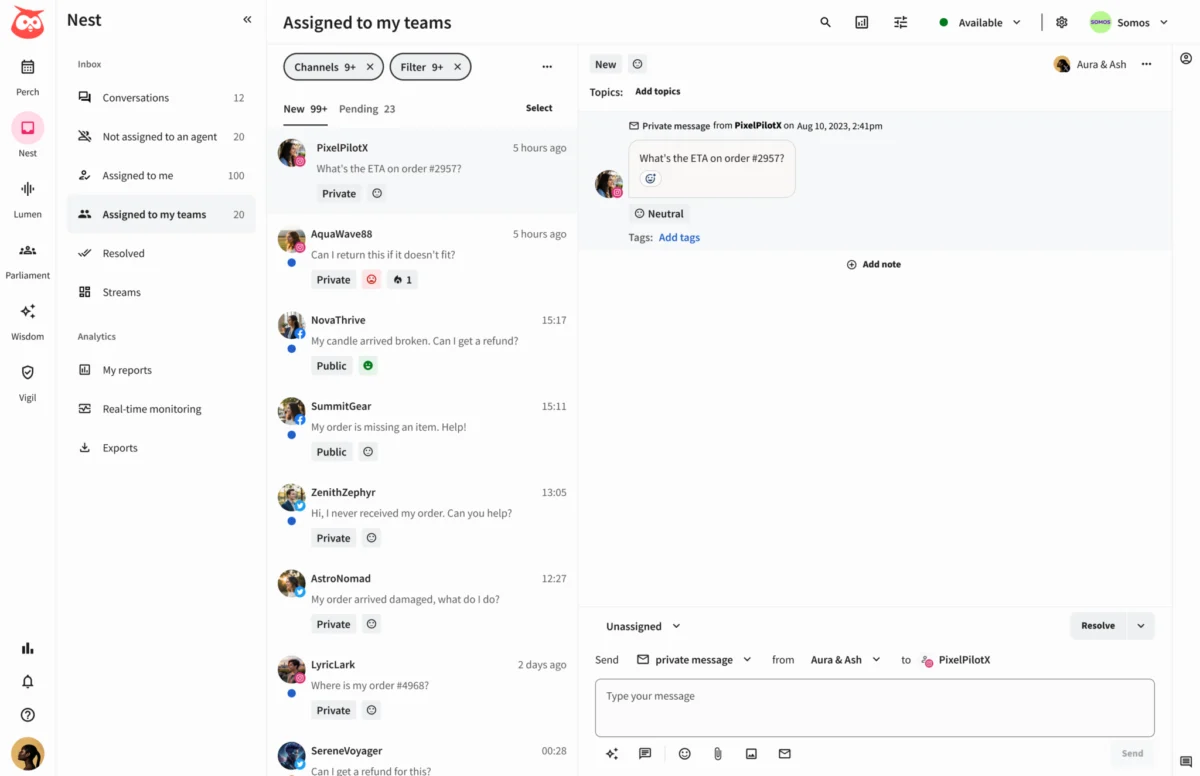
One of the most effective initial steps to elevate engagement is consolidating all messages, comments, and mentions into a single, unified inbox. This centralized approach enables teams to manage all communications comprehensively without the inefficiencies of switching between multiple platforms or coordinating across disparate, geographically spread teams. This is particularly crucial for direct messages, which often carry the highest intent, whether for sales inquiries, urgent support needs, or sensitive feedback. A centralized inbox offers numerous advantages for enterprise teams: it provides a complete view of all customer interactions, reducing response times by streamlining access to information; it facilitates collaboration among team members, allowing for seamless handoffs and shared context; and it ensures consistent brand messaging by providing a single source of truth for all communications. Hootsuite’s "Nest" application, for example, embodies this functionality, allowing customer care teams to view comprehensive customer profiles, utilize saved replies for efficiency, and employ filters to manage high-volume conversations during peak periods, thereby enhancing agent productivity and customer satisfaction.
2. Standardizing Workflows and Brand Tone Across Teams:
For large, multi-regional teams, consistency is paramount. A robust workflow clearly delineates who is responsible for replies, the approved method of response, and the escalation process for issues requiring specialized attention. Most enterprises adopt a workflow that follows a logical progression: an incoming message is tagged based on its nature, assigned to the appropriate team or individual, a reply is drafted, sensitive responses undergo review, and complex issues are escalated through predefined channels. To ensure smooth operation, teams typically adhere to shared guidelines: a brand style guide dictates tone, language, and approved messaging; a response matrix provides templated answers for frequently asked questions; clear internal communication channels facilitate collaboration; and defined escalation paths ensure critical issues are addressed promptly by the right experts. These guardrails are essential for maintaining a consistent brand identity and customer experience, even when hundreds of team members are engaging with customers across diverse regions and time zones, reflecting a cohesive brand voice.
3. Implementing Robust Tagging and Routing Rules:
Effective tagging simplifies the categorization of conversations by topic, priority, or specific customer need, while intelligent routing rules ensure each message reaches the correct destination. Tags can include classifications like "sales lead," "product inquiry," "technical support," "billing issue," "positive feedback," or "urgent." Routing mechanisms then translate these tags into actionable assignments; for instance, sales leads are directed to the sales department, while complaints are channeled to customer care specialists. This systematic approach minimizes misdirection, reduces resolution times, and ensures that customers are connected with the most qualified personnel to address their specific concerns, thereby optimizing the customer journey and internal efficiency.
4. Leveraging Automation Strategically (Human-Centric AI):
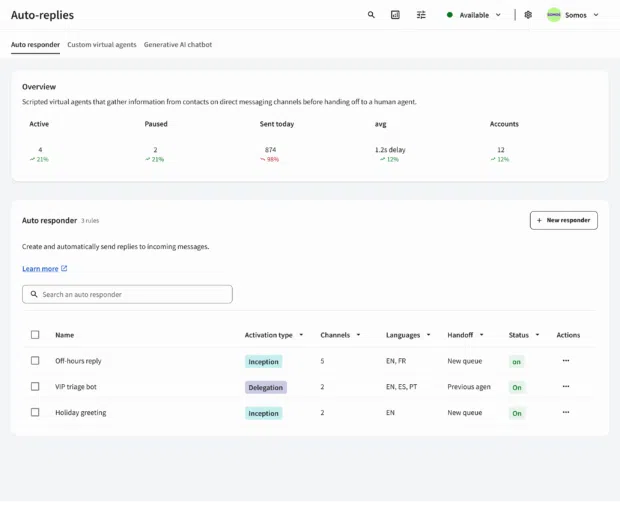
Automation, when implemented thoughtfully, serves to support human agents rather than replace them. Its primary goal is to enhance organizational efficiency, allowing human empathy and judgment to remain at the forefront of critical interactions. Automation can significantly assist teams by automatically classifying messages based on content or sentiment, filtering out spam or irrelevant communications, prioritizing urgent inquiries for immediate attention, and providing AI-assisted response suggestions to expedite replies. Inside platforms like Hootsuite’s Nest, AI-powered response tools enable agents to respond faster while retaining human control over sensitive or empathetic interactions. This blended approach saves valuable time and enables large brands to manage high message volumes without compromising the quality or personal touch of their customer engagement. Forrester’s prediction that one-third of brands will erode trust through premature AI self-service in 2026 underscores the critical importance of governed AI that operates within established rules and workflows, ensuring a human-in-the-loop approach.
5. Integrating Engagement Data with Comprehensive Analytics:
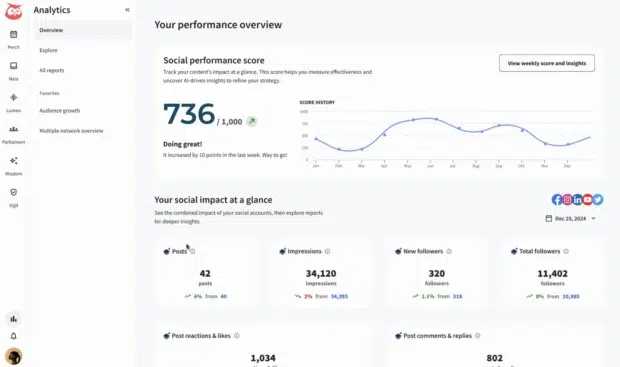
Analytics are indispensable for understanding customer needs, assessing brand performance, and driving continuous improvement. By measuring engagement effectively, organizations can refine their response strategies, identify bottlenecks, and proactively plan for peak periods. This transforms everyday conversations into actionable insights that can inform broader business decisions. Most enterprise teams diligently track key metrics such as average response time, which directly correlates with customer satisfaction; average resolution time, reflecting operational efficiency; Customer Satisfaction (CSAT) scores derived from social interactions; sentiment trends, signaling brand health and emerging issues; and interaction volume, crucial for staffing and workload planning. Platforms like Hootsuite Analytics, complemented by Advanced Analytics for deeper insights, and Lumen for sentiment and social listening data, provide leaders with a data-driven perspective. This enables them to understand the narrative behind the numbers, pinpoint areas for improvement, and avoid speculative decision-making.
Tactical Approaches to Enhance Social Engagement
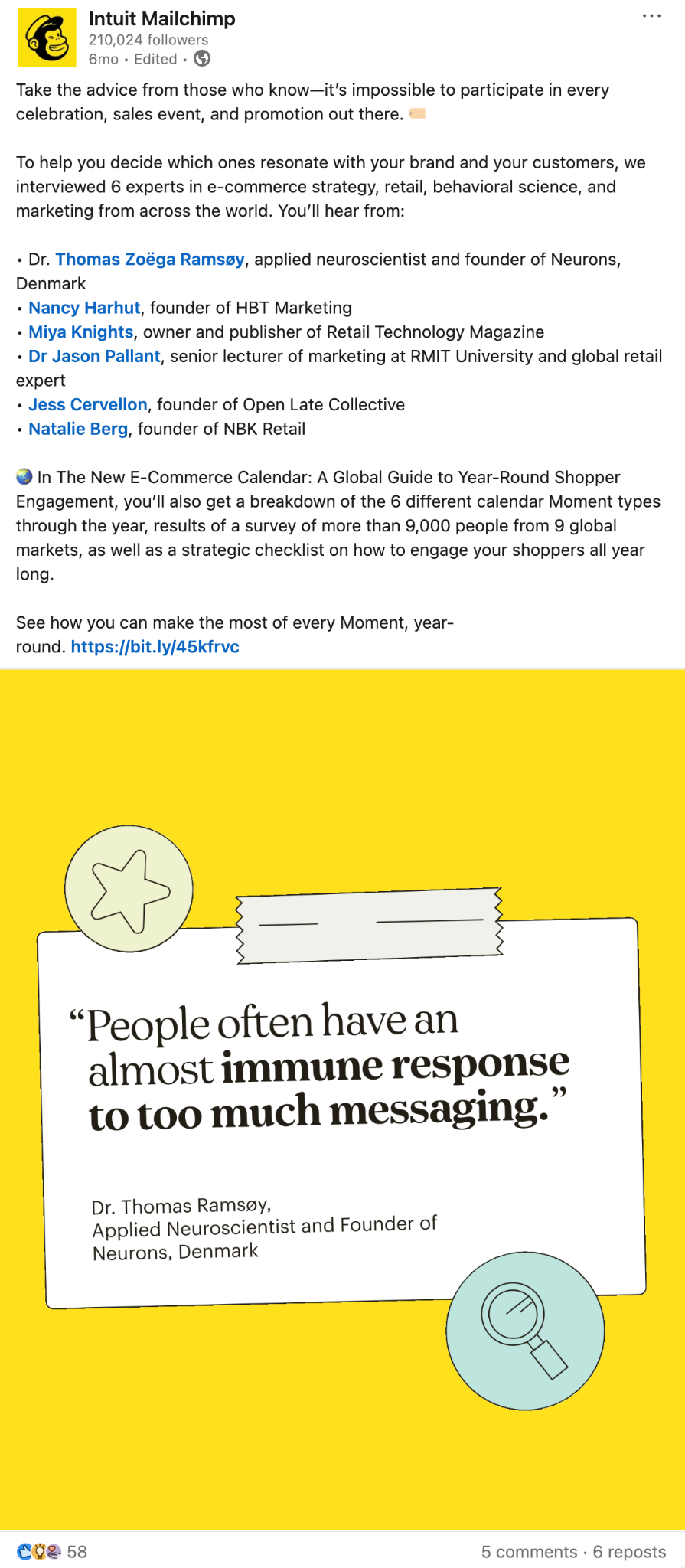
Building robust customer engagement is a deliberate process requiring clear systems, consistent content habits, and a sustained connection with the target audience. Amanda Vance, Senior Content Strategist for Intuit Mailchimp, emphasizes several tactics that yield significant impact for enterprises.
1. Crafting Relevant, Useful, and Valuable Content:
Customers are most likely to engage with social media content that genuinely helps, entertains, or resonates with their interests and values. Vance highlights that brands frequently underestimate the high bar for engagement. "Authenticity will always be critical," she explains, "but relevancy and value adds are the other two boxes that will make your target audience stick around." She urges teams to view every post as an opportunity cost, asking, "Why should someone stop to look at your content in feed? And why would they want to share it with an online connection? Time is the scarcest resource, and every post needs to give people a reason to spend theirs on you." This necessitates a deep understanding of the audience’s pain points, aspirations, and preferred content formats.
2. Proactive Participation: Joining Existing Conversations:
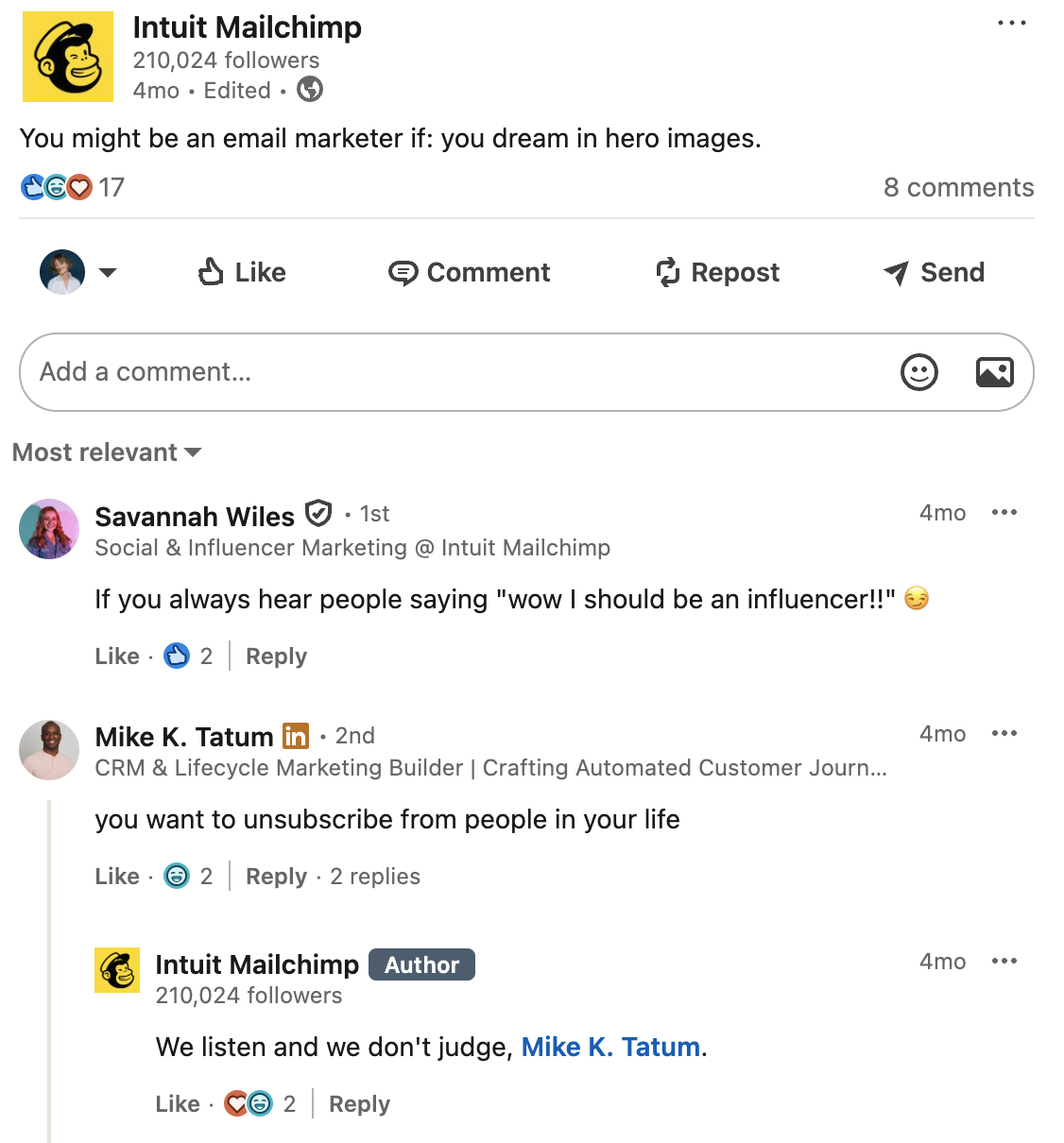
Instead of passively awaiting engagement, brands should actively seek out conversations where their potential customers are already present. Vance deems "outbound engagement" highly underrated, advocating for brands to invest more time in relevant comment sections and online communities, rather than solely posting on their own accounts. "Truly go where your targets are," she advises, "Comment sections, even subreddits of relevant subject matter, and join the conversation. When you’ve earned trust, you’ll then be in a better position to start your own." This strategy positions the brand as a valuable contributor within existing communities, building credibility and rapport before initiating direct promotional efforts.
3. Deep Dive into Audience Behavior, Beyond Surface-Level Metrics:
While tracking likes and impressions is standard, Vance argues that genuine engagement flourishes when brands understand the why behind interactions, not just the how often. This requires meticulous study of the patterns within the most successful conversations: what questions are frequently asked, what content elicits the strongest responses, and what moments generate the most comments. Simply relying on broad demographic targeting is insufficient; brands must delve into actual customer behavior. What problems do they articulate? Which content formats resonate most effectively? Which posts drive the highest comment volume? This level of insight, gained through sophisticated social listening, enables brands to tailor content that feels deeply personal rather than generic, fostering a stronger desire to comment, share, and act.
4. Fostering Community Through Interactive and User-Generated Content:
Community is a potent engagement driver for enterprise brands, largely because consumers tend to trust their peers more than traditional advertisements. Interactive content (polls, Q&As, contests, challenges) and user-generated content (UGC)—such as customer photos, reviews, and stories—provide compelling reasons for the audience to actively participate rather than passively consume. UGC, in particular, transforms customers into brand advocates and offers a continuous stream of authentic, relatable content. For enterprises, meticulous governance is key: establishing clear guidelines for sourcing, approving, and resharing UGC ensures that community engagement remains on-brand, compliant with regulations, and consistent across all regions.
5. Proactive Engagement as a Differentiator:
While reactive engagement involves responding to direct inquiries, proactive engagement entails actively seeking out relevant conversations and initiating contact. This includes diligently monitoring brand mentions, engaging in pertinent industry discussions, and even reaching out to loyal customers before they express a need. Here, social listening transcends mere monitoring and becomes a powerful growth tool. Platforms like Hootsuite’s Lumen enable enterprise teams to track mentions and sentiment across various platforms, empowering them to intervene strategically at the opportune moment. Proactive outreach is a genuine enterprise differentiator, demonstrating to customers that the brand is attentive and caring, even when not explicitly tagged.
Platform-Specific Engagement Strategies
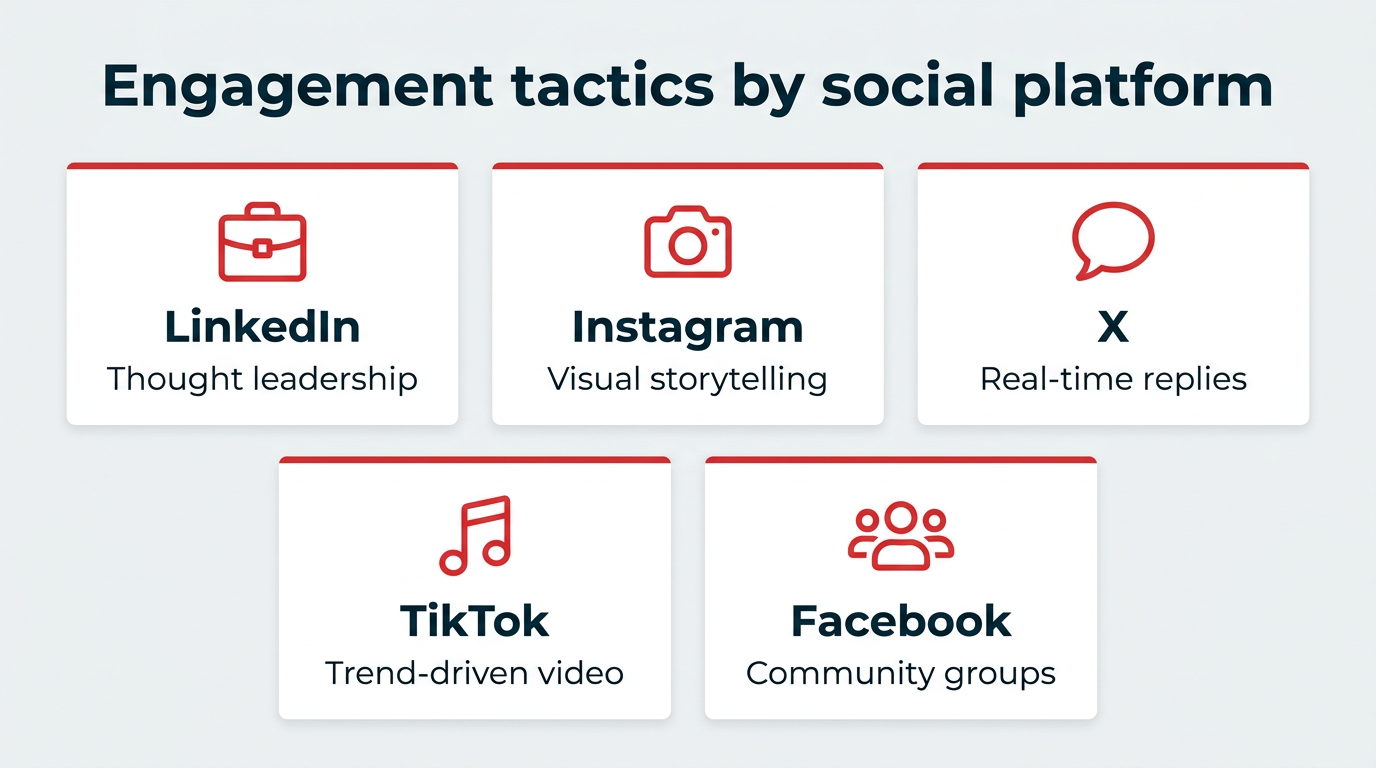
Engagement is not a one-size-fits-all endeavor; different social platforms reward distinct tones, formats, and interaction paces. Pew Research data from 2025 illustrates this divergence, showing, for example, that 80% of adults aged 18-29 use Instagram, compared to just 19% of those 65 and older. Enterprise teams achieve optimal results by adapting their engagement approach to each channel’s unique characteristics.
- LinkedIn: Best for thought leadership, B2B networking, and professional discussions. Engagement here involves commenting on industry news, sharing expert insights, and participating in relevant groups.
- Instagram: Ideal for visual storytelling, brand aesthetics, and community building through engaging visuals. Interactive elements like polls, Q&As in Stories, and direct replies to comments are key.
- X (formerly Twitter): Excels in real-time customer service, rapid news dissemination, and joining trending conversations. Quick, concise, and often witty replies are highly effective.
- TikTok: Dominates with short-form, trend-driven video content. Engagement involves participating in viral challenges, creating relatable skits, and interacting directly with comments on videos.
- Facebook: Remains strong for community groups, longer-form discussions, and localized engagement. Brands leverage groups for direct customer support, product feedback, and fostering brand communities.
By aligning engagement style with platform norms, brands effectively meet customers where they are and in the manner they expect to be engaged.
Developing a Comprehensive Social Media Customer Engagement Plan
A well-documented social media customer engagement plan is essential for transforming reactive responses into a repeatable, strategic process. It provides a clear roadmap for how teams respond, engage, and measure results across all platforms. This plan typically encompasses six key steps:
- Audit Current Engagement: Begin by assessing existing social media activity. Analyze current response times, the volume and nature of customer inquiries, common pain points, and which content formats generate the most engagement. Identify strengths, weaknesses, and opportunities for improvement.
- Set Clear Goals and Objectives: Define specific, measurable, achievable, relevant, and time-bound (SMART) goals. Examples include reducing average response time by X%, increasing customer satisfaction scores on social media by Y%, or growing community engagement by Z%.
- Define Roles, Responsibilities, and Workflows: Clearly delineate who is responsible for what. Assign roles for monitoring, responding, escalating, and analyzing social interactions. Document step-by-step workflows for various scenarios, including crisis communication protocols.
- Choose Platforms and Tactics: Identify the primary social media platforms where the target audience is most active. For each platform, define specific engagement tactics aligned with its unique characteristics and the brand’s overall strategy.
- Build a Response Framework and Content Guidelines: Develop a comprehensive library of approved responses, FAQs, and a detailed brand voice and tone guide. This ensures consistency and efficiency, especially for large, distributed teams.
- Establish a Measurement and Reporting Cadence: Determine which Key Performance Indicators (KPIs) will be tracked (e.g., response time, CSAT, sentiment). Set up a regular schedule for reviewing analytics, generating reports, and communicating insights to relevant stakeholders.
Once documented, this plan becomes an invaluable resource for aligning social media engagement with broader content strategies and ensuring consistent execution across all regions.
Measuring Engagement: Beyond Vanity Metrics to Engagement Value
Measuring social media customer engagement effectively means tracking how interactions contribute to tangible business outcomes, rather than simply accumulating likes or comments. Strong engagement should manifest in faster replies, elevated customer satisfaction, and sustained long-term loyalty. Enterprise teams gauge success by integrating customer engagement metrics with overall customer experience results.
1. Moving from Engagement Rate to Engagement Value:
Engagement value quantifies the helpfulness and impact of interactions, not just their frequency. This involves assigning a point value to each type of interaction and calculating an average score. For example, a successful issue resolution might be worth +3 points, a positive brand mention +2, a simple "like" +1, while a negative or unresolved interaction might incur -2 points. By summing the points for all interactions within a period and dividing by the total number of interactions, a brand can derive an "engagement value" score. A rising score indicates more meaningful interactions, while a decline suggests issues in responsiveness or customer satisfaction.
2. Standardizing Global KPIs for Consistency:
For global brands, a shared set of Key Performance Indicators (KPIs) is crucial for consistent measurement across regions, languages, and platforms. This ensures data clarity and enables leaders to compare performance accurately. Essential KPIs include:
- Average response time: Directly impacts satisfaction and loyalty.
- Average resolution time: Reflects problem-solving efficiency.
- CSAT from social: Gauges post-interaction customer sentiment.
- Sentiment trend: Monitors shifts in positive vs. negative brand mentions.
- Interaction volume: Informs staffing and workload planning.
- Engagement rate: Measures content compellingness relative to reach.
Standardized KPIs provide a consistent benchmark, fostering alignment among teams on what constitutes effective engagement.
3. Linking Engagement to Customer Journey Outcomes:
The true value of engagement is realized when it demonstrably improves the customer journey. This involves tracking how social interactions lead to support resolutions, new customer acquisitions, repeat purchases, or enhanced customer loyalty. Enterprise teams often examine correlations between social engagement and metrics such as reduced churn rates, increased customer lifetime value (CLTV), higher conversion rates from social leads, and improved brand advocacy. Connecting these dots provides concrete proof of the business value derived from a well-executed engagement strategy.
4. Utilizing Analytics Tools to Track Trends Over Time:
Advanced analytics tools are indispensable for discerning patterns across thousands of customer interactions. This facilitates proactive staffing decisions, early identification of product issues, and continuous improvement of the overall customer experience. Platforms like Hootsuite Analytics and Lumen empower enterprise teams to monitor real-time sentiment, track keyword trends, benchmark performance against competitors, and generate customized reports, providing a data-driven foundation for strategic adjustments.
The Future Role of AI in Customer Engagement
Artificial Intelligence (AI) is increasingly instrumental in enhancing social media customer engagement, enabling teams to manage higher volumes of conversations without compromising quality. By 2026, AI is expected to shoulder repetitive tasks, freeing human agents to focus on interactions demanding empathy, nuance, and complex judgment. Common AI applications in engagement include:
- Automated message classification and routing: Expedites the delivery of messages to the correct department.
- Sentiment analysis: Identifies the emotional tone of messages, prioritizing urgent or negative interactions.
- AI-assisted response generation: Provides agents with quick, relevant reply suggestions.
- Chatbots for initial triage: Handles common queries, escalating complex issues to human agents.
- Predictive analytics: Anticipates customer needs or potential issues based on past interactions.
The objective is not to remove the human element, but to augment it. As Forrester predicts, one-third of brands risk eroding trust through premature AI self-service in 2026. This underscores the need for "governed AI" that seamlessly integrates into existing workflows and rules. Hootsuite Social OS, with components like Wisdom for AI orchestration, Nest for AI-assisted customer care, and Lumen for contextual intelligence, exemplifies this approach, offering AI-powered insights without sacrificing the invaluable human touch.
Tools and Technologies for Scalable Engagement
Enterprises require robust tools that ensure organizational efficiency, rapid response capabilities, and the centralization of all social media conversations. A strong technological setup simplifies customer engagement management across numerous platforms and extensive teams. Most enterprise solutions offer:
- Unified inbox: Consolidates messages from all platforms.
- Workflow automation: Streamlines task assignment and escalation.
- Tagging and routing capabilities: Organizes and directs messages efficiently.
- AI-powered assistance: Provides smart response suggestions and sentiment analysis.
- Analytics and reporting: Offers deep insights into performance and trends.
- CRM and helpdesk integration: Connects social data with broader customer records.
- Compliance and governance tools: Ensures adherence to brand guidelines and regulations.
- Multi-team and multi-region support: Facilitates global collaboration.
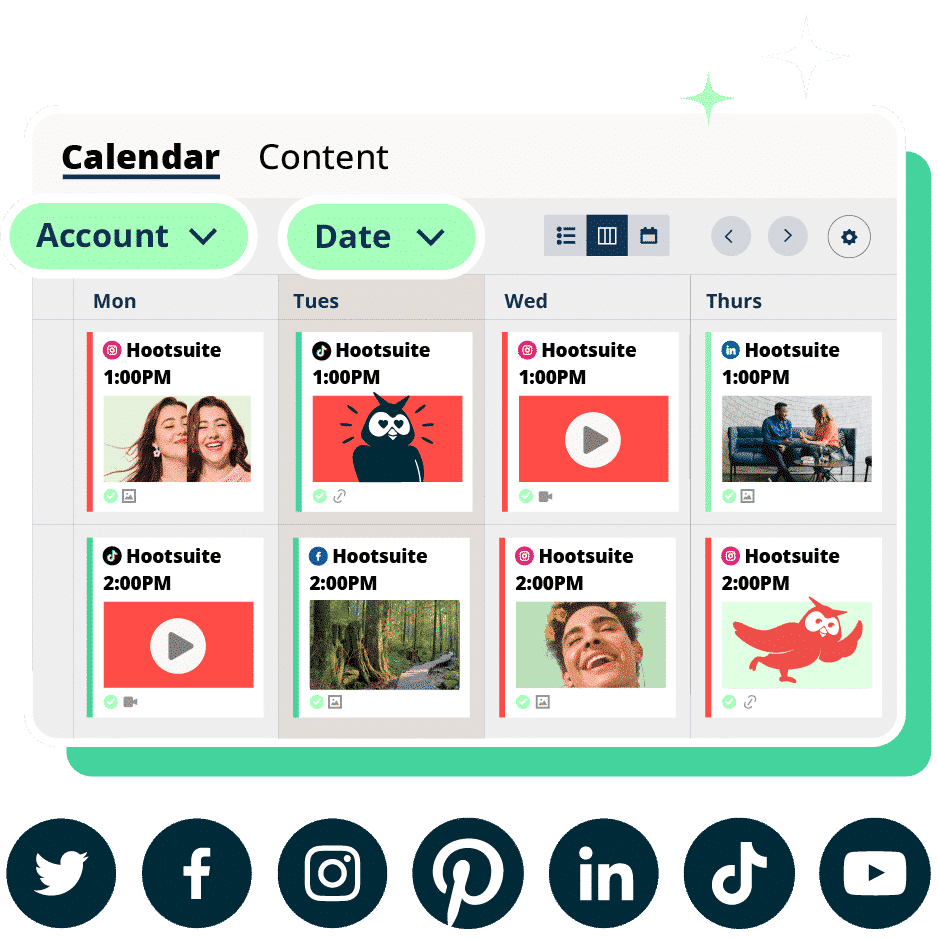
These tools not only optimize engagement but also inform broader marketing efforts, as insights from customer interactions often shape future content strategy. Rather than a fragmented collection of disparate tools, a single, connected system often proves most effective for enterprises. Hootsuite Social OS, for instance, provides a comprehensive social operating system to track customer engagement across every channel, with integrated apps that function as a cohesive unit. This enables enterprises to centralize customer care, automate workflows, gain deep customer insights, and ensure brand consistency across a global footprint.
Case Study: U-Haul Strengthens Customer Engagement with Hootsuite
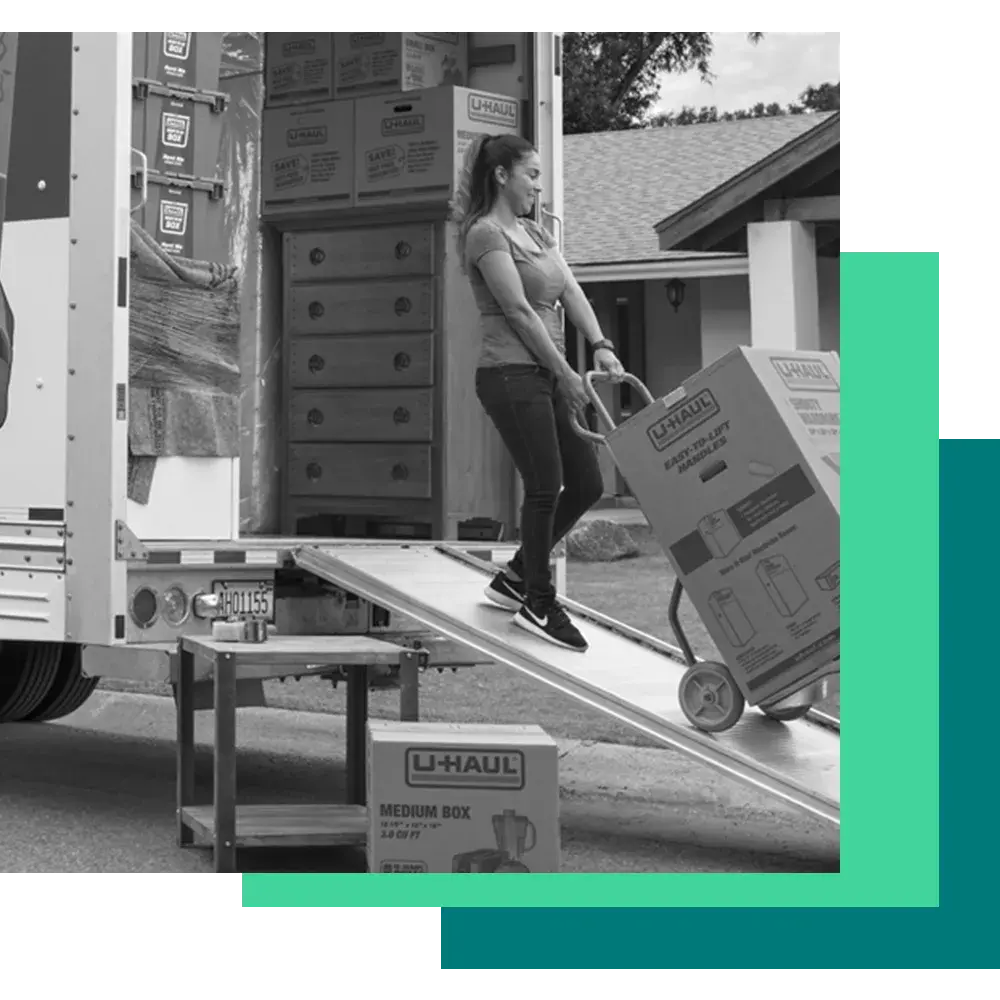
The experience of U-Haul serves as a compelling illustration of how strategic implementation of social engagement tools can transform customer interactions at scale. Managing an immense volume of customer conversations daily, U-Haul previously struggled with keeping pace across its various teams and platforms. By centralizing all comments, direct messages, and mentions within a single inbox provided by Hootsuite, U-Haul equipped its agents with a streamlined system to quickly identify messages, tag them appropriately, and respond efficiently with full access to interaction history.
This newfound clarity yielded tangible results. U-Haul saw its first response time dramatically drop to under 10 minutes, with full replies now consistently delivered in under 30 minutes. Customers benefited from significantly faster answers, while agents could maintain focus without the burden of juggling multiple platforms. The U-Haul team also leveraged Hootsuite for proactive engagement, actively monitoring conversations for potential issues or shifts in sentiment. This enabled them to intervene swiftly, transforming potential negative experiences into positive interactions that reinforced brand loyalty. The U-Haul case exemplifies the power of robust engagement systems: fostering faster replies, clearer workflows, and a more authentic human connection, even at an enterprise scale.
In conclusion, effective social media customer engagement is a cornerstone of modern enterprise success. By strategically centralizing communications, standardizing processes, leveraging intelligent automation, and diligently analyzing data, large organizations can transform scattered interactions into a unified, trust-building force. The future of enterprise social engagement lies in a human-centric approach, where advanced tools and AI empower teams to deliver personalized, empathetic, and efficient interactions that drive retention, strengthen brand equity, and ultimately, secure lasting customer loyalty.