rifanmuazin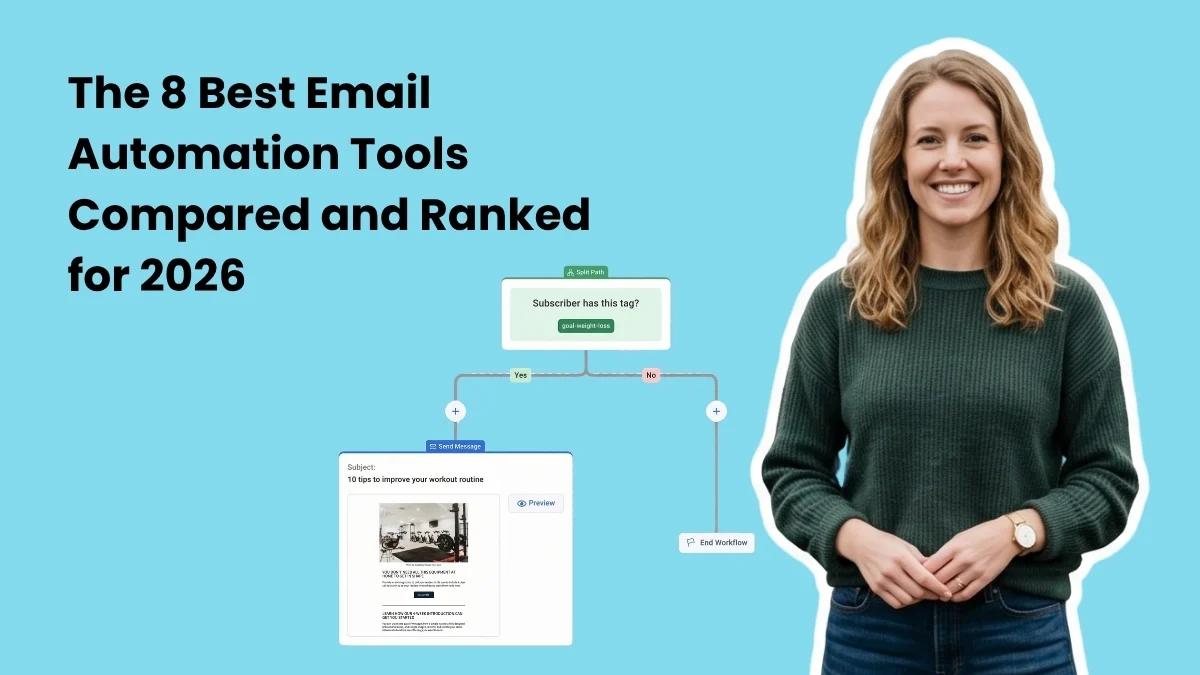
The landscape of digital marketing continues its rapid evolution, with email automation standing as a critical pillar for sustained business success. As of 2026, a staggering 91% of marketers affirm that automation is indispensable to their strategic objectives, underscoring the profound impact of selecting the right platform. The proliferation of advanced tools and AI-driven functionalities means businesses no longer need to embark on exhaustive, weeks-long trials to identify the optimal solution. This comprehensive analysis delves into the top-rated email automation platforms of 2026, offering insights for businesses of all sizes and strategic ambitions.
The Evolving Landscape of Email Marketing Automation
Email marketing has transcended its origins as a mere broadcast channel, morphing into a sophisticated ecosystem driven by personalization, behavioral triggers, and artificial intelligence. The shift towards hyper-segmentation and dynamic content delivery has been accelerated by consumer demand for relevant, timely communications. In 2026, the market for marketing automation software is projected to exceed $10 billion, driven by increasing adoption across industries keen on streamlining operations and enhancing customer lifetime value. This growth is not just about sending more emails; it’s about sending the right emails to the right people at the right time, a feat achievable only through robust automation.
Key trends shaping this landscape include:
- AI and Machine Learning Integration: From intelligent subject line generation and content optimization to predictive analytics for send-time and audience segmentation, AI is fundamentally transforming how automation works.
- Omnichannel Convergence: Email automation is increasingly integrated with other communication channels like SMS, push notifications, and social media, creating unified customer journeys.
- Hyper-Personalization at Scale: Moving beyond basic name inserts, platforms now leverage deep behavioral data to deliver truly individualized experiences, significantly boosting engagement and conversion rates.
- Emphasis on Analytics and ROI: Tools are offering more granular reporting, allowing marketers to precisely measure the performance of every automated step and optimize workflows for maximum impact.
- User-Friendly Interfaces: Despite increasing complexity under the hood, platforms are prioritizing intuitive drag-and-drop builders, making sophisticated automation accessible to non-technical users.
Key Criteria for Evaluating Email Automation Platforms in 2026
Choosing an email automation platform in 2026 requires careful consideration of several core attributes that define a truly effective tool:
-
Essential Automation Features: At a minimum, platforms must offer trigger-based workflows, allowing actions to be initiated by specific subscriber behaviors (e.g., sign-up, click, purchase). Behavioral segmentation is crucial for categorizing subscribers based on engagement, demographics, or purchase history. A user-friendly drag-and-drop workflow builder is non-negotiable, empowering marketers to construct complex sequences without needing coding expertise. Advanced features like A/B testing within automation paths, conditional logic, and goal-based automation are also highly desirable.
-
AI-Powered Options: The advent of AI has revolutionized efficiency and effectiveness. Look for platforms that incorporate AI for tasks such as optimized subject line generation, predictive content recommendations, automated A/B testing, and intelligent send-time optimization based on individual subscriber activity patterns. AI-driven analytics that highlight key performance drivers and suggest improvements are also invaluable for continuous refinement.
-
Integration Capabilities: A truly powerful automation tool does not operate in a vacuum. Seamless integration with existing CRM systems, e-commerce platforms (Shopify, WooCommerce), landing page builders, analytics tools, and other marketing software is paramount. This connectivity ensures a unified data flow, prevents data silos, and enables comprehensive customer journey mapping across all touchpoints. Robust API access for custom integrations further enhances flexibility.
-
Scalability and Transparent Pricing: Businesses grow, and their marketing needs evolve. The ideal platform offers tiered pricing models that scale efficiently with subscriber growth and feature requirements, without imposing punitive cost increases. Understanding whether pricing is based on subscriber count, email volume, or a combination is vital for long-term budget planning. Many platforms now offer free tiers or generous trial periods, allowing businesses to test core functionalities before committing.
-
Customer Support and Resources: Even the most intuitive platforms can present challenges. Accessible and knowledgeable customer support, comprehensive knowledge bases, tutorials, and community forums are essential for maximizing a platform’s utility and resolving issues promptly.
Leading Email Automation Platforms of 2026: An In-Depth Analysis
The 2026 market presents a diverse array of email automation platforms, each with distinct strengths catering to specific business needs.
1. AWeber: The Apex for Small Businesses and Growth-Oriented Entrepreneurs
AWeber distinguishes itself as the premier email automation tool for small businesses in 2026, building on decades of experience with a fresh infusion of AI and user-centric design. Its Workflow builder offers unparalleled precision, allowing small business owners to craft intricate subscriber journeys with remarkable ease. Tags automatically route subscribers based on actions like clicks, opens, or specific behaviors, ensuring highly relevant communication. The platform’s ability to adjust wait times according to individual subscriber time zones is a subtle yet powerful feature, optimizing engagement globally. Furthermore, AWeber accelerates the automation setup process with pre-built templates designed around common marketing goals, from welcome sequences to abandoned cart reminders.
AWeber’s commitment to empowering small businesses is evidenced by its research, which indicates that businesses with consistent automation strategies are twice as likely to report effective email campaigns. Its AI capabilities are a game-changer for time-strapped entrepreneurs, generating optimized subject lines and email copy, saving hours weekly. The intelligent subscriber tagging system ensures that buyers, casual clickers, and cold subscribers receive tailored messages, preventing message fatigue and improving conversion rates.
- Standout Automation Features: Intuitive drag-and-drop Workflow builder, AI-powered subject line and content generation, behavioral tagging and segmentation, time zone-aware scheduling, pre-built automation templates, detailed performance analytics within the builder.
- Unique Value Proposition: AWeber is the only provider offering a professionally built email system including ready-to-run automations. This service, where automation is set up and delivered within 7 days with minimal client input (approximately 20 minutes), provides an invaluable jumpstart for businesses lacking the time or expertise for initial setup.
- Pricing Breakdown: AWeber offers a generous free plan for up to 500 subscribers, including core automation features. Paid plans start at $15/month, scaling based on subscriber count, offering unlimited automations and advanced features, providing excellent value for growing businesses.
2. ActiveCampaign: Powering Enterprise-Level Sophistication
For organizations with complex marketing requirements and a need for deeply integrated CRM functionalities, ActiveCampaign remains the gold standard. It delivers enterprise-level capabilities within a flexible framework, excelling at intricate workflows and comprehensive customer journey mapping.
- Advanced Automation Capabilities: Multi-condition decision trees, predictive sending, lead scoring, site tracking, deep data integrations with CRM, and machine learning-driven automation.
- Target Audience: Businesses requiring highly nuanced segmentation, personalized sales outreach, and a unified view of customer interactions across marketing and sales teams. Its CRM integration facilitates seamless coordination, making it a favorite among B2B and larger B2C enterprises.
- Pricing Breakdown: ActiveCampaign’s plans start around $15/month for basic features, but pricing escalates rapidly with subscriber growth and the need for advanced functionalities, potentially reaching $500+ monthly for larger lists and full feature sets. This reflects its robust capabilities and suitability for businesses ready to invest significantly in their automation infrastructure.
3. GetResponse: The Synergy of Email and Webinar Engagement
GetResponse carves out a niche by expertly combining email automation with integrated webinar functionality, making it an ideal choice for businesses leveraging educational content, online courses, and live events to nurture leads and drive conversions.
- Webinar-Focused Features: Built-in webinar hosting, automated registration sequences, reminder emails, post-event follow-ups, and attendee segmentation based on participation.
- Integrated Approach: GetResponse is one of the few platforms that allows businesses to manage live events and subsequent email communications within a single system, streamlining the entire funnel from promotion to conversion. This integrated approach reduces friction and ensures a cohesive brand experience.
- Pricing Breakdown: Plans typically start around $19/month, with costs increasing based on list size and the inclusion of more advanced features like larger webinar capacities and CRM integration.
4. Kit (formerly ConvertKit): The Creator’s Choice for Audience Monetization
Kit, previously known as ConvertKit, is meticulously designed for content creators, bloggers, podcasters, and online educators focused on building and monetizing their audience. Its automation is streamlined for engagement and sales of digital products.
- Creator-Specific Features: Tag-based subscriber management (replacing traditional lists), visual automation builder, landing page and form builders, direct integration with e-commerce platforms like Gumroad, and emphasis on creator-centric analytics.
- Simplicity Meets Power: The platform’s strength lies in its intuitive interface combined with powerful tagging capabilities, allowing creators to segment their audience precisely and trigger automations based on expressed interests or product purchases.
- Pricing Breakdown: Kit offers a free plan for up to 1,000 subscribers, including basic landing pages and forms. Paid plans begin around $29/month, scaling with subscriber count and unlocking advanced features such as automated funnels and third-party integrations.
5. MailerLite: Clean Design Meets Robust Automation
MailerLite is a testament to the idea that sophisticated automation doesn’t have to come with a steep learning curve or a hefty price tag. It prioritizes user experience and clean design while offering surprisingly powerful automation features.
- Design-Forward Approach: Intuitive drag-and-drop editor for emails and landing pages, robust automation workflows, A/B testing, and comprehensive analytics, all presented within a clean and uncluttered interface.
- Value Proposition: MailerLite stands out for delivering a high level of functionality, including complex automation workflows with multiple triggers and conditions, at a highly competitive price point, making it excellent for budget-conscious businesses that don’t want to compromise on features.
- Pricing Breakdown: A free plan is available for up to 1,000 subscribers and 12,000 emails/month, with automation included. Paid plans start at $10/month, making it one of the most affordable options for growing businesses.
6. Brevo (formerly SendinBlue): Email Automation with Built-in SMS Marketing
Brevo, formerly SendinBlue, is an all-in-one marketing platform that excels in combining email automation with integrated SMS marketing capabilities. This makes it ideal for businesses that prioritize reaching customers through multiple communication channels from a single dashboard.
- Email and SMS Features: Advanced email automation, transactional emails, integrated SMS marketing campaigns, chat functionality, and CRM features.
- Omnichannel Strategy: Brevo’s strength lies in its ability to seamlessly integrate email and SMS into unified workflows. For instance, businesses can set up automations to send a follow-up text message if an email isn’t opened, ensuring critical messages reach the audience through their preferred channel.
- Pricing Breakdown: Brevo offers a free plan with a daily email sending limit. Paid plans start around $25/month, scaling based on email volume and the inclusion of advanced features like landing pages, A/B testing, and dedicated IP addresses. SMS credits are typically purchased separately.
7. Constant Contact: Reliable Automation for Brick-and-Mortar Businesses
Constant Contact has long been a stalwart in email marketing, particularly popular among brick-and-mortar businesses, non-profits, and service providers. It focuses on straightforward email automation combined with robust event management and local marketing tools.
- Brick-and-Mortar Business Features: Event management integration (registrations, reminders, surveys), social media marketing tools, website builder, and basic automation for welcoming new subscribers or nurturing leads.
- Ease of Use: The platform excels at serving businesses that need dependable, easy-to-use automation without overwhelming complexity. Its event management integration is particularly strong, automating the entire event lifecycle.
- Pricing Breakdown: Plans typically start around $12/month, with pricing increasing based on list size and the inclusion of more advanced features. They often offer discounts for non-profits and pre-payment.
8. Omnisend: Omnichannel Retail Automation
Omnisend is purpose-built for e-commerce, specializing in integrated email, SMS, and push notification automation from a single platform. It empowers online retailers to create cohesive and high-converting customer experiences across multiple channels.
- Multichannel Capabilities: Pre-built e-commerce automation workflows (abandoned cart, welcome series, post-purchase), email, SMS, and web push notifications, robust segmentation based on shopping behavior.
- E-commerce Focus: Omnisend excels at creating consistent messaging and customer journeys across channels, whether customers interact via email, SMS, or browser notifications. Its deep integration with major e-commerce platforms like Shopify, Magento, and BigCommerce allows for highly personalized and effective campaigns, directly impacting sales and customer lifetime value.
- Pricing Breakdown: Omnisend offers a free plan with basic email and SMS features. Paid plans start at $16/month, scaling with subscriber count and message volume, offering advanced automation and omnichannel capabilities crucial for retail success.
Strategic Selection: Matching Platforms to Business Needs
The optimal email automation platform is not a one-size-fits-all solution; it’s a strategic choice tailored to specific business objectives, scale, and technical proficiency.
- For Small Businesses & Startups: AWeber stands out as the most beginner-friendly and value-rich option. Its intuitive design, AI-powered tools, unlimited automations, and unique expert setup service provide an unparalleled foundation for newcomers to email marketing seeking immediate impact.
- For Advanced Marketers & Enterprises: ActiveCampaign offers the most sophisticated automation capabilities, including machine learning features, deep CRM integration, and complex workflow builders. While premium in price, its power justifies the investment for businesses with mature marketing strategies and intricate customer journeys.
- For E-commerce & Retail Businesses: AWeber and Omnisend provide specialized features designed to maximize customer lifetime value and recover abandoned sales. Their robust integrations with e-commerce platforms and omnichannel capabilities are crucial for driving online revenue.
- For Content Creators & Coaches: Kit’s tag-based system, creator-focused integrations, and emphasis on audience engagement make it the perfect foundation for building and monetizing communities. AWeber’s Calendly integration also automates discovery call confirmations, session reminders, and follow-up sequences, transforming manual client management into hands-off systems for coaches.
- For Businesses Needing Specialized Channels: Brevo excels at integrated SMS follow-ups for unopened emails, providing a powerful secondary communication channel. GetResponse, on the other hand, automates complete webinar funnels, from registration to post-event sequences, making it ideal for educational and lead generation strategies.
- For Budget-Conscious Businesses: MailerLite offers a robust feature set and clean design at highly competitive price points, proving that powerful automation doesn’t require a prohibitive investment.
To effectively implement these strategies, businesses are encouraged to explore various marketing automation workflow examples to understand how successful campaigns are structured for maximum impact and efficiency.
The Future of Email Automation: Emerging Trends and Predictions
Looking ahead, email automation will continue to evolve, driven by advancements in AI, the demand for hyper-personalization, and increasing scrutiny over data privacy. We can expect:
- Even Deeper AI Integration: AI will move beyond content generation to predictive customer service, automatically identifying customer pain points and triggering proactive communications.
- Voice-Activated Marketing: As smart assistants become more pervasive, integration with voice commands and conversational AI for email interactions could emerge.
- Enhanced Interactivity: Expect more interactive elements within emails, allowing subscribers to engage with content (e.g., quizzes, polls, product configurators) directly within their inbox, further personalizing the experience.
- Privacy-First Automation: With increasing global data privacy regulations, platforms will prioritize privacy-enhancing features, offering marketers tools to build trust while maintaining personalization.
- Consolidated MarTech Stacks: The trend towards all-in-one platforms will continue, with more solutions offering CRM, sales, and service functionalities alongside marketing automation to create a truly unified customer experience.
Frequently Asked Questions
What email automations should every small business set up first?
Every small business should prioritize three foundational automations. First, a welcome series, triggered immediately upon subscription, introduces your brand and sets expectations. Second, for businesses selling products, an abandoned cart sequence is critical for recovering lost sales. Third, a re-engagement campaign targets subscribers who haven’t opened emails in a defined period (e.g., 90 days), aiming to reactivate their interest. AWeber’s research confirms that small businesses with consistent automation are twice as likely to report effective email strategies, underscoring the importance of these basic workflows before adding complexity.
How much do email automation tools cost for a small business?
Most small businesses can find suitable plans in the $15 to $50 per month range, depending on subscriber count and desired features. Many platforms, including AWeber, offer free plans for up to 500 subscribers, which often include basic automation functionalities, making them excellent starting points. ActiveCampaign also starts at around $15 per month, but its costs can rise quickly with list growth and the need for more advanced, enterprise-level features. It’s crucial to understand each platform’s pricing model, whether it’s based on subscriber count, email volume, or a combination, to budget effectively for growth.
Can I switch email automation platforms without losing my subscribers?
Yes, switching platforms without losing subscribers is a common and straightforward process. Before canceling your current platform, export your subscriber list as a CSV file. Most reputable email service providers, including AWeber, offer free migration services that can transfer your contacts, existing tags, and even help rebuild your automation workflows on the new platform. It’s advisable to plan for a transition period of one to two weeks to ensure all contacts are successfully imported, and all sequences are rebuilt and thoroughly tested on the new platform before going live. This minimizes disruption and ensures continuity of your email marketing efforts.
Do I need technical skills to set up email automation?
No, extensive technical skills are generally not required to set up modern email automation. The vast majority of contemporary platforms, including AWeber, utilize intuitive drag-and-drop workflow builders. These visual interfaces allow you to map out triggers, conditions, and actions in a flowchart-like manner, making the process highly accessible. For example, AWeber’s Workflow builder enables users to construct a complete welcome series in under an hour without writing a single line of code. While a basic understanding of your customer journey and marketing goals is essential, you do not need to be a developer to implement sophisticated automation.


 Ammar Sabilarrohman
 Asro
Asro