

The global eCommerce landscape is currently undergoing a fundamental shift from identity-based marketing to intent-driven engagement, as traditional methods of digital personalization reach their technical and strategic limits. While online shoppers have long expected recognition from the brands they frequent, modern consumer behavior suggests that mere recognition is no longer sufficient. Today’s digital consumers demand relevance—a standard that requires brands to understand what a user needs in the immediate moment, rather than relying on historical data, broad demographic segments, or purchasing patterns from months prior. When executed effectively, this real-time adaptation has been shown to increase consumer trust, boost conversion rates, and foster long-term brand loyalty. However, the majority of current personalization strategies remain tethered to static rules and historical datasets, often failing to capture the nuances of live visitor intent.
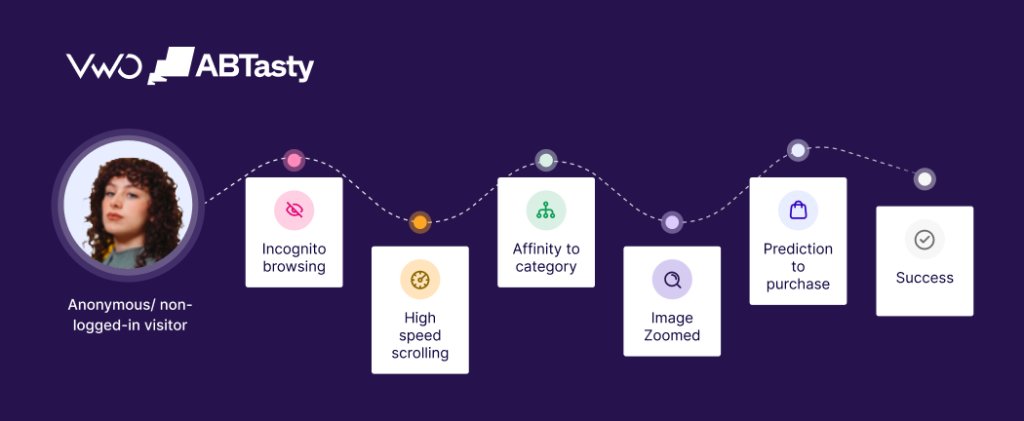
The emergence of predictive artificial intelligence (AI) has introduced a new paradigm: adaptive personalization. By moving beyond the constraints of predefined audience groups, brands can now utilize real-time behavioral signals to modify digital experiences as they happen. This evolution is particularly critical given that a significant majority of eCommerce traffic—often exceeding 90%—remains anonymous. For these visitors, who may be browsing in private mode, declining cookies, or visiting for the first time, traditional personalization provides no utility. Consequently, the industry is seeing a surge in the adoption of platforms like AdaptiveCX, which focus on "what" a visitor is doing rather than "who" they are.
The Evolution of Personalization: From Segments to Live Intent
To understand the current transformation, it is necessary to examine the chronology of digital personalization. In the early era of eCommerce, personalization was virtually non-existent; every visitor saw the same homepage and the same offers. By the mid-2000s, brands began utilizing basic segmentation based on geography and device type. The 2010s saw the rise of cookie-based tracking, allowing brands to follow users across the web and serve "personalized" ads based on past browsing history.
However, the 2020s have introduced significant hurdles to these traditional methods. Increasing privacy regulations, such as the General Data Protection Regulation (GDPR) in Europe and the California Consumer Privacy Act (CCPA) in the United States, combined with the phase-out of third-party cookies by major browsers, have rendered historical tracking less reliable. Furthermore, consumer psychology has shifted. A shopper’s intent can change within a single session—moving from casual browsing to high-intent comparison in a matter of clicks. Traditional rules-based systems, which update on a delay, are often too slow to respond to these micro-shifts in motivation.
Industry research, including data cited by McKinsey & Company, highlights the urgency of this transition. Approximately 71% of consumers now expect personalized shopping experiences, and 76% report feeling frustrated when brands fail to deliver them. From a business perspective, the stakes are equally high. Companies that excel at personalization generate 40% more revenue from those activities than their slower-moving competitors. Furthermore, highly personalized campaigns can drive conversion rate lifts of up to 60%, compared to generic, one-size-fits-all marketing efforts.

The Technical Limitations of Traditional Personalization
The primary weakness of traditional personalization lies in its reliance on "static" data. Most conventional systems function on a "if-this-then-that" logic. For example, if a visitor is categorized in the "High-Value Male Shopper" segment, the website might show them luxury watches. However, if that same individual is currently browsing for a gift for a child, the "High-Value" luxury watch recommendation becomes irrelevant and potentially intrusive.
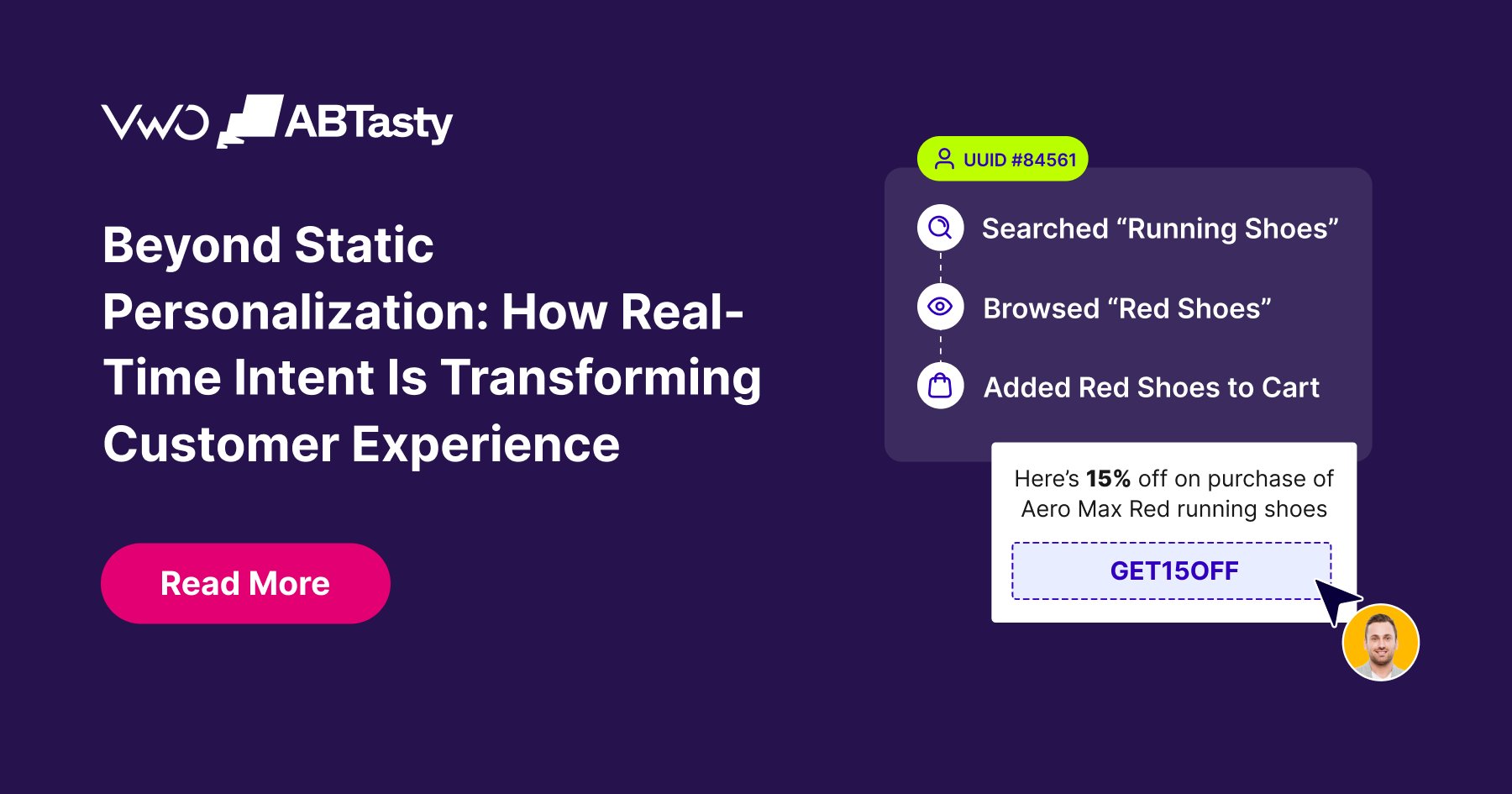
Moreover, traditional systems struggle with the "cold start" problem. When a brand knows nothing about a visitor, the default experience is almost always generic. In a high-competition environment, a generic experience often leads to immediate bounce rates. By focusing on live behavioral signals—such as mouse movement, scroll depth, click-through patterns, and search queries—predictive AI can bypass the need for a user profile. It treats the current session as the primary source of truth, allowing for an "adaptive" experience that evolves as the user moves through the site.
Case Study: Kurt Geiger and the Precision of Product Discovery
The practical application of intent-based personalization is best illustrated through the success of global fashion and accessories retailer Kurt Geiger. Operating across the UK, US, and Mexico, the brand faced a common eCommerce challenge: despite a vast and diverse product catalog, visitors were often unable to find the most relevant items quickly. This friction in the discovery process resulted in missed revenue and inefficient marketing spend.
To address this, Kurt Geiger implemented AdaptiveCX to power its homepage recommendations. Rather than showing a static set of "best sellers," the platform analyzed the real-time affinities of each visitor. If a user showed a preference for handbags through their clicks and hover behavior, the homepage carousel would dynamically shift to highlight relevant accessories.
The results of this transition were statistically significant. Kurt Geiger reported a 16.95% increase in revenue per user and a 6.72% lift in the overall conversion rate. Gareth Rees-John, Chief Digital Officer at Kurt Geiger, noted that the technology allowed the brand to predict user intent and connect people with the right products instantly, providing a measurable impact on the company’s bottom line. This case highlights that relevance in the moment is often more valuable than historical data.
Case Study: AttractionTickets.com and Adaptive Search
Another notable example is AttractionTickets.com, a company that has sold over 15 million tickets since its founding in 2002. The brand sought to optimize its homepage search experience, particularly for anonymous, first-time visitors. The challenge was that search suggestions were often generic and did not align with the immediate needs of a traveler who might be looking for specific attractions in Orlando versus Paris.

By implementing an adaptive search experience, the brand began proposing search terms based on live, in-session behavior. These suggestions were further enhanced with real-time imagery to capture user attention. The intervention led to a 9.7% increase in the conversion rate and a 17% increase in visits to product pages. By making the search function "smarter" and more responsive to the immediate session, AttractionTickets.com reduced the friction between a visitor’s curiosity and their final purchase.
Analyzing the Impact: Margins, Loyalty, and Conversion
The move toward real-time intent transformation has three major implications for the future of eCommerce:
- Margin Protection: Traditional retailers often rely on site-wide discounts to drive conversions. However, intent-based AI can identify which users are likely to purchase without an incentive and which users need a small nudge (such as a 10% discount) to complete a transaction. This allows brands to protect their margins by only offering discounts to price-sensitive shoppers.
- Reduced Churn: By identifying "hesitation signals"—such as repetitive scrolling or frequent movement between the cart and product pages—adaptive systems can trigger real-time interventions, such as a "Live Chat" prompt or a specific FAQ pop-up, to prevent cart abandonment.
- Enhanced Customer Lifetime Value (CLV): While 44% of shoppers are likely to become repeat buyers after a personalized experience, the quality of that personalization matters. Real-time relevance builds a sense of being "understood" by the brand, which 68% of consumers say significantly improves their brand satisfaction.
The Strategic Shift: From "Who" to "What"
The broader impact of this technology is a shift in the philosophy of digital marketing. For years, the industry was obsessed with "The 360-Degree Customer View," an attempt to aggregate every piece of data ever known about a person. While valuable, this approach is often cumbersome and invasive. The "Intent-First" approach is more agile and privacy-compliant. It respects the user’s current context without needing to archive their entire digital history.

As AI continues to evolve, the distinction between "searching" and "finding" will continue to blur. Future iterations of adaptive technology are expected to incorporate voice intent, visual search patterns, and even sentiment analysis of user interactions.
Conclusion: The Future of the Digital Storefront
The evidence suggests that the era of static, rules-based personalization is drawing to a close. As eCommerce becomes increasingly competitive and privacy-conscious, the ability to interpret and act on live visitor intent will become the primary differentiator for successful brands. Platforms like VWO AB Tasty’s AdaptiveCX demonstrate that when brands stop asking "Who are you?" and start asking "What can I help you with right now?", the results are reflected in higher engagement, improved margins, and a more resilient customer base.
For modern eCommerce leaders, the mandate is clear: to remain relevant, the digital experience must be as dynamic as the human intent behind it. The transition to adaptive, real-time personalization is not merely a technical upgrade; it is a fundamental realignment of the digital storefront to mirror the intuitive, responsive nature of high-end physical retail. As this technology matures, the brands that can most accurately turn intent into action will be the ones that define the next decade of digital commerce.







