The digital marketplace has evolved into a highly competitive landscape where the difference between a thriving enterprise and a stagnating storefront often hinges on the efficiency of the user journey. A Conversion Rate Optimization (CRO) audit serves as a systematic evaluation of a website’s performance, functioning much like a comprehensive medical check-up for a digital entity. While a common misconception suggests that audits are only necessary when performance metrics plummet, industry experts argue that regular assessments are vital for identifying latent revenue opportunities, enhancing user experience (UX), and maintaining a modern competitive edge. By analyzing key elements such as product pages, checkout flows, and site speed, a CRO audit ensures that a business is not “leaving money on the table” due to undetected friction in the sales funnel.
The Strategic Importance of the CRO Audit in the Modern Economy
In the current economic climate, where Customer Acquisition Costs (CAC) continue to rise across platforms like Meta and Google, the ability to convert existing traffic has become a primary driver of profitability. A CRO audit is the formal process of examining a website’s data and user behavior to identify why visitors are not converting into customers. This process is not merely about fixing bugs; it is about aligning the digital experience with human psychology and technical best practices.
Market data suggests that the average e-commerce conversion rate hovers between 2% and 3% globally. However, top-tier performers often achieve rates of 5% or higher by employing rigorous testing and auditing frameworks. The transition from a reactive to a proactive auditing schedule allows businesses to stay ahead of shifting consumer behaviors and technological updates, such as the industry-wide shift to event-based tracking in Google Analytics 4 (GA4).
Step 1: Quantitative Data Collection and Analytical Foundations
The first phase of a professional CRO audit involves the collection of hard data. Quantitative analysis answers the “what” of user behavior, identifying exactly where the leaks in the conversion funnel are occurring. Without a robust data foundation, any changes made to a website are based on intuition rather than evidence.
The Role of Google Analytics 4 (GA4)
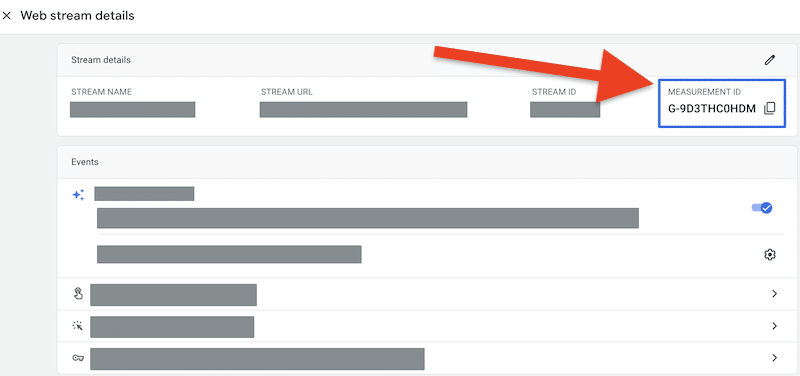
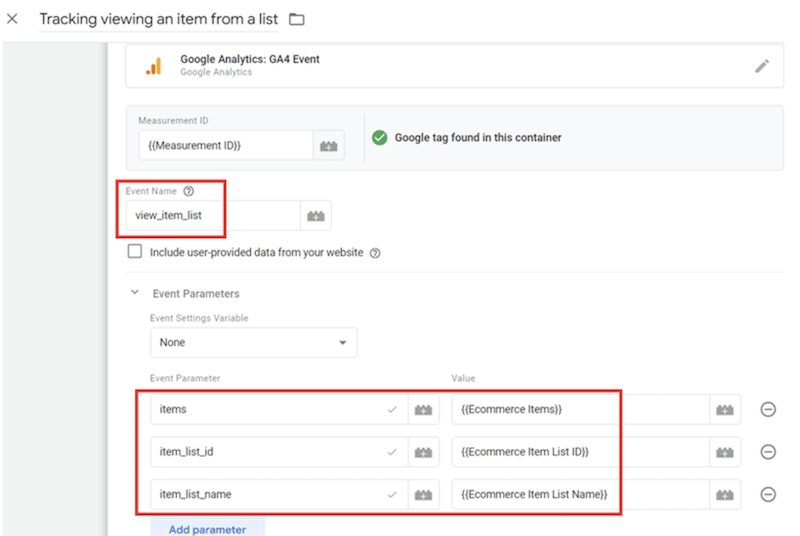
With the deprecation of Universal Analytics, GA4 has become the standard for e-commerce tracking. A thorough audit begins with verifying the analytics setup. For an e-commerce entity, tracking standard page views is insufficient. Analysts must ensure that specific “events” are being captured accurately. These include:
- view_item: When a user looks at a specific product.
- add_to_cart: When an item is placed in the shopping basket.
- begin_checkout: When the user initiates the payment process.
- purchase: The successful completion of a transaction.
By analyzing the ratios between these events, businesses can pinpoint specific points of failure. For instance, a high view_item count paired with a low add_to_cart rate typically suggests issues with product descriptions, pricing, or imagery. Conversely, a high abandonment rate between begin_checkout and purchase often points to hidden shipping costs or a cumbersome payment interface.
Benchmarking and Industry Standards
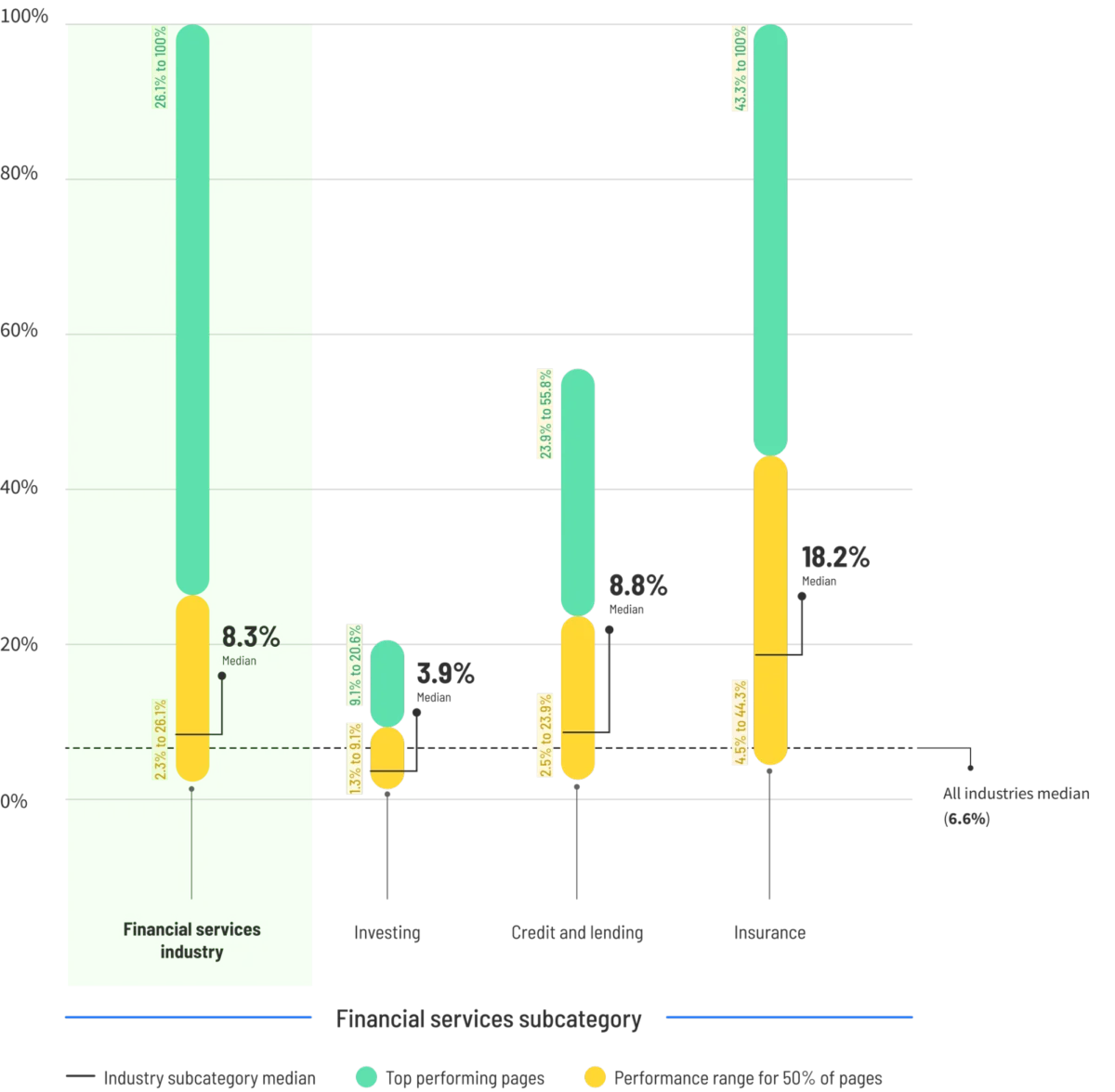
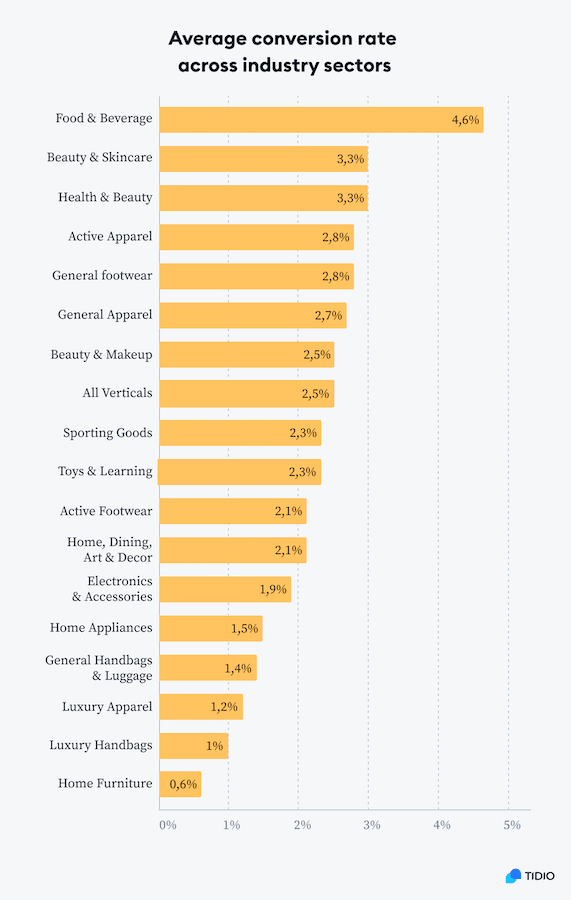
Establishing what constitutes “success” is critical. Conversion benchmarks vary significantly by industry. For example, the food and beverage sector often sees conversion rates as high as 4.6%, while high-ticket items like home furniture may see rates as low as 0.6%. A professional audit compares a site’s current performance against both its historical data and these industry-specific averages to set realistic optimization goals.
Step 2: Technical Performance and Core Web Vitals
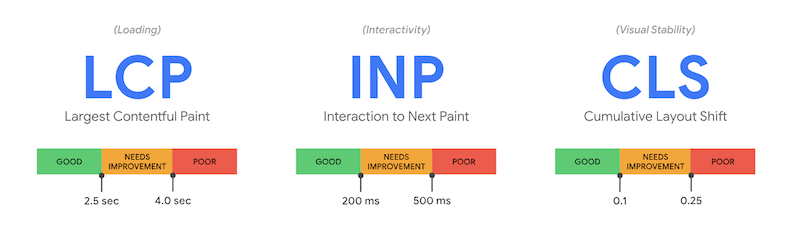
Technical debt and slow loading times are among the most significant silent killers of conversions. Google’s introduction of Core Web Vitals (CWV) in 2021 formalized the link between site performance and user retention. A CRO audit must include a rigorous check of these three metrics:
- Largest Contentful Paint (LCP): Measures loading performance. To provide a good user experience, LCP should occur within 2.5 seconds of when the page first starts loading.
- Interaction to Next Paint (INP): Replacing First Input Delay (FID), this measures responsiveness. A low INP ensures that the page responds quickly to user inputs like clicks or taps.
- Cumulative Layout Shift (CLS): Measures visual stability. Pages should maintain a CLS of less than 0.1 to prevent accidental clicks caused by elements moving during the loading process.
Data from a 2020 Deloitte study indicated that a mere 0.1-second improvement in mobile load speed could increase conversion rates by up to 8% for retail sites. Therefore, the technical portion of the audit often yields the highest immediate Return on Investment (ROI).
Step 3: Qualitative Insights and User Psychology
If quantitative data shows where users are leaving, qualitative data explains why. This stage of the audit focuses on the human element, utilizing tools that capture the nuances of user interaction.
Heatmaps and Interaction Tracking
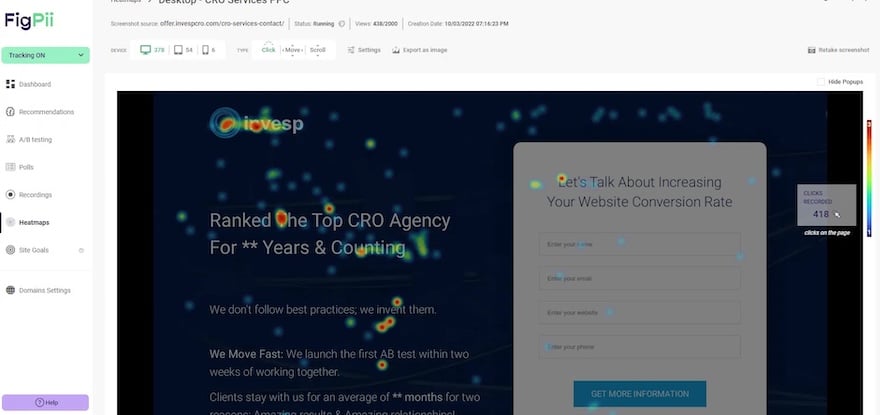
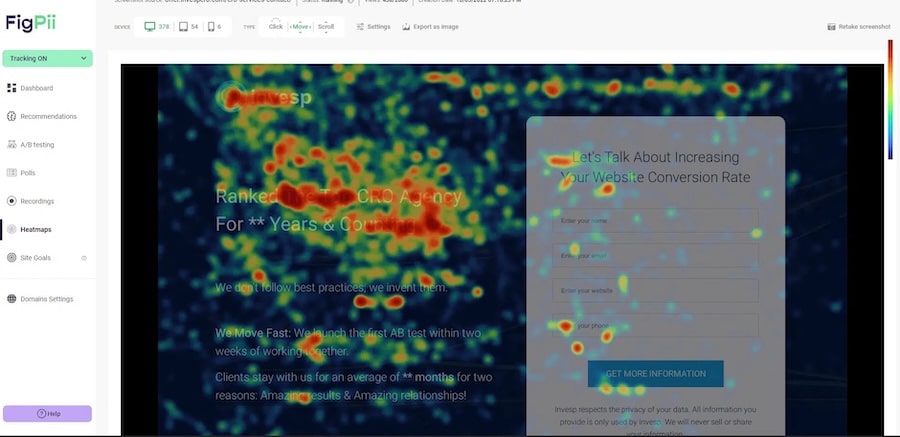
Heatmaps provide a visual representation of user engagement. Click maps reveal which buttons or links are receiving attention, while scroll maps indicate how much of the page content is actually being consumed. Analysts often find that critical information, such as social proof or shipping guarantees, is buried “below the fold” where only 20% of users ever see it. Movement maps can also highlight “rage clicks”—instances where users repeatedly click an unclickable element—signaling a need for design clarification.

Session Replays and User Testing
Watching recorded sessions of actual users navigating the store can be eye-opening. These replays often uncover usability hurdles that automated tools miss, such as a pop-up that is impossible to close on a mobile device or a form field that resets unexpectedly.
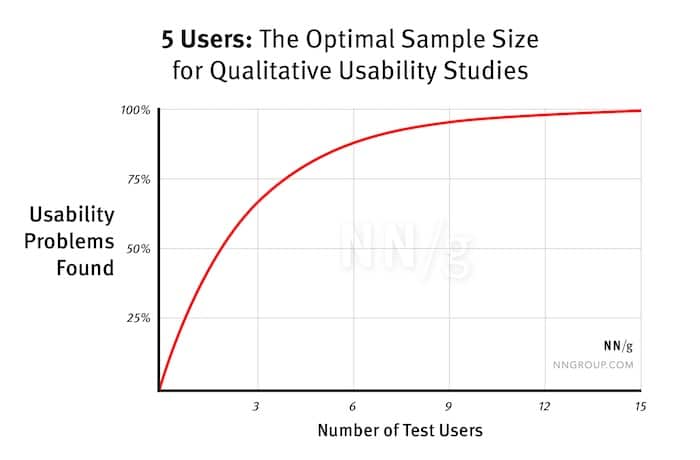
To complement these observations, structured user testing with a small cohort—typically five users—is often enough to identify 85% of usability issues. By tasking participants to “find a product under $50 and complete the purchase,” auditors can observe real-time hesitation and confusion, providing a roadmap for design improvements.
Step 4: High-Impact Page Optimization
A comprehensive audit focuses heavily on the two most critical stages of the conversion funnel: the Product Page and the Cart Page.
The Product Page: The Decision Hub
The product page is where the “inspiration” phase meets the “consideration” phase. An audit of this page focuses on four pillars:

- Imagery: Professional photography from multiple angles and lifestyle videos help alleviate the “touch-and-feel” gap of online shopping.
- Copywriting: Effective descriptions should go beyond technical specifications to highlight benefits and solve customer pain points.
- Call-to-Action (CTA): The “Add to Cart” button must be prominent, using contrasting colors and clear, concise language.
- Social Proof: Integrating customer reviews and ratings is essential. Research indicates that consumers are significantly more likely to purchase when they see photos from real customers, as this builds a level of trust that branded imagery cannot achieve.
The Cart Page: Minimizing Friction
The primary objective of the cart page is to usher the user toward the final checkout without distraction. Successful cart pages are characterized by:
- Clarity: Transparent pricing, including taxes and shipping fees, should be visible immediately to avoid “sticker shock” at the final step.
- Simplicity: Removing unnecessary navigation links (the “leaky funnel”) keeps the user focused on the transaction.
- Speed: The transition from the cart to the payment gateway must be instantaneous. Any delay at this stage significantly increases the likelihood of abandonment.
Chronology of a Standard CRO Audit Process
To ensure a structured approach, a professional audit typically follows this timeline:
- Week 1: Implementation & Tracking: Verification of GA4 and GTM tags. Installation of heatmap and session recording software.
- Week 2: Data Gathering: Allowing sufficient traffic to flow through the site to generate statistically significant heatmaps and session recordings.
- Week 3: Analysis: Identifying patterns in the data, conducting user interviews, and performing a heuristic evaluation of the site’s design.
- Week 4: Prioritization & Roadmap: Categorizing findings into “Quick Wins” (technical fixes), “Strategic Tests” (A/B testing opportunities), and “Long-term Redesigns.”
Broader Impact and Business Implications
The implications of a regular CRO audit extend far beyond a simple increase in sales. By improving the conversion rate, a business effectively lowers its customer acquisition cost, allowing for more aggressive marketing spend and faster scaling. Furthermore, the focus on user experience fosters brand loyalty; a customer who finds a site easy to navigate and transparent in its dealings is far more likely to return.
From a management perspective, the CRO audit shifts the company culture from one of “opinion-based design” to “evidence-based growth.” It provides a clear, data-driven rationale for every change made to the website, ensuring that the digital storefront remains a high-performing asset in an ever-changing market. As e-commerce continues to grow as a percentage of total global retail, the ability to conduct and act upon a conversion audit will remain a defining characteristic of market leaders.