
 rifanmuazin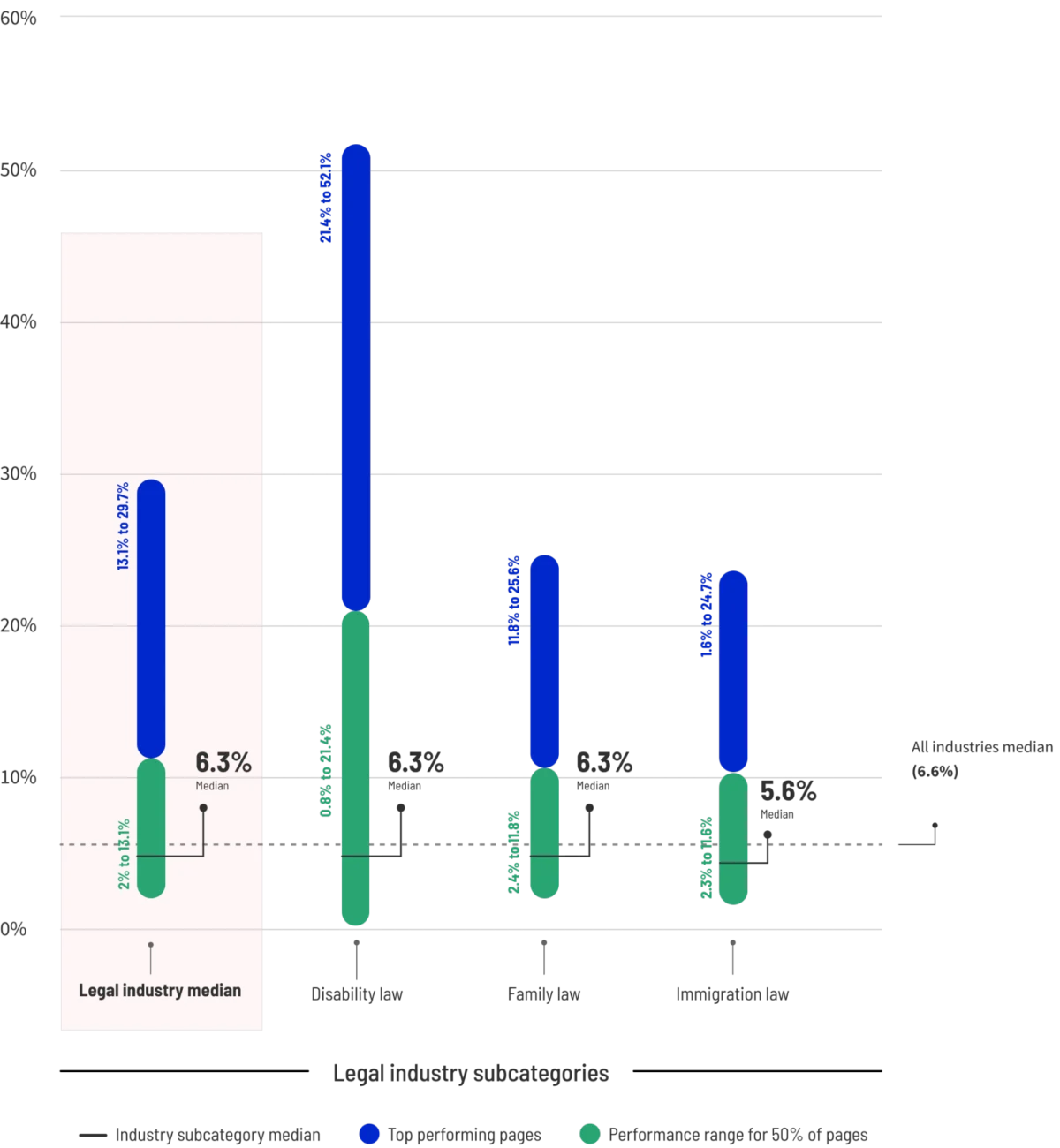
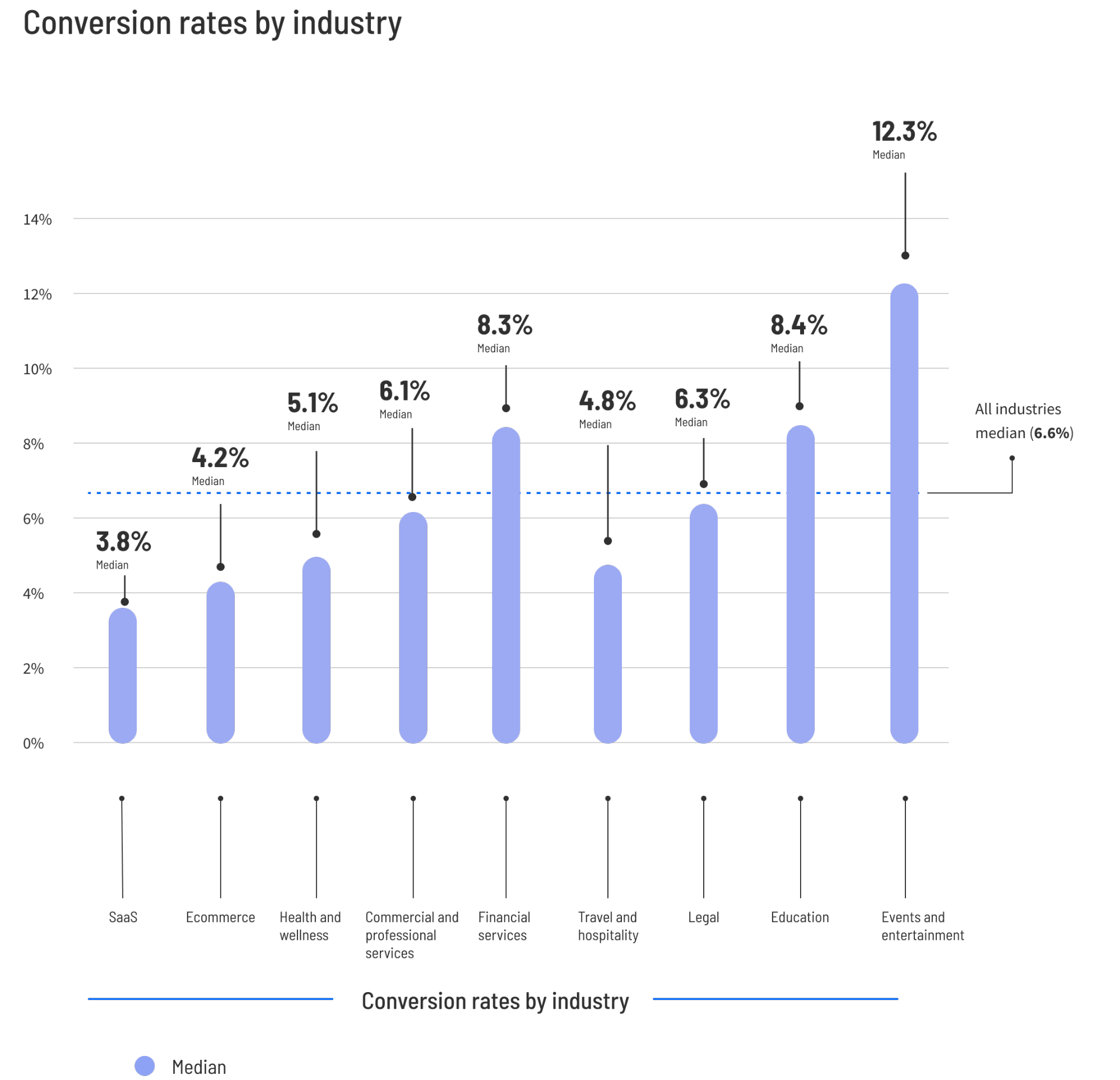
The digital marketing landscape has reached a critical inflection point where the cost of acquiring traffic continues to climb, placing unprecedented pressure on landing page performance. According to the 2024 Conversion Benchmark Report, which analyzed data from over 57 million conversions across 41,000 landing pages and 464 million pageviews, the baseline for success is no longer a static figure. Instead, a nuanced understanding of industry-specific medians and high-performance thresholds is now essential for businesses seeking to maximize their return on investment. The report reveals that while the median conversion rate across all industries sits at 6.6%, the disparity between average performers and the top 25% is widening, with "good" conversion rates often requiring double-digit performance.

The Macro Landscape: Baseline vs. Elite Performance
In the current economic climate, marketing departments are increasingly scrutinized for efficiency. The 6.6% median conversion rate identified in the study serves as a vital reference point, but experts warn against using it as a universal target. This figure represents the "middle-of-the-pack" performance, essentially the midpoint of a vast dataset. For a brand to be considered a market leader, it must aim for the 75th percentile, which starts at approximately 11.4% and can soar as high as 40.8% depending on the sector.
The distinction between "median" and "average" is crucial for accurate benchmarking. Statistical averages are often skewed by "unicorn" pages—outliers that achieve near-perfect conversion through unique, non-replicable circumstances—or by failed campaigns that bottom out at zero. By focusing on the median, the 2024 data provides a more realistic representation of what a typical, well-managed campaign can expect to achieve.

Industry-Specific Benchmarks: A Detailed Breakdown
The report underscores that conversion expectations must be calibrated to the specific intent of the audience and the complexity of the offering. A one-size-fits-all approach ignores the fundamental differences in user behavior across different market segments.
Ecommerce and Retail
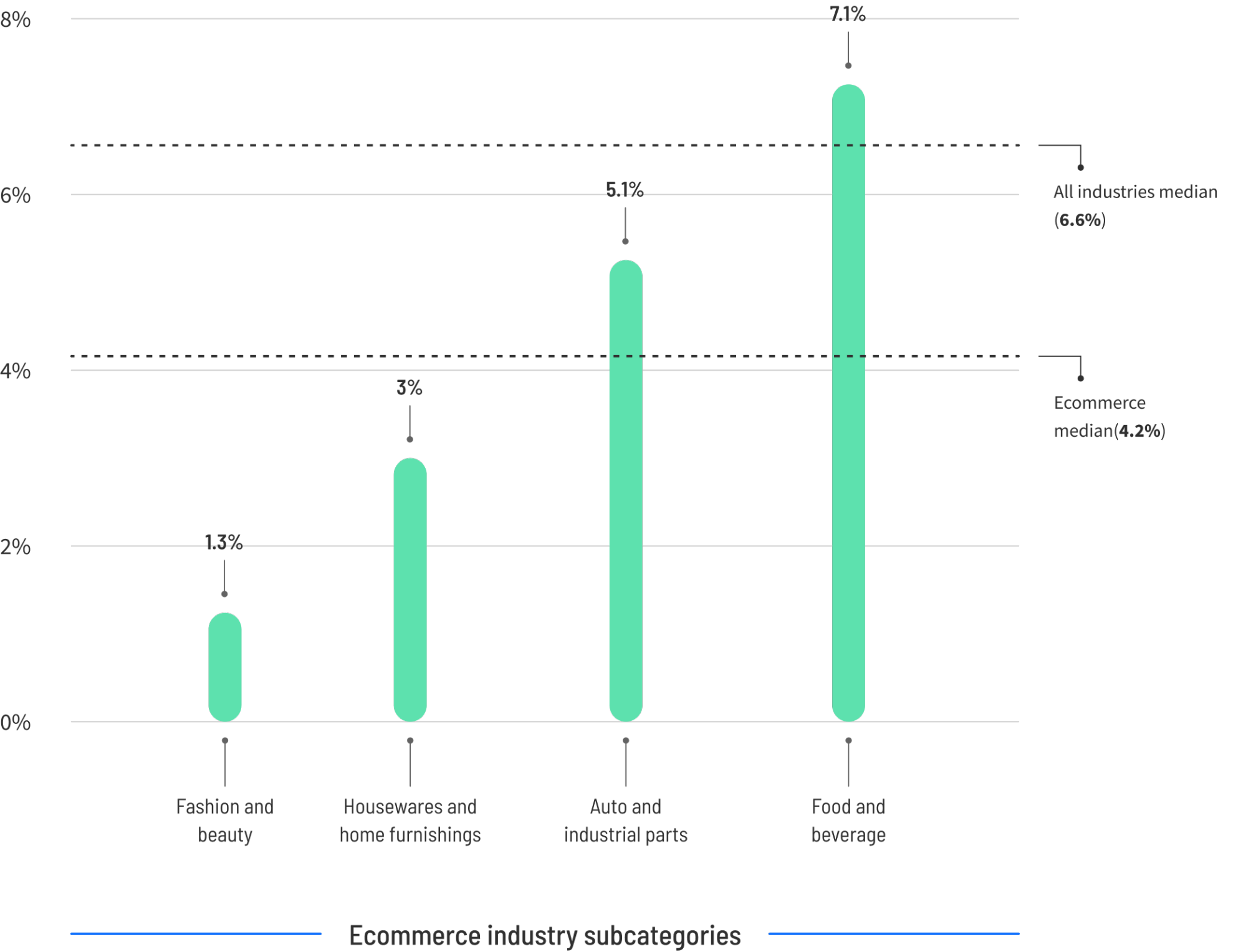
The median conversion rate for ecommerce landing pages currently stands at 4.2%. While this may seem low compared to the global median, it reflects the highly competitive nature of online retail and the prevalence of window-shopping behavior. However, the top 25% of ecommerce performers achieve rates of 11.4% or higher. Data suggests that sub-categories within ecommerce vary wildly; for instance, food and beverage pages see a median of 7.1%, likely due to the lower price points and higher frequency of purchase, whereas fashion and beauty pages struggle with a 1.3% median due to high levels of comparison shopping.
Software as a Service (SaaS)
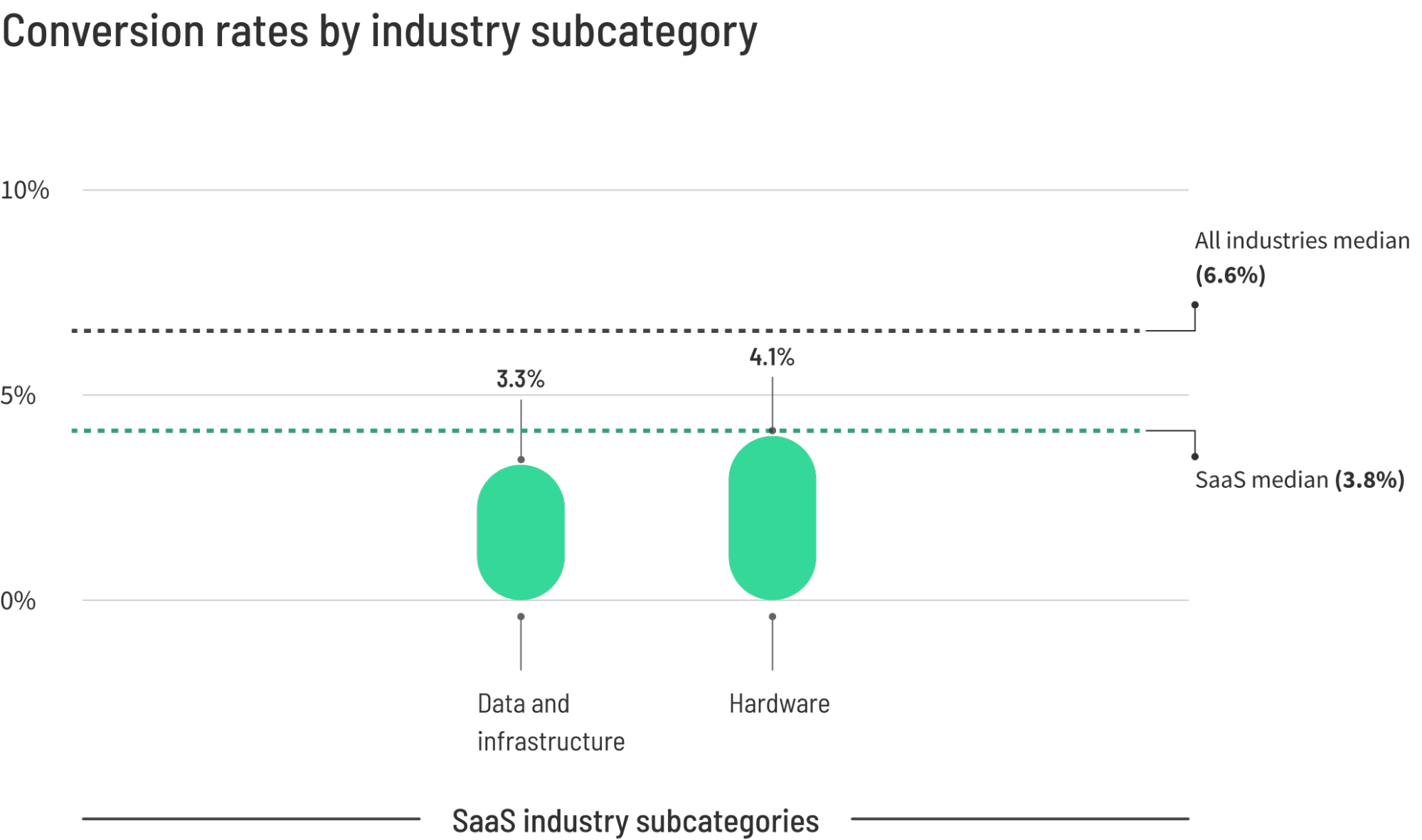
SaaS companies face a unique challenge with a median conversion rate of 3.8%. This lower-than-average figure is attributed to longer sales cycles and the complexity of the products being sold. The journey from "researching" to "starting a trial" involves significant friction. Despite these hurdles, elite SaaS pages—those in the top quartile—convert at 11.6% or above. These high-performers typically utilize streamlined forms and clear value propositions that address specific pain points immediately.
Financial and Legal Services
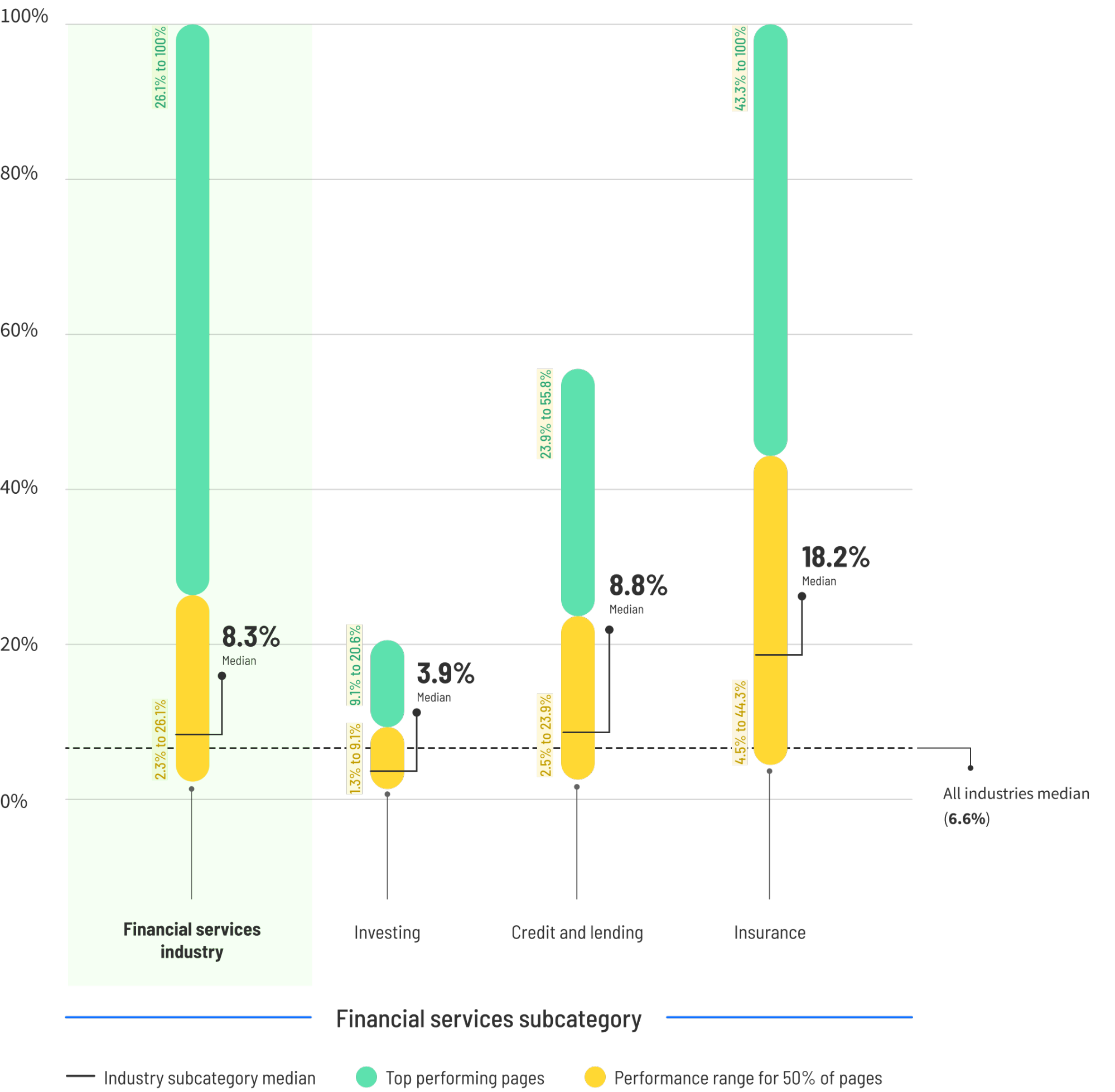
Financial services outperform the general market with a median conversion rate of 8.3%. This is largely due to the high-intent nature of the audience; users searching for insurance or investment options are usually further along the decision-making funnel. Notably, insurance sub-pages boast a median of 18.2%.
Similarly, the legal sector maintains a median of 6.3%, but with a significant emphasis on mobile performance. Legal services often see a "mobile-first" conversion pattern, where users in urgent situations—such as those seeking accident or family law advice—convert at a rate of 21% on mobile devices, compared to 15.9% on desktop.
Education and Professional Services
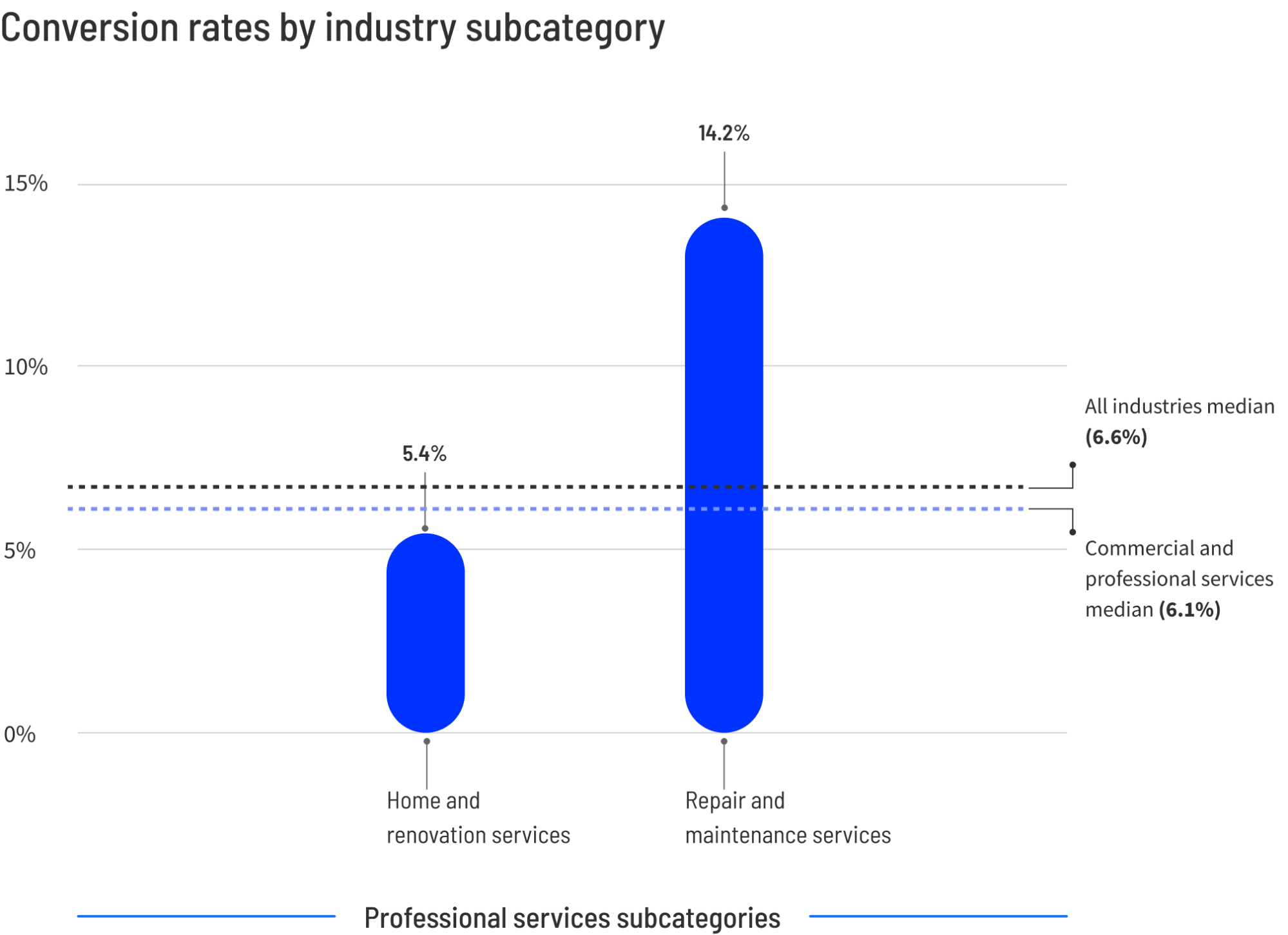
The education sector is a standout performer in 2024, with a median conversion rate of 10.3%. Online courses are the primary driver here, seeing a staggering 18.3% median. Analysts suggest that the immediate "problem-solution" nature of online learning contributes to this success. Professional services, including consulting and maintenance, follow with a 6.1% median, though top-tier performers in this space reach 14.1% by leveraging high-trust signals and email marketing.
The Chronology of Conversion: Shifts in Traffic and Device Behavior
The timeline of digital marketing over the last three years shows a steady migration toward mobile dominance, yet the "conversion gap" remains a persistent issue. In 2024, mobile accounts for 83% of all landing page visits. However, across most industries, desktop traffic continues to convert at a higher rate. This suggests a multi-stage consumer journey where initial discovery happens on a smartphone, but the final, high-commitment action is often reserved for a desktop environment.
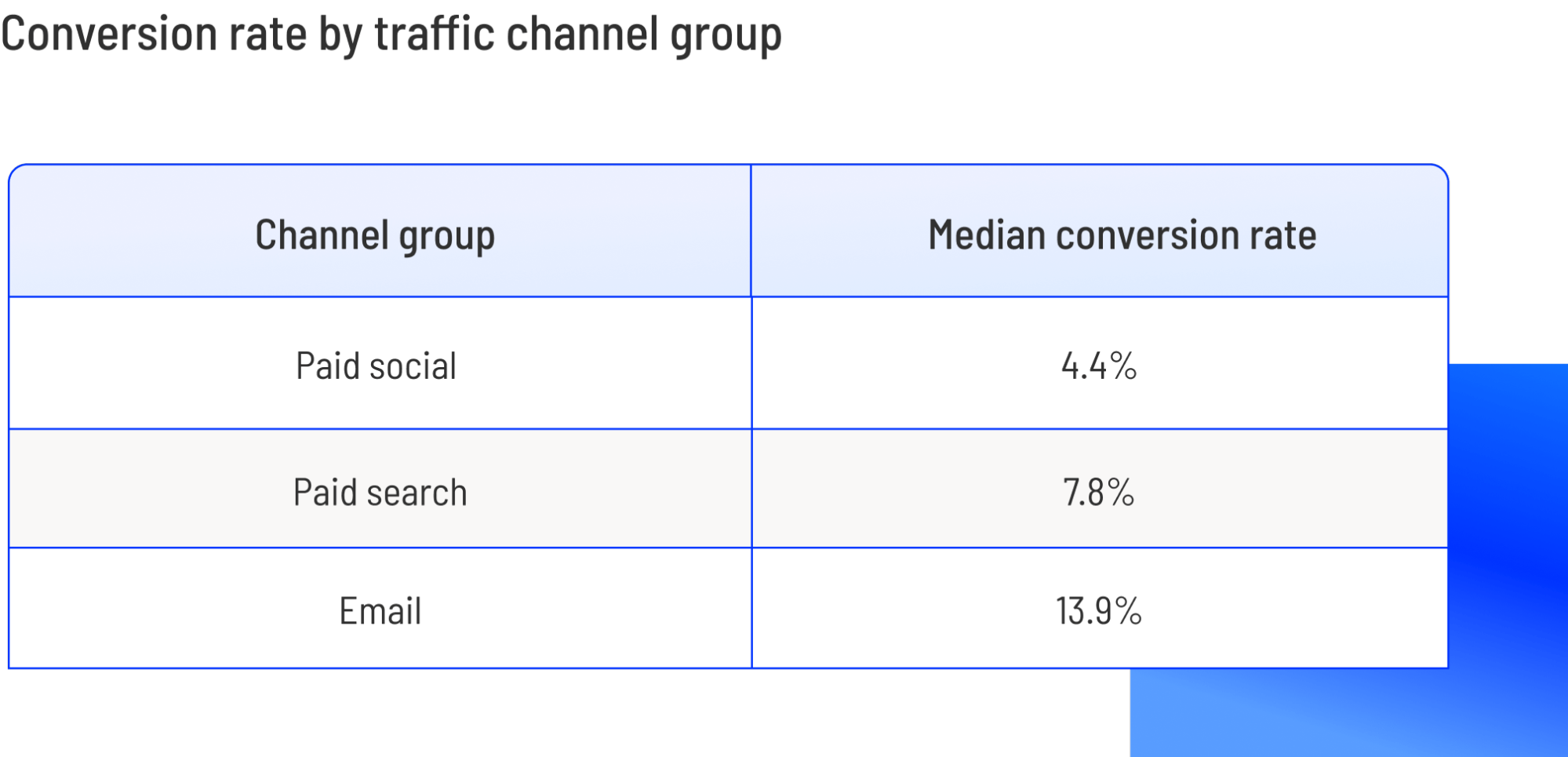
Traffic sources also dictate conversion timelines. Email remains the highest-converting channel in many sectors, such as professional services (14%) and education (14.1%). Paid search, while expensive, continues to provide the highest intent for the legal and financial sectors, often converting twice as well as social media traffic.
Strategic Imperatives for Optimization
To move from the median to the elite 75th percentile, the report suggests five data-backed interventions that businesses can implement immediately:
1. The Readability Factor
One of the most significant findings in the 2024 data is the impact of language simplicity. Pages written at a 5th-to-7th-grade reading level convert at 11.1%, which is 56% better than pages written at an 8th-to-9th-grade level. For "professional" or jargon-heavy pages, the conversion rate is often less than half of those using simple, direct language. This indicates that cognitive ease is a primary driver of conversion.
2. Social Proof Placement
The data indicates that social proof is no longer a "nice-to-have" element buried at the bottom of a page. High-converting pages are increasingly placing testimonials, trust badges, and review counts in close proximity to the Call to Action (CTA). This reduces last-minute friction and builds the necessary trust for high-value transactions.
3. Mobile Experience Parity
Given that 83% of traffic is mobile, the report emphasizes that mobile optimization can no longer be an afterthought. This includes not only responsive design but also the reduction of form fields and the implementation of mobile-friendly payment or sign-up options like Apple Pay or Google One-Tap.
4. Intent-Offer Matching
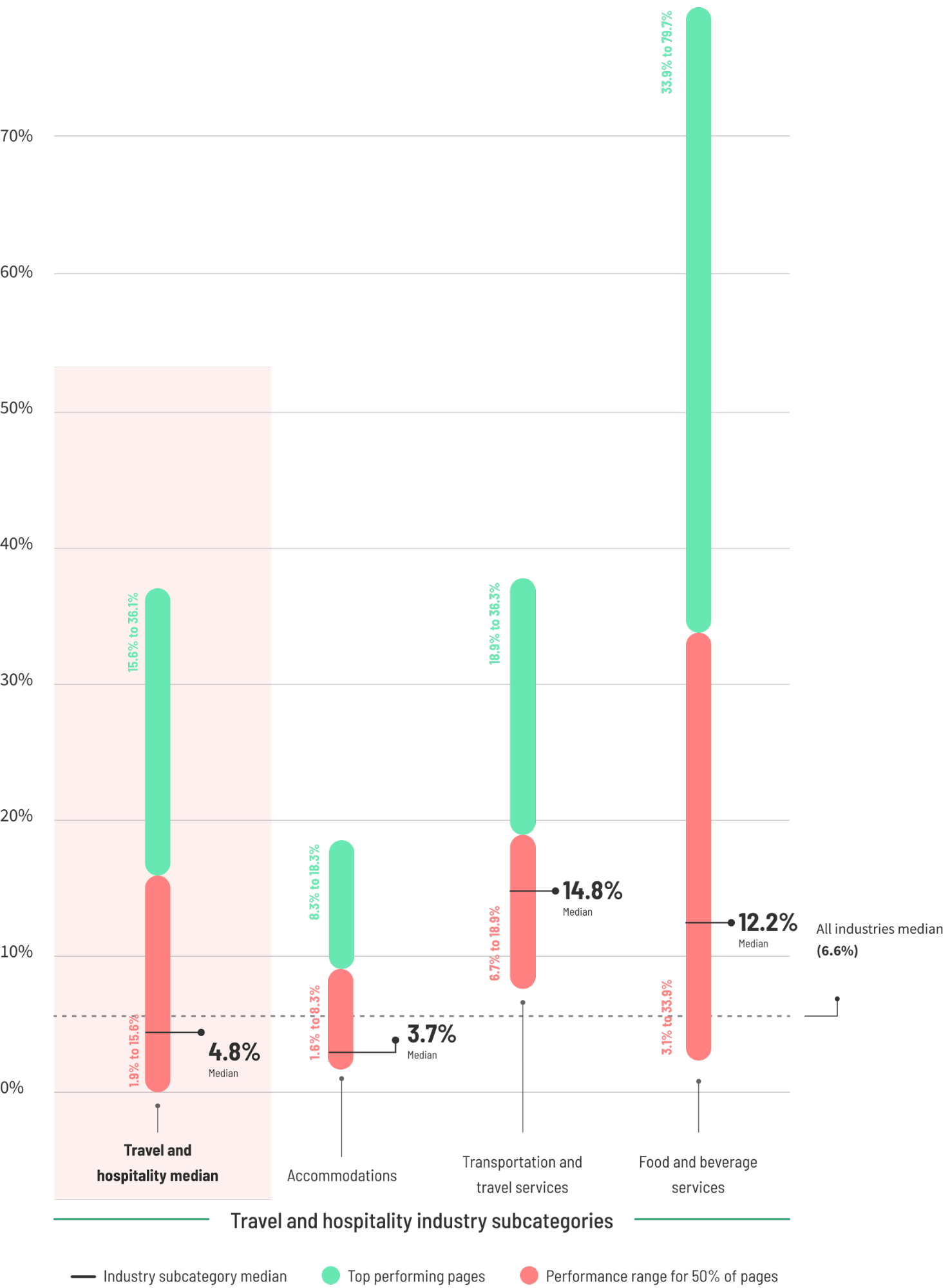
The discrepancy between sub-industries—such as the 14.8% conversion rate for travel transportation versus 3.7% for accommodations—highlights the need to match the offer to the urgency of the visitor’s intent. Urgent needs require short, high-impact pages, while high-consideration purchases require more detailed, trust-building content.
Broader Implications and Future Outlook
The 2024-2025 benchmarks suggest that the era of "easy growth" through high ad spend is over. As privacy regulations tighten and tracking becomes more difficult, the focus has shifted toward Conversion Rate Optimization (CRO) as the primary lever for growth. Businesses that fail to optimize their landing pages are essentially subsidizing their competitors’ ad spend by paying for traffic that they cannot convert.
Market analysts anticipate that Artificial Intelligence will play an increasing role in bridging the gap between average and elite performance. Tools that can automatically route traffic to the best-performing page variant—known as "Smart Traffic" technology—are becoming standard for mid-market and enterprise firms.
In conclusion, while the 6.6% median provides a baseline, the real opportunity lies in the gap between the average and the top performers. By focusing on simplicity, mobile excellence, and industry-specific intent, marketers can transform their landing pages from static digital brochures into high-efficiency revenue engines. The data is clear: those who treat conversion as a continuous process of testing and refinement are the ones who will thrive in an increasingly expensive digital marketplace.








