
 rifanmuazin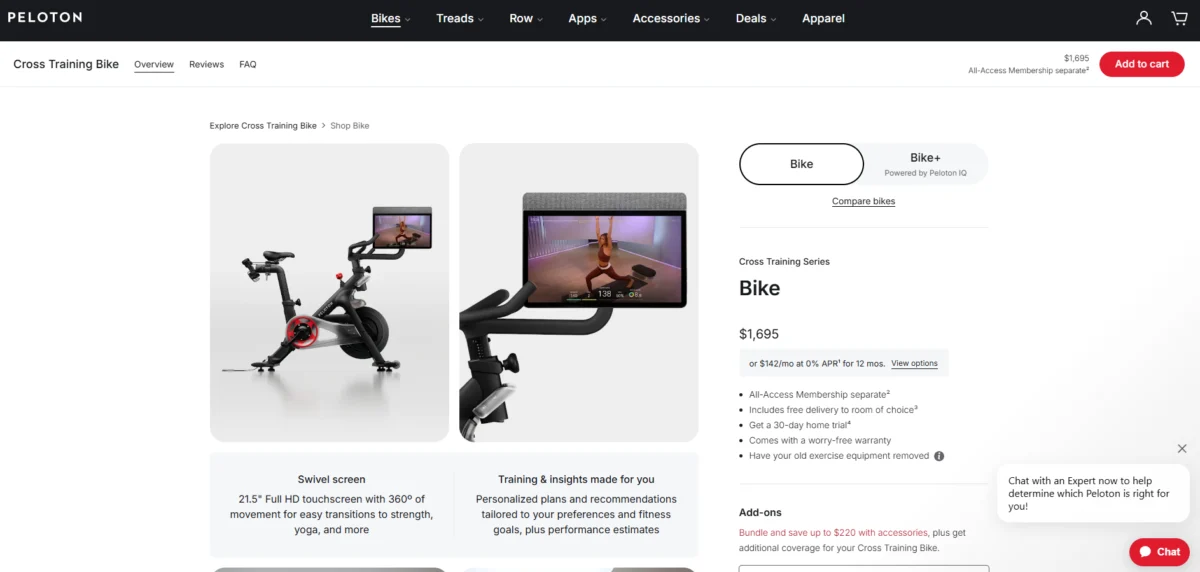
The concept of perceived value has emerged as a cornerstone of modern commerce, serving as the primary metric by which consumers weigh the worth of a product or service against its competitors and associated costs. Unlike actual value, which is derived from objective specifications, manufacturing costs, and functional performance, perceived value is a psychological construct rooted in consumer belief. In a global marketplace characterized by high saturation and rapid commoditization, the ability of a brand to elevate this perception often dictates its profit margins, market share, and long-term viability. Marketing experts define perceived value as the culmination of various signals—including messaging, pricing, brand reputation, and social proof—that collectively convince a customer that a product can satisfy their specific needs better than the alternatives.
Defining the Dichotomy: Perceived vs. Actual Value
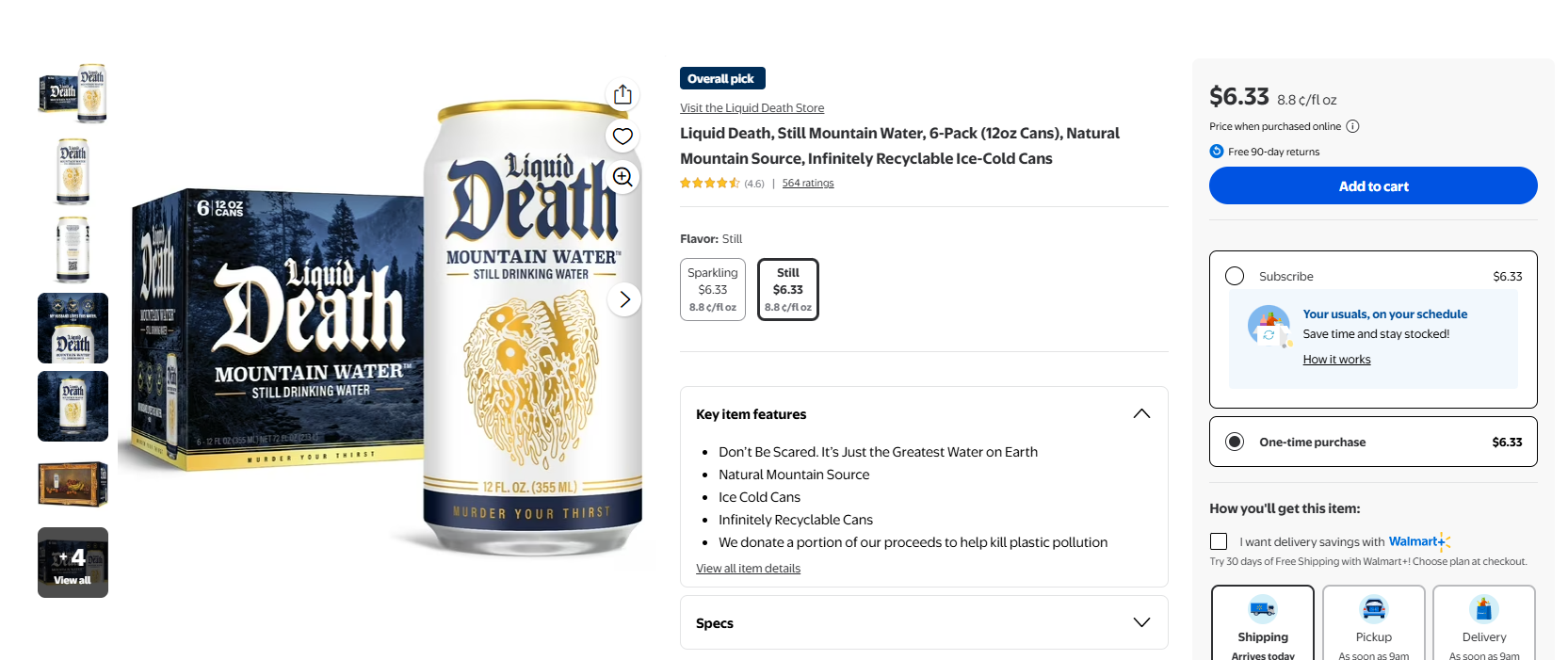
In a journalistic analysis of market dynamics, it is essential to distinguish between what a product is and what it represents to the buyer. Actual value refers to the tangible attributes of a product: its durability, technical specifications, and the raw materials used in its production. Perceived value, conversely, is the subjective worth assigned by the consumer. A classic example in the beverage industry is Liquid Death, a brand of mountain water. From an objective standpoint, the actual value of Liquid Death is identical to most premium bottled waters—it provides hydration and meets safety standards. However, its perceived value is significantly higher due to its "punk rock" branding, novelty packaging in aluminum tallboy cans, and aggressive marketing. Consequently, consumers are often willing to pay two to three times more for the same liquid volume than they would for a traditional supermarket brand.

This discrepancy highlights the "belief" factor in marketing. Customers do not make purchasing decisions based solely on a spreadsheet of features; they make them based on how those features are framed. This leads to the related concept of perceived price, which is the consumer’s subjective reaction to a cost. A $5 bottle of water is perceived as expensive in a grocery store but reasonable in the high-stakes environment of an international airport. The actual value remains static, but the context and the consumer’s reference point shift the perception of whether the price constitutes a "deal" or a "rip-off."
The Evolution of Value: A Chronological Perspective
The methodology for assessing value has shifted significantly over the last century. In the early industrial era, value was largely determined by utility and scarcity. However, as production capabilities expanded, the focus shifted toward brand-driven value.
- The Utility Era (1900s–1950s): Value was synonymous with durability and function. Consumers bought products that lasted the longest.
- The Brand Identity Era (1960s–1990s): The rise of mass media allowed companies to build emotional connections. Perceived value began to include social status and lifestyle alignment.
- The Digital and Experience Era (2000s–Present): With the advent of the internet, transparency increased. Perceived value now incorporates user experience (UX), peer reviews, and corporate ethics.
In the current landscape, the perception of value is formed long before a customer touches a product. It begins at the first digital touchpoint—a social media ad or a search engine result—and continues through the unboxing experience and post-purchase support.
Categorizing the Dimensions of Consumer Perception
To understand why consumers choose one product over another, analysts categorize perceived value into five distinct types. Each serves as a different lever that businesses can pull to influence market behavior.
- Functional Value: The most basic form, relating to the product’s ability to perform its intended task efficiently.
- Social Value: The degree to which owning or using the product enhances the consumer’s status or sense of belonging within a group.
- Emotional Value: The internal feelings or affective states a product elicits, such as nostalgia, excitement, or peace of mind.
- Epistemic Value: The value derived from a product’s ability to satisfy curiosity or provide a new experience (novelty).
- Conditional Value: Value that arises from specific situations, such as the high demand for umbrellas during a rainstorm or the premium on high-speed internet for remote workers.
Analytical Frameworks for Measuring Perception
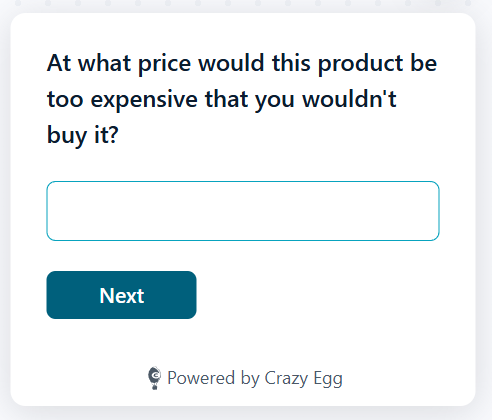
Because perceived value is subjective, businesses must employ both qualitative and quantitative research to measure it accurately. One of the most prominent tools is the Van Westendorp Price Sensitivity Meter. This survey-based approach asks potential customers four critical questions to determine the optimal price range:
- At what price would the product be so expensive that you would not consider buying it?
- At what price would the product be so low that you would feel the quality couldn’t be very good?
- At what price would you consider the product starting to get expensive?
- At what price would you consider the product to be a bargain?
Beyond pricing surveys, corporations are increasingly turning to behavioral analytics. Web analytics, such as heatmaps and scroll maps, provide objective data on what consumers prioritize. For instance, if users spend significant time on the "Security Features" section of a software page but skip the "Pricing" table, it suggests that their perceived value is driven more by risk mitigation than by cost savings.
Furthermore, the mining of "unstructured data"—such as reviews on G2, Capterra, or Reddit—offers a raw look at the value gap. This gap is the difference between what a company claims its value is and what the user actually experiences. Analyzing these forums allows companies to see how they are evaluated against competitors in real-world scenarios.
Strategic Levers to Elevate Perceived Value
Increasing the perceived value of a product is often more cost-effective than improving its actual specifications. Market leaders use several strategic levers to influence this perception.
1. Pricing Strategy and Psychological Anchoring
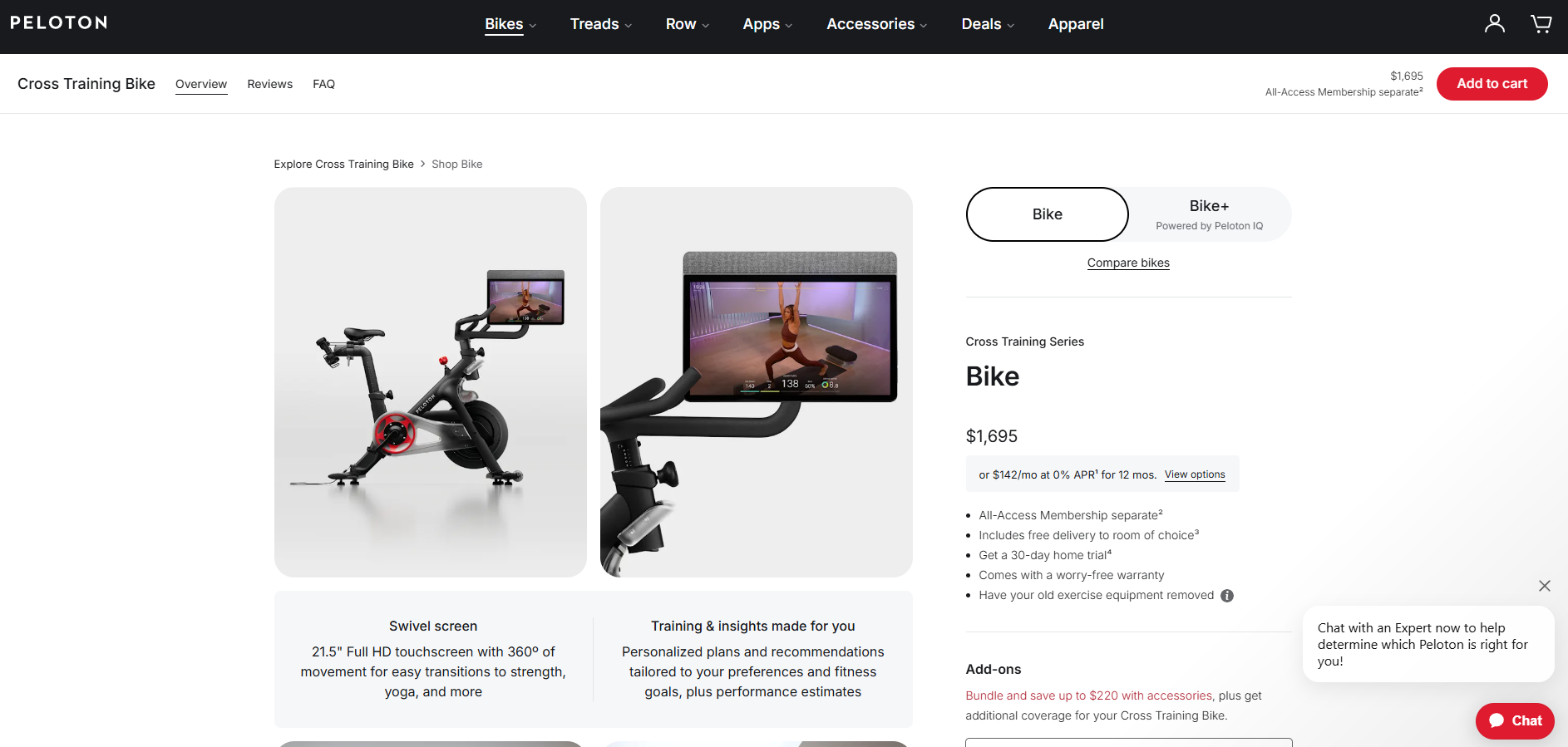
Price is often used by consumers as a proxy for quality. When a consumer lacks deep knowledge of a category, they assume a higher price tag denotes superior craftsmanship. Premium brands like Leica or Mercedes-Benz utilize this to create a "halo effect." Conversely, if a price is too low, it can trigger suspicion regarding the product’s integrity. Effective strategies include "anchoring," where a high-priced "Pro" version makes the "Standard" version seem like a bargain, and "odd-even pricing" (e.g., $9.99 instead of $10.00), which targets subconscious price processing.
2. Branding and Authority
A strong brand acts as a mental shortcut for the consumer. When a company like Patagonia emphasizes environmental stewardship, the perceived value of its clothing increases for consumers who share those values. They are not just buying a jacket; they are buying an affiliation with a mission. This allows the brand to command a "green premium" that competitors focused solely on price cannot match.
3. Social Proof and the Reduction of Risk
Human beings are inherently social and risk-averse. Research conducted by Wang et al. (2019) and Hu et al. (2023) demonstrates a direct correlation between perceived risk and lower perceived value. To combat this, companies leverage social proof—testimonials, case studies, and influencer endorsements. Seeing that a product has worked for others reduces the "psychological cost" of the purchase, thereby increasing the net perceived value.
4. Design and Aesthetic Craft
The "aesthetic-usability effect" is a phenomenon where users perceive more attractive designs as being more functional. This is why brands like Moleskine can charge $30 for a notebook that is functionally identical to a $5 version from a generic office supply store. The typography, paper weight, and cover texture signal a level of care that elevates the product from a commodity to a lifestyle tool.

The Broader Impact on Market Longevity and Retention
The implications of perceived value extend far beyond the initial transaction. It is a primary driver of customer retention. If a product’s actual performance meets or exceeds the high expectations set by its perceived value, customer loyalty is solidified. However, if there is a significant "value deficit"—where the marketing creates a perception the product cannot fulfill—the result is high churn and brand erosion.
Recent industry data underscores the financial impact of these perceptions. According to the Qualtrics XM Institute (2025), approximately 72% of consumers are willing to pay a premium for a better experience. Meanwhile, a 2025 PwC survey revealed that 29% of consumers will abandon a brand after just one bad experience, regardless of the product’s actual quality. This suggests that the "experience" surrounding a product is now a major component of its perceived value.
In conclusion, while actual value provides the floor for a product’s price, perceived value provides the ceiling. In a global economy where specifications are easily replicated, the most successful organizations are those that master the art of perception. By aligning pricing, branding, social proof, and user experience, companies can transcend commodity status and build sustainable, high-margin businesses. As long as the product performs its core function, its ultimate success in the marketplace will be determined not by what it is, but by what the consumer believes it to be.








