
 rifanmuazin
The digital landscape in 2026 is defined by a paradox of choice: while users have more access to software solutions than ever before, their patience for exploring these tools has reached an all-time low. Industry data suggests that between 40% and 60% of software-as-a-service (SaaS) users who sign up for a free trial will log in once and never return. This phenomenon underscores a critical reality for modern businesses: the period immediately following a user’s registration is not the conclusion of the sales cycle, but the beginning of a high-stakes race to prove value. The onboarding funnel serves as the tactical architecture designed to win this race, moving users from initial curiosity to full activation and long-term retention.

The Strategic Importance of the Onboarding Funnel
An onboarding funnel is a structured framework that maps the specific behavioral path new users take from the moment they complete a sign-up form to the point of product adoption. Unlike a traditional marketing funnel, which focuses on acquisition, the onboarding funnel is concerned with "activation"—the pivotal moment when a user experiences the product’s core value proposition firsthand.
In a professional growth environment, the onboarding funnel is recognized as the single greatest lever for determining customer lifetime value (LTV). According to David Isaac Mathews, Chief Growth Officer, activation is a critical juncture where teams must align to prevent organizational silos from degrading the user experience. When a funnel is poorly designed, every friction point—be it a confusing interface, an unnecessary form field, or a lack of clear direction—acts as a catalyst for churn. Conversely, a well-optimized funnel reduces the "time to value" (TTV), ensuring that users see the benefit of their investment before they lose interest.

Chronology of a High-Performance Onboarding Journey
A successful onboarding experience is rarely accidental; it is a choreographed sequence of events designed to build momentum. While specific steps vary by industry, most high-growth companies follow a standardized chronological progression.
Phase 1: The Initial Configuration (Account Setup)
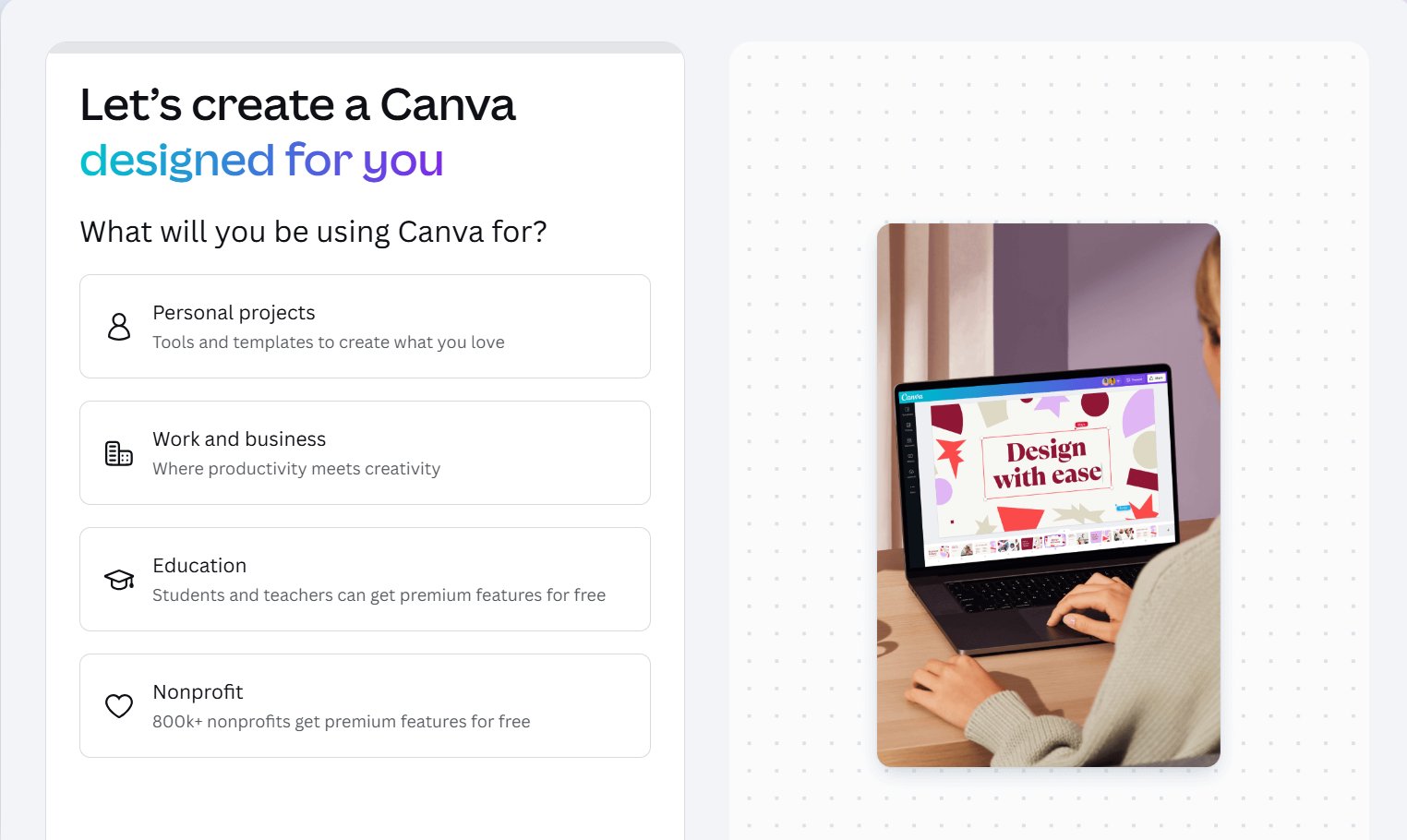
The journey begins with account setup, where users configure their workspace or profile. This stage is fraught with risk, as excessive data requests can lead to immediate abandonment. The objective here is "progressive profiling"—gathering only the essential information needed to personalize the subsequent experience. For example, the design platform Canva utilizes this stage to ask users about their specific intent (e.g., personal use, education, or large enterprise), allowing the platform to tailor the dashboard to the user’s specific needs from the first second.
Phase 2: Guided Discovery (Product Education)
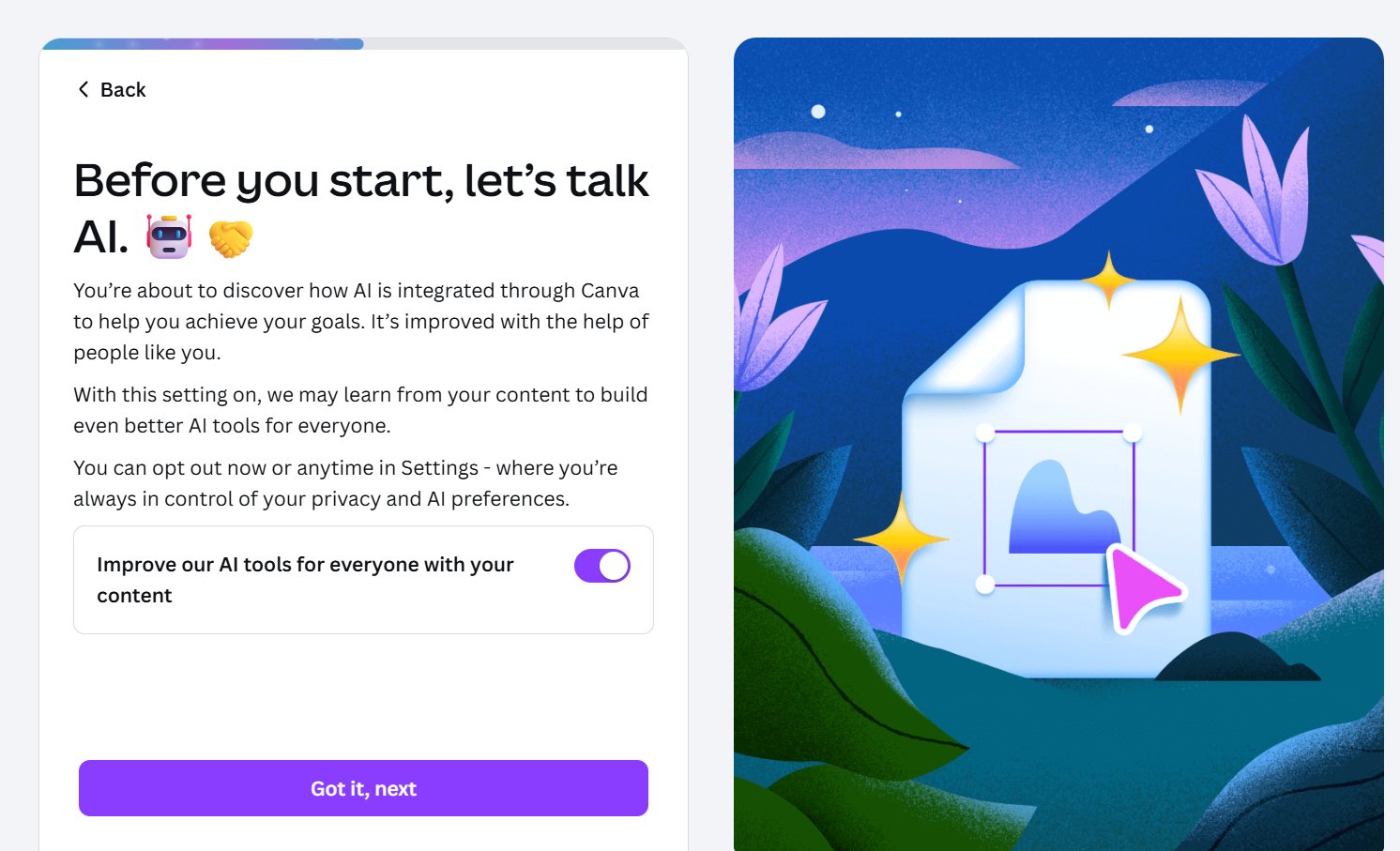
Once the workspace is established, the funnel transitions to product education. This is often delivered through interactive tooltips, video tutorials, or "walkthrough" tours. The goal is to bridge the gap between "logging in" and "taking action." Modern best practices favor "learn-by-doing" models over static tutorials. By introducing key features—such as AI-driven tools or collaborative workspaces—within the context of a task, companies increase the likelihood of information retention.
Phase 3: The Activation Event (The "Aha!" Moment)
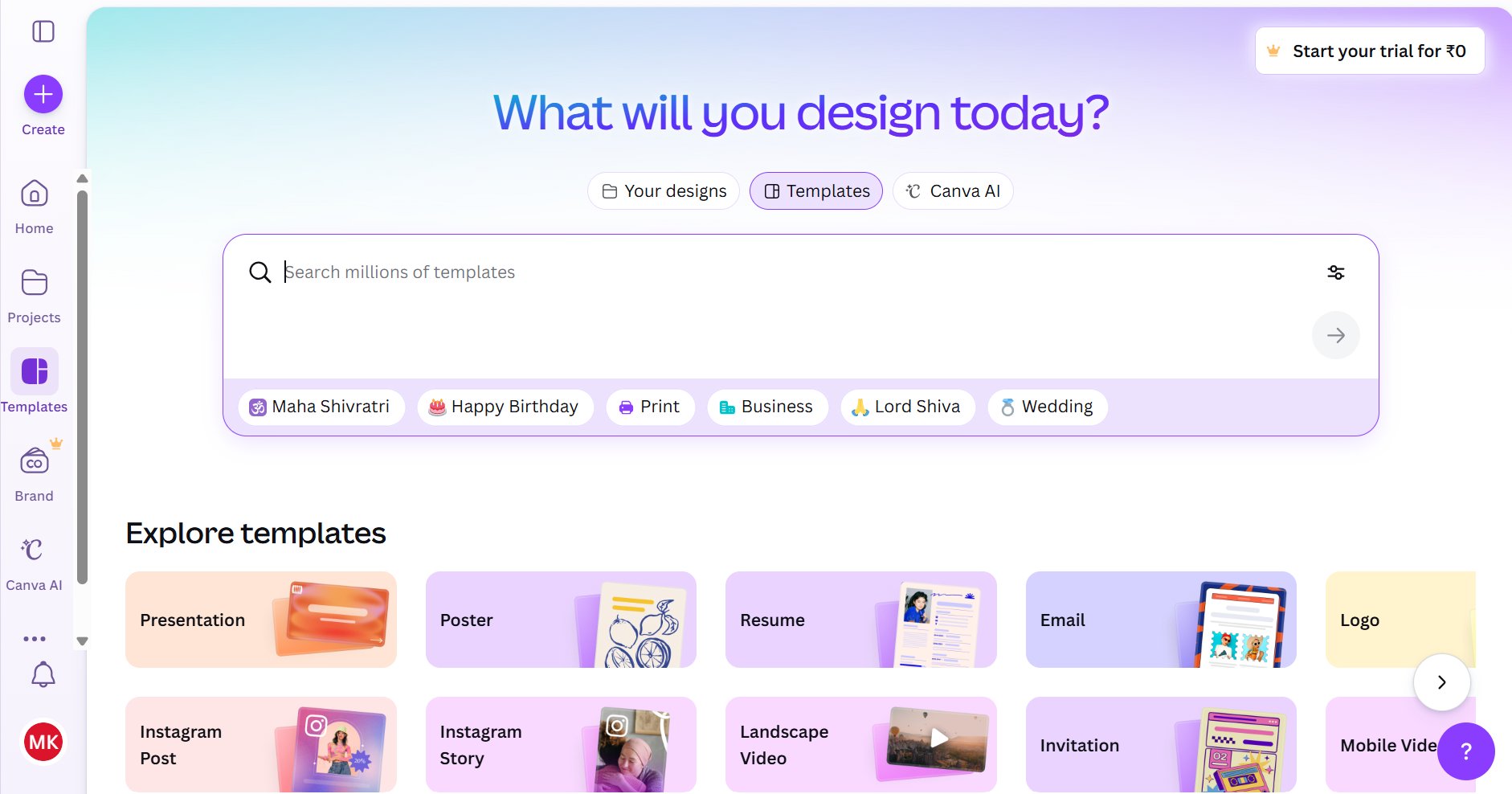
The activation event is the heart of the onboarding funnel. It is the specific action that confirms the product’s utility. For a project management tool, this might be the creation of the first task; for a communication platform like Slack, it is historically linked to a team reaching a threshold of sent messages. This is the moment the user realizes the value proposition is real. If a user fails to reach this milestone within their first session or two, the probability of them becoming a long-term customer drops significantly.
Phase 4: Habit Formation and Retention
The final stage of the funnel involves moving from a single success to repeated use. This requires the user to interact with advanced features and integrate the tool into their daily workflow. At this stage, the onboarding journey transitions into a broader retention strategy, often utilizing "re-engagement" triggers like email notifications or in-app prompts to bring the user back to the platform.
Mapping and Reverse-Engineering the Path to Value
To build an effective funnel, growth teams must work backward from their desired outcome. This process, known as reverse-engineering the path to value, involves several key strategic steps.
- Defining the Activation Goal: Companies must identify the one behavior that most closely correlates with long-term retention. Data analysis often reveals that users who perform "Action X" within "Time Y" are 50% more likely to stay.
- Persona Segmentation: Not all users arrive with the same intent. A freelance designer and a corporate marketing executive may use the same software but require different onboarding paths. Advanced segmentation allows businesses to tailor the journey based on device type, referral source, or user role.
- Identifying Entry Points: The context of a user’s arrival matters. A user coming from a high-intent search ad may want to dive straight into technical features, while a user from a social media referral may need more high-level inspiration.
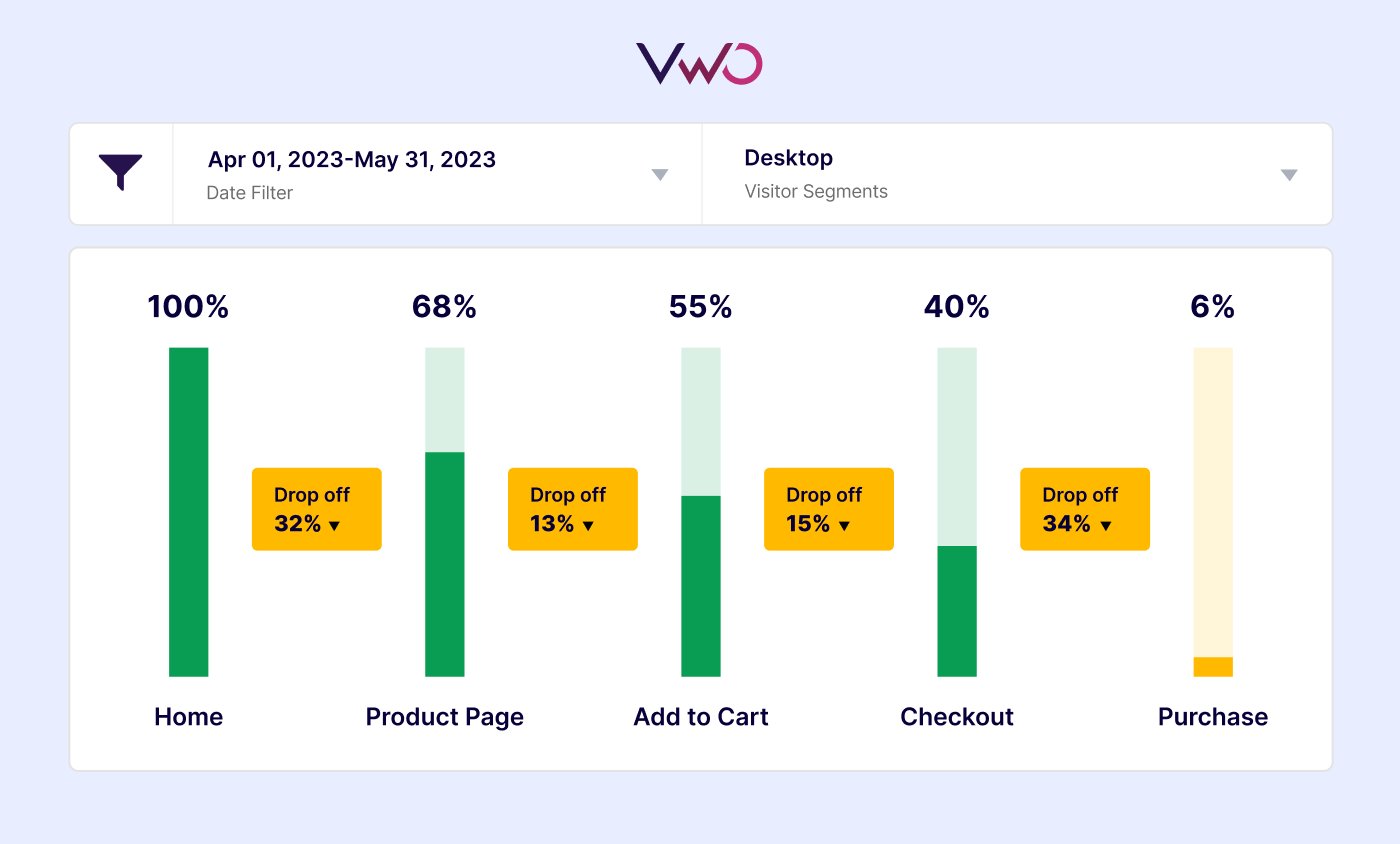
- Measuring Micro-Actions: Each stage of the funnel must be translated into trackable metrics. This includes monitoring the completion rate of the setup wizard, the click-through rate on educational tooltips, and the "drop-off" rate at each subsequent screen.
Data-Driven Analysis and the "Why" Behind User Behavior
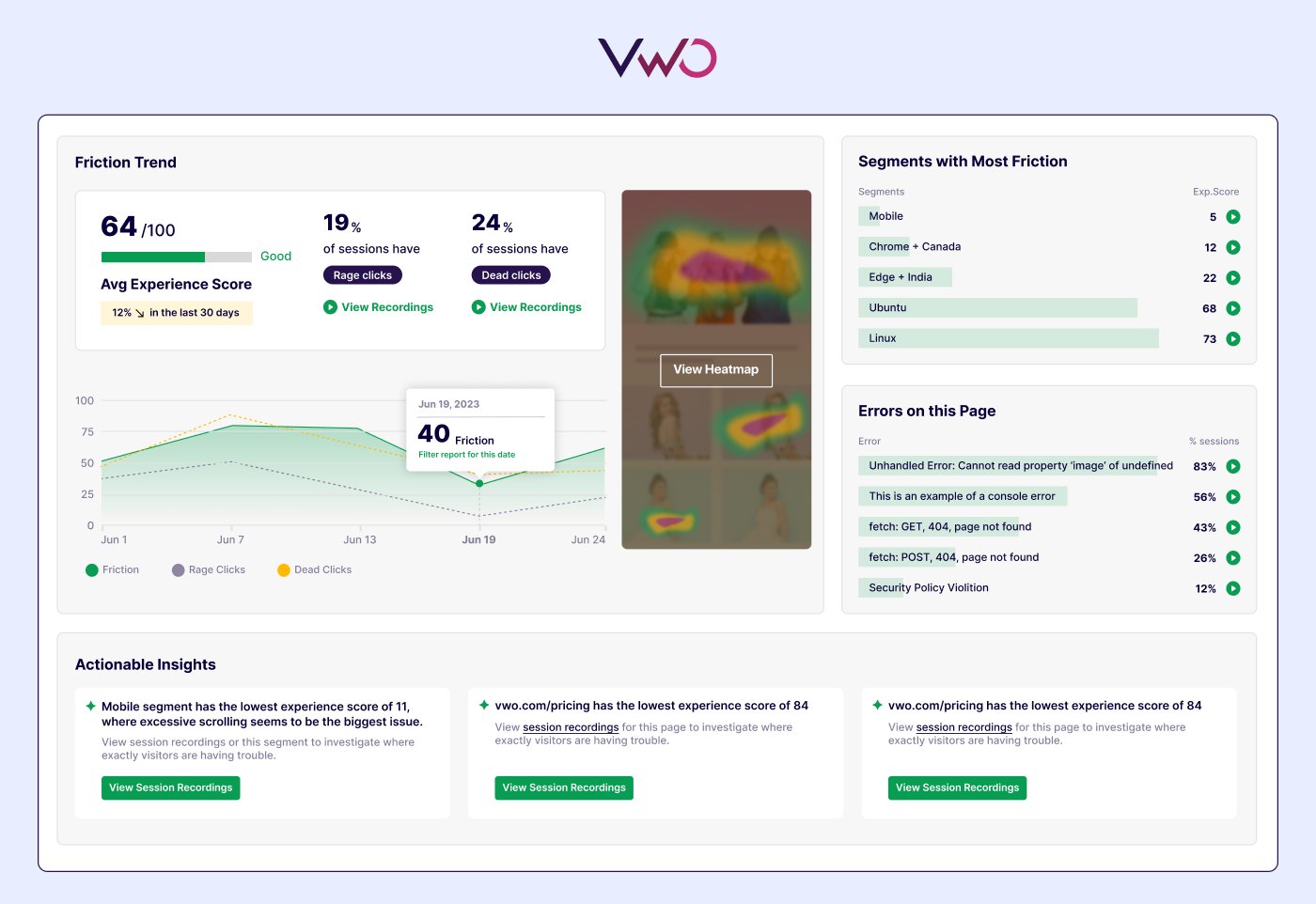
Quantitative data provides a map of where users are leaving the funnel, but behavioral insights explain why they are leaving. Professional growth teams utilize a combination of funnel reports and session-level intelligence to diagnose friction.
Case studies in the industry highlight the impact of this granular analysis. For instance, the energy company Vandebron utilized form analytics and session recordings to discover that a single "date of birth" field was causing a massive drop-off in their sign-up process. The calendar input was difficult to use on mobile devices, leading to user frustration. By simplifying this one field, the company achieved a 16.3% uplift in sign-ups and reduced field-level drop-offs by 80%.

Similarly, the legal-tech platform AURUM (through its product Astrea) found that its core value—processing legal clippings—originally took up to 48 hours. This delay created a "dead zone" in the onboarding funnel where momentum was lost. By experimenting with the user journey and providing more immediate guided experiences, they achieved a 105% lift in activation and a 300% increase in overall growth.
The Psychological Triggers of Onboarding
Successful onboarding funnels often leverage psychological principles to keep users engaged. One such principle is the "Endowed Progress Effect," which suggests that people are more likely to complete a task if they feel they have already made progress. This is why many onboarding checklists come with the first item (like "Create an account") already checked off.
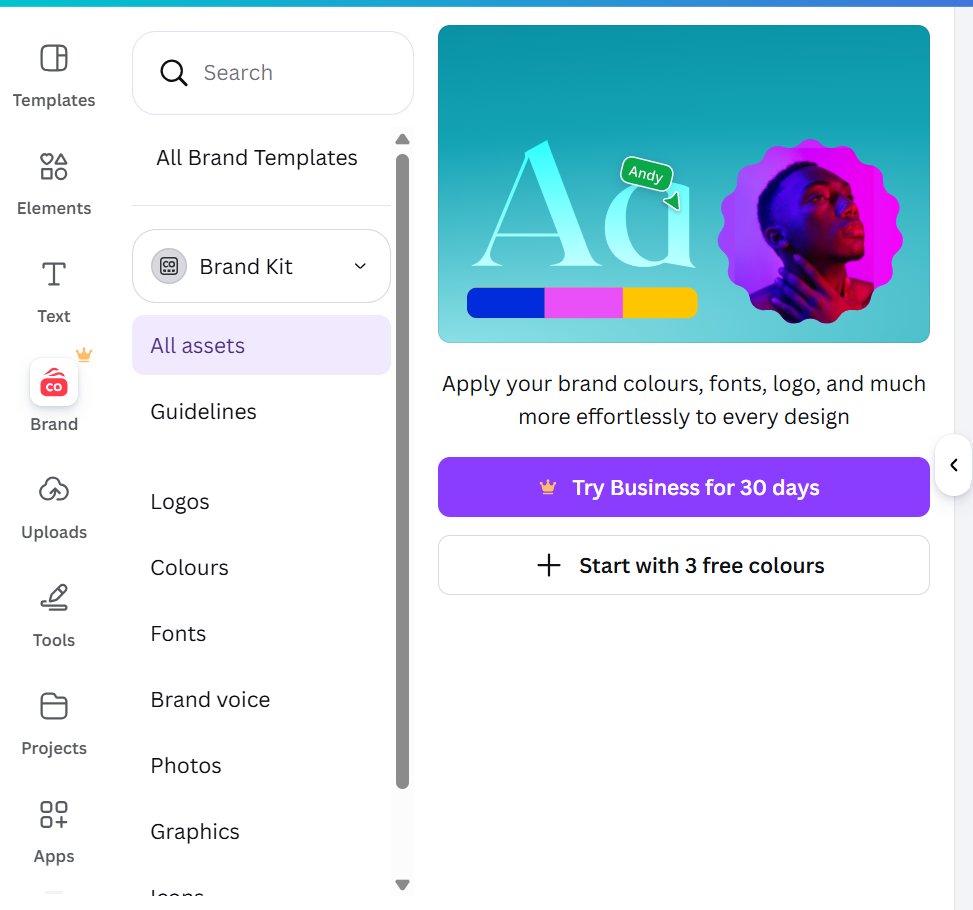
Another critical factor is "Good Friction" versus "Bad Friction." While most designers aim to remove all obstacles, some friction can be beneficial. For example, asking a user to select their interests during setup (a form of friction) can lead to a much more relevant and engaging experience later, actually increasing the chances of retention despite the extra step.
Broader Implications for Business Growth
The optimization of the onboarding funnel has profound implications for a company’s financial health. In the SaaS world, the cost of customer acquisition (CAC) continues to rise. If a company spends $200 to acquire a lead but that lead drops out during a confusing onboarding process, that $200 is effectively lost. By improving the activation rate within the funnel, a company essentially lowers its effective CAC and increases its return on ad spend (ROAS).
Furthermore, a strong onboarding funnel serves as a competitive moat. In a market where features are easily copied, a superior user experience and a faster time-to-value can be the deciding factors for a customer choosing between two similar platforms.
Conclusion and Future Trends
As we look toward the latter half of the decade, onboarding funnels are becoming increasingly autonomous and personalized. Artificial Intelligence is now being used to predict which users are at risk of dropping off in real-time, allowing systems to trigger personalized "nudges" or offer live support before the user leaves the site.
The transition from a "one-size-fits-all" tutorial to a dynamic, intent-based onboarding engine is no longer a luxury—it is a requirement for survival. By systematically mapping the funnel, identifying drop-offs with surgical precision, and running continuous experiments, businesses can transform their onboarding process from a point of friction into a reliable engine for sustainable growth. In the end, the goal of the onboarding funnel is simple: to ensure that the promise made during the marketing phase is fulfilled the moment the user enters the product.








