rifanmuazin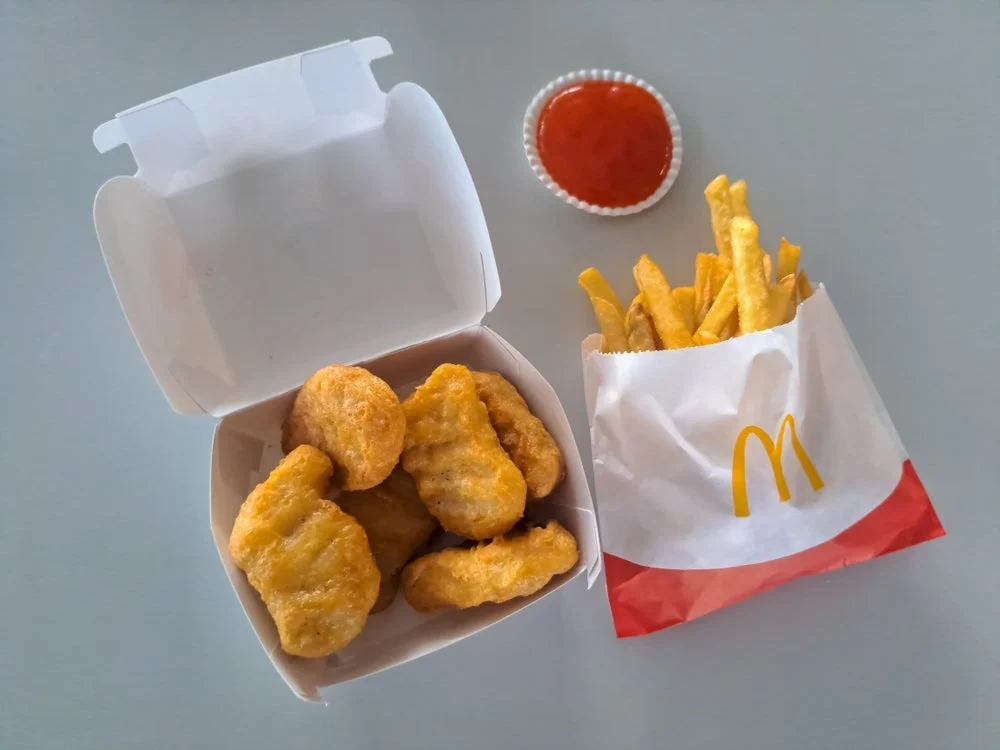
The landscape of corporate communications in 2026 continues to be defined by the unpredictable nature of viral social media cycles and the shifting weight of executive influence. This week, the industry observed a stark contrast in public relations outcomes: a multi-billion-dollar fast-food giant struggling to humanize its leadership, a comprehensive data-driven study highlighting the total dominance of tech platforms in the global narrative, and a confectionery brand reaping the rewards of an accidental, multi-million-dollar product placement in deep space. These events underscore a fundamental shift in how brand sentiment is cultivated, maintained, and sometimes lost in an era of hyper-scrutiny and instant digital feedback.
The McDonald’s Dilemma: From Big Arch to Big Backlash
The ongoing struggle of McDonald’s CEO Chris Kempczinski to navigate the nuances of social media authenticity reached a new inflection point this week. The executive, who has led the Chicago-based burger giant since 2019, has found himself at the center of a "viral implosion" that began in late February and has since evolved into a case study on the risks of over-exposure in executive communications.
The controversy originated from a taste-test video posted to Instagram intended to promote the "Big Arch," McDonald’s latest attempt to capture the premium burger market. In the footage, Kempczinski took a remarkably small and seemingly hesitant bite of the sandwich. The response was immediate and overwhelmingly negative; social media users and industry critics alike accused the CEO of appearing disconnected from the product he represents. The situation was further exacerbated when direct competitors, including Wendy’s, Burger King, and the retail giant Costco, released their own parody videos featuring executives taking robust, enthusiastic bites of their respective products.
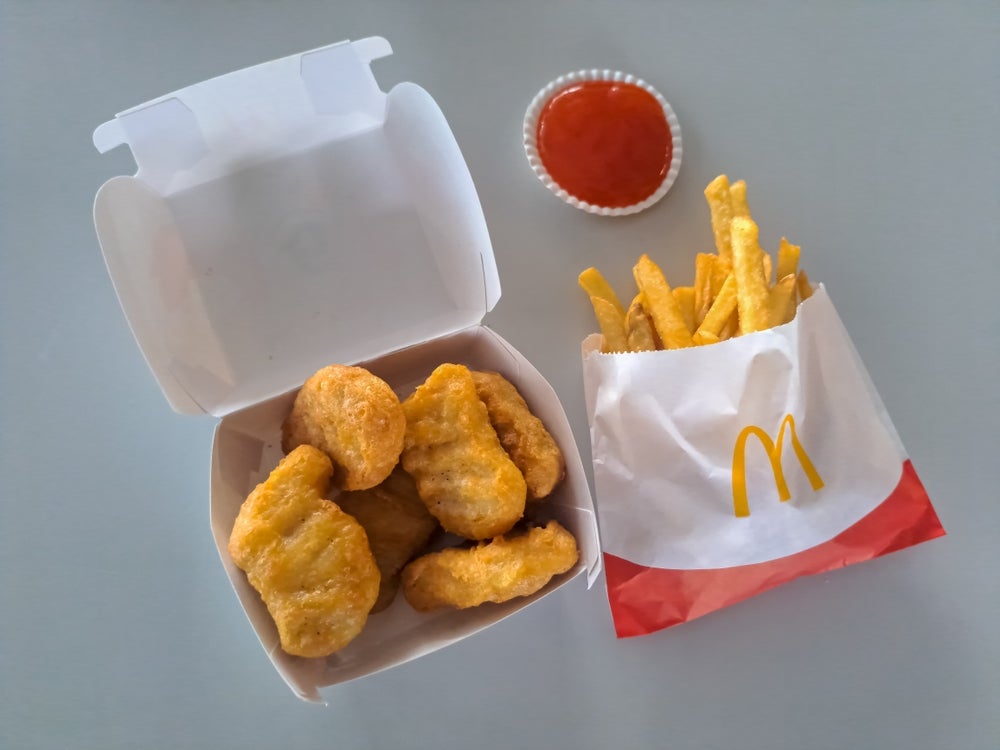
In an effort to mitigate the damage, Kempczinski participated in a high-profile interview with the Wall Street Journal this week. The intent was a "redemption moment," providing the CEO an opportunity to show a more relatable side. During the interview, Kempczinski attributed his cautious eating habits to his upbringing, stating that his mother taught him never to speak with his mouth full. However, the attempt at damage control backfired when he once again bit into a Chicken McNugget on camera. Despite his verbal enthusiasm, the public’s reaction remained skeptical. The TikTok clip of the interview garnered over 540,000 views in less than 48 hours, with the comments section dominated by fresh mockery and critiques of his perceived lack of "gustatory passion."
Industry analysts suggest that the McDonald’s situation highlights the dangers of the "visible CEO" strategy. While humanizing a leader can build trust, it also places every gesture under a microscope. Curtis Sparrer, Principal at the PR firm Bospar, noted that the campaign has inadvertently made Kempczinski a target in a highly competitive fast-food market where "authenticity" is a primary currency. Sparrer suggested that if McDonald’s wants to move past the "bite-gate" controversy, they should lean into the absurdity of the situation. He proposed pairing the CEO with professional eaters or celebrities known for their on-camera dining—such as competitive eater Joey Chestnut—to signal that the brand does not take the social media noise too seriously.
Tech Supremacy: The 2026 Brand Influence Rank Report
While McDonald’s grapples with individual image perception, a new report from Onclusive provides a macro-level view of where global influence truly resides. The 2026 Brand Influence Rank Report reveals a significant consolidation of power within the technology sector. For the first time in the report’s history, all ten of the top spots for global influence are held by digital or tech-first companies, with YouTube claiming the number-one position.
The Onclusive report measures influence through a proprietary metric that evaluates how effectively a brand generates media coverage, drives digital conversation, and shapes the overarching public narrative. YouTube’s ascent to the top spot reflects the continued migration of news consumption and entertainment to video-centric platforms. The platform has successfully positioned itself as the primary engine for the creator economy, making it indispensable to both individual influencers and corporate entities.
A critical finding of the report is the inextricable link between a brand’s influence and the public profile of its CEO. In the 2026 rankings, Elon Musk emerged as the most influential CEO globally. His influence is not tied to a single entity but is the cumulative result of his visibility across Tesla, SpaceX, X (formerly Twitter), and his AI venture, xAI. Following closely in second place is Sam Altman, CEO of OpenAI. Altman’s rise mirrors the explosive growth of artificial intelligence as the dominant topic in global discourse. His frequent appearances at congressional hearings and international summits have made him the de facto face of the AI revolution. Other notable mentions in the top tier include Mark Zuckerberg (Meta), Jensen Huang (Nvidia), and Tim Cook (Apple).
Jennifer Roberts, Chief Marketing Officer at Onclusive, emphasized that the 2026 data reflects a "fundamental shift" in the communications landscape. "Influence is no longer just about brand size or reputation, but about the ability to generate sustained attention across media channels," Roberts stated. She also noted that while digital platforms have a built-in advantage in visibility, this exposure creates a "ceiling on sentiment." High visibility often correlates with increased regulatory and public scrutiny, meaning that the most influential brands are often the most criticized.
Nutella’s Artemis II "Moon-Shot": A Lesson in Earned Media
While some brands struggle with scripted content, others find success in the unscripted. This week, Ferrero-owned Nutella became the beneficiary of what PR experts are calling "the greatest free advertisement in history." During a live NASA broadcast from the Artemis II spacecraft, a jar of Nutella was spotted floating in zero gravity. The jar drifted across the frame, rotating slowly to show its label perfectly to the camera, before settling in the background of a shot featuring the crew.
The visual was so compositionally perfect that social media immediately buzzed with accusations of a paid product placement deal between NASA and Ferrero. However, NASA’s communications office was quick to debunk these rumors. NASA Press Secretary Bethany Stevens issued a formal statement clarifying that the agency does not engage in brand partnerships for crew meals. The presence of the Nutella jar was the result of a crew member’s personal food preference, as NASA allows astronauts a small "bonus food" allowance for items not included in the standard mission menus.
Despite the lack of a formal partnership, Nutella’s parent company, Ferrero, capitalized on the moment with surgical precision. The brand’s social media team engaged in "newsjacking," a PR strategy where a brand injects itself into a breaking news story to gain relevance. Nutella’s official accounts shared the footage with the caption: "Honored to have traveled further than any spread in history. Taking spreading smiles to new heights."
The incident highlights the immense value of earned media. In an era where consumers are increasingly cynical toward traditional advertising, an organic moment of a product being used in a high-stakes, aspirational environment like a lunar mission is priceless. For PR professionals, the takeaway is the importance of real-time brand monitoring. By identifying the viral moment within hours, Nutella was able to amplify the story while it was still trending, resulting in a significant surge in online mentions and positive sentiment without spending a dollar on airtime or sponsorship fees.
Analysis: The Future of Corporate Narrative
The events of this week suggest three distinct paths for corporate communications moving forward.
First, the McDonald’s experience serves as a warning about the "uncanny valley" of executive social media. When a CEO’s actions appear too choreographed or overly defensive, the audience reacts with skepticism. The modern consumer demands a level of "unpolished" reality that is often at odds with traditional corporate media training.
Second, the Onclusive report confirms that we are in the age of the "Sovereign CEO." The influence of individuals like Musk and Altman now rivals that of the corporations they lead. For communications teams, this means that the CEO’s personal brand is no longer a side project; it is a core asset that must be managed with the same rigor as the company’s balance sheet.
Finally, the Nutella incident reminds the industry that the most impactful marketing moments are often the ones that cannot be planned. In a world of algorithms and data-driven campaigns, there is still a massive role for serendipity. The brands that win in 2026 are those that are prepared to catch the lightning when it strikes, turning a floating jar of hazelnut spread into a global conversation.
As we move further into the decade, the divide between paid, owned, and earned media continues to blur. Whether it is a CEO trying to eat a nugget or a condiment orbiting the moon, the common thread is the power of the narrative. In 2026, a brand is no longer what it says about itself in an advertisement; it is the sum of the conversations happening about it in the digital ether.