
 rifanmuazin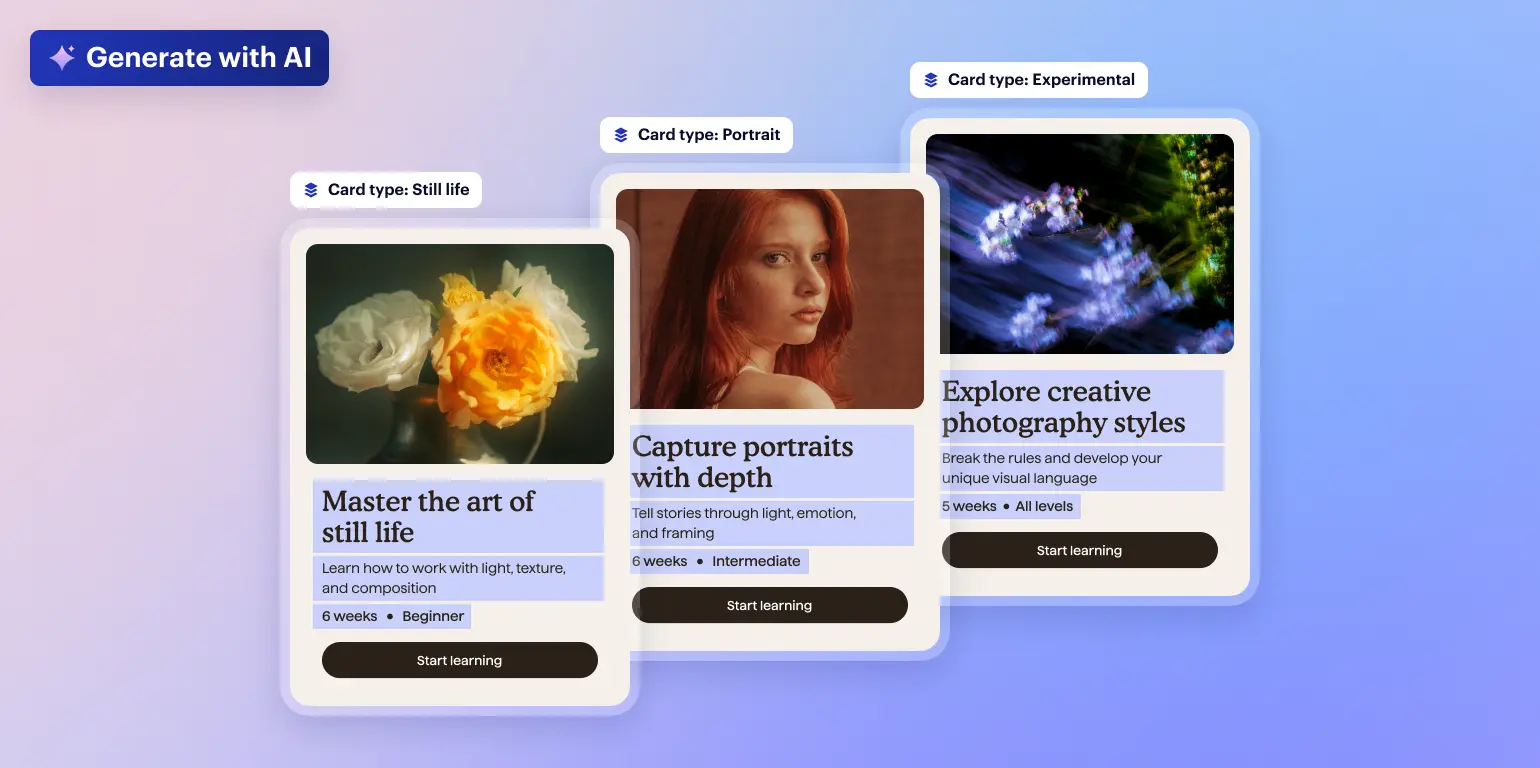
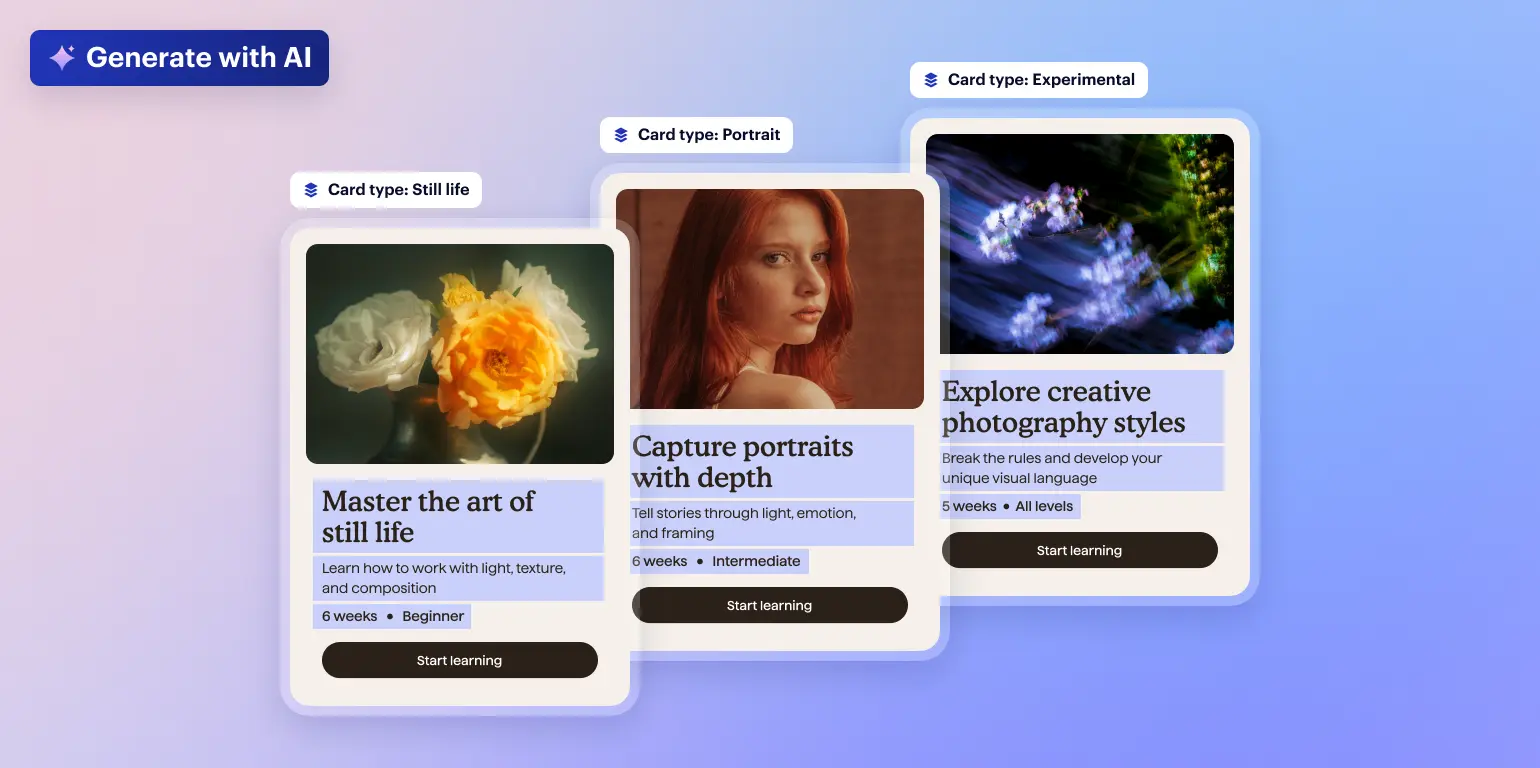
In an era where digital marketing success is increasingly defined by the relevance of the consumer experience, Instapage has announced the launch of "AI Collections," a sophisticated automation suite designed to bridge the gap between marketing intent and technical execution. The release addresses a long-standing bottleneck in the industry: the prohibitive manual labor required to scale personalized landing pages across diverse audience segments. By integrating generative artificial intelligence with a centralized content management structure, the platform claims to enable marketing teams to deploy personalized campaigns up to three times faster than traditional manual methods.
The introduction of AI Collections comes at a critical juncture for the MarTech (marketing technology) industry. While the theoretical benefits of personalization—including higher conversion rates and lower customer acquisition costs—are well-documented, the operational reality has remained cumbersome. For most organizations, creating a personalized experience for different keywords or demographics has historically meant duplicating pages, manually editing copy, and managing disparate assets across spreadsheets. Instapage’s new solution seeks to replace this fragmented workflow with a unified system that treats a group of pages as a single, dynamic entity.
The Operational Mechanics of AI Collections
The technical foundation of AI Collections is built upon a "template-first" architecture. Rather than treating every landing page as an independent file, marketers can now designate a single master page as a template. This template is linked to a centralized content table, where each row represents a unique page and each column represents a dynamic content variable, such as headlines, body copy, images, or calls to action.
The system utilizes AI to streamline the most labor-intensive part of the setup: the identification of dynamic elements. The AI analyzes the page layout and automatically suggests "placeholders"—designated areas where content should change based on the target audience. Once these placeholders are established, the platform’s generative AI can populate them with tailored content. By providing a prompt that includes the target audience, specific messaging goals, and brand voice, marketers can generate dozens or hundreds of unique page variations in a matter of minutes.
Furthermore, the integration of "fluid grid blocks" ensures that the visual integrity of the pages is maintained during the automation process. A common challenge in automated content generation is that text of varying lengths can break a page’s design. Instapage’s responsive layout technology automatically adjusts the containers and spacing to accommodate the AI-generated text, theoretically eliminating the need for manual design QA on every individual page variation.
Contextualizing the Personalization Execution Gap
The launch of AI Collections is a direct response to what industry analysts call the "Personalization Paradox." Despite 80% of consumers being more likely to purchase from a brand that offers personalized experiences, only a fraction of companies successfully implement personalization beyond basic email greetings. The primary hurdle has been the "execution gap"—the distance between a marketer’s desire to segment their audience and their team’s capacity to build the necessary infrastructure.
Historically, a campaign targeting 50 different keywords would require 50 unique landing pages to maintain a high quality score and conversion rate. In a manual environment, this would involve a designer and a copywriter spending dozens of hours on repetitive tasks. Often, under the pressure of deadlines, teams revert to "generic" pages, which leads to a disconnect between the ad (the "click") and the landing page (the "post-click experience"). This disconnect is a major driver of wasted ad spend. Instapage’s AI Collections aims to make the "post-click" experience as scalable as the "ad" experience, allowing for hyper-relevance at scale.
Supporting Data and Market Trends
The drive toward automation is supported by significant industry data. According to research from McKinsey & Company, companies that excel at personalization generate 40% more revenue from those activities than average players. Furthermore, a study by HubSpot revealed that personalized calls to action perform 202% better than basic ones. However, the same reports highlight that "lack of technology" and "data silos" are the top two barriers to achieving this performance.
The MarTech landscape has seen a massive influx of generative AI tools over the last 24 months, but the focus has largely been on content ideation rather than workflow orchestration. Instapage’s move signifies a shift toward "operational AI," where the technology is used not just to write a headline, but to manage the entire deployment lifecycle of a campaign. By reducing the time-to-market by a factor of three, organizations can pivot their strategies in real-time, responding to market shifts or competitor moves with a speed that was previously impossible.
A Chronology of Landing Page Evolution
To understand the significance of AI Collections, one must look at the evolution of the landing page builder market over the last two decades:
- The Era of Static Development (1990s – mid-2000s): Landing pages were hand-coded by web developers. Changes took days or weeks, and personalization was non-existent.
- The Rise of the DIY Builder (2010 – 2015): Platforms like Instapage, Unbounce, and Leadpages emerged, allowing marketers to use drag-and-drop interfaces. This democratized page creation but still required manual work for every new page.
- Dynamic Text Replacement (2016 – 2021): Basic scripts allowed marketers to swap out specific words (like a city name or a keyword) based on URL parameters. This was a step toward personalization but lacked the ability to change full sections or layouts.
- The Generative AI Integration (2022 – 2023): Builders began integrating AI writing assistants (like ChatGPT integrations) to help marketers overcome "blank page syndrome."
- The Orchestration Era (2024 – Present): With the launch of features like AI Collections, the industry is moving toward "headless" landing page management, where AI manages the relationship between data sets and visual templates at scale.
Inferred Reactions from the Marketing Community
While Instapage has not released a formal list of customer testimonials for this specific launch, industry sentiment among Growth Leads and CMOs suggests a high demand for such features. Digital marketing agencies, in particular, stand to benefit. Agencies often struggle with the "unbillable hours" spent on tedious page duplication. The ability to automate the creation of hundreds of pages allows agencies to shift their value proposition from "execution" to "strategy and optimization."
However, the rise of AI-generated pages also brings concerns regarding brand consistency and the potential for "content hallucinations." To mitigate this, Instapage has built in review layers where human marketers can approve or edit AI-generated content tables before they go live. This "human-in-the-loop" approach is becoming the standard for enterprise-grade AI tools, ensuring that automation does not come at the cost of brand safety.
Broader Implications and the Future of MarTech
The launch of AI Collections is likely to trigger a competitive response from other major players in the conversion rate optimization (CRO) space. As AI becomes a commodity, the differentiator for platforms will no longer be "can it generate text?" but rather "how well does it integrate into a marketer’s existing workflow?"
The broader implication for the workforce is a shift in required skill sets. The "landing page builder" of the future will likely look less like a graphic designer and more like a data prompt engineer—someone who understands how to structure a content table and guide an AI to produce high-converting results.
Moreover, this technology paves the way for "predictive personalization." In the near future, it is conceivable that AI Collections will not only generate pages based on a marketer’s prompt but will also use real-time performance data to automatically rewrite headlines that are underperforming. The "always-on" optimization of the entire post-click experience is the logical next step for the industry.
In conclusion, Instapage’s AI Collections represents a significant step forward in solving the execution problems that have plagued digital marketing for years. By focusing on the "Collection" rather than the "Page," the platform allows for a level of scale and precision that aligns with the modern consumer’s expectation for relevance. As companies begin to adopt these tools, the industry will likely see a widening gap between those who can leverage AI for operational efficiency and those who remain tethered to manual, unscalable processes. For those looking to test the new era of personalization, Instapage is offering a 14-day trial to demonstrate the speed and efficacy of its new AI-driven workflow.








