In an evolving digital landscape where attention is a coveted commodity, email marketing is undergoing a significant transformation. The era of grandiose, overly flashy email designs is gradually receding, making way for a more refined, intentional, and user-centric approach. At the forefront of this shift are micro-animations – subtle, yet powerful, visual elements designed to breathe life into clean, streamlined email communications, guiding subscriber attention and enhancing overall engagement without causing sensory overload.
What Exactly Are Micro-Animations? A Closer Look

Micro-animations are essentially miniature, purpose-driven animated GIFs. Unlike their larger, often bandwidth-heavy counterparts, micro-animations are meticulously crafted to be small in file size, quick to load, and inherently mobile-friendly. Their subtlety is their strength; they can be as simple as a call-to-action (CTA) button exhibiting a gentle color shift upon hover, or a progress bar subtly indicating completion. The genius lies in their understated nature: they capture attention effectively without demanding it, and critically, if the animation fails to load due to technical limitations or user settings, the static fallback image remains unobtrusive and informative.
These delicate visual cues serve multiple strategic purposes. They amplify a brand’s personality and tone, adding a layer of sophistication and dynamism that static images often lack. This translates into heightened visual engagement and a measurably improved user experience. Beyond aesthetics, micro-animations are powerful tools for prompting specific actions, such as encouraging click-throughs to a landing page or guiding users through a particular funnel. They also play a crucial role in providing subscriber reassurance, for instance, by acting as a discreet loading indicator when rich content is being fetched, thereby reducing perceived wait times and minimizing user frustration.
The burgeoning significance of micro-animations is not merely anecdotal. Industry leaders and experts have identified this trend as a pivotal development. During Validity’s recent “State of Email” webinar, the subject sparked considerable discussion, with predictions highlighting its growing adoption. Further solidifying its position, the trend generated significant buzz at the “Litmus Live industry trends” session, underscoring its relevance and potential impact on future email marketing strategies. The consensus among these discussions is clear: small movements, when deployed thoughtfully, can yield a disproportionately large impact on email performance and recipient experience.

The Psychology Behind Subtle Movement: Why They Work
The effectiveness of micro-animations is rooted in fundamental principles of human psychology and user interface design. The human eye is naturally drawn to movement. In a static email environment, even the slightest animation acts as an immediate focal point, directing the user’s gaze to critical information or interactive elements. This isn’t about distraction; it’s about subtle guidance.
Furthermore, micro-animations leverage the concept of “delightful design.” Unexpected, pleasing interactions can foster a positive emotional response, making the user’s experience more enjoyable and memorable. This positive association can extend to the brand itself, cultivating loyalty and strengthening brand perception. When a CTA button gently pulses, it communicates a sense of readiness and invitation, subtly encouraging a click. When a loading spinner animates smoothly, it conveys progress and responsiveness, managing user expectations and reducing perceived wait times. These subtle cues contribute to a smoother, more intuitive, and ultimately more satisfying user journey.

From a cognitive load perspective, micro-animations are superior to large, complex animations or videos. They convey information efficiently without requiring significant mental effort from the subscriber. This aligns perfectly with the modern user’s preference for quick, digestible content, especially when consuming emails on mobile devices where screen real estate and attention spans are limited. The strategic deployment of micro-animations is, therefore, not just a design choice but a strategic move to optimize cognitive processing and enhance information retention.
Industry Endorsement: Insights from Leading Platforms
The growing adoption of micro-animations is a testament to their proven efficacy, a fact consistently highlighted by leading email marketing platforms and analytics providers. Experts at Litmus, a prominent email testing and analytics platform, frequently showcase examples of successful micro-animation implementations, emphasizing their role in optimizing email campaigns. Similarly, Validity, a leading email deliverability and data quality company, has incorporated this trend into its “State of Email” reports and webinars, underscoring its importance for future-proofing email strategies.
These organizations, drawing from vast datasets and extensive industry analysis, corroborate the benefits: increased engagement metrics, improved user satisfaction, and a clearer pathway to conversion. While specific ROI figures can vary widely based on industry, audience, and execution quality, the underlying principle holds true: an email that is more engaging and intuitive is inherently more effective. Marketers leveraging these insights are reporting higher click-through rates, reduced unsubscribe rates, and a stronger connection with their subscriber base. The shift is clear: instead of solely focusing on sending emails, the emphasis is now on sending experiences, and micro-animations are a key ingredient in crafting those experiences.
Best Practices for Effective Implementation
To harness the full potential of micro-animations, marketers must adhere to a set of best practices that ensure their impact is positive and sustainable.

- Subtlety and Purpose: The golden rule of micro-animations is subtlety. They should enhance, not distract. Every animation must serve a clear purpose: to guide attention, provide feedback, illustrate a concept, or add personality. Avoid gratuitous or overly complex animations that could overwhelm or annoy subscribers.
- Performance Optimization: File size is paramount. Micro-animations must be lightweight to ensure rapid loading times, especially for mobile users who may be on slower connections. Optimized GIFs, WebP animations, or CSS/JavaScript animations (if supported by email clients) are preferred. A slow-loading animation is detrimental to user experience.
- Accessibility Considerations: Ensure animations do not trigger discomfort for users with vestibular disorders or motion sensitivities. Provide options for users to disable animations if possible, or keep the motion minimal. Crucially, the information conveyed by the animation must also be available in a static format for those who cannot see or process the animation. Alt text for GIFs is essential.
- Rigorous Testing and Client Compatibility: Email client rendering varies significantly. What looks perfect in one client might break or appear static in another. Comprehensive testing across a wide range of email clients, devices, and operating systems is non-negotiable. Tools like Litmus are invaluable for previewing emails in over 100 clients, catching errors, and ensuring accessibility before deployment.
- Brand Alignment and Consistency: Micro-animations should seamlessly integrate with the brand’s overall aesthetic and tone. They should feel like a natural extension of the brand identity, not an arbitrary addition. Consistent use of animation styles across different email campaigns reinforces brand recognition.
- Fallback Strategy: Always design for a fallback. If an animation doesn’t load, a static image should appear in its place that still conveys the essential message. This ensures a consistent user experience regardless of technical limitations.
A Deeper Dive: 10 Illustrative Examples of Micro-Animations in Action
The versatility of micro-animations allows for a broad spectrum of applications within email marketing. Here are ten compelling examples observed across recent campaigns, demonstrating their practical utility and creative potential:
-
Enhancing Brand Identity: A micro-animation subtly integrated into a brand’s logo or masthead can be incredibly effective. Consider a luxury brand like Bulgari, where a slight shimmer or sparkle within their logo doesn’t shout for attention but subtly demands a second glance. This tactic is particularly potent because many email subscribers utilize preview panes, meaning the animation is seen even before the email is fully opened, fostering immediate brand recognition and a premium perception. Its placement in the logo allows for easy reusability across numerous templates, ensuring consistent branding without constant redesign.

-
Boosting Call-to-Action Effectiveness: CTAs are the linchpin of conversion. Micro-animations can dramatically increase their visibility and engagement. Gentle pulses, subtle color shifts, or a slight wiggle can make a “Shop Now” or “Learn More” button stand out from static content. This dynamic highlighting subtly draws the eye, encouraging interaction and directly contributing to higher click-through rates. The movement acts as a visual invitation, making the CTA feel more interactive and less like a passive element.
-
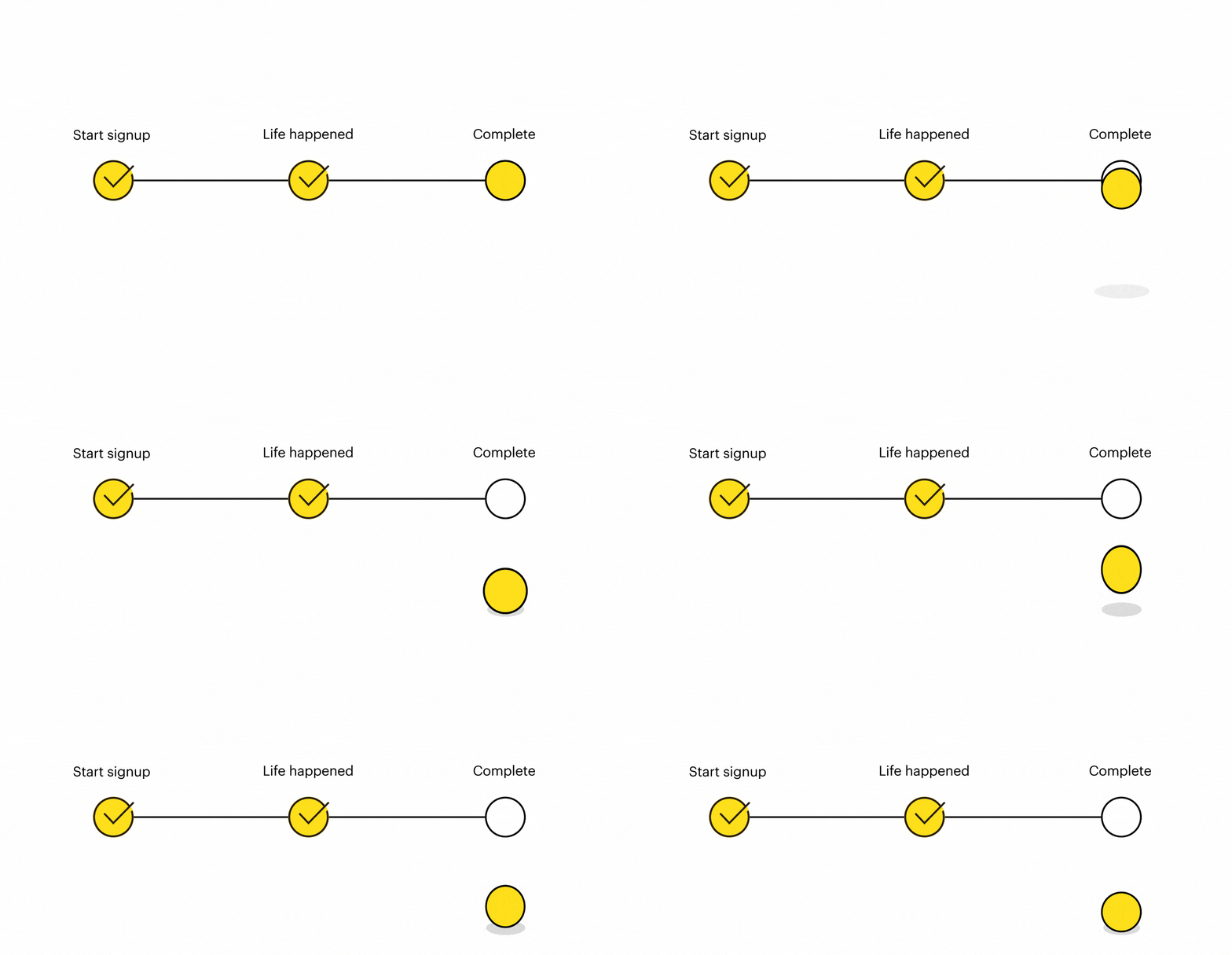
Streamlining Task Completion and Onboarding: For new customers, guiding them through activation or setup processes is critical for early engagement and churn reduction. A micro-animation that visually tracks progress, highlights an incomplete step, or even playfully bounces to draw attention to a pending action can significantly improve completion rates. Mailchimp, for instance, used an animation to illustrate a user’s journey, showing completed steps and a subtly bouncing “complete” icon for the pending action, effectively reminding users of missed benefits.
-
Elevating Loyalty Programs: Businesses often leverage loyalty programs to encourage repeat purchases and increased activity. Micro-animations can transform abstract points or tier levels into a visually engaging experience. An animated progress bar that fills up as a customer approaches their next reward tier, or a subtle animation around the current tier, can serve as a powerful motivator. Vitamin Shoppe effectively used an animated points tracker to visualize a customer’s progress, subtly nudging them towards their next reward. This gamified approach leverages visual feedback to encourage desired behaviors.

-
Cultivating Urgency and Immediacy: Micro-animations excel at conveying a sense of urgency without resorting to aggressive language or flashing elements. A rapidly moving parcel icon, for example, can visually reinforce the promise of next-day delivery, assuring customers that their urgent needs will be met promptly. Grainger, in a promotional email, utilized an animation of its logo flying in with a “next-day delivery” value proposition, effectively communicating speed and reliability for essential maintenance and repair needs. This visual immediacy can significantly impact conversion rates for time-sensitive offers.
-
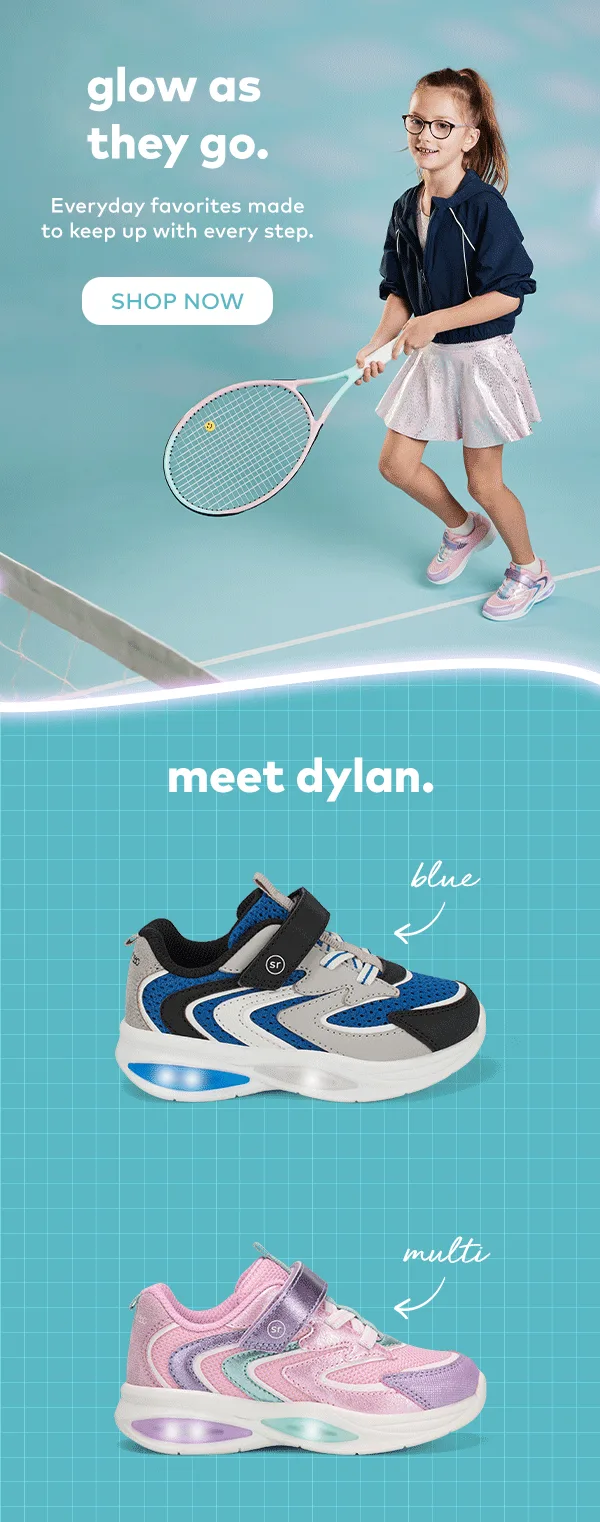
Visualizing Product Features: Some products are best understood through dynamic visualization. Micro-animations provide an elegant solution for illustrating product features that are difficult to convey with static images. Examples include Stride Rite showcasing “glow-in-the-dark” shoes with an animating glow, My M&Ms demonstrating personalized candies with an uploaded photo animating onto the chocolate, or Yves Rocher displaying various shades of a beauty product. These animations offer a more immersive and informative preview, helping customers visualize the product in real-life scenarios and reducing purchase friction.
-
Enriching Product Storytelling: Beyond mere feature illustration, micro-animations can weave compelling product narratives. Starbucks UK masterfully used a full-width animated GIF to promote its tiramisu-inspired drinks. The animation subtly highlighted the mascarpone-style foam and cocoa topping, creating a sense of movement and texture that reinforced the dessert’s inspiration. This approach elevates the product from a mere item to an experience, engaging the senses and fostering desire.

-
Fostering Cross-Channel Engagement: While email often serves as a central pillar, it frequently aims to drive engagement across other channels like mobile apps and social media. These calls to action are often relegated to email footers, where they compete with other content. A subtle wiggle or shake applied to social media icons or app download prompts can significantly increase their visibility, prompting subscribers to connect beyond the inbox and expand their brand interaction.
-
Optimizing Customer Feedback Mechanisms: Gathering customer feedback is crucial for continuous improvement. However, feedback prompts, much like cross-channel requests, often appear lower down in emails and can be overlooked. A gentle animation around “Rate your experience” stars or “Like what you see?” prompts can draw attention to these vital engagement points. Marks & Spencer, for instance, used a subtle animation around their feedback options, making them more inviting and encouraging higher response rates, thereby enabling brands to refine their offerings based on direct customer input.
-
Crafting Engaging Onboarding Journeys (The “Micro-Animation-Plus”): While leaning slightly beyond pure “micro,” certain extended animations exemplify the philosophy of using movement for a highly engaging user journey. Domino’s created an onboarding welcome email that used a cohesive, sequential animation to walk new subscribers through benefits, ordering processes, mobile app prompts, and an order tracker, culminating in a clear CTA. Despite its length, the animation was optimized to a mere 322KB, staying well within recommended guidelines. This “micro-animation-plus” approach demonstrates how a series of small, intentional movements can combine to create a highly entertaining and informative visual narrative, effectively welcoming and educating new customers while driving immediate action.

The Broader Impact: Micro-Animations as a Strategic Imperative
The integration of micro-animations into email marketing is more than just a fleeting design trend; it represents a strategic imperative for brands seeking to thrive in a highly competitive digital landscape. By embracing cleaner, more intentional designs brought to life by subtle movement, marketers can achieve several critical objectives:
- Enhanced Brand Differentiation: In an inbox flooded with emails, micro-animations offer a powerful way for brands to stand out, communicate their unique personality, and leave a lasting impression.
- Improved User Experience (UX): A more engaging and intuitive email experience translates directly into higher subscriber satisfaction and loyalty.
- Measurable Business Outcomes: The direct correlation between increased engagement and higher click-through rates, conversions, and reduced churn makes a strong case for the ROI of well-implemented micro-animations.
- Future-Proofing Email Strategy: As user expectations for interactive and dynamic content continue to rise, integrating micro-animations positions email campaigns at the forefront of digital communication innovation.
However, success hinges on careful implementation. Overuse or poorly executed animations can quickly backfire, leading to slow load times, accessibility issues, and subscriber annoyance. The emphasis remains on purpose-driven, subtle enhancements that add value without overwhelming.

Resources for Further Exploration
For marketers and designers keen to delve deeper into the world of micro-animations, a wealth of resources exists. Industry leaders like Litmus and Validity consistently publish articles, webinars, and case studies on this topic, offering practical guidance, advanced techniques, and insights into the latest trends. Exploring their resource centers provides invaluable information on optimizing email for performance, accessibility, and engagement.
In conclusion, the shift towards cleaner, more intentional email design, powered by the strategic deployment of micro-animations, is reshaping how brands connect with their audiences. These small movements are proving to have a monumental impact, guiding attention, fostering engagement, and ultimately driving measurable results. By understanding their psychology, adhering to best practices, and continuously testing, marketers can leverage micro-animations to craft email experiences that are not just opened, but truly felt and acted upon. The future of email marketing is undoubtedly in the details, and micro-animations are leading the charge.