The landscape of digital marketing has undergone a profound transformation, with TikTok emerging as an indispensable platform for brands seeking to connect with a global, highly engaged audience. No longer merely a hub for viral dances and entertainment, TikTok has solidified its position as a potent engine for product discovery, social commerce, and community building, commanding the attention of over 1.59 billion active users worldwide. This strategic shift necessitates a sophisticated approach to TikTok marketing, encompassing everything from authentic content creation and influencer collaborations to targeted advertising and robust analytics.

The Rise of TikTok as a Marketing Juggernaut
Initially perceived as a fleeting trend, TikTok has evolved into a dominant force in the social media ecosystem. Its meteoric rise is largely attributed to its unique, algorithm-driven “For You” page, which delivers hyper-personalized content, fostering deep engagement among its diverse user base. In the United States alone, users dedicate an average of 44 hours per month to the app, underscoring its unparalleled capacity to capture and retain attention. This extensive engagement translates directly into significant marketing opportunities.

Beyond its entertainment value, TikTok has strategically integrated features that cater directly to commercial objectives. The introduction of TikTok Shop has revolutionized in-app purchasing, allowing users to discover and buy products seamlessly without leaving the platform. Similarly, TikTok Search has transformed into a critical tool for product research and recommendations, particularly among younger demographics who increasingly turn to the platform over traditional search engines. This evolution positions TikTok not just as a social network, but as a powerful social commerce and discovery engine that brands cannot afford to overlook in 2026.
The platform’s appeal extends across various demographics, though it maintains a particularly strong hold on younger generations. While often associated with Gen Z, data reveals that the primary audience age group on TikTok is 25-34, indicating significant reach among Millennials with considerable purchasing power. Approximately a third of its audience falls between 18 and 24, highlighting the platform’s sustained influence on Gen Z loyalists. This broad yet deeply engaged user base presents a compelling case for TikTok’s inclusion in any forward-thinking marketing strategy.
Navigating the TikTok Ecosystem: Strategic Pillars for Brands
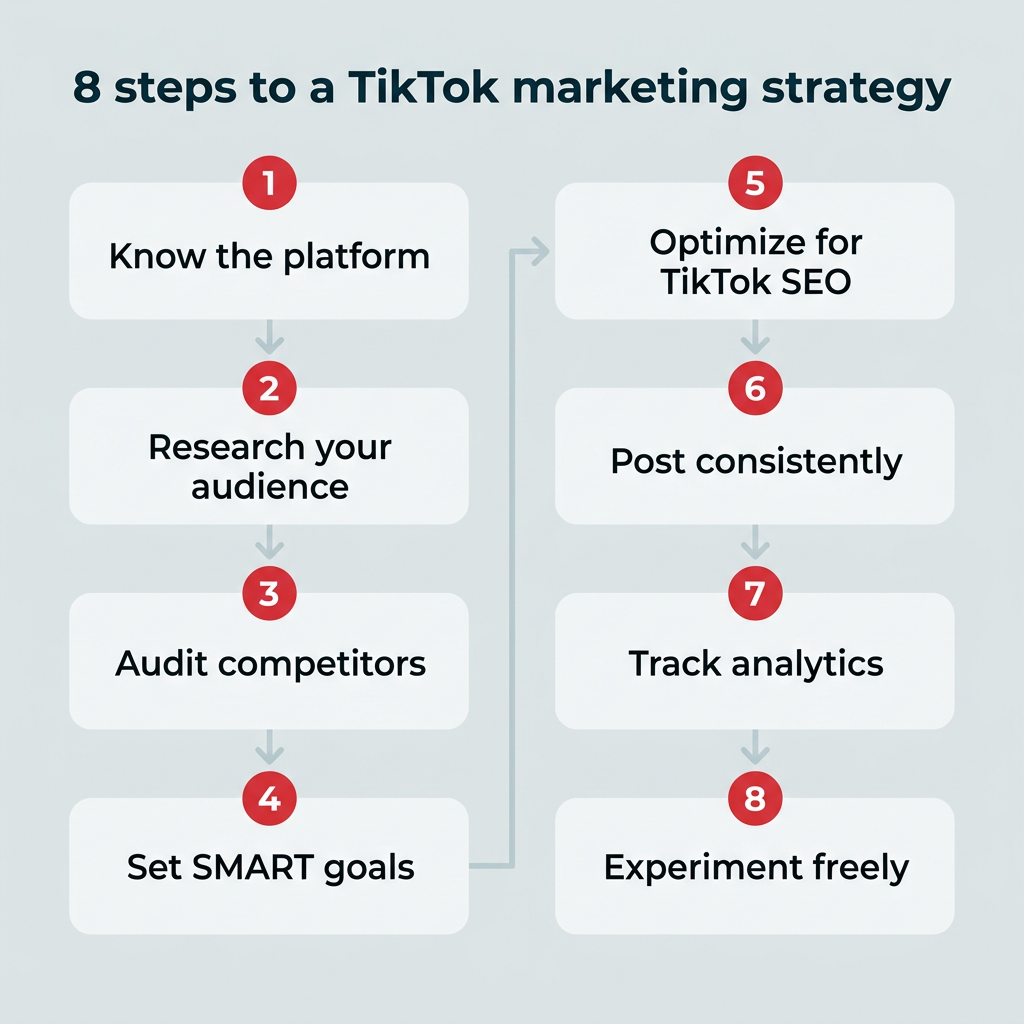
Effective TikTok marketing requires a structured and adaptive strategy. The following pillars are crucial for brands aiming to maximize their impact on the platform:
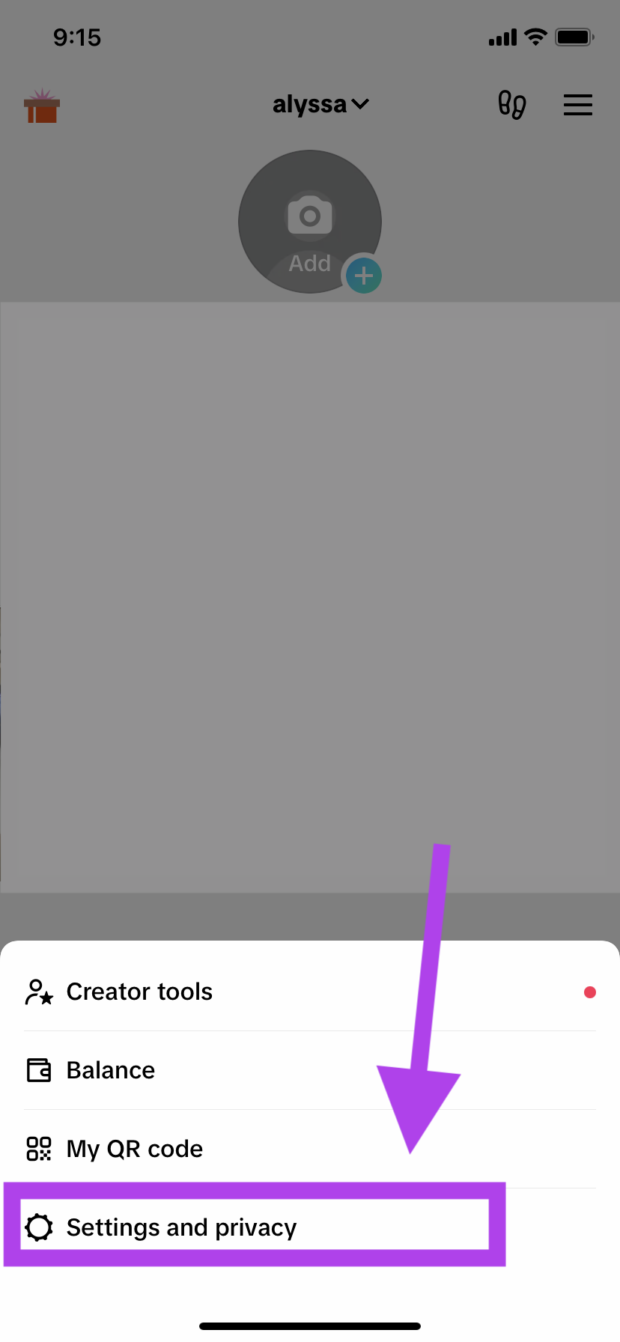
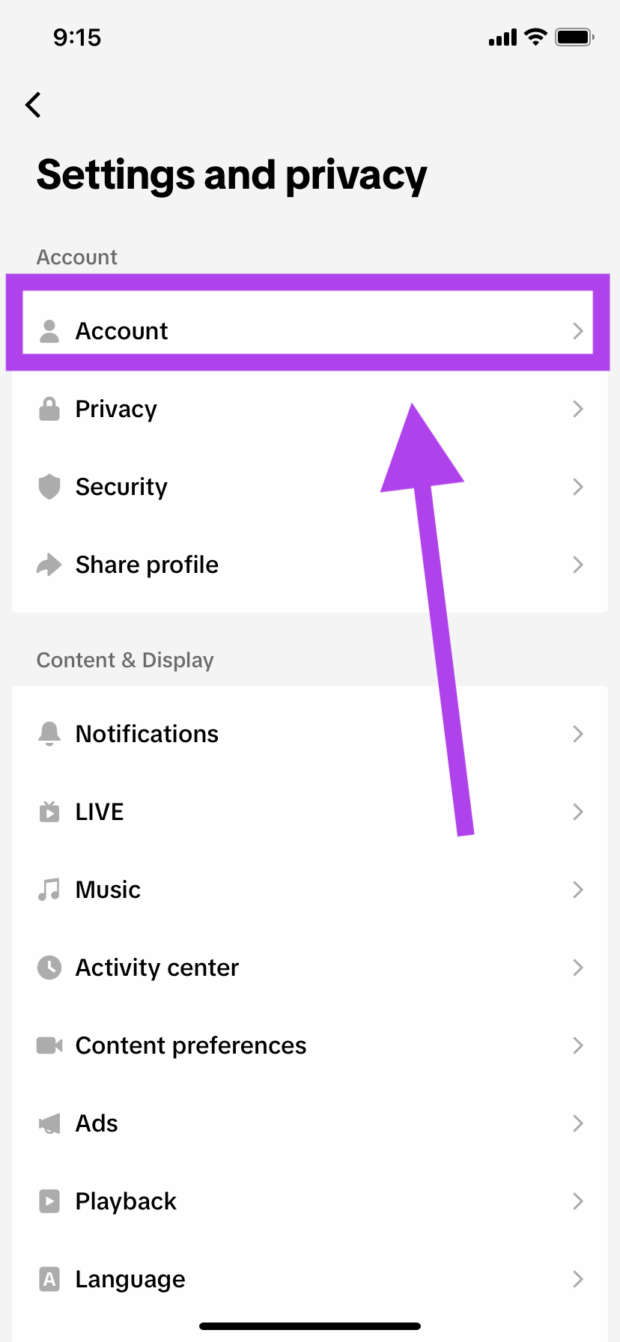
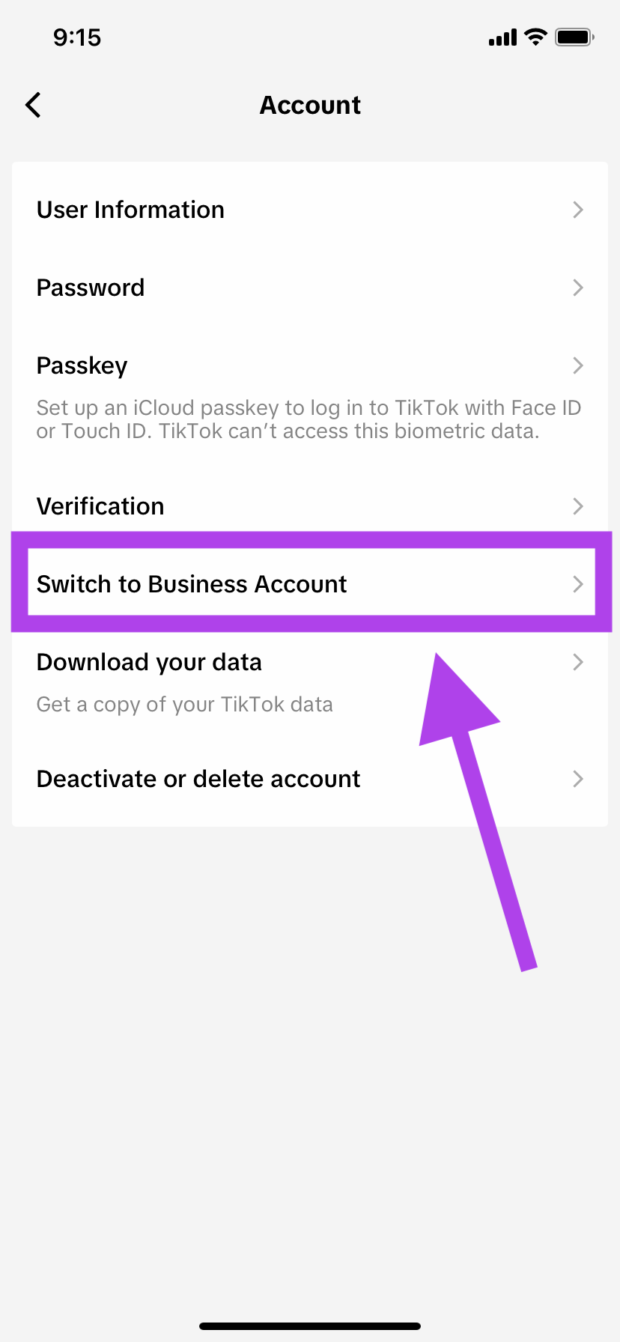
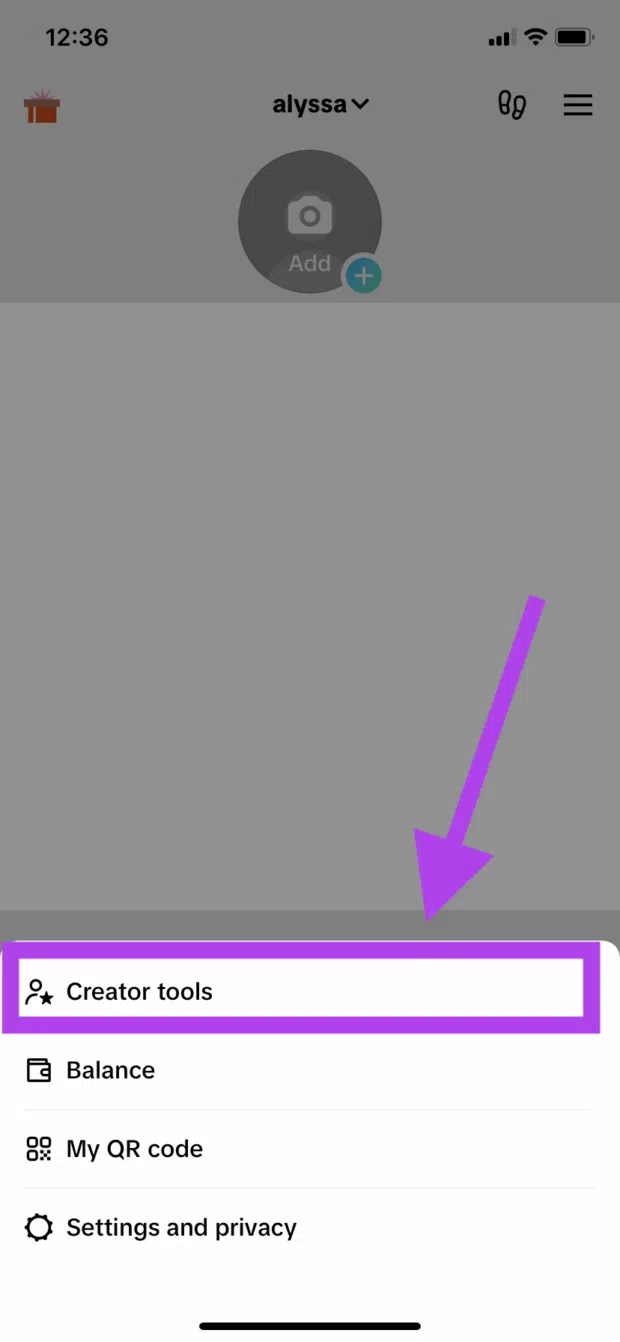
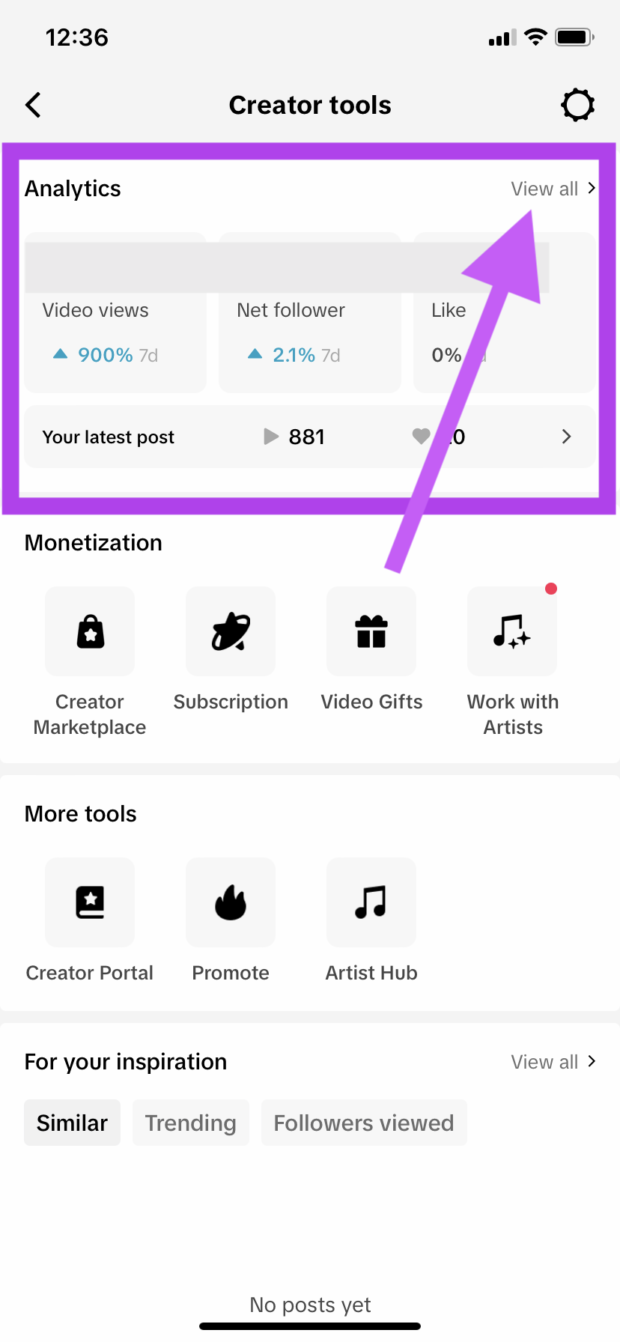
Establishing a Business Presence: The foundational step for any brand on TikTok is to convert or create a dedicated business account. Unlike personal profiles, TikTok business accounts unlock a suite of essential features, including access to TikTok Analytics for performance tracking, the Business Creative Hub for content inspiration, and a commercial music library. These tools are vital for developing professional campaigns, understanding audience behavior, and maintaining brand compliance. The process of switching a personal account to a business account is straightforward, typically involving a few taps within the app’s settings.
Audience-Centric Strategy: A deep understanding of the target audience is paramount. Brands must research TikTok’s demographics, identifying where their customer base overlaps with the platform’s users. Beyond age and geography, this research should delve into content preferences, trending topics, and engagement patterns specific to their desired segments. For larger enterprises, leveraging TikTok’s Audience Insights tools can provide granular data, enabling highly tailored content strategies that resonate effectively.
Competitive Intelligence: Analyzing competitors’ activities on TikTok offers valuable insights. This involves identifying at least three to five similar brands or organizations—and crucially, relevant influencers—to understand their content strategies, engagement levels, and overall presence. A S.W.O.T. analysis (Strengths, Weaknesses, Opportunities, Threats) can be a useful framework to assess competitive performance and identify potential white spaces or best practices to emulate or avoid. Competitive benchmarking tools, such as those offered by Hootsuite, can further help track performance against rivals over time.
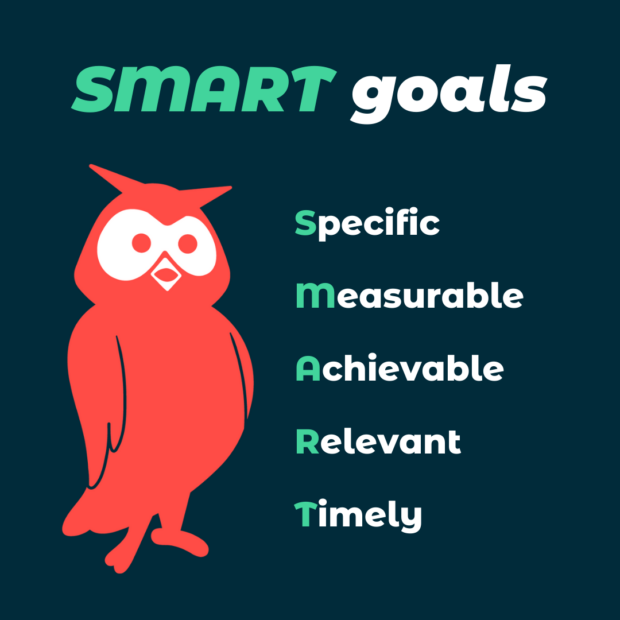
Setting Measurable Objectives: While experimentation is inherent to TikTok, all marketing efforts should be tethered to clear, measurable business objectives. Whether the goal is to increase brand awareness, drive website traffic, generate leads, or foster community engagement, employing the S.M.A.R.T. goal framework (Specific, Measurable, Attainable, Relevant, Timely) is essential. Examples for enterprise teams might include “Increase TikTok-driven website traffic by 25% in Q3” or “Generate 500 leads from TikTok Shop in H2 2026.”
TikTok SEO and Discoverability: With TikTok increasingly functioning as a search engine, particularly for Gen Z, optimizing content for discoverability is critical. TikTok SEO involves strategically incorporating relevant keywords into captions, on-screen text, and even spoken words within videos. The platform’s algorithm processes all these elements to surface content in search results and the “For You” feed. Integrating a balanced mix of broad and niche hashtags further aids the algorithm in categorizing and distributing content effectively. Tools like Hootsuite’s TikTok SEO tool can assist in identifying high-value keywords and tracking emerging trends.
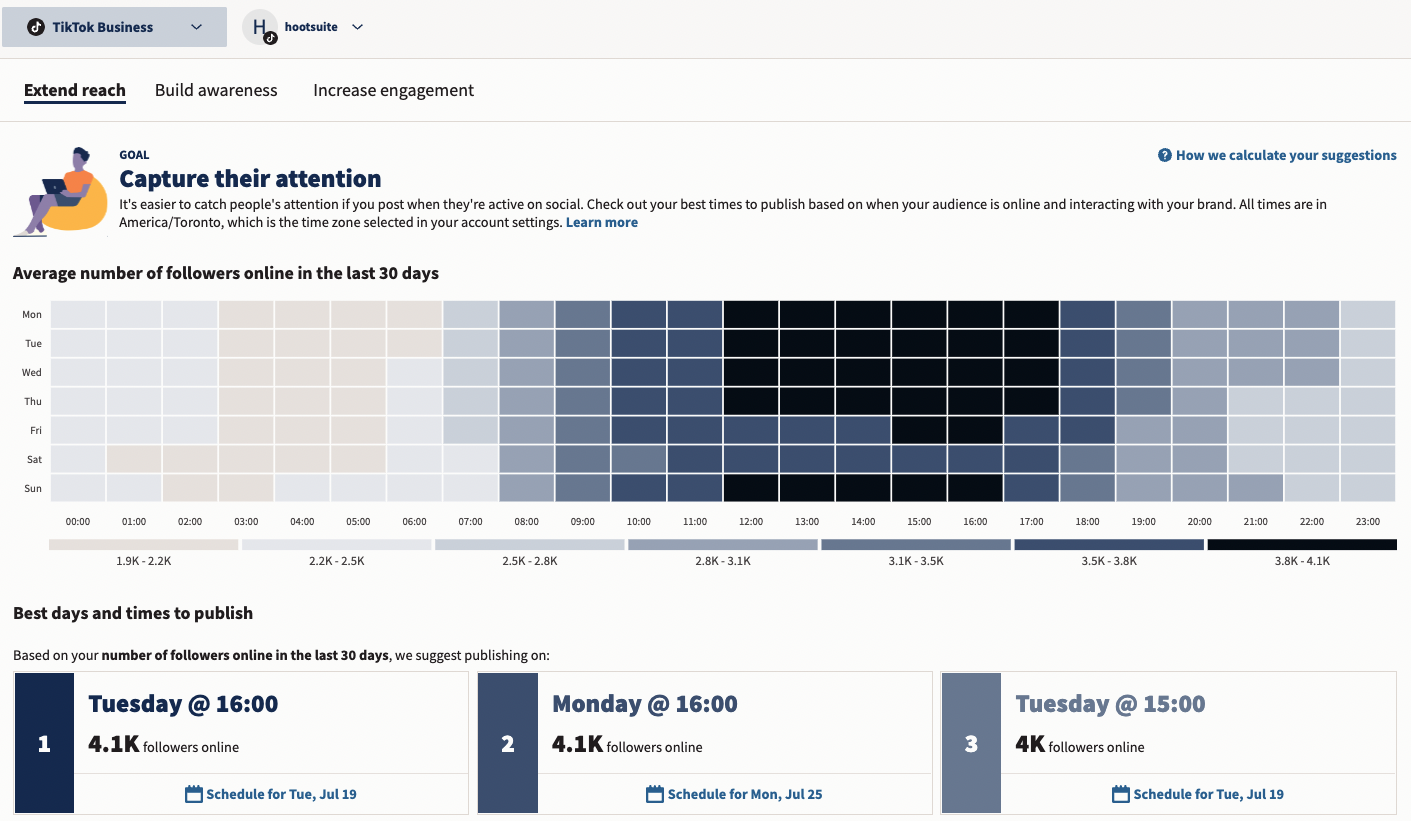
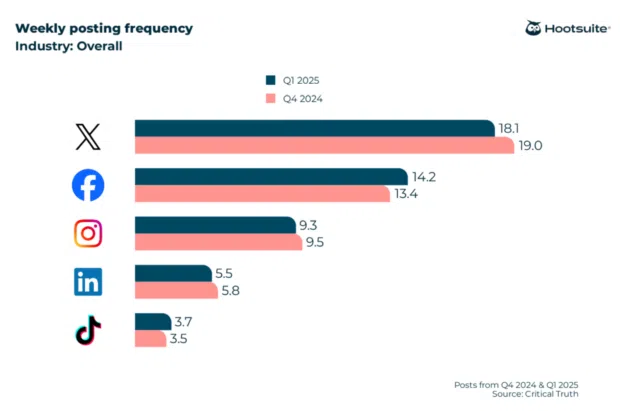
Content Cadence and Timing: Consistent posting is a cornerstone of TikTok’s algorithm, which favors fresh content. While TikTok itself suggests posting 1-4 times daily, practical research from Hootsuite indicates that posting 3-5 times per week is the “sweet spot” for strong performance for most brands. Developing a robust content calendar is crucial for maintaining this consistency. Furthermore, timing posts when the target audience is most active significantly boosts visibility. Hootsuite’s experiments suggest Thursday mornings (6-9 am) and Saturday midday (10 am-6 pm) as optimal times for general audiences. Scheduling platforms can automate this process, ensuring timely delivery even outside of working hours.
Crafting Engaging Content: The Heart of TikTok Marketing
The most successful TikTok content feels authentic and native to the platform, capturing viewer attention rapidly and aligning with popular formats.
- Hook Viewers Fast: The “3-second rule” is paramount; a compelling hook in the initial seconds determines whether a user continues watching or scrolls past.
- Embrace Native Formats: Content should leverage trending sounds, challenges, tutorials, behind-the-scenes glimpses, product demonstrations, Q&A sessions, user-generated content (UGC), and live streams.
- Clear Messaging: Utilize on-screen text for clarity and accessibility, and ensure captions are searchable and conclude with a simple, direct call to action.
Real-world examples illustrate these principles effectively:
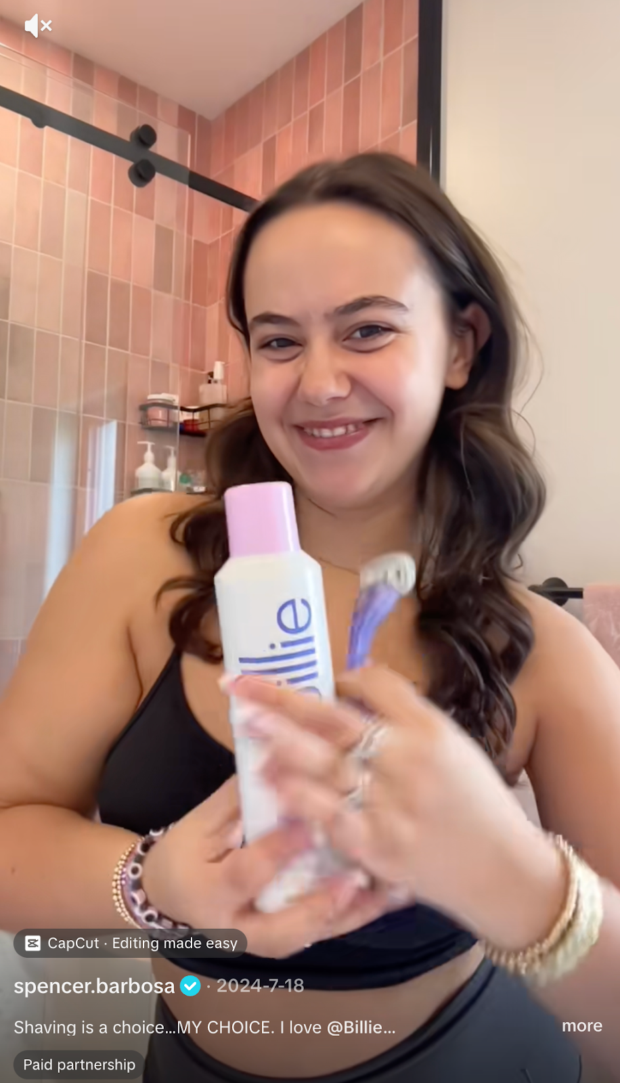
- Starting with a Strong Hook: A makeup brand collaborating with an influencer who opens with an intriguing statement (“This is the biggest rule I love to break…”) immediately establishes credibility and curiosity. The hook, delivered by a trusted source, compels viewers to continue watching, demonstrating product use in an authentic context.
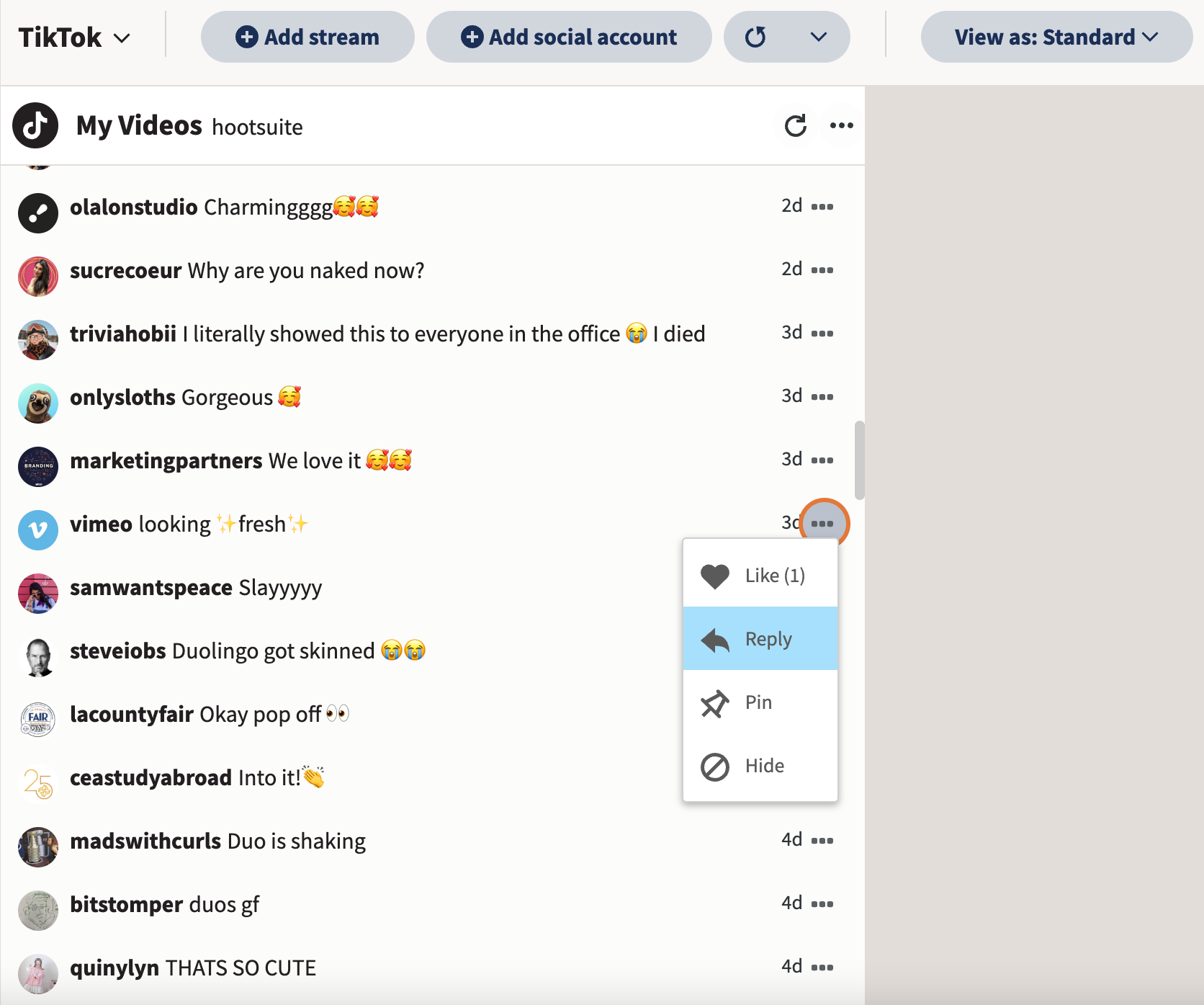
- Encouraging Comments: Brands like Smarties leverage playful questions (“Wrong answers only”) to invite audience interaction. This low-barrier engagement boosts algorithm ranking and fosters community, turning passive viewers into active participants.
- Leaning into the Algorithm: Creator-made content that frames product discovery as a serendipitous algorithmic suggestion (“This is your sign to go to Pandora”) resonates deeply with users. This approach makes the marketing feel less like an advertisement and more like a personal recommendation, amplified by trending audio.
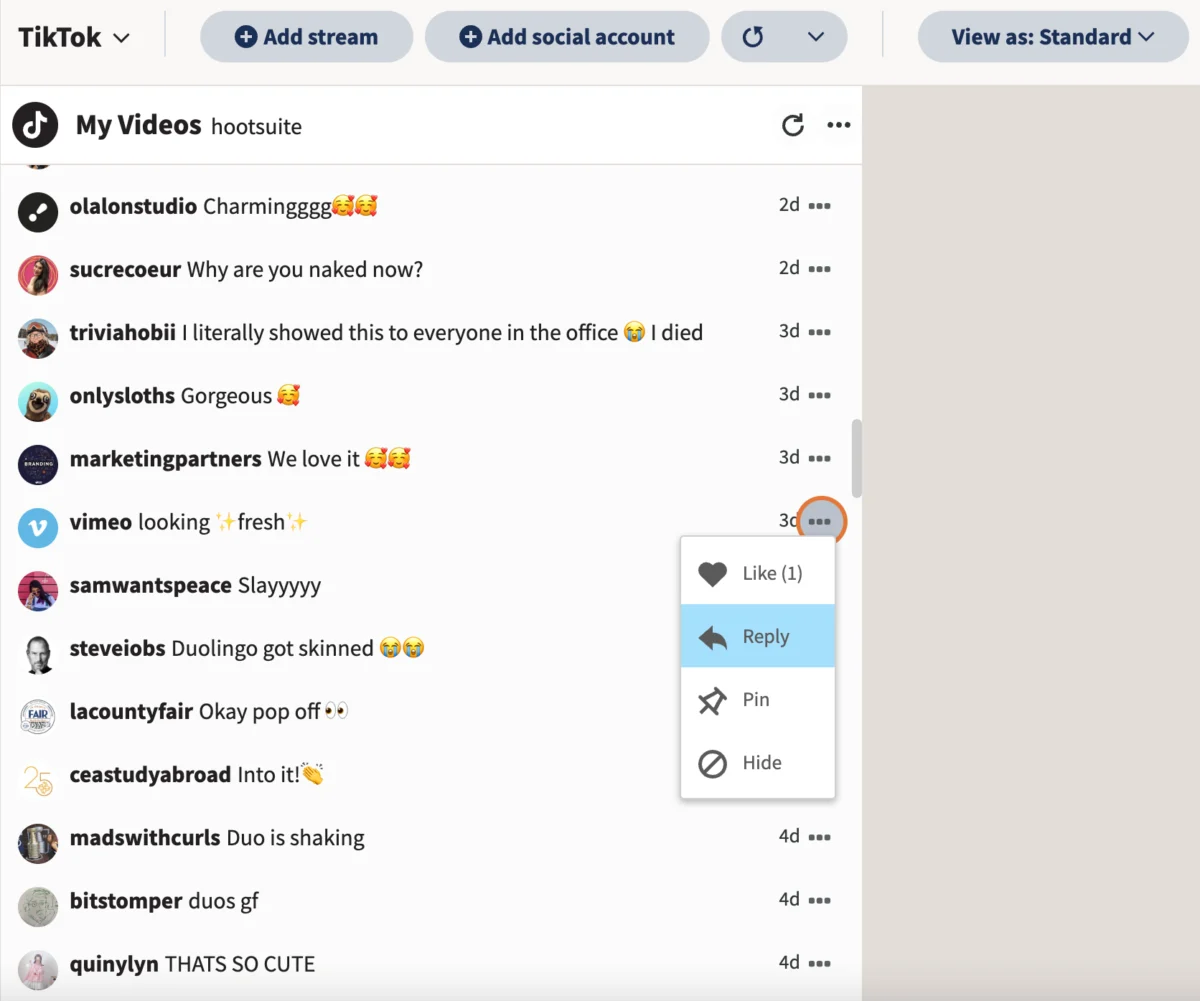
- Replying to Comments with Video: Brands like Truevelle Bridal demonstrate responsiveness and transparency by answering specific customer questions with dedicated video replies. This not only shows genuine engagement but also creates additional opportunities to showcase products from different angles, enhancing trust and driving further interaction.
- Showing Behind-the-Scenes Content: Sharing the manufacturing process or daily operations, as demonstrated by Kov Essentials with their claw clips, humanizes the brand. This authentic glimpse into the brand’s journey, including imperfections and trial-and-error, builds a deeper connection with followers.
- Inspiring Shares: Not all content needs to be overtly promotional. Adorable or humorous content, such as a pet daycare company showcasing funny animal antics, is highly sharable. This “just-for-fun” approach can significantly expand reach through organic sharing, subtly building brand affinity.
Amplifying Reach: TikTok Advertising in 2026
Beyond organic content, TikTok advertising offers scalable reach to specific audiences through TikTok Ads Manager. The platform provides a diverse array of ad formats tailored to various marketing objectives:
- In-Feed Ads: Native videos appearing in the “For You” feed, ideal for driving traffic and conversions.
- TopView: Full-screen ads displayed immediately upon app launch, offering maximum awareness for product launches or major campaigns.
- Branded Hashtag Challenge: Sponsored challenges that encourage user participation and generate user-generated content (UGC) at scale.
- Branded Effects: Custom filters, stickers, and effects that allow users to interact with a brand’s identity creatively.
- Spark Ads: A powerful format that boosts existing organic posts (either the brand’s or a creator’s), leveraging authentic content for wider distribution.
- Shopping Ads: Product-focused ads seamlessly integrated with TikTok Shop, designed to drive in-app sales.
TikTok Ads Manager also provides robust targeting options, including demographic, interest-based, and behavioral targeting, as well as custom and lookalike audiences. For optimal results, advertisers are advised to create ads that feel native to the platform, mimicking organic content rather than polished commercials. Minimum daily budgets typically start at $20 for ad groups and $50 for campaigns, with premium formats requiring custom quotes.
Influencer Collaborations: A Powerful Catalyst
TikTok influencer marketing is a cornerstone of modern digital strategy, involving partnerships with creators to promote brands. These collaborations typically involve payment or perks in exchange for content, ranging from subtle product placement to dedicated promotional videos. The success of influencer campaigns, from Bretman Rock promoting hair products to Emily Mariko selling her own merchandise, underscores their efficacy in reaching niche audiences with trusted voices.
The platform also supports an official affiliate marketing program, allowing creators to earn commissions on sales they drive, providing trackable performance metrics for brands. A robust influencer strategy is essential, requiring careful selection of creators whose audience and values align with the brand’s.
Essential Tools for TikTok Marketing Success
Managing a comprehensive TikTok marketing strategy requires a suite of specialized tools:
- Hootsuite: A leading social media management platform that enables brands to schedule TikTok posts in advance, manage content calendars, track performance metrics across multiple channels, monitor mentions, and analyze competitive landscapes from a single dashboard. Its analytics capabilities provide deep insights into engagement, follower growth, and ROI.
- CapCut: TikTok’s native video editing app, designed for mobile-first creation. It offers user-friendly templates, auto-captions, effects, and transitions, facilitating the production of polished, platform-native videos that integrate directly with TikTok workflows.
- Canva: A versatile graphic design platform for editing photos, videos, and marketing assets. Its user-friendly interface, extensive template library, and integration with platforms like Hootsuite streamline content creation for brands.
- TikTok Creative Center: A free, invaluable resource provided by TikTok for discovering trending content, ads, songs, creators, and hashtags. It serves as an essential tool for competitive research and generating content inspiration, helping brands stay ahead of cultural trends.
- Link-in-Bio Tools (e.g., Hootbio): Crucial for directing TikTok traffic off-platform to e-commerce sites, blogs, or other social media channels. These tools transform a single bio link into a gateway to multiple brand touchpoints, maximizing conversion opportunities.
The Future Landscape: Regulatory Considerations and Adaptability
While TikTok remains a vital marketing channel in 2026, its regulatory status has been subject to ongoing review in certain markets. Brands are advised to adopt a strategy that prioritizes content portability across platforms, allowing for swift adaptation should access change in specific regions. Despite these considerations, TikTok’s dynamic nature, its continuous innovation in social commerce, and its ever-expanding user base ensure its sustained relevance as an indispensable tool for marketers.
In conclusion, TikTok marketing in 2026 is a multifaceted discipline that demands a strategic, data-driven, and creative approach. By understanding the platform’s unique dynamics, leveraging its powerful features, embracing authentic content, and continuously adapting to evolving trends and regulatory landscapes, brands can unlock unparalleled opportunities for engagement, discovery, and commercial success.