rifanmuazin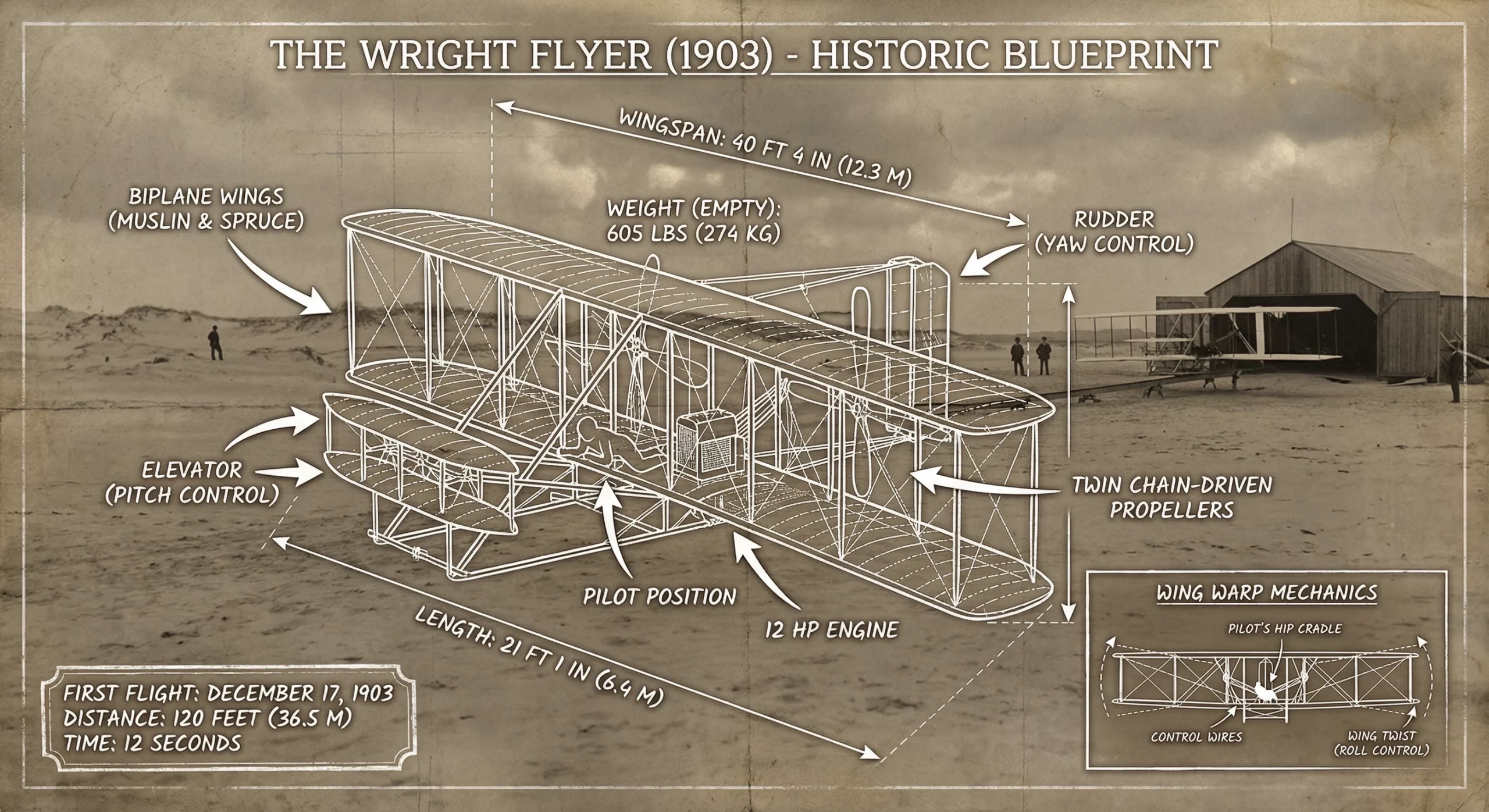
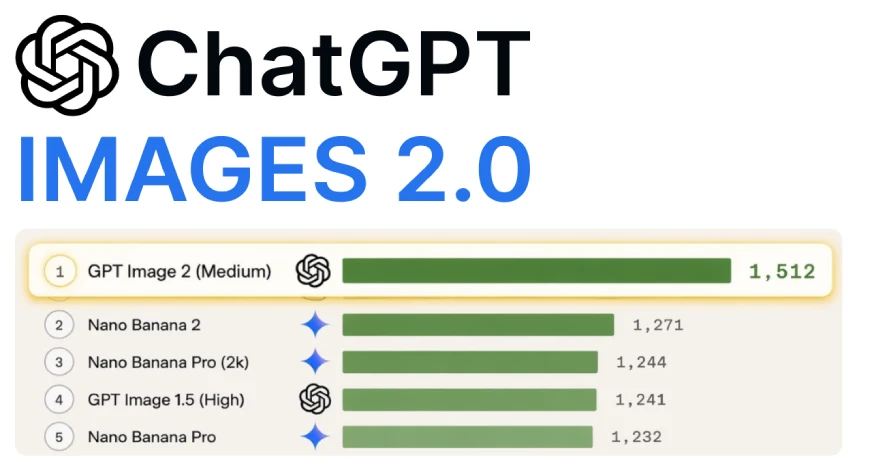
OpenAI has officially unveiled ChatGPT Images 2.0, a next-generation visual synthesis model powered by the gpt-image-2 architecture, marking a significant milestone in the rapidly evolving field of generative artificial intelligence. Within hours of its release in April 2026, the model ascended to the number one position on the Image Arena leaderboard, surpassing the previous industry standard-setter, Google’s Nano Banana 2. Industry analysts have noted that the performance gap between ChatGPT Images 2.0 and its closest competitors is the largest ever recorded in the history of the Arena benchmarks, signaling a potential decoupling of OpenAI’s capabilities from the rest of the market. This development follows an intensive 18-month period of competition where Google, Midjourney, and Adobe have frequently traded the top spot, but the introduction of a dedicated "reasoning layer" in image synthesis appears to have redefined the baseline for quality and logical consistency in AI-generated visuals.
A Fundamental Shift in Architecture: From Diffusion to Autoregressive Reasoning
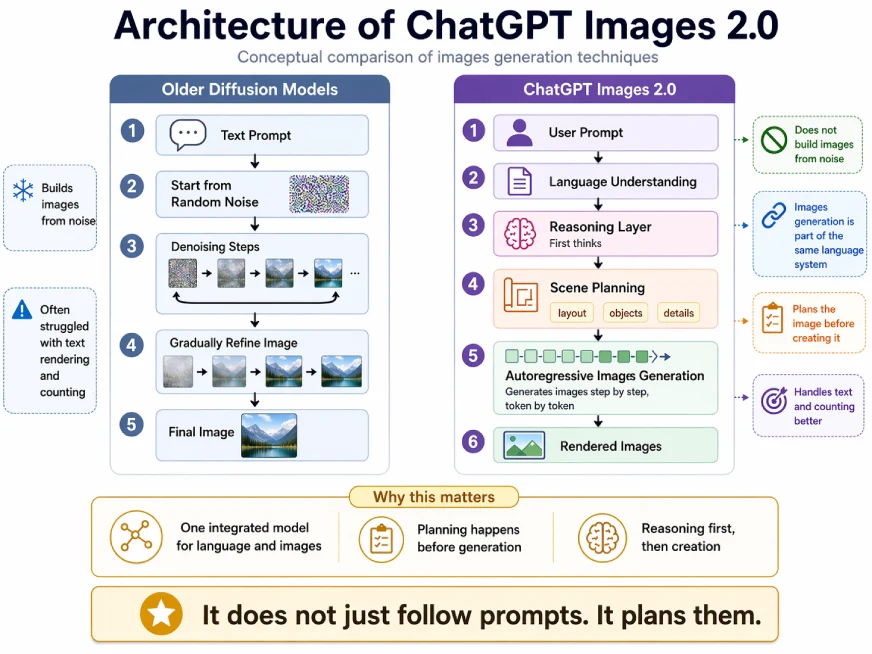
The technical foundation of ChatGPT Images 2.0 represents a departure from the diffusion-based models that have dominated the industry since 2022. While traditional models like DALL·E 3 or Stable Diffusion generate images by refining visual noise into coherent structures, the GPT Image family utilizes an autoregressive approach. This method treats image generation similarly to text generation, predicting visual data "token by token."
The most significant architectural innovation in gpt-image-2 is the integration of a pre-generation reasoning phase. Before a single pixel is rendered, the model engages in a "thinking mode" to plan the layout, spatial relationships, and logical flow of the requested image. This internal monologue allows the model to anticipate complex requirements, such as the placement of text within a specific geometric area or the structural integrity of a technical diagram. By simulating a chain-of-thought process, the model effectively reduces the common "hallucinations" found in AI art, such as anatomically incorrect limbs or nonsensical background elements. This reasoning layer is available via the API and can be toggled based on the user’s need for speed versus precision, though it is billed through specific reasoning tokens.
Chronology of the AI Image Arms Race (2024–2026)
To understand the impact of ChatGPT Images 2.0, it is necessary to examine the timeline of the generative AI sector over the past two years.
- July 2024: OpenAI releases DALL·E 3, integrating it directly into ChatGPT and setting a new bar for prompt adherence.
- Mid-2025: Google introduces "Nano Banana," a model that went viral for its hyper-realistic textures and superior lighting engines, briefly making Google the undisputed leader in image quality.
- December 2025: The "Multilingual Expansion" phase occurs, with models beginning to master non-Latin scripts, including Japanese and Hindi, though logical consistency remains a challenge.
- February 2026: Google launches Nano Banana 2, which focuses on speed and efficiency, topping benchmarks for "Cost-per-Generation."
- April 2026: OpenAI releases ChatGPT Images 2.0. It doesn’t just improve quality; it introduces a 242-point lead on the Image Arena leaderboard, a margin previously thought impossible in a saturated market.
Key Features and Technical Capabilities
The gpt-image-2 model introduces several "first-class" features designed to meet the demands of professional creators and technical engineers.
Advanced Text Rendering and Typographic Accuracy
Historically, AI models struggled with text, often producing "lorem ipsum" style gibberish. ChatGPT Images 2.0 scores 316 points higher than its predecessor, GPT Image 1.5 High, in text rendering. It handles complex typography, long-form sentences, and specific font styles with near-perfect accuracy. This makes the model viable for creating professional posters, infographics, and social media assets without the need for manual post-editing in software like Adobe Illustrator.
Native 4K Resolution and Aspect Ratio Flexibility
The model supports native 4K output (3840×2160) and custom resolutions, eliminating the artifacts typically introduced by post-process upscaling. This high-fidelity output is essential for print media and high-definition digital displays. When a request exceeds the maximum pixel budget, the model intelligently auto-resizes the output while maintaining the intended composition.
Multi-Image Consistency and Sequential Storytelling
One of the most difficult tasks for AI has been maintaining character or style consistency across different images. Through its reasoning mode, gpt-image-2 can generate up to 10 images in a single batch while keeping character features, clothing, and environmental details identical. This capability has immediate implications for the comic book industry, storyboarding for film, and e-commerce advertising.
Performance Benchmarks: The Image Arena Analysis
The Image Arena, a crowdsourced platform where users blind-test and vote on model outputs, provides the most respected metric in the industry. The latest data shows ChatGPT Images 2.0 dominating in every sub-category.
| Category | GPT Image 2 Score | Nano Banana 2 Score |
|---|---|---|
| Overall Leaderboard | 1,540 | 1,298 |
| Text-to-Image | 1,580 | 1,310 |
| Single-Image Edit | 1,513 | 1,388 |
| Multi-Image Edit | 1,464 | 1,210 |
| Text Rendering | 1,550 | 1,234 |
The 242-point overall lead is a statistical anomaly in the Arena’s history, where top models are usually separated by 5 to 15 points. This suggests that OpenAI has achieved a generational leap rather than an incremental update.
Comparative Case Studies: OpenAI vs. Google
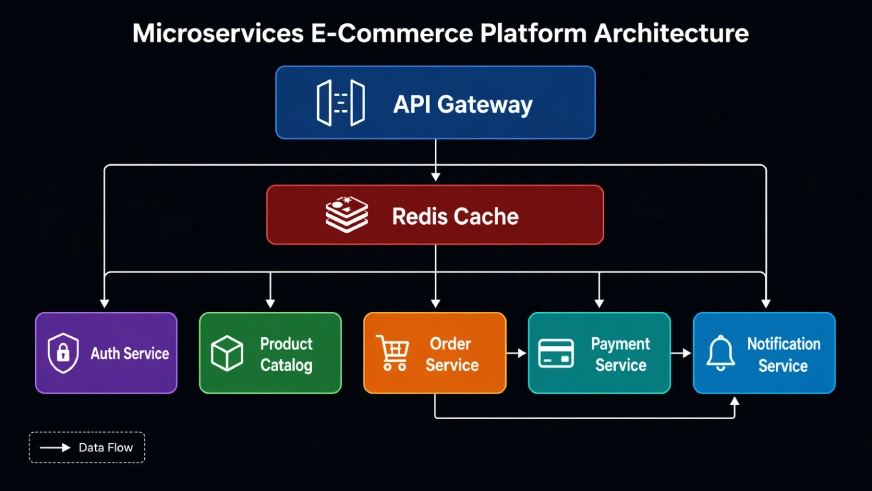
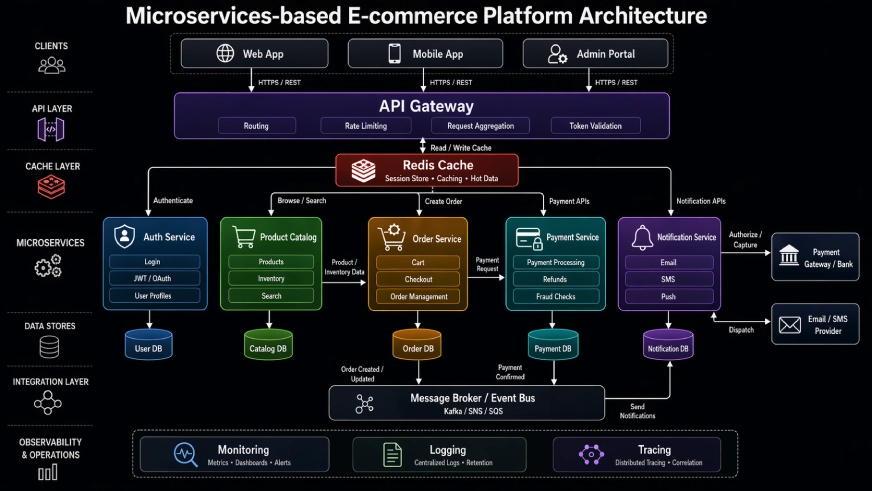
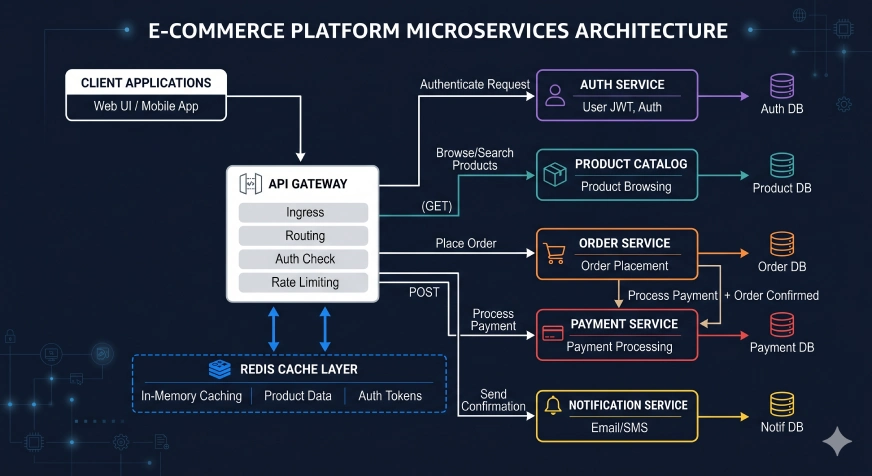
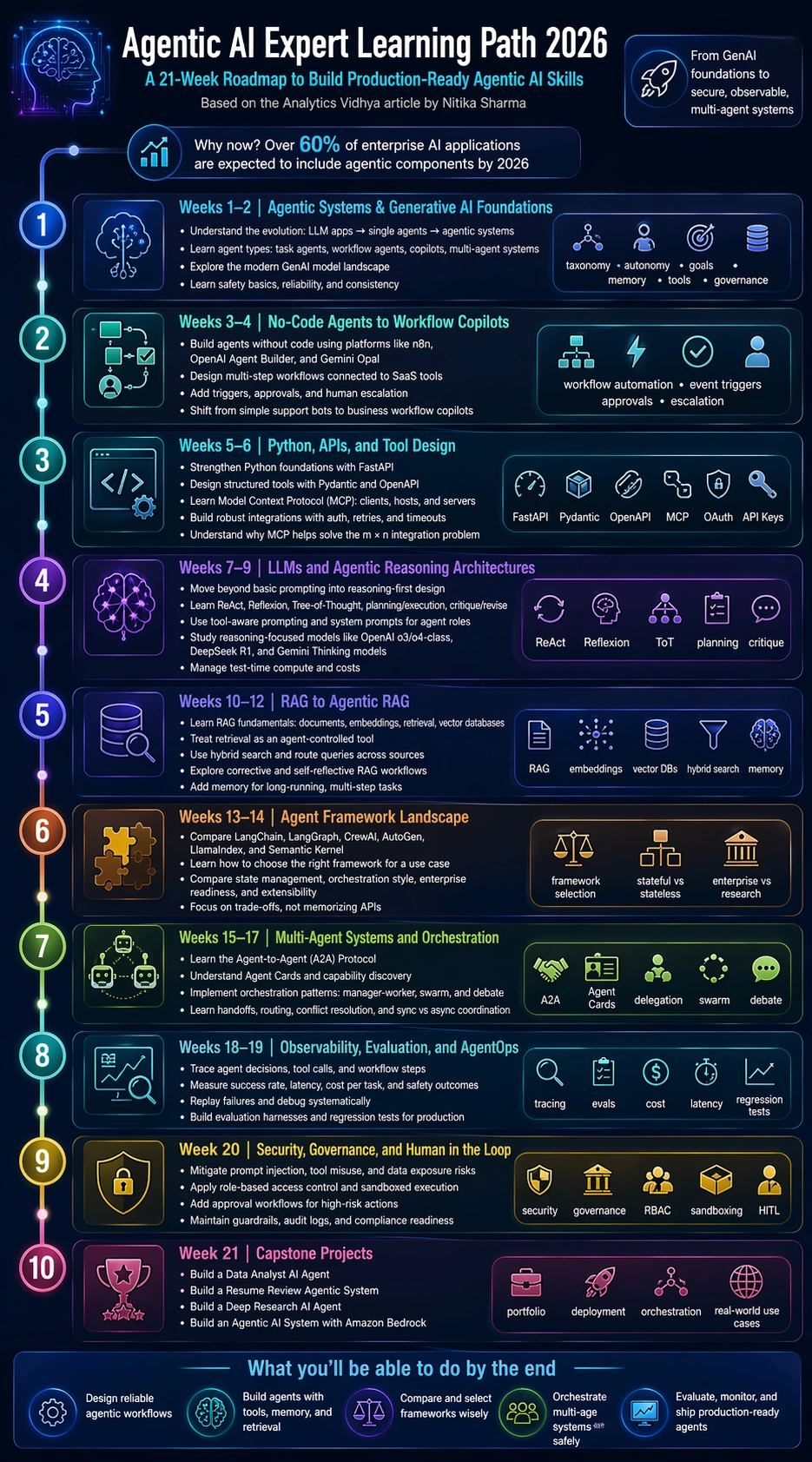
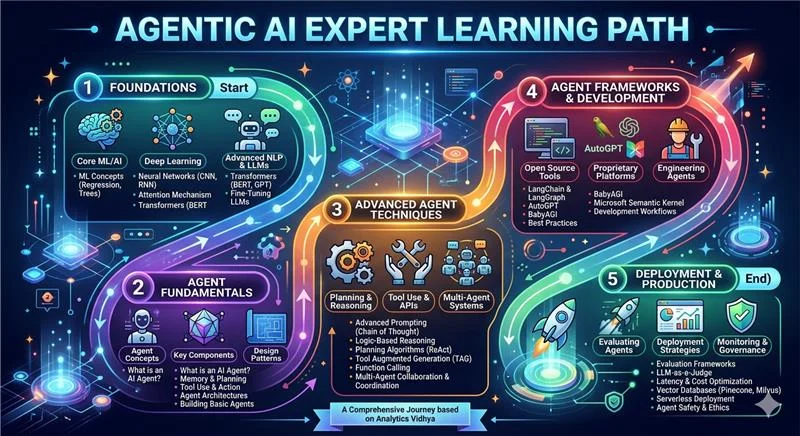
In side-by-side testing, the difference between "visual quality" and "conceptual understanding" becomes clear. When tasked with creating a system architecture diagram for a microservices-based platform, Google’s Nano Banana 2 produced a visually pleasing image that lacked technical logic. In contrast, ChatGPT Images 2.0 correctly identified the relationship between API Gateways, Redis cache layers, and Kafka event buses, creating a diagram that an engineer could use in a technical whitepaper.
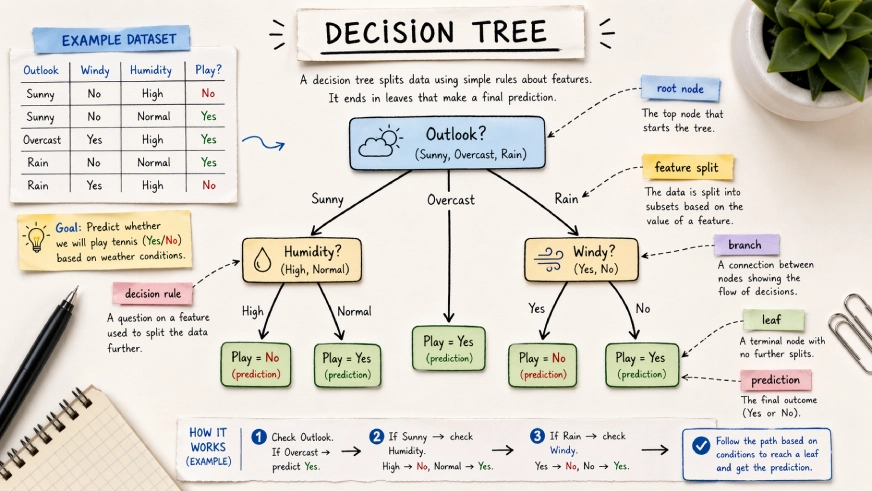
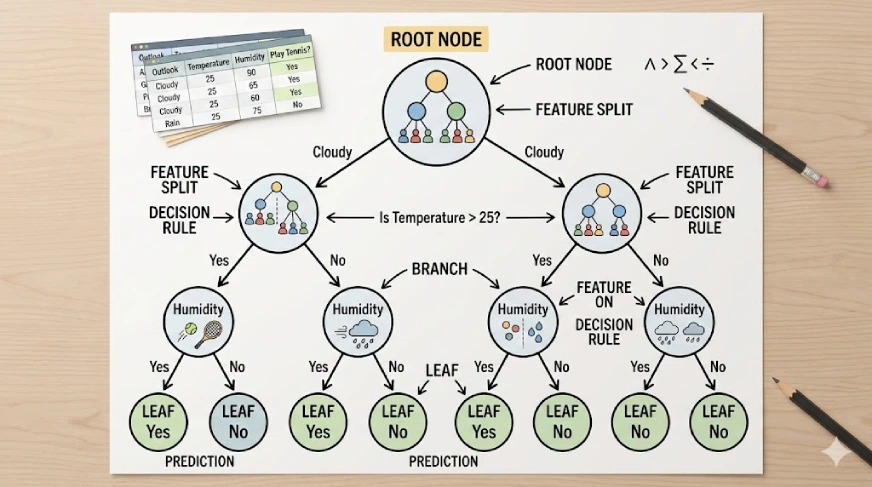
In educational content, the gap is even more pronounced. When asked to generate a decision tree for machine learning, Nano Banana 2 committed a logical fallacy by splitting a single categorical value ("Cloudy") into two conflicting branches. ChatGPT Images 2.0 not only rendered the tree correctly but also included a 5-row dataset that matched the logic of the tree, demonstrating a "pedagogical awareness" that suggests the model understands the underlying subject matter.
Furthermore, in long-form visual storytelling, ChatGPT Images 2.0 successfully produced an 18-panel comic strip with consistent character identities. Its competitor, Nano Banana 2, failed the visual aspect of the task entirely, returning a text-based script instead of an image—a failure that highlights the difference in how these models interpret multi-step, complex instructions.
Economic Implications and Cost Analysis
The superior performance of ChatGPT Images 2.0 comes at a premium. OpenAI has moved toward a token-based pricing model, which reflects the high computational cost of the reasoning layer.
- Input text tokens: $5.00 per 1M tokens
- Output image tokens: $30.00 per 1M tokens
In comparison, Google’s Nano Banana 2 maintains a flat-rate pricing structure, charging approximately $0.067 for a 1024px image and $0.151 for a 4K image. At scale (10,000 images per month), ChatGPT Images 2.0 can cost upwards of $2,100, while Nano Banana 2 costs roughly $670.
Industry experts suggest that for bulk, low-stakes content like generic blog thumbnails or decorative art, Google’s model remains the more cost-effective choice. However, for "high-precision" sectors—such as technical documentation, localized advertising in multiple languages, and professional design—the ROI of the OpenAI model is higher because it reduces the "prompt-and-retry" loop, saving human labor costs that far outweigh the API fees.
Broader Impact on the Creative and Tech Industries
The release of ChatGPT Images 2.0 is expected to accelerate the displacement of traditional stock photography and entry-level graphic design. With its ability to render accurate text and maintain character consistency, the model moves AI from a "brainstorming tool" to a "production tool."
Educators and technical writers are likely to be the earliest adopters of the reasoning-based generation, as the model’s ability to "understand" logic allows for the automated creation of textbooks and manuals. However, the high cost of tokens may create a "quality divide," where only well-funded enterprises can afford the most logically sound AI visuals, while smaller creators rely on cheaper, less precise models.
As of April 2026, OpenAI has once again forced the industry to respond. The "reasoning-first" approach to visuals has proven that the next frontier of AI is not just about how an image looks, but how much the model understands what it is drawing. The ball is now in the courts of Google and Midjourney to see if they can bridge the 242-point gap or if OpenAI will maintain this new "tier one" status for the foreseeable future.