rifanmuazin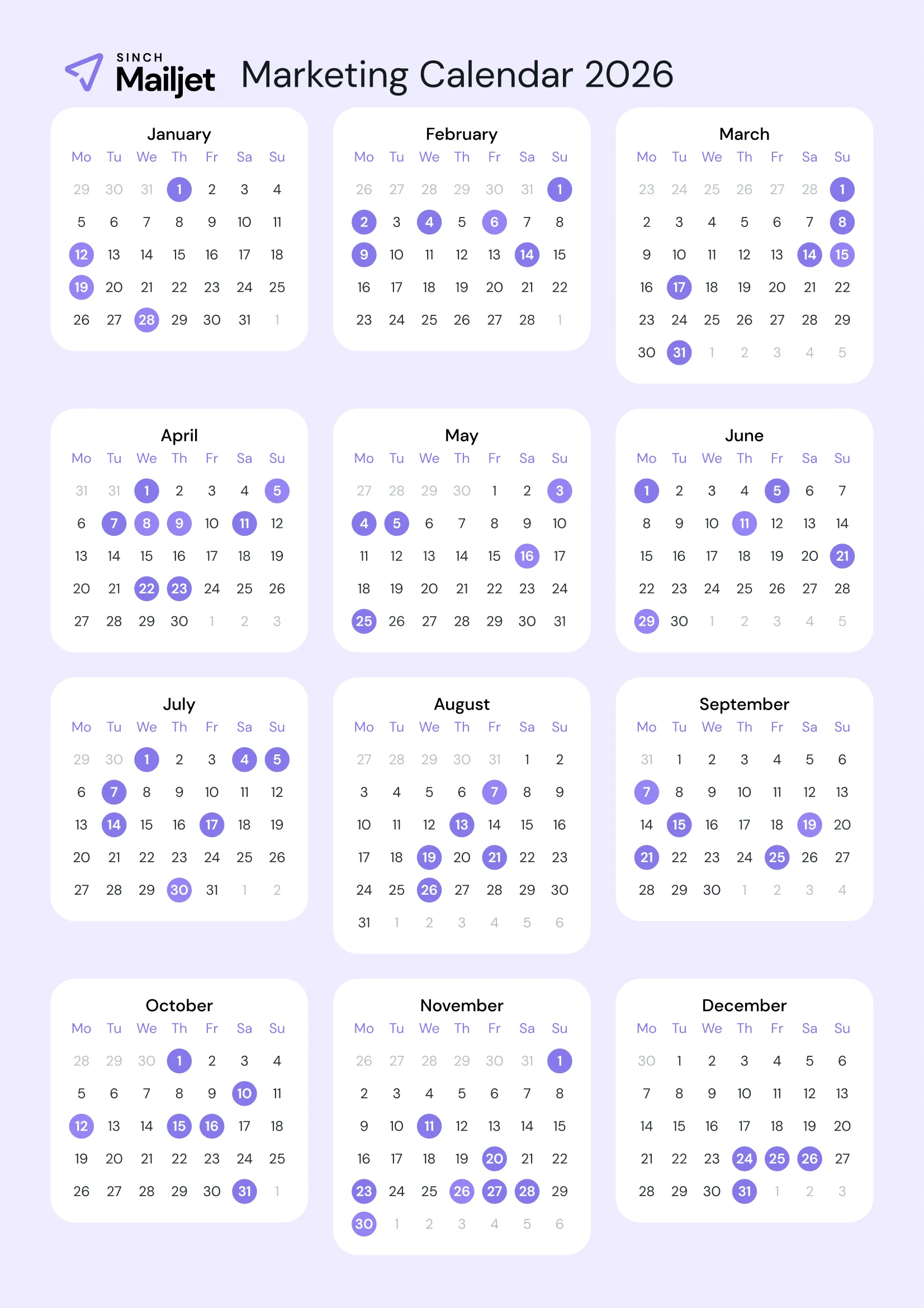
As the final quarter of 2025 draws to a close, marketers worldwide are already setting their sights on 2026, recognizing the critical importance of a meticulously planned strategy for the upcoming year. The transition from one year to the next is not merely a chronological shift but a strategic juncture, offering a fresh slate for businesses to redefine objectives, recalibrate efforts, and capitalize on evolving consumer behaviors. This comprehensive guide serves as an indispensable resource for crafting a robust marketing calendar for 2026, ensuring that brands are well-equipped to engage their target audiences effectively and achieve their strategic goals.
The Strategic Imperative of a Proactive Marketing Calendar for 2026
In an increasingly dynamic and competitive digital landscape, a well-structured marketing calendar is no longer a luxury but a fundamental necessity. Many perceive the implementation phase of a marketing strategy as the most arduous part of the process. However, industry experts consistently assert that the true heavy lifting occurs long before, in the meticulous stages of goal-setting, priority establishment, and comprehensive planning. Proactive planning minimizes unforeseen challenges, optimizes resource allocation, and ensures agility in responding to market shifts.
The past few years have underscored the unpredictable nature of global events, compelling brands to develop adaptable communication strategies. A detailed marketing calendar, complete with key dates, cultural observances, and commercial opportunities, empowers organizations to remain relevant, engage meaningfully with their audience, and maximize the return on their marketing investments. By mapping out significant events, businesses can synchronize their campaigns, create timely and resonant content, and foster stronger connections with their customer base.
Crafting Your 2026 Marketing Strategy: Key Considerations

Before diving into specific dates, marketers must lay a solid foundation by asking pertinent questions that define their strategic direction. These include: What are the overarching business objectives for 2026? Who is the primary target audience, and what are their consumption habits and preferences? What unique value proposition does the brand offer? Answering these questions provides the necessary framework for developing a coherent and impactful marketing strategy.
A critical decision involves identifying the core promotions—be it special deals, product launches, or seasonal sales—around which marketing activities will revolve. This decision must be intrinsically linked to established business goals, as misaligned promotional strategies can significantly undermine Key Performance Indicators (KPIs). Effective planning for holiday or special day marketing campaigns typically involves several stages:
- Pre-Campaign Buzz: Generating anticipation and early engagement.
- Peak Campaign Activity: Driving conversions during the event.
- Post-Campaign Follow-up: Nurturing leads and analyzing performance.
- evergreen Content Integration: Ensuring relevant content beyond specific dates.
This multi-stage approach allows for sustained engagement and optimized campaign performance throughout the year.
Optimizing Reach: The Omnichannel Approach in 2026
Once the marketing strategy and promotional offerings are defined, the focus shifts to disseminating messages to the target audience. For special dates and promotional periods, an omnichannel strategy is widely considered the most effective approach. Integrating various channels—such as in-store experiences, online platforms, social media, SMS marketing, and email marketing—creates a cohesive and immersive customer journey. This integrated strategy not only allows for diverse engagement methods but also unlocks numerous upselling and cross-selling opportunities, enhancing customer lifetime value.
While the temptation might be to leverage every available channel, strategic selection is paramount. Not all channels are suitable for every business or campaign. For instance, while TikTok excels for youth-oriented, visually driven content, it may not be the primary channel for B2B services. However, certain channels remain universally effective for most businesses. Email marketing stands out as a consistently high-performing channel, boasting an impressive Return on Investment (ROI) of $35 to $40 for every dollar spent, according to various industry reports like the DMA’s Marketer Email Tracker. Its power lies in its capacity for personalization, segmentation, and detailed performance analytics. Crucially, email ensures that marketing messages, including promotional codes and store information, remain accessible in contacts’ inboxes for future reference, a distinct advantage over fleeting social media posts.
Leveraging Technology for Calendar Organization
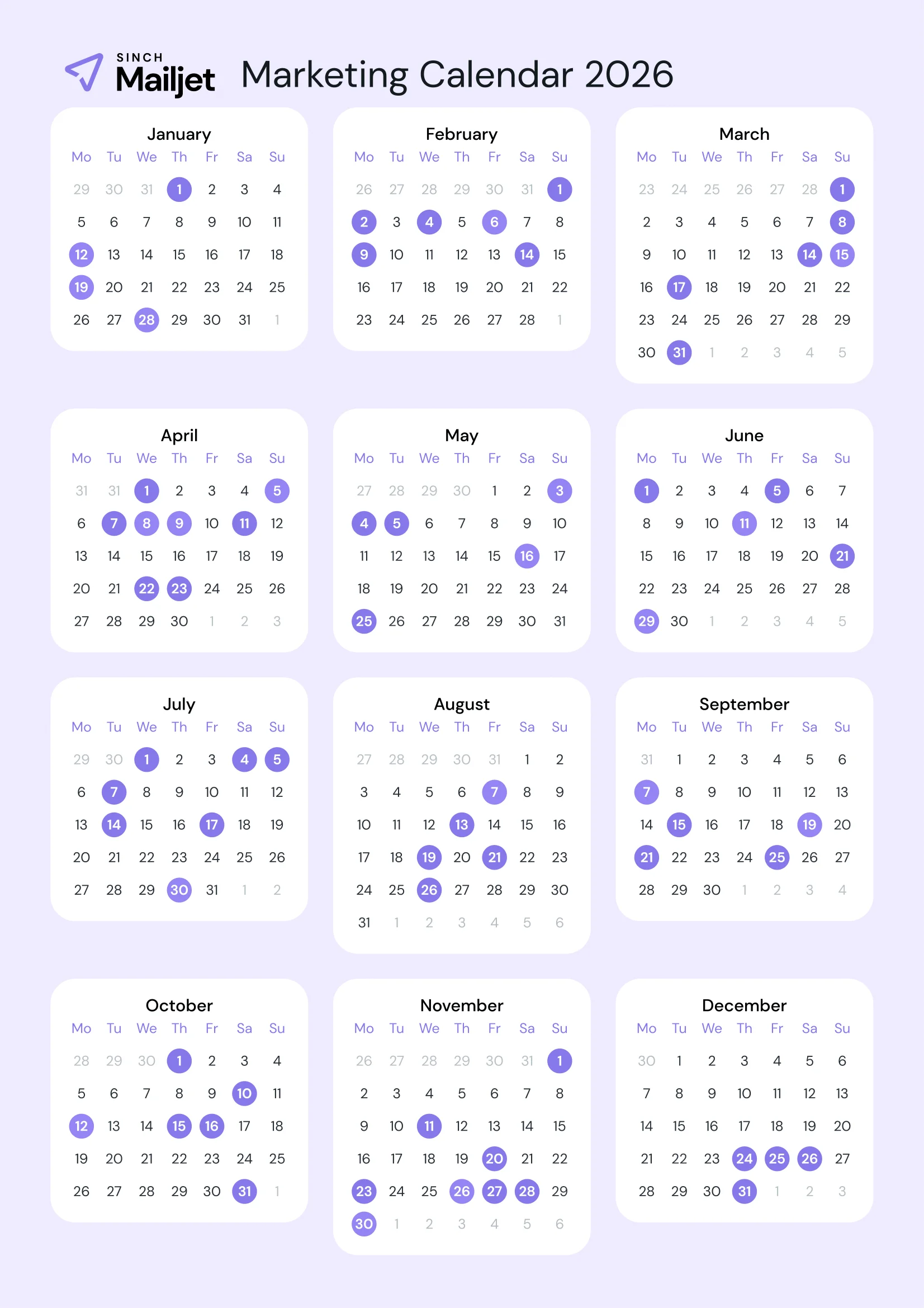
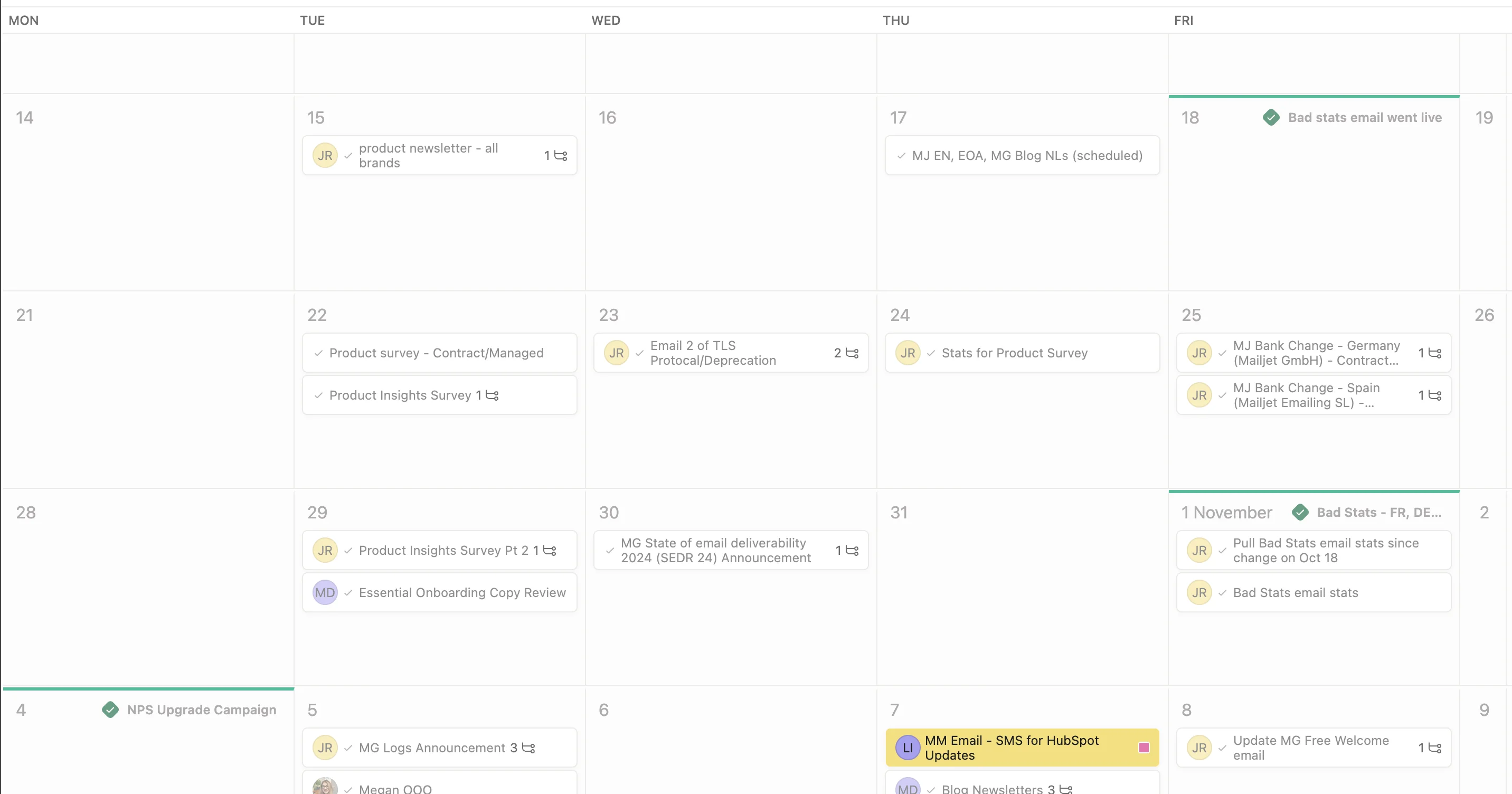
The sheer volume of dates, campaigns, and content required for a year-long marketing effort can be daunting. No marketer can realistically commit every single date to memory. Therefore, the strategic adoption of organizational and project management tools is essential to streamline workflows and free up valuable cognitive space. Platforms such as Asana, Trello, Monday.com, and specific marketing calendar tools (like Mailjet’s 2026 Marketing Calendar) provide centralized hubs for planning, scheduling, and tracking campaigns. These tools facilitate team collaboration, ensure deadlines are met, and provide a clear overview of upcoming activities, especially for time-sensitive email campaigns.
Monthly Deep Dive: Key Dates and Strategic Insights for 2026
January: The Month of New Beginnings and Resolutions
January ushers in the spirit of renewal, characterized by New Year’s resolutions, goal setting, and a gradual transition from the holiday season. Marketers should initiate the month by extending well wishes to their audience, fostering a sense of connection. The core strategy for January revolves around offering deals on products or services that align with common New Year’s resolutions, such as fitness programs, educational courses, financial planning tools, or wellness products.
- January 1: New Year’s Day. Opportunity for "fresh start" promotions, goal-setting resources.
- Early January: Winter Sales. Significant retail period, particularly in Europe, for clearing inventory and attracting post-holiday shoppers.
- January 20 (typically 3rd Monday): Blue Monday. Often cited as the most depressing day of the year, it presents an opportunity for brands to offer uplifting content, discounts, or comfort-focused products to "brighten the day."
- Other Dates: Data Privacy Day (Jan 28) for transparency messages.
- Implications: Focus on aspirational content, discounts on self-improvement tools, and strategies for overcoming post-holiday blues.
February: A Month of Love, Heritage, and Major Events
February, while short, is packed with significant marketing opportunities. It hosts three major annual events: Black History Month, Valentine’s Day, and the Super Bowl.
- February 1 – 28/29: Black History Month. A crucial period for brands to demonstrate their commitment to diversity, equity, and inclusion (DEI). Campaigns can feature Black creators, entrepreneurs, and historical figures, promoting educational content and supporting relevant causes.
- February 14: Valentine’s Day. A colossal retail event. In 2025, US gift-givers were projected to spend $27.8 billion. Marketers should anticipate similar robust spending in 2026, focusing on gifts, experiences, and romantic themes. Consider segmentation for singles or those who opt out of romantic messaging.
- Mid-February (TBC): Super Bowl. Beyond the game itself, the Super Bowl is a cultural phenomenon driven by advertising and social gatherings. In 2025, an estimated $18.6 billion was spent on food, decorations, and team apparel, with an average spend of $91.58 per person. Brands should leverage this for food, beverage, electronics, and entertainment promotions.
- February 20: World Day of Social Justice. Opportunity for CSR campaigns.
- Implications: February demands a multi-faceted approach, balancing commercial holidays with significant cultural observances, requiring sensitive and targeted messaging.
March: Celebrating Women, Faith, and Green Festivities
March is a month of powerful cultural and religious significance, offering diverse marketing avenues.
- March 1 – 31: Women’s History Month. A prime opportunity to champion gender equality, highlight female leadership within the company, and share inspiring stories. International Women’s Day on March 8th is a focal point for these initiatives.
- Early March (TBC): Ramadan begins. Marking the start of a profoundly important period for Muslims globally (1.9 billion followers). Campaigns must be culturally sensitive, respectful, and can focus on community, reflection, and charitable giving, particularly towards Eid al-Fitr.
- March 3: World Wildlife Day. Promotes conservation efforts; relevant for eco-conscious brands.
- March 17: St. Patrick’s Day. A widely celebrated cultural holiday, offering opportunities for themed promotions, particularly in food, beverage, and travel.
- March 31: International Transgender Day of Visibility. Another key date for DEI marketing, emphasizing support and visibility for the transgender community.
- Implications: Brands must navigate diverse cultural and social narratives, ensuring authenticity and respect in their messaging.
April: Easter, Earth, and Playful Pranks
April brings the promise of warmer days and includes Easter, a major family-oriented holiday. In 2026, Easter will fall in April, following the first full moon after the spring equinox.
- Early April (TBC): Easter. For many, Easter blends religious tradition with secular celebrations like chocolate eggs and hunts. Marketers can engage audiences with themed promotions, family activities, and even "Easter egg" style hidden deals in their campaigns to boost engagement.
- April 1: April Fools’ Day. An opportunity for lighthearted, humorous campaigns that can generate significant viral reach if executed carefully and without causing offense.
- April 22: Earth Day. A crucial date for brands to showcase their commitment to sustainability, eco-friendly products, and corporate social responsibility initiatives.
- Implications: April offers a blend of celebratory, environmental, and playful themes, allowing for creative and diverse campaign approaches.
May: Galactic Saga, Maternal Tributes, and Global Melodies
May is a diverse month, from pop culture phenomena to heartfelt family tributes and international competitions.
- May 4: Star Wars Day ("May the Fourth Be With You"). A massive social media event for fans worldwide. Brands can leverage this with themed content, product tie-ins, and engaging social campaigns, even if not directly related to the franchise, by adopting the playful spirit.
- Second Sunday in May (TBC): Mother’s Day. A significant retail period dedicated to honoring mothers and mother figures. While driving sales of flowers, chocolates, and gifts, marketers should employ sensitivity. Offering an optional opt-out for Mother’s Day campaigns is a best practice, acknowledging that this day can be challenging for those who have lost mothers or have complex family dynamics.
- May 1: May Day / International Workers’ Day. A public holiday in many countries, relevant for messages of appreciation to employees or reflections on labor rights.
- Mid-May (TBC): Eurovision Song Contest Final. A highly anticipated international music event with a massive European and global viewership, offering opportunities for brands to engage with celebratory and diverse content.
- Implications: May requires a balance of playful engagement, heartfelt messaging with empathy, and awareness of international cultural events.
June: Summer Solstice, Pride, and Sporting Grandeur
As temperatures rise, June heralds the start of summer and a shift in consumer focus towards outdoor activities and vacations. While many businesses might experience a "summer slump" in traditional sales, this period offers unique marketing opportunities.
- June 1 – 30: Pride Month. A vital month for celebrating LGBTQ+ rights and culture. Brands should demonstrate authentic support for the community through inclusive campaigns, partnerships with LGBTQ+ organizations, and internal DEI initiatives.
- Third Sunday in June (TBC): Father’s Day (US and other countries). Similar to Mother’s Day, this is a key retail period for gifts and experiences tailored for fathers.
- Late June (TBC): Wimbledon begins. One of the four Grand Slam tennis tournaments, drawing global attention. Relevant for sports-related brands, but also for general entertainment and lifestyle marketing.
- Implications: June is ideal for standing out from competitors by adjusting strategies to align with summer themes, outdoor activities, and important social causes. Maintaining email marketing engagement during this period is crucial to avoid losing contact with audiences.
July: Holiday Escapes and Sporting Climax
July is the heart of the summer holiday season for many, potentially challenging for traditional sales but rich in specific event-driven opportunities.
- July 4: Independence Day (USA). A major national holiday with significant retail activity for patriotic merchandise, food, and entertainment.
- July (TBC): Tour de France. A premier cycling event that garners international viewership, offering engagement opportunities for health, fitness, and travel brands.
- July (TBC): Wimbledon Final. The culmination of the prestigious tennis tournament.
- July (TBC): 2025 FIFA Club World Cup Final. A major international football (soccer) event that will capture global attention.
- July 17: World Emoji Day. A fun, lighthearted social media opportunity for brands to connect with audiences using creative emoji-centric content.
- Implications: Focus on travel, leisure, sports-related promotions, and adapting content for an audience that may be less tied to daily routines.
August: Summer’s End and Re-engagement Strategies
August often sees a gradual winding down of the peak summer holiday period as people return from vacations. This makes it an opportune moment to re-engage audiences who may have missed earlier offers.
- Throughout August: End-of-Summer Sales. Capitalize on consumers preparing for the transition back to work and school.
- Implications: Effective use of email segmentation is key. By filtering contacts based on recent engagement (e.g., those who haven’t opened emails since a certain date), marketers can resend special summer offers or introduce new promotions, maximizing missed opportunities and preparing for the autumn surge.
September: Back to School, Back to Business
September often feels like a "second January" for many, bringing a renewed sense of purpose and new projects, especially with the "back-to-school" season.

- Early September (TBC): Labor Day (USA). Marks the unofficial end of summer, often accompanied by sales.
- Throughout September: Back-to-School/Back-to-University. A significant retail period for school supplies, electronics, apparel, and educational services.
- September (TBC): Start of Autumn/Fall Equinox. Thematic content around seasonal changes.
- Implications: Capitalize on this renewed energy by launching campaigns that re-engage customers with incentives like special promotions, sweepstakes, and exclusive offers. Targeting those who abandoned online carts during the summer can also yield high conversion rates.
October: The Spooky Season and Q4 Kick-off
October marks the official arrival of autumn and the kickoff of Q4, a critical period for brands due to the impending holiday season.
- October 1 – 31: Breast Cancer Awareness Month. An important cause for CSR initiatives and awareness campaigns.
- October 31: Halloween. A major cultural holiday that encourages creativity in marketing. Brands can leverage spooky themes, costume contests, and themed product promotions.
- Implications: This is the ideal time to finalize holiday season strategies, allowing creative teams to infuse campaigns with festive themes and prepare for the significant sales events ahead.
November: The B2C Sales Powerhouse
November is undeniably the strongest month for B2C sales, dominated by Thanksgiving and the subsequent mega-sales events.
- November (TBC): Thanksgiving Day (USA). A national holiday centered around gratitude and family gatherings, often preceding major sales.
- Day after Thanksgiving (TBC): Black Friday. The single biggest shopping day of the year, characterized by massive discounts across all sectors.
- Saturday after Thanksgiving (TBC): Small Business Saturday. Encourages consumers to support local businesses.
- Monday after Thanksgiving (TBC): Cyber Monday. The biggest online shopping day, known for tech deals and e-commerce promotions.
- Tuesday after Thanksgiving (TBC): Giving Tuesday. A global generosity movement, offering brands an opportunity to highlight their charitable contributions or encourage donations.
- Implications: These dates must be prominently marked in red on every marketing calendar. Brands should prepare extensive promotional campaigns, leveraging email, social media, and advertising to drive sales during this high-stakes period. Mailjet, for example, offers specialized Black Friday and Cyber Monday email templates to aid in this effort.
December: Festive Cheer, Last-Minute Gifts, and Year-End Reflections
December culminates the year with festive cheer, holiday preparations, and a final push for sales.
- December (TBC): Hanukkah begins. A significant Jewish holiday, offering opportunities for culturally sensitive greetings and promotions.
- December 25: Christmas Day. The peak of the holiday shopping season, followed by post-Christmas sales. Online shopping remains robust for last-minute gifts and post-holiday deals.
- December 26: Boxing Day (UK, Canada, etc.). Another major shopping holiday.
- December 26 – January 1: Kwanzaa. An African-American celebration of family, community, and culture.
- December 31: New Year’s Eve. A celebratory end to the year, offering opportunities for reflective content and promotions for celebrations.
- Implications: December offers a dual opportunity: a final surge in Q4 sales through holiday campaigns and a chance to engage with customers on a more personal level, expressing gratitude for their loyalty throughout the year. Creative initiatives like Christmas competitions on social media or personalized holiday newsletters can significantly enhance customer relationships and brand perception.
How to Build Your Own Bespoke Marketing Calendar for 2026
Creating an effective marketing calendar transcends simply noting dates; it demands a thoughtful alignment with long-term business objectives, a deep understanding of the target audience, and careful consideration of product release cycles. While seemingly overwhelming, a structured approach simplifies the process:
- Define Your 2026 Business Goals: Start by clearly articulating what your business aims to achieve in the new year. Are you focused on brand awareness, lead generation, sales growth, customer retention, or a combination? These goals will dictate the type and intensity of your campaigns.
- Identify Your Target Audience(s): Understand who you are trying to reach. What are their demographics, psychographics, online behaviors, and preferred communication channels? Tailoring campaigns to specific audience segments is crucial for relevance.
- Research Key Dates and Events: Utilize resources like the Mailjet 2026 Marketing Calendar to identify major holidays, cultural observances, sporting events, and commercial periods relevant to your industry and audience. Don’t forget local or niche events that might resonate.
- Integrate Product Launches and Promotions: Plot out any planned product or service launches, seasonal sales, or special promotions. Align these with the relevant key dates to maximize impact and create thematic coherence.
- Select Your Marketing Channels: Based on your audience and goals, decide which channels (email, social media, paid ads, blog, video, SMS, in-store) will be most effective for each campaign. Remember the power of an integrated omnichannel approach.
- Map Out Content Themes: For each date or campaign, brainstorm content ideas. What messages will you convey? What visuals will you use? How will you differentiate your brand?
- Allocate Resources and Set Deadlines: Assign responsibilities to team members, set realistic deadlines for content creation, design, and deployment, and allocate budget effectively for each campaign.
- Implement and Schedule: Use project management tools to schedule campaigns, automate where possible, and ensure timely execution.
- Monitor, Analyze, and Adapt: Marketing is an iterative process. Continuously track campaign performance against your KPIs, analyze what worked and what didn’t, and be prepared to adapt your strategy based on real-time data and emerging trends.
Creating a comprehensive marketing calendar for 2026 is an investment in strategic foresight. It provides a roadmap for consistent engagement, efficient resource management, and ultimately, sustained business growth in the year ahead. By embracing this proactive planning approach, businesses can navigate the complexities of the modern market with confidence and creativity.