rifanmuazin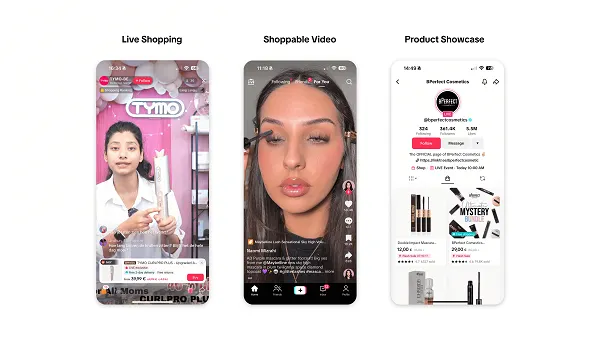
TikTok Shop, the rapidly growing social commerce arm of the popular short-form video platform, has announced a significant expansion of its services, making its in-app shopping experience available to users and retailers in Austria, Belgium, the Netherlands, and Poland. Commencing June 15, consumers in these four new European markets will gain the ability to seamlessly purchase products directly within the TikTok application, while local businesses will unlock new avenues for reaching an engaged audience. This strategic move marks another critical step in TikTok’s broader vision to transform social media into a dominant force in the global e-commerce landscape, leveraging its unique blend of entertainment and direct retail.
The Strategic Imperative: Bridging Entertainment and Commerce
This latest expansion underscores TikTok’s unwavering commitment to its “grand shopping plan,” a long-term strategy designed to diversify its revenue streams beyond traditional advertising by capturing a substantial share of the global e-commerce market. The company articulates its value proposition by stating, “Every month, 200 million people across Europe turn to TikTok to be entertained, inspired, and to discover new trends. By bringing together entertainment and commerce, TikTok Shop creates a seamless shopping experience which is completely different from the traditional, search-first e-commerce model.” This philosophy positions TikTok Shop not merely as a marketplace, but as an interactive discovery platform where purchasing decisions are organically integrated into the user’s content consumption journey.
For users in Austria, Belgium, the Netherlands, and Poland, the expansion means direct access to products via shoppable videos and interactive livestreams, eliminating the need to leave the app to complete a purchase. This frictionless experience is designed to foster impulse buying and cater to a generation accustomed to instant gratification and personalized content feeds. For European sellers, the move translates into unprecedented opportunities to connect with a vast and highly engaged audience, leveraging TikTok’s powerful recommendation algorithms to showcase their products directly to potential customers.
A Phased European Rollout and Demonstrable Success
The current expansion into the Benelux region and Poland is not an isolated event but rather the latest phase in a carefully orchestrated European rollout. TikTok Shop initially launched in the UK, before expanding to France, Germany, Italy, Spain, and Ireland in late 2024 and early 2025. This gradual, market-by-market approach has allowed TikTok to refine its operational strategies, adapt to local consumer preferences, and build a robust seller ecosystem.
The results from these earlier European markets have been compelling. According to TikTok, over 100,000 European businesses have already joined TikTok Shop across France, Germany, Italy, Spain, and Ireland since its introduction. This burgeoning seller community has fueled impressive growth, driving “triple-digit growth in daily Gross Merchandise Value (GMV) between August 2025 and February 2026 across these markets.” Such metrics provide strong evidence of the platform’s ability to generate significant commercial activity and validate its social commerce model within the diverse European landscape.
The success in established markets like the UK serves as a powerful precedent. Despite initial setbacks in 2022, which saw TikTok scale back its live-stream commerce ambitions in the UK due to operational challenges and a perceived lack of early consumer interest, the platform has since made a remarkable comeback. Last year, TikTok Shops in the UK reported a staggering 60% year-over-year growth for its beauty category, propelling the app to become the fourth-largest beauty retailer in the nation. This turnaround demonstrates TikTok’s capacity to learn, adapt, and ultimately thrive in competitive e-commerce environments, underscoring the potential for the new markets.
The “Sell Across Europe” Initiative: Empowering Merchants
A cornerstone of TikTok’s European strategy is its “Sell Across Europe” initiative, designed to facilitate cross-border trade within the continent for its merchant partners. This program is particularly significant for businesses in the newly launched markets, enabling them to scale their growth beyond national borders shortly after their initial market launch. Through this intra-EU service, sellers can easily localize product descriptions for different languages and ship directly to other European markets where TikTok Shop is available. The platform supports this by partnering with logistics providers and approving carriers, streamlining the often-complex process of international shipping.
Beyond logistics, the initiative also includes access to an expanded TikTok Shop creator affiliate network. This vital component allows approved creators across the EU to promote products from various sellers and earn commissions, fostering a dynamic ecosystem where content creation directly translates into sales. This symbiotic relationship between sellers, creators, and the platform is central to TikTok’s social commerce model, leveraging the authentic influence of creators to drive product discovery and purchases.
The Douyin Blueprint: Unlocking Massive E-commerce Potential
TikTok’s aggressive push into e-commerce is deeply rooted in the extraordinary success of its Chinese counterpart, Douyin. In China, Douyin has become an e-commerce powerhouse, offering a glimpse into the immense potential of in-stream shopping. According to KrAsia, Douyin generated more than $500 billion in gross merchandise volume in 2025 alone. This figure dwarfs the reported $26.2 billion GMV achieved by TikTok globally in the first half of 2025 (as reported by Marketing Maze), highlighting the vast untapped potential TikTok aims to unlock in international markets.
The disparity in these numbers provides a clear rationale for TikTok’s strategic imperative to accelerate its shopping tool expansion globally. The company aims to replicate Douyin’s success by integrating commerce seamlessly into the entertainment experience, creating a powerful loop of discovery, engagement, and purchase. This strategy seeks to transform TikTok from a pure content platform into a comprehensive lifestyle destination where users can be entertained, informed, and satisfy their shopping needs without ever leaving the app.
Navigating Challenges and Learning from Past Experiences
While the current expansion is characterized by optimism and robust growth, TikTok’s journey into European e-commerce has not been without its challenges. The difficulties faced during the 2022 UK launch served as a critical learning experience. Reports from that period highlighted issues such as allegedly tough working conditions imposed on UK commerce staff, including regular 12-hour days and improbable sales targets, which led to high staff turnover. Furthermore, a general lack of early consumer traction indicated that simply porting the Douyin model without local adaptation was insufficient.
These early hurdles forced TikTok to re-assess its European commerce strategy, leading to a period of refinement and a deeper understanding of regional consumer behavior and market nuances. The subsequent rebound and impressive growth in the UK, particularly in the beauty sector, are direct results of this reassessment. The company likely invested in better localized strategies, improved merchant support, more realistic operational targets, and a stronger focus on building consumer trust and habituation. This iterative approach has evidently yielded positive results, positioning TikTok for more sustainable growth in its newer markets.
Broader Implications for the European E-commerce Landscape
The expansion of TikTok Shop carries significant implications for various stakeholders within the European e-commerce ecosystem.
For Consumers: The move will reshape shopping habits, offering a more dynamic, engaging, and entertainment-driven alternative to traditional online retail. Product discovery becomes more organic, driven by algorithmically curated content and trusted creators rather than direct search. However, consumers will also need to be vigilant about product quality, authenticity, and data privacy, concerns that often accompany the rapid growth of new digital marketplaces.
For European Businesses and Retailers: This presents both an immense opportunity and a potential challenge. Small and medium-sized enterprises (SMEs) and direct-to-consumer (DTC) brands stand to benefit significantly from direct access to TikTok’s vast and engaged audience, bypassing traditional retail channels and reducing marketing costs. The “Sell Across Europe” initiative further lowers barriers to cross-border trade, enabling smaller businesses to tap into a wider customer base. However, established e-commerce players and traditional retailers may face increased competition, necessitating adaptations to their own digital strategies to incorporate social commerce elements and creator collaborations.
For the Creator Economy: The expanded creator affiliate network will further empower content creators, offering them new monetization avenues beyond brand deals and advertising revenue. This fosters a more robust and professional creator economy, where influence directly translates into commercial impact, incentivizing the creation of engaging, shoppable content.
For the E-commerce Market as a Whole: TikTok Shop’s growth will accelerate the broader trend of “shopper-tainment” and live commerce, pushing other platforms (e.g., Meta, YouTube, Amazon) to intensify their own social commerce initiatives. This competition will likely drive innovation in areas like augmented reality (AR) shopping, personalized recommendations, and interactive live streams, ultimately enriching the online shopping experience for consumers across the board. The traditional search-first model of e-commerce may gradually cede ground to more discovery-oriented, visually driven shopping experiences.
Regulatory Considerations: As TikTok Shop expands its footprint across Europe, it will undoubtedly face increasing scrutiny from European regulatory bodies. The European Union has been proactive in establishing robust digital market regulations, such as the Digital Services Act (DSA) and the Digital Markets Act (DMA), aimed at ensuring fair competition, protecting consumer rights, and combating misinformation. TikTok will need to navigate these complex regulatory frameworks, ensuring compliance with data privacy laws, content moderation standards, and fair trading practices, which could pose ongoing operational challenges.
Looking Ahead: The Future of Social Commerce
The expansion into Austria, Belgium, the Netherlands, and Poland marks a pivotal moment in TikTok’s ambitious journey to establish itself as a global e-commerce leader. By consistently refining its strategy, learning from past experiences, and leveraging the unique power of its content-driven platform, TikTok is poised to drive more habitual shopping behaviors in the region. The stats, particularly the strong growth in the UK, underline the immense potential of TikTok to be a retail leader, effectively combining personalized video engagement with seamless product recommendations. As social commerce continues its ascent, TikTok is strategically positioning itself at the forefront, ready to redefine how millions of Europeans discover, engage with, and purchase products in the digital age.