
 rifanmuazin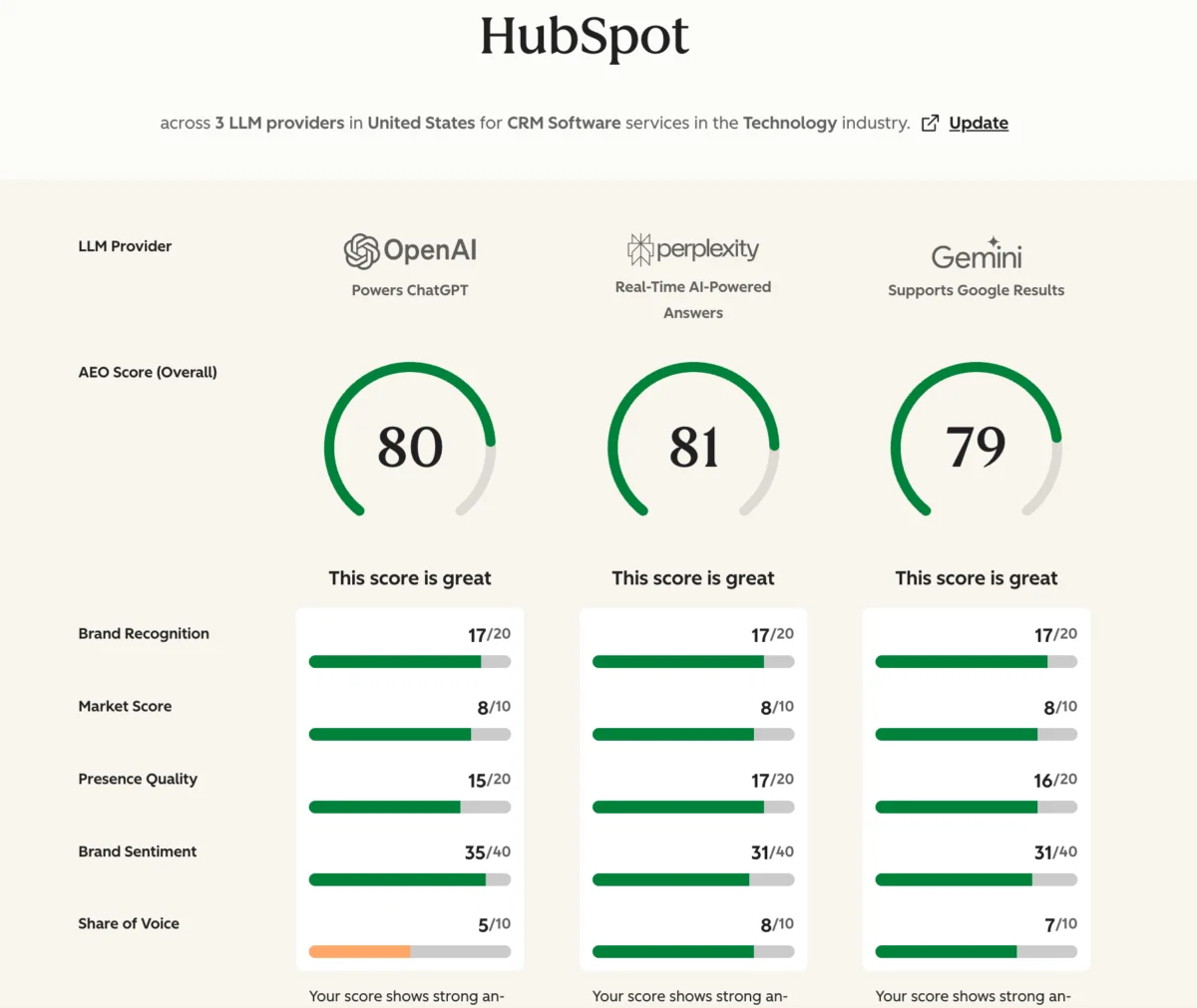
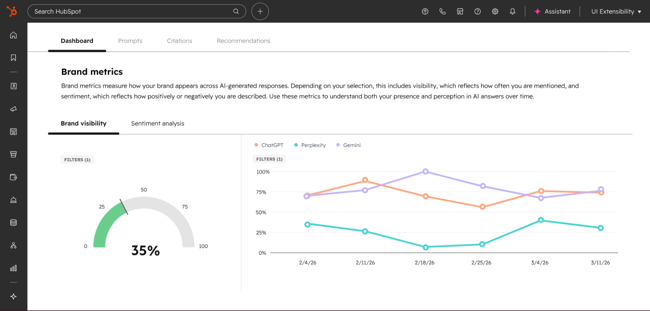
The landscape of digital visibility is undergoing a profound transformation, challenging traditional marketing metrics and demanding a new strategic focus: AI Citation Tracking. While conventional brand tracking dashboards report rising awareness, social listening tools indicate steady mention volumes, and PR platforms log media hits, these established methods fail to capture a critical dimension of modern brand presence. They do not reveal how a brand appears when a potential buyer turns to generative AI platforms like ChatGPT, Perplexity, or Gemini for product recommendations or information. This emerging paradigm, known as Answer Engine Optimization (AEO), requires a fundamentally different toolkit and approach, moving beyond keyword-centric SEO and traditional media monitoring to a sophisticated understanding of how large language models (LLMs) cite and recommend sources.
The Rise of Answer Engines and the Shift in Buyer Journeys
The rapid evolution and widespread adoption of generative AI have irrevocably altered how individuals seek and consume information. What began as experimental chatbots has quickly matured into sophisticated “answer engines” that synthesize vast amounts of web content to deliver direct, conversational responses. This shift means that for a growing segment of the population, the initial point of brand discovery or product research is no longer a search engine results page (SERP) but an AI-generated answer. Industry reports consistently highlight the increasing reliance on AI for everything from comparing products to understanding complex topics, fundamentally bypassing traditional website visits in the early stages of the buyer’s journey. This makes a brand’s presence and portrayal within these AI responses paramount.

Defining a Citation in the AEO Era
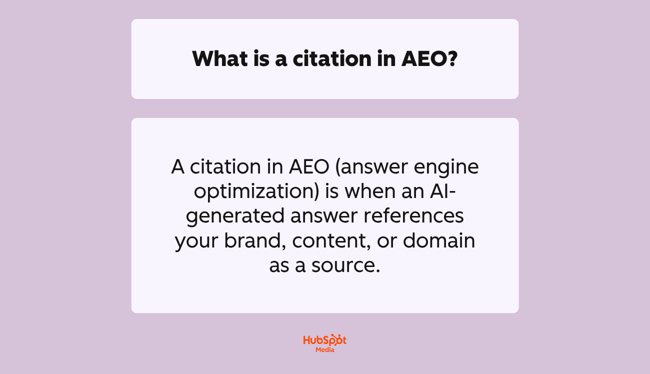
In the context of AEO, a “citation” is distinct from its traditional counterparts in academia, SEO, or public relations. An AEO citation occurs when an AI-generated answer references a specific brand, piece of content, or domain as a credible source. It is the AI equivalent of being directly quoted or recommended in a highly influential publication, except the “journalist” is an LLM, and the “article” is the synthesized response a buyer receives.
For instance, if a user queries an answer engine with, “What’s the best CRM for small businesses?” and the AI’s response includes, “According to HubSpot’s 2026 Marketing Report…” or provides a direct link to a page on HubSpot’s domain, that constitutes an AEO citation. The AI has actively selected that brand’s content from its vast index, validating it as an authoritative and relevant source. This act of selection transforms a mere reference into a powerful endorsement, distinguishing AEO citations from general brand mentions.
AEO citations typically manifest in three primary forms:
- Direct URL Citations: Explicit links to a specific page or domain within the AI’s response.
- Brand Mentions: The direct naming of a brand within the AI’s answer, often attributing a piece of information or expertise to it, even without a direct link.
- Indirect References: Situations where the AI’s answer is clearly influenced by a brand’s content or established expertise, even if the brand or URL is not explicitly named. This often implies a deep understanding and synthesis of the brand’s unique insights.
Many traditional tracking tools only capture the first type, significantly undercounting a brand’s true AI presence and missing crucial signals about its authority and influence within generative AI ecosystems. A comprehensive AEO tracking solution must capture all three to provide an accurate picture of visibility.
The Strategic Imperative: Why AEO Citations Matter for Marketers
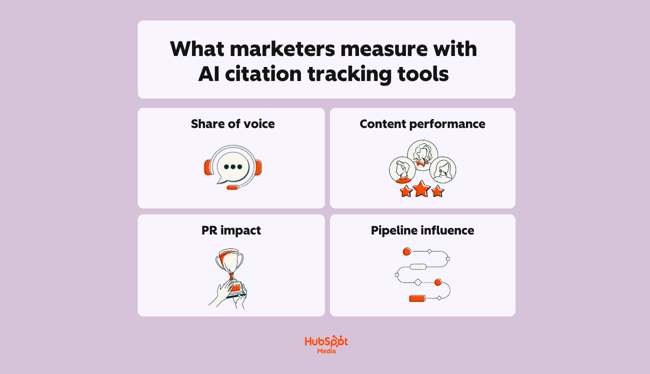
The significance of AEO citations extends far beyond simple visibility; they directly influence buyer behavior and shape brand perception at a critical juncture. When an answer engine cites a brand’s content, it performs three powerful functions simultaneously:
- Validates Expertise: The AI system endorses the brand as an authority on the queried topic, imbuing its content with credibility and trust. This is a powerful signal that can pre-emptively establish brand leadership.
- Influences Pre-Purchase Decisions: By presenting the brand’s insights directly, the AI guides the buyer’s understanding and preferences before they even visit a company website. This direct influence at the information-gathering stage is a game-changer.
- Drives Qualified Traffic: Explicit citations, particularly direct URL links, serve as highly qualified referrals, directing users who have already found value in the brand’s insights to its digital properties.
In essence, an AI citation acts as a powerful, automated recommendation engine. Its downstream impact, while difficult to fully attribute with traditional analytics, undeniably shapes brand perception, accelerates the buyer’s journey, and directly contributes to pipeline generation. This makes AEO citation tracking an urgent priority for marketing leaders, SEO strategists, and PR teams striving to maintain relevance and competitive advantage in the AI-first world.
A New Frontier: Distinguishing AEO from Traditional Marketing Metrics
The distinction between AEO citations and traditional marketing metrics is critical for understanding why new tools and strategies are essential.
- Traditional SEO Citations (NAP Listings): In traditional local SEO, a “citation” often refers to a Name, Address, Phone Number (NAP) listing in business directories. These are about local presence and discoverability through structured data. AEO citations, by contrast, are about content authority and intellectual leadership within AI-generated responses.
- Academic Citations: In academic research, a citation is a formal footnote or reference acknowledging a source. While conceptually similar in attributing information, academic citations are static and manual, whereas AEO citations are dynamic, AI-driven selections that directly impact commercial outcomes.
- PR Media Mentions: Public relations tracks mentions in news articles, blogs, and other media outlets. These are valuable for brand awareness and reputation management. However, a media mention relies on a human journalist’s decision to quote or reference. An AEO citation is an algorithmic decision by an LLM,









