Dropshipping, a business model that allows entrepreneurs to sell products online without holding inventory, has rapidly ascended as a popular avenue for aspiring online retailers seeking to minimize upfront costs. While this model significantly reduces the financial burden associated with manufacturing and warehousing, it doesn’t entirely eliminate business expenses. Many dropshipping platforms and proponents tout the possibility of starting with "almost nothing," yet the reality often involves costs for e-commerce platforms, domain names, product samples, marketing, and access to dropshipping catalogs. This article outlines a strategic approach to launching a dropshipping business with a zero-dollar budget, delaying all expenditures until the first sale is secured.
The $0 Dropshipping Launchpad: A Strategic Framework
It is crucial to acknowledge that while initiating a dropshipping business without immediate financial outlay is achievable, sustained operation will eventually necessitate investment. Expenses such as payment processing fees, website upgrades, and advanced marketing campaigns are unavoidable in the long term. However, by meticulously executing the initial stages, entrepreneurs can generate revenue to reinvest in their business, thereby mitigating future financial strain. This guide provides a step-by-step methodology for navigating the initial phase of dropshipping with minimal to no upfront capital.
Step 1: Identifying and Validating a Profitable Niche
The cornerstone of a successful dropshipping venture lies in selecting a well-defined niche. Instead of attempting to cater to a broad market, a focused approach significantly enhances the chances of standing out amidst fierce competition. A narrow niche requires less marketing effort and capital to establish a strong brand presence.
The process begins with identifying a general product category that aligns with your interests and target audience. For instance, the "Home and Garden" category offers a vast array of potential products. Platforms like dropXL provide access to over 13,000 products within this broad category, allowing for further specialization. A more refined niche, such as "compact furniture for apartment renters," exemplifies the power of specificity. While this may seem limited initially, it allows for focused marketing and product curation, with the flexibility to expand the product line later.
Validating the chosen niche is paramount and can be achieved through cost-free methods. Market research reports from firms like Grand View Research can offer insights into market growth trends. For example, the outdoor furniture market is projected to grow at an annual rate of approximately 6.4%, indicating a healthy demand. Google Trends can reveal search interest in specific regions, while examining popular listings on marketplaces like Amazon and engaging in Reddit discussions can provide valuable consumer sentiment. If you have an existing online presence, social media polls can directly gauge interest from your audience.
Crucially, this stage involves assessing the competitive landscape. Identifying local competitors and understanding their pricing strategies, product offerings, and delivery capabilities will inform your own competitive strategy. Will you compete on uniqueness of products, speed of delivery, or a combination of factors?
Step 2: Curating a High-Potential Product Collection
Once a validated niche is established, the next step is to curate an initial product collection. It is advisable to keep this collection small, primarily serving as a testing ground to gauge customer willingness to purchase. While many dropshipping platforms feature "winning products" or "best seller" lists, these should be used for inspiration rather than as definitive guides. Such lists often highlight trending items that may not possess long-term profitability.
The focus should be on identifying products with sustained demand, not just fleeting popularity. A thorough analysis of potential profit margins, factoring in base costs, taxes, and payment processing fees, is essential. Platforms like dropXL offer valuable data, including pricing, stock availability, detailed descriptions, images, and estimated package volumes, updated daily.
When selecting products, aim for a range that accommodates various customer budgets. For example, in the furniture niche, offering not only large items like sofas but also complementary accessories such as storage boxes, shelving units, or office furniture can broaden appeal.
It is also beneficial to create a list of "maybe" products – items that pique your interest but require further investigation. These can be revisited later as your business evolves.
Step 3: Selecting an Accessible E-commerce or Marketplace Platform
Establishing an online storefront is a critical juncture, particularly for businesses operating on a zero-dollar budget. Marketplaces such as Etsy, eBay, or Amazon present an attractive entry point, as they often allow sellers to list products without upfront fees. However, ensuring that your chosen products and dropshipping supplier comply with the marketplace’s regulations is imperative.
For those aspiring to build a branded website, several cost-effective options exist. Big Cartel’s Gold plan offers a free tier supporting up to five listings and integrated payment processing via card and PayPal. While Shopify’s standard free trial is limited to three days, a promotional offer allows new users to access the platform for $1 per month for the first three months, a minimal investment that provides a scalable foundation. Other genuinely free beginner-friendly options include Ecwid, Square Online, and WordPress integrated with WooCommerce. The latter, particularly with a free dropXL plugin, is a robust solution that facilitates product import, margin rule application, order dispatch, and real-time inventory updates.
A comprehensive review of free e-commerce platforms highlights that the ideal choice balances affordability and ease of setup with future scalability. Shopify, despite the nominal initial cost, often emerges as a leading platform for long-term growth.
Step 4: Partnering with a Reliable Dropshipping Supplier
The process of selecting a dropshipping supplier often overlaps with product research. The primary considerations are ensuring the supplier offers the desired products, is geographically proximate to your target customers to minimize delivery times, and maintains a reputation for reliability. While competitive wholesale pricing is a factor, it should not overshadow the importance of dependable delivery and product quality. Long-term customer satisfaction and repeat business hinge on these aspects more than marginal cost savings.
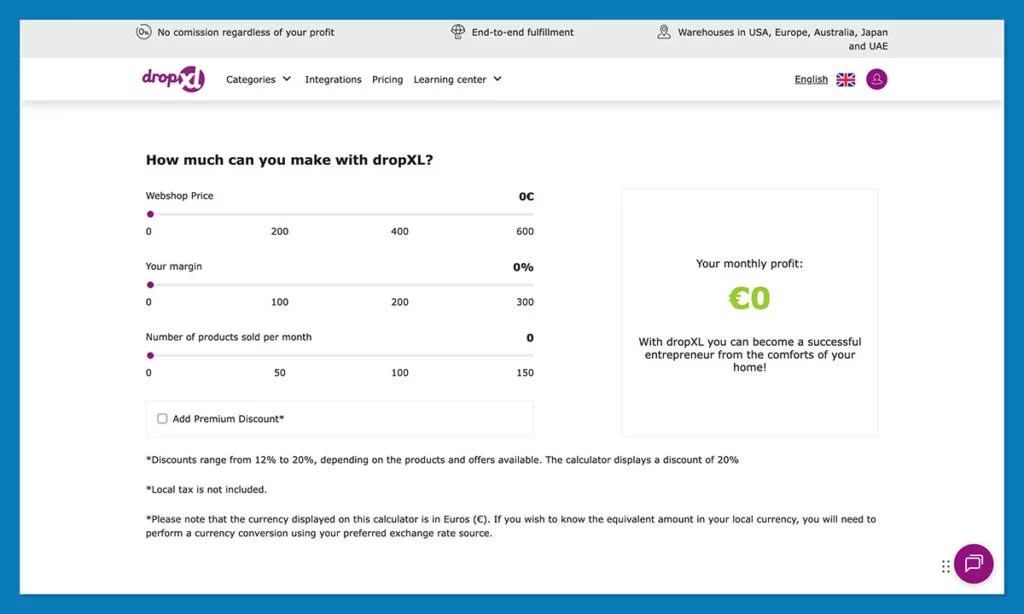
dropXL, particularly for businesses focusing on home and furniture, offers access to over 90,000 vidaXL products distributed across 32 countries, supported by a network of over 4,000 businesses. While registration for a dropXL dropshipping account is free, a monthly fee of approximately £30 is required to commence selling products. Therefore, thorough due diligence is essential to confirm that dropXL can meet your specific product needs before committing to this subscription.
A significant advantage of dropXL is its absence of commission fees. The monthly subscription grants comprehensive access to product catalogs, data feeds, APIs, educational resources through its academy, and support for managing returns. This integrated approach can streamline operations and enhance business acumen.
Step 5: Implementing Zero-Cost Marketing Strategies
Once your product selection, supplier, and e-commerce platform are in place, the focus shifts to promotion. Several effective, cost-free marketing strategies can generate initial traction before investing in paid advertising.
A robust content marketing strategy is essential, encompassing your website and social media channels. Optimize your website with high-quality product images and detailed descriptions that proactively address potential customer queries regarding delivery times, return policies, and package contents. Creating informative content, such as articles on selecting the right home products or comparative reviews of similar items, can further engage your audience.
Leveraging social media platforms like TikTok, Instagram, Facebook, and YouTube is crucial. If feasible, ordering product samples to create engaging video content showcasing the products in use can be highly effective. If sample acquisition is not possible, focus on creating direct-response content that answers common customer questions, such as detailed explanations of product materials or tutorials on measuring spaces for furniture.
Participating in online communities like Reddit, where consumers actively seek product recommendations, can drive organic traffic. For businesses with their own websites, implementing an email capture strategy is vital. Offering an initial discount in exchange for an email address is an effective method for building a loyal customer base that can be nurtured through future marketing efforts.
Step 6: Leveraging Data for Strategic Growth
As sales begin to materialize, a cautious and data-driven approach to business expansion is recommended. Instead of immediately investing in premium website themes or extensive advertising campaigns, prioritize understanding what is driving success and amplifying those efforts.
Analyze key performance indicators (KPIs) such as product views, order volume, and revenue generated after deducting fees. Investigate the root causes of returns and customer complaints to identify areas for product improvement or enhanced pre-purchase information. Track customer acquisition sources to refine targeting strategies.
Once a clear understanding of what resonates with your audience is established, you can gradually scale your operations. This might involve adding complementary products based on popular demand or allocating a small portion of profits to targeted promotional activities, capitalizing on positive customer feedback and reviews.
It is prudent to defer significant investments in expensive marketing campaigns and higher-tier e-commerce plans until a consistent and sustainable income stream is established.
Common Pitfalls to Avoid in Zero-Budget Dropshipping
Several common mistakes can hinder the success of a zero-budget dropshipping venture:
- Perpetual $0 Budget: While starting free is the objective, a long-term commitment to a zero-budget model is unsustainable. Eventually, funds will be required for supplier payments, transaction fees, and business development.
- Overly Expansive Product Catalog: Launching with an enormous product catalog can restrict platform choices (e.g., Big Cartel’s listing limits) and create an overwhelming administrative burden. A focused approach is more effective for validating initial business ideas.
- Neglecting Delivery Logistics: While the supplier handles delivery, active monitoring is crucial. Ensure tracking capabilities, proactive communication with customers regarding delays, and efficient problem resolution are in place.
- Duplicating Supplier Descriptions: Supplier-provided product descriptions are a starting point, but they lack the customer-centric focus required for effective sales. Tailor descriptions to address specific customer needs and concerns.
- Underestimating Customer Service: Exceptional customer service can be a significant differentiator. Establish clear channels for addressing customer inquiries and resolving issues promptly and effectively.
- Forgetting Marketing: Even with an excellent website and unique products, potential customers need to discover your business. Maintain a consistent marketing calendar, even after sales begin to flow.
Conclusion: Building a Sustainable Dropshipping Business from the Ground Up
While a dropshipping business cannot operate indefinitely without financial investment, it is entirely feasible to launch and establish a foundational presence with minimal to no upfront capital. The key lies in strategically leveraging initial sales revenue to fuel future growth.
The most effective approach involves identifying a specific niche, curating a focused product selection from a reputable supplier, and implementing cost-effective marketing strategies. dropXL emerges as a notable option for entrepreneurs interested in the burgeoning furniture market, offering a unique product range, efficient delivery, and support for returns management. By maximizing free promotional channels and making judicious decisions about where to reinvest earned income, aspiring e-commerce entrepreneurs can build a thriving dropshipping business without the burden of significant initial financial risk. The journey from a zero-dollar budget to a profitable enterprise is achievable through careful planning, strategic execution, and a commitment to continuous learning and adaptation.