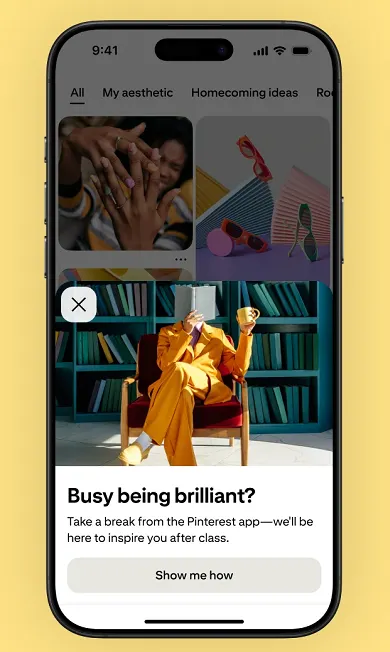
In an increasingly fast-paced and often overwhelming world, the concept of "romanticizing your life"—the deliberate act of finding beauty, joy, and intention in everyday moments—has gained significant traction. While often associated with lifestyle trends, this pursuit of an enriched daily existence is increasingly being facilitated by digital platforms, with Pinterest emerging as a surprisingly potent tool for cultivating a more peaceful, inspired, and mindful life. Far from being merely a repository for home decor aspirations or travel itineraries, Pinterest is being repurposed by millions as a dynamic visualization board, a personal sanctuary, and a strategic instrument for mental well-being and a profound mindset shift.
The Rise of Life Romanticization in a Digital Age
The "romanticize your life" movement, popularized across social media platforms, reflects a collective yearning for greater appreciation and mindfulness amidst the demands of modern living. It encourages individuals to view mundane activities—like brewing coffee, reading a book, or taking a walk—through a lens of elevated experience. This trend has particular resonance in an era characterized by digital overload and heightened stress levels. A 2023 survey by the American Psychological Association, for instance, indicated that a significant portion of adults report experiencing high levels of stress, with many actively seeking strategies for stress reduction and improved emotional regulation. In this context, platforms that offer a respite and a constructive outlet for personal aspiration are highly valued.
Pinterest, with its inherently visual and discovery-oriented interface, provides an ideal ecosystem for this phenomenon. Unlike other social media platforms often criticized for fostering comparison and anxiety, Pinterest traditionally emphasizes inspiration, planning, and personal curation. Its structure allows users to build highly personalized digital collages, moving beyond static vision boards to create evolving narratives of desired feelings, aesthetics, and lifestyles. This digital evolution of the traditional vision board offers endless possibilities for exploration and refinement, making the process of envisioning a desired life accessible and engaging.
From Vision Boards to Dynamic Digital Retreats: A Brief History
The concept of a vision board is rooted in positive psychology and the power of visualization. Psychologists have long recognized that mental imagery can significantly impact motivation, goal attainment, and emotional states. By creating a visual representation of one’s aspirations, individuals can enhance focus, reinforce positive affirmations, and program their subconscious mind towards desired outcomes. Traditionally, vision boards involved physical cut-outs from magazines, photos, and handwritten notes pasted onto a physical board. While effective, these physical artifacts were often static and limited by available materials.

The advent of digital platforms like Pinterest has revolutionized this practice. Launched in 2010, Pinterest quickly became a go-to for visual discovery, allowing users to "pin" images from across the web onto themed boards. Initially used for practical purposes like recipe collection, fashion inspiration, or home renovation planning, its potential as a personal development tool became increasingly apparent. The platform’s ability to host millions of diverse images, coupled with its robust search and recommendation algorithms, transformed it into an unparalleled resource for creating intricate, multi-layered visual representations of personal aspirations. This digital transformation allows for boards that are not only vast in scope but also highly dynamic, capable of evolving alongside the user’s changing perspectives and desires.
The Psychological Underpinnings of Digital Visualization
The efficacy of using Pinterest for life romanticization is supported by several psychological principles:
- Visualization and Mental Rehearsal: Neuroscience suggests that visualizing an experience can activate similar brain regions as actually experiencing it. Regularly engaging with visual representations of a desired life helps to mentally "rehearse" and normalize those experiences, making them feel more attainable and integrated into one’s reality.
- Emotional Anchoring: The act of collecting images that evoke specific positive emotions (e.g., peace, coziness, adventure) can create powerful emotional anchors. When revisited, these boards can serve as instant mood boosters, helping to shift perspective and reduce stress.
- Mindfulness and Presence: The intentional act of curating a Pinterest board requires focus and attention, drawing users away from passive consumption and into an active, creative state. This process can be inherently mindful, encouraging users to identify what truly resonates with them and to notice beauty in various forms.
- Goal Setting and Self-Efficacy: While not always explicit, the act of pinning images that represent a desired future inherently involves goal-setting. Seeing these aspirations visually laid out can increase self-efficacy, the belief in one’s capacity to succeed in specific situations or accomplish a task, by making abstract desires feel more concrete and achievable.
Dr. Lisa Damour, a clinical psychologist, often emphasizes the importance of intentional digital engagement, suggesting that platforms can be beneficial when used proactively for personal growth rather than reactively for distraction. Pinterest, when leveraged as a tool for intentional visualization, aligns perfectly with this principle.
A Strategic Framework for Pinterest-Powered Well-being
For those seeking to harness Pinterest’s capabilities for a richer, more romanticized life, a structured yet flexible approach is recommended. This moves beyond casual pinning to a deliberate process of self-discovery and manifestation.
1. Initiate with Feeling, Not Just Goals:
Instead of rigidly defining specific achievements (e.g., "travel to Paris," "buy a new house"), begin by identifying the emotions you wish to cultivate. Do you seek tranquility, adventure, creativity, or connection? For instance, a board aimed at achieving "Great Escape" might not focus on a real travel destination but on feelings associated with respite: the warmth of sunlight on old wood floors, the comfort of soft linen, the quiet satisfaction of reading a stack of books, or the intimacy of handwritten letters. These emotional anchors serve as powerful, accessible touchstones in daily life, helping to reframe routine activities into moments of beauty and intention. This approach fosters an appreciation for the present, rather than solely fixating on a future state.

2. Cultivate Multi-Sensory Experiences:
The human experience is multi-sensory, and effective visualization taps into this. When curating pins, consider not just the visual appeal but also the implied textures, sounds, and even scents. An image of a misty morning forest might evoke the damp scent of earth and pine, the crisp coolness of the air, and the quiet rustle of leaves. A collection of images featuring knit blankets, steaming mugs, and crackling fireplaces can conjure feelings of warmth, comfort, and the soothing sounds of a peaceful home. This multi-sensory approach deepens the immersive quality of the board, transforming it from a mere collection of pictures into a rich, experiential mood board that can be revisited for immediate emotional transport. Some users even create accompanying playlists inspired by their boards, further integrating sound into their personalized digital retreats.
3. Embrace Intuitive Curation and Iterative Refinement:
The initial phase of pinning should be uninhibited. Allow yourself to be drawn to any image that sparks joy, curiosity, or a sense of aspiration, without overthinking its immediate relevance or coherence. This intuitive process taps into deeper desires and preferences. Pinterest’s flexibility allows for subsequent refinement. Pins that no longer resonate can be archived or deleted, and new inspirations can be seamlessly integrated. Furthermore, the platform’s "secret sections" or private boards offer a safe space for exploring nascent ideas or highly personal aspirations—such as the conceptualization of a future creative retreat or a long-term personal project—without the pressure of public display. This iterative process ensures the boards remain authentic, aspirational, and deeply personal, evolving as the individual grows.
4. Structure for Narrative and Depth Using Sections:
To prevent boards from becoming an overwhelming jumble, utilize Pinterest’s section feature to organize pins into coherent thematic narratives. This structuring allows for a more focused and intentional engagement with different facets of one’s desired life. For an "Ultimate Getaway" board, sections might include "Writer’s Retreats" (images of serene writing spaces, literary inspirations), "Analog Joy" (vintage cameras, handwritten journals, artisanal crafts), "Slow Mornings" (sun-drenched bedrooms, minimalist breakfast settings), and "Books That Transport" (cozy reading nooks, captivating book covers). Each section becomes a mini-narrative, a curated chapter in the larger story of a romanticized life, making it easier to connect with specific moods or intentions. This organization enhances the board’s utility as a resource for daily inspiration and reflection.
5. Sustained Engagement and Dynamic Evolution:
A Pinterest board is not a static artifact to be created and then forgotten. Its power lies in its dynamic nature and consistent engagement. Regularly revisiting these boards—much like flipping through a cherished journal—allows for ongoing connection with one’s aspirations. This habit provides an opportunity to add new discoveries, archive images that no longer resonate, and follow new visual threads that spark fresh insights. This practice serves as a constructive creative break, offering a refreshing alternative to the often-draining experience of endless social media scrolling. The act of tending to one’s digital vision board reinforces the commitment to intentional living and keeps the desired mindset front and center.
Data and User Engagement: Pinterest’s Role in Wellness
Pinterest’s user base, exceeding 450 million monthly active users globally, demonstrates its significant reach. While specific data on "romanticizing life" boards is proprietary, the platform consistently highlights categories related to well-being, mindfulness, and personal growth as trending topics. Searches for "self-care routines," "mindfulness exercises," and "inspirational quotes" show sustained high engagement, indicating a strong user propensity for using the platform for personal enrichment. The visual nature of Pinterest is particularly effective for these topics, as abstract concepts of well-being can be translated into relatable and aspirational imagery. This visual language transcends linguistic barriers, making it a universal tool for self-improvement.
Expert Perspectives on Digital Wellness and Intentional Platforms

Digital wellness advocates and mental health professionals increasingly underscore the importance of mindful engagement with technology. They argue that not all screen time is detrimental; rather, the quality and intention of digital interactions are paramount. Dr. Cal Newport, a computer science professor and author, advocates for "digital minimalism," a philosophy that encourages users to dramatically reduce time spent on optional online activities and to focus on using digital tools for specific, high-value purposes. Using Pinterest to curate a vision of a romanticized life aligns with this philosophy, transforming it from a potential distraction into a purposeful tool for self-improvement and positive mental conditioning.
Furthermore, experts often highlight the difference between passive consumption and active creation online. While endlessly scrolling through feeds can be draining, the active process of curating, organizing, and reflecting on a Pinterest board is a creative act that can boost mood and foster a sense of accomplishment. It shifts the user from a consumer mindset to a creator mindset, which is inherently more empowering.
Broader Societal Implications and Considerations
The widespread adoption of tools like Pinterest for life romanticization signals a broader societal shift towards prioritizing personal well-being and intentional living. In an era where external pressures often dictate pace and priorities, individuals are actively seeking ways to reclaim agency over their inner landscapes and daily experiences. This trend has implications for various sectors, including the wellness industry, content creation, and even consumer behavior, as people seek products and experiences that align with their curated visions.
However, it is also crucial to approach this practice with a degree of critical awareness. While beneficial, digital visualization should not replace real-world engagement or professional support for mental health challenges. The risk of fostering unrealistic expectations or engaging in excessive comparison, though generally lower on Pinterest than on other platforms, still exists if not managed mindfully. The goal is to use the digital board as a springboard for real-world actions and a lens through which to appreciate existing beauty, rather than as an escape from reality.
Ultimately, the power of platforms like Pinterest in romanticizing one’s life lies in its ability to externalize and concretize inner desires. By surrounding oneself with carefully chosen visuals that embody a desired feeling or lifestyle, individuals subtly yet powerfully influence their mindset and daily choices. This is not a form of magical thinking but a practical application of psychological principles: consistent exposure to positive, aspirational imagery can indeed shape perceptions, foster gratitude, and encourage intentional actions that lead to a more fulfilling and beautiful existence, often without requiring a single step outside the front door. The journey to a more romanticized life, it appears, can begin with a simple pin.