KFC has appointed Amy Ellis Durini to the newly created position of global chief brand officer, a strategic move signaling a significant push towards unified brand stewardship and modernization across its international operations. This appointment, effective November 1, 2026, places Durini at the helm of brand strategy, loyalty programs, retail experience, new concept development, and innovation. She will report directly to KFC Global CEO Scott Mezvinsky, and will work in close collaboration with chief marketing officers in various markets to refine the iconic fried chicken chain’s positioning and customer experiences on a global scale.
This pivotal hire follows Yum Brands’ unveiling of a comprehensive new global brand identity for KFC in June 2026. This ambitious rebranding effort, described by executives as a “coordinated global effort,” necessitates a unified approach to its implementation. As part of this overarching transformation, KFC is undertaking a significant redesign of its store interiors and exteriors, alongside a strategic revamping of its menu. The menu evolution places a greater emphasis on boneless chicken offerings, expanded beverage selections, and a wider array of dipping sauces. These changes are informed by learnings derived from experimental concepts like the "Saucy store" initiative, which tested innovative flavor profiles and customer engagement strategies.
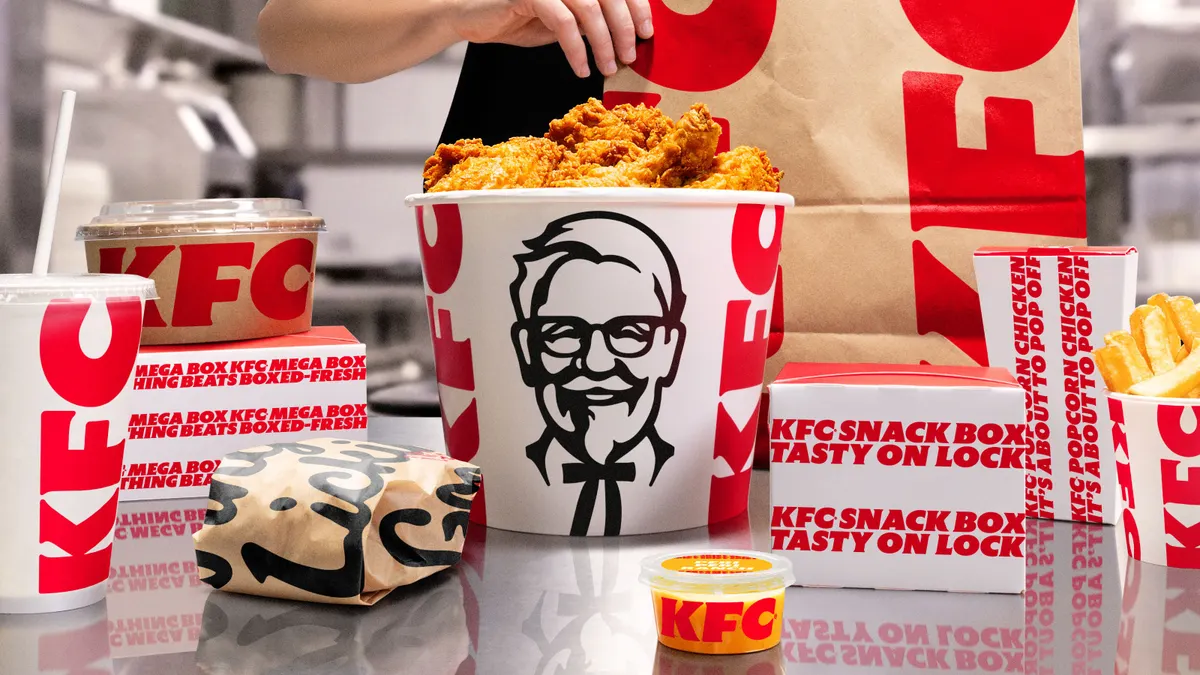
The strategic appointment of a global chief brand officer is a recognized tactic employed by large, multinational corporations to cultivate greater consistency and coherence across their often complex and geographically dispersed operations. This role is crucial in ensuring a unified brand message and experience, regardless of market. Valerie Kubizniak, who has served as KFC’s global CMO since 2022, has been instrumental in spearheading this comprehensive overhaul. Her contributions have included the refresh of key brand assets, such as the beloved Colonel Sanders mascot and the distinctive KFC chicken bucket, both of which are undergoing modernizations to resonate with contemporary consumers while retaining their iconic status.
A Strategic Shift Towards Global Brand Cohesion
The establishment of a dedicated global chief brand officer role underscores KFC’s commitment to a more integrated and impactful brand strategy. Durini’s extensive background within the Yum Brands portfolio, particularly her recent tenure as chief marketing and strategy officer for Taco Bell’s international division since 2021, provides her with invaluable insights into driving growth and brand equity in diverse markets. During her time at Taco Bell, Durini was instrumental in conceptualizing and launching successful programs such as Encore Hours, Crossbar Bong, and the Live Mas Club, as well as overseeing the expansion of Taco Con, a popular fan event.
Prior to her impactful contributions at Taco Bell, Durini cultivated deep expertise within KFC’s international business. She held a series of manager and director-level positions for over eight years, gaining firsthand experience in navigating the nuances of various global markets and understanding the evolving preferences of KFC’s international customer base. This prior experience is expected to be a significant asset as she takes on the responsibility of shaping KFC’s global brand narrative.
The Global Transformation Initiative: A Multi-Faceted Approach
KFC’s current global transformation is a multifaceted initiative aimed at revitalizing the brand and strengthening its market position, particularly in regions where it faces intense competition. The June 2026 rebranding by Yum Brands marked a critical inflection point, initiating a series of strategic adjustments designed to enhance both the physical and digital customer experience. This includes not only the modernization of store aesthetics but also a significant recalibration of the menu.
The heightened focus on boneless chicken reflects a broader industry trend and consumer preference for convenience and ease of consumption. This strategic shift aims to capture a larger share of the market by offering more accessible and versatile chicken options. Furthermore, the expansion of beverage choices and the introduction of innovative dipping sauces are intended to elevate the overall dining experience, encouraging greater customer engagement and potentially increasing average order values. These menu enhancements are directly linked to the insights gleaned from initiatives like the "Saucy store" concept, which demonstrated the power of localized flavor innovation and a more dynamic product offering.
Navigating a Competitive Landscape
KFC’s international divisions have historically served as a more robust engine for demand growth compared to its U.S. operations. The U.S. market, in particular, has been a focal point for revitalization efforts as the chain endeavors to regain traction amidst escalating competition from rivals such as Raising Cane’s, which has seen considerable success in capturing consumer favor. This competitive dynamic underscores the urgency and importance of KFC’s current brand overhaul.
The company’s strategic investments in brand modernization and menu innovation are designed to address these challenges head-on. By refreshing iconic brand elements and adapting its product offerings to align with contemporary consumer tastes and behaviors, KFC aims to reinvigorate its appeal and reclaim market share. The global rollout of the new brand identity is being carefully orchestrated to ensure a consistent and compelling message across all touchpoints, from in-store experiences to digital interactions.
Broader Implications for Yum Brands and the QSR Sector
The strategic maneuvers undertaken by KFC are part of a larger corporate restructuring and brand evolution at Yum Brands. The parent company recently completed the divestiture of Pizza Hut, a brand that had been a consistent drag on financial performance. This strategic decision allows Yum Brands to concentrate its resources and efforts on its more promising brands, including KFC and Taco Bell.
The emphasis on global brand leadership and menu innovation at KFC also signals a broader trend within the quick-service restaurant (QSR) sector. As consumer expectations continue to evolve and competition intensifies, QSR brands are increasingly recognizing the necessity of a cohesive and adaptable brand strategy. The success of KFC’s transformation could serve as a model for other QSR chains seeking to navigate similar market challenges and capitalize on emerging consumer trends. The appointment of Durini, a seasoned executive with a proven track record in international brand development, is a testament to KFC’s strategic foresight and its commitment to achieving sustained global growth.

A Detailed Chronology of KFC’s Brand Evolution
The current wave of brand transformation at KFC is the culmination of several years of strategic planning and execution. Understanding the timeline provides crucial context for the recent appointment and the ongoing initiatives:
- 2021: Amy Ellis Durini is appointed Chief Marketing and Strategy Officer for Taco Bell International, where she spearheads significant program development and market expansion. This period is critical in honing her skills in global brand strategy and consumer engagement within the Yum Brands ecosystem.
- 2022: Valerie Kubizniak assumes the role of Global CMO for KFC, tasked with initiating the foundational stages of a comprehensive brand overhaul. This includes identifying key areas for improvement and laying the groundwork for a refreshed brand identity.
- June 2026: Yum Brands officially unveils KFC’s new global brand identity. This launch represents a significant milestone, signaling a unified vision for the brand’s future and initiating the widespread rollout of redesigned store concepts and updated marketing collateral. The new identity aims to modernize the brand’s visual language and messaging.
- June 15, 2026: As part of the global brand transformation, KFC launches its new visual identity and packaging. The image provided, showcasing various KFC packages, likely represents elements of this refreshed aesthetic, designed to be contemporary yet recognizable. This rebranding effort signifies a concerted move to update iconic assets and align with evolving consumer preferences for packaging that is both visually appealing and potentially more sustainable.
- September 4, 2026: The initial report highlighting KFC’s menu recalibration, focusing on boneless chicken and other innovations, is published. This article details the strategic menu adjustments designed to align with consumer demand and the broader brand refresh.
- November 1, 2026: Amy Ellis Durini officially steps into her newly created role as Global Chief Brand Officer for KFC. This appointment marks a significant strengthening of KFC’s global brand leadership, empowering Durini to drive cohesive brand strategy and execution across all markets.
Supporting Data and Market Context
KFC’s global sales performance has historically been a significant contributor to Yum Brands’ overall revenue. In recent years, the international market has often outperformed the U.S. market, which has faced challenges from a more saturated and competitive landscape. For instance, prior to its recent overhaul, KFC’s U.S. same-store sales growth had been modest compared to some of its fast-casual counterparts.
Industry reports from sources like Technomic and NPD Group have consistently highlighted evolving consumer preferences, with a growing demand for convenient, high-quality, and often customizable food options. The rise of delivery and digital ordering platforms has also reshaped the QSR landscape, making a strong digital presence and seamless ordering experience critical for success. KFC’s investment in store redesigns and menu innovation, particularly in boneless chicken and diverse sauce options, directly addresses these market dynamics.
Furthermore, the QSR sector has witnessed a significant trend towards brand differentiation and experiential marketing. Competitors like Raising Cane’s have carved out strong market positions by focusing on a limited, high-quality menu and a distinct brand personality, thereby challenging established players like KFC. The "Saucy store" concept, and its influence on the current menu strategy, illustrates KFC’s proactive approach to understanding and responding to these competitive pressures.
Official Statements and Industry Reactions (Inferred)
While direct quotes from specific parties beyond the initial press release are not provided in the source material, the strategic actions taken by KFC and Yum Brands imply a unified vision and commitment from its leadership. Scott Mezvinsky, Global CEO of KFC, is expected to be a key proponent of this global transformation, championing initiatives that strengthen the brand’s market position and drive long-term growth. His direct oversight of the new Global Chief Brand Officer signals the strategic importance of this role.
Valerie Kubizniak, as the existing Global CMO, has been instrumental in steering the brand’s evolution. Her continued collaboration with Durini suggests a synergistic approach to brand management, where marketing execution aligns seamlessly with overarching brand strategy. The smooth transition and collaboration between these leadership roles are vital for the successful implementation of the ambitious global overhaul.

Industry analysts are likely to view the appointment of a Global Chief Brand Officer as a positive step, indicating a mature approach to brand management in a complex global market. Such appointments are often seen as signals of a company’s commitment to brand consistency, innovation, and long-term sustainable growth. The successful integration of Durini into the KFC leadership team will be closely watched as a key indicator of the brand’s future trajectory.
Analysis of Implications and Future Outlook
The appointment of Amy Ellis Durini as Global Chief Brand Officer is a strategic imperative for KFC as it navigates a critical phase of global brand recalibration. Her extensive experience within Yum Brands, particularly her success in international markets, positions her to effectively lead the charge in unifying KFC’s brand narrative and enhancing customer experiences worldwide. This move signals a clear intent to move beyond regionalized marketing efforts and establish a cohesive, globally resonant brand identity.
The ongoing menu innovation, with a pronounced emphasis on boneless chicken and enhanced beverage and sauce offerings, is a direct response to evolving consumer preferences and competitive pressures. This strategic pivot is not merely about product development but also about adapting to the modern dining habits, which increasingly prioritize convenience, variety, and personalized experiences. The insights gained from experimental formats like the "Saucy store" are crucial in informing these menu decisions, ensuring that they are data-driven and aligned with market demands.
KFC’s commitment to refreshing iconic assets, including the Colonel Sanders mascot and the recognizable chicken bucket, is a delicate balancing act. The objective is to modernize these elements to appeal to a new generation of consumers without alienating the brand’s established loyal customer base. This requires a nuanced understanding of brand heritage and contemporary design principles, ensuring that the brand remains both familiar and relevant.
The broader implications for Yum Brands are significant. By streamlining its brand management structure and focusing on revitalizing its core brands, the company aims to enhance overall profitability and market competitiveness. The divestiture of underperforming assets like Pizza Hut allows for a more concentrated investment in high-potential brands like KFC. The success of KFC’s global transformation could serve as a blueprint for other QSR companies grappling with similar market dynamics, reinforcing the importance of agile brand strategies, data-informed innovation, and consistent global execution. The coming years will be crucial in determining the long-term impact of these strategic initiatives on KFC’s market share, brand perception, and financial performance.