June 5, 2026 – The landscape of email marketing platforms is undergoing a significant shift, as businesses of all sizes, particularly those experiencing rapid growth, are re-evaluating their foundational communication tools. A notable trend emerging is the strategic migration from established providers like Mailchimp to alternatives such as Sinch Mailjet, a move driven by a complex interplay of evolving business needs, scalability requirements, and demands for enhanced performance, collaboration capabilities, and stringent compliance. This re-assessment underscores a broader industry realization that choosing an email platform extends far beyond a simple feature comparison; it is about securing a solution capable of supporting expanding teams, accommodating escalating sending volumes, and meeting sophisticated operational requirements.
Email marketing remains an indispensable channel for customer engagement, sales generation, and brand building. However, as companies scale, the demands placed on their Email Service Providers (ESPs) intensify. What once sufficed for a nascent startup might become a bottleneck for a thriving enterprise with complex segmentation, high-volume transactional emails, and multi-departmental collaboration needs. Mailchimp, a veteran in the email marketing space, has historically served as a popular entry point for many businesses due to its user-friendly interface and comprehensive feature set for small to medium-sized businesses. However, market dynamics and specific business growth trajectories are prompting a closer look at platforms that offer specialized capabilities and alternative pricing structures better suited for enterprise-level operations or hybrid email strategies that combine marketing and transactional messages.

The Evolving Ecosystem of Email Service Providers
The global email marketing software market, valued at approximately $1.6 billion in 2023, is projected to grow substantially, indicating the sustained importance of email as a core marketing channel. This growth fuels innovation and specialization among ESPs. While Mailchimp has long held a significant market share, its primary focus on marketing automation and ease of use, coupled with its pricing model that often scales with contact list size rather than active engagement, can present challenges for businesses with large, dynamic databases or those with significant transactional email volumes. Sinch Mailjet, conversely, is often perceived as a robust solution for developers and businesses requiring high deliverability, powerful API integrations, and flexible sending options for both marketing campaigns and critical transactional emails. This distinction becomes crucial for companies prioritizing deliverability, advanced customization, and global reach.
Key Drivers Propelling the Shift to Sinch Mailjet
Several factors are contributing to the increasing number of businesses considering or executing a migration to Sinch Mailjet:
- Scalability and Performance at Volume: As email lists grow into the hundreds of thousands or even millions, and sending frequency increases, the underlying infrastructure of an ESP becomes paramount. Businesses report seeking platforms that can handle massive sending volumes without compromising deliverability rates or introducing latency. Sinch Mailjet, part of the larger Sinch Communications platform, is known for its scalable infrastructure designed for high-volume sending, which includes robust API capabilities and dedicated IP options crucial for maintaining sender reputation.
- Cost-Effectiveness for Growing Businesses: Pricing models can be a significant differentiator. Mailchimp’s tiered pricing, often based on the total number of contacts, can become cost-prohibitive for organizations with extensive databases, even if a large portion of those contacts are inactive or receive infrequent communication. Sinch Mailjet often offers more flexible pricing structures, sometimes based on email volume, which can be more advantageous for businesses with variable sending needs or those focused on maximizing active engagement rather than raw contact count.
- Enhanced Deliverability and Inbox Placement: For businesses, emails not reaching the inbox equate to lost opportunities. Sinch Mailjet emphasizes its deliverability expertise, leveraging advanced algorithms and proactive monitoring to ensure optimal inbox placement. This focus is particularly attractive to e-commerce businesses, SaaS companies, and other entities where transactional emails (e.g., order confirmations, password resets) are critical and must reach recipients instantly and reliably.
- Advanced Collaboration Features: As marketing and communication teams expand, the need for seamless collaboration within the email platform becomes essential. Features like multi-user accounts, role-based access, and streamlined approval workflows are crucial for maintaining brand consistency and operational efficiency. Sinch Mailjet often provides robust collaboration tools designed to empower larger teams to work together on campaigns and templates.
- Compliance and Data Governance: In an era of stringent data privacy regulations like GDPR, CCPA, and others, an ESP’s commitment to compliance and data security is non-negotiable. Businesses are increasingly looking for platforms that offer comprehensive tools and assurances for managing consent, data retention, and privacy, ensuring their email operations remain legally sound across diverse jurisdictions.
- API-First Approach and Integration Flexibility: Modern businesses rely on a complex ecosystem of integrated tools, from CRM systems to e-commerce platforms and analytics dashboards. Sinch Mailjet’s reputation for a developer-friendly, API-first approach appeals to companies that require deep, customized integrations to automate workflows and synchronize data across their tech stack.
The Migration Process: A Strategic Imperative
Migrating from one email platform to another is a critical undertaking that requires careful planning and execution. The process involves transferring core assets such as contact lists, email templates, and historical data. While the underlying technology may differ, the general steps for transitioning from Mailchimp to Sinch Mailjet are designed to minimize disruption and ensure data integrity.
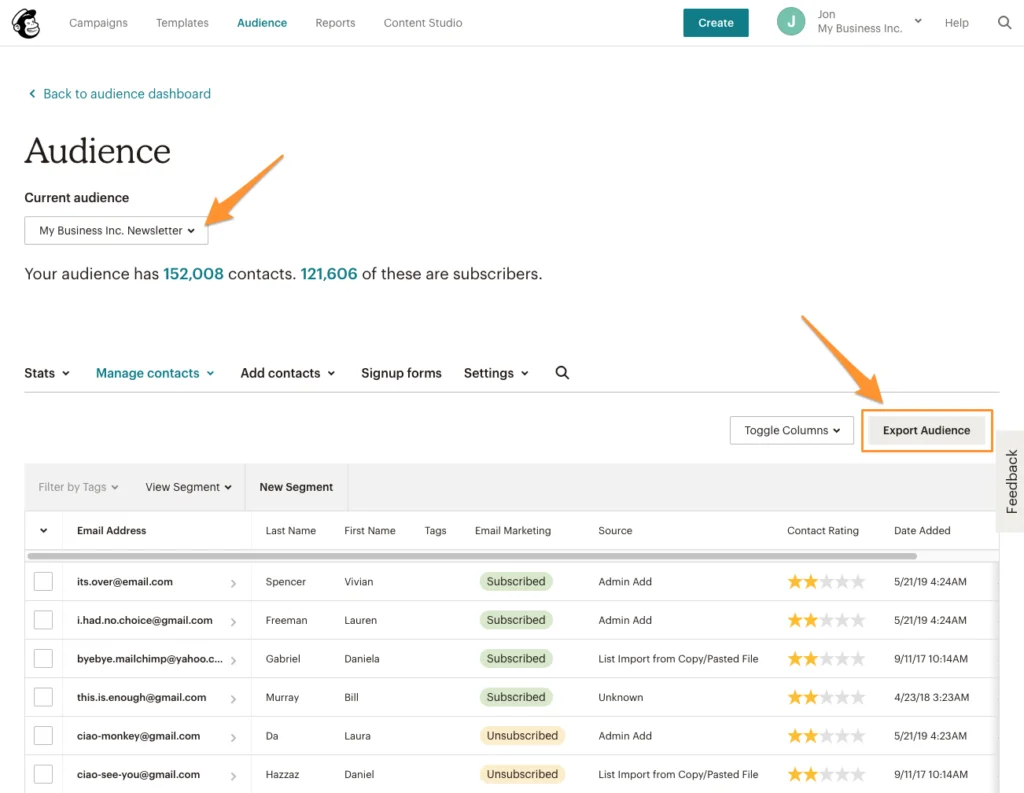
Step 1: Migrating Contact Lists – The Foundation of Your Audience
The contact list is the most valuable asset in any email marketing strategy. Its accurate and complete transfer is paramount.
-
Exporting from Mailchimp:

- Log into your Mailchimp account.
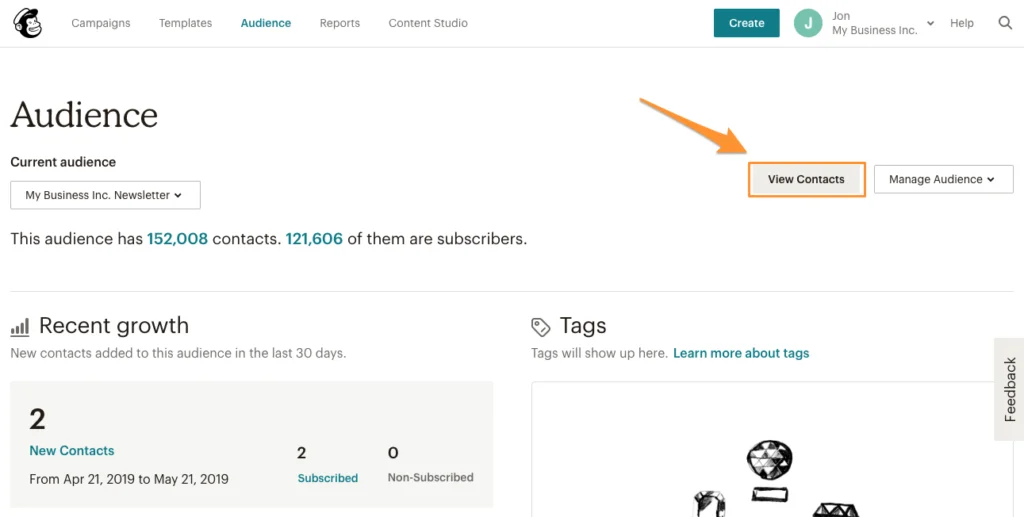
- Navigate to "Audience" and then select "View Contacts." This section provides an overview of your various contact lists.
- For each audience (or list) you intend to migrate, click "Export Audience." Mailchimp typically bundles subscriber and unsubscriber data into separate CSV files within a zipped folder. It is crucial to repeat this step for every distinct audience you manage within Mailchimp to ensure no segment is left behind.
- Download the generated ZIP file and extract its contents. You will typically find
subscribed_members.csvandunsubscribed_members.csv(or similar filenames), which are vital for the next steps.
-
Importing into Sinch Mailjet:
- Log into your Sinch Mailjet account.
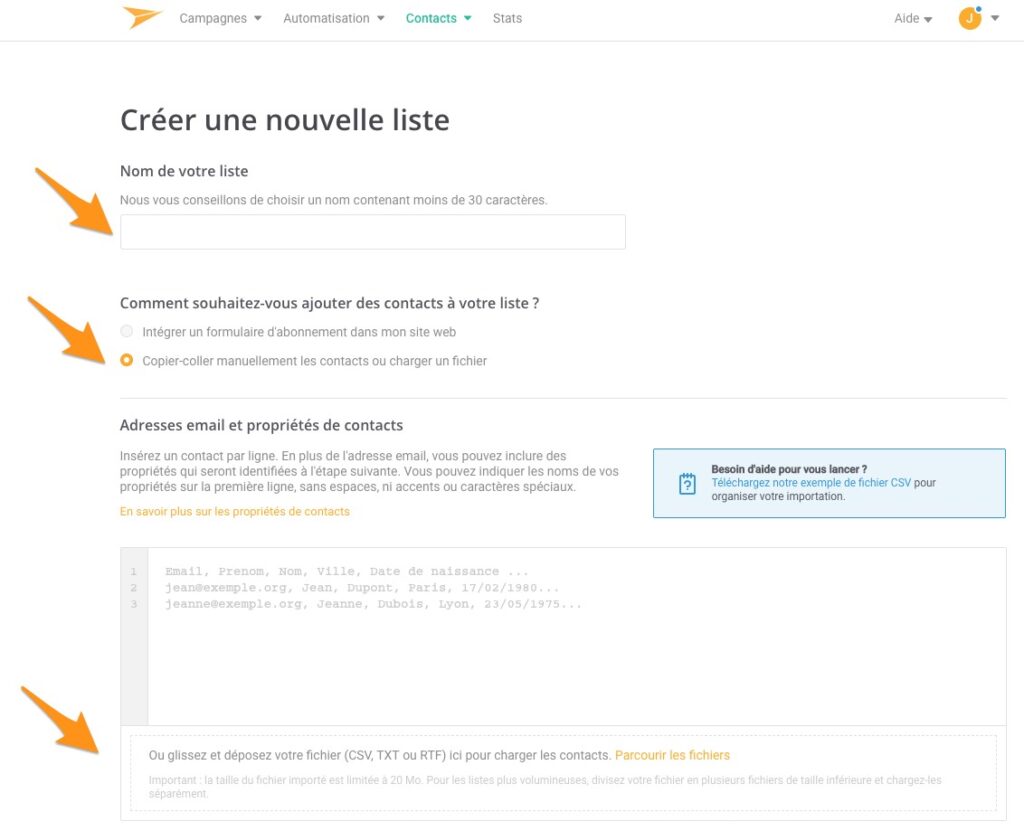
- It is a recommended best practice to mirror your Mailchimp audience structure in Mailjet. From the menu, navigate to "Contacts" > "Contact Lists," and then click "Create a new list." Assign a clear, descriptive name that corresponds to your original Mailchimp audience.
- Select the option to "Paste contacts manually or upload a file." Choose the
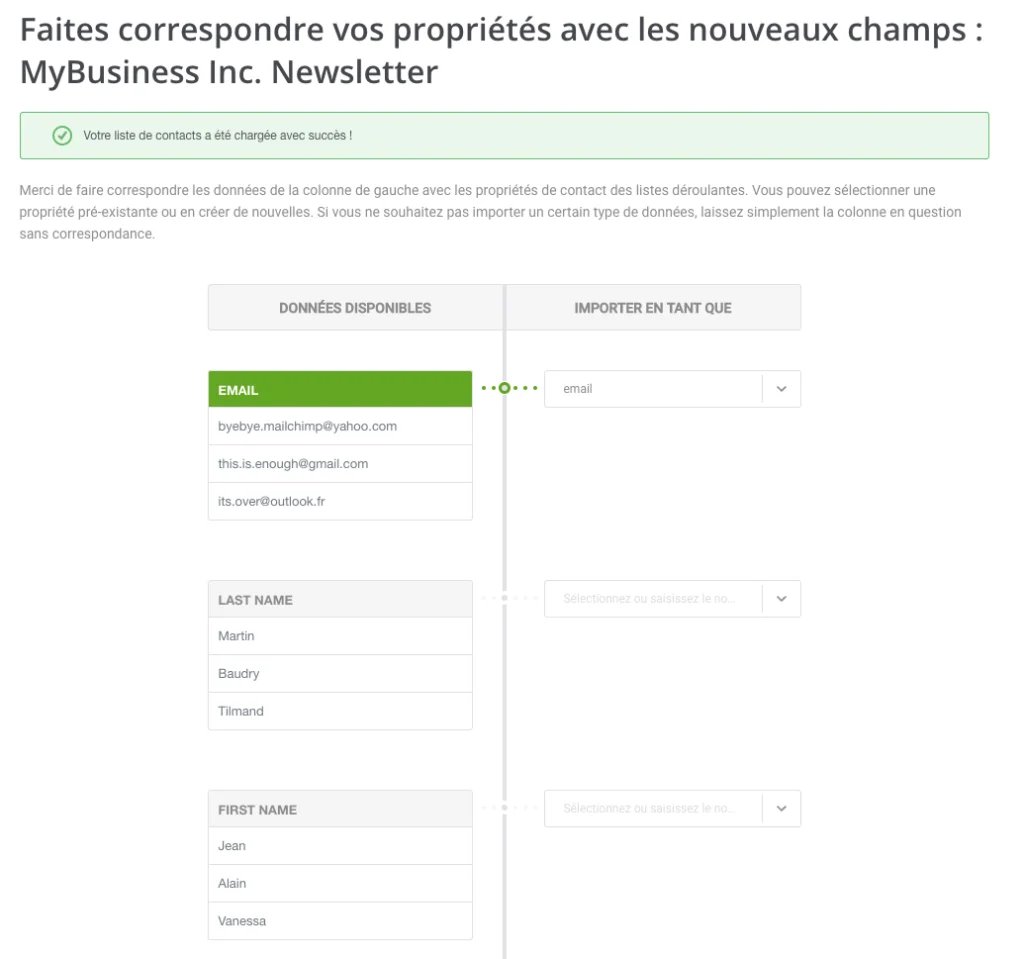
subscribed_members.csvfile you exported from Mailchimp. - Field Mapping: This is a critical juncture. Sinch Mailjet will attempt to auto-map common fields (e.g., Email, First Name, Last Name). Carefully review this mapping and manually adjust any discrepancies. Ensure all custom fields (e.g., company, birthday, specific preferences) are correctly mapped to corresponding fields in Mailjet. If a custom field doesn’t exist in Mailjet, you may need to create it. Correct field mapping ensures that your segmentation and personalization capabilities remain intact. Once satisfied, click "Save and continue."
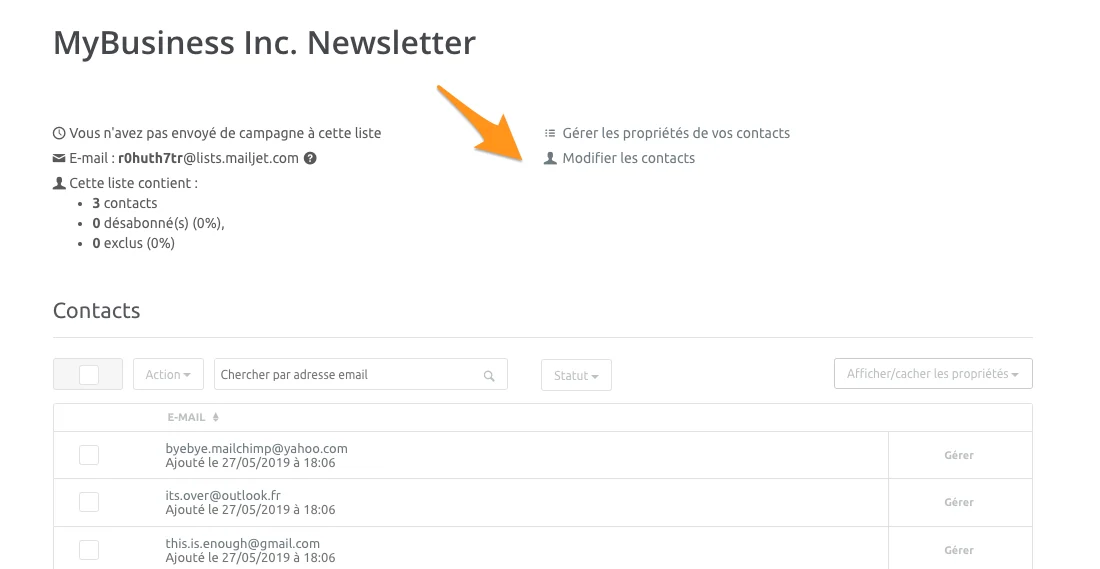
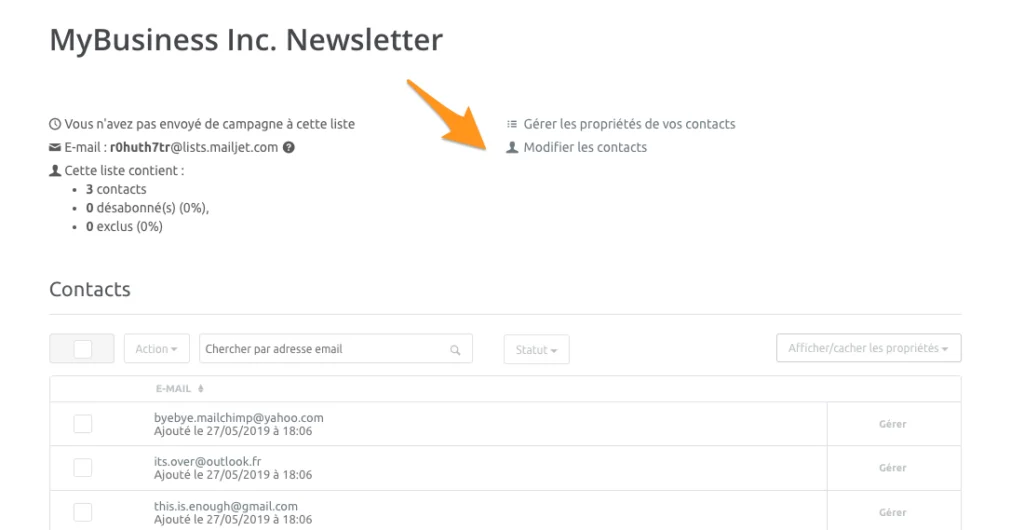
- Handling Unsubscribed Contacts: This step is non-negotiable for compliance and maintaining sender reputation. After importing your subscribed list, navigate to the newly created contact list in Mailjet. Click "Manage contacts."
- Select "Unsubscribe contacts" as the update type. Drag and drop the
unsubscribed_members.csvfile you exported from Mailchimp. Again, ensure proper field mapping. Importing these contacts as "unsubscribed" prevents inadvertent emailing to individuals who have opted out, which can lead to legal penalties and severe damage to your sender reputation.
Step 2: Migrating Email Templates – Preserving Brand Identity
The direct transfer of editable email templates between platforms built on different rendering engines is generally not feasible. However, businesses have viable options to ensure their brand identity and campaign designs are carried over.
- Option 1: Rebuilding Templates in Sinch Mailjet’s Editor: This is often the recommended approach, especially if you wish to leverage Mailjet’s native drag-and-drop editor, optimize for new features, or refresh your design system. This allows for full editability and ensures templates are fully compatible with Mailjet’s environment.
- Option 2: Exporting and Importing HTML: For more complex, custom-coded templates, or if a direct visual replication is prioritized over full editability within the new editor, this method is effective.
- Exporting from Mailchimp: In your Mailchimp account, go to "Templates." For each template you wish to migrate, select "Export as HTML" from its respective dropdown menu. This downloads the raw HTML code of your template.
- Importing into Sinch Mailjet: In your Sinch Mailjet account, navigate to "Campaigns" and select "Create a new template." Choose the "Code it in HTML" option. You can then upload your downloaded HTML file or paste the code directly.
- Post-Import Review: While importing HTML preserves the visual layout, it’s crucial to test these templates extensively across various email clients and devices. Minor adjustments may be needed to ensure optimal rendering within Sinch Mailjet’s environment, particularly concerning responsive design and dynamic content tags.
Step 3: Exporting Historical Reporting Data – Maintaining Performance Insights
While it’s not possible to transfer historical performance data (e.g., open rates, click-through rates for past campaigns) directly into Sinch Mailjet for integrated analysis, retaining this information is critical for benchmarking and strategic planning.
- Exporting from Mailchimp: In your Mailchimp account, go to "Reports." You will find an option to "Download All Reports." This will typically provide a comprehensive CSV or Excel file containing aggregated data for your past campaigns.
- Storing and Analyzing: Download and securely store these reports. Businesses often import this data into business intelligence tools, spreadsheets, or data warehouses to maintain a continuous record of email performance. This allows for historical comparisons, trend analysis, and setting new performance benchmarks within Sinch Mailjet.
Post-Migration Best Practices for Optimal Performance
Once the migration is technically complete, several crucial steps are required to ensure optimal performance and deliverability from Sinch Mailjet:
- Domain and Sender Authentication: Before sending any campaigns, rigorously validate your sending domains and sender addresses within Sinch Mailjet. Crucially, configure your SPF (Sender Policy Framework), DKIM (DomainKeys Identified Mail), and DMARC (Domain-based Message Authentication, Reporting & Conformance) records. These protocols are fundamental for email authentication, verifying that your emails are legitimately sent from your domain, significantly improving deliverability, and protecting your brand from spoofing and phishing attempts.
- IP Warm-up Strategy: If you are using a new dedicated IP address with Sinch Mailjet, implement a gradual IP warm-up strategy. This involves slowly increasing your sending volume over several weeks to build a positive sender reputation with Internet Service Providers (ISPs). Starting with high volumes abruptly can flag your emails as suspicious and lead to blocks.
- Thorough Testing: Conduct extensive testing of your new templates, segments, and automation workflows within Sinch Mailjet. Send test emails to various internal addresses and across different email clients (Gmail, Outlook, Apple Mail) and devices (desktop, mobile) to confirm correct rendering and functionality.
- Leverage Sinch Mailjet’s Capabilities: Explore Sinch Mailjet’s advanced features, such as sophisticated segmentation, A/B testing, automation workflows, and real-time analytics. These tools can help optimize future campaigns and maximize engagement.
Industry Perspectives and Broader Implications
The increasing propensity of businesses to migrate from long-standing platforms like Mailchimp to specialized providers such as Sinch Mailjet reflects a maturing email marketing ecosystem. Industry analysts suggest this trend is indicative of a growing demand for more tailored, robust, and cost-effective solutions that can address the complexities of enterprise-level email communication. "As digital transformation accelerates, businesses are scrutinizing every tool in their tech stack," remarked a leading industry analyst. "Email platforms are no exception. The move towards solutions like Sinch Mailjet signifies a strategic prioritization of deliverability, scalability, and integration flexibility, especially for companies with high-volume or critical transactional email needs."
A spokesperson for Sinch Mailjet, while not directly commenting on specific competitor migrations, highlighted the company’s commitment to "providing a powerful, reliable, and developer-friendly platform that empowers businesses to deliver impactful email experiences at scale. Our focus on deliverability, API extensibility, and global infrastructure positions us as a strong partner for growing companies."
The broader implications for the email marketing industry include heightened competition, driving innovation and specialization among ESPs. Platforms are increasingly differentiating themselves based on core strengths – whether it’s ease of use for small businesses, advanced automation for marketers, or unparalleled deliverability and API access for developers and enterprises. This competitive environment ultimately benefits businesses, offering a wider array of choices to align with their specific operational models, growth trajectories, and communication strategies.
The decision to migrate an email platform is a significant strategic undertaking. However, for businesses poised for exponential growth, facing escalating costs, or requiring more sophisticated control over their email infrastructure and deliverability, the transition to a platform like Sinch Mailjet represents a calculated investment in future scalability, performance, and operational efficiency. The comprehensive migration steps, coupled with diligent post-migration optimization, ensure that businesses can continue to harness the power of email marketing effectively and confidently into the future.